When it comes to pearls, cultured pearls are often the go-to choice for jewelry lovers. Whether you’re new to the world of pearls or looking to deepen your understanding, you might be wondering: what exactly are cultured pearls, and how do they differ from others? In this guide, we’ll break down everything you need to know about these fascinating gems, from their origins to their uses in high-end jewelry.
Cultured pearls are man-made, grown in oysters or mollusks using human intervention. The process involves carefully inserting a bead into the shell to stimulate pearl production. Cultured pearls are much more affordable compared to their natural counterparts, and they come in a variety of types with distinct characteristics.
But before we get into the specifics of the different types of cultured pearls, let’s first understand the basics.
1. What Are Cultured Pearls?
When you hear “cultured pearls,” you might immediately think they’re artificial, but that’s not exactly the case. Cultured pearls are natural pearls that are created with human assistance, typically in a controlled environment. In this section, we’ll explore the definition, history, and how cultured pearls are different from natural pearls.
What is the difference between cultured and natural pearls?
Cultured pearls are made by inserting a bead or piece of tissue into an oyster, stimulating it to produce a pearl around the nucleus. Natural pearls, on the other hand, form without human intervention. While both are beautiful, cultured pearls tend to be more affordable and easier to find.
Cultured pearls come in various shapes and sizes, each type having unique features that affect their value.
How are cultured pearls made?
The process starts with selecting a suitable oyster or mollusk. A small bead, typically made of mother-of-pearl, is carefully inserted into the mollusk. Over time, the mollusk coats the bead with layers of nacre, forming a pearl.
Table 1: Differences Between Cultured and Natural Pearls
| Feature | Cultured Pearls | Natural Pearls |
|---|---|---|
| Formation Process | Human intervention required | Natural occurrence without interference |
| Price | More affordable | Very expensive due to rarity |
| Availability | Easily available | Rare and difficult to find |
| Consistency in Quality | Uniform quality | Highly variable in quality |
2. How Are Cultured Pearls Made?
Cultured pearls are the result of a delicate process. This section will explain the exact steps involved in cultivating these stunning gems. From selecting the mollusk to the conditions necessary for successful pearl production, you’ll get a clear picture of what goes into making cultured pearls.
What’s the process behind culturing pearls?
The process begins by selecting healthy mollusks. A small incision is made in the mollusk, and a nucleus bead or piece of tissue is placed inside. The mollusk then secretes layers of nacre around the bead to form a pearl. The entire process can take anywhere from a few months to a few years, depending on the type of pearl and the conditions.
The environment where pearls are cultivated plays a big role in their size, shape, and color. Factors such as water temperature, quality, and the type of mollusk used all impact the final product.
Table 2: Stages in Cultured Pearl Formation
| Stage | Description | Time Taken |
|---|---|---|
| Nucleation | Inserting the bead or tissue into the mollusk | Few hours to a day |
| Growth | Mollusk secretes nacre around the nucleus | 6 months to 2 years |
| Harvesting | Collecting the pearl once it’s fully formed | After 6 months to 2 years |
3. What Are the Different Types of Cultured Pearls?
Cultured pearls come in various types, each with its unique characteristics. In this section, we’ll explore the four main types of cultured pearls: Akoya, Tahitian, South Sea, and Freshwater pearls.
Which cultured pearl is the best for you?
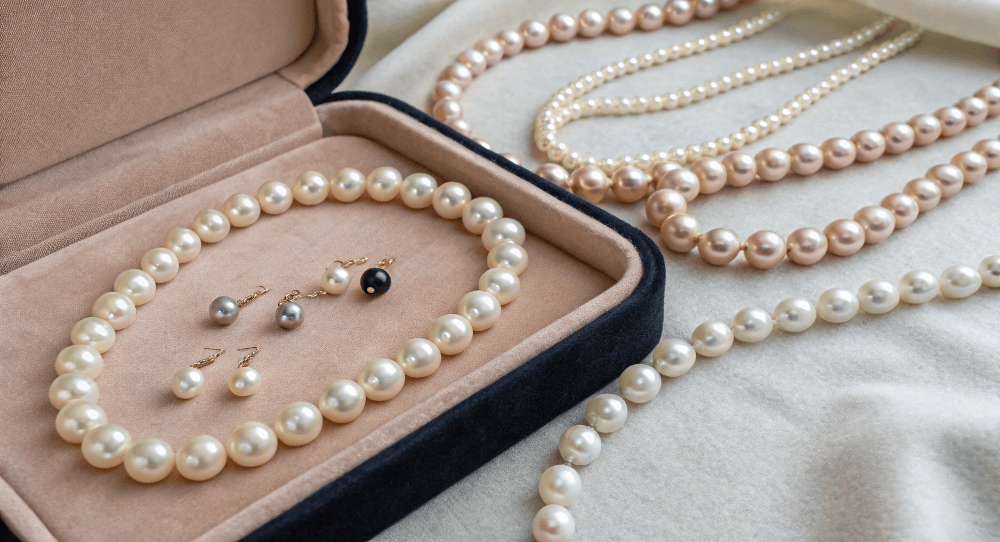
It depends on the type of jewelry you’re looking for. Akoya pearls are known for their classic round shape and brilliant luster, making them perfect for traditional pearl necklaces. Tahitian pearls, on the other hand, are larger and darker, ideal for statement pieces. South Sea pearls are known for their size and luxurious appeal, while Freshwater pearls are more affordable and available in a wider variety of shapes.
Table 3: Comparison of Cultured Pearl Types
| Type | Origin | Color Range | Size Range (mm) | Popular Use |
|---|---|---|---|---|
| Akoya | Japan | White, Cream, Pink | 6-9 mm | Necklaces, Earrings |
| Tahitian | French Polynesia | Black, Green, Blue | 8-18 mm | Statement Jewelry |
| South Sea | Australia, Indonesia | White, Golden | 9-20 mm | Luxury Jewelry |
| Freshwater | China | White, Pink, Lavender | 5-12 mm | Affordable Jewelry |
4. What Are the Characteristics of Each Cultured Pearl Type?
Each cultured pearl type has distinct characteristics that make them suitable for different types of jewelry. Let’s dive deeper into the unique features of each type and how these impact their appeal.
What makes Akoya pearls different from Tahitian pearls?
Akoya pearls are known for their classic round shape and high luster. They’re often smaller in size, making them ideal for more delicate, traditional jewelry. Tahitian pearls, however, are much larger and come in darker, exotic colors. These differences in size and color make Tahitian pearls perfect for bold statement pieces.
Table 4: Characteristics of Cultured Pearl Types
| Feature | Akoya Pearls | Tahitian Pearls | South Sea Pearls | Freshwater Pearls |
|---|---|---|---|---|
| Shape | Round, Near-round | Round, Baroque, Drop-shaped | Round, Oval, Button-shaped | Round, Oval, Baroque |
| Size | 6-9 mm | 8-18 mm | 9-20 mm | 5-12 mm |
| Color | White, Cream, Pink | Black, Green, Blue | White, Golden | White, Pink, Lavender |
| Luster | High | Moderate to High | High | Moderate |
5. How Do You Identify Different Types of Cultured Pearls?
Identifying cultured pearls can be tricky, especially when they are of similar sizes and shapes. In this section, we’ll provide tips and techniques for identifying cultured pearls based on their physical features.
How can you tell the difference between Akoya and Freshwater pearls?
While both types of pearls are round, Akoya pearls typically have a higher luster and are smaller in size compared to Freshwater pearls. Freshwater pearls, on the other hand, are more affordable and come in a wider range of shapes, making them unique in their own right.
Table 5: Characteristics to Identify Different Cultured Pearls
| Characteristic | Akoya Pearls | Tahitian Pearls | South Sea Pearls | Freshwater Pearls |
|---|---|---|---|---|
| Shape | Mostly round, near-round | Round, baroque, drop-shaped | Round, oval, button-shaped | Round, oval, baroque, irregular |
| Size | 6-9 mm | 8-18 mm | 9-20 mm | 5-12 mm |
| Color | White, cream, pink | Black, green, blue | White, golden | White, pink, lavender |
| Luster | High | Moderate to high | High | Moderate |
| Surface Quality | Smooth with few imperfections | Often has more natural markings | Smooth, with fewer blemishes | Varies, more irregular |
| Rarity | Very common | Less common, more exotic | Rare and valuable | Common and widely available |
By paying attention to these characteristics, you can identify and differentiate between the various types of cultured pearls based on their most noticeable features.
6. What is the Most Popular Cultured Pearl Type?
Choosing the most popular cultured pearl type depends on various factors such as appearance, price, and demand in the jewelry market. In this section, we’ll explore why Akoya, Tahitian, South Sea, and Freshwater pearls stand out as popular choices in the world of cultured pearls.
Which cultured pearl is the most sought after?
Akoya pearls are one of the most popular cultured pearl types, mainly due to their traditional association with fine pearl jewelry. Tahitian pearls are also highly sought after, especially for their bold, exotic appearance. South Sea pearls, known for their luxurious size and appeal, are often considered the crème de la crème, while Freshwater pearls provide a more affordable option, making them popular among those looking for beauty on a budget.
Table 6: Popularity of Cultured Pearl Types in the Market
| Pearl Type | Popularity Level | Reasons for Popularity |
|---|---|---|
| Akoya | High | Classic shape, high luster, widely recognized |
| Tahitian | High | Unique colors, large size, exotic appeal |
| South Sea | Very High | Luxurious, large size, coveted in high-end jewelry |
| Freshwater | Moderate | Affordable, versatile shapes, and colors |
7. How Are Cultured Pearls Graded?
Grading cultured pearls is a critical step in determining their quality and value. This section explains the factors that influence pearl grading and how to understand the quality of the pearls you are considering.
What is the grading system for cultured pearls?
Pearls are graded based on a combination of size, shape, luster, surface quality, and color. Larger, rounder, and more lustrous pearls with fewer imperfections tend to receive higher grades. This grading system helps buyers identify top-quality pearls for jewelry making.
Table 7: Factors in Cultured Pearl Grading
| Factor | Description | Influence on Grade |
|---|---|---|
| Size | Larger pearls are more valuable | Larger pearls are preferred |
| Shape | Round pearls are considered the most valuable | Round or near-round shapes are top-rated |
| Luster | High luster means bright and reflective pearls | High luster increases value |
| Surface Quality | Fewer blemishes, scratches, or irregularities are preferred | Flawless pearls are the highest quality |
| Color | The intensity and evenness of color | Rich, uniform colors are preferred |
8. What Are the Common Myths About Cultured Pearls?
There are many misconceptions about cultured pearls, which may cause confusion among buyers. In this section, we’ll dispel some of the most common myths associated with cultured pearls.
Are cultured pearls fake or inferior to natural pearls?
This is a common myth. Cultured pearls are not fake; they are real pearls that are cultivated with human assistance. The only difference is that they are farmed in controlled environments rather than forming naturally. Cultured pearls are every bit as valuable as natural pearls and often more affordable.
Table 8: Common Myths About Cultured Pearls
| Myth | Reality |
|---|---|
| Cultured pearls are artificial | Cultured pearls are natural pearls, just farmed with human help |
| Cultured pearls are of lower quality | Cultured pearls can be high-quality and are graded like natural pearls |
| Cultured pearls lack luster | Cultured pearls often have exceptional luster, especially in premium types like Akoya |
9. How to Care for Cultured Pearls?
Proper care is essential to maintain the beauty of cultured pearls. This section covers the steps you can take to ensure your pearls stay in great condition for years.
What’s the best way to care for cultured pearls?
Cultured pearls should be cleaned with a soft cloth after each use to remove oils and dirt. They should be stored in a soft pouch or lined box to avoid scratches and damage. It’s also important to avoid exposing them to chemicals, perfumes, or extreme temperatures to keep their luster intact.
Table 9: Tips for Caring for Cultured Pearls
| Care Step | Description |
|---|---|
| Cleaning | Gently wipe pearls with a soft cloth after use to remove dirt and oils |
| Storage | Store in a soft pouch or cloth-lined box to prevent scratching |
| Avoid Chemicals | Keep pearls away from perfumes, hairsprays, and cleaning chemicals |
| Wear with Care | Avoid wearing pearls when swimming or exercising to prevent damage |
10. What Factors Affect the Price of Cultured Pearls?
Several factors influence the price of cultured pearls. In this section, we’ll explore the main factors that affect pearl pricing, from size and luster to the type and market demand.
What makes cultured pearls expensive or affordable?
The price of cultured pearls is primarily determined by their size, luster, shape, and type. Larger pearls, particularly South Sea and Tahitian pearls, tend to be more expensive. Pearls with high luster and fewer imperfections also command a higher price. The rarity of certain colors or types also contributes to the overall cost.
Table 10: Factors Affecting Cultured Pearl Pricing
| Factor | Impact on Price |
|---|---|
| Size | Larger pearls are more expensive |
| Luster | Higher luster equals higher value |
| Shape | Round pearls are pricier than baroque shapes |
| Type | South Sea and Tahitian pearls are premium |
| Color | Rare colors, like black or golden, increase price |
11. What Are the Environmental Impacts of Cultured Pearls?
The environmental impact of cultured pearl farming is an important topic to consider, especially for those who prioritize sustainability in their purchases. This section discusses the effects of pearl farming on marine ecosystems and how the industry is moving toward more sustainable practices.
How does pearl farming affect the environment?
While pearl farming has been considered a relatively low-impact industry compared to other types of aquaculture, there are still environmental concerns. The collection of oysters, potential pollution from farms, and the impact of human intervention in natural ecosystems can have negative consequences. However, many pearl farmers are adopting sustainable practices such as using biodegradable materials and reducing waste.
Table 11: Environmental Impact of Cultured Pearl Farming
| Impact | Description | Efforts to Mitigate |
|---|---|---|
| Overfishing of Mollusks | Excessive collection of oysters can impact local populations | Sustainable harvesting methods |
| Water Pollution | Discharge of organic materials from farms can harm marine life | Use of cleaner farming techniques |
| Habitat Disruption | Pearl farming can disturb local ecosystems and coral reefs | Implementation of environmentally friendly practices |
| Waste Generation | Waste from farming can pollute surrounding areas | Biodegradable tools and waste management solutions |
12. Where Can You Buy High-Quality Cultured Pearls?
If you’re looking to buy cultured pearls, knowing where to shop is key to getting authentic, high-quality pearls. This section will guide you to the best sources for purchasing cultured pearls.
Where can I find reputable sources for cultured pearls?
Reputable sources for buying cultured pearls include specialized jewelers, established online marketplaces, and trusted pearl farms. When purchasing, it’s important to verify the authenticity of the pearls, as the market can sometimes have counterfeit products.
Table 12: Trusted Sources for Cultured Pearls
| Source | Description | Pros and Cons |
|---|---|---|
| Reputable Jewelers | High-end stores specializing in pearls | High quality, but more expensive |
| Established Online Marketplaces | Websites like Etsy, Alibaba, and Amazon | Convenient, but verify authenticity |
| Pearl Farms | Direct purchase from farms, often offering the best prices | Authentic pearls, but may require direct contact |
13. What Are the Latest Trends in Cultured Pearls?
Cultured pearls have become a fashion statement, with many designers incorporating them into modern and innovative jewelry. This section explores the latest trends in the cultured pearl market and how they are evolving.
What are the current trends in cultured pearl jewelry?
Recent trends include the use of larger, statement-making pearls, as well as multi-colored pearl pieces. Designers are experimenting with unconventional shapes and pairings, making cultured pearls more versatile and adaptable to contemporary fashion. Freshwater pearls, known for their variety of shapes, are also gaining popularity due to their affordability and unique aesthetic.
Table 13: Popular Cultured Pearl Jewelry Trends
| Trend | Description | Popularity in the Market |
|---|---|---|
| Statement Pieces | Large, bold pearls used for eye-catching jewelry | Very High |
| Mixed-Shape Designs | Incorporating various shapes of pearls in a single design | Moderate |
| Multi-Colored Pearls | Using pearls in a variety of colors for a unique look | High |
| Freshwater Pearl Jewelry | Designs using Freshwater pearls due to affordability and variety | Increasing |
14. How to Choose the Right Cultured Pearl for Your Jewelry?
Choosing the right cultured pearl depends on several factors, including the type of jewelry you’re creating, your budget, and personal preferences. This section provides tips on how to select the perfect cultured pearl for your needs.
What factors should I consider when choosing cultured pearls?
When selecting cultured pearls, consider the size, shape, and color that best match your desired piece. If you’re designing a classic pearl necklace, Akoya pearls are a great choice. For unique, bold pieces, Tahitian pearls offer distinct colors and sizes. Don’t forget to factor in your budget, as South Sea and Tahitian pearls tend to be pricier due to their size and rarity.
Table 14: Choosing the Right Cultured Pearls for Jewelry
| Jewelry Type | Recommended Pearl Type | Reason for Choice |
|---|---|---|
| Classic Necklace | Akoya Pearls | Round shape, high luster, traditional appeal |
| Statement Earrings | Tahitian Pearls | Large size, exotic colors, bold aesthetic |
| Luxury Bracelets | South Sea Pearls | Large size, luxurious appeal |
| Affordable Pendants | Freshwater Pearls | Budget-friendly, variety of shapes and colors |
15. How Are Cultured Pearls Used in Different Cultures?
Cultured pearls have significance in many cultures, often symbolizing wealth, beauty, and purity. This section explores how pearls are used across various cultures and their cultural significance.
What is the cultural significance of cultured pearls?
In many cultures, cultured pearls are a symbol of luxury and sophistication. In Asia, pearls are often worn by brides to represent purity and elegance. In Western culture, pearls are associated with high fashion, worn by celebrities and royalty alike. The cultural significance of pearls can influence their use in jewelry and the demand for certain types of pearls.
Table 15: Cultural Significance of Cultured Pearls
| Culture | Symbolism of Pearls | Popular Use |
|---|---|---|
| Asian Cultures | Purity, elegance, and good fortune | Bridal jewelry, traditional attire |
| Western Cultures | Luxury, sophistication, and wealth | High-fashion jewelry, red carpet events |
| European Cultures | Royalty, class, and timeless beauty | Bridal jewelry, luxury collections |
| Middle Eastern Cultures | Wealth, status, and tradition | Special occasion jewelry |
Conclusion
Cultured pearls come in various types, each with its unique characteristics and uses. Whether you’re looking for a classic, elegant piece or a bold, statement-making design, understanding the different types of cultured pearls will help you make an informed decision. With proper care, these pearls can last a lifetime, adding beauty and value to any jewelry collection.
FAQ Section
Q1: What is a cultured pearl?
A cultured pearl is a pearl that is created through human intervention by inserting a nucleus into a mollusk to stimulate the formation of a pearl.
Q2: How does the process of culturing pearls work?
The process involves inserting a small bead into a mollusk, which then secretes layers of nacre around the bead to form a pearl over time.
Q3: What is the difference between Akoya and Tahitian pearls?
Akoya pearls are smaller and known for their high luster, while Tahitian pearls are larger and come in dark, exotic colors.
Q4: How do I identify cultured pearls?
You can identify cultured pearls by their luster, size, and shape. Akoya pearls are typically round and have a high luster, while Freshwater pearls are more irregular in shape.
Q5: How can I take care of my cultured pearls?
To care for cultured pearls, clean them gently with a soft cloth, store them in a pouch or box, and avoid exposing them to harsh chemicals or extreme heat.