Introduction

The allure and elegance of Turkish jewelry captivate many around the world. Steeped in rich history and cultural significance, Turkish jewelry is renowned for its intricate designs, high-quality materials, and the skilled craftsmanship that goes into each piece. In this comprehensive guide, we will delve into the fascinating world of Turkish jewelry, exploring its heritage, key characteristics, notable brands, and much more. Whether you are a jewelry enthusiast, a potential buyer, or simply curious about the beauty of Turkish jewelry, this article will provide you with a wealth of knowledge and insight.
History and Heritage of Turkish Jewelry
Ancient Origins
Turkish jewelry has a history that spans thousands of years, with its origins rooted in ancient Anatolian civilizations. The region, known today as Turkey, has been a cultural and artistic crossroads for centuries, influencing and being influenced by various civilizations, including the Hittites, Phrygians, Lydians, and Persians. These ancient cultures laid the foundation for the rich tradition of jewelry-making that continues to thrive in Turkey.
One of the most significant periods in the history of Turkish jewelry was the Byzantine Empire, which ruled from the 4th to the 15th century. Byzantine jewelry was characterized by its opulence and intricate designs, often featuring religious motifs and elaborate use of gold and gemstones. The influence of Byzantine art can still be seen in many contemporary Turkish jewelry pieces.
The Ottoman Empire, which followed the Byzantine Empire, further enriched the tradition of jewelry-making in Turkey. The Ottomans, who ruled from the 14th to the early 20th century, were known for their lavish and elaborate jewelry. Ottoman jewelry often incorporated precious metals, such as gold and silver, as well as an array of gemstones, including rubies, emeralds, and sapphires. The intricate designs and craftsmanship of Ottoman jewelry have left a lasting legacy on the art of jewelry-making in Turkey.
Cultural Significance
Jewelry holds a special place in Turkish culture and traditions. It is often used in various ceremonies and rituals, symbolizing different aspects of life and society. For instance, jewelry plays a crucial role in Turkish weddings, where the bride is adorned with elaborate pieces that signify wealth, status, and familial bonds. Traditional pieces such as the “taki,” a type of necklace, and the “altin bilezik,” a gold bracelet, are commonly given as gifts to the bride, symbolizing prosperity and good fortune.
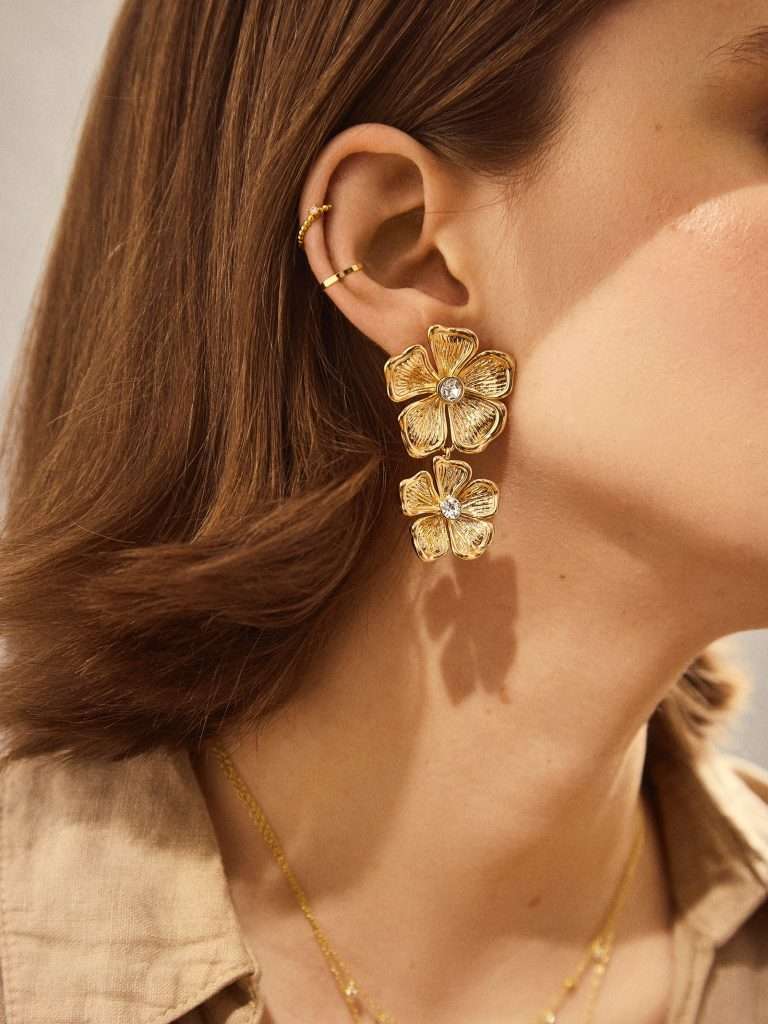
The symbolic meanings of Turkish jewelry designs are deeply rooted in the country’s cultural heritage. Common motifs include the evil eye, known as “nazar,” which is believed to protect against negative energy and bring good luck. Floral patterns, inspired by the natural beauty of the Turkish landscape, are also prevalent in jewelry designs, representing growth, renewal, and beauty.
In addition to its cultural significance, Turkish jewelry is also valued for its artistic and aesthetic qualities. The meticulous craftsmanship and attention to detail in each piece reflect the skill and dedication of Turkish jewelry manufacturers. This combination of cultural heritage and artistic excellence makes Turkish jewelry truly unique and highly sought after around the world.
In the next section, we will explore the key characteristics that define Turkish jewelry, including the materials used, design elements, and traditional techniques that set it apart from other types of jewelry. Stay tuned as we continue our journey through the captivating world of Turkish jewelry.
Key Characteristics of Turkish Jewelry
Materials Used
Turkish jewelry manufacturers are known for their use of high-quality materials, which contribute to the durability and beauty of their pieces. Gold and silver are the primary metals used in Turkish jewelry. The purity of these metals is often a hallmark of quality, with 22-karat and 24-karat gold being particularly prized for their richness and luster.
In addition to precious metals, Turkish jewelry often features a variety of gemstones. These include both precious stones, such as diamonds, rubies, emeralds, and sapphires, and semi-precious stones like turquoise, agate, and amethyst. The careful selection and skillful setting of these stones enhance the overall aesthetic appeal of the jewelry, making each piece a work of art.
Another unique material used in Turkish jewelry is enamel. This technique, known as “minakari,” involves fusing powdered glass to metal to create a colorful, glossy finish. Enamel work adds a vibrant and distinctive touch to many Turkish jewelry pieces, showcasing the creativity and technical prowess of Turkish artisans.
Design Elements
Turkish jewelry is renowned for its intricate and elaborate designs, which often incorporate a blend of traditional and modern elements. One of the defining characteristics of Turkish jewelry design is the use of detailed and ornate patterns. These patterns can include geometric shapes, floral motifs, and symbolic elements, each with its own cultural significance.
Traditional Turkish designs often feature motifs such as the evil eye, which is believed to ward off negative energy and bring good fortune. This motif is commonly found in necklaces, bracelets, and earrings, often set with blue and white stones to represent the eye. Another popular design element is the use of filigree, a technique that involves twisting and curling fine metal wires to create delicate, lace-like patterns. Filigree work is a testament to the meticulous craftsmanship and patience of Turkish jewelry makers.
Modern Turkish jewelry, while still rooted in tradition, often incorporates contemporary design elements and innovative techniques. This fusion of old and new creates unique and versatile pieces that appeal to a wide range of tastes and preferences. Whether you prefer the timeless elegance of traditional designs or the bold and stylish look of modern pieces, Turkish jewelry offers something for everyone.
Techniques
The art of jewelry-making in Turkey involves a variety of traditional techniques that have been passed down through generations. One such technique is filigree, as mentioned earlier, which requires exceptional skill and precision. Filigree work is labor-intensive and time-consuming, but the results are stunning, with intricate patterns that look almost like delicate lace.
Another notable technique is niello, which involves filling engraved designs on metal with a black mixture of silver, copper, lead, and sulfur. Once the mixture is polished, it creates a striking contrast with the shiny metal, highlighting the engraved patterns and adding depth to the design. Niello work is often used in rings, bracelets, and pendants, adding a unique and sophisticated touch to these pieces.
Granulation is yet another traditional technique used in Turkish jewelry. This involves applying tiny metal beads to the surface of a piece to create intricate patterns and textures. The beads are carefully arranged and soldered onto the metal, resulting in a detailed and textured surface that adds visual interest and complexity to the jewelry.
The use of these traditional techniques, combined with modern innovations, ensures that Turkish jewelry remains at the forefront of design and craftsmanship. In the next section, we will explore some of the most prominent Turkish jewelry brands, highlighting their unique styles and contributions to the world of jewelry.
Prominent Turkish Jewelry Brands
Historical Brands
Turkish jewelry brands with historical significance have played a crucial role in shaping the country’s jewelry industry. These brands have a long-standing heritage and are renowned for their timeless designs and exceptional craftsmanship.
One of the most iconic historical brands is Storks, established in the late 19th century. Storks is known for its elegant and luxurious designs, often inspired by Ottoman motifs and traditional Turkish art. The brand’s commitment to quality and craftsmanship has earned it a prestigious reputation, both in Turkey and internationally. Storks’ pieces often feature intricate filigree work, elaborate gemstone settings, and rich gold and silver designs, making them highly coveted by jewelry connoisseurs.
Another notable historical brand is Altınbaş, which has been a prominent name in Turkish jewelry since its founding in 1975. Altınbaş is recognized for its exquisite collections that blend traditional Turkish elements with modern aesthetics. The brand’s use of high-quality materials, such as 24-karat gold and precious gemstones, ensures that each piece is not only beautiful but also of lasting value. Altınbaş has become a symbol of elegance and sophistication, with its jewelry being worn by discerning customers around the world.
Contemporary Brands
In addition to historical brands, Turkey is home to a vibrant and dynamic contemporary jewelry scene. These modern brands are gaining international recognition for their innovative designs and unique approaches to jewelry-making.
One such contemporary brand is Bihter, founded by the renowned designer Bihter Alkor. Bihter’s designs are characterized by their bold and avant-garde style, often incorporating unconventional materials and techniques. The brand’s collections are a fusion of traditional Turkish motifs and contemporary fashion, resulting in pieces that are both striking and versatile. Bihter’s jewelry has been featured in numerous fashion shows and magazines, solidifying its status as a trendsetter in the industry.
Kısmet by Milka is another contemporary brand that has made a significant impact on the Turkish jewelry scene. Founded by Milka Karaagacli, the brand is known for its delicate and minimalist designs, often featuring subtle motifs and fine details. Kısmet by Milka’s pieces are inspired by spirituality and personal symbolism, making them meaningful and unique. The brand has gained a loyal following both in Turkey and internationally, with its jewelry being worn by celebrities and fashion influencers.
These prominent Turkish jewelry brands, both historical and contemporary, highlight the diversity and creativity of Turkish jewelry manufacturers. In the next section, we will delve into the work of some of the most influential Turkish jewelry designers, exploring their signature styles and contributions to the industry.
Top Turkish Jewelry Designers
Renowned Designers
Turkey boasts a wealth of talented jewelry designers who have made significant contributions to the art of jewelry-making. These designers are celebrated for their unique styles and innovative approaches, and their work is highly regarded both in Turkey and internationally.
One of the most influential Turkish jewelry designers is Sevan Bıçakçı. Known as the “Lord of the Rings,” Bıçakçı’s work is characterized by its intricate and imaginative designs. His pieces often feature micro-mosaic, miniature painting, and carved gemstones, creating jewelry that is both stunning and unique. Bıçakçı draws inspiration from Istanbul’s rich history and architecture, resulting in pieces that tell a story and capture the essence of the city. His work has earned him numerous awards and accolades, and his jewelry is sought after by collectors and connoisseurs worldwide.
Another renowned designer is Aida Bergsen, who is known for her sculptural and artistic approach to jewelry. Bergsen’s designs are influenced by nature, mythology, and art, resulting in pieces that are both elegant and expressive. She often uses unconventional materials and techniques, such as combining metal with wood or incorporating organic elements into her designs. Bergsen’s work has been exhibited in galleries and museums, and her jewelry is admired for its originality and craftsmanship.
Emerging Talents
In addition to established designers, Turkey is also home to a new generation of emerging talent who are making their mark on the jewelry industry. These up-and-coming designers are bringing fresh perspectives and innovative ideas to Turkish jewelry, ensuring that the tradition continues to evolve and thrive.
One such emerging talent is Gizem Kesten. Known for her contemporary and minimalist designs, Kesten’s work often features clean lines and geometric shapes. Her pieces are characterized by their simplicity and elegance, making them versatile and wearable. Kesten’s jewelry has gained attention for its modern aesthetic and attention to detail, and she is quickly becoming a prominent name in the Turkish jewelry scene.
Hande Gül Yılmaz is another rising star in the world of Turkish jewelry design. Yılmaz’s work is inspired by her background in architecture, resulting in pieces that are both structural and artistic. Her designs often feature bold forms and innovative use of materials, creating jewelry that is both visually striking and technically sophisticated. Yılmaz’s work has been recognized for its creativity and craftsmanship, and she is poised to become a leading figure in the industry.
These top Turkish jewelry designers, both established and emerging, showcase the talent and creativity that define Turkish jewelry. In the next section, we will explore some of the most popular types of Turkish jewelry, highlighting their design and cultural significance.
Popular Turkish Jewelry Pieces
Iconic Jewelry Types
Turkish jewelry is known for its variety and versatility, with many iconic pieces that are deeply rooted in tradition and culture. These jewelry types are not only beautiful but also carry significant meaning and symbolism.
One of the most recognizable pieces of Turkish jewelry is the Hamsa necklace. The Hamsa, also known as the Hand of Fatima, is a symbol of protection and good fortune. It is often depicted as a hand with an eye in the center, believed to ward off evil and negative energy. Hamsa necklaces are popular not only in Turkey but also in many other cultures, and they come in a variety of designs, from simple and minimalist to ornate and embellished with gemstones.
Ottoman rings are another iconic type of Turkish jewelry. These rings are inspired by the opulent and elaborate designs of the Ottoman Empire, often featuring intricate patterns and a combination of metals and gemstones. Ottoman rings are known for their bold and striking appearance, making them a favorite among jewelry enthusiasts who appreciate historical and vintage-inspired pieces.
The evil eye bracelet is a staple in Turkish jewelry, believed to protect the wearer from negative energy and bring good luck. These bracelets typically feature a blue and white eye motif, often set in gold or silver and adorned with additional charms or gemstones. The evil eye bracelet is not only a fashionable accessory but also a meaningful piece of jewelry that carries cultural significance.
Trendy Pieces
While traditional Turkish jewelry continues to be popular, modern adaptations and trendy designs are also making waves in the industry. These contemporary pieces combine the rich heritage of Turkish jewelry with current fashion trends, resulting in unique and stylish accessories.
One such trendy piece is the layered necklace. Layering necklaces of different lengths and styles has become a popular trend in jewelry fashion, and Turkish designers have embraced this by creating pieces that can be mixed and matched for a personalized look. Layered necklaces often feature delicate chains, pendants with symbolic motifs, and a combination of metals and gemstones, allowing for versatile and customizable styling.
Statement earrings are another trend that has gained popularity in Turkish jewelry. These bold and eye-catching pieces often feature intricate designs and vibrant colors, making them the perfect accessory to elevate any outfit. Turkish designers are known for their creativity and craftsmanship, and statement earrings are a great way to showcase these qualities.
The personalized name necklace is a modern twist on a classic piece of jewelry. These necklaces typically feature the wearer’s name or initials in elegant script or bold lettering, often set in gold or silver. Personalized name necklaces have become a popular trend, allowing individuals to create a piece of jewelry that is uniquely their own.
In the next section, we will explore the presence of Turkish jewelry in the global market, highlighting its growing popularity and influence in international fashion.
Turkish Jewelry in the Global Market
Export and Popularity
Turkish jewelry has seen significant growth in exports, with an increasing number of international customers seeking out these exquisite pieces. The craftsmanship, quality, and unique designs of Turkish jewelry have made it highly desirable in markets around the world.
One of the primary markets for Turkish jewelry is the United States, where there is a strong demand for both traditional and contemporary pieces. Turkish jewelry manufacturers have successfully established a presence in the U.S. market, offering a wide range of products that cater to diverse tastes and preferences. The intricate designs and cultural significance of Turkish jewelry resonate with American customers, contributing to its growing popularity.
Australia is another key market for Turkish jewelry, with many customers appreciating the blend of traditional craftsmanship and modern design. Turkish jewelry manufacturers have built strong relationships with Australian wholesalers and retailers, ensuring a steady supply of high-quality products. The appeal of Turkish jewelry in Australia lies in its unique and artistic designs, which stand out in the competitive jewelry market.
Europe, with its rich history and appreciation for fine craftsmanship, is also a significant market for Turkish jewelry. European customers value the cultural heritage and artistry that Turkish jewelry embodies, making it a sought-after commodity. Turkish jewelry manufacturers have expanded their reach in Europe, participating in trade shows and exhibitions to showcase their work and connect with potential buyers.
Turkish Jewelry in International Fashion
The presence of Turkish jewelry in international fashion is growing, with many designers and fashion houses incorporating these exquisite pieces into their collections. Turkish jewelry has been featured in numerous fashion shows, magazines, and red-carpet events, garnering attention and admiration from the global fashion community.
Collaborations between Turkish jewelry designers and international fashion brands have further elevated the status of Turkish jewelry. These collaborations often result in unique and innovative collections that blend traditional Turkish elements with contemporary fashion trends. The fusion of different styles and influences creates jewelry that is both timeless and trendy, appealing to a wide range of customers.
Turkish jewelry manufacturers also participate in international jewelry shows and exhibitions, where they have the opportunity to showcase their work to a global audience. These events provide a platform for Turkish designers to connect with buyers, retailers, and other industry professionals, helping to raise the profile of Turkish jewelry on the world stage.
In the next section, we will provide practical tips for buying Turkish jewelry, including where to find authentic pieces and how to ensure quality and authenticity.
Buying Turkish Jewelry
Where to Buy
When it comes to buying Turkish jewelry, there are several options available, both in Turkey and internationally. Whether you prefer to shop in person or online, it is important to choose reputable sources to ensure you are getting authentic and high-quality pieces.
One of the best places to buy Turkish jewelry is the Grand Bazaar in Istanbul. This historic market is a treasure trove of jewelry, offering a wide variety of styles and designs. The Grand Bazaar is home to numerous jewelry shops, many of which have been in business for generations. Shopping at the Grand Bazaar allows you to see the pieces up close, interact with the sellers, and even witness the craftsmanship firsthand.
For those who cannot visit Turkey in person, there are many reliable online sources that offer authentic Turkish jewelry. Reputable websites and online marketplaces specialize in Turkish jewelry, providing detailed descriptions and images of each piece. When shopping online, it is important to check the seller’s reviews and ratings, as well as their return and warranty policies, to ensure a positive buying experience.
In addition to online sources, many international retailers and department stores carry Turkish jewelry. These retailers often work directly with Turkish jewelry manufacturers to offer a curated selection of pieces. Shopping at well-known retailers provides the assurance of quality and authenticity, as they typically have stringent standards for the products they sell.
Tips for Buyers
When buying Turkish jewelry, there are several factors to consider to ensure you are getting a genuine and high-quality piece. Here are some tips to help you make an informed purchase:
- Research the Seller: Whether you are buying from a physical store or an online retailer, it is important to research the seller’s reputation and credentials. Look for reviews and testimonials from previous customers, and check if the seller is a member of any reputable jewelry associations or organizations.
- Check for Authenticity: Authentic Turkish jewelry often comes with certificates of authenticity or hallmarks that indicate the purity of the metals and the quality of the gemstones. Make sure to ask for these certificates when making a purchase, and verify their legitimacy.
- Understand Quality and Craftsmanship: High-quality Turkish jewelry is characterized by meticulous craftsmanship and attention to detail. Inspect the piece closely for any signs of poor workmanship, such as uneven settings, loose stones, or rough edges. A well-made piece of jewelry should have a smooth finish and securely set gemstones.
- Ask About the Materials: Inquire about the materials used in the jewelry, including the type and purity of the metals and the origin and quality of the gemstones. Reputable sellers should be able to provide detailed information about the materials used in their pieces.
- Consider the Design: Turkish jewelry is known for its intricate and elaborate designs. Choose a piece that reflects your personal style and preferences, and consider how it will fit into your existing jewelry collection.
By following these tips, you can ensure that you are purchasing a genuine and high-quality piece of Turkish jewelry that you will cherish for years to come. In the next section, we will provide tips on how to care for and maintain your Turkish jewelry to keep it looking its best.
Caring for Turkish Jewelry
Maintenance Tips
Proper care and maintenance are essential to preserving the beauty and longevity of your Turkish jewelry. Here are some tips to help you keep your jewelry in excellent condition:
- Cleaning: Regular cleaning is important to keep your jewelry looking its best. For gold and silver pieces, use a soft cloth to gently polish the surface and remove any dirt or tarnish. For pieces with gemstones, use a mild soap and water solution to clean the stones, and a soft brush to reach any crevices. Avoid using harsh chemicals or abrasive materials, as they can damage the metal and stones.
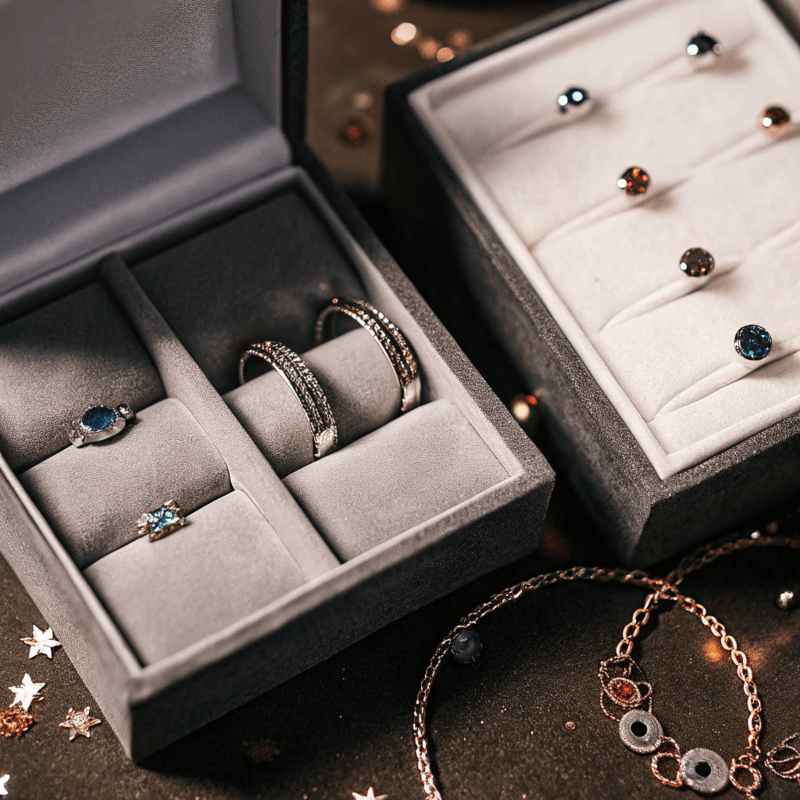
- Storage: Store your Turkish jewelry in a cool, dry place, away from direct sunlight and humidity. Use a jewelry box with individual compartments to prevent pieces from scratching or tangling with each other. For delicate pieces, consider wrapping them in a soft cloth or placing them in a padded pouch for extra protection.
- Avoid Exposure: Avoid exposing your jewelry to harsh chemicals, such as household cleaners, perfumes, and lotions, as they can damage the metal and gemstones. Remove your jewelry before swimming, exercising, or engaging in activities that may cause it to come into contact with chemicals or rough surfaces.
- Regular Inspections: Periodically inspect your jewelry for any signs of wear or damage, such as loose stones, worn settings, or scratches. If you notice any issues, take your jewelry to a professional jeweler for repair or maintenance.
Repair and Restoration
Despite your best efforts, there may be times when your Turkish jewelry needs repair or restoration. Finding a skilled artisan to perform these services is crucial to ensuring that your jewelry is properly cared for and restored to its original beauty.
When seeking repair or restoration services, look for a jeweler with experience in working with Turkish jewelry. They should be knowledgeable about the specific techniques and materials used in Turkish jewelry-making and have a good understanding of the cultural and historical significance of the pieces.
If your jewelry requires more extensive restoration, such as re-setting gemstones or repairing intricate filigree work, it is important to choose a jeweler who specializes in these techniques. They should have the necessary skills and tools to perform the work accurately and meticulously.
By taking proper care of your Turkish jewelry and seeking professional repair and restoration services when needed, you can ensure that your pieces remain beautiful and cherished for years to come. In the next section, we will explore the future of Turkish jewelry, highlighting emerging trends and the industry’s efforts towards sustainability.
The Future of Turkish Jewelry
Trends to Watch
As the world of jewelry continues to evolve, Turkish jewelry is also embracing new trends and innovations. Here are some emerging trends to watch in the Turkish jewelry industry:
- Sustainable Practices: There is a growing emphasis on sustainability and ethical practices in the jewelry industry, and Turkish jewelry manufacturers are no exception. Many are adopting eco-friendly practices, such as using recycled metals and ethically sourced gemstones, to create beautiful jewelry with a reduced environmental impact.
- Technology Integration: The integration of technology in jewelry-making is opening up new possibilities for design and craftsmanship. Techniques such as 3D printing and laser engraving are being used to create intricate and precise designs that were previously difficult to achieve by hand. This fusion of traditional craftsmanship and modern technology is resulting in innovative and unique pieces.
- Personalization: Personalized jewelry is becoming increasingly popular, with customers seeking pieces that reflect their individual style and personality. Turkish jewelry manufacturers are responding to this trend by offering customizable options, such as engraving, personalized name necklaces, and bespoke designs.
- Cultural Fusion: Turkish jewelry is also embracing cultural fusion, blending traditional Turkish elements with influences from other cultures and styles. This trend is resulting in pieces that are not only unique but also appeal to a global audience. By combining different design elements and techniques, Turkish jewelry is creating a rich and diverse aesthetic.
Sustainability in Turkish Jewelry
Sustainability is becoming a key focus in the Turkish jewelry industry, with many manufacturers and designers taking steps to reduce their environmental impact and promote ethical practices. Here are some of the efforts being made towards sustainability in Turkish jewelry:
- Recycled Materials: Many Turkish jewelry manufacturers are using recycled metals, such as gold and silver, to create their pieces. This reduces the demand for newly mined materials and helps to minimize the environmental impact of jewelry production.
- Ethically Sourced Gemstones: The sourcing of gemstones is another area where Turkish jewelry manufacturers are making strides towards sustainability. By using ethically sourced gemstones, they ensure that the stones are mined and processed in a way that respects human rights and the environment.
- Eco-Friendly Practices: Turkish jewelry manufacturers are adopting eco-friendly practices in their production processes. This includes using non-toxic chemicals, reducing waste, and implementing energy-efficient technologies. These practices help to minimize the environmental footprint of jewelry production.
- Fair Trade Practices: Fair trade practices are also becoming more common in the Turkish jewelry industry. This involves ensuring that the artisans and workers involved in the production of jewelry are paid fair wages and work in safe and ethical conditions. By supporting fair trade practices, Turkish jewelry manufacturers are promoting social and economic sustainability.
By embracing sustainability and ethical practices, the Turkish jewelry industry is not only creating beautiful and high-quality pieces but also contributing to a more responsible and sustainable future. In the final section, we will conclude our exploration of Turkish jewelry, highlighting the enduring appeal and significance of this timeless art form.
Conclusion
Recap of Key Points
Throughout this comprehensive guide, we have delved into the fascinating world of Turkish jewelry, exploring its rich history, key characteristics, prominent brands, influential designers, and much more. We have seen how Turkish jewelry manufacturers blend traditional craftsmanship with modern innovation to create pieces that are not only beautiful but also culturally significant.
Closing Thoughts
The allure of Turkish jewelry lies in its intricate designs, high-quality materials, and the skilled craftsmanship that goes into each piece. Whether you are drawn to the opulent and elaborate styles of historical brands or the bold and contemporary designs of modern designers, Turkish jewelry offers something for everyone.
As the Turkish jewelry industry continues to evolve, embracing new trends and sustainable practices, its appeal and significance only grow stronger. We encourage you to explore and appreciate the beauty of Turkish jewelry, whether as a collector, a buyer, or simply an admirer of this timeless art form.