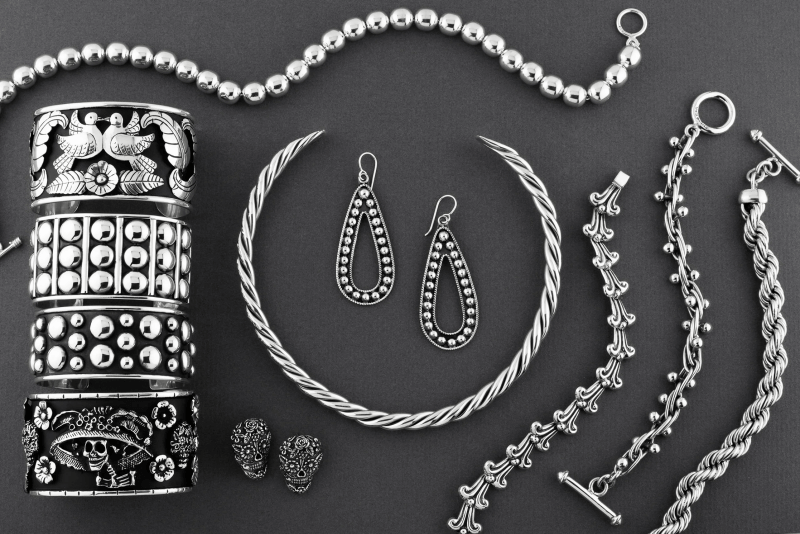
Stainless steel jewelry has gained immense popularity due to its durability, sleek appearance, and affordability. However, a common question that arises is whether stainless steel jewelry rusts. In this article, we’ll dive deep into this subject, providing you with the necessary insights on how stainless steel resists rust, when it might rust, and how to maintain it for lasting quality.

1. Introduction
Stainless steel jewelry is often chosen for its durability and stylish appeal, but one common concern many customers have is whether it rusts. Despite its reputation for being resistant to corrosion, stainless steel jewelry can rust under certain conditions. This article addresses this concern, exploring the factors that contribute to rust formation, the science behind stainless steel’s resistance to corrosion, and best practices for keeping your jewelry rust-free. By the end, you’ll have a clear understanding of how to care for your stainless steel jewelry to ensure its longevity and pristine appearance.
2. What is Stainless Steel Jewelry?
The Composition and Properties of Stainless Steel
Stainless steel is a high-performance material primarily composed of iron, chromium, and other elements like nickel, molybdenum, and manganese. The chromium content, typically around 10-12%, is what gives stainless steel its corrosion-resistant properties. This unique combination of metals allows stainless steel jewelry to withstand various environmental elements and maintain its sleek, shiny finish.
Why Stainless Steel is Popular for Jewelry
One of the main reasons stainless steel is widely used in jewelry manufacturing is its versatility and strength. Unlike other metals, it does not tarnish easily and can withstand exposure to everyday elements such as water and sweat. Stainless steel is also hypoallergenic, making it an excellent choice for people with sensitive skin. Additionally, the material’s durability ensures that the jewelry remains intact for many years without showing signs of wear and tear, making it ideal for both fashion and functional use.
Types of Stainless Steel Used in Jewelry
The most commonly used type of stainless steel in jewelry is 316L stainless steel. This alloy contains a high percentage of chromium and molybdenum, which helps improve its corrosion resistance, particularly in harsh environments such as those with exposure to saltwater. Other grades, like 304 stainless steel, are also used, but they offer slightly less corrosion resistance compared to 316L. The selection of stainless steel grade plays a crucial role in determining the rust resistance of jewelry.
| Type of Stainless Steel | Corrosion Resistance | Common Use in Jewelry |
|---|---|---|
| 316L | High | Watches, rings, bracelets |
| 304 | Moderate | Costume jewelry, accessories |
| 430 | Low | Budget jewelry, decorative items |
3. Does Stainless Steel Jewelry Rust?
The Short Answer to the Question
Generally, stainless steel jewelry is resistant to rusting. Thanks to its chromium content, stainless steel forms a passive layer of chromium oxide on its surface, which prevents oxygen and moisture from interacting with the metal and causing rust. This is what makes stainless steel an ideal choice for jewelry, as it retains its appearance over time, even with regular exposure to elements like sweat, water, and air.
Why Stainless Steel is Resistant to Rust
The primary reason stainless steel does not rust easily is its passive oxide layer. This layer is formed when chromium reacts with oxygen in the air. Over time, this layer thickens, further protecting the surface of the stainless steel from the corrosion process. However, the presence of moisture, chemicals, or saltwater can degrade this layer, leading to rust formation in specific conditions.
Situations Where Stainless Steel Jewelry May Rust
While stainless steel is resistant to rust, it is not entirely immune. In environments where the jewelry is exposed to high levels of moisture, salty water, or harsh chemicals, rusting may occur. Additionally, low-quality stainless steel that has insufficient chromium content may be more susceptible to rusting over time. The use of abrasive cleaning products or exposure to chlorine (e.g., in swimming pools) can also damage the protective oxide layer, allowing rust to form.
| Factor | Effect on Stainless Steel Jewelry |
|---|---|
| Exposure to saltwater | Can degrade passive layer, causing rust |
| Chlorine | Damages protective layer, increases risk of corrosion |
| Harsh chemicals | May weaken the resistance, causing oxidation |
4. What Causes Stainless Steel Jewelry to Rust?
Role of Moisture and Exposure to Air
Moisture and air are the main external elements that can lead to the corrosion of stainless steel jewelry. While the chromium oxide layer offers protection, excessive moisture can compromise this layer. Humid environments, like those found in bathrooms or coastal regions, can accelerate corrosion if the jewelry is not properly cleaned and maintained. Airborne pollutants and chemicals, such as those found in industrial settings, can also contribute to rust formation.
Other Contributing Factors
Saltwater is one of the most significant contributors to the rusting of stainless steel jewelry. The salt in the water acts as an electrolyte, speeding up the electrochemical reactions that lead to oxidation. This is why stainless steel jewelry should be removed before swimming in the ocean or hot tubs. Harsh cleaning agents, like bleach or abrasive materials, can also damage the protective layer, making the jewelry more susceptible to rust.
The Difference Between “Stainless” and “Rust-Proof”
It’s important to note that “stainless” does not mean “rust-proof.” While stainless steel is highly resistant to rust, it can still rust under the right conditions. The term “stainless” refers to the material’s ability to resist corrosion over a long period under normal environmental conditions. However, exposure to harsh chemicals or extreme environments may cause even stainless steel to develop signs of oxidation.
| Common Cause of Rusting | Explanation | Preventative Measures |
|---|---|---|
| Saltwater | Accelerates corrosion | Remove jewelry before swimming |
| Chlorine | Damages the protective layer | Avoid pools and hot tubs |
| Harsh chemicals | Weakens corrosion resistance | Use gentle cleaners |
5. How to Prevent Stainless Steel Jewelry from Rusting
Tips on Proper Care and Cleaning
To maintain the rust-resistant properties of stainless steel jewelry, regular cleaning is essential. Use a soft cloth to wipe away dirt and oils from the jewelry’s surface. For deeper cleaning, soak the jewelry in warm water with mild soap. Avoid using harsh chemical cleaners, as they can strip the protective layer of the stainless steel.
Importance of Storing Jewelry Properly
When not in use, store stainless steel jewelry in a dry, cool place to avoid exposure to excessive moisture. Avoid leaving it in the bathroom or near water sources. Using a jewelry box with a lined interior can also help protect it from scratches and damage.
Protective Coatings and Treatments
Some manufacturers apply protective coatings to stainless steel jewelry to enhance its corrosion resistance. These coatings can offer additional protection against rusting, especially in harsh environments. If your jewelry does not have such a coating, you can consider applying a thin layer of clear lacquer to create an extra barrier against moisture and chemicals.
| Tip | Action |
|---|---|
| Cleaning | Use a soft cloth and mild soap |
| Storage | Keep in a dry, cool place |
| Coating | Apply clear lacquer for added protection |
6. Why Stainless Steel Jewelry May Rust in Certain Conditions
Specific Scenarios Where Rusting Can Occur
Stainless steel jewelry can rust when exposed to extreme environmental conditions, such as salty air, high humidity, or industrial pollutants. For example, wearing stainless steel jewelry while working in a factory or manufacturing environment where chemicals are prevalent can result in oxidation.
Low-Quality Stainless Steel and Its Vulnerabilities
Not all stainless steel jewelry is created equally. Lower-quality alloys with lower chromium content may be more prone to rusting. When purchasing stainless steel jewelry, always ensure you are selecting high-quality options made from 316L stainless steel, which is more resistant to rust and corrosion.
Impact of Environmental Factors
In addition to saltwater and chlorine, environmental factors like pollution and extreme temperature fluctuations can negatively affect stainless steel jewelry. If exposed to these harsh conditions for long periods, even the most corrosion-resistant steel can show signs of rust.
| Condition | Effect | Prevention |
|---|---|---|
| Humid environments | Accelerates rusting | Store in a dry place |
| Chemical exposure | Breaks down protective layer | Avoid harsh chemicals |
| Extreme temperatures | Affects surface integrity | Limit exposure to extreme conditions |
7. The Science Behind Stainless Steel’s Rust Resistance
What Makes Stainless Steel Resistant to Rust?
The key to stainless steel’s resistance to rust lies in the chromium content. Chromium forms a thin, invisible oxide layer on the surface of the metal when it is exposed to air. This layer protects the steel from moisture and oxygen, which would otherwise lead to corrosion. The higher the chromium content, the more resistant the steel will be to rust.
Role of Chromium in Preventing Oxidation
Chromium plays a pivotal role in preventing oxidation. When exposed to oxygen, chromium forms chromium oxide, which acts as a protective shield. This passive oxide layer prevents further oxidation of the steel beneath, which is why stainless steel maintains its shine and durability for long periods.
Corrosion Resistance Properties of Different Grades of Stainless Steel
The corrosion resistance of stainless steel depends on the grade. For example, 316L stainless steel, which contains molybdenum, is highly resistant to chloride-induced corrosion and is commonly used in jewelry. In contrast, 304 stainless steel, while still resistant, is less effective in harsher conditions.
| Stainless Steel Grade | Corrosion Resistance | Common Use |
|---|---|---|
| 316L | High | Jewelry, marine environments |
| 304 | Moderate | Household items, kitchenware |
| 430 | Low | Budget jewelry, decorative |
8. How to Clean Stainless Steel Jewelry Effectively
Step-by-Step Guide for Cleaning Jewelry
Cleaning stainless steel jewelry is simple. Start by filling a bowl with warm water and adding a small amount of mild dish soap. Soak the jewelry for a few minutes, then use a soft-bristled brush to remove any dirt or oils. Rinse thoroughly with clean water and dry with a soft cloth. Avoid using abrasive materials, as they can scratch the surface.
Recommended Cleaning Products and Techniques
When cleaning stainless steel jewelry, it is best to use non-abrasive cleaners. Avoid harsh chemicals like bleach, ammonia, or other solvents, which can damage the protective layer. You can also use specialized jewelry cleaning cloths that are designed for stainless steel to help maintain its shine.
What to Avoid When Cleaning Stainless Steel Jewelry
Do not use metal polish or abrasive scrubbers to clean stainless steel jewelry, as they can scratch the surface and damage the protective coating. Always use gentle, non-abrasive materials when cleaning your jewelry to preserve its quality.
| Cleaning Product | Use |
|---|---|
| Mild dish soap | Safe for all types of jewelry |
| Jewelry cleaning cloth | Helps maintain shine |
| Abrasive cleaners | Should be avoided |
9. Why Stainless Steel Jewelry is a Good Choice for Everyday Wear
Durability and Low Maintenance
Stainless steel jewelry is known for its incredible durability. Unlike gold, silver, or other precious metals, it does not require frequent polishing or special care to maintain its appearance. Stainless steel can withstand daily wear and tear, making it ideal for people who prefer hassle-free jewelry.
Versatility in Design
Stainless steel can be molded into a wide variety of designs, from minimalist rings to intricate bracelets. Its versatility means that it can complement both casual and formal attire, making it a popular choice for everyday wear. Whether you are looking for simple or statement pieces, stainless steel jewelry offers a broad range of options.
Cost-Effectiveness Compared to Other Metals
One of the major advantages of stainless steel jewelry is its affordability. While gold and platinum can be expensive, stainless steel offers a similar aesthetic at a fraction of the cost. For businesses or individuals looking to buy in bulk, stainless steel is an economical option that does not compromise on quality or style.
| Advantage | Benefit |
|---|---|
| Durability | Long-lasting and low-maintenance |
| Versatility | Suitable for various designs and occasions |
| Cost | Affordable compared to gold and platinum |
10. What to Do If Your Stainless Steel Jewelry Starts to Rust
Signs of Rust on Stainless Steel Jewelry
Rust on stainless steel jewelry may appear as small reddish or brownish spots or discoloration on the surface. The jewelry may lose its shine or begin to feel rough to the touch. If you notice these signs, it is important to act quickly to prevent further damage.
How to Restore Jewelry That Has Developed Rust
If your stainless steel jewelry has started to rust, you can try to restore it by cleaning it with a mixture of baking soda and water. Gently scrub the rusted areas with a soft cloth, and rinse thoroughly. If the rust persists, you may need to seek professional help or consider replacing the jewelry.
Professional Services and DIY Fixes
If the rust on your stainless steel jewelry cannot be removed through cleaning, consider taking it to a professional jeweler who can restore it. Many jewelers offer polishing and rust removal services. For minor rust, at-home fixes with natural products can be effective.
| Method | Effectiveness |
|---|---|
| Baking soda paste | Effective for light rust |
| Professional polishing | Best for severe rust |
| DIY rust removal kit | Quick fix for minor corrosion |
11. Does Stainless Steel Jewelry Need Special Care for Long-Term Use?
Maintenance Tips for Long-Lasting Durability
Stainless steel jewelry does not require a lot of maintenance, but regular care can help extend its life. Cleaning the jewelry periodically and storing it in a dry place will prevent rusting and tarnishing. Avoid exposing it to harsh chemicals, and always remove jewelry before swimming in pools or the ocean.
How Often Should You Clean Your Stainless Steel Jewelry?
The frequency of cleaning your stainless steel jewelry depends on how often it is worn. If you wear the jewelry daily, cleaning it once every few weeks should suffice. For jewelry worn less frequently, cleaning it before each use will help maintain its appearance.
Best Practices for Everyday Wear
If you plan to wear stainless steel jewelry every day, take care to remove it when participating in activities that involve exposure to harsh chemicals, such as swimming or cleaning. Wipe it down with a soft cloth after wearing it to remove oils and dirt.
| Maintenance Activity | Frequency | Benefit |
|---|---|---|
| Regular cleaning | Every few weeks | Prevents tarnishing |
| Proper storage | Always | Protects from moisture and damage |
| Remove before harsh activities | As needed | Prevents damage and rust |
12. When Should You Replace Stainless Steel Jewelry That Has Rusted?
Factors to Consider When Deciding to Replace Jewelry
If your stainless steel jewelry has rusted severely and cleaning does not help, it may be time to consider replacing it. Factors such as the severity of rust, the cost of repairs, and the impact on the aesthetic of the piece will influence your decision.
When Rust is Too Severe to Repair
Some rust spots may be too deep to repair, and in such cases, replacing the jewelry might be the best option. Severe rust can affect the structural integrity of the jewelry, making it unsafe or uncomfortable to wear.
Impact on Aesthetics and Function
If the rust significantly alters the appearance or function of the jewelry, such as affecting the clasp on a bracelet or necklace, it may be time for a replacement. In some cases, the jewelry may no longer be usable, even after cleaning.
| Criteria | Decision |
|---|---|
| Severe rust | Replace the jewelry |
| Minor rust | Clean and restore |
| Impact on function | Replace or repair |
13. Why Some Stainless Steel Jewelry Items Are Prone to Rusting
Poor Manufacturing Processes
Some stainless steel jewelry items may rust more easily due to poor manufacturing processes. Low-quality alloys with insufficient chromium content can lead to weaker corrosion resistance. It’s important to buy stainless steel jewelry from reputable manufacturers who adhere to high-quality standards.
Inferior Alloy Mixtures
Inferior alloys with low levels of chromium or nickel can cause stainless steel jewelry to rust more quickly. These cheaper materials may lack the protective properties necessary to resist corrosion in harsh environments. Ensure that the jewelry you purchase uses 316L stainless steel for optimal rust resistance.
Specific Jewelry Designs More Susceptible to Rust
Certain jewelry designs with intricate details or exposed surfaces may be more prone to rusting. These designs may have areas where moisture can become trapped, allowing rust to form more easily. Opting for simpler, smoother designs can help reduce the risk of rust formation.
| Factor | Effect |
|---|---|
| Poor manufacturing | Lower rust resistance |
| Inferior alloys | Increased susceptibility to rust |
| Intricate designs | Higher risk of rust formation |
14. Comparing Stainless Steel to Other Jewelry Metals
How Stainless Steel Fares Against Silver, Gold, and Platinum
Stainless steel is often compared to other popular jewelry metals like silver, gold, and platinum. Stainless steel offers superior durability and corrosion resistance at a fraction of the price. While gold and platinum are more luxurious, stainless steel holds up better under everyday wear and environmental exposure.
Advantages and Disadvantages of Stainless Steel Over Other Metals
The primary advantage of stainless steel is its low cost and high resistance to rust and tarnish. However, it lacks the same level of prestige and shine that gold or platinum offers. Stainless steel is also harder, making it more difficult to work with in intricate designs.
Cost vs. Longevity: Is Stainless Steel Worth It?
In terms of cost and longevity, stainless steel is an excellent value for money. Its ability to resist rust, corrosion, and scratches makes it a reliable choice for daily wear. For businesses looking to offer durable yet affordable jewelry, stainless steel is an ideal option.
| Metal | Durability | Cost | Maintenance |
|---|---|---|---|
| Stainless steel | High | Low | Low |
| Gold | Low | High | High |
| Platinum | Low | Very high | High |
15. Conclusion
Stainless steel jewelry is a fantastic option for those looking for durable, affordable, and stylish pieces. While it is generally resistant to rust, proper care and maintenance are crucial to ensure its longevity. By understanding the factors that contribute to rust formation and following simple care tips, you can enjoy your stainless steel jewelry for years to come. Always opt for high-quality stainless steel and ensure you take preventive steps to protect your jewelry from corrosion. When properly cared for, stainless steel jewelry can remain a cherished accessory for a lifetime.
FAQ Section
Q1: Does stainless steel jewelry rust?
A1: Stainless steel jewelry is resistant to rust, but it can rust under specific conditions, such as exposure to saltwater, harsh chemicals, or poor-quality alloys.
Q2: What causes stainless steel jewelry to rust?
A2: Rust can form on stainless steel jewelry when the protective oxide layer is damaged by exposure to moisture, chlorine, or saltwater.
Q3: How can I prevent my stainless steel jewelry from rusting?
A3: To prevent rust, clean your jewelry regularly, store it in a dry place, and avoid exposing it to harsh chemicals or saltwater.
Q4: How do I clean stainless steel jewelry properly?
A4: Clean stainless steel jewelry with warm water and mild soap. Use a soft cloth and avoid abrasive materials that can scratch the surface.
Q5: When should I replace stainless steel jewelry that has rusted?
A5: If rust is severe and cannot be removed with cleaning, or if it affects the jewelry’s functionality or appearance, it may be time to replace it.