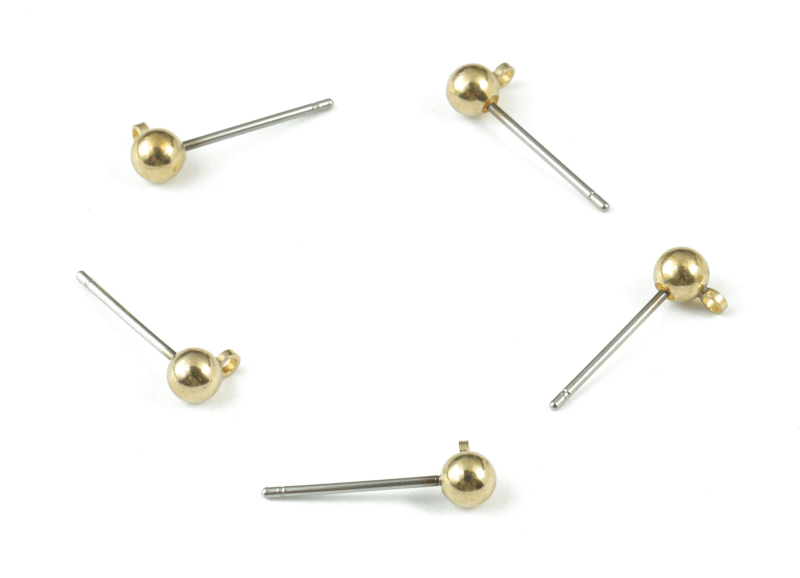
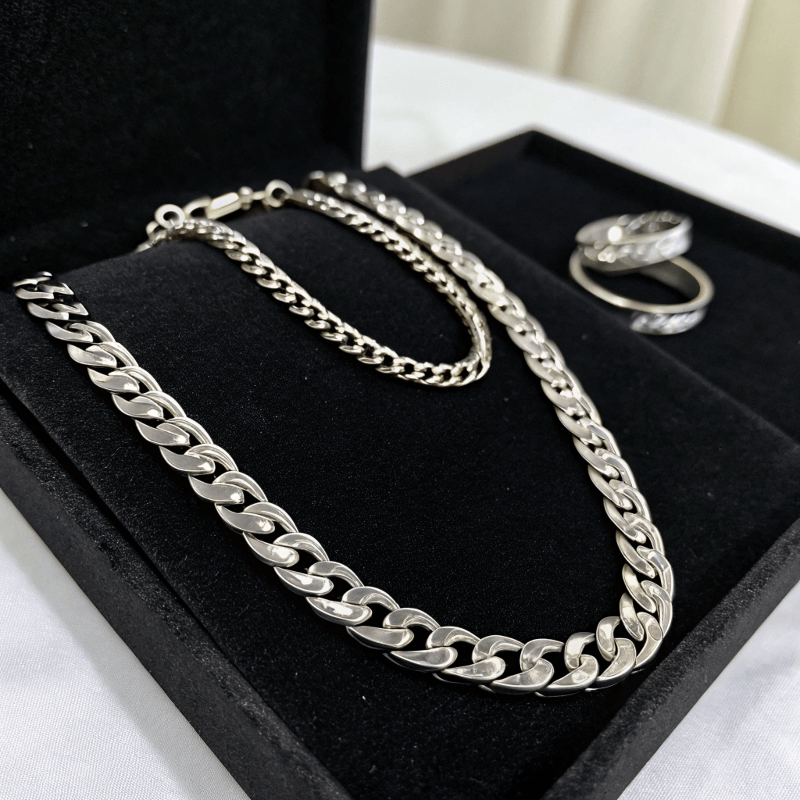
316L stainless steel jewelry is a durable, corrosion-resistant jewelry material widely used for wholesale, private label, and custom jewelry production. Compared with many fashion jewelry materials, 316L offers strong resistance to moisture, sweat, and daily wear while keeping a modern metal finish.
For jewelry brands, retailers, and distributors, 316L is a practical choice for necklaces, rings, earrings, bracelets, and body jewelry. It can be polished, engraved, laser marked, and finished with PVD plating in colors such as gold, rose gold, black, and silver.
This guide explains what 316L stainless steel jewelry is, how it compares with other jewelry materials, and what wholesale buyers should consider when sourcing custom 316L jewelry.

1. What Is 316L Stainless Steel Jewelry?
What’s the real story behind stainless steel 316L jewelry? Stainless steel 316L is often the unsung hero of the jewelry world, offering unmatched durability and resistance to corrosion. This metal is alloyed with chromium, molybdenum, and nickel, which provide it with unique characteristics. While it is commonly used in various industries, including marine and medical sectors, 316L stainless steel has also found its place in the jewelry market.
But here’s the kicker: Unlike other grades of stainless steel, 316L offers superior protection against rust and tarnish. This makes it ideal for jewelry that’s exposed to moisture, like necklaces and rings. Additionally, it’s hypoallergenic, meaning it’s safe for people with sensitive skin. The “L” in 316L stands for low carbon, which gives this stainless steel variant a unique resistance to sensitization during welding, making it the perfect choice for fine, durable jewelry.
By understanding the composition and features of 316L, jewelry manufacturers can produce pieces that not only look stunning but also last longer. This material is easy to work with and can be polished to achieve a brilliant shine, making it a popular option for manufacturers targeting both high-end and everyday jewelry markets.
2. Why Wholesale Buyers Choose 316L Stainless Steel Jewelry
Ready for the good part? Let’s explore the key properties of stainless steel 316L that make it ideal for jewelry. These properties contribute to its durability, versatility, and hypoallergenic nature, making it the perfect choice for a wide variety of jewelry designs.
First off, 316L stainless steel is extremely corrosion-resistant. Its chromium and molybdenum content helps it resist the damaging effects of saltwater, making it perfect for beach jewelry or items worn frequently in humid conditions. This resistance to corrosion is significantly higher than that of other grades like 304 stainless steel.
What’s more, 316L is incredibly durable. It can withstand daily wear better than many fashion jewelry materials. It is resistant to corrosion and tarnish, although surface scratches can still occur over time depending on wear and finishing.This means that necklaces, bracelets, and rings made from 316L stainless steel maintain their shape and shine for years.
Another noteworthy feature is its hypoallergenic nature. 316L stainless steel is commonly used for jewelry because of its corrosion resistance and generally good skin compatibility. However, because stainless steel can contain nickel, people with severe nickel sensitivity should consider their individual needs.This makes it the preferred choice for jewelry pieces worn close to the skin, such as earrings or wristbands.
Finally, 316L stainless steel also retains its luster over time. Unlike sterling silver, which can tarnish, or gold, which may fade with wear, 316L stainless steel jewelry maintains its shine for much longer.
| Property | Description |
|---|---|
| Corrosion Resistance | High resistance to rust, tarnish, and corrosion. |
| Durability | Can withstand daily wear without deforming. |
| Hypoallergenic | Safe for sensitive skin, reducing irritation risk. |
| Luster | Maintains its shine and polish over time. |
3. Key Benefits of 316L Stainless Steel for Jewelry
What’s the real story behind why you should choose 316L stainless steel for jewelry? Well, 316L offers several advantages over other materials, such as affordability, durability, and ease of maintenance. Let’s break down some of these key benefits.
First, the cost-effectiveness of 316L stainless steel is a huge draw for both manufacturers and consumers. Compared to precious metals like gold or platinum, 316L stainless steel offers a similar appearance and durability but at a fraction of the price. This makes it an excellent choice for jewelry that looks high-end without the high-end cost.
Additionally, 316L stainless steel jewelry is relatively low-maintenance. Regular cleaning with a soft cloth helps remove oil, sweat, and cosmetic residue, especially for plated jewelry. It resists stains and fingerprints, making it easy to care for and wear daily. In fact, regular cleaning with a soft cloth is all that’s needed to keep your 316L stainless steel jewelry looking fresh.
But here’s the kicker: its durability is unmatched. 316L can withstand extreme environmental conditions, including exposure to moisture, sweat, and body oils. Whether you’re making rings, bracelets, or chains, 316L ensures your jewelry maintains its structure and aesthetic appeal.
| Benefit | Description |
|---|---|
| Cost-Effective | Affordable compared to other precious metals. |
| Low Maintenance | Resists stains, tarnish, and fingerprints, requiring little care. |
| Durability | Withstands exposure to moisture, sweat, and oils. |
What Wholesale Buyers Should Consider
When sourcing 316L stainless steel jewelry for wholesale or private label, material quality is only one part of the decision. Buyers should also confirm the product design, plating method, MOQ, logo requirement, packaging, production time, and quality control process.
For gold, rose gold, black, or other color finishes, ask whether the jewelry uses PVD plating and what base finish is used before plating. For customized orders, it is also useful to confirm sample approval, logo engraving options, packaging details, and inspection standards before bulk production.
| What to confirm | Why it matters |
|---|---|
| Material | Confirm that the base material is 316L stainless steel. |
| Plating | Confirm PVD color, finish, and plating requirement. |
| MOQ | MOQ affects unit price, production setup, and customization options. |
| Customization | Confirm logo, engraving, packaging, and private label requirements. |
| Sample approval | Approve the sample before bulk production begins. |
| Quality control | Confirm inspection standards for plating, polishing, stones, and packaging. |
| Lead time | Confirm sample time and bulk production time before placing an order. |
Looking for 316L stainless steel jewelry for wholesale or custom production? Share your product type, target quantity, plating color, logo, and packaging requirements.
4. 316L vs. 304 Stainless Steel for Jewelry
Ready for the good part? Let’s dive into how 316L compares to other common stainless steel grades like 304 and 304L. Understanding these differences will help you make an informed choice when selecting the right material for your jewelry.
First, 316L is known for its superior corrosion resistance. While 304 stainless steel is also corrosion-resistant, it lacks the molybdenum content found in 316L, which is essential for protecting against rust in more aggressive environments, such as marine settings.
304L, the low-carbon version of 304 stainless steel, has some of the same corrosion-resistant properties as 316L but still falls short in terms of resistance to harsh conditions. It’s often used in less demanding applications, whereas 316L is preferred for jewelry that needs to endure exposure to saltwater or extreme humidity.
What’s the real story? 316L is simply the most durable, corrosion-resistant option, making it the best choice for jewelry that will see daily wear or be exposed to various environmental factors. Plus, it’s hypoallergenic, which is an additional benefit over 304 and 304L, which may cause reactions in sensitive individuals.
| Stainless Steel Grade | Corrosion Resistance | Ideal Use |
|---|---|---|
| 316L | High | Jewelry, marine environments, medical applications |
| 304 | Moderate | Kitchenware, less demanding jewelry |
| 304L | Moderate | Industrial applications, less corrosive environments |
For buyers comparing stainless steel with precious-metal alternatives, see our detailed guide: 316L Stainless Steel vs. 925 Sterling Silver: Which Is Better for Jewelry?
5. Popular 316L Stainless Steel Jewelry Types
What’s the real story behind where 316L stainless steel is used in jewelry? The possibilities are virtually endless. 316L stainless steel is incredibly versatile, making it suitable for a wide range of jewelry pieces.
One of the most popular uses for 316L stainless steel is in wedding bands and engagement rings. Its strength ensures that these sentimental pieces can withstand the wear and tear of daily life, and its hypoallergenic properties make it an excellent option for those with sensitive skin.
Bracelets, bangles, and necklaces made from 316L stainless steel also thrive due to the material’s durability and aesthetic appeal. The metal can be polished to a mirror finish or brushed for a more matte look, making it adaptable to various design preferences.
Piercings and body jewelry are also frequently crafted from 316L stainless steel due to its biocompatibility and resistance to infection. It’s safe for those with piercings that need to heal or for individuals who wear jewelry frequently.
| Jewelry Type | Benefits of 316L Stainless Steel |
|---|---|
| Wedding Bands | Durable, hypoallergenic, and resistant to tarnish. |
| Bracelets and Necklaces | Offers a modern look with long-lasting shine. |
| Piercings | Safe for sensitive skin and resists infection. |
6. How 316L Stainless Steel Jewelry Is Manufactured
But here’s the kicker: the process of turning 316L stainless steel into beautiful jewelry isn’t as simple as it might sound. The manufacturing process involves several steps, each critical for ensuring the final product meets the desired quality standards.
The first step in manufacturing 316L stainless steel jewelry is sourcing the raw material. Once obtained, the metal is melted down and mixed with other alloys, including nickel and molybdenum, to enhance its properties. Afterward, it is cast into molds to create the basic shape of the jewelry piece.
The next step involves shaping the jewelry. This can be done through various techniques, including stamping, CNC machining, and casting. Each piece is carefully shaped to achieve the desired design.
Polishing is an essential part of the process to achieve a smooth, shiny finish. This is done using polishing machines or hand polishing to bring out the natural luster of 316L stainless steel.
| Process Step | Description |
|---|---|
| Sourcing Materials | Obtaining raw 316L stainless steel. |
| Shaping | Using casting, stamping, or CNC machining to form jewelry pieces. |
| Polishing | Achieving a shiny or matte finish through polishing. |
7. Customization Options for 316L Jewelry
316L stainless steel jewelry can be customized for different brand positions and sales channels. Common options include pendant shapes, chain lengths, ring sizes, laser logos, engraved messages, stone settings, custom cards, and branded packaging.
PVD plating allows manufacturers to create gold, rose gold, black, silver, and two-tone finishes. Buyers should confirm the desired color reference, surface finish, plating requirement, and sample standard before mass production.
What’s the real story about 316L stainless steel design trends? The jewelry industry is always evolving, and 316L stainless steel has found its place in many of the latest trends.
One of the hottest trends in 316L stainless steel jewelry is the use of geometric designs. From minimalist rings to bold bracelets, geometric patterns in stainless steel are being embraced by both designers and consumers.
Customization is also on the rise, with many customers opting for personalized 316L stainless steel jewelry. Whether it’s engraved initials on a bracelet or a custom pendant design, the ability to create bespoke pieces adds a unique touch to 316L jewelry.
Finally, mixed-material designs are gaining traction. Jewelry that combines 316L stainless steel with other materials like leather, wood, or precious stones is increasingly popular, offering a fresh, modern look that blends strength with elegance.
| Trend | Description |
|---|---|
| Geometric Designs | Simple, clean lines and shapes for a modern look. |
| Customization | Personalized engraving and designs for unique pieces. |
| Mixed Materials | Combining 316L with leather, wood, or stones for a trendy look. |
8. Is 316L Stainless Steel Jewelry Waterproof and Tarnish-Resistant?
Ready for the good part? Caring for 316L stainless steel jewelry is easier than you might think. The material’s natural resistance to tarnish and rust means it requires minimal maintenance, but a few simple steps can help ensure its longevity.
To clean your 316L stainless steel jewelry, use a soft cloth to wipe away any dirt, oils, or fingerprints. If your jewelry needs a deeper clean, use warm water with a mild soap solution and a soft brush to gently scrub the surface.
Avoid exposing your jewelry to harsh chemicals, such as bleach or cleaning solvents, as these can damage the finish. Also, be mindful of storing your 316L jewelry in a dry, cool place to prevent unnecessary wear.
| Care Tip | Description |
|---|---|
| Regular Cleaning | Wipe with a soft cloth to remove dirt and oils. |
| Avoid Harsh Chemicals | Keep away from bleach and solvents. |
| Proper Storage | Store in a cool, dry place to preserve the finish. |
9. Quality Control and Responsible Material Sourcing
What’s the real story behind the environmental impact of 316L stainless steel? Stainless steel is one of the most sustainable materials available for jewelry production. The main reason? It’s 100% recyclable. Jewelry manufacturers can recycle stainless steel to create new pieces, reducing waste and conserving natural resources.
Additionally, 316L stainless steel has a longer lifespan than other materials. Jewelry made from 316L does not need frequent replacements, which reduces the overall environmental impact of production.
While the extraction and manufacturing processes do consume energy, the ability to recycle and the durability of 316L jewelry offset these impacts, making it a more eco-friendly choice than many other metals.
| Environmental Factor | Description |
|---|---|
| Recyclability | 316L stainless steel is 100% recyclable. |
| Longevity | Durable, requiring fewer replacements over time. |
| Energy Consumption | Manufacturing processes use energy but are offset by recyclability. |
10. How to Source 316L Stainless Steel Jewelry for Wholesale
In conclusion, 316L stainless steel jewelry stands out due to its unmatched durability, corrosion resistance, and hypoallergenic properties. Whether you’re looking to add custom pieces to your collection or seeking affordable yet high-quality jewelry, 316L is a fantastic choice.
By choosing 316L stainless steel, you ensure that your jewelry not only looks great but also stands the test of time. Its versatility, ease of maintenance, and eco-friendly nature make it an ideal investment for both manufacturers and consumers.
Tell us the jewelry type, target quantity, plating color, logo, and packaging you need. We will help you evaluate a suitable 316L stainless steel jewelry solution.
FAQ
Is 316L stainless steel good for jewelry?
Yes. 316L stainless steel is widely used for jewelry because it is durable, corrosion-resistant, and suitable for daily-wear designs. It is a practical material for wholesale jewelry, private label collections, and customized fashion jewelry.
Does 316L stainless steel jewelry tarnish?
316L stainless steel has strong resistance to tarnish and corrosion. However, jewelry can still collect oil, sweat, cosmetics, and residue over time, so regular cleaning helps maintain its appearance. For plated jewelry, the durability of the color also depends on the plating process and daily wear.
Is 316L stainless steel jewelry waterproof?
316L stainless steel is highly resistant to moisture and corrosion, making it suitable for everyday wear. However, jewelry with PVD plating, stones, glue settings, or decorative coatings should still be cared for properly to maintain the best appearance over time.
Is 316L stainless steel nickel free?
No. 316L stainless steel can contain nickel as part of its alloy composition. It is commonly used in jewelry because of its corrosion resistance and generally good skin compatibility, but people with severe nickel sensitivity should consider their individual needs.
Is 316L better than 925 sterling silver for jewelry?
The better material depends on the product position. 316L stainless steel is more resistant to tarnish, generally lower maintenance, and often more suitable for durable fashion jewelry. Sterling silver offers a precious-metal appeal but can tarnish and requires more regular care.
Can I customize 316L stainless steel jewelry with PVD plating?
Yes. 316L stainless steel jewelry can be customized with PVD plating, laser logos, engraving, custom shapes, stones, branded packaging, and private label requirements. MOQ, product complexity, and finishing requirements affect the final wholesale price.