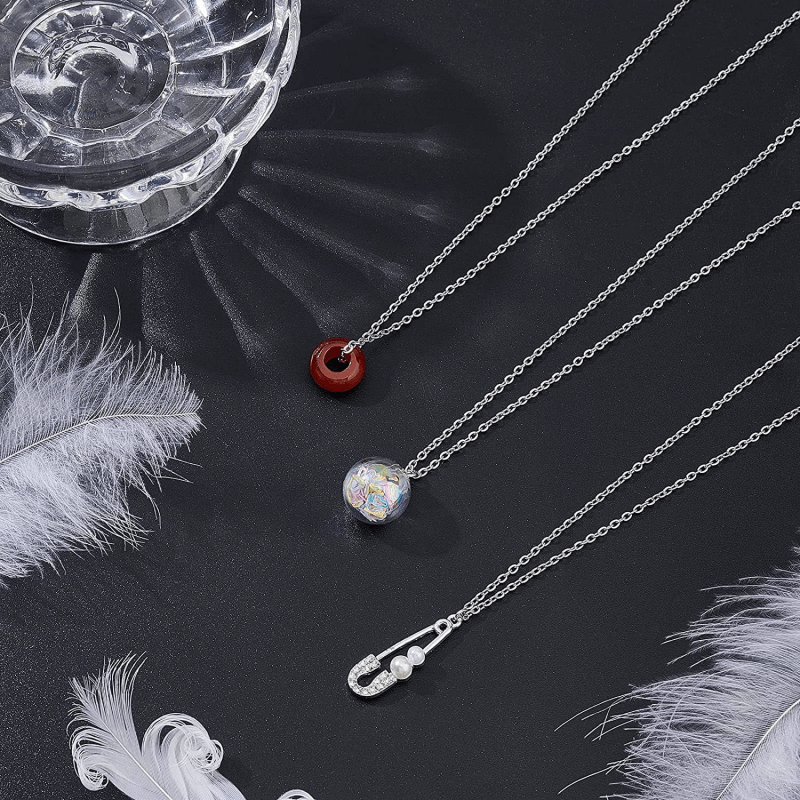
Testing silver at home can save time and money, especially if you have some basic household items available. One of the most effective, yet simple methods is testing silver with vinegar. Not only is this method affordable, but it’s also an easy way to identify silver’s authenticity without the need for professional equipment. In this article, we’ll guide you through the process of testing silver at home using vinegar and provide additional tips to ensure that you get accurate results every time.

1. Introduction
Silver is a valuable metal used for a variety of purposes, from jewelry to utensils. However, with the rise of counterfeit goods, it has become increasingly important to verify the authenticity of silver. So, how do you know if your silver items are real or just a shiny imitation? The solution could be simpler than you think: using vinegar to test silver at home. The vinegar test is an easy, affordable, and effective way to determine whether the silver in your possession is genuine.
But here’s the kicker… not all silver is created equal, and some alloys can fool even the most experienced eye. This method helps you avoid the disappointment of purchasing fake silver and ensures that you know exactly what you’re dealing with. Let’s dive into why vinegar works so well for testing silver and how you can do it yourself at home.
2. What is Silver and Why Does It Need to Be Tested?
Silver is one of the most prized metals for its beauty, versatility, and investment value. So, what makes silver so special? Silver is used in everything from jewelry to coins and cutlery. The term “silver” can refer to both pure silver (92.5% or higher) and silver alloys, such as sterling silver, which is often mixed with copper for added strength. Understanding the type of silver you have is crucial when performing a vinegar test, as different alloys react differently.
But here’s the real story… fake silver is rampant in the market. In fact, many counterfeiters use cheaper metals and coat them with a thin layer of real silver. This method of counterfeiting is hard to detect by sight alone. This is where testing becomes crucial. By testing your silver with vinegar, you can confidently determine whether it is real or fake, giving you peace of mind when buying or selling silver items.
Why Silver Authenticity Matters
Silver’s value is determined by its purity. You might be wondering what exactly makes silver genuine or not. Authentic silver items hold more value, especially when they are of high purity. Fake silver, on the other hand, can be easily damaged, tarnished, or corroded and lacks the durability of genuine silver. Testing silver can help ensure that you’re purchasing a quality product that holds its value.
3. Why Vinegar is a Great Method for Testing Silver
Vinegar is one of the easiest and most accessible substances that can be used to test silver at home. The reason it works so well lies in the chemical reaction between silver and acetic acid (the active ingredient in vinegar). Ready for the good part? When real silver comes in contact with vinegar, it will not react significantly. In contrast, metals that are not genuine silver will often change color, tarnish, or even react with the vinegar to form a noticeable discoloration.
How Vinegar Reacts with Different Metals
Vinegar’s acidity helps break down the molecular structure of certain metals, causing them to react. Here’s where it gets interesting… Silver, being a precious metal, is resistant to vinegar’s acidity, meaning it will remain unaffected. On the other hand, metals like nickel or copper are far more reactive, making them more likely to show discoloration or a visible change when tested with vinegar.
Why Vinegar Works as an Affordable and Accessible Solution
Not everyone has access to a professional testing kit or the budget to pay for silver testing at a lab. But here’s the kicker… vinegar is something you probably already have in your kitchen, making it a convenient and cost-effective solution. It is a simple method anyone can use to test silver quickly without needing specialized equipment. With just a few drops of vinegar and a piece of silver, you can test its authenticity right at home.
4. Step-by-Step Guide: How to Test Silver at Home with Vinegar
Testing silver with vinegar is straightforward, and with the right approach, you can achieve reliable results every time. Let’s dive in! Follow these simple steps to test silver using vinegar:
Gathering Materials Needed for the Test
Before starting, make sure you have all the necessary materials. Here’s what you’ll need:
- A small bowl or container
- White vinegar (the clearer, the better)
- The silver piece you wish to test
- A clean cloth or paper towel for wiping
The Exact Steps to Test Silver Using Vinegar
- Place the silver item in the bowl.
- Pour a small amount of vinegar over the silver so that it’s completely covered.
- Allow the item to sit for 5-10 minutes.
- After waiting, remove the item and check for any changes in its color or surface texture.
How to Recognize the Reaction and Results
If your silver is genuine, it will not show any significant changes. The surface should remain shiny and untarnished. What’s the real story? If the silver is not genuine, you will notice discoloration, tarnishing, or bubbling on the surface. This is a clear sign that the metal is not real silver.
5. Other Methods of Testing Silver at Home
While vinegar is an excellent tool for testing silver, it’s always good to have multiple methods at your disposal. So, what are the other ways you can test silver at home? Let’s take a look at some alternative methods:
Visual Inspection for Silver Authenticity
The first thing you should do when assessing silver is check its appearance. Real silver often has a polished shine and a weight that feels substantial. However, counterfeit silver can appear shiny but lightweight.
The Magnet Test: How It Works for Silver
Silver is not magnetic, so using a magnet is a quick and easy way to check for authenticity. But here’s the kicker… if the silver sticks to the magnet, it is likely not real. The magnet test is highly effective, especially when combined with the vinegar test.
Using a Polishing Cloth to Check Silver Purity
Real silver tarnishes over time, but it can be cleaned with a polishing cloth. Ready for the good part? If your item shines up beautifully after a quick polish, it may very well be genuine silver. On the other hand, fakes will remain dull or damaged after polishing.
| Testing Method | Description | Effectiveness |
|---|---|---|
| Vinegar Test | Apply vinegar to silver and look for reactions | Highly effective |
| Magnet Test | Use a magnet to check if silver is magnetic | Good for initial check |
| Visual Inspection | Examine the shine and weight of the silver | Good for surface-level check |
| Polishing Cloth | Clean the silver with a cloth to check for tarnish | Good for cleaning test |
6. What Happens if the Silver is Fake?
Now that you know how to test your silver, it’s time to figure out what happens if your silver turns out to be fake. Here’s the deal… If your silver doesn’t pass the vinegar test, it’s crucial to identify what kind of fake silver you have.
How to Identify Fake Silver Through Vinegar Test Results
If your silver turns black, green, or shows signs of bubbling or discoloration, it’s an indication that the item is not made from pure silver. The vinegar test helps quickly identify these issues without needing any professional equipment.
What to Do with Counterfeit Silver
When you find out that your silver is fake, it’s important to dispose of it properly. What’s the real story? If you’ve been misled, you might want to contact the seller to resolve the situation, especially if the purchase was made recently. You may also choose to keep the item as a novelty but don’t expect it to hold value in the way genuine silver would.
Legal Considerations When Buying Silver
In many countries, selling counterfeit silver is illegal. This is where it gets interesting… If you suspect that you’ve been sold fake silver, make sure you’re aware of your rights and the proper channels to report fraudulent sellers.
7. Common Mistakes to Avoid When Testing Silver with Vinegar
While testing silver with vinegar is a simple process, there are still common mistakes that can lead to inaccurate results. Let’s dive in!
Misidentifying the Silver Reaction
Some silver alloys may show mild discoloration when tested with vinegar. But here’s the kicker… if the item doesn’t show severe reactions, it might still be real silver. So, don’t panic if you see a small change.
The Importance of Using Pure Vinegar
Using impure or diluted vinegar can skew your results. Here’s where it gets interesting… For accurate results, make sure the vinegar you use is free from additives or flavorings that could interfere with the test.
Other Tests That Should Complement the Vinegar Test
While vinegar is an excellent initial test, it’s always a good idea to combine it with other methods like the magnet test or visual inspection. What’s the real story? The more tests you perform, the more confident you’ll be in your results.
| Common Mistake | Description | How to Avoid It |
|---|---|---|
| Misidentifying the Reaction | Mistaking minor changes for fake silver | Compare results to known silver |
| Using Impure Vinegar | Using vinegar with added flavors or impurities | Use clear, plain white vinegar |
| Skipping Other Tests | Relying only on vinegar for testing | Combine vinegar with magnet/cloth tests |
8. Is the Vinegar Test Accurate for All Types of Silver?
The vinegar test is an excellent tool for many types of silver, but it’s not perfect for every situation. But here’s the kicker… Some silver alloys may not react the same way to vinegar, which means the test may not be as effective for certain items.
Limitations of Vinegar Testing for Silver Alloys
Alloyed silver, like sterling silver, may show a slight reaction, especially if it contains other metals such as copper. What’s the real story? In these cases, the vinegar test might not give you a definitive answer.
When the Vinegar Test Might Not Work Well
The vinegar test is less effective for highly polished silver items, as they may not react strongly with the acid. Ready for the good part? If your item is coated with a layer of silver plating, the vinegar might not react at all.
How to Combine the Vinegar Test with Other Methods for Better Accuracy
To increase the accuracy of your results, combine the vinegar test with other methods like a magnet test or visual inspection. This is where it gets interesting… Using multiple tests gives you more reliable results and a clearer picture of whether your silver is real or fake.
| Alloy Type | Vinegar Test Reaction | Additional Test Needed |
|---|---|---|
| Sterling Silver | Mild to no reaction | Use a magnet or visual test |
| Silver-Plated | Little to no reaction | Use a magnet test |
| Pure Silver | No reaction or minimal | Use other tests for verification |
9. How to Properly Care for Your Silver After Testing
Once you’ve tested your silver, it’s essential to know how to care for it properly. Let’s dive in! After all, silver tarnishes over time, so proper maintenance will help preserve its beauty and value.
Cleaning Silver After Testing to Avoid Tarnishing
If your silver tests positively, cleaning it immediately will help avoid tarnish buildup. Here’s the deal… Use a soft polishing cloth to gently wipe the silver clean. Avoid harsh chemicals or abrasives, as these can damage the surface.
Storing Silver Items to Maintain Quality
Proper storage of silver is just as important as cleaning it. But here’s the kicker… Keep your silver items in a cool, dry place, and avoid exposing them to harsh chemicals or direct sunlight.
Maintaining Silver Purity Long-Term
To maintain the purity of your silver, avoid wearing it frequently in environments where it might be exposed to chlorine or other corrosive substances. Ready for the good part? Proper storage and occasional polishing will keep your silver looking as good as new.
| Care Method | Purpose | Recommended Practice |
|---|---|---|
| Polishing Cloth | To remove tarnish and maintain shine | Use a soft, gentle cloth |
| Proper Storage | To avoid tarnish and damage | Store in a cool, dry, airtight space |
| Occasional Cleaning | To maintain purity and visual appeal | Clean with mild soap and water occasionally |
10. How to Tell the Difference Between Silver-Plated and Solid Silver
Silver-plated items are common, and distinguishing them from solid silver can be tricky. What’s the real story? Silver-plated goods are often coated with a thin layer of real silver but are made of a cheaper metal underneath.
Identifying Silver-Plated Items
Silver-plated items usually have a more lightweight feel and can easily tarnish or discolor. But here’s the kicker… If your silver item looks too shiny and feels too light, it’s likely plated.
The Impact of Silver-Plating on Testing Methods
Plated silver may not react the same way in tests like vinegar because it’s only a thin coating. Here’s where it gets interesting… You can still use the vinegar test to check for the core material beneath the plating.
Tips for Distinguishing Between Solid Silver and Plated Items
To check if silver is solid, examine its weight and check for markings such as “sterling” or “925”. Ready for the good part? If your item doesn’t have these marks, it’s likely plated or of lower quality.
| Item Type | Silver-Plated Behavior | Solid Silver Characteristics |
|---|---|---|
| Silver-Plated | Tarnishes quickly, feels light | Lacks tarnish, has solid weight |
| Solid Silver | Shows minimal reaction in tests | Polished and shiny, marked with “925” |
11. When Should You Seek Professional Silver Testing?
While testing silver at home can be effective, there are times when it’s best to seek a professional’s help. What’s the real story? Professional testing guarantees a more thorough analysis, especially for valuable or antique items.
Signs That a Home Test May Not Be Enough
If you have a large collection of silver or if you’re dealing with highly valuable items, a home test may not provide the assurance you need. Here’s where it gets interesting… Professionals use advanced tools and methods to test silver accurately.
The Benefits of Professional Silver Testing
Professionals use equipment like X-ray fluorescence analyzers to test silver at a deeper level, ensuring a reliable result. But here’s the kicker… Professional testing can also provide certificates of authenticity, which are valuable for collectors and sellers.
How to Find a Reliable Silver Testing Service
When seeking professional silver testing, look for certified jewelers or labs with a track record of accurate results. What’s the real story? Check reviews and ask for references to ensure that the service you choose is trustworthy.
| Testing Service | Service Provided | Best Use Case |
|---|---|---|
| Home Testing | Vinegar test, magnet test, visual inspection | Quick checks for personal items |
| Professional Testing | X-ray fluorescence analysis | High-value or antique silver items |
12. Popular Myths About Testing Silver at Home
There are many myths surrounding the testing of silver, especially when it comes to using household methods like vinegar. Let’s dive in! Understanding these myths will help you make better decisions when testing your silver.
Debunking Common Misconceptions About Silver Testing Methods
One common myth is that silver always reacts to vinegar, which simply isn’t true. What’s the real story? If the silver is alloyed or plated, the vinegar might not react at all. It’s essential to use multiple tests to ensure accuracy.
Why Vinegar Testing Can Be Trusted
Some people argue that vinegar isn’t a reliable test, but here’s the kicker… vinegar has been used for centuries to test silver because it’s affordable, simple, and effective. When used correctly, the vinegar test provides excellent results for most situations.
Comparing the Vinegar Test to Other Home Testing Methods
While vinegar testing is an excellent method, here’s the real story—it’s not the only tool you should rely on. Combine the vinegar test with magnet and visual inspections for more reliable results.
| Myth | Explanation | Truth |
|---|---|---|
| Vinegar Always Reacts | Vinegar may not react to silver alloys/plated | Only pure silver shows no reaction |
| Vinegar is Unreliable | Vinegar testing is not trustworthy | Vinegar works effectively for most silver tests |
| Only Professionals Can Test Silver | Only professionals can test for authenticity | Home tests like vinegar are simple and effective |
13. Silver Testing: A Cost-Effective and Simple Way to Ensure Quality
Testing silver at home can save you money and provide peace of mind. What’s the real story? Instead of paying for expensive testing services, you can verify your silver’s authenticity with simple methods like the vinegar test.
How to Use Silver Testing to Make Informed Purchasing Decisions
Knowing how to test silver helps you make smart purchasing decisions. What’s the real story? By testing silver, you can avoid paying for fake or low-quality silver, ensuring that every purchase is a wise investment.
Benefits of Testing Silver at Home for Collectors and Sellers
For collectors and sellers, silver testing is an invaluable tool. Ready for the good part? Home testing allows you to verify authenticity before selling or trading silver items, preventing loss from counterfeit goods.
How to Avoid Paying for Fake or Low-Quality Silver
Before buying silver, always test it using methods like the vinegar test. Here’s the kicker… Knowing what to look for ensures that you only pay for genuine, high-quality silver.
| Test Method | Cost | Benefit |
|---|---|---|
| Vinegar Test | Free | Quick, easy, and reliable |
| Magnet Test | Free | Simple test for initial identification |
| Professional Testing | Varies | Accurate, detailed analysis with certification |
14. Conclusion
Testing silver at home with vinegar is a simple, cost-effective method that can save you time and money while ensuring the authenticity of your silver items. What’s the real story? Using this method, you can confidently determine if your silver is real or fake without needing professional equipment. It’s a quick, accessible solution that works for most silver items, whether you’re checking jewelry, utensils, or other silver products.
But here’s the kicker… don’t rely solely on the vinegar test. While it’s a fantastic first step, combining it with other methods like the magnet test and visual inspection will give you more reliable results. After testing, remember to care for your silver properly, ensuring it stays in great condition for years to come. So, take the plunge, try the vinegar test, and make sure your silver is the real deal!
15. FAQ Section
Q1: How reliable is the vinegar test for silver?
The vinegar test is highly reliable for identifying fake silver. Real silver doesn’t react to vinegar, while counterfeit items often show signs of discoloration or tarnishing. However, for better accuracy, it’s best to combine the vinegar test with other methods.
Q2: Can the vinegar test be used on all types of silver?
Yes, the vinegar test can be used on most silver types, but it’s more effective for pure silver. Silver alloys or plated items may not show significant reactions with vinegar, so it’s a good idea to use additional tests for these items.
Q3: What should I do if my silver reacts badly to vinegar?
If your silver reacts badly to vinegar, it’s likely not genuine silver. The next step is to inspect the item closely for other signs of counterfeit materials, such as weight or visual discrepancies. You can also perform a magnet test to further confirm.
Q4: How do I know if my silver is genuine or plated?
Silver-plated items are usually lighter and can tarnish faster than solid silver. To tell the difference, perform the vinegar test; real silver won’t react. Additionally, look for any markings like “925” that indicate the purity of the silver.
Q5: Are there any alternative methods for testing silver at home?
Yes, several methods can be used to test silver at home, including the magnet test, visual inspection, and using a polishing cloth to check for tarnishing. Combining these methods will help provide a clearer picture of your silver’s authenticity.