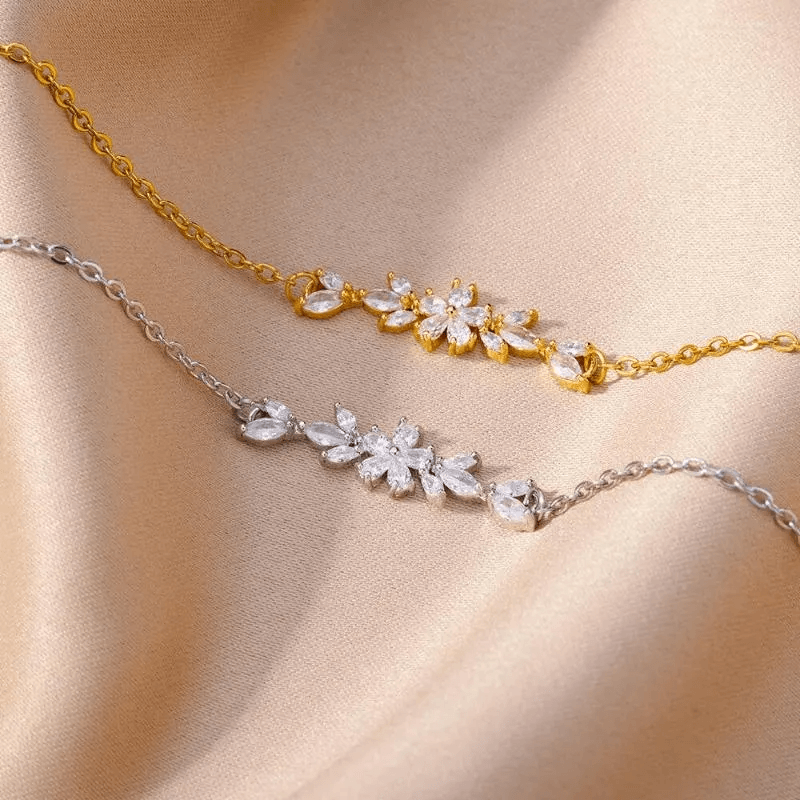
When considering jewelry options for both durability and style, 316L stainless steel has become an increasingly popular choice. Is 316L stainless steel jewelry worth the investment? This article will dive deep into the benefits and drawbacks of 316L stainless steel jewelry, exploring its strength, corrosion resistance, hypoallergenic properties, aesthetic appeal, and overall cost-effectiveness. We will also examine its long-term value, compare it to other types of jewelry, and provide an understanding of whether it’s the right choice for your needs.

1. Introduction: Why 316L Stainless Steel Jewelry?
316L stainless steel jewelry is often touted for its durability and affordability. It’s an ideal material for those seeking a long-lasting, low-maintenance option for their jewelry. But here’s the kicker: what makes 316L stainless steel so desirable in the first place? This section will explore the core reasons why 316L stainless steel is gaining traction in the jewelry market, looking at its properties and how they affect its suitability for everyday wear.
316L stainless steel is commonly used in the manufacturing of watches, rings, necklaces, and other jewelry items due to its outstanding corrosion resistance and strength. Known for its hypoallergenic properties, it is particularly favored by individuals with sensitive skin who are prone to allergic reactions from other metals like nickel. Moreover, 316L stainless steel’s ability to resist tarnishing and corrosion means it maintains its luster for longer periods, making it an excellent investment for people who want quality without constant upkeep.
Additionally, 316L stainless steel jewelry offers a polished, modern look that appeals to fashion-conscious individuals. When it comes to value for money, 316L stainless steel shines as a versatile alternative to traditional metals like gold or silver. But you might still be wondering—does its price justify its long-term benefits? Let’s explore this further.
Table: Comparison of 316L Stainless Steel with Other Metals
| Metal Type | Durability | Corrosion Resistance | Hypoallergenic | Aesthetic Appeal | Cost-Effectiveness |
|---|---|---|---|---|---|
| 316L Stainless Steel | High | Excellent | Yes | Polished | Very Cost-Effective |
| Gold | Medium | Low | Sometimes | Shiny | High |
| Silver | Medium | Low | Sometimes | Glossy | Moderate |
| Platinum | Very High | Excellent | Yes | Lustrous | Very High |
2. The Durability of 316L Stainless Steel
Durability is one of the primary selling points of 316L stainless steel jewelry. But what does “durability” really mean? Ready for the good part? 316L stainless steel is known for its superior toughness and resistance to scratches, dents, and wear over time. Unlike softer metals such as gold or silver, 316L is hard-wearing, making it ideal for jewelry that is worn on a daily basis.
316L stainless steel contains molybdenum, which contributes to its resistance to wear and corrosion. This alloy composition makes it more durable than regular stainless steel and perfect for jewelry that must endure frequent contact with skin, clothing, and various environmental elements. Unlike gold, which can be easily scratched or bent, 316L stainless steel retains its shape and strength even under pressure.
But it gets better: 316L stainless steel is resistant to high temperatures and extreme conditions. This means it will not warp or lose its integrity when exposed to heat or moisture, such as when wearing a ring while washing hands or working outdoors. No need to worry about tarnishing or changes in color, either. It stays looking new for years with minimal maintenance.
Table: Durability Comparison of 316L Stainless Steel vs Other Metals
| Metal Type | Scratch Resistance | Wear Resistance | High Temperature Resistance | Longevity |
|---|---|---|---|---|
| 316L Stainless Steel | High | High | Excellent | Long |
| Gold | Low | Low | Poor | Short |
| Silver | Medium | Medium | Poor | Medium |
| Platinum | Medium | High | Excellent | Long |
3. Corrosion Resistance: Why It Matters for Jewelry
Corrosion resistance is another major advantage of 316L stainless steel. Why is corrosion resistance important for jewelry? Simply put, it helps jewelry maintain its pristine appearance even after prolonged exposure to water, air, or sweat. Here’s the deal: while silver and copper-based alloys are prone to tarnishing when exposed to moisture and air, 316L stainless steel remains immune to such damage, preserving its shiny and polished look for a much longer period.
316L stainless steel’s resistance to corrosion is due to the presence of chromium, which forms a passive oxide layer on the surface, protecting the jewelry from rusting or tarnishing. This means no more frequent polishing or worrying about your jewelry’s appearance. Whether you’re caught in the rain or accidentally submerge your piece in water, your 316L stainless steel jewelry will stand the test of time.
This is especially important for people who wear jewelry every day or work in environments where exposure to moisture is frequent. For example, if you work in an environment where your jewelry is often exposed to chemicals, saltwater, or sweat, 316L stainless steel would be the ideal choice due to its corrosion-resistant properties.
Table: Corrosion Resistance of Jewelry Metals
| Metal Type | Corrosion Resistance | Maintenance Required |
|---|---|---|
| 316L Stainless Steel | Excellent | Low |
| Gold | Low | High |
| Silver | Low | High |
| Titanium | Very High | Low |
4. Hypoallergenic Properties: A Key Benefit
Are you concerned about allergic reactions from wearing jewelry? You might be wondering how 316L stainless steel compares to other materials when it comes to hypoallergenic properties. Well, 316L stainless steel is known for being highly hypoallergenic, making it an excellent option for individuals with sensitive skin.
The “L” in 316L stands for low carbon, which reduces the risk of irritation and allergic reactions. Many people experience skin reactions from jewelry made of base metals, such as nickel or copper, which are commonly found in traditional jewelry. But here’s the good part: 316L stainless steel is free of these allergens, making it a safe alternative for individuals with nickel allergies or other sensitivities.
Not only is 316L stainless steel hypoallergenic, but it’s also gentle on the skin due to its smooth, polished surface. This makes it a comfortable material for daily wear, especially for people who experience discomfort from other metals.
Table: Hypoallergenic Properties of Various Metals
| Metal Type | Hypoallergenic | Safe for Sensitive Skin |
|---|---|---|
| 316L Stainless Steel | Yes | Yes |
| Gold | Sometimes | No |
| Silver | Sometimes | No |
| Titanium | Yes | Yes |
5. Aesthetic Appeal: The Look of 316L Stainless Steel Jewelry
When it comes to jewelry, looks matter. And 316L stainless steel doesn’t disappoint in this department. It’s sleek, modern, and effortlessly stylish. But here’s the kicker: not only does 316L stainless steel look good, but it also provides versatility. Whether you prefer a polished mirror finish, a matte look, or a brushed texture, 316L stainless steel can be easily manipulated to achieve various designs.
What’s more, 316L stainless steel retains its appearance over time. While gold may fade or lose its luster, and silver may tarnish, 316L stainless steel maintains its aesthetic appeal without requiring constant maintenance. This makes it perfect for those who desire the sophisticated look of fine jewelry, without the high cost or upkeep.
Another advantage of 316L stainless steel is that it can be easily paired with other materials, such as gemstones or leather, to create unique, customized designs. Whether you’re looking for a sleek ring, a bold bracelet, or a statement necklace, 316L stainless steel offers endless possibilities for creating fashionable and durable pieces.
Table: Comparison of Aesthetic Qualities of Jewelry Metals
| Metal Type | Aesthetic Appeal | Finishing Options | Customization Potential |
|---|---|---|---|
| 316L Stainless Steel | Modern and Sleek | High Polished, Matte, Brushed | High |
| Gold | Classic | Shiny, Matte | Medium |
| Silver | Shiny | Shiny, Polished | Medium |
| Platinum | Elegant | Polished, Brushed | Low |
6. 316L Stainless Steel Jewelry for Everyday Wear
What makes 316L stainless steel jewelry perfect for everyday wear? Let’s break it down: first, it’s incredibly durable. Whether you’re heading to work, running errands, or participating in outdoor activities, 316L stainless steel jewelry can withstand the daily hustle and bustle without losing its appeal.
Second, it’s versatile. Unlike precious metals that may be too delicate for daily wear, 316L stainless steel is tough enough to handle bumps and scrapes. Plus, it’s resistant to tarnishing and corrosion, so you won’t have to worry about your jewelry turning dull after a few months of use.
And third, it’s low-maintenance. 316L stainless steel doesn’t require regular polishing or cleaning, unlike other metals that demand constant care to maintain their shine. With 316L stainless steel, you can wear it every day and still look polished and put together.
Table: Benefits of 316L Stainless Steel Jewelry for Everyday Wear
| Benefit | Description |
|---|---|
| Durability | Strong and resistant to scratches and dents |
| Versatility | Suitable for any occasion, from casual to formal |
| Low-Maintenance | Requires little upkeep and remains polished |
| Corrosion Resistance | Withstands exposure to water and moisture |
| Hypoallergenic | Ideal for sensitive skin |
7. Cost-Effectiveness of 316L Stainless Steel Jewelry
Is 316L stainless steel jewelry worth the price? Here’s the deal: 316L stainless steel jewelry offers a high level of quality at a fraction of the cost of other materials, such as gold, platinum, or diamonds. But you might be wondering—how does it compare in terms of long-term value?
316L stainless steel is one of the most affordable materials for jewelry, yet it doesn’t sacrifice strength or aesthetic appeal. In fact, it offers an incredible value for money when compared to more expensive alternatives. It’s highly durable, resistant to corrosion, and hypoallergenic, making it a solid investment for anyone looking for durable, long-lasting jewelry without breaking the bank.
Moreover, the cost-effectiveness of 316L stainless steel means that you can invest in multiple pieces of jewelry for the price of a single gold or platinum item. This opens up a whole range of possibilities for jewelry lovers who want to expand their collection without exceeding their budget.
Table: Cost Comparison of 316L Stainless Steel vs Other Jewelry Metals
| Metal Type | Average Price per Gram | Durability | Aesthetic Appeal | Maintenance Cost |
|---|---|---|---|---|
| 316L Stainless Steel | $0.10 | High | Modern and Sleek | Low |
| Gold | $50 | Medium | Classic | High |
| Silver | $0.60 | Medium | Shiny | Medium |
| Platinum | $30 | Very High | Elegant | High |
8. Environmental Considerations: Is 316L Stainless Steel Sustainable?
You might be wondering, is 316L stainless steel eco-friendly? Here’s the scoop: 316L stainless steel is a sustainable material, largely because it’s highly recyclable. In fact, stainless steel has one of the highest recycling rates of any material used in jewelry production. So, if sustainability is important to you, 316L stainless steel is a great choice.
Moreover, unlike other materials that may require significant mining or intensive energy to produce, 316L stainless steel is produced through relatively low-impact processes. This makes it a more environmentally conscious option compared to gold or other precious metals, which require harmful mining practices.
Table: Environmental Impact of 316L Stainless Steel vs Other Materials
| Material | Recycling Rate | Environmental Impact | Production Process |
|---|---|---|---|
| 316L Stainless Steel | High | Low | Low-Impact |
| Gold | Low | High | High-Impact |
| Silver | Medium | Medium | Medium-Impact |
| Platinum | Low | High | High-Impact |
9. How to Care for 316L Stainless Steel Jewelry
Now that you know the advantages of 316L stainless steel jewelry, you might be wondering how to keep it looking pristine. Here’s the deal: 316L stainless steel requires very little maintenance compared to other metals like gold or silver. However, there are still a few simple steps you can take to ensure its longevity.
To clean your 316L stainless steel jewelry, simply use a soft cloth with a little mild soap and water. Avoid harsh chemicals or abrasive materials, as they could damage the surface. Store your jewelry in a dry place, away from moisture, and clean it periodically to maintain its shine. With just a little care, your 316L stainless steel jewelry can last for many years without losing its appeal.
Table: Care Tips for 316L Stainless Steel Jewelry
| Tip | Description |
|---|---|
| Cleaning | Use mild soap and water with a soft cloth |
| Avoid Harsh Chemicals | Steer clear of abrasive cleaners |
| Storage | Store in a dry place to prevent tarnishing |
| Regular Cleaning | Clean periodically to maintain shine |
10. Is 316L Stainless Steel Jewelry Worth It?
To sum it all up: Is 316L stainless steel jewelry worth the investment? Absolutely. With its combination of strength, durability, hypoallergenic properties, and cost-effectiveness, 316L stainless steel jewelry is an excellent choice for anyone looking for high-quality, long-lasting pieces. It holds up well over time, requires minimal maintenance, and remains polished without breaking the bank.
If you’re seeking an affordable yet stylish alternative to traditional precious metals, 316L stainless steel is worth considering. Whether you’re buying for yourself or as a gift, it’s a material that offers both practical and aesthetic value.
Table: Summary of 316L Stainless Steel Jewelry Benefits
| Benefit | Description |
|---|---|
| Durability | Resistant to scratches and corrosion |
| Hypoallergenic | Ideal for sensitive skin |
| Cost-Effectiveness | Affordable with long-lasting value |
| Aesthetic Appeal | Modern and versatile design |
| Low Maintenance | Easy to care for and maintain |
FAQ Section
Q1: What is 316L stainless steel jewelry?
316L stainless steel jewelry is jewelry made from a high-quality, corrosion-resistant, and hypoallergenic form of stainless steel, ideal for daily wear and longevity.
Q2: How does 316L stainless steel compare to gold jewelry?
316L stainless steel offers similar aesthetic appeal to gold but is much more affordable and durable. It is also more resistant to wear and tarnishing compared to gold.
Q3: Is 316L stainless steel jewelry safe for sensitive skin?
Yes, 316L stainless steel is hypoallergenic and safe for individuals with sensitive skin, as it contains no nickel or other allergens that typically cause irritation.
Q4: Can 316L stainless steel jewelry tarnish over time?
No, 316L stainless steel jewelry is highly resistant to tarnishing and corrosion, maintaining its appearance for much longer than many other metals.
Q5: How do I clean 316L stainless steel jewelry?
To clean 316L stainless steel jewelry, use a soft cloth with mild soap and water. Avoid harsh chemicals and abrasive tools to preserve the jewelry’s finish.