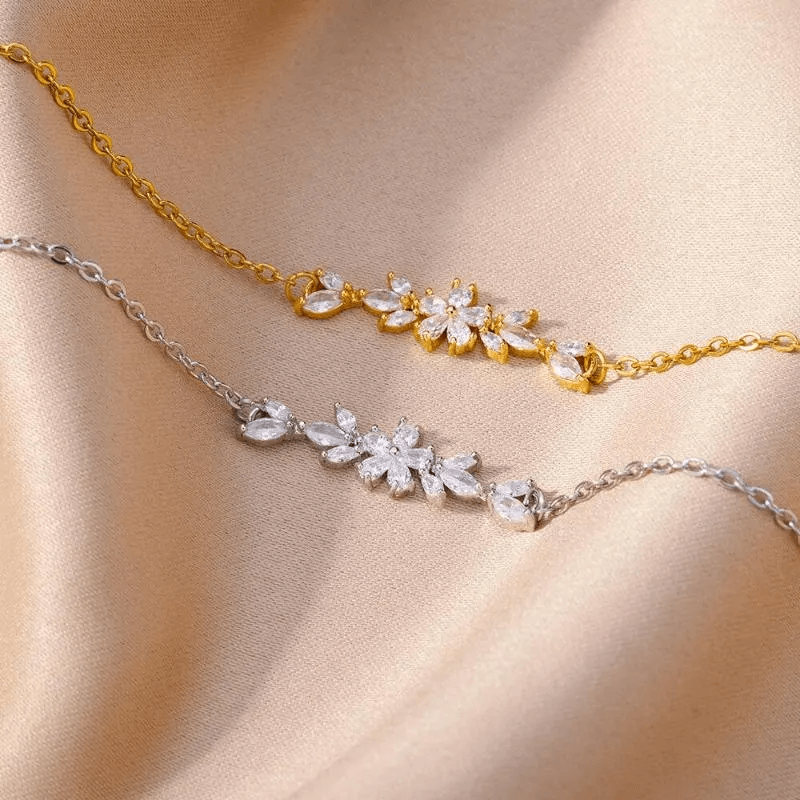
Choosing the right metal for your jewelry, accessories, or household items can be tough, especially when it comes to deciding between stainless steel and sterling silver. Both materials are popular in various industries, but how do they really compare?
The main difference between stainless steel and sterling silver lies in their composition, appearance, and durability. Stainless steel is a stronger, more affordable option, while sterling silver offers a classic, refined look with a higher price tag. Let’s explore these differences in detail.
Choosing between stainless steel and sterling silver can be confusing, especially when deciding which material suits your specific needs. In this article, we will break down the differences to help you make an informed decision on which metal works best for your jewelry, home décor, or other applications.

1. What is Stainless Steel and How is it Made?
Stainless steel is widely used for many industrial and consumer products, but how exactly is it made and what gives it its strength?
Stainless steel is an alloy primarily made up of iron, carbon, and chromium. The chromium content is what makes it resistant to corrosion and rust. This durability makes stainless steel a popular choice in various applications, from jewelry to construction materials.
How is Stainless Steel Manufactured?
Stainless steel is made through a combination of melting iron with chromium and other elements at high temperatures. The metal is then alloyed to achieve the desired strength and resistance. Depending on the use, stainless steel can also be polished to create a more refined surface.
Common Uses of Stainless Steel
This versatile metal is used in industries ranging from healthcare, where it’s used for medical tools, to home appliances like refrigerators and sinks.
| Property | Stainless Steel | Sterling Silver |
|---|---|---|
| Primary Metal | Iron with Chromium | Pure Silver (92.5%) with Copper |
| Durability | High Strength, Scratch-resistant | Softer, prone to scratching |
| Corrosion Resistance | Highly resistant to rust and corrosion | Tarnishes over time due to oxidation |
2. What is Sterling Silver and How is it Made?
Sterling silver has been used for centuries in fine jewelry and other decorative items. But what makes it different from other metals?
Sterling silver consists of 92.5% pure silver mixed with 7.5% of another metal, usually copper, to enhance its strength. Pure silver (99.9%) is too soft for practical use, so the alloyed sterling silver provides a perfect balance of beauty and durability.
How is Sterling Silver Manufactured?
The process of creating sterling silver involves melting silver and adding copper to form an alloy. The mixture is then cast into molds or rolled into sheets, which are used in the production of jewelry, cutlery, and other items.
Common Applications of Sterling Silver
Sterling silver is often used for high-end jewelry, cutlery, and silverware. Its lustrous shine and malleability make it ideal for finely crafted pieces.
| Property | Stainless Steel | Sterling Silver |
|---|---|---|
| Price | Affordable | More expensive due to higher silver content |
| Appearance | Shiny, metallic, but not as reflective | Bright, shiny, and reflective |
| Corrosion Resistance | Resistant to corrosion | Prone to tarnishing |
3. What Are the Key Differences Between Stainless Steel and Sterling Silver?
When deciding between stainless steel and sterling silver, there are several important factors to consider.
Durability and Strength
Stainless steel is known for its superior strength and durability. It’s not as prone to scratching or bending as sterling silver, making it a great choice for daily wear. On the other hand, sterling silver is more delicate and requires extra care to maintain its shine.
Appearance and Finish
Stainless steel has a more modern, industrial look, often with a less reflective surface. Sterling silver, however, is more polished and reflective, giving it a classic, elegant finish. Sterling silver is often chosen for high-end jewelry, while stainless steel is ideal for a sleek, contemporary style.
| Aspect | Stainless Steel | Sterling Silver |
|---|---|---|
| Shine | Less reflective, more matte | Highly reflective, bright and shiny |
| Texture | Smooth, but less polished | Smooth with a lustrous finish |
| Color | Silver-gray to metallic | Bright white to silver tones |
4. Which is More Affordable: Stainless Steel or Sterling Silver?
Pricing is a significant consideration when choosing between these two materials.
Stainless steel is much more affordable compared to sterling silver. Its price is driven largely by its abundant availability and ease of manufacturing. Sterling silver, on the other hand, contains more valuable silver, which increases its cost.
Are There Exceptions?
While stainless steel is cheaper overall, sterling silver’s value can increase if it’s crafted into high-end jewelry or comes from a renowned brand. In general, however, sterling silver will always be more expensive.
| Factor | Stainless Steel | Sterling Silver |
|---|---|---|
| Cost | Low cost due to manufacturing processes | Higher cost due to silver content |
| Market Trends | Affordable in bulk | Premium pricing for luxury items |
5. How Does the Appearance of Stainless Steel Compare to Sterling Silver?
When it comes to aesthetics, stainless steel and sterling silver offer very different looks.
Stainless steel has a more industrial, modern feel. It’s not as shiny as sterling silver but can be polished to a smooth finish. Sterling silver, however, is known for its brilliant shine and is often seen as more glamorous.
Which is Better for Jewelry?
Sterling silver is often preferred for formal and high-end jewelry due to its classic appearance. Stainless steel is a great choice for those who want a contemporary, durable look.
| Aspect | Stainless Steel | Sterling Silver |
|---|---|---|
| Shine | Matte to glossy finish | High shine and reflective |
| Popular Uses | Jewelry, construction, appliances | Jewelry, fine silverware, collectibles |
6. What is the Durability of Stainless Steel vs Sterling Silver?
When it comes to long-lasting materials, durability is a key factor in choosing between stainless steel and sterling silver. Let’s dive into how these two metals hold up over time.
Scratch Resistance and Toughness
Stainless steel is far more durable when it comes to resisting scratches and dents. It’s often used in industrial applications, medical tools, and even kitchen appliances due to its strength. On the other hand, sterling silver, while strong for jewelry, can get scratched and dented more easily, especially in day-to-day wear.
Impact Resistance
Stainless steel is designed to withstand impacts and heavy usage. It won’t bend or deform under pressure, making it a great option for items that undergo frequent handling. Sterling silver, while relatively strong, doesn’t have the same level of impact resistance and can lose its shape or get scratched more easily.
Longevity of Both Metals
Both metals are built to last, but stainless steel outperforms sterling silver in terms of long-term wear and tear. Stainless steel doesn’t tarnish, rust, or corrode easily, while sterling silver will tarnish over time, requiring regular maintenance to maintain its shine.
| Property | Stainless Steel | Sterling Silver |
|---|---|---|
| Scratch Resistance | Very resistant to scratches | Prone to scratching |
| Impact Resistance | Excellent, holds up well to wear | Vulnerable to dents and bending |
| Longevity | Lasts long without much maintenance | Tarnishes and needs regular care |
7. Which Metal is Better for Jewelry: Stainless Steel or Sterling Silver?
When it comes to jewelry, both metals offer distinct advantages. But which one is right for you?
Stainless Steel Jewelry
Stainless steel jewelry is durable and low-maintenance. It is an excellent choice for everyday wear since it doesn’t require regular polishing or care. Plus, its resistance to corrosion makes it ideal for people with active lifestyles. It’s also a more budget-friendly option.
Sterling Silver Jewelry
Sterling silver, known for its beautiful shine, is more suited for formal events or high-end pieces. It’s a favorite for wedding bands, necklaces, and earrings due to its elegance. However, it requires more maintenance to prevent tarnishing and scratches, which can be an inconvenience for daily wear.
What Type of Jewelry Suits Each Metal?
- Stainless Steel: Ideal for bracelets, rings, and watches that need to withstand daily wear and tear.
- Sterling Silver: Best for statement jewelry pieces or fine jewelry that doesn’t face harsh environments regularly.
| Jewelry Type | Stainless Steel | Sterling Silver |
|---|---|---|
| Everyday Wear | Great for rings, bracelets, watches | Not ideal for everyday wear, requires more care |
| Special Occasions | Works for casual events | Perfect for formal events, weddings |
| Care | Low maintenance | Needs regular polishing and care |
8. How Do Stainless Steel and Sterling Silver Hold Up to Different Environments?
The environments your jewelry or products are exposed to can affect their longevity. Let’s explore how both metals react under different conditions.
Exposure to Water
Stainless steel holds up well to exposure to water, making it a great choice for items like watches or jewelry worn during daily activities, including swimming. Sterling silver, however, can tarnish when exposed to water and moisture for prolonged periods.
Effects of Sweat, Perfume, and Chemicals
Stainless steel doesn’t react to sweat, perfumes, or chemicals, which makes it an excellent option for those who wear jewelry during workouts or in hot climates. Sterling silver, however, can tarnish when exposed to sweat or chemicals, especially over time.
Long-Term Maintenance
For both metals, proper maintenance is necessary for longevity. Stainless steel doesn’t need much attention aside from occasional cleaning. Sterling silver, however, will need regular cleaning and anti-tarnish treatment to keep it looking its best.
| Environment | Stainless Steel | Sterling Silver |
|---|---|---|
| Water Exposure | Resistant, does not tarnish | Tarnishes over time |
| Sweat & Perfume | No effect, durable | Tarnishes with sweat or perfume |
| Chemicals | Resistant to most chemicals | Can react and tarnish |
9. What Are the Environmental Impacts of Stainless Steel vs Sterling Silver?
Sustainability is an increasing concern in many industries, and the choice between stainless steel and sterling silver is no exception.
Stainless Steel
Stainless steel is considered one of the more eco-friendly metals due to its ability to be recycled. In fact, nearly 60% of stainless steel used today comes from recycled material, making it an energy-efficient choice for industries that value sustainability.
Sterling Silver
Sterling silver’s environmental impact is more complicated. While silver is a naturally occurring metal, it must be mined, which can cause significant environmental damage. However, silver can be recycled as well, and many manufacturers use recycled silver for creating sterling silver products.
Which is More Sustainable?
In general, stainless steel offers a more sustainable option due to its high recyclability and less destructive production process.
| Metal | Stainless Steel | Sterling Silver |
|---|---|---|
| Recyclability | Highly recyclable, made from 60% recycled material | Can be recycled, but mining has environmental impacts |
| Sustainability | More energy-efficient and eco-friendly | More environmentally damaging due to mining |
10. How Do You Care for Stainless Steel Jewelry?
Caring for stainless steel jewelry is relatively easy, thanks to its durability and corrosion resistance.
Cleaning Methods
To clean stainless steel, all you need is a soft cloth and mild soap. For deeper cleaning, a mixture of water and vinegar can help remove buildup. Always dry the piece thoroughly to avoid water stains.
Preventing Tarnish and Scratches
Stainless steel is not prone to tarnishing, but it can still get scratched. To avoid scratches, store your jewelry separately and avoid rough contact with hard surfaces. Use a microfiber cloth for regular cleaning to keep the metal shiny.
Proper Storage
Keep stainless steel jewelry in a dry, cool place to maintain its shine. Avoid storing it in humid areas, as moisture can lead to water stains.
| Care Step | Stainless Steel | Sterling Silver |
|---|---|---|
| Cleaning | Mild soap and water, vinegar for buildup | Polish regularly to avoid tarnish |
| Storage | Store separately, keep away from humidity | Store in anti-tarnish pouches |
| Maintenance | Low maintenance | Requires consistent care to maintain shine |
11. How Do You Care for Sterling Silver Jewelry?
Sterling silver, while beautiful, requires more care to maintain its shine and prevent tarnishing.
Cleaning Techniques
Sterling silver needs regular polishing to keep its luster. Use a soft polishing cloth or a silver cleaner to remove tarnish. For more persistent tarnish, a mixture of baking soda and water can work wonders.
Preventing Tarnish
To prevent tarnish, store your sterling silver jewelry in a dry, airtight container. Avoid exposure to chemicals, such as perfume or lotions, which can speed up tarnishing.
Storage Tips
Use anti-tarnish pouches or cloths to protect your sterling silver pieces. Avoid leaving them in direct sunlight or in overly humid areas, as these can cause the silver to tarnish.
| Care Step | Stainless Steel | Sterling Silver |
|---|---|---|
| Cleaning | Occasional cleaning with mild soap | Regular polishing and silver cleaner |
| Storage | Store separately, keep dry | Use anti-tarnish pouches and cloths |
| Maintenance | Very low maintenance | Requires frequent care to maintain shine |
12. What Are the Common Misconceptions About Stainless Steel and Sterling Silver?
There are a lot of myths surrounding stainless steel and sterling silver that can cause confusion.
Misconception 1: Stainless Steel is Not as Attractive
Some people believe that stainless steel doesn’t have the elegance of sterling silver. However, stainless steel can be polished to a high shine and offers a sleek, modern look that’s just as fashionable.
Misconception 2: Sterling Silver is Always the Better Choice for Jewelry
While sterling silver is often considered superior in terms of beauty, stainless steel is more durable and affordable. It can also have a more contemporary appearance, making it the better choice for some pieces of jewelry.
Misconception 3: Both Metals Require the Same Level of Care
Sterling silver requires much more maintenance than stainless steel. The latter is highly resistant to tarnish, while sterling silver needs regular care to maintain its shine.
| Misconception | Stainless Steel | Sterling Silver |
|---|---|---|
| Attractiveness | Modern, sleek design, shiny finish | Shiny, classic look but less durable |
| Jewelry Choice | Ideal for durability and affordability | Ideal for high-end, formal pieces |
| Care | Low maintenance | Requires regular polishing and care |
13. How Do Stainless Steel and Sterling Silver Impact Allergies or Skin Sensitivity?
For those with sensitive skin, choosing the right metal is crucial to avoid irritation.
Stainless Steel
Many people choose stainless steel jewelry because it’s hypoallergenic, especially when made with high-quality alloys. However, some low-grade stainless steel contains nickel, which may cause allergic reactions in some people.
Sterling Silver
Sterling silver is generally considered hypoallergenic, but lower-quality silver or silver alloys containing nickel can cause irritation. If you have a nickel allergy, look for sterling silver marked as nickel-free.
| Metal | Stainless Steel | Sterling Silver |
|---|---|---|
| Allergy Risk | Low risk, but nickel can cause reactions | Generally hypoallergenic, but depends on the alloy |
| Hypoallergenic | Safe for most people, but check for nickel content | Check for nickel-free sterling silver |
14. Which Metal is Better for Daily Wear: Stainless Steel or Sterling Silver?
Daily wear can place a lot of strain on jewelry, so durability is key.
Stainless Steel for Daily Wear
Because stainless steel is durable, resistant to corrosion, and doesn’t require frequent cleaning, it’s perfect for those who wear jewelry every day. It can withstand the wear and tear of daily activities.
Sterling Silver for Daily Wear
Sterling silver looks great but isn’t the best choice for daily wear due to its tendency to tarnish and scratch. If you prefer sterling silver for daily wear, you’ll need to clean and polish it regularly.
| Factor | Stainless Steel | Sterling Silver |
|---|---|---|
| Durability | Excellent for daily wear | Not ideal for everyday wear |
| Maintenance | Low maintenance | Requires regular care |
15. When Should You Choose Stainless Steel Over Sterling Silver and Vice Versa?
Choosing the right metal depends on your specific needs and priorities.
When to Choose Stainless Steel
If you need something affordable, durable, and low-maintenance, stainless steel is your best choice. It’s great for everyday use, industrial applications, and fashion pieces that need to withstand daily wear.
When to Choose Sterling Silver
Choose sterling silver when you’re looking for elegance, shine, and a classic look. It’s perfect for special occasions, high-end jewelry, or when you prefer a more traditional aesthetic.
| Situation | Stainless Steel | Sterling Silver |
|---|---|---|
| Budget | More affordable | More expensive |
| Durability | Better for everyday use | Not as durable for constant wear |
| Aesthetic | Modern, sleek design | Elegant, classic appearance |
Conclusion
Choosing between stainless steel and sterling silver depends on your needs, budget, and style preferences. Stainless steel is ideal for those who need a durable, affordable metal for everyday use. Sterling silver, on the other hand, provides a classic, elegant look but requires more care and is generally more expensive.
FAQ
- Q1: What is the difference between stainless steel and sterling silver?
Stainless steel is a strong, durable alloy made primarily of iron and chromium, while sterling silver is 92.5% pure silver alloyed with copper. - Q2: How does stainless steel compare to sterling silver in terms of price?
Stainless steel is more affordable due to its abundant availability, while sterling silver is pricier because of its higher silver content. - Q3: Which metal is more durable: stainless steel or sterling silver?
Stainless steel is stronger and more resistant to scratches, rust, and corrosion compared to sterling silver, which is softer and more prone to damage. - Q4: Can stainless steel or sterling silver cause allergies?
Stainless steel is usually hypoallergenic, but some may react to nickel in certain alloys. Sterling silver, especially with lower quality, can cause irritation due to the copper content. - Q5: How do I care for my stainless steel and sterling silver jewelry?
Stainless steel requires minimal care, usually just cleaning with a cloth. Sterling silver needs regular polishing and proper storage to avoid tarnishing.