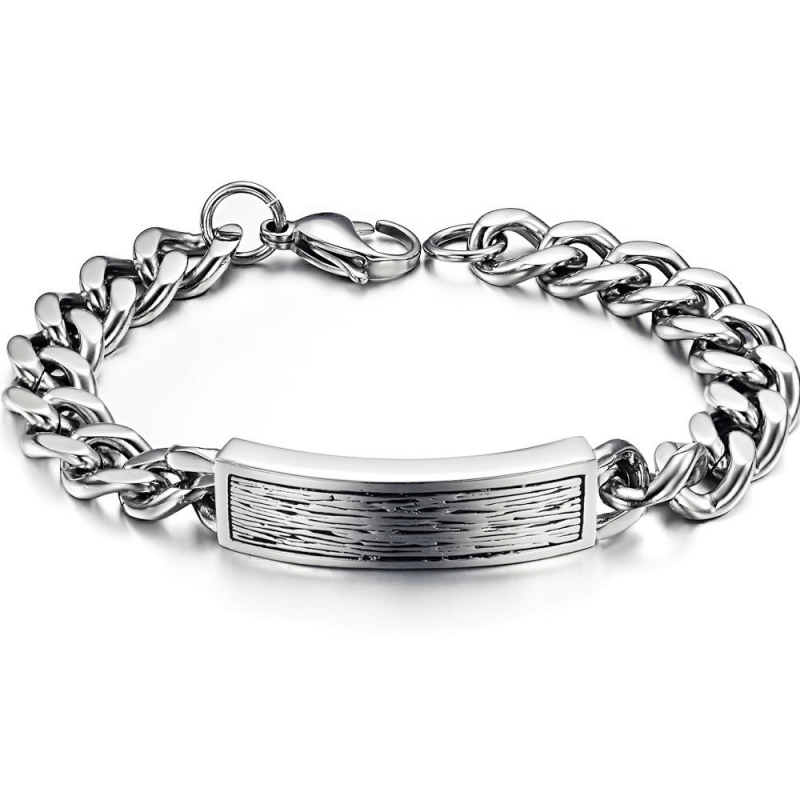
When you’re choosing body jewelry, it’s important to select the right material that aligns with both your style and your skin’s needs. The decision between stainless steel and surgical steel can be tricky, especially since both are commonly used in jewelry. But how do you choose the right one?
In this article, we’ll dive into the key differences between stainless steel and surgical steel, helping you make an informed decision on which material is better for your body jewelry needs.
Choosing body jewelry is more than just about looks—it’s about comfort, durability, and skin health. So let’s take a closer look at the two most popular options: stainless steel and surgical steel. You’ll soon understand why one might be more suitable for you than the other.
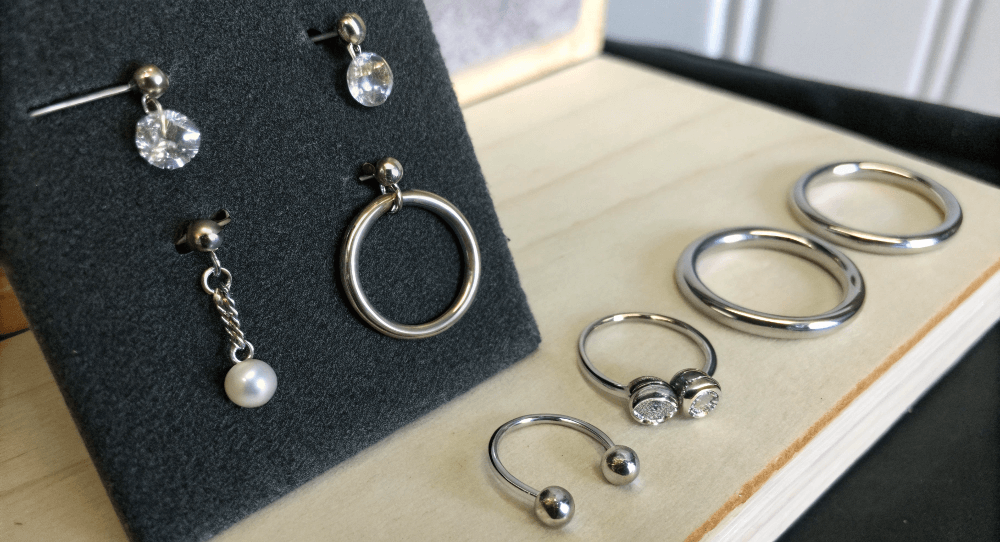
1. What is Stainless Steel Body Jewelry?
Stainless steel body jewelry has grown in popularity over the years due to its versatility and durability. But is it the right choice for your piercings?
Stainless steel is made from a blend of steel and chromium, making it resistant to rust and corrosion. When it comes to body jewelry, stainless steel is often used because it is strong, durable, and cost-effective.
What makes it ideal for body jewelry?
Stainless steel can withstand daily wear, is resistant to scratches, and retains its shine for a long time, even under harsh conditions. However, while it’s a solid material, it may not be the best option for sensitive skin. Let’s explore the pros and cons.
Advantages of Stainless Steel Body Jewelry
● Durability and Longevity: Stainless steel is known for its strength.
● Corrosion Resistant: This makes it perfect for those who wear jewelry in moist or humid environments.
● Cost-Effective: Compared to surgical steel, stainless steel is more affordable.
Disadvantages of Stainless Steel
● Potential for Skin Irritation: Some people may experience discomfort due to nickel content.
● Heavy Weight: Stainless steel can be heavier than other materials, making it less comfortable for long wear.
| Advantages | Disadvantages |
|---|---|
| Durable and long-lasting | Can cause skin irritation |
| Corrosion-resistant | Heavier than other materials |
| Affordable pricing | May not be hypoallergenic |
2. What is Surgical Steel Body Jewelry?
Surgical steel, often called implant-grade steel, is highly regarded in the body jewelry world. It’s used in piercings and medical applications due to its hypoallergenic and biocompatible properties.
But what exactly makes surgical steel stand out from stainless steel? Let’s take a deeper look.
Surgical steel is composed of a mix of steel, chromium, and nickel, but the amount of nickel is lower than in standard stainless steel, which is what makes it more suitable for sensitive skin.
Why is it recommended for body jewelry?
Because surgical steel is non-reactive, it is often used in medical devices like surgical implants. This makes it the ideal choice for piercings, especially in the early stages of healing.
Advantages of Surgical Steel Body Jewelry
● Hypoallergenic: It’s a great option for people with sensitive skin.
● Biocompatible: Safe for long-term wear in the body.
● Durability: Resistant to corrosion and damage from wear and tear.
Disadvantages of Surgical Steel
● Expensive: Surgical steel can be pricier than stainless steel.
● Less Variety in Designs: There are fewer style options compared to stainless steel.
| Advantages | Disadvantages |
|---|---|
| Hypoallergenic and biocompatible | More expensive than stainless steel |
| Durable and resistant to corrosion | Limited design options |
3. What are the Differences Between Stainless Steel and Surgical Steel?
Now that we know what each type of steel offers, let’s break down the major differences between stainless steel and surgical steel.
What sets them apart?
While both materials are strong and resistant to corrosion, the key difference lies in the quality of the nickel content and the suitability for sensitive skin. Surgical steel is specifically designed to reduce allergic reactions, making it ideal for piercings. Stainless steel, on the other hand, is more affordable but may cause irritation for those with nickel allergies.
Key Differences:
- Nickel Content: Surgical steel has lower nickel content, reducing the chance of irritation.
- Biocompatibility: Surgical steel is more compatible with the human body, making it suitable for medical-grade applications.
- Price: Surgical steel is generally more expensive due to its higher quality.
| Factor | Stainless Steel | Surgical Steel |
|---|---|---|
| Nickel Content | Higher | Lower |
| Biocompatibility | Moderate | High |
| Price | Affordable | Expensive |
4. What Makes Surgical Steel Ideal for Body Jewelry?
Why is surgical steel considered the best choice for body jewelry, particularly for piercings?
Surgical steel is specifically designed for medical use, meaning it undergoes rigorous tests to ensure it won’t cause harm to the body. Its low nickel content makes it less likely to cause allergic reactions, making it ideal for piercings.
What benefits does it offer over stainless steel?
The main benefit is its hypoallergenic property. People with sensitive skin or allergies can wear surgical steel jewelry without the risk of irritation, a significant advantage over other materials like stainless steel.
Why Choose Surgical Steel?
● Hypoallergenic: It’s less likely to cause allergic reactions.
● Ideal for Healing: Great for initial piercings and for those with sensitive skin.
● Long-Term Comfort: Can be worn long-term without causing discomfort.
| Benefits | Stainless Steel | Surgical Steel |
|---|---|---|
| Hypoallergenic | No | Yes |
| Ideal for Healing | No | Yes |
| Long-Term Comfort | No | Yes |
5. Which is Better for Sensitive Skin: Stainless Steel or Surgical Steel?
If you have sensitive skin, the material of your body jewelry can make all the difference. But which one should you choose?
What makes one better than the other for sensitive skin?
Surgical steel, with its hypoallergenic and biocompatible properties, is the clear winner for sensitive skin. Stainless steel, while durable, often contains more nickel, which can trigger allergic reactions in some individuals.
Why Surgical Steel is the Better Choice for Sensitive Skin:
● Lower Nickel Content: Less likely to cause skin irritation.
● Medical-Grade Quality: Used for implants due to its biocompatibility.
● Long-Term Comfort: Perfect for long-lasting wear without discomfort.
| Skin Sensitivity | Stainless Steel | Surgical Steel |
|---|---|---|
| Nickel Content | High | Low |
| Hypoallergenic | No | Yes |
| Long-Term Comfort | Moderate | Excellent |
6. How Do the Prices of Stainless Steel and Surgical Steel Body Jewelry Compare?
When it comes to choosing body jewelry, price is often a key factor in the decision-making process. But how do stainless steel and surgical steel compare in terms of cost?
What drives the price differences between these materials?
Surgical steel is more expensive due to its superior quality, hypoallergenic properties, and medical-grade standards. On the other hand, stainless steel is a more affordable option, making it ideal for those who are budget-conscious but still want durable jewelry.
Price Comparison:
● Surgical Steel: Higher quality, more expensive due to its hypoallergenic and medical-grade properties.
● Stainless Steel: Affordable, with a wider range of budget-friendly options available.
Factors Affecting Pricing:
- Material Quality: Surgical steel costs more because it’s refined to meet medical standards.
- Brand and Design: High-end brands and custom designs can raise the price of either type of steel.
- Quantity: Bulk purchasing may reduce the cost of stainless steel items.
| Material | Price Range | Key Factors Affecting Price |
|---|---|---|
| Surgical Steel | Higher | Medical-grade, hypoallergenic |
| Stainless Steel | Lower | Durability, affordability |
7. How to Choose the Right Material for Your Body Jewelry?
Choosing the right material for your body jewelry isn’t just about price—it’s about understanding your skin type, the jewelry’s purpose, and your personal style.
What should you consider when making your choice?
If you have sensitive skin or are looking for jewelry that will last through a piercing’s healing process, surgical steel is your best bet. However, if you’re looking for affordability and durability for daily wear, stainless steel might be the right choice.
Factors to Consider:
- Skin Sensitivity: For those with nickel allergies or sensitive skin, surgical steel is a better option.
- Purpose of Jewelry: Surgical steel is often used for piercings or medical-grade applications, while stainless steel is more for general use.
- Budget: If cost is a major factor, stainless steel offers a more affordable choice.
| Factor | Stainless Steel | Surgical Steel |
|---|---|---|
| Skin Sensitivity | Moderate | Hypoallergenic |
| Purpose | General use | Piercings, medical-grade |
| Budget | Affordable | Expensive |
8. What Are the Popular Styles of Stainless Steel Body Jewelry?
Stainless steel is not only durable but also highly customizable, making it a popular choice for various body jewelry styles. Let’s dive into some of the most popular designs.
What styles can you find in stainless steel body jewelry?
From simple, sleek designs to more intricate styles, stainless steel is versatile and can be molded into almost any shape. Common designs include earrings, nose rings, belly button rings, and bracelets.
Popular Designs:
● Minimalist: Simple, elegant designs that work for any occasion.
● Industrial: Large, bold designs that make a statement.
● Custom Pieces: Engraving and other customizations for a personal touch.
| Design Type | Features |
|---|---|
| Minimalist | Sleek, simple, elegant designs |
| Industrial | Bold, statement pieces |
| Custom Pieces | Personalized engravings, custom styles |
9. What Are the Popular Styles of Surgical Steel Body Jewelry?
Surgical steel is known for its medical-grade quality, but it’s also a popular choice for stylish body jewelry designs. Let’s explore some of the popular styles made from surgical steel.
Why is surgical steel used in so many jewelry designs?
The high quality of surgical steel allows for more intricate designs and is the go-to material for those seeking both durability and comfort.
Popular Styles:
● Piercings: Surgical steel is often used in initial piercings due to its hypoallergenic properties.
● Rings: Many use surgical steel for nose rings, eyebrow rings, and other body piercings.
● Belly Bars: Surgical steel is perfect for belly button jewelry due to its non-reactive nature.
| Design Type | Characteristics |
|---|---|
| Piercings | Ideal for initial piercings |
| Rings | Comfortable, non-reactive material |
| Belly Bars | Popular for belly button jewelry |
10. How Can You Care for Stainless Steel Body Jewelry?
Caring for stainless steel body jewelry is relatively simple, but proper maintenance can extend its lifespan and keep it looking great.
What’s the best way to take care of stainless steel jewelry?
Regular cleaning and proper storage are essential for preventing tarnishing and maintaining its shine. Let’s explore some tips to help keep your stainless steel body jewelry in excellent condition.
Care Tips:
● Clean Regularly: Use mild soap and warm water to clean your jewelry.
● Dry Thoroughly: After cleaning, dry your jewelry with a soft cloth to prevent water spots.
● Avoid Harsh Chemicals: Keep jewelry away from chemicals like bleach or ammonia that could cause damage.
| Care Tip | Description |
|---|---|
| Clean Regularly | Use soap and water to remove dirt and oils |
| Dry Thoroughly | Use a soft cloth to prevent water spots |
| Avoid Chemicals | Keep away from harsh cleaners |
11. How Can You Care for Surgical Steel Body Jewelry?
Just like stainless steel, surgical steel body jewelry requires proper care to ensure it remains in great shape.
How should you maintain surgical steel jewelry?
Because surgical steel is resistant to rust and corrosion, it requires less maintenance than other materials. However, cleaning it regularly and storing it properly is important for its longevity.
Care Tips:
● Wash Gently: Clean surgical steel jewelry with warm, soapy water.
● Dry Well: Always dry surgical steel thoroughly after cleaning.
● Store Properly: Avoid storing surgical steel in humid places, which could lead to tarnishing.
| Care Tip | Description |
|---|---|
| Wash Gently | Mild soap and warm water work best for cleaning |
| Dry Well | Thorough drying prevents water spots |
| Store Properly | Store in dry places to avoid tarnishing |
12. What Are the Potential Drawbacks of Stainless Steel and Surgical Steel Body Jewelry?
While both stainless steel and surgical steel offer numerous benefits, they also have some drawbacks that you should consider before making your final decision.
What are the drawbacks of each material?
Stainless steel can cause irritation due to its nickel content, especially for those with sensitive skin. Surgical steel, although more hypoallergenic, tends to be more expensive and has fewer design options.
Potential Drawbacks:
- Stainless Steel: Can cause skin irritation, limited hypoallergenic properties.
- Surgical Steel: Higher price point, fewer customization options.
| Material | Drawbacks |
|---|---|
| Stainless Steel | May irritate skin, less hypoallergenic |
| Surgical Steel | Higher cost, fewer style options |
13. What Are the Health Benefits of Surgical Steel Body Jewelry?
Surgical steel body jewelry is more than just aesthetically pleasing; it offers several health benefits as well.
Why is surgical steel considered the healthiest choice for piercings?
Surgical steel is hypoallergenic, meaning it’s less likely to cause allergic reactions or skin irritation. Its biocompatible properties make it ideal for long-term wear and healing.
Health Benefits:
● Hypoallergenic: Perfect for sensitive skin.
● Non-Reactive: Suitable for individuals with nickel allergies.
● Promotes Healing: Ideal for healing new piercings without irritation.
| Health Benefit | Stainless Steel | Surgical Steel |
|---|---|---|
| Hypoallergenic | No | Yes |
| Non-Reactive | No | Yes |
| Promotes Healing | Moderate | Excellent |
14. Is Surgical Steel the Best Option for Initial Piercings?
If you’re getting a new piercing, choosing the right material is crucial for healing and comfort.
Why is surgical steel often recommended for initial piercings?
Surgical steel is biocompatible, reducing the risk of infection and irritation. It’s also widely used in the medical field for implants, which ensures a high level of safety and effectiveness.
Benefits for Initial Piercings:
● Prevents Infection: Helps prevent bacterial infections during the healing process.
● Comfortable: Non-reactive and safe for sensitive skin.
● Reliable: Used in medical implants for its safety and quality.
| Benefits for Piercings | Stainless Steel | Surgical Steel |
|---|---|---|
| Prevents Infection | Moderate | High |
| Comfortable | No | Yes |
| Reliable | Moderate | Excellent |
15. How to Avoid Common Mistakes When Buying Body Jewelry?
When buying body jewelry, there are several common mistakes that you can easily avoid to ensure that you select the right pieces.
What mistakes should you avoid when shopping for body jewelry?
Choosing jewelry based solely on price or style without considering factors like skin sensitivity or material durability can lead to discomfort or health issues. It’s important to think about long-term wear and choose jewelry that is safe for your body.
Common Mistakes to Avoid:
● Ignoring Skin Sensitivity: Always check for hypoallergenic properties.
● Choosing Cheap Jewelry: Don’t sacrifice quality for price—look for durable materials.
● Not Considering Jewelry Purpose: Choose materials based on whether you need the jewelry for healing or long-term wear.
| Mistake | Solution |
|---|---|
| Ignoring Sensitivity | Choose hypoallergenic materials |
| Choosing Cheap Jewelry | Invest in quality, long-lasting pieces |
| Not Considering Purpose | Pick jewelry based on healing needs |
Conclusion
In conclusion, both stainless steel and surgical steel are excellent choices for body jewelry, but the right material depends on your needs. If you’re looking for an affordable, durable option, stainless steel is a solid choice. However, for those with sensitive skin or new piercings, surgical steel is the better option due to its hypoallergenic properties and biocompatibility.
FAQ Section
- Q1: What is stainless steel body jewelry?
Stainless steel body jewelry is made from a mixture of steel and chromium, making it durable and resistant to corrosion. It’s commonly used in body jewelry due to its strength and affordability. - Q2: How does surgical steel work for body jewelry?
Surgical steel is a high-quality material that is hypoallergenic and biocompatible. It is specifically designed for medical-grade applications and is ideal for body jewelry, particularly for piercings. - Q3: What are the benefits of surgical steel over stainless steel in body jewelry?
Surgical steel is hypoallergenic, making it more suitable for sensitive skin. It is also more biocompatible and used for medical implants, while stainless steel is more affordable and durable. - Q4: Can stainless steel jewelry cause allergic reactions?
Stainless steel may contain higher levels of nickel, which can cause allergic reactions in some people. Surgical steel, with lower nickel content, is a better choice for those with nickel allergies. - Q5: How do I choose between stainless steel and surgical steel for my body jewelry?
Choose surgical steel for sensitive skin, new piercings, or long-term comfort. Stainless steel is a great, cost-effective option for everyday jewelry but may not be suitable for those with nickel allergies.