Introduction

Jewelry findings are essential components in the world of jewelry making. These small, often overlooked pieces play a crucial role in the construction and functionality of jewelry items. Whether you’re a seasoned jewelry designer or a beginner hobbyist, understanding the different types of findings is fundamental to creating high-quality, durable, and visually appealing pieces.
This comprehensive guide aims to educate readers about the various types of jewelry findings, their functions, and how to choose the right ones for your projects. By the end of this article, you’ll have a thorough understanding of these vital components and be well-equipped to make informed decisions in your jewelry-making endeavors.
What Are Jewelry Findings?
Jewelry findings are the small components used to join jewelry parts together, provide structure, and enhance the design. They include items such as clasps, earring wires, jump rings, bails, and many others. While they might be small, their role in jewelry making is significant. Without findings, it would be impossible to create functional jewelry pieces that are wearable and secure.
Findings are essential for various reasons. They provide the necessary connections between different parts of a jewelry piece, ensuring that it stays together and functions correctly. They also contribute to the overall aesthetics of the piece, often adding decorative elements that enhance its visual appeal. For example, a beautifully designed clasp can become a focal point in a necklace or bracelet.
Moreover, the quality of findings can significantly impact the durability and longevity of jewelry. High-quality findings made from robust materials will ensure that your jewelry withstands regular wear and tear, while inferior findings might lead to breakage and damage. Therefore, choosing the right findings is crucial for creating durable, long-lasting jewelry pieces.
Categories of Jewelry Findings
Jewelry findings can be broadly categorized into three main groups: Functional, Decorative, and Hybrid. Understanding these categories will help you choose the right findings for your projects based on their purpose and design requirements.
Functional Findings
Functional findings are the essential components that hold jewelry together and ensure it functions correctly. These findings are primarily utilitarian, providing the necessary connections and support to make jewelry pieces wearable and secure. Examples of functional findings include clasps, earring wires, jump rings, and pins.
Decorative Findings
Decorative findings, as the name suggests, are primarily used to enhance the visual appeal of jewelry. These findings often feature intricate designs and embellishments that add beauty and elegance to the piece. While they may also serve a functional purpose, their primary role is to contribute to the aesthetics of the jewelry. Examples of decorative findings include decorative beads, charms, and pendants.
Hybrid Findings
Hybrid findings serve both functional and decorative purposes. These versatile components not only provide the necessary support and connections for jewelry pieces but also add to their visual appeal. Examples of hybrid findings include crimp beads, chains, and certain types of clasps that are both functional and decorative.
Understanding these categories will help you select the right findings for your jewelry projects based on your design goals and the specific requirements of each piece.
Types of Functional Findings
Functional findings are the backbone of jewelry making. They provide the essential connections and support needed to create wearable, secure jewelry pieces. Below, we delve into the most common types of functional findings and their uses.
Clasps
Clasps are critical components in jewelry making, providing a secure way to fasten necklaces, bracelets, and anklets. There are various types of clasps, each offering different levels of security and ease of use. Here are some of the most common types:
Lobster Claw
Lobster claw clasps are popular for their secure, spring-loaded mechanism. They are shaped like a lobster claw, with a small lever that opens and closes the clasp. Lobster claw clasps are versatile and commonly used in both necklaces and bracelets.
Spring Ring
Spring ring clasps are small, circular clasps with a spring-loaded mechanism. They are lightweight and often used in delicate jewelry pieces. While secure, they can be slightly challenging to operate, especially for individuals with limited dexterity.
Toggle
Toggle clasps consist of a T-shaped bar and a corresponding ring. The bar is inserted through the ring to secure the jewelry piece. Toggle clasps are easy to use and add a decorative element to the jewelry, making them suitable for both functional and aesthetic purposes.
Magnetic
Magnetic clasps use magnets to hold the jewelry piece together. They are extremely easy to use and ideal for individuals who have difficulty with traditional clasps. However, they may not be suitable for heavy or high-value jewelry pieces, as the magnetic hold may not be as strong as other clasp types.
Box
Box clasps feature a box-like mechanism with a tab that clicks into place. They are secure and often used in high-end jewelry pieces. Box clasps can also be adorned with decorative elements, adding to the overall aesthetics of the jewelry.
Barrel
Barrel clasps consist of two barrel-shaped components that screw together. They are secure and provide a seamless look, making them suitable for necklaces and bracelets. However, they can be more challenging to open and close compared to other clasp types.
Earring Findings
Earring findings are essential for creating wearable earrings. They come in various forms, each designed to support different earring styles. Here are some common types of earring findings:
Ear Wires
Ear wires, also known as fishhooks, are simple hooks that go through the earlobe. They are popular for dangling and drop earrings due to their ease of use and versatility. Leverback ear wires, which include a hinged closure, provide extra security.
Earring Posts
Earring posts are straight posts that go through the earlobe and are secured with earring backs. They are commonly used for stud earrings and provide a secure and straightforward attachment method.
Earring Backs
Earring backs, also known as earring nuts, are used to secure earring posts. There are various types of earring backs, including butterfly backs, screw-on backs, and rubber stoppers. Each type offers different levels of security and comfort.
Hoops and Huggies
Hoops are circular earrings that go through the earlobe and close with a latch or a hinged mechanism. Huggies are smaller hoops that fit closely around the earlobe. Both hoops and huggies are popular for their classic and versatile designs.
Connectors
Connectors are essential for linking different parts of a jewelry piece. They come in various forms and are used to create connections and joints. Here are some common types of connectors:
Jump Rings
Jump rings are small metal rings with a slit that can be opened and closed. They are used to connect clasps, pendants, and other components. Jump rings come in various sizes and thicknesses, offering flexibility in design and functionality.
Split Rings
Split rings are similar to jump rings but feature a double-looped design, providing extra security. They are commonly used in keychains and heavier jewelry pieces where additional strength is needed.
S-Hooks
S-hooks are S-shaped connectors that can be easily opened and closed. They are often used in bracelets and necklaces for their simplicity and ease of use. S-hooks can also add a decorative touch to the jewelry piece.
Chain Links
Chain links are individual links that make up a chain. They can be used as connectors in jewelry designs, allowing for the creation of adjustable lengths and multi-strand pieces. Chain links come in various shapes and sizes, offering design flexibility.
Pins
Pins are used to hold and secure components in jewelry making. They come in various forms, each serving a specific purpose. Here are some common types of pins:
Head Pins
Head pins are straight pins with a flat or decorative head at one end. They are used to create dangles and drops by stringing beads onto the pin and forming a loop at the other end. Head pins are essential for making earrings and pendants.
Eye Pins
Eye pins are similar to head pins but feature a loop (eye) at one end instead of a flat head. They are used to connect different components in a jewelry piece, such as linking beads or charms together.
Ball Pins
Ball pins are head pins with a small ball at one end instead of a flat head. The ball adds a decorative element and can be used in various jewelry designs, including earrings and pendants.
Bails
Bails are components used to attach pendants or charms to necklaces or bracelets. They come in various forms and designs, each offering different attachment methods. Here are some common types of bails:
Pendant Bails
Pendant bails are designed specifically for attaching pendants to necklaces. They come in various shapes and sizes, providing a secure and aesthetically pleasing connection.
Glue-On Bails
Glue-on bails have a flat surface that can be glued to a pendant or charm. They are easy to use and provide a seamless look, making them ideal for custom-made pendants.
Pinch Bails
Pinch bails feature a hinged mechanism that pinches the pendant or charm, securing it in place. They are versatile and can be used with various types of pendants.
Settings
Settings are used to hold gemstones, crystals, or other decorative elements in place. They come in various forms, each offering different levels of security and visibility. Here are some common types of settings:
Bezel Settings
Bezel settings encircle the gemstone with a metal rim, holding it securely in place. They provide excellent protection for the stone and are suitable for everyday wear.
Prong Settings
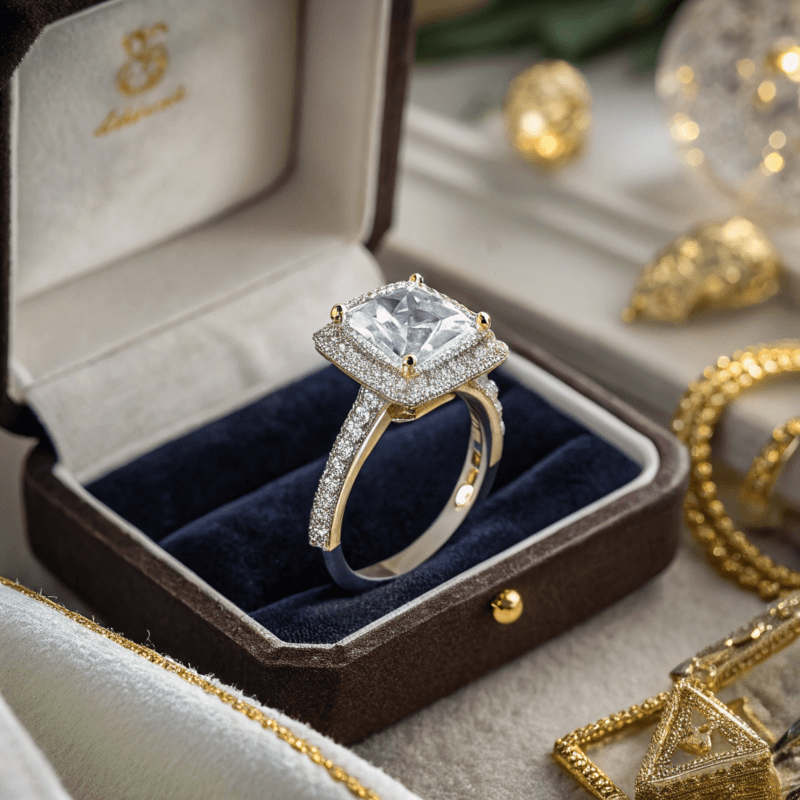
Prong settings use small metal prongs to hold the gemstone in place, allowing maximum light to enter the stone and enhance its brilliance. They are commonly used in engagement rings and other fine jewelry.
Channel Settings
Channel settings hold gemstones in a channel between two metal walls. This setting provides a sleek and modern look, often used in eternity bands and tennis bracelets.
Tension Settings
Tension settings hold the gemstone in place using the tension of the metal band. The stone appears to be floating, creating a unique and contemporary look. Tension settings require precise craftsmanship to ensure the stone is securely held.
By understanding the different types of functional findings, you can choose the right components for your jewelry projects, ensuring they are both secure and visually appealing.
Types of Decorative Findings
Decorative findings are designed to enhance the visual appeal of jewelry. These components can transform a simple design into a stunning piece of art. Below are some of the most common types of decorative findings used in jewelry making.
Beads and Spacers
Beads and spacers are fundamental decorative elements in jewelry. They come in various materials, shapes, and sizes, allowing for endless design possibilities.
Seed Beads
Seed beads are small, uniformly shaped beads often used for intricate beadwork and embroidery. They come in various colors and finishes, making them versatile for different design styles.
Metal Beads
Metal beads are made from various metals, including sterling silver, gold-filled, brass, and copper. They add a touch of elegance and sophistication to jewelry pieces. Metal beads can be plain or intricately designed with patterns and textures.
Glass Beads
Glass beads are popular for their vibrant colors and reflective properties. They can be used to add sparkle and color to jewelry designs. Glass beads come in various forms, such as lampwork, pressed glass, and seed beads.
Spacer Beads
Spacer beads are small beads used to create space between larger beads or components. They help to highlight individual beads and add balance to the overall design. Spacer beads are available in various materials, including metal, glass, and plastic.
Charms and Pendants
Charms and pendants are decorative elements that can be added to necklaces, bracelets, earrings, and anklets. They come in various shapes, sizes, and materials, allowing for personalized and meaningful designs.
Metal Charms
Metal charms are made from various metals and often feature intricate designs. They can represent various themes, such as nature, animals, symbols, and letters. Metal charms add a personal touch to jewelry pieces.
Enamel Charms
Enamel charms are metal charms coated with colorful enamel. The enamel adds a vibrant and glossy finish, making the charms stand out. Enamel charms are popular in fashion jewelry for their playful and colorful designs.
Gemstone Pendants
Gemstone pendants feature natural or synthetic gemstones set in metal settings. They add a touch of luxury and elegance to jewelry pieces. Gemstone pendants can be used as focal points in necklaces or added to charm bracelets.
Birthstone Charms
Birthstone charms represent the birthstones of different months. They are often used in personalized jewelry pieces, such as birthstone necklaces and bracelets. Birthstone charms make meaningful and sentimental gifts.
End Caps and Cord Ends
End caps and cord ends are used to finish the ends of cords, chains, and beaded strands. They provide a professional and polished look to jewelry pieces.
Crimp Ends
Crimp ends are small metal tubes that can be crimped onto the ends of cords or beading wire. They provide a secure and neat finish, preventing the ends from fraying or coming apart.
Cone Ends
Cone ends are cone-shaped findings used to cover the ends of multiple strands or cords. They provide a decorative and elegant finish, often used in multi-strand necklaces and bracelets.
Bell Caps
Bell caps are dome-shaped findings with a loop at the top. They are used to cover and secure the ends of cords or beaded strands. Bell caps add a decorative touch to jewelry pieces and are often used with pendants and charms.
Types of Hybrid Findings
Hybrid findings serve both functional and decorative purposes. These versatile components not only provide necessary connections and support but also enhance the overall design of jewelry pieces.
Crimp Beads and Tubes
Crimp beads and tubes are small metal findings used to secure the ends of beading wire or thread. They are essential for creating professional and secure jewelry pieces.
Overview of Crimp Beads and Tubes
Crimp beads are small, round beads that can be flattened with pliers to secure the ends of beading wire or thread. Crimp tubes are similar but have a cylindrical shape. Both types of crimps provide a secure hold and a neat finish to jewelry pieces.
Uses in Jewelry Making
Crimp beads and tubes are commonly used in beaded jewelry to secure clasps and create loops for attaching findings. They are often covered with crimp covers or beads to enhance the overall appearance of the jewelry piece.
Chains
Chains are essential components in jewelry making, used for creating necklaces, bracelets, and anklets. They come in various styles and designs, each offering different visual effects and functional properties.
Overview of Chains
Chains consist of interconnected links that form a flexible and durable strand. They are available in various materials, including metal, plastic, and fabric. Chains can be used alone or combined with other findings and components to create unique jewelry pieces.
Types of Chains
- Cable Chain: Cable chain features round or oval links connected in a uniform pattern. It is a versatile and commonly used chain style, suitable for various jewelry designs.
- Curb Chain: Curb chain has flattened, twisted links that lie flat when worn. It is a classic and elegant chain style, often used in men’s and women’s jewelry.
- Figaro Chain: Figaro chain features a pattern of three short links followed by one longer link. This distinctive pattern adds a decorative touch to the chain, making it popular for both necklaces and bracelets.
- Rope Chain: Rope chain consists of twisted links that resemble a rope. It is a strong and durable chain style, often used for heavier pendants and charms.
Jump Rings (Decorative and Functional)
Jump rings are small metal rings used to connect different components in a jewelry piece. They can be both decorative and functional, providing necessary connections while adding to the overall design.
Overview of Jump Rings
Jump rings are made from various metals and come in different sizes and thicknesses. They feature a slit that can be opened and closed with pliers, allowing for easy attachment of clasps, charms, and other findings.
Uses in Jewelry Making
Jump rings are essential for creating connections and joints in jewelry pieces. They are used to attach clasps, pendants, and other components, providing flexibility and movement. Decorative jump rings can also be used to enhance the design of the jewelry piece.
Materials Used for Jewelry Findings
The materials used for jewelry findings can significantly impact the durability, appearance, and cost of the final piece. Understanding the different materials available will help you choose the right findings for your projects.
Metals
Metals are the most common materials used for jewelry findings. They offer durability, strength, and a wide range of finishes and colors.
Sterling Silver
Sterling silver is a popular choice for jewelry findings due to its beauty and durability. It consists of 92.5% silver and 7.5% other metals, usually copper, which adds strength and durability. Sterling silver findings are ideal for high-quality and fine jewelry pieces.
Gold-Filled
Gold-filled findings are made by bonding a layer of gold to a base metal, such as brass. They offer the look and feel of solid gold at a more affordable price. Gold-filled findings are durable and resistant to tarnish, making them suitable for everyday wear.
Stainless Steel
Stainless steel is a strong and durable material that is resistant to tarnish and corrosion. It is an excellent choice for jewelry findings, especially for pieces that will be exposed to moisture or wear and tear. Stainless steel findings are also hypoallergenic, making them suitable for individuals with metal sensitivities.
Brass
Brass is an affordable and versatile metal used for jewelry findings. It has a warm, golden color that resembles gold. Brass findings are often used in fashion jewelry and can be coated with various finishes to enhance their appearance.
Copper
Copper is a reddish-brown metal that adds a rustic and vintage look to jewelry pieces. It is soft and malleable, making it easy to work with. Copper findings can be used in various jewelry styles, from bohemian to contemporary.
Non-Metals
Non-metal materials are also used for jewelry findings, offering unique textures and designs. These materials can add a distinctive touch to jewelry pieces.
Plastic
Plastic findings are lightweight and affordable, making them suitable for fashion jewelry. They come in various colors and shapes, allowing for creative and playful designs. However, plastic findings may not be as durable as metal findings and are best used in lightweight jewelry pieces.
Wood
Wood findings add a natural and earthy touch to jewelry pieces. They are lightweight and can be carved or painted to create unique designs. Wood findings are often used in bohemian and eco-friendly jewelry styles.
Fabric
Fabric findings, such as ribbon ends and cord ends, are used to finish the ends of fabric or leather cords. They add a soft and flexible touch to jewelry pieces, making them comfortable to wear. Fabric findings are available in various colors and patterns, allowing for creative designs.
Resin
Resin findings are made from a synthetic material that can be molded into various shapes and designs. They can be clear or colored and often contain embedded elements, such as flowers or glitter. Resin findings add a unique and artistic touch to jewelry pieces.
Choosing the Right Findings for Your Jewelry
Selecting the right findings for your jewelry projects is crucial for creating pieces that are both functional and visually appealing. Here are some factors to consider when choosing findings:
Type of Jewelry
Different types of jewelry require specific findings. For example, necklaces and bracelets need clasps, while earrings require earring wires or posts. Consider the type of jewelry you are making and choose findings that are suitable for that particular piece.
Design and Aesthetics
The design and aesthetics of your jewelry piece will influence your choice of findings. Choose findings that complement the overall design and enhance the visual appeal. Decorative findings, such as charms and beads, can add unique elements to your jewelry.
Durability and Strength
The durability and strength of findings are essential for creating long-lasting jewelry pieces. Choose high-quality findings made from durable materials, such as sterling silver or stainless steel. Avoid using low-quality findings that may break or tarnish easily.
Cost and Budget
Consider your budget when choosing findings. While high-quality findings may be more expensive, they are worth the investment for creating durable and beautiful jewelry. Look for wholesale suppliers or bulk purchasing options to save on costs.
Allergies and Skin Sensitivities
Some individuals may have allergies or sensitivities to certain metals. Choose hypoallergenic findings, such as stainless steel or sterling silver, to ensure the jewelry is safe and comfortable to wear.
Where to Buy Quality Jewelry Findings
Finding reliable sources for quality jewelry findings is essential for creating professional and durable jewelry pieces. Here are some recommendations for sourcing findings:
Online Marketplaces
Online marketplaces, such as Etsy and Amazon, offer a wide range of jewelry findings. These platforms provide access to various sellers and products, allowing you to compare prices and read customer reviews. Look for reputable sellers with positive feedback and high ratings.
Local Bead and Jewelry Supply Stores
Local bead and jewelry supply stores are excellent places to find quality findings. These stores often carry a curated selection of findings and offer personalized customer service. Visiting a physical store allows you to see and feel the findings before purchasing.
Wholesale Suppliers
Wholesale suppliers offer findings in bulk at discounted prices. This option is ideal for jewelry makers who need large quantities of findings for their projects. Look for reputable wholesale suppliers that offer high-quality products and reliable customer service.
Specialty Shops
Specialty shops, such as those that focus on specific materials or styles, can provide unique and high-quality findings. These shops often carry specialized products that may not be available elsewhere. Look for specialty shops that align with your design preferences and requirements.
Caring for and Maintaining Jewelry Findings
Proper care and maintenance of jewelry findings are essential for preserving the beauty and functionality of your jewelry pieces. Here are some tips for caring for different types of findings:
Cleaning and Maintenance
- Metal Findings: Clean metal findings with a soft cloth and mild soap. Avoid using harsh chemicals that can damage the finish. For tarnished silver findings, use a silver polishing cloth or a silver cleaning solution.
- Non-Metal Findings: Clean non-metal findings, such as plastic or wood, with a damp cloth. Avoid soaking them in water or using abrasive cleaners that can damage the material.
- Jewelry with Gemstones: Clean gemstone settings carefully to avoid dislodging the stones. Use a soft brush and mild soap to remove dirt and debris.
Storing Findings
Store findings in a dry and cool place to prevent tarnishing and damage. Use small containers or zip-lock bags to keep findings organized and separated. For metal findings, consider using anti-tarnish strips or silica gel packets to absorb moisture and prevent tarnish.
Repairing Common Issues
- Loose Clasps: Tighten loose clasps with pliers to ensure a secure connection. Replace damaged or broken clasps with new ones.
- Bent Jump Rings: Use pliers to reshape bent jump rings. If the jump ring is severely damaged, replace it with a new one.
- Tarnished Findings: Clean tarnished findings with appropriate cleaning solutions or polishing cloths. For heavily tarnished findings, consider replacing them with new ones.
By following these tips, you can ensure that your jewelry findings remain in excellent condition, maintaining the beauty and functionality of your jewelry pieces.
Conclusion
Jewelry findings are the unsung heroes of jewelry making. These small components play a crucial role in the construction, functionality, and aesthetics of jewelry pieces. By understanding the different types of findings and their uses, you can create high-quality, durable, and visually appealing jewelry.
When choosing findings, consider factors such as the type of jewelry, design, durability, cost, and allergies. Sourcing quality findings from reliable suppliers will ensure that your jewelry projects are professional and long-lasting.
Finally, proper care and maintenance of findings will preserve their beauty and functionality, allowing you to enjoy your jewelry pieces for years to come. Whether you’re a beginner or an experienced jewelry maker, mastering the use of jewelry findings will enhance your skills and creativity in jewelry design.