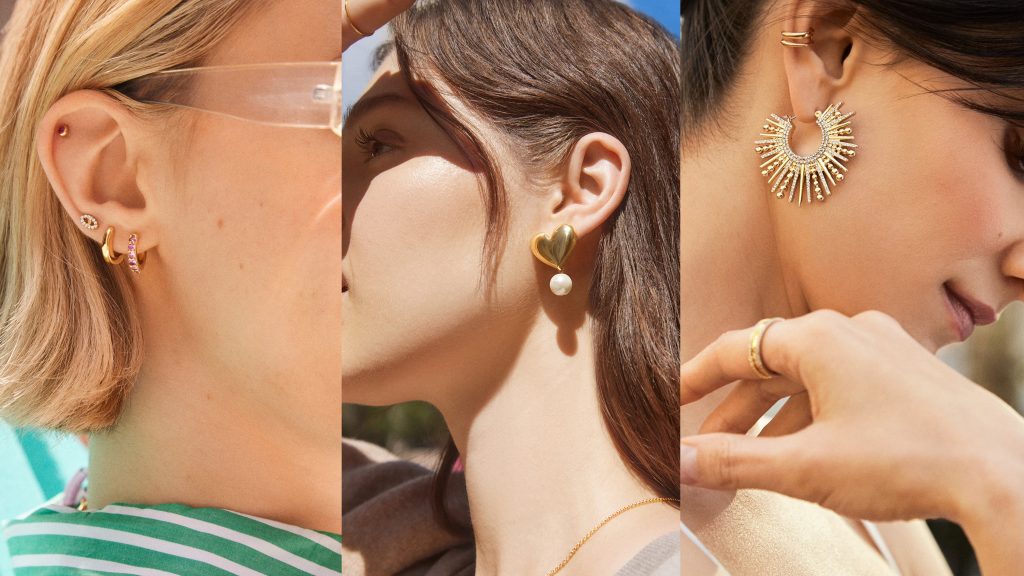
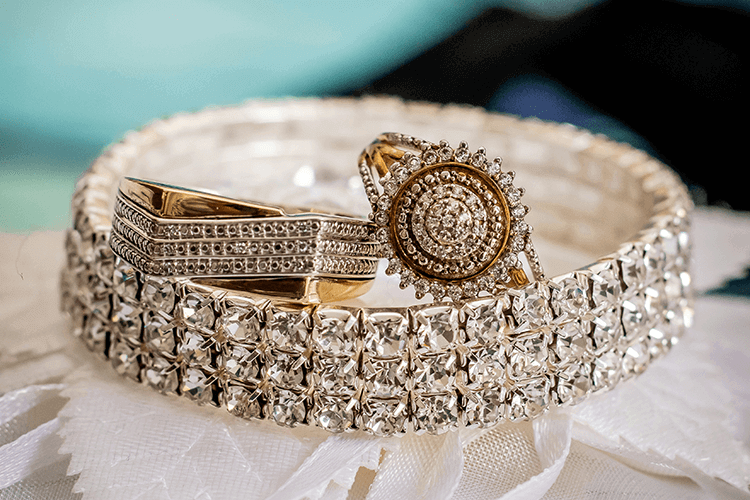
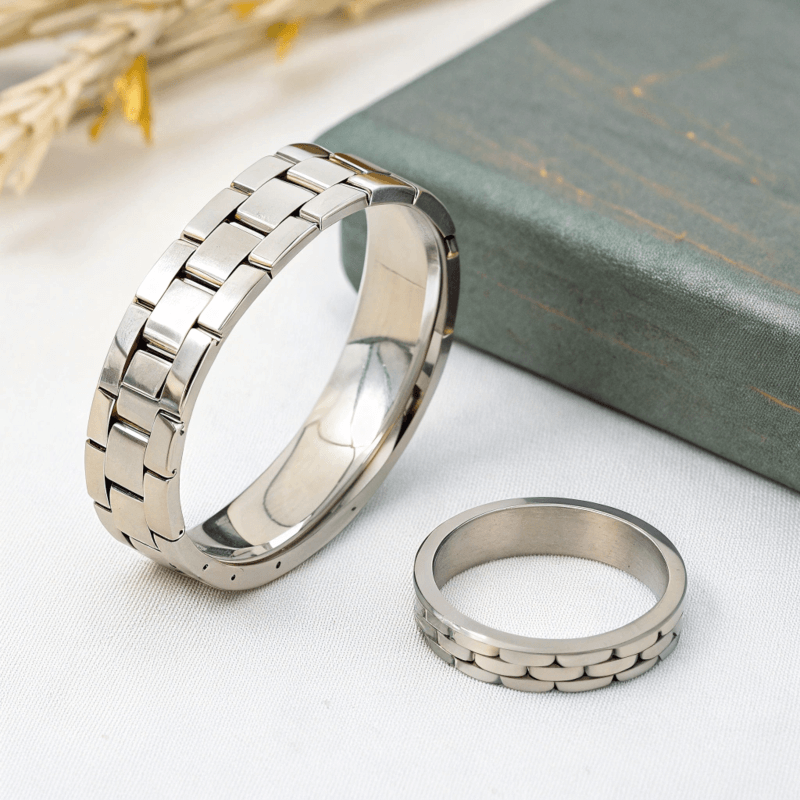
The most profitable jewelry to sell is usually not defined by the highest retail price alone. Strong jewelry profits come from a combination of perceived value, controlled production costs, repeat demand, manageable inventory risk, and a product position that matches the target customer.
For many retailers and wholesale buyers, custom jewelry, personalized designs, and durable fashion jewelry can offer a practical balance between margin potential and sales volume. 316L stainless steel jewelry is often a suitable option for everyday collections because it supports modern designs, PVD color finishes, private label packaging, and scalable production.
Luxury jewelry and precious-metal collections can achieve higher retail prices, but they also require more capital, higher material costs, and more careful inventory planning. This guide compares profitable jewelry categories and helps wholesale buyers choose products that fit their market, budget, and business model.
Quick Answer: What Jewelry Is Most Profitable to Sell?
For many jewelry businesses, the most profitable category is one that combines healthy perceived value with manageable production costs and repeat demand. Custom jewelry, personalized designs, and durable fashion jewelry can produce strong margins when product quality, pricing, inventory, and marketing are managed well.
| Jewelry Type | Profit Potential | Best For |
|---|---|---|
| Custom and personalized jewelry | High | Brands that can charge for uniqueness, engraving, or made-to-order designs |
| 316L stainless steel fashion jewelry | Medium to high | Everyday collections, PVD-plated designs, private label, and scalable wholesale orders |
| Fine jewelry | Medium to high | Brands targeting premium customers and precious-metal collections |
| Luxury jewelry | Potentially high | Established brands with capital, strong branding, and high-ticket customers |
| Trend-led fashion jewelry | Medium | Businesses that can manage fast product cycles and inventory carefully |
| Ethical or sustainable jewelry | Medium to high | Brands with verified sourcing and customers willing to pay for value-based positioning |
What Makes a Jewelry Category Profitable?
Profitability in the jewelry industry is a multifaceted concept that goes beyond simple sales figures. It’s about understanding the balance between costs, market demand, and the value perceived by customers. For jewelry manufacturers, wholesale buyers, and even retail sellers, grasping these elements is key to maximizing returns.
At its core, profitability in jewelry hinges on a few critical factors. The first is the cost of production, which includes the price of raw materials such as gold, silver, diamonds, and other gemstones. These costs can fluctuate based on market conditions, geopolitical events, and other external factors, making it essential for businesses to keep a close eye on these variables. Additionally, the cost of skilled labor, which is vital in producing high-quality jewelry, can significantly impact the overall cost structure.
Another crucial factor is market demand. The jewelry industry is heavily influenced by trends, fashion, and consumer preferences. A piece of jewelry that is in high demand can command a premium price, thereby increasing its profitability. Conversely, items that fall out of favor or are overproduced can lead to decreased margins or even losses. Understanding and anticipating these trends allows businesses to adjust their product offerings accordingly.
Brand value and positioning also play a significant role in profitability. Established brands with a reputation for quality and luxury can charge higher prices, resulting in better profit margins. In contrast, newer or less well-known brands may struggle to achieve the same level of profitability unless they can differentiate themselves in other ways, such as through innovative designs or ethical sourcing.
Finally, distribution channels and marketing strategies are critical in determining profitability. Jewelry that is marketed and sold through high-end retailers or exclusive online platforms often fetches higher prices than those sold through mass-market channels. Effective marketing, particularly in the digital age, can amplify brand visibility and appeal, leading to higher sales and improved profitability.
Most Profitable Jewelry Types to Sell
When discussing the profitability of different types of jewelry, it’s essential to understand that not all jewelry is created equal. Various segments within the industry offer different levels of profitability based on factors like production costs, demand, and market positioning. Let’s explore these categories in detail:
High-End Jewelry (Luxury Segment)
High-end jewelry is synonymous with luxury and exclusivity. This category includes items such as diamond rings, platinum necklaces, and high-karat gold bracelets. The profit margins on these items are typically the highest in the industry. Why? Because of the significant perceived value attached to luxury goods. Consumers in this segment are often willing to pay a premium for brand names, exquisite craftsmanship, and the rarity of materials used. For instance, a diamond necklace from a well-known luxury brand can command a price far beyond the intrinsic value of the materials due to the brand’s reputation and the craftsmanship involved.
However, the production of high-end jewelry is not without its challenges. The cost of raw materials such as diamonds and platinum is substantial, and fluctuations in the global market can impact profitability. Additionally, the production process is labor-intensive, requiring skilled artisans who can craft these pieces to the highest standards. Despite these costs, the high retail price typically ensures a robust profit margin.
Custom and Bespoke Jewelry
Custom and bespoke jewelry is a rapidly growing segment, driven by consumers’ desire for unique, personalized pieces. This category includes everything from custom engagement rings to personalized pendants and bracelets. The profitability of custom jewelry is often higher than mass-produced items because customers are willing to pay a premium for the uniqueness and personalization of the piece.
One of the primary reasons for the high profit margins in this segment is the direct relationship between the jeweler and the customer. Since the jewelry is made to order, there’s minimal inventory risk. Additionally, the perceived value of a custom piece is higher, allowing jewelers to charge more. However, the downside is that custom jewelry can be time-consuming to produce, requiring a high level of craftsmanship and creativity. This means that while the profit margins are high, the volume of sales may be lower compared to other segments.
Fashion Jewelry
Fashion jewelry, also known as costume jewelry, includes items made from less expensive materials such as brass, copper, or plastic. These pieces are often designed to follow the latest trends and are produced in large quantities to meet mass-market demand. The profit margins on fashion jewelry are typically lower on a per-unit basis, but the potential for high volume sales can make this segment highly profitable overall.
Fashion jewelry is heavily influenced by trends and consumer behavior. Items that are in vogue can sell quickly and in large quantities, allowing manufacturers and wholesalers to capitalize on these trends. However, the flip side is that fashion jewelry can become outdated just as quickly, leading to potential losses if inventory is not managed effectively. The key to profitability in this segment lies in staying ahead of trends and being able to quickly produce and distribute new designs.
Fine Jewelry
Fine jewelry sits between high-end luxury pieces and mass-market fashion items. This category includes jewelry made from precious metals like gold and silver, often adorned with semi-precious stones or smaller diamonds. The profit margins for fine jewelry are generally moderate, offering a balance between quality and market appeal.
Fine jewelry is often seen as an investment, with consumers willing to pay more for pieces that offer a combination of aesthetic appeal and long-term value. This segment is less volatile than fashion jewelry, with demand remaining relatively stable over time. However, the profitability of fine jewelry can be influenced by economic conditions, as consumers may cut back on discretionary spending during economic downturns. For jewelry manufacturers and wholesalers, focusing on timeless designs that appeal to a broad audience can help maintain profitability in this segment.
Ethical and Sustainable Jewelry
In recent years, there has been a growing demand for ethical and sustainable jewelry. This category includes items made from recycled materials, conflict-free diamonds, and ethically sourced gemstones. The profit margins in this segment can be higher due to the premium prices consumers are willing to pay for products that align with their values.
The rise of conscious consumerism has made ethical and sustainable jewelry a lucrative market. Consumers are increasingly concerned about the environmental and social impact of their purchases, and they are willing to pay more for products that reflect their values. For manufacturers and wholesalers, this means there is an opportunity to capitalize on this trend by offering products that are not only beautiful but also ethically produced. However, it’s important to note that the supply chain for ethical jewelry can be more complex, requiring careful sourcing and verification of materials, which can impact costs.
How Wholesale Buyers Can Choose a Profitable Jewelry Line
Wholesale buyers should evaluate more than the expected retail price. A profitable jewelry line should match the target customer, retail price range, product quality, reorder potential, material cost, and available marketing budget.
For new or growing jewelry brands, starting with durable and easy-to-maintain categories can reduce inventory risk. 316L stainless steel necklaces, earrings, rings, bracelets, and PVD-plated collections can be suitable for brands that want modern designs, repeatable production, and flexible private label options.
Read our 316L Stainless Steel Jewelry: Wholesale & Custom Manufacturing Guide.
| What to evaluate | Why it matters |
|---|---|
| Target retail price | Determines whether the product can cover product cost, shipping, marketing, and profit |
| Product category | Necklaces, earrings, rings, and bracelets can have different demand and reorder patterns |
| Material and finish | Material cost, durability, and plating affect perceived value and long-term customer satisfaction |
| MOQ | MOQ affects unit cost, inventory risk, and the amount of capital required |
| Customization | Logos, engraving, packaging, and custom cards can increase brand value |
| Product quality | Consistent finishing and quality control reduce returns and protect the brand |
| Reorder potential | Repeatable best-selling designs can create more stable long-term revenue |
Planning a profitable jewelry collection? Share your target customer, jewelry type, retail price range, quantity, finish, logo, and packaging requirements.
Market Trends That Can Improve Jewelry Sales
The jewelry industry is constantly evolving, with new trends emerging that can significantly impact profitability. For jewelry manufacturers, wholesale buyers, and retailers, staying informed about these trends is crucial for making strategic decisions.
Consumer Preferences
One of the most significant trends influencing jewelry profitability is the shift in consumer preferences. Today’s consumers are more informed and selective than ever before. There is a growing preference for minimalistic designs, ethical products, and personalized items. This shift is partly driven by younger consumers, particularly millennials and Gen Z, who prioritize authenticity, sustainability, and individuality in their purchases.
This change in consumer behavior has led to increased demand for custom and bespoke jewelry, as well as ethical and sustainable pieces. For businesses, this means that offering products that align with these values can lead to higher profit margins. However, it also requires staying on top of consumer trends and being able to quickly adapt product offerings to meet changing demands.
Impact of Technology
Technology is playing an increasingly important role in the jewelry industry, influencing everything from design to sales. The rise of e-commerce has transformed how jewelry is bought and sold, with more consumers turning to online platforms for their purchases. This shift has opened up new opportunities for jewelry manufacturers and wholesalers to reach a global audience with lower overhead costs compared to traditional brick-and-mortar stores.
Additionally, advancements in technology, such as 3D printing, have made it easier and more cost-effective to produce custom jewelry. Digital marketing tools, including social media and search engine optimization, allow businesses to target specific demographics and build brand awareness. These technological advancements have the potential to increase profitability by reducing production costs and expanding market reach.
Customization Trends
Customization has become a major trend in the jewelry industry, with more consumers seeking personalized pieces that reflect their individual style and preferences. This trend is driven by a desire for uniqueness and the ability to own something that is truly one-of-a-kind. For jewelry manufacturers and wholesalers, this trend presents an opportunity to differentiate their products and offer added value to customers.
However, customization also comes with challenges. The process of creating custom jewelry can be more time-consuming and requires a higher level of craftsmanship. Additionally, managing customer expectations and ensuring satisfaction with the final product is crucial for maintaining profitability. Despite these challenges, the higher price points that custom jewelry can command often justify the additional effort and resources required.
Economic Factors
The profitability of jewelry is also influenced by broader economic factors. During periods of economic growth, consumers are more likely to spend money on luxury and fine jewelry, leading to higher sales and profit margins. Conversely, during economic downturns, consumers may cut back on discretionary spending, which can negatively impact sales.
For businesses in the jewelry industry, it’s important to understand these economic cycles and adjust strategies accordingly. This might include focusing on more affordable product lines during tough economic times or offering financing options to make higher-end pieces more accessible to consumers. By being responsive to economic conditions, businesses can protect their profitability even in challenging times.
Influence of Fashion and Pop Culture
Fashion and pop culture have always played a significant role in shaping jewelry trends. Celebrity endorsements, social media influencers, and popular culture can all drive demand for specific styles and types of jewelry. For example, a piece of jewelry worn by a popular celebrity can quickly become a must-have item, leading to a surge in sales.
For jewelry manufacturers and wholesalers, staying attuned to these influences is key to capitalizing on trends. This might involve collaborating with influencers, creating collections inspired by popular culture, or quickly adapting designs to reflect current fashion trends. However, it’s also important to recognize that these trends can be fleeting, and businesses must be agile enough to respond to changing consumer preferences.
Costs That Affect Jewelry Profit Margins
Understanding the costs associated with producing and selling jewelry is essential for determining profitability. These costs can vary significantly depending on the type of jewelry, the materials used, and the production process.
Raw Material Costs
The cost of raw materials is one of the most significant factors affecting the profitability of jewelry. Precious metals like gold, silver, and platinum, as well as gemstones like diamonds, sapphires, and emeralds, are the primary materials used in fine and high-end jewelry. The prices of these materials can fluctuate based on market conditions, geopolitical events, and supply and demand dynamics.
For jewelry manufacturers, wholesale buyers, and retailers, managing these costs is crucial for maintaining profitability. This might involve hedging against price fluctuations, sourcing materials from multiple suppliers to get the best price, or using alternative materials that offer a similar appearance at a lower cost. However, it’s important to balance cost savings with maintaining the quality and appeal of the final product.
Production Costs
Production costs in the jewelry industry include everything from labor and equipment to the overhead of running a manufacturing facility. The complexity of the design, the level of craftsmanship required, and the production volume all impact these costs. For example, custom jewelry that requires intricate work by skilled artisans will have higher production costs compared to mass-produced items.
To maximize profitability, businesses need to optimize their production processes. This might involve investing in technology that automates certain aspects of production, training workers to improve efficiency, or streamlining operations to reduce waste. Additionally, outsourcing production to regions with lower labor costs can be a way to reduce expenses, though this must be weighed against the potential impact on quality.
Distribution and Marketing Costs
How jewelry is marketed and distributed also plays a critical role in determining profitability. Marketing costs can include everything from traditional advertising and public relations to digital marketing strategies such as social media campaigns, search engine optimization, and influencer partnerships. Effective marketing can drive sales and enhance brand recognition, but it also requires a significant investment.
Distribution costs vary depending on whether the jewelry is sold through retail stores, online platforms, or a combination of both. Selling through physical stores involves costs such as rent, utilities, and staff salaries, while online sales may require investments in website development, e-commerce platforms, and logistics. Each distribution channel has its advantages and challenges, and businesses must carefully consider these when determining their pricing and sales strategies.
Inventory Management
Inventory management is a critical aspect of profitability in the jewelry industry. Jewelry, particularly high-end and custom pieces, can be expensive to produce and store. Poor inventory management can lead to overstocking, which ties up capital and increases the risk of unsold items. Conversely, understocking can result in missed sales opportunities and dissatisfied customers.
To optimize inventory management, businesses can use tools such as inventory management software, demand forecasting, and just-in-time production strategies. These tools help businesses maintain the right balance of stock, reduce storage costs, and improve cash flow. Effective inventory management is particularly important in the jewelry industry, where trends can change quickly, and unsold items can quickly lose their value.
Learn how to calculate wholesale jewelry pricing and retail markup.
How to Improve Jewelry Profit Margins
Maximizing profitability in the jewelry industry requires a strategic approach that encompasses everything from brand positioning to customer relationship management. For jewelry manufacturers, wholesale buyers, and retailers, these strategies are essential for achieving sustainable growth and success.
Brand Positioning
One of the most effective ways to maximize profitability is through strategic brand positioning. This involves defining your brand’s identity, values, and target market, and then aligning your product offerings and marketing efforts accordingly. For example, a brand positioned as a luxury provider can command higher prices and profit margins by emphasizing exclusivity, quality, and prestige.
In contrast, a brand focused on affordable fashion jewelry might prioritize trends, accessibility, and value for money. By clearly defining your brand’s positioning and consistently communicating this to your target audience, you can differentiate yourself from competitors and build a loyal customer base willing to pay a premium for your products.
Pricing Strategies
Pricing is a critical factor in determining profitability. Effective pricing strategies can help businesses maximize their profit margins while remaining competitive in the market. One common approach is value-based pricing, where prices are set based on the perceived value of the product to the customer rather than just the cost of production. This strategy works particularly well for luxury and custom jewelry, where customers are willing to pay more for exclusivity and personalization.
Another approach is dynamic pricing, where prices are adjusted based on market demand, competition, and other external factors. For example, a jeweler might raise prices during peak seasons such as the holidays or lower them during slow periods to stimulate sales. Discounting strategies, such as offering limited-time promotions or bundling products, can also be used to drive sales and increase profitability.
Customer Relationship Management
Building and maintaining strong relationships with customers is crucial for long-term profitability in the jewelry industry. Satisfied customers are more likely to make repeat purchases, recommend your brand to others, and become loyal advocates. Customer relationship management (CRM) tools can help businesses track customer interactions, personalize marketing efforts, and provide exceptional customer service.
Loyalty programs, personalized recommendations, and exclusive offers are effective ways to strengthen customer relationships and encourage repeat business. Additionally, soliciting feedback and responding to customer inquiries promptly can help build trust and ensure a positive customer experience. By focusing on customer satisfaction, businesses can increase customer lifetime value and boost profitability.
Leveraging E-commerce and Digital Marketing
In today’s digital age, e-commerce and digital marketing are powerful tools for increasing profitability. An effective online presence allows jewelry manufacturers and wholesalers to reach a global audience, reduce overhead costs, and provide a seamless shopping experience for customers. Investing in a well-designed website, optimizing for search engines, and leveraging social media platforms are essential components of a successful digital marketing strategy.
Digital marketing tools such as email marketing, pay-per-click advertising, and retargeting campaigns can help businesses attract and retain customers. Additionally, data analytics can provide valuable insights into customer behavior, allowing businesses to refine their marketing efforts and optimize their sales strategies. By leveraging e-commerce and digital marketing, businesses can increase their reach, improve efficiency, and maximize profitability.
Common Risks That Reduce Jewelry Profitability
While the jewelry industry offers significant opportunities for profitability, it also presents several challenges that businesses must navigate to achieve and maintain high profit margins.
Market Saturation
The jewelry market is highly competitive, with numerous brands and products vying for consumer attention. Market saturation can make it difficult for businesses to stand out and maintain high profit margins, particularly in segments like fashion jewelry where competition is fierce. To overcome this challenge, businesses need to differentiate themselves through unique designs, superior quality, or exceptional customer service.
Innovation is also key to staying ahead in a saturated market. This might involve introducing new materials, leveraging technology to create innovative designs, or tapping into emerging trends before competitors. By continuously evolving and adapting to market conditions, businesses can carve out a niche for themselves and maintain profitability.
Economic Downturns
Economic downturns can significantly impact the profitability of jewelry businesses, as consumers often cut back on discretionary spending during tough economic times. High-end and luxury jewelry are particularly vulnerable, as they are often seen as non-essential purchases. However, even mid-range and fashion jewelry can be affected by a weakened economy.
To mitigate the impact of economic downturns, businesses should consider diversifying their product offerings to include more affordable options that can appeal to budget-conscious consumers. Additionally, offering flexible payment options or financing plans can make higher-end products more accessible during challenging times. By being proactive and adaptable, businesses can weather economic downturns and maintain profitability.
Consumer Behavior Changes
Consumer behavior is constantly evolving, influenced by factors such as cultural shifts, technological advancements, and economic conditions. Changes in consumer preferences can have a significant impact on the profitability of jewelry businesses. For example, a shift towards minimalistic designs or ethical products can render certain types of jewelry less desirable, leading to decreased sales.
To stay ahead of these changes, businesses need to be in tune with their target audience and be willing to adapt their product offerings accordingly. This might involve conducting regular market research, engaging with customers on social media, or analyzing sales data to identify emerging trends. By staying agile and responsive to consumer behavior changes, businesses can continue to meet customer needs and maintain profitability.
Practical Profitability Lessons for Jewelry Sellers
Understanding the profitability of different types of jewelry can be further illuminated by examining real-world examples. These case studies offer valuable insights into how various factors influence profitability and provide practical lessons for jewelry manufacturers and wholesalers.
Case Study 1: Luxury Jewelry Brand Success
Consider a luxury jewelry brand like Cartier or Tiffany & Co. These brands have built their reputation on high-quality craftsmanship, exclusive designs, and a strong brand heritage. By positioning themselves as symbols of luxury and status, they are able to command premium prices for their products. For example, a diamond necklace from Cartier is priced not only based on the intrinsic value of the diamonds but also on the brand’s reputation and the luxury experience associated with owning a Cartier piece.
This positioning allows these brands to maintain high profit margins despite the significant costs associated with producing luxury jewelry. Their ability to create strong emotional connections with their customers through branding, marketing, and exceptional service is a key factor in their profitability. Furthermore, their global presence and strong digital strategies have enabled them to reach a wider audience, further boosting their profitability.
Case Study 2: Custom Jewelry Business
Let’s examine a small custom jewelry business that specializes in personalized engagement rings. This business operates primarily online, allowing it to keep overhead costs low while reaching a global market. By offering a bespoke service, where customers can work directly with the jeweler to create a one-of-a-kind piece, this business can charge significantly higher prices compared to mass-produced items.
The profitability of this custom jewelry business is driven by the high perceived value of the personalized service and the unique nature of each piece. Customers are willing to pay a premium for the opportunity to create something that is truly personal and meaningful. The business’s focus on quality craftsmanship and customer satisfaction also leads to high levels of repeat business and word-of-mouth referrals, further enhancing profitability.
Case Study 3: Sustainable Jewelry
Finally, consider a jewelry brand that focuses on ethical and sustainable practices. This brand sources all of its materials from conflict-free zones and uses recycled metals in its designs. The brand’s commitment to sustainability appeals to a growing segment of consumers who prioritize environmental and social responsibility in their purchasing decisions.
While the cost of sourcing ethical materials may be higher, this brand can charge a premium for its products, leading to higher profit margins. Additionally, the brand’s strong stance on sustainability allows it to differentiate itself in a crowded market, attracting a loyal customer base that values ethical practices. This focus on sustainability not only enhances profitability but also builds long-term brand equity and customer loyalty.
Final Recommendation: Which Jewelry Type Should You Sell?
In conclusion, understanding what type of jewelry is most profitable requires a comprehensive analysis of various factors, including production costs, market demand, consumer preferences, and economic conditions. High-end luxury jewelry, custom and bespoke pieces, and ethical and sustainable jewelry all offer significant opportunities for profitability, but each comes with its own set of challenges.
For jewelry manufacturers and wholesalers, maximizing profitability involves a strategic approach that includes effective brand positioning, pricing strategies, and customer relationship management. Additionally, staying informed about market trends, leveraging technology, and being responsive to changes in consumer behavior are essential for long-term success.
By carefully considering these factors and implementing the strategies discussed in this article, businesses can position themselves to capitalize on the most profitable opportunities in the jewelry industry. Whether you are a seasoned player in the market or just starting out, understanding the dynamics of jewelry profitability will help you make informed decisions that drive growth and success.
Browse our 316L stainless steel jewelry collection.
Tell us your jewelry category, target market, retail price range, quantity, and customization needs. We will help you evaluate a suitable material and production option for your jewelry line.
FAQ
What type of jewelry has the highest profit margin?
Custom jewelry, personalized designs, luxury jewelry, and some premium fine jewelry collections can have high profit potential. However, the best margin depends on production cost, material cost, retail positioning, inventory turnover, and customer demand.
Is stainless steel jewelry profitable to sell?
Stainless steel jewelry can be profitable to sell because it offers durability, relatively manageable material costs, and broad appeal for everyday wear. Profitability depends on design, product quality, retail pricing, marketing costs, and order volume.
What jewelry sells best for small businesses?
Small businesses often benefit from focused collections with clear target customers, such as personalized jewelry, simple everyday designs, giftable pieces, or trend-led accessories. Starting with manageable MOQs and products that can be reordered helps reduce inventory risk.
Is custom jewelry more profitable than ready-made jewelry?
Custom jewelry can have higher profit potential because customers may pay more for personalization, exclusive designs, logos, engraving, or made-to-order services. However, custom orders may require more communication, sampling, and production planning.
How does MOQ affect jewelry profit margins?
A higher MOQ can reduce the unit cost by spreading production setup, material purchasing, and packaging costs across more pieces. However, buyers should balance the lower unit price against the inventory and cash-flow risk of ordering too much stock.
What should I consider before buying wholesale jewelry?
Before buying wholesale jewelry, confirm the material, finish, product quality, MOQ, unit price, customization options, sample approval, production lead time, packaging, and the supplier’s quality control process.