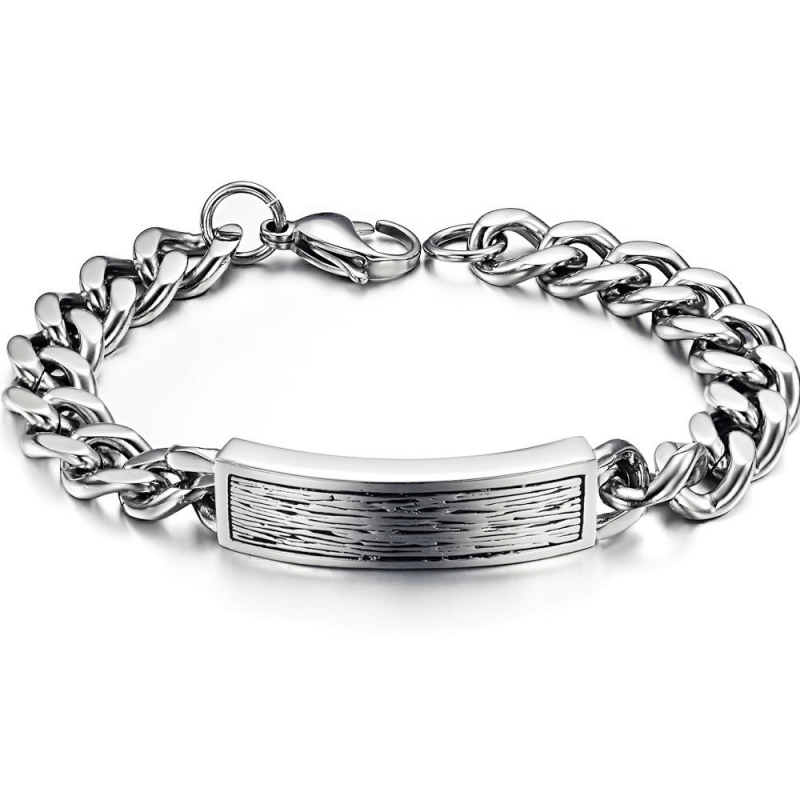
Choosing the right metal for jewellery can be challenging, especially when faced with options like sterling silver, brass, and stainless steel. Each of these metals has its own set of qualities that make it appealing for different uses, but knowing the pros and cons of each can make all the difference in making the right choice for your needs. In this article, we will explore the characteristics, advantages, and drawbacks of sterling silver, brass, and stainless steel jewellery, helping you make a well-informed decision that suits your style, budget, and lifestyle.
1. Why Should You Consider the Metal for Your Jewellery?
When it comes to selecting jewellery, the metal you choose plays a crucial role. But here’s the kicker: it’s not just about looks. The type of metal directly affects the durability, aesthetic appeal, and maintenance requirements of your jewellery. So, why should you care about the metal? Let’s break it down.
The choice of metal in jewellery determines how long it will last, how it will look over time, and even how comfortable it is to wear. Metals like sterling silver, brass, and stainless steel each offer different benefits in terms of longevity and aesthetic value. Sterling silver, known for its shiny and bright finish, is often seen as a symbol of elegance, while brass offers a vintage, rustic look and is more affordable. On the other hand, stainless steel is durable, strong, and requires little maintenance.
So, when selecting jewellery, think about your lifestyle. If you plan to wear your jewellery daily, durability and comfort should be top priorities. Additionally, the metal’s resistance to tarnish, scratches, or discoloration will influence how much maintenance is required.
Here’s a quick breakdown of what to consider when choosing your metal:
| Metal | Durability | Shine | Maintenance |
|---|---|---|---|
| Sterling Silver | Moderate | High | Requires regular polishing |
| Brass | Low to Moderate | Dull | Tarnishes over time |
| Stainless Steel | High | Moderate | Low maintenance |
2. What is Sterling Silver and What Makes It Popular?
Sterling silver is one of the most popular metals used in jewellery. So, what’s the real story? Sterling silver is an alloy made from 92.5% pure silver and 7.5% of other metals, usually copper, which makes it more durable and less prone to breaking than pure silver. The high silver content gives it its signature lustrous shine, which is why it’s commonly used for fine jewellery.
One of the reasons sterling silver is so popular is its combination of affordability and luxury. Compared to gold, it’s more budget-friendly, but still offers the elegance and timeless beauty that people desire. This is particularly beneficial for those looking to invest in quality jewellery without breaking the bank.
However, sterling silver does have its drawbacks. It tarnishes over time due to its reaction with sulfur in the air, which can result in a dull appearance. But here’s the good part: regular cleaning can restore its shine, and with proper care, sterling silver can last a lifetime.
So, is sterling silver the best choice for your jewellery? If you’re looking for a gleaming finish and can commit to maintenance, then sterling silver is definitely a great option.
| Advantage | Disadvantage | Maintenance Needs |
|---|---|---|
| High shine | Tarnishes easily | Regular cleaning |
| Affordable | Can scratch | Polishing required |
| Durable | Needs care |
3. What is Brass and Why Is It Used in Jewellery?
Brass, an alloy of copper and zinc, is a popular material in jewellery due to its affordability and vintage appearance. Ready for the good part? Brass has been used for thousands of years, and its unique warm golden hue makes it a favorite for those looking to achieve an antique or rustic look.
Brass jewellery is often chosen for its cost-effectiveness, especially when compared to more expensive metals like sterling silver and gold. It’s also relatively malleable, making it a good choice for intricate designs and custom pieces. However, like sterling silver, brass is not immune to tarnishing, and over time, it can develop a patina or greenish discoloration due to oxidation.
Despite this, brass is a great option for those on a budget who want to achieve the look of gold or antique jewellery. And, if you’re willing to embrace its aging process, brass can develop a unique and attractive patina that many find appealing.
When choosing brass jewellery, think about how often you plan to wear it and whether you’re willing to maintain it properly to avoid tarnishing.
| Advantage | Disadvantage | Maintenance Needs |
|---|---|---|
| Affordable | Tarnishes easily | Regular cleaning |
| Malleable for designs | Can turn green | Polishing and care |
| Vintage appearance | Less durable |
4. How Does Stainless Steel Compare to Other Jewellery Metals?
Stainless steel is one of the toughest metals available for jewellery, and it’s widely used for its strength and low maintenance. What’s the real story here? Stainless steel is an alloy made primarily of iron, with chromium and nickel added for strength, durability, and corrosion resistance. Unlike other metals like sterling silver and brass, stainless steel does not tarnish, rust, or corrode easily, making it ideal for those who need durable, long-lasting jewellery.
In addition to its impressive durability, stainless steel has a modern, sleek look that suits both casual and formal wear. It’s also hypoallergenic, making it a great choice for individuals with sensitive skin. What’s the downside? Stainless steel lacks the shine of sterling silver and doesn’t develop the natural patina that brass does, making it less visually dynamic.
So, should you choose stainless steel for your jewellery? If you want low-maintenance, long-lasting pieces that retain their integrity over time, stainless steel is an excellent option.
| Advantage | Disadvantage | Maintenance Needs |
|---|---|---|
| Highly durable | Less shiny | Minimal cleaning |
| Hypoallergenic | Plain appearance | Very low upkeep |
| Corrosion-resistant | Less malleable |
5. Which Metal is Best for Everyday Wear Jewellery?
Choosing a metal for everyday wear involves considering durability, comfort, and style. But here’s the kicker: not all metals are created equal when it comes to daily use. Let’s take a closer look at how sterling silver, brass, and stainless steel stack up.
Sterling silver is a popular choice for everyday jewellery due to its sleek appearance, but it requires regular maintenance to maintain its shine. For those looking for low-maintenance pieces, stainless steel is the clear winner. Its corrosion resistance and strength make it ideal for people who want jewellery that can withstand daily wear without tarnishing or breaking.
Brass, while affordable and stylish, may require more attention as it tarnishes over time and can be damaged by prolonged exposure to moisture. So, if you need jewellery that can handle everything your day throws at you, stainless steel might be your best bet.
| Metal | Best Use | Durability | Maintenance Needs |
|---|---|---|---|
| Sterling Silver | Elegant daily wear | Moderate | Regular cleaning |
| Brass | Vintage style | Low to moderate | Tarnishes easily |
| Stainless Steel | Active wear | High | Minimal cleaning |
6. How Do the Aesthetic Qualities of Each Metal Differ?
When choosing jewellery, aesthetics matter. But here’s the thing: each metal has its own visual appeal that can change the entire look of a piece. Let’s dive into how sterling silver, brass, and stainless steel compare in terms of shine, color, and overall appearance.
Sterling silver offers a gleaming, bright finish that catches the light beautifully. It’s ideal for those looking for elegant, classic jewellery that can be dressed up or down. Brass, on the other hand, has a warm, golden hue that’s often associated with vintage or bohemian styles. It has a rustic charm that’s perfect for those looking for something different.
Stainless steel has a modern, sleek appearance that’s often described as “cool” or “industrial.” It doesn’t shine as much as sterling silver, but its minimalistic design makes it versatile for a variety of styles.
Here’s a breakdown of the aesthetic qualities:
| Metal | Color and Shine | Style Suitability |
|---|---|---|
| Sterling Silver | Bright, shiny | Elegant, classic |
| Brass | Warm, golden | Vintage, rustic |
| Stainless Steel | Sleek, cool | Modern, industrial |
7. What is the Price Range for Sterling Silver, Brass, and Stainless Steel?
When choosing between sterling silver, brass, and stainless steel, price is a big factor to consider. Ready for the good part? Here’s how each metal compares in terms of cost.
Sterling silver is typically the most expensive of the three, due to its high silver content and luxurious appeal. Brass is the most affordable option, making it ideal for budget-conscious buyers looking for stylish pieces. Stainless steel falls somewhere in between, offering durability and strength at a reasonable price point.
So, how does the price compare? Let’s take a look at the cost per gram for each metal:
| Metal | Average Price per Gram | Price Range |
|---|---|---|
| Sterling Silver | $0.75 – $1.50 | Expensive |
| Brass | $0.10 – $0.30 | Budget-friendly |
| Stainless Steel | $0.20 – $0.60 | Moderate |
8. Are These Metals Hypoallergenic?
For those with sensitive skin, hypoallergenic jewellery is a must. What’s the deal here? Let’s take a look at how sterling silver, brass, and stainless steel perform on the hypoallergenic scale.
Sterling silver, especially when combined with copper, is typically safe for most people. However, some people may experience irritation due to nickel or other alloys. Brass, on the other hand, contains copper and zinc, both of which can cause allergic reactions in some individuals.
Stainless steel is the clear winner here. Due to its composition, which often includes nickel and chromium, stainless steel is hypoallergenic and safe for most individuals with sensitive skin.
| Metal | Hypoallergenic? | Common Reactions |
|---|---|---|
| Sterling Silver | Generally safe | Rare allergic reactions |
| Brass | Not hypoallergenic | Skin irritation |
| Stainless Steel | Yes | No reactions |
9. How Do Environmental Factors Affect These Metals?
Jewellery isn’t just about style and price. So, what about the environmental factors? Metals like sterling silver, brass, and stainless steel react differently to the environment, including moisture, heat, and chemicals.
Sterling silver tarnishes over time due to exposure to air, particularly when combined with sulfur. Brass is also prone to tarnishing and can turn green when exposed to moisture. Stainless steel, on the other hand, is resistant to most environmental factors, making it an excellent choice for durability.
| Metal | Environmental Impact | Tarnish Resistance |
|---|---|---|
| Sterling Silver | Tarnishes easily | Low |
| Brass | Turns green with moisture | Low |
| Stainless Steel | Resistant to tarnishing | High |
10. What Are the Resale Values of Sterling Silver, Brass, and Stainless Steel Jewellery?
When buying jewellery, resale value is a consideration for some buyers. So, here’s the deal: sterling silver has the highest resale value, followed by stainless steel. Brass, being the least expensive material, typically doesn’t hold as much value over time.
| Metal | Resale Value | Long-Term Investment |
|---|---|---|
| Sterling Silver | High | Good investment |
| Brass | Low | Poor investment |
| Stainless Steel | Moderate | Reasonable |
11. Which Metal is Best for Custom Jewelry Designs?
When it comes to custom designs, some metals are better suited for intricate and personalized pieces. What’s the story here? Sterling silver is often the metal of choice for fine jewellery due to its malleability and ability to hold intricate designs. Brass is great for vintage-style custom pieces, while stainless steel, though strong, can be more challenging to work with.
| Metal | Best for Customization | Difficulty of Customization |
|---|---|---|
| Sterling Silver | Excellent | Easy to work with |
| Brass | Good | Medium |
| Stainless Steel | Limited | Hard to work with |
12. How Do You Maintain Each Metal’s Appearance Over Time?
Jewellery maintenance is essential for keeping it looking great. So, how do you maintain sterling silver, brass, and stainless steel? Here’s a quick guide: sterling silver needs regular cleaning to keep its shine, brass requires polishing to prevent tarnishing, and stainless steel is almost maintenance-free, requiring only occasional cleaning.
| Metal | Cleaning Frequency | Care Tips |
|---|---|---|
| Sterling Silver | Regular | Use silver polish |
| Brass | Frequently | Clean with a brass cleaner |
| Stainless Steel | Infrequent | Wipe with a soft cloth |
13. What Are the Most Popular Jewellery Types for Each Metal?
Each metal has its own appeal for specific jewellery types. So, which is best for you? Sterling silver is popular for rings, necklaces, and bracelets. Brass is often used in earrings and chunky necklaces. Stainless steel is commonly seen in watches, rings, and modern designs.
| Metal | Popular Jewellery Types |
|---|---|
| Sterling Silver | Rings, Necklaces, Bracelets |
| Brass | Earrings, Chunky Necklaces |
| Stainless Steel | Watches, Rings, Modern Designs |
14. How Do These Metals Stack Up in Terms of Longevity?
How long can you expect your jewellery to last? Here’s where each metal shines. Sterling silver has a long lifespan if properly cared for, brass tends to wear down faster, and stainless steel can last a lifetime with minimal care.
| Metal | Lifespan | Durability |
|---|---|---|
| Sterling Silver | Long | Moderate |
| Brass | Moderate | Low |
| Stainless Steel | Lifetime | High |
15. Which Metal Should You Choose Based on Your Personal Needs?
In the end, choosing the right metal depends on your needs. Sterling silver is ideal for those looking for elegance, brass offers vintage charm, and stainless steel is best for those seeking durability and low maintenance. So, what’s the best metal for you? It’s up to your style, budget, and lifestyle needs.
| Metal | Best for | Suitability |
|---|---|---|
| Sterling Silver | Elegant jewellery | Good for all styles |
| Brass | Vintage designs | Budget-friendly |
| Stainless Steel | Durable jewellery | Best for everyday wear |
Conclusion
Choosing the right metal for your jewellery is a decision that depends on a variety of factors, from durability to aesthetic appeal. Sterling silver, brass, and stainless steel all have their unique characteristics that can suit different needs and styles. Whether you’re looking for a shiny, classic finish, a vintage feel, or a low-maintenance, durable option, there’s a metal for everyone. We hope this guide helps you make an informed decision about which metal to choose for your next jewellery piece.
FAQ Section
Q1: What is sterling silver?
Sterling silver is an alloy composed of 92.5% pure silver and 7.5% other metals, usually copper. It’s commonly used in fine jewellery for its lustrous finish.
Q2: How does stainless steel compare to sterling silver?
Stainless steel is stronger, more durable, and requires less maintenance than sterling silver, but it doesn’t have the same shine.
Q3: Which is the best metal for someone with sensitive skin?
Stainless steel is hypoallergenic and ideal for individuals with sensitive skin, while sterling silver is generally safe but may cause irritation in rare cases.
Q4: Can brass jewellery tarnish?
Yes, brass can tarnish over time, but regular cleaning can maintain its appearance.
Q5: Which metal is the most affordable for jewellery?
Brass is the most affordable metal, followed by stainless steel, with sterling silver being the most expensive option.