
When it comes to choosing between brass and stainless steel jewelry, there’s a lot to consider. Both metals offer unique qualities that make them popular choices for different types of jewelry. However, understanding the key differences between brass and stainless steel is essential to making the right choice for your needs. In this article, we will explore the benefits, drawbacks, and applications of both metals, so you can determine which is best suited for your jewelry collection or business. Ready to dive in?
1. What Are Brass and Stainless Steel Jewelry?
Brass and stainless steel are both common materials used in the jewelry industry. But what exactly are these metals, and why are they so widely used in making jewelry?
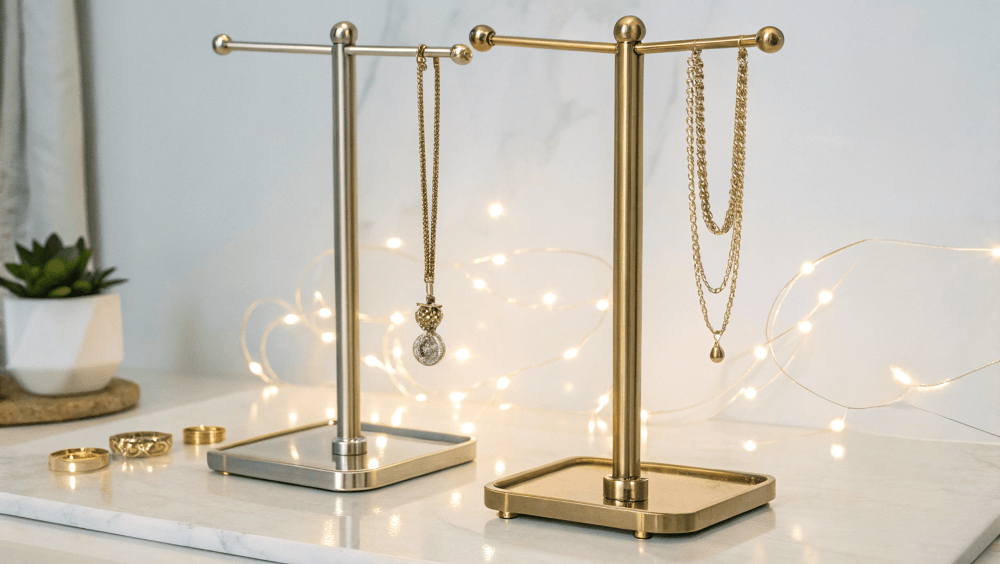
Brass is an alloy made from copper and zinc. Its yellowish appearance makes it a popular choice for creating gold-like jewelry at a fraction of the cost. Brass is often used in costume jewelry and can be polished to a bright shine, but it may develop a patina over time, adding character and a vintage appeal.
On the other hand, stainless steel is made by combining iron with chromium and nickel. Known for its strength, stainless steel is highly durable and resistant to corrosion, making it an ideal choice for those looking for low-maintenance, long-lasting jewelry. Unlike brass, stainless steel does not tarnish easily and retains its shiny, polished look for years.
What’s the real story? Brass jewelry is a great option for affordable, statement pieces, while stainless steel offers durability and resistance to wear. The choice between these two materials often comes down to the desired aesthetic and the level of maintenance you’re willing to invest in.
Table 1: Brass vs Stainless Steel Jewelry
| Metal Type | Composition | Appearance | Durability | Maintenance | Cost Range |
|---|---|---|---|---|---|
| Brass | Copper and Zinc | Yellow, Gold-like | Moderate | Tarnishes over time | Affordable |
| Stainless Steel | Iron, Chromium, Nickel | Shiny, Silver-like | High, Corrosion-resistant | Low, easy to clean | Moderate to High |
2. What Are the Benefits of Brass Jewelry?
Brass jewelry offers several advantages, especially for those in the fashion and costume jewelry industry. First, brass is an incredibly versatile material. Whether you’re creating intricate designs or bold statement pieces, brass is easy to mold and shape. It’s also lightweight, making it ideal for larger pieces that need to be comfortable for everyday wear.
What’s the catch? Brass is relatively affordable, making it accessible for jewelers working on a tight budget or for those selling in the mass-market segment. Brass jewelry can be customized with a variety of finishes, allowing for a wide range of aesthetics from shiny, polished looks to rustic, aged appearances.
Another key benefit of brass jewelry is its excellent malleability. It can be easily engraved, making it a great option for personalized pieces. However, it’s worth noting that brass may tarnish over time, which requires periodic cleaning to maintain its appearance. But here’s the kicker: with the right finish, brass can be preserved longer, retaining its golden-like color and appeal.
Table 2: Benefits of Brass Jewelry
| Benefit | Details |
|---|---|
| Versatile | Malleable and lightweight for large designs |
| Affordable | Low-cost, accessible for mass-market jewelry |
| Customizable | Easy to engrave and apply different finishes |
| Aesthetic Flexibility | Can be polished or aged for different looks |
3. What Are the Benefits of Stainless Steel Jewelry?
Stainless steel is a top choice for people who want jewelry that can withstand the test of time. With its robust construction and resistance to corrosion, stainless steel is often used in high-end and everyday jewelry pieces. Not only is it durable, but it also offers a modern, sleek aesthetic that appeals to a wide range of customers.
So, what’s the advantage of stainless steel over brass? First and foremost, it’s incredibly strong. Stainless steel jewelry will not easily bend or break, making it a perfect option for rings, bracelets, and necklaces that experience regular wear. Its resistance to tarnish is another major benefit—unlike brass, which can change color over time, stainless steel retains its shiny, silver-like appearance.
Ready for the good part? Stainless steel is hypoallergenic, making it a great choice for those with sensitive skin. It is also highly resistant to rust, even in humid or salty environments. Whether you’re wearing it at the beach or in the rain, stainless steel will continue to shine without losing its luster.
Table 3: Benefits of Stainless Steel Jewelry
| Benefit | Details |
|---|---|
| Strength | Resistant to bending, breaking, or warping |
| Tarnish Resistance | Retains a shiny, polished look for years |
| Hypoallergenic | Ideal for sensitive skin |
| Low Maintenance | Easy to clean and care for |
4. How Do Brass and Stainless Steel Jewelry Compare in Appearance?
The appearance of your jewelry can make all the difference when selecting the right material. Brass and stainless steel each offer distinct visual qualities that can appeal to different tastes.
Brass, with its warm yellowish tone, has an antique-like look that many people find appealing. Over time, brass develops a patina, which can either be polished away or allowed to remain for a more vintage, worn-in appearance. This adds a layer of character to the piece, making it a favorite for those seeking a rustic or bohemian aesthetic.
On the flip side, stainless steel offers a sleek, modern appearance. Its silvery shine makes it highly attractive, especially for those who want a contemporary, industrial style. Stainless steel does not change color over time, making it a reliable choice for those who prefer their jewelry to retain its original shine.
But here’s the twist: each material works better for certain styles. Brass is often used in boho and vintage-inspired designs, while stainless steel excels in more minimalist and contemporary pieces.
Table 4: Appearance Comparison: Brass vs Stainless Steel
| Metal Type | Appearance | Ageing Process | Best Uses |
|---|---|---|---|
| Brass | Yellow, Gold-like | Patinas with age | Vintage, Boho, Statement pieces |
| Stainless Steel | Shiny, Silver-like | Maintains shiny finish | Modern, Minimalist, Sleek designs |
5. Is Brass Jewelry Durable Enough for Daily Wear?
While brass jewelry is versatile and beautiful, how does it hold up with daily wear? Brass is a softer metal compared to stainless steel, which means it can get scratched or dented more easily. If you’re planning to wear brass jewelry every day, it’s important to keep in mind that it may show signs of wear more quickly than other metals.
What’s the solution? For those who prefer brass for daily wear, there are ways to maintain its beauty. Applying a protective coating can prevent tarnishing and scratching, allowing your brass jewelry to stay looking fresh for longer. But remember, periodic cleaning and proper storage are essential for maintaining its appearance.
So, is brass the right choice for daily wear? It can be, but with proper care. For those who prefer low-maintenance options, stainless steel may be a better alternative.
Table 5: Brass Jewelry Durability for Daily Wear
| Consideration | Details |
|---|---|
| Softness | Brass can scratch or dent more easily |
| Tarnishing | Brass tarnishes over time, but can be cleaned |
| Protective Coating | Using a coating can prolong durability |
6. Is Stainless Steel Jewelry More Durable Than Brass?
When it comes to durability, stainless steel far outshines brass. The primary reason is that stainless steel is a much stronger and more resistant material. Unlike brass, stainless steel doesn’t tarnish or corrode over time, making it a reliable option for daily wear.
What does this mean for your jewelry collection? If you’re looking for a metal that won’t require much maintenance and will continue to look great year after year, stainless steel is the clear winner. Its ability to resist scratches, rust, and tarnishing makes it the preferred material for high-quality, long-lasting jewelry pieces.
Ready for the good part? Stainless steel is not only strong but also highly resistant to the elements. Whether you’re in a humid climate or working with chemicals, stainless steel jewelry will continue to perform, looking as good as new.
What’s the takeaway? Stainless steel’s longevity, combined with its low-maintenance care, makes it ideal for both everyday wear and investment pieces. If you want jewelry that will stay shiny and strong for years, stainless steel is the way to go.
Table 6: Durability Comparison: Brass vs Stainless Steel
| Metal Type | Durability | Tarnish Resistance | Scratch Resistance | Long-Term Wearability |
|---|---|---|---|---|
| Brass | Moderate | Tarnishes over time | Susceptible to scratches | Requires maintenance |
| Stainless Steel | High | Resistant to tarnish | Highly scratch-resistant | High, no tarnishing |
7. What Is the Price Difference Between Brass and Stainless Steel Jewelry?
The cost of brass jewelry is often much lower than stainless steel. This makes brass a go-to choice for those looking to create affordable jewelry pieces without compromising on appearance. Brass’s lower cost stems from its basic materials—copper and zinc—which are more accessible compared to the alloys in stainless steel, which include iron, chromium, and nickel.
What’s the takeaway? If you’re operating a jewelry business and working with a tight budget, brass can be a smart option for creating large quantities of stylish, affordable pieces. Stainless steel, while more expensive, offers a higher return in terms of durability and long-term wearability, especially if you’re catering to a clientele that values longevity over cost.
What’s the real story? Brass is perfect for trendy, mass-market items, whereas stainless steel is ideal for those aiming for quality, durability, and a more premium price point.
Table 7: Cost Comparison of Brass vs Stainless Steel Jewelry
| Metal Type | Average Cost | Cost Factors |
|---|---|---|
| Brass | Low | Copper and zinc are inexpensive |
| Stainless Steel | Moderate to High | Iron, chromium, nickel alloys, durability |
8. What Are the Environmental Impacts of Brass vs Stainless Steel Jewelry?
When considering the environmental impact of jewelry materials, both brass and stainless steel have notable differences. Brass, while widely used, involves the mining of copper, which is an energy-intensive process. Copper mining, in particular, can result in significant environmental degradation, including habitat destruction and water contamination.
On the other hand, stainless steel is more sustainable due to its recyclability. The recycling process for stainless steel is efficient, reducing the need for new raw materials and the environmental footprint of its production. What’s the benefit? Stainless steel jewelry can be a more eco-friendly choice if sustainability is a concern for your brand or customers.
But here’s the kicker: While both materials can be recycled, stainless steel’s overall life cycle tends to have a lower environmental impact compared to brass, making it a better choice for those seeking eco-conscious materials.
Table 8: Environmental Impact of Brass vs Stainless Steel
| Metal Type | Environmental Impact | Sustainability Efforts |
|---|---|---|
| Brass | Copper mining, energy-intensive | Limited recycling |
| Stainless Steel | Low carbon footprint, recyclable | Higher recycling rates |
9. How Does Brass Jewelry Perform Over Time?
Brass is a beautiful material, but how does it hold up in the long term? As brass jewelry ages, it develops a natural patina, which gives it a unique, vintage look. While this can be desirable for some, others may find the aging process undesirable, especially if they prefer the original shiny finish.
What’s the solution? Brass jewelry requires regular cleaning and maintenance to prevent tarnishing. If you love the golden look but want to avoid tarnish, a protective coating can help preserve its appearance longer. That said, the natural aging process of brass can also be seen as a feature, particularly for jewelry pieces designed with a rustic or antique aesthetic in mind.
So, is brass a good investment for long-term wear? It can be, but it requires care. If you’re looking for a no-fuss, low-maintenance option, stainless steel might be the better choice.
Table 9: Brass Jewelry Longevity and Maintenance
| Consideration | Details |
|---|---|
| Patina Development | Brass naturally develops a patina over time |
| Tarnishing | Brass tarnishes without proper care |
| Maintenance Required | Regular cleaning and a protective coating needed |
10. How Does Stainless Steel Jewelry Perform Over Time?
When it comes to long-term performance, stainless steel is hard to beat. Known for its strength and resistance to corrosion, stainless steel maintains its appearance without tarnishing. This makes it a great choice for jewelry that will be worn frequently or even daily.
What’s the catch? The durability of stainless steel means that it will not lose its luster like brass, and it will not need as much maintenance. In fact, stainless steel jewelry can last for years without showing any significant signs of wear, which is why it’s often seen as a premium material in the industry.
What’s the real benefit? Stainless steel’s longevity, combined with its low-maintenance care, makes it ideal for both everyday wear and investment pieces. If you want jewelry that will stay shiny and strong for years, stainless steel is the way to go.
Table 10: Stainless Steel Jewelry Durability Over Time
| Consideration | Details |
|---|---|
| Tarnish Resistance | Does not tarnish or corrode |
| Longevity | Lasts for years without significant wear |
| Maintenance Required | Low maintenance, only occasional cleaning needed |
11. What Are the Pros and Cons of Brass Jewelry?
Brass jewelry offers many advantages, but it also has its drawbacks. Let’s break it down:
Pros:
- Affordability: Brass is relatively inexpensive, making it an attractive option for budget-conscious customers.
- Malleability: Brass is easy to mold and shape, which makes it perfect for detailed designs.
- Aesthetic Appeal: Brass has a unique yellowish color that can resemble gold, making it a favorite for vintage-style pieces.
Cons:
- Tarnishing: Brass tends to tarnish over time, which can detract from its shiny appearance unless regularly cleaned.
- Softness: Brass is softer than other metals, which means it can get scratched or dented more easily.
- Allergy Potential: Some people may experience allergic reactions to brass due to the copper content.
What’s the conclusion? Brass jewelry is perfect for creating trendy, affordable, and customizable pieces, but it does require more maintenance than other metals.
Table 11: Pros and Cons of Brass Jewelry
| Pros | Cons |
|---|---|
| Affordable | Tarnishes over time |
| Malleable | Susceptible to scratches and dents |
| Aesthetic Appeal | May cause skin irritation for sensitive individuals |
12. What Are the Pros and Cons of Stainless Steel Jewelry?
Stainless steel has its own set of pros and cons. Let’s explore these in more detail:
Pros:
- Durability: Stainless steel is extremely durable and resistant to corrosion, making it perfect for everyday wear.
- Low Maintenance: It requires minimal care and will not tarnish like brass.
- Hypoallergenic: Stainless steel is less likely to cause allergic reactions, making it a great choice for people with sensitive skin.
Cons:
- Cost: Stainless steel is more expensive than brass, which might make it less suitable for those on a tight budget.
- Rigidity: Stainless steel is harder to manipulate than brass, which may limit design options for jewelers.
- Limited Patina: Unlike brass, stainless steel does not develop a patina over time, which may reduce its charm for some.
So, should you choose stainless steel? If you’re looking for durable, low-maintenance jewelry that looks modern and lasts, stainless steel is the way to go.
Table 12: Pros and Cons of Stainless Steel Jewelry
| Pros | Cons |
|---|---|
| Durability | More expensive than brass |
| Low Maintenance | Harder to work with for intricate designs |
| Hypoallergenic | No patina development over time |
13. Which Type of Jewelry Is Best for Sensitive Skin?
If you have sensitive skin, the material you choose for your jewelry matters. Brass, due to its copper content, can sometimes cause skin irritation or allergic reactions in sensitive individuals. However, many jewelers coat their brass pieces with a protective layer to reduce the risk of irritation.
So, what’s the solution? Stainless steel, on the other hand, is hypoallergenic and highly resistant to corrosion, making it a better option for people with sensitive skin. Its smooth surface and lack of harsh chemicals make it less likely to cause reactions.
What’s the bottom line? If you’re dealing with sensitive skin, stainless steel is the better option, as it is both hypoallergenic and low-maintenance.
Table 13: Jewelry Materials and Skin Sensitivity
| Metal Type | Skin Sensitivity | Risk of Irritation |
|---|---|---|
| Brass | Can cause irritation | High, depending on coating |
| Stainless Steel | Hypoallergenic | Low, ideal for sensitive skin |
14. Which Jewelry Metal Is Better for Customization: Brass or Stainless Steel?
Brass is often favored for customization due to its malleability. It can be easily engraved, stamped, and shaped, making it a popular choice for personalized jewelry pieces. Its affordability also allows customers to opt for intricate designs without breaking the bank.
However, stainless steel is more rigid and harder to manipulate than brass, which can make detailed customization more difficult. While stainless steel is durable and resistant to tarnishing, it’s not the ideal choice for highly detailed or delicate custom work.
So, what’s the takeaway? If you’re looking for a material that’s easy to work with and allows for extensive customization, brass is your best bet. For durable, long-lasting designs with minimal maintenance, stainless steel is a solid choice.
Table 14: Customization Ease: Brass vs Stainless Steel
| Metal Type | Customization Ease | Ideal Uses |
|---|---|---|
| Brass | Easy to shape, engrave | Personalized jewelry |
| Stainless Steel | Harder to work with | Durable, minimalistic designs |
15. Which Jewelry Metal Lasts Longer: Brass or Stainless Steel?
Stainless steel is the clear winner when it comes to longevity. Its resistance to corrosion, tarnishing, and scratching makes it one of the most durable materials used in jewelry. It can withstand exposure to moisture, sweat, and harsh environments without showing signs of wear.
In contrast, brass, while beautiful and affordable, is more susceptible to damage over time. It tarnishes and loses its shine, requiring more maintenance and care. However, with proper storage and upkeep, brass can last for many years, though it will not hold up as well as stainless steel in the long run.
What’s the bottom line? Stainless steel jewelry will last significantly longer than brass, making it a great investment for pieces meant to endure for years.
Table 15: Longevity Comparison: Brass vs Stainless Steel
| Metal Type | Durability | Maintenance Required |
|---|---|---|
| Brass | Tarnishes and softens over time | Requires cleaning and care |
| Stainless Steel | Long-lasting, resistant to wear | Low maintenance |
Conclusion
In conclusion, both brass and stainless steel jewelry have their advantages and disadvantages. Brass is affordable, versatile, and easy to customize, but it requires more maintenance and may tarnish over time. Stainless steel, on the other hand, is durable, hypoallergenic, and requires minimal care, but it comes at a higher price point. Your decision ultimately depends on the balance between budget, maintenance, and durability you’re looking for in your jewelry.
If you want jewelry that will last for years with minimal maintenance, stainless steel is the way to go. However, if you’re after affordable, customizable designs, brass might be the better option. Each metal has its own unique benefits, so consider your needs before making a final decision.
FAQ Section
Q1: What is the difference between brass and stainless steel jewelry?
Brass is an alloy made of copper and zinc, while stainless steel is a blend of iron, chromium, and nickel. Brass is softer and more affordable, whereas stainless steel is stronger and more durable.
Q2: How does brass jewelry age over time?
Brass develops a patina over time, which gives it a vintage look. This can either be polished away or embraced for a rustic appearance.
Q3: Is stainless steel jewelry more affordable than brass?
No, stainless steel is generally more expensive than brass due to its higher durability and resistance to tarnish.
Q4: Can brass jewelry cause skin irritation?
Brass may cause irritation for those with sensitive skin, especially if it contains higher levels of copper. Stainless steel, on the other hand, is hypoallergenic.
Q5: Which jewelry metal is better for daily wear?
Stainless steel is better for daily wear due to its durability, resistance to corrosion, and low maintenance. Brass may require more upkeep and is prone to tarnishing over time.


