
When it comes to maintaining your stainless steel jewellery, regular cleaning is a crucial step to keep it looking as good as new. Best Tips for Cleaning Stainless Steel Jewellery will guide you through the various cleaning methods, tips, and tools needed to preserve your jewellery’s shine and prevent tarnishing. By the end of this article, you’ll understand the most effective cleaning techniques, how to avoid damage, and how often you should clean your jewellery to keep it in top condition.
1. How Do You Clean Stainless Steel Jewellery?
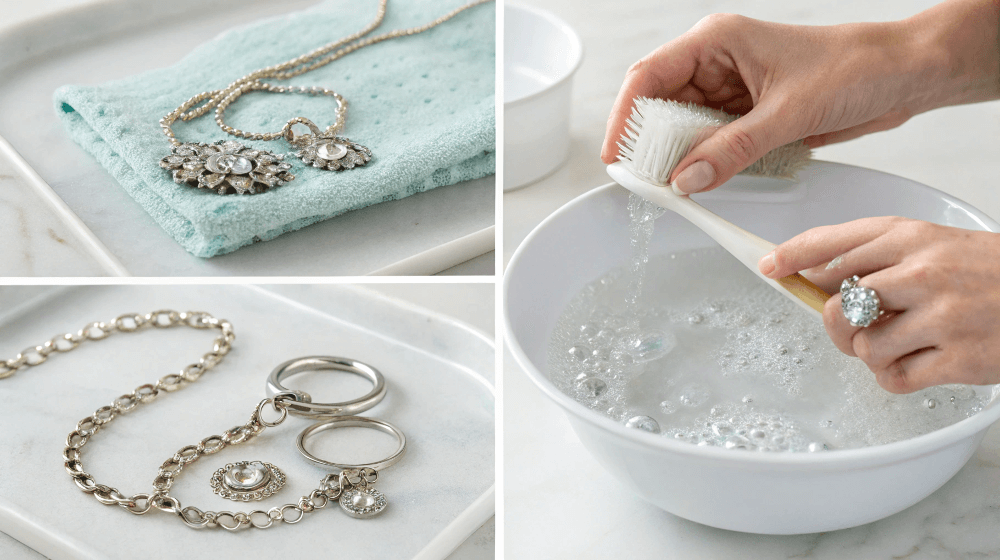
Cleaning stainless steel jewellery might sound like a straightforward task, but doing it the right way ensures it lasts longer and maintains its shine. But here’s the kicker — you need more than just soap and water! First off, always use a mild soap mixed with warm water. This simple solution helps remove oils, dirt, and dust. Grab a microfiber cloth and gently rub the surface to lift any stubborn grime.
If the jewellery has tarnished, you might need a more intense method. You can use baking soda mixed with water to make a paste. Apply it to your jewellery using a soft brush, scrub gently, and rinse thoroughly. This is a great option for tarnished pieces without using harsh chemicals.
Another option is to use toothpaste, but only if your jewellery doesn’t have any gemstones. Toothpaste acts as a mild abrasive that helps remove tough spots and restore shine. Just apply a tiny amount, scrub lightly with a toothbrush, and rinse.
In some cases, you might need a commercial cleaner, but you should only choose one that is specifically designed for stainless steel. These cleaners often contain ingredients that won’t harm the material.
Table 1: Stainless Steel Jewellery Cleaning Solutions
| Cleaning Method | Best For | Pros | Cons |
|---|---|---|---|
| Soap and Water | Regular cleaning | Safe and gentle | May not remove heavy tarnish |
| Baking Soda Paste | Tarnished jewellery | Effective for tarnish | Can be abrasive if overused |
| Toothpaste | General cleaning (without stones) | Quick and effective | Can damage settings |
| Commercial Cleaners | Deep cleaning | Easy to use | Can be pricey |
2. Why Is Regular Cleaning Important for Stainless Steel Jewellery?
It’s not just about aesthetics — regular cleaning of your stainless steel jewellery significantly impacts its longevity and resistance to tarnishing. What’s the real story? When jewellery accumulates dirt, sweat, and oils, it can lose its shine over time. This buildup may also contribute to corrosion if left untreated. Regularly cleaning your jewellery ensures that harmful substances don’t have time to affect the material.
The shine and luster of stainless steel come from its polished surface. Dirt, grime, and sweat can make the surface look dull, which is why regular cleaning helps to maintain its sparkle. By cleaning it every couple of weeks (depending on usage), you prevent tarnishing and corrosion, ensuring your pieces continue looking polished.
Cleaning also helps with durability. The longer you leave grime and other elements on your jewellery, the more likely they are to contribute to wear and tear. Over time, dirt can penetrate and affect the integrity of the material. Regular maintenance, however, keeps the jewellery looking fresh and durable for years to come.
Table 2: Impact of Cleaning Frequency
| Cleaning Frequency | Benefits | Risks of Not Cleaning |
|---|---|---|
| Weekly | Removes surface dirt and oils | Surface dullness and buildup |
| Bi-Weekly | Prevents tarnish and rust | Increased tarnishing |
| Monthly | Deep cleans | Premature wear and corrosion |
3. What Household Items Can You Use to Clean Stainless Steel Jewellery?
The beauty of stainless steel jewellery is that you don’t always need expensive products to keep it clean. Well, what household items can you use? You’d be surprised! For starters, mild dish soap and water work wonders for removing oils and surface dirt. Simply mix the soap with lukewarm water and soak your jewellery for a few minutes. After soaking, gently scrub with a soft toothbrush and dry it with a microfiber cloth.
Another great household option is vinegar. Yes, you read that right! Vinegar is a fantastic cleaner because of its acidity, which breaks down grime and restores shine. Mix one part vinegar with two parts water, soak your jewellery, and then polish it with a soft cloth.
Baking soda is another powerful option. When mixed with a bit of water, it creates a paste that is excellent for cleaning tarnished jewellery. Gently rub the paste onto the surface with a soft brush or cloth, rinse it off, and dry thoroughly.
What’s the real story? You don’t have to purchase expensive jewellery cleaners when simple household items will do the job!
Table 3: Household Cleaning Methods for Stainless Steel Jewellery
| Household Item | Cleaning Use | How to Use |
|---|---|---|
| Dish Soap and Water | Surface dirt and oils | Soak and scrub gently |
| Vinegar | Tarnish removal | Soak and polish |
| Baking Soda | Deep cleaning | Create a paste, scrub, rinse |
| Toothpaste | Mild stains and tarnish | Apply, scrub, and rinse |
4. Can You Use Commercial Cleaners for Stainless Steel Jewellery?
While it’s perfectly fine to use household cleaning methods, sometimes commercial cleaners are the best option. This is where it gets interesting… Commercial stainless steel cleaners are formulated to not only clean but also protect the surface. These products often contain polishing agents and special compounds that leave your jewellery gleaming. When choosing a commercial cleaner, ensure it’s designed specifically for stainless steel and check for any abrasive ingredients that could cause damage.
What’s the real benefit here? Commercial cleaners are ideal for deep cleaning, especially if you have pieces that are heavily tarnished or if you’re dealing with intricate designs. These cleaners are typically stronger than household options and can be more effective for stubborn stains. However, they can be more expensive and, if misused, may cause discoloration or even damage the jewellery.
For general maintenance, household methods work just fine. But for a heavy-duty clean or restoring older pieces, a good commercial cleaner might be the way to go.
Table 4: Commercial Stainless Steel Cleaners
| Cleaner Type | Best For | Pros | Cons |
|---|---|---|---|
| Spray Cleaners | Deep cleaning and shine | Fast and effective | Can be harsh on delicate pieces |
| Polishing Cloths | Regular upkeep | Convenient and gentle | Not ideal for tarnish removal |
| Paste Cleaners | Heavy tarnish and buildup | Removes stubborn stains | May leave residue if overused |
5. How Do You Clean Stainless Steel Jewellery Without Damaging It?
The key to maintaining stainless steel jewellery is cleaning it without causing damage. So, how do you clean stainless steel jewellery without damaging it? The most important rule is to avoid using abrasive materials or harsh chemicals that can scratch or discolor the surface. Always opt for soft brushes and microfiber cloths to prevent any damage.
Another crucial tip is to avoid soaking your jewellery for extended periods. Prolonged exposure to water, even with soap, can weaken certain parts of your jewellery, such as gemstones or settings. Also, be cautious with chemicals like bleach or ammonia, which can ruin stainless steel’s finish.
Ready for the good part? The best way to clean delicate jewellery is by using a gentle scrub with a soft cloth, ensuring that you’re always applying the least amount of force. This approach keeps your jewellery looking its best without risking scratches or stains.
Table 5: Do’s and Don’ts of Cleaning Stainless Steel Jewellery
| Do’s | Don’ts |
|---|---|
| Use soft brushes and cloths | Avoid harsh chemicals like bleach |
| Clean regularly | Don’t soak jewellery for long periods |
| Use gentle motions | Avoid abrasive cleaning tools |
| Dry thoroughly | Don’t use steel wool |
6. What Are the Best Tools for Cleaning Stainless Steel Jewellery?
When it comes to cleaning stainless steel jewellery, the right tools can make all the difference. So, what tools should you use? A soft toothbrush is an essential item for cleaning jewellery with intricate details. The soft bristles help reach small crevices without scratching the surface. Another tool that can come in handy is a microfiber cloth. These are perfect for polishing and drying your jewellery without leaving streaks or lint.
For more stubborn tarnish or dirt, a soft polishing cloth or a special jewellery cleaning cloth can be used. These cloths are designed to remove tarnish without causing any harm to the material. Some commercial cleaners also offer cloths that contain a polishing agent, which leaves your jewellery looking brand new.
Here’s the kicker: It’s important to choose tools that are gentle on your jewellery. Never use harsh scrubbing brushes, as they can damage the surface.
Table 6: Best Tools for Cleaning Stainless Steel Jewellery
| Tool | Use | Best For |
|---|---|---|
| Soft Toothbrush | Detail cleaning | Intricate designs |
| Microfiber Cloth | Polishing and drying | Shiny finish |
| Polishing Cloth | Restoring shine | Regular cleaning |
| Commercial Cleaning Cloth | Deep cleaning and protection | Tarnish removal |
7. How Do You Tackle Hard-to-Reach Areas in Jewellery?
Hard-to-reach areas in jewellery, like the tiny crevices and intricate designs, can be a challenge to clean. But here’s the trick: Use cotton swabs to get into those small spaces. Dip a cotton swab in your cleaning solution, gently scrub the hard-to-reach areas, and then rinse and dry as usual.
Another great tool for this job is a soft brush with fine bristles. These brushes can fit into the tiniest crevices, making it easier to remove dirt and grime without scratching the jewellery.
This is where it gets interesting — you can also use a toothpick to gently remove dirt from areas that can’t be reached with a brush or swab. Just be careful not to use too much force, as this could damage the jewellery.
Table 7: Tools for Cleaning Hard-to-Reach Areas
| Tool | Best For | Benefits |
|---|---|---|
| Cotton Swabs | Small crevices | Precision cleaning |
| Fine Bristle Brush | Intricate designs | Detailed cleaning |
| Toothpick | Delicate areas | Access to hard-to-reach spots |
8. How Often Should You Clean Stainless Steel Jewellery?
One of the most common questions people ask is how often they should clean their stainless steel jewellery. Well, here’s the deal: the frequency of cleaning depends on how often you wear the jewellery and the activities you do while wearing it. For daily wear, cleaning once every two weeks is typically enough to keep your pieces looking fresh. However, if you wear your jewellery while exercising or doing activities that involve sweat, dirt, or chemicals, you might need to clean it more often.
The real question is: What happens if you don’t clean your jewellery regularly? Dirt and oils from your skin can build up and cause a dull appearance, which is why regular maintenance is so important. Regular cleaning also helps prevent more serious issues like tarnish and corrosion, which can occur if dirt and oils are left to accumulate over time. So, the answer is clear: Clean your jewellery regularly to maintain its shine and longevity.
If you have pieces that you wear less frequently, such as special occasion jewellery, you may only need to clean them a few times a year. Keep in mind that the more frequently you clean your jewellery, the easier it will be to maintain.
Table 8: Cleaning Frequency for Stainless Steel Jewellery
| Cleaning Frequency | Best For | Benefits |
|---|---|---|
| Weekly | Everyday wearers | Removes surface dirt, oils |
| Bi-Weekly | Regular wearers | Prevents tarnishing and dullness |
| Monthly | Special occasion jewellery | Keeps pieces looking polished |
9. How Do You Store Stainless Steel Jewellery to Keep It Clean?
Proper storage is just as important as regular cleaning when it comes to maintaining your stainless steel jewellery. But here’s the kicker: If you don’t store it properly, all your hard work cleaning it could be for nothing! Storing jewellery in a humid or overly warm environment can lead to tarnishing and discoloration. To keep your jewellery in top condition, store it in a cool, dry place. The best option is a jewellery box with anti-tarnish pouches that will help protect your jewellery from tarnishing agents in the air.
Avoid storing stainless steel jewellery alongside other pieces that may scratch or damage it. Always keep your pieces separate from other jewellery, particularly softer metals like silver or gold, as they can cause scratches. Using a separate compartment or a soft cloth pouch for each piece is a simple but effective way to protect your jewellery.
If you wear jewellery daily, consider using a small container or tray on your dresser to store it safely. This way, it’s always in one place, reducing the chance of losing it or exposing it to harmful conditions.
Table 9: Best Storage Practices for Stainless Steel Jewellery
| Storage Method | Benefits | Tips |
|---|---|---|
| Anti-tarnish Pouches | Protects from tarnish and discoloration | Store separately by type |
| Soft Cloth Pouches | Prevents scratches and damage | Use for daily jewellery |
| Jewellery Box with Compartments | Keeps pieces organized and safe | Store in a dry, cool place |
10. What Are Common Mistakes When Cleaning Stainless Steel Jewellery?
Even though cleaning stainless steel jewellery seems like a simple task, people often make mistakes that can damage their pieces. One common mistake is over-cleaning. While regular cleaning is important, cleaning your jewellery too often can wear down the finish, especially if you’re using abrasive cleaners or scrubbing too vigorously. You want to maintain your jewellery’s shine without overdoing it.
Another mistake is using harsh chemicals that are not intended for stainless steel. Bleach, ammonia, and other strong chemicals can cause discoloration and damage the material. Always check the label on cleaning products to ensure they are safe for stainless steel before using them.
Finally, neglecting to dry your jewellery properly after cleaning is another big mistake. Stainless steel can rust if it’s left wet for long periods. Always dry your jewellery thoroughly with a soft cloth to prevent water spots and tarnishing.
Ready for the good part? Avoid these mistakes, and your jewellery will stay looking polished and new for much longer.
Table 10: Common Cleaning Mistakes and How to Avoid Them
| Mistake | Effect | How to Avoid |
|---|---|---|
| Over-cleaning | Wears down finish | Clean only when necessary |
| Using harsh chemicals | Discoloration and damage | Use cleaners specifically for stainless steel |
| Not drying properly | Tarnish and rust | Always dry thoroughly with a soft cloth |
11. Can You Remove Scratches from Stainless Steel Jewellery?
Scratches on stainless steel jewellery can be frustrating, especially if the pieces are sentimental or expensive. But here’s the kicker: Yes, you can remove scratches with the right tools and techniques! The first step is to identify the type of scratch. Minor scratches can often be buffed out using a soft cloth and a little polishing compound.
For deeper scratches, you can use a fine abrasive pad designed for stainless steel. Gently rub the scratched area with the pad in the direction of the grain. Be cautious, though! Over-scrubbing or using too much pressure can make the scratch worse, so always apply gentle pressure.
If the scratch is particularly deep or extensive, professional polishing or refinishing may be necessary. Many jewellery stores offer this service, and it’s worth considering if you want to restore your piece to its original condition.
What’s the real story? You can fix scratches yourself, but if you’re unsure, it’s best to leave it to the professionals to avoid causing further damage.
Table 11: How to Remove Scratches from Stainless Steel Jewellery
| Scratch Type | Solution | Tools Needed |
|---|---|---|
| Minor Scratches | Buff out with a polishing compound | Soft cloth, polishing compound |
| Deep Scratches | Use fine abrasive pad | Fine abrasive pad |
| Severe Scratches | Professional polishing | Jewellery polishing service |
12. What Is the Best Way to Polish Stainless Steel Jewellery?
Polishing stainless steel jewellery is essential to maintain its shine, but polishing incorrectly can result in damage. So, what’s the best way to polish it? Here’s the secret: Always use a soft cloth designed for polishing. These cloths are gentle on the material and help remove any lingering grime without scratching.
To polish, gently rub the jewellery in a circular motion with the cloth. Avoid using excessive force, as this can cause micro-scratches. For a deeper shine, you can use a stainless steel polish, but always test it on a small, inconspicuous area first to make sure it won’t damage your jewellery.
What’s the real benefit here? Proper polishing restores that showroom shine and prevents the jewellery from becoming dull over time.
Table 12: Best Polishing Methods for Stainless Steel Jewellery
| Polishing Method | Best For | Tools Needed |
|---|---|---|
| Microfiber Cloth | Regular polishing | Microfiber cloth |
| Stainless Steel Polish | Restoring shine | Stainless steel polish, soft cloth |
| Professional Polishing | Deep cleaning and restoration | Professional polishing service |
13. How Do You Prevent Stainless Steel Jewellery from Tarnishing?
Tarnishing is one of the biggest concerns when it comes to stainless steel jewellery. But here’s the kicker: Preventing tarnish is easy if you follow a few simple steps. The first and most important thing is to store your jewellery properly. Keep it in a cool, dry place, away from humidity and harsh chemicals. You can also use anti-tarnish pouches, which help absorb moisture in the air and prevent tarnishing.
Next, clean your jewellery regularly to prevent the buildup of oils and dirt, which can accelerate tarnishing. Even if you don’t wear your jewellery often, a quick clean every few months will keep it in top condition.
What’s the real story? Tarnish doesn’t have to be inevitable. With the right care, you can keep your stainless steel jewellery looking like new for years to come.
Table 13: Preventing Tarnish on Stainless Steel Jewellery
| Prevention Method | Benefits | How to Use |
|---|---|---|
| Proper Storage | Keeps moisture and air out | Use anti-tarnish pouches |
| Regular Cleaning | Removes oils and dirt | Clean every few weeks |
| Avoid Harsh Chemicals | Prevents chemical damage | Store away from cleaners |
14. Are There Any Special Care Tips for Stainless Steel Rings?
Stainless steel rings, especially those with intricate designs or embedded stones, require special care. The good news? Caring for your stainless steel ring isn’t much different from caring for other jewellery, but there are a few extra tips. For rings with stones, avoid soaking them in water for too long, as moisture can get trapped beneath the stones, potentially damaging the settings.
When cleaning, use a gentle brush to reach around the stones and avoid damaging any delicate settings. Also, keep in mind that rings are exposed to more physical wear and tear than other jewellery, so consider cleaning them more frequently.
What’s the real kicker? The more you care for your ring, the longer it will stay in excellent condition.
Table 14: Special Care for Stainless Steel Rings
| Care Method | Best For | Tips |
|---|---|---|
| Gentle Brush Cleaning | Rings with stones and intricate designs | Clean around stones carefully |
| Frequent Cleaning | Regular wear rings | Clean more often than other jewellery |
| Avoid Excess Moisture | Stone settings | Don’t soak for too long |
15. How Can You Restore the Shine of Older Stainless Steel Jewellery?
Older stainless steel jewellery can lose its shine over time due to exposure to dirt, oils, and tarnish. But here’s the kicker: Restoring the shine is easier than you think! The first step is to clean your jewellery thoroughly using one of the cleaning methods mentioned earlier. Once clean, you can use a polishing cloth or a commercial stainless steel polish to restore the shine.
For jewellery that has experienced heavy tarnishing, a professional polishing service may be needed to fully restore its original luster.
What’s the real story? A little effort can go a long way in bringing back the brilliance of your older pieces.
Table 15: Restoring the Shine of Older Stainless Steel Jewellery
| Restoration Method | Best For | Tools Needed |
|---|---|---|
| Cleaning and Polishing | Regular maintenance | Polishing cloth, cleaning solution |
| Professional Polishing | Heavy tarnishing or wear | Professional polishing service |
Conclusion
In conclusion, cleaning and maintaining your stainless steel jewellery is essential to keeping it looking great and lasting longer. Regular cleaning, proper storage, and using the right tools are key to avoiding tarnishing and wear. Whether you choose household items, commercial cleaners, or professional services, the right care will ensure your jewellery stays sparkling for years. So, take care of your stainless steel jewellery today to enjoy its shine tomorrow!
FAQ
Q1: What is stainless steel jewellery?
Stainless steel jewellery is made from an alloy of iron and chromium, making it resistant to corrosion and tarnishing.
Q2: How does vinegar help in cleaning stainless steel jewellery?
Vinegar’s acidity helps dissolve grime and restore the shine to stainless steel jewellery.
Q3: Can I clean my stainless steel jewellery with a toothbrush?
Yes, a soft toothbrush is ideal for cleaning detailed and intricate parts of your jewellery.
Q4: Is it safe to use soap and water to clean stainless steel jewellery?
Yes, soap and water are safe and effective for cleaning stainless steel jewellery.
Q5: How can I prevent stainless steel jewellery from tarnishing?
Regular cleaning, proper storage, and avoiding exposure to harsh chemicals will help prevent tarnishing.


