Stainless steel jewellery can often be mistaken for other metals, but knowing how to identify it is key to making informed purchasing decisions. If you’re unsure whether your jewellery is stainless steel, this guide will help you easily spot the difference.
Stainless steel jewellery is durable, hypoallergenic, and affordable. However, identifying it can be tricky, especially when it’s mixed with other metals. We’ll explore how to confirm if your jewellery is stainless steel and give you the tools to differentiate it from other materials.
Staying with me will help you gain insights into the signs of stainless steel, its key features, and the best ways to spot it in jewellery form.
1. What are the Key Characteristics of Stainless Steel Jewellery?
Stainless steel jewellery is known for its durability and sleek finish. But what exactly makes stainless steel stand out from other metals? Let’s dive in.
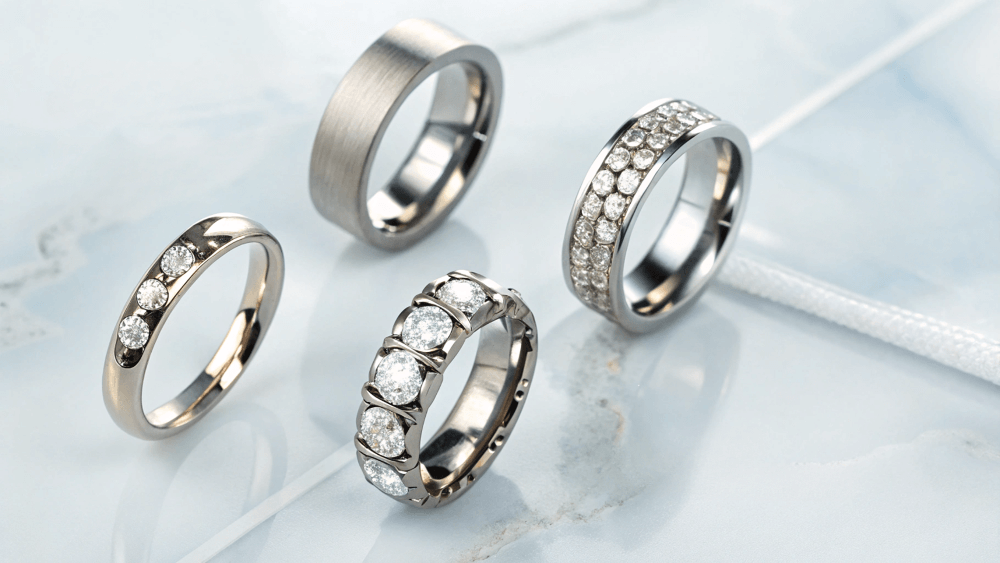
Stainless steel is a metal alloy, meaning it is made up of multiple elements, including chromium, nickel, and iron. This combination makes it resistant to corrosion and tarnish. Its typical silvery appearance is shiny, but it can also come in matte or brushed finishes. This metal is known for its durability, making it less prone to scratches compared to other precious metals like gold or silver.
One of the main reasons stainless steel is used in jewellery is its affordability. Compared to platinum or gold, stainless steel provides a cost-effective alternative without compromising on quality. It is also hypoallergenic, making it a popular choice for those with sensitive skin.
| Characteristic | Stainless Steel | Gold | Silver |
|---|---|---|---|
| Durability | High | Medium | Low |
| Resistance to Tarnish | High | Medium | Low |
| Hypoallergenic | Yes | No | No |
| Affordability | Low | High | Medium |
2. How to Visually Identify Stainless Steel Jewellery?
Visual identification is one of the quickest ways to determine if your jewellery is stainless steel. Let’s break it down.
The key is to look for a few distinct visual features. Stainless steel jewellery often has a bright, shiny appearance, but it may also have a matte or brushed finish. Unlike gold or silver, which can tarnish and lose their luster over time, stainless steel maintains its shine. It’s also important to note that stainless steel is generally more uniform in appearance compared to other metals, which can have more natural variations in texture.
A great way to check if the jewellery is stainless steel is to inspect the color closely. Stainless steel typically has a more neutral silver hue, while gold will have a warmer, yellowish tint. Silver, on the other hand, might have a softer shine and be more prone to discoloration with wear.
| Feature | Stainless Steel | Gold | Silver |
|---|---|---|---|
| Color | Neutral silver hue | Yellowish, warm tone | White, shiny but soft |
| Tarnish Resistance | High | Moderate to low | Low |
| Shine | Consistent, bright | Softer over time | Dullens over time |
| Finish | Matte, brushed or shiny | Shiny, smooth | Polished, shiny |
3. What Are the Common Signs of Non-Stainless Steel Jewellery?
Some common signs can help you identify if jewellery is not made from stainless steel. These include tarnishing, scratching, and discoloration.
Unlike stainless steel, which is resistant to tarnish, non-stainless metals may show signs of wear over time. Tarnishing is common in metals like silver, which reacts with air and moisture. You may also notice that non-stainless steel jewellery can easily become scratched, leaving behind marks that are noticeable on softer metals.
Additionally, some people with sensitive skin might notice irritation or rashes from wearing non-stainless metals, while stainless steel is hypoallergenic and less likely to cause such reactions.
| Sign | Stainless Steel | Non-Stainless Steel |
|---|---|---|
| Tarnishing | Rare | Common |
| Scratching | Low | High |
| Skin Irritation | Low | High |
4. How Does the Weight of Jewellery Indicate Stainless Steel?
One easy way to spot stainless steel jewellery is by its weight. But how does this factor in?
Stainless steel is a relatively heavy metal compared to other common jewellery metals. This weight is often noticeable when comparing pieces of similar size. Gold, for example, is denser and heavier than stainless steel, while silver tends to be lighter. If your jewellery feels unusually light or heavy, this could be a sign of its material composition.
Additionally, the weight of stainless steel jewellery is consistent and doesn’t fluctuate much. This makes it easier to identify compared to gold or silver, which may feel more hollow or lighter due to the alloys mixed with them.
| Metal | Density (g/cm³) | Common Weight in Jewellery | Weight Perception |
|---|---|---|---|
| Stainless Steel | 7.8 – 8.0 | Moderate | Heavier than silver |
| Gold | 19.3 | Heavier | Very dense, heavy feel |
| Silver | 10.5 | Lighter | Less dense, lighter feel |
5. What is the Role of Magnets in Identifying Stainless Steel Jewellery?
Magnets can be a helpful tool in identifying stainless steel jewellery. But why?
Stainless steel has a magnetic property, but it isn’t always strongly magnetic. Some types of stainless steel, like 304 or 316L, may have a weaker response to magnets, while others could be more responsive. This is because stainless steel is made from a variety of alloys, some of which contain elements that make them more magnetic. Using a magnet can give you a quick indication if your jewellery is likely to be stainless steel, but be aware that it may not always be a definitive test.
| Type of Stainless Steel | Magnetic Response |
|---|---|
| 304 | Low |
| 316L | Low |
| Ferritic | High |
6. Are There Any Hallmarks or Stamps to Look for in Stainless Steel Jewellery?
One of the easiest ways to determine if your jewellery is stainless steel is to check for hallmarks or stamps. These marks can indicate the metal content and purity, which can help identify the type of metal used in the jewellery.
Stainless steel jewellery is often marked with a stamp indicating the grade of steel used. The most common types of stainless steel used in jewellery are 304 and 316L stainless steel. These stamps can usually be found on the inner surface of rings, bracelets, or necklaces. The stamp may also include additional details, such as the manufacturer or certification standards, confirming the quality of the metal.
What to Look For:
- “316L” or “304” indicates high-quality stainless steel.
- The presence of a manufacturer’s logo or other identification marks.
- Certification stamps like “hypoallergenic” can be found on stainless steel jewellery, confirming its safe use for sensitive skin.
| Marking | Meaning | Typical Usage |
|---|---|---|
| 316L | High-quality stainless steel alloy | Jewellery, medical implants |
| 304 | Standard stainless steel alloy | General use, homeware |
| Hypoallergenic | Safe for sensitive skin | Rings, earrings, necklaces |
7. What Are the Different Types of Stainless Steel Used in Jewellery?
When it comes to stainless steel jewellery, not all types of stainless steel are the same. There are several grades of stainless steel, each with its unique properties.
The two most commonly used stainless steel alloys in jewellery are 304 and 316L. The primary difference between them lies in their resistance to corrosion and overall durability. 316L, often referred to as “surgical stainless steel,” is considered to be the best option for jewellery, especially for people with sensitive skin.
304 Stainless Steel is more commonly used in general applications like kitchenware and is often seen in lower-cost jewellery pieces. It’s durable but lacks the corrosion resistance of 316L.
316L Stainless Steel, on the other hand, has a higher resistance to corrosion and is commonly used in higher-end jewellery. It is also more resistant to rust and is an ideal choice for body piercings, surgical instruments, and other jewellery that needs to withstand frequent contact with moisture and air.
| Type of Stainless Steel | Corrosion Resistance | Common Uses |
|---|---|---|
| 304 | Moderate | Household items, lower-end jewellery |
| 316L | High | High-end jewellery, medical-grade items, body piercings |
8. How Does the Price of Jewellery Affect Its Composition?
One of the best indicators of the quality of jewellery is the price. Generally, stainless steel jewellery tends to be more affordable than its precious metal counterparts, such as gold or platinum. However, the price also reflects the quality of the materials used and the craftsmanship involved.
When looking at jewellery prices, if a piece of jewellery seems unusually cheap compared to others, it may not be made of high-quality stainless steel. It might be made of a lower-grade steel, or it might have additional coatings that are not durable in the long term.
More expensive stainless steel jewellery is likely to be made with higher-quality alloys like 316L, which is more resistant to corrosion and maintains its appearance for a longer period. Additionally, the craftsmanship in more expensive pieces will be superior, with better polishing, finishing, and overall design.
| Price Range | Type of Stainless Steel | Quality |
|---|---|---|
| Low | Lower-grade alloys | Less durable, more prone to tarnishing |
| Mid-range | 304 stainless steel | Good quality, moderate durability |
| High-end | 316L stainless steel | High durability, resistant to tarnish |
9. How Does Stainless Steel Jewellery React to Exposure to Elements?
Stainless steel is known for its resistance to tarnish, but how does it react to exposure to elements like water, salt, and air?
Unlike silver or gold, which can tarnish over time, stainless steel is highly resistant to corrosion and tarnish. This makes it an excellent choice for jewellery that you wear every day, even when exposed to moisture and environmental conditions.
However, while stainless steel is highly resistant to rust, exposure to harsh chemicals like chlorine or saltwater can still affect its appearance. It’s best to avoid wearing stainless steel jewellery in such conditions for long periods of time. Regular cleaning and maintenance will ensure that your jewellery remains in top condition.
| Element | Effect on Stainless Steel | Precautions |
|---|---|---|
| Water | No effect | Safe for daily wear |
| Saltwater | May cause discoloration | Avoid prolonged exposure |
| Chlorine | May damage surface finish | Avoid contact with pool water |
10. Can You Polish Stainless Steel Jewellery to Keep it Looking New?
Stainless steel is one of the easiest metals to maintain. It doesn’t require frequent polishing like silver or gold, but a quick cleaning and polishing session can bring back its shine and keep it looking new.
The best way to polish stainless steel jewellery is to use a soft cloth and a mild polishing compound designed specifically for stainless steel. Avoid using harsh chemicals, as they can cause scratches and dull the surface. You can also use a non-abrasive jewelry cleaner for gentle cleaning.
If your stainless steel jewellery has accumulated dirt or grime, a simple cleaning with soap and warm water will remove most of the buildup. Just be sure to dry it thoroughly afterward to prevent water spots.
| Polishing Method | Recommended Product | Frequency |
|---|---|---|
| Soft cloth polishing | Mild polishing compound | Once a month |
| Non-abrasive cleaner | Jewelry cleaner solution | As needed |
| Soap and water | Dish soap, warm water | Monthly or as needed |
11. What Are the Benefits of Wearing Stainless Steel Jewellery?
Stainless steel offers several benefits that make it a popular choice for jewellery.
Durability: Stainless steel is incredibly strong, making it less likely to scratch or tarnish over time compared to other materials. It’s perfect for daily wear, especially for pieces that are subject to regular use, like rings and bracelets.
Hypoallergenic: Unlike gold and silver, which can cause skin irritation for some people, stainless steel is hypoallergenic, making it a safe choice for those with sensitive skin.
Affordability: Stainless steel is a cost-effective alternative to precious metals. It offers a similar look to higher-end metals without the steep price tag.
| Benefit | Stainless Steel | Gold | Silver |
|---|---|---|---|
| Durability | High | Medium | Low |
| Hypoallergenic | Yes | No | No |
| Affordability | Low | High | Medium |
12. How Does Stainless Steel Compare to Silver and Gold in Jewellery?
When comparing stainless steel to other popular metals like silver and gold, it’s essential to understand the strengths and weaknesses of each.
Stainless Steel vs. Gold: Gold is more valuable and offers a classic, timeless appeal. However, it is much softer and more prone to scratching compared to stainless steel. Stainless steel is a more practical option for daily wear, while gold is ideal for formal occasions.
Stainless Steel vs. Silver: Silver is more affordable than gold but tends to tarnish more easily. It requires regular polishing to maintain its shine, while stainless steel stays shiny with minimal maintenance.
| Metal | Durability | Tarnish Resistance | Price Range |
|---|---|---|---|
| Stainless Steel | High | High | Low |
| Gold | Medium | Medium | High |
| Silver | Medium | Low | Medium |
13. Is Stainless Steel Jewellery Safe for People with Sensitive Skin?
Yes, stainless steel jewellery is generally safe for people with sensitive skin. This is one of the reasons why it is so popular for daily wear.
The metals used in stainless steel, like chromium and nickel, are often hypoallergenic, which means they are less likely to cause allergic reactions compared to other metals like gold or silver. However, some cheaper stainless steel alloys may still contain higher levels of nickel, which can trigger reactions in sensitive individuals. Always opt for high-quality, nickel-free stainless steel if you have known allergies.
| Metal Alloy | Hypoallergenic | Nickel Content |
|---|---|---|
| 316L Stainless Steel | Yes | Low |
| 304 Stainless Steel | Yes | Moderate |
| Other Alloys | No | High |
14. How Can You Tell if Your Stainless Steel Jewellery Is of High Quality?
The quality of stainless steel jewellery can be determined by a few key factors: the grade of stainless steel, the craftsmanship, and the overall finish.
Higher-quality stainless steel jewellery is made with 316L or 304 steel, which offers excellent corrosion resistance. The jewellery should also be free of imperfections like pitting or discoloration. Pay attention to the overall craftsmanship—well-made pieces have smooth edges, proper finishes, and are free from rough spots.
| Quality Indicator | High-Quality Stainless Steel | Low-Quality Stainless Steel |
|---|---|---|
| Steel Grade | 316L or 304 | Lower grades |
| Finish | Smooth, glossy | Rough, uneven |
| Craftsmanship | Well-made, detailed | Poor finishing, imperfections |
15. What Are the Common Myths About Stainless Steel Jewellery?
There are several myths about stainless steel jewellery that often mislead consumers.
Myth #1: Stainless Steel Jewellery Is Cheap and Low-Quality: While stainless steel is affordable, it doesn’t mean it’s of low quality. In fact, high-quality stainless steel jewellery is highly durable and corrosion-resistant.
Myth #2: Stainless Steel Jewellery Will Tarnish Easily: Stainless steel is highly resistant to tarnishing, unlike silver or copper, which oxidize over time.
Myth #3: Stainless Steel Jewellery Can’t Be Polished or Reshaped: Stainless steel jewellery can be polished and reshaped, but it requires special tools and expertise, unlike more malleable metals like gold.
| Myth | Fact |
|---|---|
| Stainless Steel is Cheap | High-quality, affordable metal |
| Stainless Steel Tarnishes | Resistant to tarnishing and corrosion |
| Stainless Steel Can’t Be Polished | Can be polished with proper tools |
Conclusion
Identifying stainless steel jewellery is essential for making informed purchasing decisions. By examining visual clues, weight, magnetic properties, and other characteristics, you can easily distinguish stainless steel from other metals. Keep an eye out for the features we’ve discussed, and you’ll be able to identify stainless steel jewellery with confidence.
FAQ Section
- Q1: What is stainless steel jewellery?
Stainless steel jewellery is made from a durable and rust-resistant alloy, often used for its hypoallergenic properties and affordable cost compared to precious metals like gold or silver. - Q2: How does stainless steel compare to silver in jewellery?
Stainless steel is more durable, resistant to tarnish, and hypoallergenic, while silver is softer, more prone to tarnishing, and may require more maintenance. - Q3: Can stainless steel jewellery cause skin irritation?
No, stainless steel is hypoallergenic and less likely to cause skin reactions, making it suitable for people with sensitive skin. - Q4: How can I tell if my jewellery is stainless steel?
You can identify stainless steel by its shiny or matte finish, weight, and resistance to tarnish. You can also check for markings or use a magnet to test its properties. - Q5: Is stainless steel jewellery easy to maintain?
Yes, stainless steel is low-maintenance, requiring only occasional cleaning and polishing to keep its appearance.