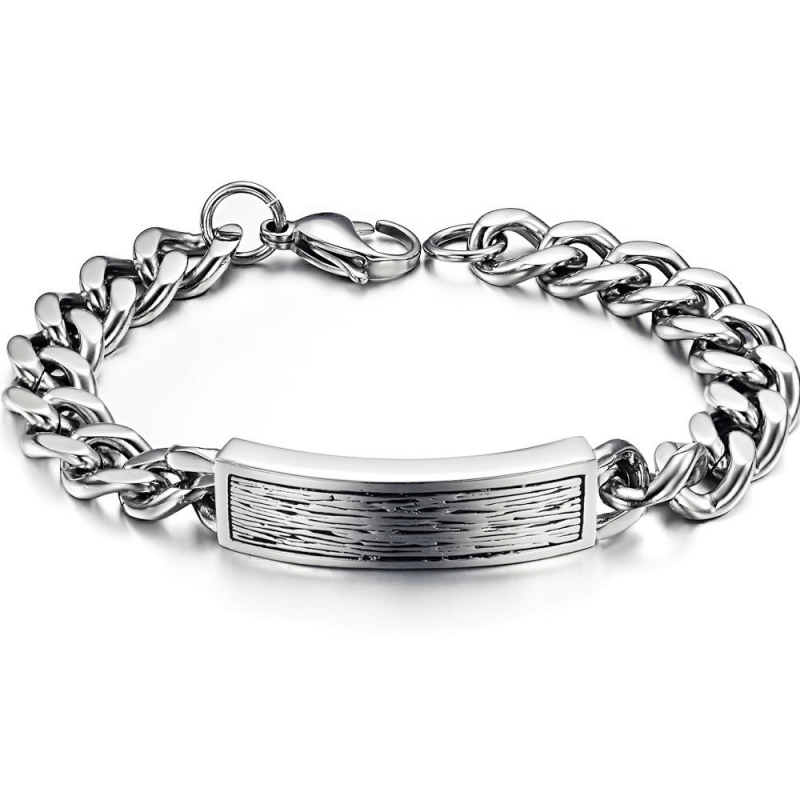
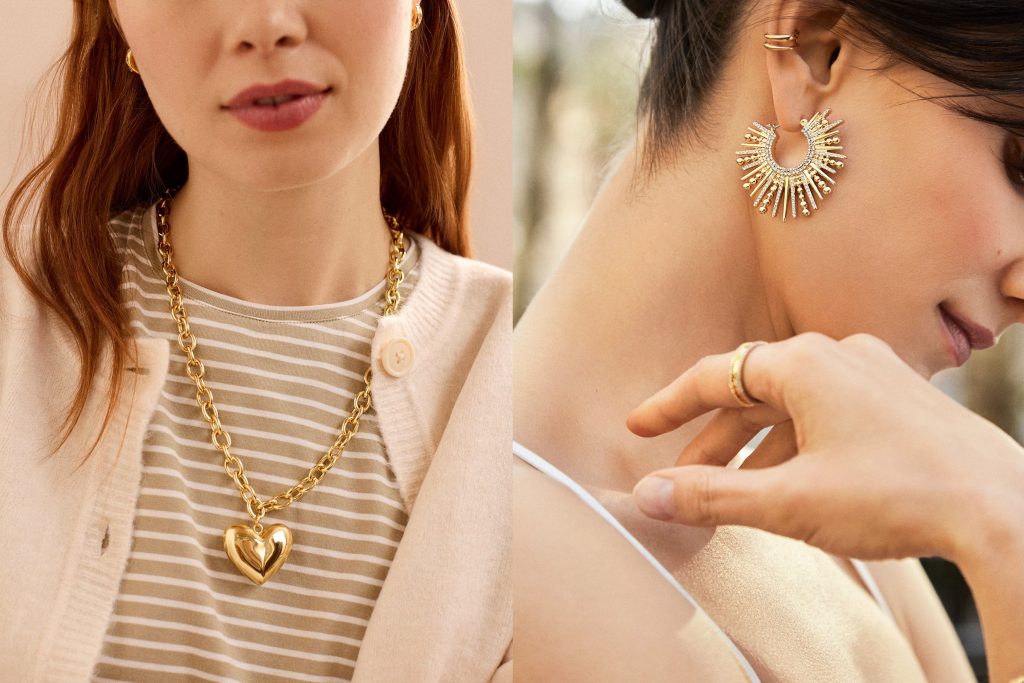
When choosing between silver and stainless steel jewelry, it’s essential to understand the differences that could impact your decision. Many factors, such as durability, price, and appearance, make one option more appealing than the other.
Both silver and stainless steel are popular materials in jewelry, but how do they compare? Let’s explore the benefits and drawbacks of each, helping you choose the best option for your needs.
Silver and stainless steel jewelry are both durable, but they differ in many aspects that influence wearability and style. Understanding the material, design, and care required for each will help you make a more informed decision. Read on to explore the full comparison between silver and stainless steel jewelry.
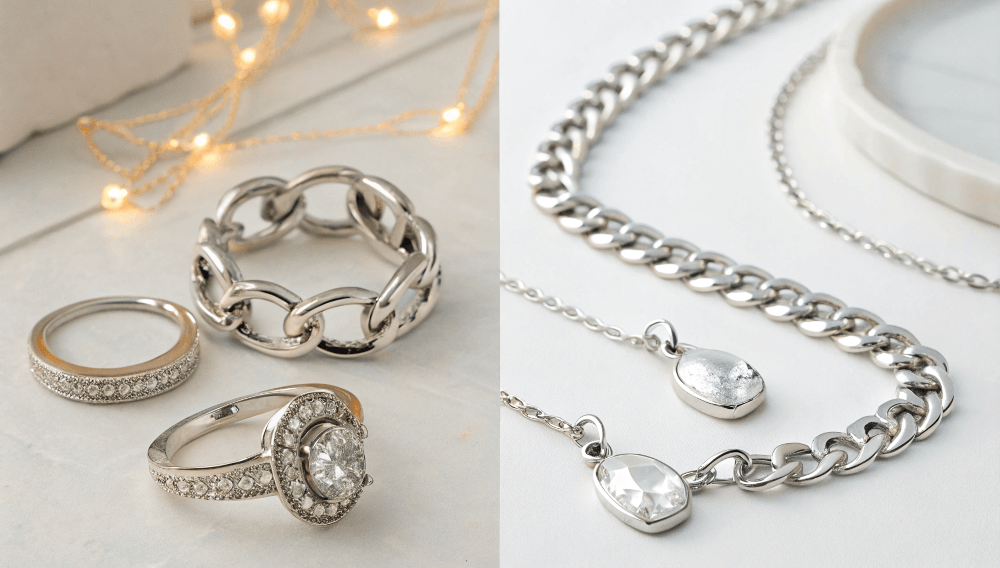
1. What are Silver and Stainless Steel Jewelry?
Silver and stainless steel are two of the most common materials used for jewelry. They share some similarities, such as being durable, but they also have key differences that make each suited for particular tastes and needs.
Silver is a precious metal with a long history of use in jewelry making. Stainless steel, on the other hand, is an alloy composed of steel mixed with chromium, giving it a more industrial feel.
Silver Jewelry
Silver has been used for centuries in various forms of art and ornamentation. It is known for its lustrous shine and malleability, making it ideal for detailed designs and customization. However, silver can tarnish over time due to exposure to air and moisture. Despite this, many people love silver for its elegance and tradition.
Stainless Steel Jewelry
Stainless steel is relatively new in the jewelry industry but has quickly gained popularity due to its strength, resistance to tarnish, and affordability. Stainless steel can maintain its polished look without much maintenance, making it ideal for everyday wear. Unlike silver, it does not tarnish easily, which gives it a longer lifespan with less upkeep required.
| Aspect | Silver | Stainless Steel |
|---|---|---|
| Tarnishing | Yes, over time | No |
| Affordability | Higher | Lower |
| Weight | Lighter | Heavier |
| Durability | Prone to scratches | Highly resistant |
2. How Do Silver and Stainless Steel Compare in Terms of Durability?
Durability is a significant factor when deciding between silver and stainless steel jewelry. While both materials are long-lasting, their ability to withstand daily wear and tear varies.
Silver is a soft metal, making it more prone to scratches and damage over time. Stainless steel, on the other hand, is a much stronger material and can withstand more physical stress.
Silver Durability
Silver is often softer than other metals, which means it can be scratched or dented more easily. However, with proper care, it can last for a long time. Regular cleaning and polishing help maintain its shiny appearance and prevent tarnish.
Stainless Steel Durability
Stainless steel is highly resistant to corrosion, scratches, and dents. This makes it an excellent choice for individuals who want a piece of jewelry that can endure daily wear without showing significant signs of damage. Additionally, stainless steel’s resistance to tarnishing makes it ideal for those looking for a low-maintenance option.
| Durability Factors | Silver | Stainless Steel |
|---|---|---|
| Resistance to Tarnish | Prone to tarnishing | Tarnish-resistant |
| Scratch Resistance | Easily scratched | Scratch-resistant |
| Impact Resistance | Can bend or dent | Resistant to impact |
3. What Are the Pros and Cons of Silver Jewelry?
Silver jewelry has been a classic choice for many years, but it comes with both advantages and disadvantages.
Silver’s primary allure is its timeless elegance, but its maintenance requirements can be a drawback for some.
Pros of Silver Jewelry
- Timeless Beauty: Silver has a bright, reflective shine that’s associated with high quality.
- Easy to Work With: Silver is malleable, which makes it easy to mold into intricate designs.
- Versatility: It pairs well with various gemstones and complements a wide range of styles.
Cons of Silver Jewelry
- Tarnishing: Over time, silver can tarnish, losing its shiny appearance if not properly maintained.
- Softness: Being a soft metal, it is susceptible to scratching and damage.
- Maintenance: Silver requires frequent cleaning to keep it in good condition, especially for pieces that are exposed to moisture.
| Pros of Silver | Cons of Silver |
|---|---|
| Timeless beauty | Tarnishes over time |
| Versatile in design | Easily scratched |
| Easy to mold | Needs frequent cleaning |
4. What Are the Pros and Cons of Stainless Steel Jewelry?
Stainless steel jewelry is becoming a favorite for many, especially those who prefer a more industrial or modern look. But like silver, it has its pros and cons.
Stainless steel offers many benefits, particularly in terms of durability and resistance to damage, but it lacks the natural warmth and luxury feel that silver provides.
Pros of Stainless Steel Jewelry
- Durability: Stainless steel is highly durable and can withstand everyday wear without damage.
- No Tarnishing: Unlike silver, stainless steel does not tarnish and maintains its shiny appearance.
- Affordable: Stainless steel is generally more affordable than silver, making it a good option for those on a budget.
Cons of Stainless Steel Jewelry
- Heavy: Stainless steel tends to be heavier than silver, which might be uncomfortable for some people.
- Industrial Look: While modern, stainless steel lacks the traditional elegance of silver and may not be suitable for all occasions.
- Hard to Resize: Unlike silver, resizing stainless steel jewelry can be more challenging and sometimes impossible.
| Pros of Stainless Steel | Cons of Stainless Steel |
|---|---|
| Durable and long-lasting | Heavier weight |
| Tarnish-resistant | Less traditional look |
| Affordable pricing | Difficult to resize |
5. How Does Silver vs Stainless Steel Jewelry Impact Allergies?
Allergies can be a significant factor when choosing jewelry materials. Many people are sensitive to certain metals, and the wrong choice can lead to discomfort or irritation.
Stainless steel is generally considered hypoallergenic, while silver may cause allergic reactions in some individuals, particularly those with sensitive skin.
Silver Jewelry and Allergies
Silver itself is not a common allergen, but certain alloys mixed with silver, such as nickel, can cause allergic reactions. If you have sensitive skin, it’s essential to choose sterling silver jewelry that’s less likely to contain irritating alloys.
Stainless Steel Jewelry and Allergies
Stainless steel is often the preferred choice for individuals with allergies because it typically contains minimal nickel. Stainless steel is known for its hypoallergenic properties, making it a safer option for those with skin sensitivities.
| Jewelry Material | Hypoallergenic | Nickel Content |
|---|---|---|
| Silver | Sometimes | May contain nickel |
| Stainless Steel | Yes | Low to none |
6. What’s the Difference in Price Between Silver and Stainless Steel Jewelry?
Price plays a crucial role in the decision-making process when purchasing jewelry. Silver and stainless steel are priced quite differently, and understanding these differences can help you make a cost-effective choice.
Silver is generally more expensive due to its status as a precious metal. Stainless steel, being more affordable, offers a budget-friendly alternative without compromising on strength or style.
Price Range for Silver Jewelry
Silver is priced based on the market value of the metal itself, which fluctuates. As a precious metal, silver is typically more expensive than stainless steel. Additionally, sterling silver, which is 92.5% pure silver, tends to be more costly than other silver alloys.
Stainless Steel Jewelry Pricing
Stainless steel is considerably more affordable compared to silver. It is widely available and inexpensive to produce, making it a great option for those who want quality jewelry without spending too much. The price remains stable since stainless steel is not subject to the volatility of precious metal markets.
| Material | Price Range | Factors Affecting Price |
|---|---|---|
| Silver | High | Market value, purity, craftsmanship |
| Stainless Steel | Low | Production cost, alloy composition |
7. Which Material is More Eco-Friendly: Silver or Stainless Steel?
Environmental impact is an increasing concern for many consumers. When choosing between silver and stainless steel, it’s important to consider how these materials affect the planet.
Silver mining can have a significant environmental footprint, while stainless steel is a more sustainable and recyclable material.
Environmental Impact of Silver
The mining process for silver is energy-intensive and often requires the use of toxic chemicals that can harm the environment. However, silver can be recycled, which helps reduce its environmental impact when reused.
Sustainability of Stainless Steel
Stainless steel is made primarily from recycled materials, and it is fully recyclable. It’s an eco-friendly option that has a minimal impact on the environment when compared to other metals. Furthermore, stainless steel requires less energy to produce than silver, contributing to its lower carbon footprint.
| Material | Environmental Impact | Recyclability |
|---|---|---|
| Silver | High (due to mining process) | Yes |
| Stainless Steel | Low (produced from recycled materials) | Yes |
8. How Do Silver and Stainless Steel Jewelry Fare in Design Variety?
Both silver and stainless steel are versatile in terms of design, but each material offers unique opportunities and limitations.
Silver allows for intricate designs and a more refined aesthetic, while stainless steel lends itself well to bold, industrial designs that reflect modern styles.
Silver Jewelry Design Flexibility
Silver is highly malleable, which makes it easy for jewelers to create intricate and delicate designs. It’s often used in fine jewelry, including custom pieces and detailed engravings. Silver can also be polished to a high shine, enhancing its reflective properties.
Stainless Steel Jewelry Design Flexibility
While stainless steel is less malleable than silver, it is still highly versatile. Its strength makes it ideal for bold and industrial designs. Stainless steel is often used in men’s jewelry and modern styles, such as watches and bracelets. Stainless steel jewelry can also feature a brushed or matte finish, adding texture and a sleek, contemporary look.
| Design Aspect | Silver Jewelry | Stainless Steel Jewelry |
|---|---|---|
| Malleability | Highly malleable | Less malleable, more rigid |
| Detailing | Intricate designs possible | Suitable for bold, simple designs |
| Finish | Polished, shiny | Brushed, matte, or polished |
9. How Does the Weight of Silver vs Stainless Steel Jewelry Compare?
The weight of jewelry can greatly influence comfort and wearability, especially for items like rings and bracelets that are worn daily.
Silver jewelry is generally lighter, while stainless steel tends to be heavier due to its dense structure.
Weight of Silver Jewelry
Silver is relatively light compared to many other metals, making it comfortable for extended wear. It is an ideal choice for those who prefer lighter pieces, particularly in larger jewelry items like earrings and necklaces.
Weight of Stainless Steel Jewelry
Stainless steel is significantly heavier than silver, which can make it feel more substantial on the wrist or neck. This can be a pro or a con, depending on personal preference. Some people prefer the weight of stainless steel as it gives a sense of durability and permanence.
| Material | Weight | Ideal Use |
|---|---|---|
| Silver | Light | Ideal for larger pieces |
| Stainless Steel | Heavy | Ideal for bold designs |
10. How Do Maintenance and Care Differ for Silver and Stainless Steel Jewelry?
Both materials require care, but silver and stainless steel have different maintenance needs.
Silver needs more regular care to maintain its shine, while stainless steel requires much less attention to stay looking great.
Silver Jewelry Care
Silver requires frequent polishing to prevent tarnishing. You should store silver jewelry in anti-tarnish pouches or containers and clean it regularly with a silver cloth. Silver is also sensitive to chemicals, so it’s best to avoid exposure to perfume or cleaning products.
Stainless Steel Jewelry Care
Stainless steel is relatively low-maintenance. To keep it looking its best, simply wipe it with a soft cloth to remove dirt or oils. Unlike silver, stainless steel does not tarnish, and it resists scratches better than most other metals.
| Material | Care Requirements | Tarnishing |
|---|---|---|
| Silver | Frequent cleaning, avoid chemicals | Yes |
| Stainless Steel | Minimal cleaning, avoid harsh chemicals | No |
11. What Are the Common Uses for Silver Jewelry?
Silver has been a staple in jewelry making for centuries, and its versatility makes it ideal for various jewelry pieces. It’s often associated with elegance and sophistication, which is why it’s a top choice for special occasions and fine jewelry.
Silver jewelry is highly prized for its timeless appeal, making it suitable for both casual and formal occasions.
Common Silver Jewelry Pieces
- Rings: Silver rings, especially sterling silver, are popular choices for engagement rings, wedding bands, and fashion rings.
- Necklaces: Silver necklaces are widely worn for both daily use and formal events. They range from simple chains to more ornate designs.
- Bracelets: Silver bracelets, including bangles, cuffs, and chain-style bracelets, add a refined touch to any outfit.
Why Silver is Popular
Silver’s shine and flexibility in design make it a versatile choice for jewelers. It pairs well with gemstones, allowing for intricate settings that showcase both the metal and the stones. Silver’s malleability makes it easy to create complex and delicate designs, further enhancing its popularity.
| Silver Jewelry Type | Popular Use | Occasion |
|---|---|---|
| Rings | Engagement, Fashion | Weddings, Parties |
| Necklaces | Casual, Formal | Daily wear, Occasions |
| Bracelets | Fashion Accessory | Casual wear, Gifts |
12. What Are the Common Uses for Stainless Steel Jewelry?
Stainless steel jewelry is widely favored for its durability and sleek, modern appearance. It is an excellent choice for both men’s and women’s jewelry, particularly for those who seek bold designs or everyday wear without the need for constant maintenance.
Stainless steel’s popularity stems from its affordability, strength, and low-maintenance nature, making it a go-to material for trendy, functional jewelry.
Common Stainless Steel Jewelry Pieces
- Watches: Stainless steel is the material of choice for many luxury and casual watches due to its toughness and longevity.
- Rings: Stainless steel rings, especially for men, often feature bold, minimalist designs and are known for their resistance to damage.
- Bracelets: Stainless steel cuffs, link bracelets, and chains are trendy accessories that are durable and stylish.
Why Stainless Steel is Popular
The material’s high resistance to tarnishing and scratching makes it ideal for daily wear. It is especially appreciated in contemporary jewelry styles, including men’s fashion. The strong yet lightweight nature of stainless steel ensures that pieces remain intact for a long time.
| Stainless Steel Jewelry Type | Popular Use | Occasion |
|---|---|---|
| Watches | Durable, stylish | Everyday wear, gifts |
| Rings | Bold, modern designs | Fashion, casual wear |
| Bracelets | Sturdy, fashionable | Daily wear, accessories |
13. How Does the Appearance of Silver Compare to Stainless Steel?
Appearance is one of the most significant factors when choosing jewelry. Silver and stainless steel have distinct looks that cater to different tastes.
Silver is associated with a bright, shiny appearance, while stainless steel offers a more industrial, sleek finish that appeals to modern aesthetics.
Appearance of Silver Jewelry
Silver is known for its bright, reflective surface, which adds to its sophisticated and elegant look. It is often polished to achieve a mirror-like finish, making it perfect for those who enjoy a luxurious shine. Silver also works well with gemstones, which can enhance its overall aesthetic.
Appearance of Stainless Steel Jewelry
Stainless steel offers a modern, clean look that is popular in minimalistic or industrial designs. While it can be polished for a high shine, many prefer it with a brushed or matte finish, giving it a more understated and bold appearance. Stainless steel’s neutral color also allows it to pair well with various outfits.
| Material | Appearance | Best for |
|---|---|---|
| Silver | Shiny, reflective | Formal, elegant looks |
| Stainless Steel | Matte or polished | Industrial, modern styles |
14. What Are the Long-Term Investment Values of Silver vs Stainless Steel Jewelry?
When purchasing jewelry, many people consider the long-term investment potential. Both silver and stainless steel have different resale values and longevity in the market.
Silver retains its value better than stainless steel due to its status as a precious metal, while stainless steel is more affordable but does not appreciate in value.
Silver as an Investment
Silver jewelry, especially high-quality sterling silver, can retain or increase its value over time. As a precious metal, silver can be sold or traded, making it a better investment for those seeking to store value.
Stainless Steel as an Investment
Stainless steel jewelry is more affordable and does not hold the same investment potential as silver. However, its durability and long lifespan make it a good choice for functional, everyday jewelry that doesn’t require long-term value appreciation.
| Material | Investment Value | Resale Potential |
|---|---|---|
| Silver | High, retains value | Can be resold for value |
| Stainless Steel | Low | Minimal resale potential |
15. Which Jewelry Material is Right for You: Silver or Stainless Steel?
Choosing the right material for your jewelry comes down to personal style, budget, and how much maintenance you’re willing to handle. Both silver and stainless steel have unique characteristics that make them suitable for different preferences.
If you’re looking for timeless elegance and are willing to care for your jewelry, silver may be the right choice. However, if you prefer durability, lower maintenance, and a contemporary look, stainless steel could be your ideal option.
Factors to Consider
- Durability: If you need a piece that can withstand everyday wear without much maintenance, stainless steel is a superior choice. It resists tarnishing and scratches, making it ideal for active lifestyles.
- Design Preference: Silver is the better option if you prefer a more traditional, high-shine finish with intricate designs. It is perfect for classic, elegant pieces such as engagement rings.
- Budget: For those looking for an affordable yet stylish piece, stainless steel provides an excellent value without sacrificing quality or durability.
| Factors to Consider | Silver | Stainless Steel |
|---|---|---|
| Durability | Requires maintenance | Long-lasting, low maintenance |
| Design | Classic, shiny | Modern, industrial |
| Price | Higher | More affordable |
Conclusion
Choosing between silver and stainless steel jewelry depends on your personal preferences, lifestyle, and priorities. If you’re looking for classic elegance and don’t mind regular maintenance, silver may be the perfect choice for you. However, if you’re seeking durability, affordability, and low-maintenance jewelry, stainless steel might be a better fit.
FAQ Section
- Q1: What is the difference between silver and stainless steel jewelry?
Silver is a precious metal known for its shine, while stainless steel is a more durable, corrosion-resistant alloy. - Q2: How does silver jewelry compare to stainless steel in terms of durability?
Silver is softer and more prone to scratches, while stainless steel is more resistant to damage and tarnishing. - Q3: Is stainless steel jewelry safe for people with sensitive skin?
Yes, stainless steel is hypoallergenic and often the better choice for individuals with sensitive skin. - Q4: Which material is more eco-friendly: silver or stainless steel?
Stainless steel is generally considered more eco-friendly due to its recyclability and lower environmental impact. - Q5: How should I care for my silver and stainless steel jewelry?
Silver needs regular cleaning to prevent tarnishing, while stainless steel requires little maintenance to maintain its shine.