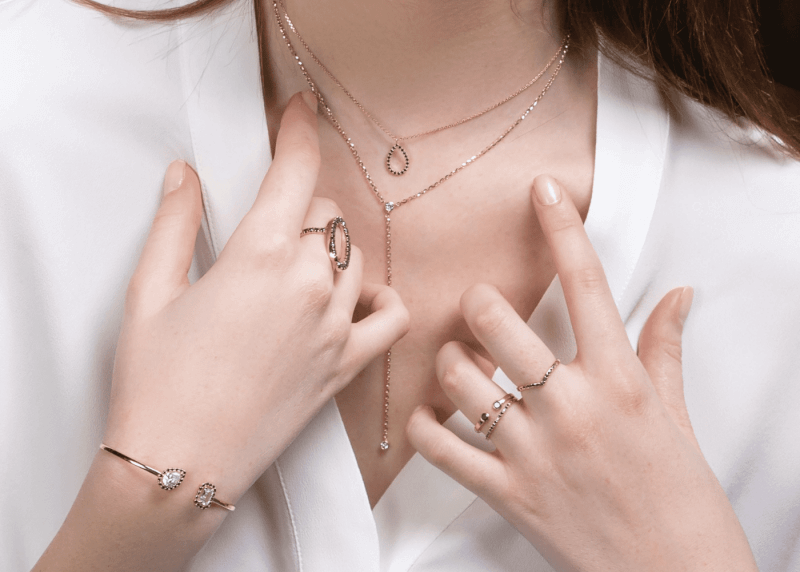
If you’re struggling with sensitive skin, you know how hard it can be to find the right jewelry that won’t cause irritation or allergies. Sensitive skin can react to metals in ways that leave you with red, itchy, or swollen skin. So, what’s the solution?
The best hypoallergenic metals for jewelry, like earrings, are the ones that are least likely to cause such reactions. These include metals like titanium, platinum, and certain types of gold and silver. Choosing jewelry made from these metals can offer peace of mind, comfort, and style.
Finding the right hypoallergenic jewelry doesn’t need to be a difficult or stressful task. This article will guide you through the best options, how to spot safe metals, and the benefits of hypoallergenic jewelry for sensitive skin.
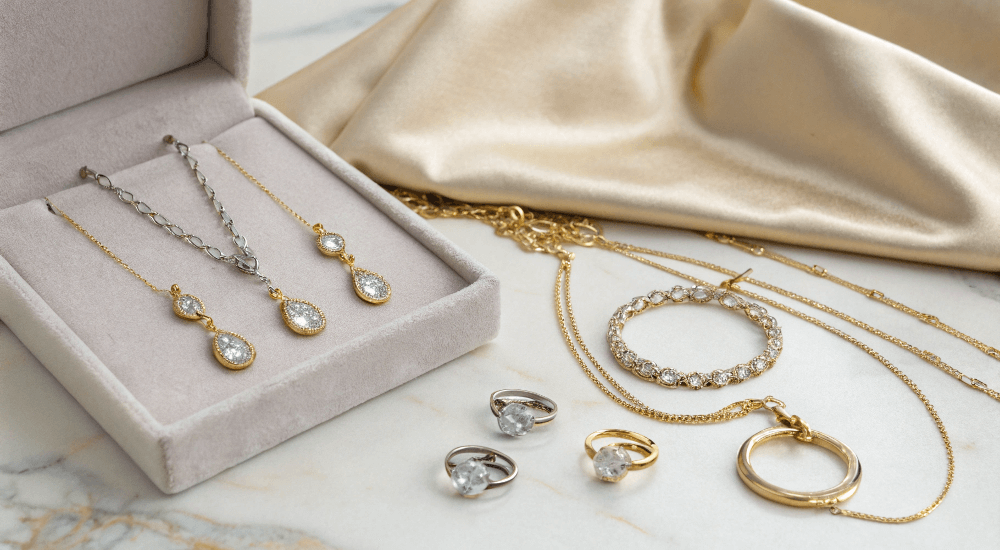
1. Why Should You Care About Hypoallergenic Jewelry?
Sensitive skin can be easily irritated by jewelry that contains metals like nickel, which are known allergens. This issue is more common than you might think. Many people who suffer from skin irritation are unaware of how certain metals cause problems.
Hypoallergenic jewelry offers a solution. It’s made from materials that are designed to minimize skin irritation, allowing you to wear jewelry comfortably. So, why should you care? Because choosing the right metals can make all the difference in your comfort and skin health.
What Makes Jewelry Hypoallergenic?
Hypoallergenic jewelry is made from metals that are less likely to cause an allergic reaction. Common hypoallergenic metals include titanium, platinum, and certain types of gold. These metals do not contain nickel, which is a major cause of skin irritation for many people.
How to Choose Jewelry for Sensitive Skin
Choosing hypoallergenic jewelry is easy if you know what to look for. You can start by checking the material used in the jewelry. Look for “nickel-free” or “hypoallergenic” labels. Another option is to choose well-known hypoallergenic metals like titanium, platinum, and sterling silver.
| Jewelry Metal | Allergy-Friendly | Commonly Found in |
|---|---|---|
| Titanium | Yes | Earrings, Rings |
| Platinum | Yes | Necklaces, Bracelets |
| Sterling Silver | Yes | Rings, Necklaces |
| Stainless Steel | Yes (specific grades) | Bracelets, Necklaces |
| 14k Gold | Sometimes | Earrings, Necklaces |
2. What Are the Most Common Hypoallergenic Metals?
Understanding which metals are considered hypoallergenic is key to making informed choices. Nickel is the most common cause of skin reactions, but it’s not the only metal to avoid. Fortunately, there are several metals that are well-tolerated by those with sensitive skin.
Some of the most common hypoallergenic metals include titanium, platinum, and certain types of gold and silver. These metals are often recommended for those who want to wear jewelry without the worry of irritation.
Why Are These Metals Safe?
Titanium, platinum, and gold alloys are free from nickel or contain it in such small amounts that they are less likely to cause irritation. These metals also tend to be non-reactive, meaning they won’t oxidize or tarnish easily.
What About Stainless Steel?
Some types of stainless steel, particularly surgical or medical-grade steel, are hypoallergenic. These materials are treated to prevent reactions and offer a strong, durable option for those with sensitive skin.
| Metal Type | Nickel-Free | Common Alloys | Uses |
|---|---|---|---|
| Titanium | Yes | Pure titanium | Earrings, Watches |
| Platinum | Yes | Pure platinum | Rings, Bracelets |
| Surgical Steel | Yes | 316L stainless steel | Earrings, Necklaces |
| 14k/18k Gold | Sometimes | Gold alloy (no nickel) | Rings, Necklaces |
3. Which Earrings Are Best for Sensitive Skin?
When it comes to earrings, choosing the right metal is even more important. Earrings often come into direct contact with sensitive areas of the skin, making irritation more likely.
To avoid discomfort, you should focus on hypoallergenic metals like titanium, platinum, and certain gold alloys. These are the best options for ensuring that your earrings don’t cause any skin irritation or allergic reactions.
Why Titanium Earrings Are Perfect for Sensitive Ears
Titanium is one of the safest metals for earrings. It’s lightweight, durable, and completely hypoallergenic. Many people find that titanium earrings are comfortable to wear all day without irritation.
What About Platinum and Sterling Silver?
Platinum earrings are another great choice. Platinum is naturally hypoallergenic and highly resistant to tarnish. Sterling silver is also an option, but it’s important to check for any alloys that may contain nickel.
| Earring Material | Hypoallergenic | Benefits | Best for |
|---|---|---|---|
| Titanium | Yes | Lightweight, Durable | Everyday wear |
| Platinum | Yes | Tarnish-resistant | Special occasions |
| Sterling Silver | Yes (when alloyed correctly) | Timeless design | Casual or formal |
| Surgical Steel | Yes | Strong, Hypoallergenic | All-day wear |
4. How Does Nickel Affect Sensitive Skin?
Nickel is a common metal that is often used in jewelry, but it is also a major cause of allergic reactions. For many people, even small amounts of nickel can trigger irritation, resulting in itching, redness, or swelling.
Why Nickel Causes Skin Reactions
Nickel reacts with sweat, oils, and acids from your skin. This creates a reaction that irritates sensitive skin. Over time, repeated exposure can cause even more severe reactions, including rashes or blisters.
Alternatives to Nickel in Jewelry
If you’re allergic to nickel, it’s important to avoid jewelry made with this metal. Fortunately, there are many hypoallergenic options available. Metals like titanium, platinum, and certain types of gold alloys are free from nickel and safer for sensitive skin.
| Jewelry Metal | Nickel-Free | Common Uses | Allergy Risk |
|---|---|---|---|
| Titanium | Yes | Earrings, Necklaces | Low |
| Platinum | Yes | Rings, Bracelets | Very Low |
| Surgical Steel | Yes | Earrings, Rings | Low (316L steel) |
| 14k Gold | Sometimes | Earrings, Necklaces | Low to Moderate |
5. Are Gold Earrings Safe for Sensitive Skin?
Gold is a popular metal for earrings, but not all gold is created equal. Different types of gold alloys contain varying amounts of other metals, such as nickel, which may cause skin irritation.
Different Types of Gold and Their Impact on Skin
14k and 18k gold are common choices for earrings, but they are often alloyed with nickel, which may trigger allergic reactions. If you have sensitive skin, it’s important to look for gold earrings that are nickel-free or contain minimal amounts of nickel.
How to Choose the Right Gold Earrings for Sensitive Skin
Look for earrings that are labeled as “nickel-free” or “hypoallergenic.” Gold that is alloyed with metals like platinum or palladium is a better choice for those with sensitive skin.
| Gold Type | Nickel-Free | Ideal For Sensitive Skin | Common Alloys Used |
|---|---|---|---|
| 24k Gold | Yes | Ideal | Pure gold |
| 18k Gold | Sometimes | Low risk if alloyed with palladium | Nickel, Palladium |
| 14k Gold | Sometimes | Low to moderate risk | Nickel, Copper |
| White Gold | Sometimes | Low risk with rhodium plating | Nickel, Palladium |
6. Are Silver Earrings Safe for Sensitive Skin?
Silver is a widely used material for earrings, but just like gold, not all silver is safe for sensitive skin. Pure silver is soft and often mixed with other metals to improve its durability.
Sterling Silver and Its Benefits
Sterling silver is often the best choice for those with sensitive skin, but it is important to ensure that the alloy used does not contain nickel. Sterling silver, which is made of 92.5% silver, is often combined with copper, making it less likely to cause irritation.
Other Types of Silver Alloys
Some silver alloys, like argentium silver, are also hypoallergenic. Argentium silver contains a small amount of germanium, making it more resistant to tarnishing and safe for sensitive skin.
| Silver Type | Nickel-Free | Ideal For Sensitive Skin | Common Alloys Used |
|---|---|---|---|
| Sterling Silver | Yes | Ideal | Copper, Zinc |
| Argentium Silver | Yes | Very Ideal | Germanium, Silver |
| Fine Silver | Yes | Ideal | Pure silver |
| White Silver | Sometimes | Low risk with rhodium plating | Nickel, Palladium |
7. What Is Titanium Jewelry, and Is It Hypoallergenic?
Titanium is one of the best choices for hypoallergenic jewelry. It’s a naturally lightweight, durable metal that is resistant to corrosion, making it perfect for sensitive skin.
Benefits of Titanium Jewelry
Titanium jewelry is hypoallergenic, which means it is unlikely to cause allergic reactions. It is also non-reactive, which makes it ideal for people who experience skin irritation from other metals.
Where to Use Titanium Jewelry
Titanium is perfect for earrings, rings, necklaces, and bracelets. Because titanium is strong and corrosion-resistant, it’s ideal for people who want long-lasting jewelry that doesn’t irritate their skin.
| Jewelry Type | Hypoallergenic | Ideal For Sensitive Skin | Common Uses |
|---|---|---|---|
| Titanium Earrings | Yes | Very Ideal | Daily wear |
| Titanium Rings | Yes | Very Ideal | Engagement, Wedding |
| Titanium Necklaces | Yes | Very Ideal | Casual and formal wear |
| Titanium Bracelets | Yes | Very Ideal | Casual, Sports |
8. What Are the Benefits of Platinum Jewelry for Sensitive Skin?
Platinum is a premium metal that is widely recognized for its hypoallergenic properties. It’s one of the safest metals for those with sensitive skin due to its natural purity and resistance to oxidation.
Why Platinum is Safe for Sensitive Skin
Platinum is a dense, durable metal that is often used in high-quality jewelry. It is hypoallergenic, meaning it rarely causes skin irritation. Unlike gold and silver, platinum is typically used in its pure form, which reduces the likelihood of allergic reactions. Platinum is also naturally tarnish-resistant, making it ideal for long-term wear.
Popular Platinum Jewelry Items
Platinum is commonly used for rings, especially engagement rings, due to its strength and lustrous finish. It’s also frequently used in necklaces, bracelets, and earrings, ensuring durability and style.
| Jewelry Type | Hypoallergenic | Ideal For Sensitive Skin | Benefits |
|---|---|---|---|
| Platinum Rings | Yes | Ideal | Durable, Tarnish-resistant |
| Platinum Earrings | Yes | Ideal | Long-lasting, Hypoallergenic |
| Platinum Necklaces | Yes | Ideal | Strong, Elegant |
| Platinum Bracelets | Yes | Ideal | Scratch-resistant, Timeless |
9. Can Stainless Steel Jewelry Be Safe for Sensitive Skin?
Stainless steel is a widely used material in jewelry, but not all stainless steel is created equal. While some types of stainless steel can cause irritation, certain grades are hypoallergenic and safe for sensitive skin.
What Makes Surgical Steel Safe for Sensitive Skin?
Surgical steel, also known as medical-grade stainless steel, is highly resistant to corrosion and tarnishing. It is often used in medical implants, which makes it a safe choice for jewelry. Surgical steel is typically composed of 316L steel, which contains less nickel and is generally considered hypoallergenic.
Where Is Stainless Steel Jewelry Commonly Used?
Stainless steel jewelry is popular in watches, bracelets, rings, and necklaces. It’s a great option for people with sensitive skin who want durable, long-lasting jewelry.
| Stainless Steel Type | Hypoallergenic | Ideal For Sensitive Skin | Common Jewelry Types |
|---|---|---|---|
| 316L Surgical Steel | Yes | Very Ideal | Rings, Earrings, Bracelets |
| 304 Stainless Steel | Sometimes | Low risk | Watches, Necklaces |
| Medical-Grade Steel | Yes | Very Ideal | Implants, Surgical jewelry |
| Carbon Steel | No | Not Recommended | Industrial use only |
10. What About Surgical Steel Jewelry?
Surgical steel is a higher grade of stainless steel used primarily in medical applications but is also becoming a popular choice for jewelry. It is an alloy that is highly resistant to corrosion, and it is known for its hypoallergenic properties.
Why Surgical Steel Is Safe for Sensitive Skin
Surgical steel is safe for sensitive skin because it is made from a special formulation that reduces the presence of allergens like nickel. It is commonly used in piercings and other body jewelry. Surgical steel is durable and resistant to tarnish, making it an ideal choice for daily wear.
Where to Find Surgical Steel Jewelry
Surgical steel jewelry is often used for piercings, watches, earrings, and bracelets. It’s a great option for people who want sturdy, hypoallergenic jewelry that won’t cause irritation.
| Surgical Steel Type | Hypoallergenic | Ideal For Sensitive Skin | Common Jewelry Uses |
|---|---|---|---|
| 316L Surgical Steel | Yes | Very Ideal | Earrings, Necklaces, Piercings |
| 304 Surgical Steel | Sometimes | Low to moderate risk | Rings, Bracelets |
| Medical-Grade Steel | Yes | Very Ideal | Body Jewelry, Implants |
11. Can Hypoallergenic Jewelry Still Look Stylish?
One of the common misconceptions about hypoallergenic jewelry is that it might not be as stylish as jewelry made from other metals. In reality, hypoallergenic jewelry can be just as fashionable and beautiful as any other type of jewelry.
Combining Style and Comfort
Hypoallergenic jewelry comes in a wide variety of designs, from classic to modern. Many designers are now focusing on creating jewelry that is both stylish and safe for people with sensitive skin. Whether it’s elegant earrings, bold bracelets, or intricate rings, there are options for every taste.
Popular Hypoallergenic Jewelry Designs
Some popular designs include simple titanium studs, platinum rings with diamonds, and surgical steel bracelets with unique engravings. These designs not only look great but also ensure that people with sensitive skin can wear them without discomfort.
| Jewelry Type | Stylish Options Available | Ideal For Sensitive Skin | Recommended Designs |
|---|---|---|---|
| Titanium Jewelry | Yes | Very Ideal | Studs, Rings, Bracelets |
| Platinum Jewelry | Yes | Ideal | Engagement Rings, Necklaces |
| Surgical Steel Jewelry | Yes | Very Ideal | Bracelets, Earrings, Rings |
| 14k Gold Jewelry | Sometimes | Low to Moderate Risk | Necklaces, Earrings |
12. How Can You Tell If Jewelry Is Hypoallergenic?
When shopping for jewelry, it can be difficult to know which pieces are truly hypoallergenic. Some metals are not clearly labeled, and others may contain hidden allergens like nickel. Fortunately, there are several ways to tell whether jewelry is hypoallergenic.
Signs of Hypoallergenic Jewelry
Look for specific terms such as “nickel-free,” “hypoallergenic,” or “allergy-safe.” These labels indicate that the jewelry is designed to minimize the risk of irritation. Another option is to check the metal content—certain metals like titanium, platinum, and sterling silver are known to be hypoallergenic.
How to Verify If Jewelry Is Hypoallergenic
When in doubt, ask the retailer for more information. They should be able to tell you exactly what the jewelry is made from, and whether it contains nickel or other allergens.
| Jewelry Metal | Common Label Terms | Is It Hypoallergenic? | Where to Look for Labels |
|---|---|---|---|
| Titanium | Nickel-free, Hypoallergenic | Yes | On the jewelry or packaging |
| Platinum | Nickel-free | Yes | Manufacturer’s website, Tags |
| Sterling Silver | Hypoallergenic, Nickel-free | Yes (if alloyed correctly) | Tags, Online Retailers |
| Stainless Steel | Surgical Steel, Nickel-free | Yes (316L steel) | Jewelry tags, Product Descriptions |
| 14k Gold | Nickel-free, Hypoallergenic | Sometimes | Manufacturer or Retailer |
13. How to Care for Hypoallergenic Jewelry
To ensure that your hypoallergenic jewelry lasts and continues to be safe for your skin, proper care and maintenance are essential. While hypoallergenic metals are resistant to tarnish and corrosion, they still require attention.
Basic Care Tips for Hypoallergenic Jewelry
To avoid damaging your jewelry or causing irritation, clean your jewelry regularly using a soft cloth and gentle cleaner. Store it in a dry, cool place, away from harsh chemicals or lotions. When not in use, keep your jewelry in a pouch or box to prevent scratches.
Cleaning Different Types of Jewelry
Each type of hypoallergenic metal may require a different cleaning method. For example, titanium and platinum can be cleaned with mild soap and water, while silver may need special silver cleaners to maintain its shine.
| Jewelry Type | Cleaning Method | Maintenance Tips | Recommended Cleaning Frequency |
|---|---|---|---|
| Titanium | Mild soap and water | Dry thoroughly | As needed, or once a month |
| Platinum | Mild soap and water | Buff with a soft cloth | Every 3-6 months |
| Sterling Silver | Silver cleaner or polish | Keep dry, avoid chemicals | Once a month |
| Surgical Steel | Soap and water | Store away from moisture | Every 2-3 months |
| 14k Gold | Mild soap and water | Dry after use | Once a month |
14. Is Hypoallergenic Jewelry More Expensive?
While hypoallergenic jewelry is generally made from high-quality materials, it doesn’t necessarily have to be more expensive. However, certain metals like platinum and gold may increase the cost of jewelry due to their rarity and durability.
Factors Affecting the Price of Hypoallergenic Jewelry
The price of hypoallergenic jewelry can vary depending on the metal used, the design, and the brand. Platinum and gold will generally be more expensive than titanium or surgical steel, but all hypoallergenic metals offer a range of price points suitable for different budgets.
Is It Worth the Investment?
Investing in hypoallergenic jewelry is often worth the cost, especially for those with sensitive skin. By choosing hypoallergenic options, you can avoid irritation, discomfort, and frequent replacements due to allergic reactions.
| Metal Type | Cost Range | Affordable Options | Higher-End Options |
|---|---|---|---|
| Titanium | Low to Moderate | Simple designs | Designer titanium jewelry |
| Platinum | High | Small pieces | Engagement rings, custom designs |
| Sterling Silver | Low to Moderate | Budget-friendly brands | Luxury silver jewelry |
| Surgical Steel | Low | Wide range of designs | High-end brands |
| 14k Gold | Moderate to High | Gold-plated options | Solid gold, Designer jewelry |
15. What Are Some Trusted Brands for Hypoallergenic Jewelry?
When shopping for hypoallergenic jewelry, it’s important to choose reputable brands known for their commitment to quality and safety. Trustworthy brands prioritize using high-quality metals and ensure that their jewelry is genuinely hypoallergenic.
Popular Hypoallergenic Jewelry Brands
Some well-known brands that specialize in hypoallergenic jewelry include Tiffany & Co., James Avery, and Blue Nile. These brands are renowned for their attention to detail and use of pure, hypoallergenic metals in their designs.
How to Identify Trusted Brands
Look for brands that provide clear information about the materials used in their jewelry. Customer reviews, certifications, and guarantees can also help you verify the quality and authenticity of the jewelry.
| Brand Name | Known For | Popular Jewelry Items | Hypoallergenic Metals Used |
|---|---|---|---|
| Tiffany & Co. | Luxury, Quality | Engagement rings, Necklaces | Platinum, 18k Gold |
| James Avery | Artisan Jewelry | Rings, Bracelets | Sterling Silver, Titanium |
| Blue Nile | Fine Jewelry | Wedding rings, Earrings | Platinum, 14k Gold |
| Helzberg Diamonds | Custom Designs | Engagement rings, Necklaces | 14k Gold, Platinum |
| Pandora | Stylish & Affordable | Charm bracelets, Rings | Sterling Silver, Rose Gold |
Conclusion
Choosing hypoallergenic jewelry is essential for those with sensitive skin. By selecting metals like titanium, platinum, and certain gold alloys, you can enjoy wearing earrings, rings, and necklaces without worrying about allergic reactions. Opting for hypoallergenic jewelry is a small change that can make a big difference in comfort and skin health.
FAQ
- Q1: What is hypoallergenic jewelry?
Hypoallergenic jewelry is made from materials that are less likely to cause allergic reactions, typically containing metals like titanium, platinum, and sterling silver that do not irritate sensitive skin. - Q2: How does hypoallergenic jewelry work?
Hypoallergenic jewelry works by using metals that do not contain nickel or other irritants. These materials are non-reactive and are designed to reduce the risk of skin irritation or allergies. - Q3: Are all gold earrings hypoallergenic?
Not all gold earrings are hypoallergenic. Gold alloys, such as 14k or 18k gold, can contain small amounts of nickel, which can cause irritation. However, gold that is labeled as “nickel-free” is generally safe for sensitive ears. - Q4: What are the best metals for earrings for sensitive skin?
Titanium, platinum, and certain types of sterling silver are considered the best metals for sensitive skin. These metals are hypoallergenic and provide comfort without irritation. - Q5: How can I tell if jewelry is hypoallergenic?
Look for markings such as “nickel-free” or “hypoallergenic” on the jewelry. Additionally, choose metals known to be hypoallergenic, like titanium or platinum, to ensure safe wear.