When choosing the right stud for your projects, understanding the key differences between internally threaded and externally threaded studs can make all the difference. These two types of studs are often used for various applications, but knowing which one to use can sometimes be confusing.
Internally threaded studs have internal threads, while externally threaded studs have external threads. The primary distinction is how they fit and function in fastening systems.
Choosing the right stud involves more than just knowing the definition of each. Let’s explore how these two types of studs work and why selecting the correct one is crucial for the success of your project.
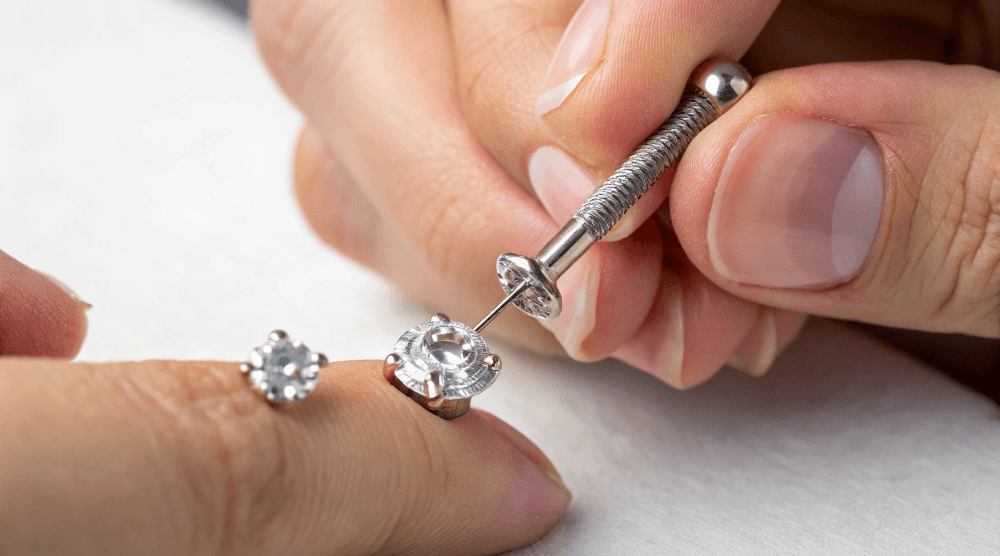
1. What are internally threaded studs?
Internally threaded studs are a common type of fastener used in various industries. They have threads on the inside of the stud, making them useful for fitting into a corresponding male component. These studs are ideal for applications where a tight, secure connection is required.
Internally threaded studs are threaded inside, allowing other components to be screwed into them. These are often used when you need a female thread connection inside a component.
How do internally threaded studs work?
Internally threaded studs work by providing a space for a male-threaded component to screw into. This setup ensures a strong, secure connection between parts. Internally threaded studs are frequently used in tight spaces where the external surface is not available for threading.
| Property | Internally Threaded Stud | Externally Threaded Stud |
|---|---|---|
| Thread Placement | Inside the stud | Outside the stud |
| Functionality | Female thread connection | Male thread connection |
| Common Use | Tight spaces or internal connections | External fastening in structures |
Common uses for internally threaded studs
These studs are commonly used in applications where space constraints or aesthetic requirements prevent external threading. Industries like automotive, electronics, and even medical equipment often use internally threaded studs for specialized tasks.
2. What are externally threaded studs?
Externally threaded studs feature threads on the outside, allowing them to be inserted into corresponding female-threaded components. These are some of the most commonly used fasteners in the industry, particularly when strong connections are needed in structural settings.
Externally threaded studs are threaded on the outside, making them compatible with female-threaded components for easy assembly.
How do externally threaded studs work?
Externally threaded studs work by allowing other parts with female threads to connect to them. These types of studs are designed for maximum strength and are often used in high-stress applications. The external threads grip tightly, ensuring secure connections in a variety of settings.
| Property | Externally Threaded Stud | Internally Threaded Stud |
|---|---|---|
| Thread Placement | Outside the stud | Inside the stud |
| Functionality | Male thread connection | Female thread connection |
| Common Use | Structural and high-stress applications | Space-saving and internal connections |
Common uses for externally threaded studs
Externally threaded studs are found in numerous industries, from construction and manufacturing to electronics and aerospace. Their robust design ensures secure and reliable fastening in high-load applications where strength is a priority.
3. What is the difference between an internally and externally threaded stud?
At first glance, internally threaded studs and externally threaded studs may seem similar, but their functions and uses differ significantly. The key difference lies in the threading direction, with internally threaded studs offering a female thread connection, while externally threaded studs provide a male thread connection.
The main difference between the two lies in how the threads are arranged and their corresponding components. Internally threaded studs have a female thread, while externally threaded studs have a male thread.
Thread Direction and Impact on Functionality
Thread direction plays a crucial role in determining how each stud is used in fastening systems. Internally threaded studs are typically used when you need a secure female-thread connection inside a component, while externally threaded studs are ideal for connecting to components with internal female threads.
| Key Factor | Internally Threaded Stud | Externally Threaded Stud |
|---|---|---|
| Thread Type | Female thread | Male thread |
| Application | Internal components | External components |
| Primary Use | Secure internal connection | External fastening |
Size and Compatibility
The size of the threads and their compatibility with other fasteners also plays a role in selecting the right stud for the job. Typically, the threads of externally threaded studs may have a larger diameter compared to internally threaded studs, depending on the load requirements.
4. How do internally threaded studs work?
Internally threaded studs provide a secure anchor by allowing other parts to screw into them. The threads inside the stud ensure a solid connection that is often needed for specialized tasks. These studs are essential when space is limited, or the connection needs to be made from the inside.
Internally threaded studs work by offering a place for a male-threaded component to connect. This configuration is commonly used in tight or confined spaces.
Key Advantages of Internally Threaded Studs
Internally threaded studs have several benefits, including their ability to secure components in spaces where external threading isn’t possible. They are highly reliable in environments that demand precision and efficiency.
| Advantages | Internally Threaded Stud | Externally Threaded Stud |
|---|---|---|
| Space Efficiency | Fits in confined spaces | Larger space requirement |
| Precision | Ideal for precise fitting | Strong external connection |
| Application | Internal use | External fastening |
5. How do externally threaded studs work?
Externally threaded studs work by providing male threads that can be screwed into a female component. This makes them ideal for external fastening systems where a firm grip is essential for maintaining a strong connection.
Externally threaded studs are threaded on the outside, allowing them to securely fit into female-threaded parts for reliable connections.
Key Advantages of Externally Threaded Studs
Externally threaded studs offer several advantages, particularly in structural and high-load applications. The ability to connect with female-threaded parts ensures a tight, secure hold under varying conditions.
| Advantages | Externally Threaded Stud | Internally Threaded Stud |
|---|---|---|
| Stronger Grip | Ideal for heavy-duty use | Better for internal use |
| Compatibility | Works with most external threads | Ideal for confined spaces |
| Reliability | High durability | Suitable for specific tasks |
6. What are the materials used for making threaded studs?
The materials used to manufacture threaded studs are crucial to their performance. Internally threaded and externally threaded studs are often made from various materials, depending on the specific needs of the application.
Threaded studs are often made from steel, stainless steel, or brass. The material choice is influenced by the intended use, required durability, and environmental factors.
| Material | Internally Threaded Stud | Externally Threaded Stud |
|---|---|---|
| Steel | Common for general use | Common for high-strength applications |
| Stainless Steel | Resistant to corrosion | Suitable for harsh environments |
| Brass | Used for non-corrosive environments | Ideal for electrical connections |
7. How are internally threaded and externally threaded studs manufactured?
The manufacturing process of internally threaded and externally threaded studs varies based on their design and intended use. Internally threaded studs require precision machining to create the internal threads, while externally threaded studs are typically formed through a process called threading.
Internally threaded studs require precise machining techniques to ensure accurate internal threading, while externally threaded studs are manufactured using threading machines.
| Manufacturing Process | Internally Threaded Stud | Externally Threaded Stud |
|---|---|---|
| Method | Machining or tapping | Thread rolling or cutting |
| Equipment | CNC machines | Threading machines |
| Tolerance | High precision required | Varies based on application |
8. What are the main industries that use threaded studs?
Threaded studs are crucial components in various industries due to their ability to provide strong, secure connections. The industries that commonly use threaded studs include automotive, aerospace, construction, electronics, and medical devices. Each of these industries relies on threaded studs for different reasons, from strength requirements to precision in fastening systems.
Threaded studs are widely used in industries like automotive, aerospace, and electronics, where secure, durable connections are essential for safety and performance.
Automotive Industry
In the automotive industry, threaded studs are used for attaching parts like engines, wheels, and body components. Their ability to withstand high stress and pressure makes them essential for safety-critical applications.
Aerospace Industry
The aerospace industry uses threaded studs in aircraft, satellites, and spacecraft. The studs must be made from lightweight yet strong materials to withstand high stress while maintaining a low weight.
Construction Industry
Threaded studs are also widely used in the construction industry for bolting structural steel and creating secure connections for bridges, buildings, and other large structures.
| Industry | Application | Key Requirements |
|---|---|---|
| Automotive | Engine assembly, wheel fasteners | High strength, reliability |
| Aerospace | Aircraft components, satellites | Lightweight, strong |
| Construction | Structural steel, buildings | Durability, safety |
| Electronics | Circuit boards, casings | Precision, non-corrosive materials |
| Medical Devices | Equipment assemblies | Precision, reliability |
9. What are the main benefits of internally threaded studs?
Internally threaded studs offer several advantages, particularly in applications where space constraints or aesthetic considerations play a significant role. These studs are ideal for internal connections, providing a secure anchor for male-threaded components.
Internally threaded studs are useful in tight spaces and offer superior precision and a neat appearance, making them ideal for internal applications.
Precision and Space Efficiency
One of the key benefits of using internally threaded studs is their ability to fit into tight spaces, offering greater design flexibility. They are perfect for applications where external threading is impractical.
Durability
Internally threaded studs tend to have better durability since they are housed inside components, offering protection from environmental factors like corrosion or mechanical wear.
| Advantage | Internally Threaded Stud | Externally Threaded Stud |
|---|---|---|
| Space Efficiency | Fits in confined spaces | Larger size requirement |
| Durability | Protected from wear | Exposed to wear and tear |
| Precision | Highly accurate threading | Depends on external component |
| Appearance | Neat and compact | External appearance needed |
10. What are the main benefits of externally threaded studs?
Externally threaded studs are ideal for external connections, especially when heavy-duty fastening is required. These studs offer a strong hold, making them perfect for high-stress applications where security is paramount.
Externally threaded studs provide robust connections, especially when external components need to be securely fastened.
High Strength
Externally threaded studs provide high strength, making them ideal for applications that require tight, secure connections under heavy loads. They are often used in machinery, construction, and automotive applications where performance is critical.
Flexibility
Externally threaded studs are also highly versatile, as they can be used in various configurations with different female-threaded components, offering flexibility in design and assembly.
| Advantage | Externally Threaded Stud | Internally Threaded Stud |
|---|---|---|
| Strength | High strength under load | Suitable for light applications |
| Versatility | Compatible with various components | Limited to internal use |
| Durability | High exposure to wear | Protected from external wear |
| Reliability | Secure fastening | More stable in tight spaces |
11. What is the impact of stud threading on fastening systems?
The threading on a stud plays a significant role in determining how it will perform within a fastening system. Whether internally or externally threaded, the threads need to mesh perfectly with the corresponding components to ensure a secure and reliable connection.
The threading affects the overall strength and stability of the fastening system. Misaligned threads can weaken connections, potentially causing failure in high-load applications.
Thread Compatibility
Thread compatibility is crucial for ensuring a secure fit. Mismatched threads can lead to stripped connections, which can compromise the integrity of the structure.
Load Distribution
The correct type of threading helps distribute the load evenly across the connection, preventing excessive pressure on any single part of the system.
| Key Factor | Internally Threaded Stud | Externally Threaded Stud |
|---|---|---|
| Thread Compatibility | Requires precise matching | Must align with female components |
| Load Distribution | Evenly distributes force | Handles larger external loads |
| Connection Strength | Secure in internal parts | Strong for external applications |
12. How do you install internally threaded and externally threaded studs?
Installing threaded studs requires specific steps depending on whether the stud is internally or externally threaded. Ensuring the correct installation will guarantee that the connection remains strong and reliable.
Installing threaded studs involves using proper tools and following step-by-step procedures to ensure secure, stable connections.
Tools and Equipment for Installation
Internally threaded studs require taps and dies to create the corresponding female threads, while externally threaded studs are usually installed using bolts or nuts that fit onto the male threads.
Installation Process
The installation process for both types involves careful handling to prevent damage to the threads. It is important to use the appropriate torque to avoid over-tightening or under-tightening the studs.
| Step | Internally Threaded Stud | Externally Threaded Stud |
|---|---|---|
| Tools Required | Tap, die, torque wrench | Bolt, nut, torque wrench |
| Installation Method | Insert and secure internally | Screw and tighten externally |
| Installation Precision | Requires careful threading | Requires precise fitting |
13. How do you maintain and clean threaded studs?
Maintenance and cleaning are essential to prolonging the life of threaded studs. Regular cleaning ensures that dirt, debris, or corrosion do not affect the stud’s threading, ensuring its longevity.
Proper maintenance of threaded studs involves periodic cleaning and inspection to keep them functioning properly.
Cleaning Methods
The cleaning process depends on the material of the stud. Stainless steel studs require different care than brass or steel studs. Common cleaning methods include using solvents or wire brushes to remove contaminants.
Regular Inspection
Regular inspections should be conducted to check for signs of wear or damage. Damaged threads can lead to instability in connections, which can affect overall system performance.
| Cleaning Method | Internally Threaded Stud | Externally Threaded Stud |
|---|---|---|
| Cleaning Tools | Solvents, wire brushes | Solvents, wire brushes |
| Inspection Frequency | Regular, every few months | Regular, every few months |
| Material Consideration | Stainless steel, brass | Steel, brass, stainless steel |
14. What are common mistakes when using threaded studs?
Using threaded studs improperly can result in poor performance or failure. Common mistakes include using the wrong type of stud, damaging the threads during installation, or choosing the incorrect size.
Common mistakes can be avoided by understanding the specific requirements of each application and following best practices during installation and maintenance.
Thread Size and Compatibility Issues
One of the most frequent mistakes is choosing a stud with the wrong thread size. This can result in stripped threads or an unstable connection.
Incorrect Installation
Improper installation, such as over-tightening or under-tightening, can cause threads to wear out prematurely, compromising the stud’s functionality.
| Mistake | Internally Threaded Stud | Externally Threaded Stud |
|---|---|---|
| Thread Size | Mismatched threads | Incorrect male thread size |
| Installation Errors | Over-tightening/under-tightening | Damaging external threads |
| Damage Prevention | Use torque wrench carefully | Handle with care to avoid stripping |
15. How do you choose between an internally and externally threaded stud?
Choosing between an internally and externally threaded stud depends on your project’s specific requirements, including space constraints, strength needs, and material compatibility.
The decision between the two types of studs should be based on the specific fastening requirements of your application. Consider factors like load capacity, environmental conditions, and design constraints.
Factors to Consider
When making your decision, consider the following:
- The type of connection required (internal or external)
- The load-bearing capacity
- The available space for installation
- Environmental factors (corrosion resistance, material compatibility)
| Decision Factor | Internally Threaded Stud | Externally Threaded Stud |
|---|---|---|
| Type of Connection | Internal | External |
| Load-bearing Capacity | Light to medium load | Medium to heavy load |
| Space Availability | Suitable for tight spaces | Requires more space |
| Environmental Factors | Requires corrosion-resistant materials | Suitable for high-stress environments |
Conclusion
Choosing the right stud for your application requires understanding the difference between internally threaded and externally threaded studs. By selecting the appropriate stud based on your needs, whether it’s for internal or external fastening, you can ensure secure, reliable, and efficient connections.
FAQ Section
- Q1: What is the difference between an internally and externally threaded stud?
Internally threaded studs have internal threads, while externally threaded studs have external threads. The primary difference is how they fit into fastening systems. - Q2: How does threading impact the performance of a stud?
Threading determines the stud’s connection method. Internal threading allows for female-thread connections, while external threading facilitates male-thread connections. - Q3: Can I use an internally threaded stud in place of an externally threaded one?
No, because each type of stud is designed for different applications and is not interchangeable. - Q4: What materials are threaded studs typically made from?
Threaded studs are typically made from steel, stainless steel, or brass, depending on the application and environmental conditions. - Q5: How do I know which stud to use for my project?
The type of stud depends on the application, required load, and whether the connection is internal or external. Make sure to choose accordingly.