When shopping for earrings, it’s important to consider how your ears might react to different metals. If you have sensitive ears, you’re probably wondering, “Are surgical steel earrings safe?” This question is more common than you might think, and in this article, we’ll explore why surgical steel earrings are often recommended for people with sensitive ears and whether they live up to the hype.
Surgical steel earrings are often considered a great choice for people with sensitive ears. They are hypoallergenic and highly resistant to reactions. In this article, I’ll discuss the benefits, potential drawbacks, and the key factors you should consider when choosing surgical steel earrings.
If you’ve had issues with other earring materials causing irritation, surgical steel might be the solution you’ve been looking for. Keep reading to find out how they compare to other materials.
1. What Are Surgical Steel Earrings?
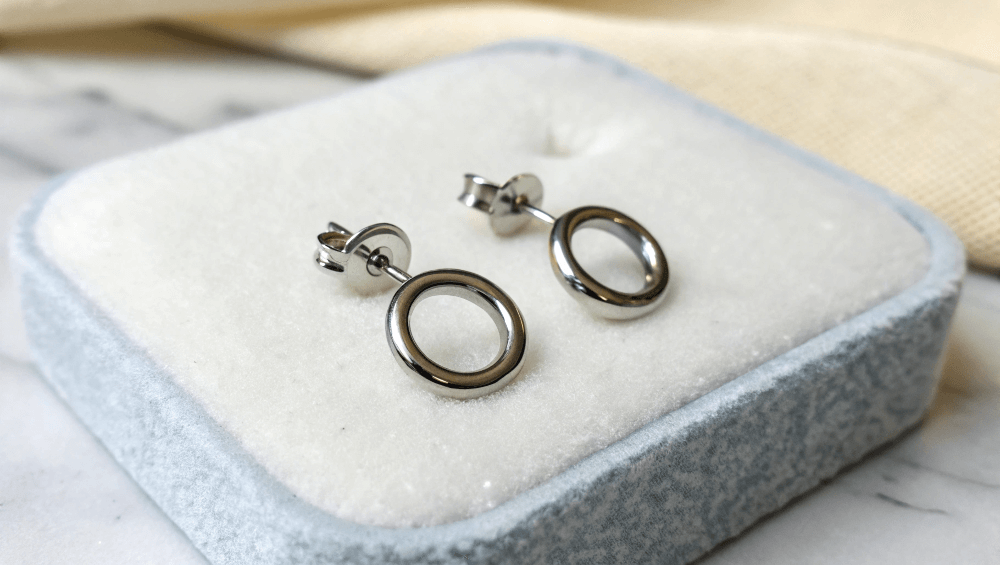
Surgical steel earrings are made from a high-quality, durable metal that is used in medical applications such as surgical implants. These earrings are crafted from stainless steel, typically of a higher grade than the stainless steel used in other products. Surgical steel is resistant to tarnish, corrosion, and rust, which makes it ideal for body jewelry and earring posts.
Why are surgical steel earrings a good choice for sensitive ears?
Surgical steel earrings are hypoallergenic, meaning they’re less likely to cause irritation or allergic reactions. This makes them an ideal choice for people with sensitive skin, especially those who are prone to reactions from earrings made of cheaper metals. By using surgical steel, you’re reducing the chances of developing an uncomfortable or painful reaction, which is a big concern for people with sensitive ears.
Types of Surgical Steel
Surgical steel is generally categorized into different grades, with the most commonly used being 316L and 316LVM. These grades have a very low nickel content, which reduces the likelihood of allergic reactions, but they still maintain the strength and durability necessary for long-lasting jewelry.
The 316L grade is ideal for earrings because it’s corrosion-resistant and doesn’t react easily with the skin.
| Grade | Nickel Content | Best Use |
|---|---|---|
| 316L | Low | Earrings, piercings |
| 316LVM | Very Low | Medical implants, body jewelry |
| 304 Stainless | Medium | Household products, cutlery |
Why Surgical Steel is Preferred
Surgical steel is non-porous, which means that it doesn’t allow bacteria or dirt to get trapped in the surface, making it easier to clean and maintain. This is especially important when wearing earrings for extended periods, as it reduces the chances of infection in body piercings. It is also a durable material, so surgical steel earrings can last longer without tarnishing or losing their finish.
2. Why Are Surgical Steel Earrings Recommended for Sensitive Ears?
If you suffer from irritated or itchy ears after wearing jewelry, you might wonder what makes surgical steel so different from other materials like nickel or sterling silver. The reason surgical steel earrings are so often recommended is due to their hypoallergenic properties.
What makes surgical steel earrings ideal for sensitive ears?
They contain minimal nickel, which is a common cause of allergic reactions to earrings. When you wear earrings made from metals that contain nickel, your body may develop an allergic response, resulting in redness, swelling, and irritation. Surgical steel contains significantly less nickel than many other jewelry metals, reducing the risk of these reactions.
Benefits of Surgical Steel for Sensitive Ears
- Hypoallergenic
Surgical steel contains less than 0.1% nickel, which makes it suitable for people who have a nickel sensitivity. - Long-lasting
Surgical steel is resistant to tarnish and corrosion, which means it won’t wear out or irritate the skin over time. - Comfortable
The material’s smooth surface helps prevent friction and irritation against the skin, providing comfort even when worn for long periods.
| Benefit | Surgical Steel | Other Metals |
|---|---|---|
| Hypoallergenic | Yes | No |
| Corrosion Resistance | High | Low |
| Comfort for Extended Wear | High | Varies |
Testing and Certifying Surgical Steel
When buying surgical steel earrings, it’s essential to ensure the material is genuine. Certifications can provide reassurance that the steel meets the required standards for hypoallergenic properties. Look for earrings that specify 316L or 316LVM grades, as these are the most common and trusted materials for sensitive skin.
3. What Makes Surgical Steel Ideal for Earrings?
Surgical steel earrings are often preferred because they offer a combination of durability, hypoallergenic properties, and aesthetic appeal. But, there’s more to why surgical steel is such an excellent choice for earrings than just being non-reactive.
Why is surgical steel the go-to choice for earrings?
Surgical steel has remarkable resistance to corrosion and tarnishing. Earrings are something you wear daily, so they’re often exposed to moisture, sweat, and even hair products. Choosing materials that withstand these elements is crucial for their longevity and to avoid allergic reactions.
Durability and Strength
Surgical steel is known for its strength. It’s an incredibly sturdy metal that won’t bend or break easily, making it an ideal material for everyday wear. Unlike softer metals like silver or gold, surgical steel can endure bumps and scratches without losing its appearance or functionality.
Easy to Clean and Maintain
Another great feature of surgical steel earrings is that they are easy to clean. The non-porous nature of surgical steel prevents dirt, oil, or bacteria from accumulating on the surface. Simply using a mild soap and water solution can help keep your earrings in top condition without needing specialized cleaning products.
| Property | Surgical Steel | Silver | Gold |
|---|---|---|---|
| Durability | High | Moderate | Moderate |
| Ease of Maintenance | High | Low | Moderate |
| Tarnish Resistance | Excellent | Low | Moderate |
4. Are There Different Grades of Surgical Steel?
When it comes to surgical steel, not all grades are created equal. There are a few different types of surgical steel used for earrings and body jewelry, and understanding these grades can help you make an informed decision when purchasing.
What are the different grades of surgical steel and why does it matter?
Surgical steel comes in various grades, with the most common being 316L and 316LVM. These grades differ mainly in their nickel content, which is a crucial factor for those with sensitive ears. The lower the nickel content, the less likely it is that an allergic reaction will occur.
Understanding 316L vs. 316LVM
- 316L: This is the most commonly used surgical steel for body jewelry, including earrings. It contains a small amount of nickel, but it’s still considered hypoallergenic because it is resistant to corrosion and doesn’t easily react with skin.
- 316LVM: This grade is often used in medical implants due to its extremely low nickel content. It’s even more hypoallergenic than the regular 316L, making it a top choice for people with very sensitive skin or metal allergies.
Why Choose These Grades for Earrings?
- 316L is known for its strength and corrosion resistance, making it perfect for earrings that need to last.
- 316LVM offers even more protection against allergic reactions, making it the best option for those with extreme sensitivity.
| Grade | Nickel Content | Best Use |
|---|---|---|
| 316L | Low | Body jewelry, earrings, piercings |
| 316LVM | Very Low | Medical implants, highly sensitive skin |
| 304 Stainless | Moderate | Household products, kitchenware |
5. Can Surgical Steel Earrings Prevent Ear Infections?
Ear infections can be a major concern, especially when you have sensitive skin or recently pierced ears. Thankfully, surgical steel can help reduce the risk of infection due to its non-porous surface and corrosion-resistant properties.
How do surgical steel earrings help prevent ear infections?
Unlike other metals, surgical steel doesn’t corrode easily, so it doesn’t trap dirt or bacteria on its surface. This feature makes it easier to keep the earring clean and reduces the chances of infection, especially for those who wear earrings for extended periods.
Surgical Steel vs. Other Metals
When comparing surgical steel to other metals like silver, gold, or cheap alloys, surgical steel shines in terms of infection prevention. Gold and silver can react with the skin, creating tiny openings where bacteria can enter, leading to infections. Surgical steel’s smooth surface prevents this from happening.
| Metal | Infection Resistance | Corrosion Resistance | Best For |
|---|---|---|---|
| Surgical Steel | High | High | Sensitive ears, piercings |
| Silver | Moderate | Low | Occasional wear |
| Gold | Moderate | Moderate | Fashion jewelry |
Proper Aftercare to Prevent Infections
It’s important to properly clean and maintain your surgical steel earrings to avoid infections. Regularly clean them with mild soap and warm water, and ensure your ears are dry before inserting the earrings.
6. How to Care for Surgical Steel Earrings?
Taking care of your surgical steel earrings will ensure they last longer and continue to look great. While surgical steel is durable, it’s still important to clean it regularly and follow the proper care guidelines to avoid tarnishing or build-up.
What’s the best way to care for surgical steel earrings?
- Cleaning: Use a mild soap and water solution to clean your earrings. Avoid harsh chemicals or cleaners that can damage the finish.
- Drying: After cleaning, make sure to dry your earrings thoroughly with a soft cloth to prevent water spots or rust.
- Storage: Store your earrings in a dry, cool place away from moisture to avoid tarnishing.
Cleaning Surgical Steel Earrings
To clean your surgical steel earrings, you don’t need anything special. Simply wash them with warm water and a small amount of mild dish soap. Use a soft toothbrush to scrub away any dirt or debris that may have built up on the surface.
| Step | Action | Purpose |
|---|---|---|
| Step 1 | Wash with mild soap and water | Remove dirt and oils |
| Step 2 | Use a soft brush for cleaning | Clean hard-to-reach areas |
| Step 3 | Dry with a soft cloth | Prevent rust or water spots |
7. Can You Wear Surgical Steel Earrings in the Shower or Pool?
If you like wearing earrings all the time, you may be wondering if it’s safe to wear surgical steel earrings in the shower or while swimming.
Is it safe to wear surgical steel earrings in water?
Yes, surgical steel is water-resistant, meaning it won’t rust or tarnish when exposed to moisture. However, it’s still a good idea to avoid exposing your earrings to saltwater or chlorine, as these can cause damage to the finish over time.
Best Practices for Wearing Earrings in Water
- Avoid saltwater and chlorine: While surgical steel is resistant to corrosion, saltwater and chlorine can still damage the jewelry.
- Rinse with fresh water: If you accidentally wear your earrings in the pool, make sure to rinse them with fresh water afterward to remove any residual chemicals.
| Environment | Effect on Surgical Steel Earrings |
|---|---|
| Freshwater | Safe |
| Saltwater | Can cause wear over time |
| Chlorine | Can damage finish |
8. Are Surgical Steel Earrings Safe for Long-Term Wear?
Surgical steel is known for its durability, making it an excellent option for those who wear earrings every day. But does long-term wear affect the material or your ears?
Are surgical steel earrings safe for extended use?
Yes, surgical steel earrings are safe for long-term wear. Unlike other materials that may tarnish, corrode, or cause irritation over time, surgical steel holds up well with regular use. It’s designed for durability and comfort, making it an ideal choice for those who wear their earrings all day, every day.
How Long Can You Wear Surgical Steel Earrings?
You can comfortably wear surgical steel earrings for as long as you like. As long as you follow proper care and cleaning routines, there’s no need to worry about the earrings affecting your ears.
| Metal | Long-Term Wearability |
|---|---|
| Surgical Steel | Excellent |
| Silver | Moderate |
| Gold | Good |
9. How Do Surgical Steel Earrings Compare to Titanium Earrings?
Both surgical steel and titanium are popular choices for body jewelry, but how do they stack up against each other in terms of safety and durability?
Which is better for sensitive ears—surgical steel or titanium?
Titanium is another great choice for sensitive ears, as it’s also hypoallergenic. However, surgical steel is often more affordable and just as durable. Titanium may be slightly more lightweight, but surgical steel offers excellent corrosion resistance and is more common in body jewelry.
Comparing the Properties
Titanium is highly resistant to corrosion and lightweight, but it is often more expensive than surgical steel. Both materials are durable, but surgical steel tends to be the more cost-effective option for earrings.
| Property | Surgical Steel | Titanium |
|---|---|---|
| Hypoallergenic | Yes | Yes |
| Durability | High | High |
| Cost | Affordable | Expensive |
10. What Should You Know Before Buying Surgical Steel Earrings?
Before purchasing surgical steel earrings, there are a few things you should consider to ensure you’re getting a quality product.
What should you consider when buying surgical steel earrings?
- Material Grade: Make sure the earrings are made from genuine 316L or 316LVM surgical steel.
- Quality of Finish: Look for earrings with a smooth, polished surface to avoid irritation.
- Reputable Seller: Buy from trusted vendors to ensure you’re getting genuine surgical steel.
What to Avoid
Avoid buying earrings made from lower-grade stainless steel, as they may contain higher amounts of nickel or other alloys that could cause irritation.
| Consideration | Importance | What to Look For |
|---|---|---|
| Material Grade | High | 316L or 316LVM |
| Surface Finish | High | Smooth and polished |
| Seller Reputation | High | Trusted, certified vendors |
11. Can Surgical Steel Earrings Cause Allergies?
Though surgical steel is generally considered hypoallergenic, some people may still experience allergic reactions.
Can surgical steel earrings cause allergies?
While rare, some individuals with extremely sensitive skin or nickel allergies may still react to surgical steel earrings, especially if the alloy contains nickel. Always check the specifications of the earrings before purchasing to ensure they are made with minimal nickel content.
How to Avoid Allergies
If you’re unsure whether surgical steel earrings will cause a reaction, start by wearing them for short periods to see how your skin reacts. If you experience irritation, it may be due to the nickel content or another alloy in the earrings.
| Risk | Potential Issue | What to Do |
|---|---|---|
| Nickel Allergy | Skin irritation | Choose lower-nickel grades |
| Other Alloys | Sensitivity | Test with short wear times |
12. How to Identify Genuine Surgical Steel Earrings?
The market is full of fake or low-quality surgical steel earrings, so how can you identify genuine ones?
How do you identify genuine surgical steel earrings?
Look for specific markings on the jewelry that indicate it’s made from 316L or 316LVM surgical steel. Additionally, reputable sellers will provide certificates or product details confirming the material used. Authentic surgical steel earrings will also have a smooth, polished surface and won’t tarnish easily.
Tips for Spotting Fake Surgical Steel
- Check the seller’s reputation.
- Look for clear product specifications.
- If the price seems too good to be true, it probably is.
| Authenticity Indicator | What to Look For | Reason |
|---|---|---|
| Markings | “316L”, “316LVM” | Genuine material |
| Seller Reputation | Trusted vendor | Ensures quality |
| Price | Reasonable | Avoid too-cheap products |
13. Are Surgical Steel Earrings Suitable for All Ages?
Surgical steel earrings are a versatile and durable choice for people of all ages, but are they suitable for children as well as adults?
Can children wear surgical steel earrings?
Yes, surgical steel earrings are a great choice for children due to their hypoallergenic properties. Parents can safely choose surgical steel earrings for their kids, especially those who have recently pierced ears.
Adult Use
Adults can also benefit from the hypoallergenic and durable nature of surgical steel. Whether for everyday wear or special occasions, surgical steel is a great option for anyone with sensitive skin.
| Age Group | Suitability | Reasoning |
|---|---|---|
| Children | High | Safe, hypoallergenic |
| Adults | High | Durable, non-reactive |
14. How Do Surgical Steel Earrings Compare to Gold or Silver Earrings?
When considering surgical steel earrings, how do they compare to more traditional metals like gold or silver?
Why might someone prefer surgical steel over gold or silver?
Surgical steel earrings are often more affordable than gold or silver, yet they still offer superior durability and hypoallergenic benefits. Unlike silver, surgical steel won’t tarnish easily, and unlike gold, it’s more cost-effective.
Pros and Cons of Surgical Steel vs. Gold/Silver
- Surgical Steel: More affordable, hypoallergenic, resistant to tarnish.
- Gold: Luxurious, but more expensive and softer.
- Silver: Tarnishes easily and can cause irritation for sensitive skin.
| Metal | Cost | Durability | Hypoallergenic |
|---|---|---|---|
| Surgical Steel | Affordable | Excellent | Yes |
| Gold | Expensive | Moderate | Yes (but less durable) |
| Silver | Moderate | Low | No |
15. Where Can You Buy High-Quality Surgical Steel Earrings?
When you’re ready to buy surgical steel earrings, where should you shop?
Where is the best place to purchase surgical steel earrings?
Look for reputable online stores that specialize in body jewelry, as they will often have certified surgical steel earrings. Physical stores can also offer high-quality surgical steel jewelry, but it’s crucial to verify the material and seller’s reputation.
Trusted Vendors
Some well-known online jewelry stores and body jewelry specialists offer a wide selection of surgical steel earrings. Always check customer reviews and product details to ensure quality.
| Store Type | Advantage | Example Vendors |
|---|---|---|
| Online Stores | Wide variety, convenient | BodyCandy, Amazon |
| Physical Stores | Ability to inspect products | Local jewelry shops |
Conclusion
Surgical steel earrings are a fantastic option for people with sensitive ears, offering hypoallergenic properties, durability, and ease of maintenance. By choosing surgical steel over other metals, you can reduce the likelihood of irritation and enjoy wearing earrings comfortably for longer periods.
If you’re looking for a long-lasting, safe option for your sensitive ears, surgical steel earrings are definitely worth considering. Their benefits, including hypoallergenic properties and low maintenance, make them the ideal choice for anyone who values comfort and durability in their jewelry.
FAQ Section
Q1: What are surgical steel earrings?
Surgical steel earrings are earrings made from a durable, hypoallergenic metal that is resistant to tarnish, corrosion, and rust, making them ideal for sensitive ears.
Q2: How does surgical steel help prevent ear infections?
Surgical steel’s smooth, non-porous surface helps reduce the buildup of bacteria, lowering the risk of infection and irritation in ear piercings.
Q3: Are surgical steel earrings safe for sensitive ears?
Yes, surgical steel earrings are hypoallergenic and contain minimal nickel, which helps prevent irritation and allergic reactions, making them ideal for people with sensitive ears.
Q4: Can surgical steel earrings cause allergies?
Although rare, some individuals may still experience allergic reactions to surgical steel if they are extremely sensitive to nickel. However, most surgical steel earrings are made with minimal nickel content.
Q5: How do I care for surgical steel earrings?
To care for surgical steel earrings, clean them regularly with mild soap and water, avoid harsh chemicals, and dry them thoroughly to keep them shiny and rust-free.