
When you’re looking to purchase pearls, it can feel overwhelming to know where to start. With so many options and types, how do you know you’re getting the best quality for your money?
The best pearls to buy are those that offer high-quality characteristics like luster, shape, and durability. Whether you’re purchasing pearls for jewelry or investment, understanding how to identify the right ones can make a big difference.
Let’s dive deeper into the different types of pearls available in the market and how to choose the best one for your needs.
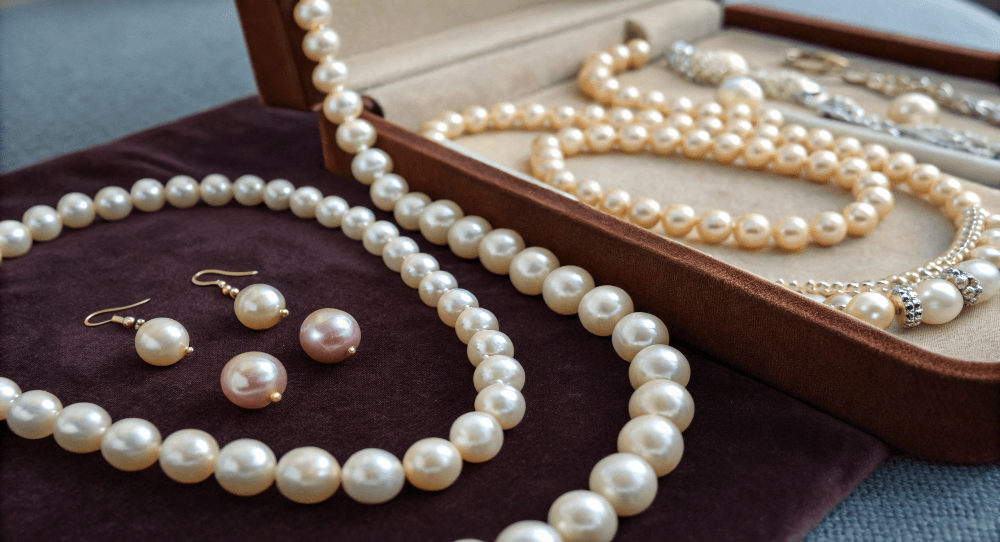
1. What Are the Different Types of Pearls?
Pearls come in many types, and each type has unique features that set it apart. Understanding these distinctions will help you make an informed choice when purchasing.
Freshwater Pearls are grown in lakes and rivers. They come in a wide range of shapes, colors, and sizes, making them a more affordable choice.
Akoya Pearls, which are the most commonly used for jewelry, come from Japan and are known for their classic round shape and high luster.
Tahitian Pearls are often dark, with a unique set of colors like peacock green and purple. They are produced by black-lipped oysters.
South Sea Pearls are large, luxurious pearls from Australia, known for their natural colors, ranging from white to gold.
How to Identify Each Type
Each type of pearl can be identified by its size, luster, and place of origin. Knowing what each pearl offers is crucial for choosing the one that meets your needs. Here is a breakdown of the key characteristics:
| Type of Pearl | Origin | Size | Color Options | Key Feature |
|---|---|---|---|---|
| Freshwater Pearls | Lakes/Rivers (Mainly China) | 5-12mm | White, Pink, Lavender | Affordable, Variety of shapes |
| Akoya Pearls | Japan | 7-8mm | White, Cream | Classic round shape, high luster |
| Tahitian Pearls | French Polynesia | 8-18mm | Black, Peacock Green, Blue | Exotic colors, larger sizes |
| South Sea Pearls | Australia, Philippines | 9-18mm | White, Gold | Largest, rare, luxury |
2. What Makes Pearls High Quality?
When evaluating pearls, quality matters more than just size. To choose the best pearls, it’s essential to understand the factors that determine their quality.
Luster is often considered the most important feature of a pearl. High-quality pearls have a bright, mirror-like surface that reflects light.
Surface Quality refers to how smooth or blemished the pearl is. Pearls with fewer blemishes are considered higher quality.
Shape and Size can vary, but round pearls are typically the most prized. Larger pearls also tend to be more expensive.
Color and Overtones play a significant role in value. Pearls with rich colors or unique overtones are usually higher in price.
Nacre Thickness is another important consideration. Pearls with thicker nacre tend to be more durable.
Evaluating Quality
When you’re inspecting a pearl, look for its luster and overall appearance. Pearls should shine brightly, and their surface should be smooth with minimal blemishes. Larger pearls typically cost more, and certain colors, like deep blacks or golds, can also drive up the price.
| Quality Factor | Description | Importance in Price |
|---|---|---|
| Luster | Reflective quality of the pearl’s surface | High |
| Surface Quality | Amount of blemishes on the surface | High |
| Shape & Size | Round is ideal, larger sizes are more valuable | High |
| Color & Overtones | Rich, unique colors increase value | Medium |
| Nacre Thickness | Thicker nacre is more durable | Medium to High |
3. How Can You Tell the Difference Between Freshwater and Saltwater Pearls?
Identifying freshwater from saltwater pearls is essential for buyers who want to choose pearls based on their value, size, and origin.
Freshwater Pearls are often irregular in shape and can come in a variety of colors. They tend to be smaller and less expensive.
Saltwater Pearls (like Akoya, Tahitian, and South Sea) are more likely to be round and larger, and they come with a higher price tag due to their rarity and demand.
Price Differences and Market Trends
Saltwater pearls are generally more expensive because they are rarer and require more careful cultivation. Freshwater pearls, on the other hand, are easier to cultivate and come in many shapes, which can make them a more affordable option.
| Type of Pearl | Shape | Size Range | Price Range |
|---|---|---|---|
| Freshwater Pearls | Irregular, Button | Small to Medium | Lower |
| Saltwater Pearls | Round, Drop | Medium to Large | Higher |
4. What Are the Best Pearls for Jewelry?
The type of pearl you choose for your jewelry will depend on its intended use, whether it’s for daily wear or special occasions. Akoya Pearls are perfect for classic pearl necklaces and earrings because of their round shape and lustrous surface.
Tahitian Pearls are ideal for statement pieces due to their exotic look and color variations.
South Sea Pearls are the top choice for luxury jewelry items like pendants and rings because of their large size and rarity.
Pearls for Different Jewelry Pieces
| Jewelry Piece | Best Pearls | Reason |
|---|---|---|
| Necklace | Akoya Pearls | Classic look, ideal for formal events |
| Earrings | Tahitian Pearls | Unique color, ideal for evening wear |
| Ring | South Sea Pearls | Large size, luxurious appeal |
5. How Do Pearl Grading Systems Work?
The quality of a pearl is determined by several key factors, including luster, surface quality, size, shape, and nacre thickness. Pearl grading systems are designed to evaluate these factors to provide an objective way of categorizing pearls.
Luster is the most important feature when grading pearls. Pearls with a bright, reflective surface are considered to be of high quality.
Surface Quality assesses the smoothness of the pearl’s surface. Pearls with fewer blemishes are more valuable.
Size and Shape are critical to the value of a pearl. Larger, rounder pearls are more desirable, while irregular-shaped pearls are less expensive.
Nacre Thickness is important for durability. Pearls with thicker nacre are more resistant to damage and wear.
The Grading Scale
Pearls are typically graded using the following scale:
- A: Lowest quality
- AA: Slight imperfections
- AAA: Highest quality
| Grading Factor | A Grade | AA Grade | AAA Grade |
|---|---|---|---|
| Luster | Dull, poor reflection | Moderate shine | Bright, mirror-like |
| Surface Quality | Many blemishes | Few blemishes | Clean, smooth |
| Shape | Irregular | Slightly round | Perfectly round |
| Size | Small | Medium | Large |
| Nacre Thickness | Thin | Medium | Thick |
6. How Does Pearl Color Affect Quality and Price?
Pearl color can significantly affect its quality and price. Popular pearl colors include white, black, gold, and pink. Pearls with unique or rich colors are often priced higher. The color of a pearl is not just about appearance; it can also influence the perceived value and desirability of the pearl.
White Pearls are the most common and are often associated with classic elegance.
Black Pearls, particularly those from Tahiti, are rare and often more expensive due to their exotic appearance.
Gold Pearls are highly sought after for their unique, luxurious appearance and tend to have a higher price point.
Pink Pearls are typically found in freshwater varieties and can range in price based on their quality and size.
Color and Value
The color and its overtones affect the pricing of pearls. For instance, pearls with deep, vibrant hues such as peacock green (black pearls) are often more valuable than lighter hues.
| Pearl Color | Common Origin | Price Range | Popularity |
|---|---|---|---|
| White | Akoya, Freshwater | Moderate | High |
| Black | Tahitian | High | Very High |
| Gold | South Sea | Very High | Luxury |
| Pink | Freshwater | Low to Moderate | Popular |
7. What Are the Best Pearls for Investment?
When investing in pearls, it is important to consider the potential for value appreciation. Pearls that are rare, high-quality, and have a strong demand in the market are ideal for investment.
South Sea Pearls are the best investment choice because of their rarity, large size, and luxurious appeal.
Tahitian Pearls also hold value due to their exotic colors and larger sizes.
Akoya Pearls have a long history of use in high-end jewelry, and their consistent demand makes them a solid choice for investment.
Investment-Worthy Pearls
Investors should focus on pearls that have a strong market demand and long-term value. South Sea and Tahitian pearls are considered the most valuable and reliable for investment.
| Pearl Type | Key Characteristics | Potential for Appreciation | Ideal Investment Period |
|---|---|---|---|
| South Sea Pearls | Large size, gold and white colors | High | Long-term |
| Tahitian Pearls | Dark colors, unique hues | High | Long-term |
| Akoya Pearls | Round shape, high luster | Moderate | Medium to Long-term |
8. How Do You Care for Pearls to Maintain Their Quality?
Pearls are delicate and require proper care to maintain their beauty. Regular cleaning, safe storage, and protection from chemicals are essential to prolong their life.
Cleaning: Use a soft cloth to gently wipe pearls after each wear. Avoid using harsh chemicals that can damage the nacre.
Storage: Store pearls in a soft pouch or cloth to avoid scratches. Keep them in a cool, dry place.
Handling: Avoid wearing pearls while applying makeup, hairspray, or perfume. The chemicals in these products can damage the pearl’s surface.
Caring for Pearls
Proper care will help preserve the natural luster and durability of pearls. Always handle pearls gently and store them properly to avoid any long-term damage.
| Care Tip | Action/Recommendation | Why It’s Important |
|---|---|---|
| Cleaning | Use a soft cloth, avoid harsh chemicals | Prevents surface damage and maintains shine |
| Storage | Store in a soft pouch or cloth | Avoids scratches and keeps pearls safe |
| Handling | Avoid wearing when using chemicals like hairspray | Protects the pearl’s surface and luster |
9. How Can You Buy Pearls Online with Confidence?
Buying pearls online can be tricky, especially when you can’t physically inspect the pearls. However, there are several tips to ensure you are purchasing high-quality, authentic pearls.
Research the Seller: Look for sellers who provide clear information about the pearls’ origin, type, and grading.
Verify Authenticity: Ensure the seller offers certificates or proof of authenticity.
Review Return Policies: Make sure the seller has a clear return or exchange policy in case the pearls do not meet expectations.
Tips for Buying Pearls Online
Buying pearls from trusted online sellers with verified reviews and return policies ensures that you receive high-quality pearls. Always ask for certification and inspect return policies before making a purchase.
| Buying Tip | Action/Recommendation | Why It’s Important |
|---|---|---|
| Research the Seller | Check for reviews, certifications, and pearl details | Ensures trustworthiness and quality |
| Verify Authenticity | Ask for certificates of authenticity | Protects you from counterfeit pearls |
| Review Return Policies | Ensure the seller has a clear return/exchange policy | Gives peace of mind and flexibility |
10. What Are Some Popular Myths About Pearls?
There are many misconceptions about pearls that can mislead buyers. Let’s debunk some of the most common myths.
Myth 1: Pearls are all the same.
Reality: Pearls come in many different types, colors, sizes, and qualities. Each type has unique features that affect its price and desirability.
Myth 2: Freshwater pearls are inferior to saltwater pearls.
Reality: While freshwater pearls tend to be more affordable, they can be just as beautiful as saltwater pearls. Their unique shapes and colors give them distinct appeal.
Myth 3: Pearls are easy to care for and don’t need much maintenance.
Reality: Pearls require proper care and handling. They are soft and can easily be scratched or damaged if not stored and cleaned properly.
Debunking Common Myths
Understanding the truth behind these myths can help you make more informed decisions when buying pearls. Don’t be fooled by misconceptions – always do your research.
| Myth | Truth |
|---|---|
| Pearls are all the same | Pearls come in different types, colors, and qualities |
| Freshwater pearls are inferior | Freshwater pearls can be just as beautiful as saltwater pearls |
| Pearls are easy to care for | Pearls require proper care and maintenance to preserve their quality |
11. Why Are Pearls So Expensive?
Pearls can be quite expensive, but there are several factors that influence their price.
Cultivation Process: Pearls take time to form, and the process of cultivating pearls is labor-intensive. It can take years for a single pearl to mature.
Rarity: Certain types of pearls, such as South Sea pearls, are rarer and thus more valuable.
Size and Quality: Larger, perfectly round, and high-luster pearls tend to be more expensive due to their rarity and demand.
Factors That Affect the Price of Pearls
The price of pearls is influenced by a combination of the cultivation process, the rarity of the pearl, and its quality. The rarer and more flawless the pearl, the more expensive it will be.
| Factor | Impact on Price | Example of Expensive Pearls |
|---|---|---|
| Cultivation Process | Labor-intensive, takes time | South Sea Pearls (expensive) |
| Rarity | Rare pearls are more valuable | Tahitian Pearls (high cost) |
| Size and Quality | Larger, rounder, high-luster pearls cost more | Akoya Pearls (higher price for quality) |
12. How Can You Tell If a Pearl is Real or Fake?
Distinguishing real pearls from fake ones is important when purchasing, especially if you want to avoid paying too much for imitation pearls.
Tooth Test: Rub the pearl gently against your teeth. Real pearls feel slightly gritty, while fake pearls will feel smooth.
Surface Inspection: Real pearls often have imperfections or slight irregularities on the surface.
Weight: Real pearls tend to be heavier than their fake counterparts, which are typically made of lighter materials.
Methods to Verify Authenticity
You can perform several tests to identify whether a pearl is real or fake. Authentic pearls are not perfectly smooth and tend to have minor imperfections.
| Test Type | Real Pearls | Fake Pearls |
|---|---|---|
| Tooth Test | Gritty to the touch | Smooth, no texture |
| Surface Inspection | Slight imperfections or irregularities | Even surface without blemishes |
| Weight | Heavier | Lighter than real pearls |
13. What Are the Most Common Uses of Pearls in Jewelry?
Pearls are used in a variety of jewelry pieces, each offering different appeals based on the occasion and the wearer’s style.
Necklaces: Classic pearl necklaces, often made from Akoya or South Sea pearls, are timeless and elegant.
Earrings: Pearls are commonly used in studs, drop earrings, and more.
Rings and Bracelets: Pearls can be featured as a statement piece or in delicate designs.
Popular Pearl Jewelry Pieces
The versatility of pearls makes them ideal for a variety of jewelry pieces, whether for everyday wear or special occasions.
| Jewelry Type | Common Pearls Used | Reasons for Popularity |
|---|---|---|
| Necklaces | Akoya, South Sea | Timeless elegance, classic look |
| Earrings | Freshwater, Tahitian | Versatile, unique color and size |
| Rings and Bracelets | Akoya, South Sea | Perfect for statement pieces |
14. How Do Pearls Compare to Other Gemstones in Terms of Durability?
While pearls are a beautiful addition to any jewelry collection, they are more delicate compared to other gemstones like diamonds or sapphires.
Pearls vs. Diamonds: Pearls are much softer than diamonds, making them more prone to scratches and damage.
Pearls vs. Sapphires: Sapphires are more durable than pearls, making them a better choice for everyday wear.
Pearls for Special Occasions: Pearls are ideal for occasional wear or special events, where they are less likely to experience damage.
Durability Comparison
Pearls should be handled with care to prevent damage, as their delicate nature requires attention to storage and cleaning.
| Gemstone | Hardness (Mohs Scale) | Durability | Best Use |
|---|---|---|---|
| Pearls | 2.5 – 4.5 | Soft, requires gentle handling | Special occasions, occasional wear |
| Diamonds | 10 | Extremely durable | Everyday wear, long-term investment |
| Sapphires | 9 | Highly durable | Daily wear, more resistant to scratches |
15. Where Can You Find the Best Pearls to Buy?
When purchasing pearls, it’s essential to choose a trusted supplier to ensure authenticity and quality.
Reputable Pearl Dealers: Look for suppliers with a long history of selling high-quality pearls and positive customer reviews.
Local Jewelers vs Online Shops: Both local jewelers and online shops can offer high-quality pearls, but online platforms may offer more variety and competitive pricing.
Certified Pearls: Always buy pearls with certificates of authenticity, especially for high-value pieces.
Trusted Sources for Buying Pearls
To find the best pearls, seek reputable suppliers, check for certificates, and ensure that you are buying from trustworthy sources.
| Source Type | Pros | Cons |
|---|---|---|
| Reputable Dealers | High-quality pearls, certifications | May be more expensive |
| Local Jewelers | Personalized service, local options | Limited selection, higher prices |
| Online Shops | Large variety, competitive prices | Risk of counterfeit pearls |
Conclusion
Choosing the right pearls requires an understanding of the different types, their quality factors, and how to identify them. By considering these aspects, you can make an informed decision when purchasing pearls for jewelry or investment purposes.
FAQ Section
Q1: What is the difference between freshwater and saltwater pearls?
Freshwater pearls are typically smaller and come in a variety of shapes, while saltwater pearls are rounder and larger. Saltwater pearls tend to be more expensive due to their rarity.
Q2: How does the pearl grading system work?
Pearl grading evaluates factors like luster, surface quality, size, and shape. Pearls are graded on a scale of A to AAA, with AAA being the highest quality.
Q3: How can I identify the best pearls to buy?
Look for pearls with high luster, smooth surfaces, and round shapes. Choose pearls with minimal blemishes for the best quality.
Q4: Can pearls be worn every day?
Yes, pearls can be worn daily, but they should be handled with care. Avoid exposure to harsh chemicals or extreme temperatures to preserve their luster.
Q5: How do I know if a pearl is real?
Real pearls are often slightly rough to the touch. You can perform the “tooth test” by gently rubbing a pearl against your teeth; if it feels gritty, it’s likely real.


