Maintaining the shine and luster of your stainless steel jewelry can be a tricky task, especially when it comes to cleaning. Can you safely use jewelry cleaner on stainless steel jewelry? That’s the burning question many jewelry owners have. The good news is that, yes, you can use jewelry cleaner, but there are certain things you need to know. In this article, we will dive into the different types of jewelry cleaners, best practices for cleaning stainless steel jewelry, and how to avoid damaging your precious pieces. Let’s explore how to keep your stainless steel jewelry looking its best without the risk of harm.
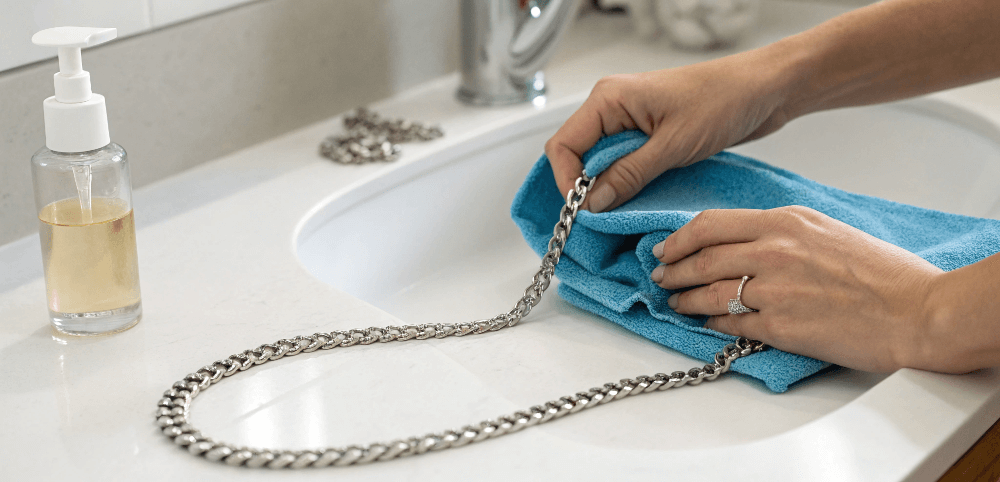
1. What is Jewelry Cleaner and How Does It Work?
You may be wondering, what exactly is jewelry cleaner, and how does it work on stainless steel jewelry? Here’s the deal: jewelry cleaners are specially formulated solutions that help remove dirt, grime, and tarnish from your jewelry. But here’s where it gets interesting – not all jewelry cleaners are created equal.
Jewelry cleaners typically contain a mix of chemicals that target oils, dust, and other substances that build up on your jewelry. Some are designed for use on all types of metals, while others are made for specific materials, including stainless steel. But, what’s the real story? Can you use these cleaners on stainless steel without causing any damage? The short answer is: yes, you can, but you need to pick the right cleaner.
Most stainless steel jewelry can handle jewelry cleaner, but you should avoid harsh chemicals that are meant for softer metals like gold or silver. Here’s the kicker: if the jewelry cleaner contains ammonia, bleach, or other abrasive ingredients, it can cause damage to your stainless steel. It’s essential to read the label before applying any cleaner to your stainless steel jewelry.
Table 1: Types of Jewelry Cleaners for Stainless Steel
| Cleaner Type | Suitable for Stainless Steel | Key Ingredients | Recommended Use |
|---|---|---|---|
| Chemical Cleaners | Yes | Ammonia, detergents | Regular cleaning |
| Natural Cleaners | Yes | Baking soda, vinegar | Safe for sensitive metals |
| Ultrasonic Cleaners | Yes | Water, mild detergent | For deep cleaning |
| Cloth-Based Cleaners | Yes | No chemicals, just friction | Regular polish |
2. Types of Jewelry Cleaners and Their Best Uses
Now, you might be asking: what kind of jewelry cleaner is best for stainless steel? Well, there are several options on the market. The two main categories are chemical-based cleaners and natural cleaners. This is where it gets interesting…
Chemical jewelry cleaners are often the go-to for quick fixes. These cleaners come in liquid or gel form and are designed to remove tarnish, dirt, and oils. However, some can be harsh, especially on stainless steel jewelry that has been treated with special coatings. Always ensure that the jewelry cleaner you use is labeled safe for stainless steel.
On the other hand, natural cleaners such as baking soda and vinegar offer a gentler solution for cleaning stainless steel. These substances can effectively remove dirt and grime without causing harm to the surface of your jewelry. In fact, you might be wondering, can natural cleaners work as well as their chemical counterparts? The answer is yes – they just require a bit more elbow grease. But the trade-off is that they are safer for both you and your jewelry in the long run.
Table 2: Chemical vs. Natural Jewelry Cleaners
| Cleaner Type | Effectiveness on Stainless Steel | Safety | Ease of Use |
|---|---|---|---|
| Chemical Cleaners | Fast, effective | Can be harsh if overused | Very easy |
| Natural Cleaners | Gentle, safe | Safe, non-toxic | Requires more effort |
3. How to Safely Use Jewelry Cleaner on Stainless Steel
Ready for the good part? Using jewelry cleaner on stainless steel is simple once you understand the key steps involved. Here’s the deal: the right method makes all the difference.
First, you’ll need to clean the jewelry before applying any cleaner. Start by rinsing your stainless steel jewelry under warm water to remove any loose dirt. After drying it with a soft cloth, apply a small amount of jewelry cleaner using a soft brush or cloth. Be sure to use gentle strokes – the goal is to remove any oils, dirt, or tarnish, not scratch the surface of the jewelry. If you’re using a chemical cleaner, make sure you don’t leave it on the jewelry for too long to avoid potential damage.
One important thing to note is that you might be wondering about the best way to store jewelry after cleaning. The answer: always store your stainless steel jewelry in a dry place to prevent tarnishing and to keep it looking brand new. Proper storage and periodic cleaning will help preserve your pieces for years to come.
Table 3: Step-by-Step Guide for Cleaning Stainless Steel Jewelry
| Step | Action | Tools Needed |
|---|---|---|
| Step 1 | Rinse jewelry with warm water | Soft cloth, warm water |
| Step 2 | Apply cleaner (liquid, gel, or natural solution) | Soft brush or cloth |
| Step 3 | Gently scrub the jewelry using soft strokes | Cleaning brush |
| Step 4 | Rinse thoroughly and dry with a soft cloth | Soft cloth |
4. What to Avoid When Cleaning Stainless Steel Jewelry
When it comes to cleaning your stainless steel jewelry, there are a few things you should avoid. Let’s dive into the top mistakes to steer clear of.
The first mistake is using harsh chemicals that aren’t intended for stainless steel. But here’s the kicker – some common household cleaners, such as bleach, ammonia, and abrasive substances, can cause severe damage to your jewelry’s surface, leaving it scratched, tarnished, or corroded. To avoid this, always stick to a cleaner specifically designed for stainless steel or opt for natural, safe alternatives.
Another mistake is using hard brushes or abrasive cloths. While it might seem like a good idea to scrub away dirt with a coarse brush, it can actually leave micro-scratches on the surface, which can dull the finish over time. Always opt for a soft, microfiber cloth to gently clean your jewelry. What’s the real story? Using the wrong tools can cost you the polished look you’re aiming for.
Table 4: Common Mistakes to Avoid When Cleaning Stainless Steel Jewelry
| Mistake | Why It’s Harmful | Best Alternative |
|---|---|---|
| Using harsh chemicals | Can cause damage to the surface | Use stainless steel cleaner |
| Using abrasive brushes | Causes scratches and dullness | Soft microfiber cloth |
| Overusing chemical cleaners | Can lead to tarnishing or surface damage | Natural cleaners |
5. How to Prevent Tarnishing and Damage
What’s the secret to keeping your jewelry shining like new? Well, here’s a quick tip: prevention is key. Stainless steel is known for its durability, but the right care can extend its life even further.
To prevent tarnishing, always store your jewelry in a dry, cool place. Avoid leaving it in places where it’s exposed to moisture, as this can cause rusting over time. When cleaning, remember that frequent cleaning isn’t necessary unless your jewelry is heavily soiled. But here’s the kicker – cleaning it too often can wear down the surface. Only clean when needed, and always be gentle with your pieces.
Another important factor is avoiding exposure to harsh chemicals like perfumes, lotions, and sprays, as these can cause a buildup on your jewelry, which may lead to tarnishing. Make sure to put on your jewelry after applying these substances, or better yet, keep it clean by avoiding such exposure.
Table 5: Best Practices for Preventing Tarnishing
| Tip | Description |
|---|---|
| Store jewelry properly | Keep it dry and cool, in a safe box or pouch |
| Avoid harsh chemicals | Keep away from perfumes, lotions, or sprays |
| Clean sparingly | Only clean when necessary to avoid excessive wear |
6. How to Prevent Tarnishing and Damage
What’s the secret to keeping your jewelry shining like new? It’s simple – prevention is key. While stainless steel is highly resistant to tarnishing, exposure to harsh elements can still cause damage over time. The good news is that a few careful practices can help maintain its beauty for years to come.
First, it’s essential to store your stainless steel jewelry properly. Here’s the kicker – humidity and moisture are your jewelry’s worst enemies. Store your jewelry in a dry place, away from direct sunlight or places prone to moisture like bathrooms or kitchens. The best storage options are small, closed jewelry boxes or velvet-lined pouches that protect from environmental factors.
Another vital step to prevent tarnishing is avoiding exposure to chemicals. You might be wondering what kinds of chemicals can affect stainless steel? Perfumes, lotions, and cleaning products are prime offenders. When you apply these products, try to remove your jewelry first, as they can leave residues that contribute to tarnishing or even damage the surface.
When wearing your jewelry, be mindful of the environments you expose it to. Ready for the good part? Avoid wearing stainless steel jewelry while swimming in pools or hot tubs, as the chlorine can accelerate tarnishing. Similarly, keep your jewelry away from abrasive surfaces, as constant rubbing against rough materials can scratch and dull the finish.
Taking these preventative measures will help ensure your stainless steel jewelry maintains its gleam without unnecessary tarnishing or damage. With a little care, your pieces will continue to shine, retaining their appeal for years.
Table 6: Best Practices for Preventing Tarnishing
| Tip | Description |
|---|---|
| Store jewelry properly | Keep it dry and cool, in a safe box or pouch |
| Avoid harsh chemicals | Keep away from perfumes, lotions, or sprays |
| Clean sparingly | Only clean when necessary to avoid excessive wear |
7. What Factors Affect the Durability of Stainless Steel Jewelry?
Here’s the kicker – while stainless steel is known for its durability, there are several factors that can influence how long your jewelry lasts. The most significant of these include the quality of the stainless steel, its exposure to harsh chemicals, and how often it’s worn.
First off, not all stainless steel is created equal. The quality of the steel depends on the grade and the materials used in the alloy. But, what’s the real story? Higher-grade stainless steel alloys contain more chromium, making them more resistant to rust and corrosion. So, when investing in stainless steel jewelry, always check the quality and look for jewelry made from higher-grade materials.
Next, environmental factors can play a major role in the longevity of your jewelry. Regular exposure to harsh chemicals – such as bleach, chlorine, or even acidic foods – can damage the surface over time. Ready for the good part? Storing your jewelry in a safe, dry place, away from harsh chemicals, is the best way to prolong its life.
Finally, wearing your jewelry regularly can either enhance or reduce its durability. If you’re constantly putting your jewelry through tough physical activities or exposing it to water, it may wear out faster. On the flip side, gently wearing your stainless steel jewelry and properly storing it when not in use will help keep it looking great for years.
Table 7: Factors Affecting Durability of Stainless Steel Jewelry
| Factor | Impact on Durability | Solutions to Minimize Wear |
|---|---|---|
| Quality of Stainless Steel | Higher quality = better durability | Choose jewelry made from higher-grade alloys |
| Exposure to Chemicals | Can tarnish or weaken the material | Avoid contact with harsh chemicals and store properly |
| Frequency of Wear | Regular wear can cause wear and tear | Store jewelry properly when not in use and avoid exposure to extreme conditions |
8. How to Polish Stainless Steel Jewelry
If you’ve noticed your stainless steel jewelry looking a bit dull, don’t worry – it’s easy to restore its shine. Here’s the deal: polishing stainless steel jewelry is a simple process that doesn’t require a lot of special tools or expertise.
Start by cleaning the jewelry with warm water to remove any dirt or oils. Then, grab a polishing cloth designed for stainless steel. These cloths are usually impregnated with a polishing compound that helps to restore shine without causing any damage to the metal. You might be wondering if you need a professional polisher. The good news is, you don’t. A polishing cloth is enough for most cases.
For deeper scratches or more stubborn tarnish, you can use a specialized stainless steel polish. Simply apply the polish with a soft cloth and gently buff the surface. But here’s the kicker – make sure not to use any abrasive material that could scratch the surface. Once you’ve polished the jewelry, give it a final rinse with warm water to remove any leftover polish residue.
Table 8: Polishing Stainless Steel Jewelry at Home
| Step | Action | Tools Needed |
|---|---|---|
| Step 1 | Clean jewelry with warm water | Soft cloth, warm water |
| Step 2 | Apply stainless steel polish | Polishing cloth, polish |
| Step 3 | Buff gently to restore shine | Soft, circular motions |
| Step 4 | Rinse with water and dry | Soft cloth |
9. What is the Best Way to Store Stainless Steel Jewelry?
Storing your stainless steel jewelry properly is just as important as cleaning it. What’s the real story? If you want your jewelry to last and maintain its shine, proper storage is key.
The best place to store stainless steel jewelry is in a dry, cool location, away from any moisture or chemicals. Here’s the kicker – avoid storing your jewelry in places like the bathroom or kitchen, where humidity and chemicals from cleaning supplies or perfumes may damage it. Instead, use a jewelry box with compartments or a velvet-lined pouch. These storage solutions keep your jewelry safe from scratches, tarnishing, and environmental factors.
Additionally, if you have multiple pieces, it’s a good idea to store them separately. You might be wondering – does it matter if jewelry pieces are in contact with each other? Yes, it does. Storing multiple pieces together can lead to scratches and abrasion, especially with more delicate designs. Keeping them separate minimizes the risk of damage.
Table 9: Best Storage Options for Stainless Steel Jewelry
| Storage Option | Advantages | Disadvantages |
|---|---|---|
| Jewelry Box | Protects from scratches and tarnishing | Takes up more space |
| Velvet Pouch | Soft, portable, protects from dust | Less protective than a box |
| Separate Zippered Bags | Prevents contact with other pieces | Requires more organization |
10. How to Avoid Scratching Your Stainless Steel Jewelry
Stainless steel is known for its scratch-resistant properties, but it’s not completely immune to damage. Here’s the deal: scratches can happen if the jewelry is exposed to rough surfaces or abrasive materials.
The best way to avoid scratches is by being mindful of where you wear your jewelry. For example, remove your stainless steel jewelry when engaging in physical activities like sports or manual labor. But here’s the kicker – even simple tasks like washing dishes can lead to scratches if you’re not careful. Always remove your jewelry before doing tasks that involve heavy physical activity or exposure to hard surfaces.
When storing your stainless steel jewelry, make sure to keep it separate from other pieces, especially those made from harder materials like diamonds or gold. Ready for the good part? Invest in a protective case or jewelry pouch that can cushion your jewelry from any unwanted impact.
Table 10: Tips for Preventing Scratches on Stainless Steel Jewelry
| Tip | Description |
|---|---|
| Remove before physical activity | Prevents jewelry from coming into contact with hard surfaces |
| Store separately | Keeps jewelry from rubbing against other pieces |
| Use protective cases | Cushions jewelry to avoid unwanted impacts |
11. Why Stainless Steel Jewelry is a Popular Choice for Businesses
Stainless steel jewelry has become increasingly popular in the B2B market due to its durability, affordability, and versatility. What’s the real story? More businesses are choosing stainless steel for custom designs because it can be easily manufactured into a wide variety of styles while remaining cost-effective.
From wholesalers to manufacturers, businesses are turning to stainless steel as their primary material for jewelry production. This metal allows for customization with unique designs and finishes, which appeals to a broad range of customers. Here’s the kicker – because stainless steel is so resistant to tarnishing and rusting, it requires less maintenance, making it an excellent investment for business owners.
Another reason businesses prefer stainless steel jewelry is its resistance to corrosion. Unlike other metals, stainless steel doesn’t corrode easily, making it a perfect choice for both trendy and traditional jewelry designs. The fact that it’s affordable while still providing high-end looks adds to its allure in the competitive market.
Table 11: Advantages of Stainless Steel Jewelry for Businesses
| Advantage | Benefit for Businesses |
|---|---|
| Durability | Reduces the need for replacement, long-lasting |
| Cost-effectiveness | Affordable while maintaining quality |
| Corrosion Resistance | Reduces maintenance and repair costs |
12. How Long Does Stainless Steel Jewelry Last?
Here’s the deal – one of the best features of stainless steel jewelry is its impressive longevity. Unlike many other metals, stainless steel is highly resistant to rust, corrosion, and tarnishing, making it a perfect choice for durable jewelry. But what’s the real story? How long can you expect your stainless steel jewelry to last?
On average, high-quality stainless steel jewelry can last for decades if properly cared for. The lifespan of stainless steel jewelry depends on various factors, including the quality of the metal, the design, and how it’s worn and maintained. Ready for the good part? By following proper care and cleaning routines, your stainless steel jewelry can outlast many other metals without losing its appeal.
The key to a long-lasting stainless steel piece is its resistance to environmental factors. Stainless steel doesn’t tarnish as quickly as silver or gold, which makes it ideal for daily wear. You might be wondering if exposure to water or certain chemicals will shorten its lifespan. While it’s true that regular exposure to harsh chemicals or saltwater can lead to wear, this is usually not a concern for casual daily use. However, exposing your jewelry to these elements frequently may lead to discoloration or surface damage.
But here’s the kicker – as long as you avoid abrasive materials and store your stainless steel jewelry properly, you can expect it to maintain its luster for many years. The combination of durability, resistance to tarnish, and low-maintenance care makes stainless steel an excellent choice for both consumers and businesses.
Table 12: Factors Influencing the Lifespan of Stainless Steel Jewelry
| Factor | Impact on Longevity | Solution to Extend Lifespan |
|---|---|---|
| Quality of Stainless Steel | Higher quality = longer lifespan | Choose high-grade stainless steel |
| Exposure to Harsh Chemicals | Can cause discoloration or corrosion | Avoid contact with bleach or harsh chemicals |
| Frequency of Wear | Regular wear may cause wear and tear | Store jewelry when not in use, avoid rough conditions |
13. The Role of Stainless Steel Jewelry in Fashion Trends
Stainless steel has quickly become a staple in the jewelry industry, particularly for businesses catering to contemporary and fashionable designs. Here’s the deal – stainless steel offers a modern, sleek aesthetic that appeals to both young professionals and fashion-conscious consumers.
One of the reasons stainless steel jewelry is popular in fashion is its ability to mimic the appearance of more expensive metals like platinum and silver, without the high cost. What’s the real story? Stainless steel jewelry allows designers to produce intricate, stylish pieces that cater to current trends, all while keeping production costs low. This has made it an attractive option for both emerging designers and established brands looking to expand their collections.
For businesses, stainless steel is an excellent choice for creating bold, minimalist pieces, which are particularly popular in today’s market. The versatility of stainless steel makes it a prime material for rings, bracelets, necklaces, and earrings that can be customized to meet a variety of consumer tastes. Ready for the good part? Stainless steel jewelry is highly adaptable to a wide range of styles, from classic to trendy, making it an evergreen material in the jewelry industry.
Table 13: Fashion Trends in Stainless Steel Jewelry
| Trend | Popular Pieces | Impact on Market |
|---|---|---|
| Minimalist Designs | Simple rings, earrings | Appeal to modern consumers |
| Bold, Statement Pieces | Chunky bracelets, necklaces | Popular with younger generations |
| Customizable Jewelry | Nameplates, engraved items | Personalization is in demand |
14. How to Choose the Right Stainless Steel Jewelry for Your Business
When selecting stainless steel jewelry for your business, it’s important to consider your target audience and the kind of style that appeals to them. Here’s the kicker – choosing the right pieces can mean the difference between a great product and an unsold stockpile.
First, you’ll need to assess the design. For businesses targeting fashion-forward consumers, minimalist, sleek designs tend to be more popular. On the other hand, for those catering to a more traditional audience, classic, simple pieces may work better. What’s the real story? It’s essential to balance aesthetics with wearability and functionality. A piece that looks good on the shelf but isn’t comfortable to wear will likely not sell as well.
Another critical factor is the quality of the stainless steel itself. While stainless steel is known for its durability, not all stainless steel is created equal. But here’s the kicker – businesses should opt for jewelry made from high-quality stainless steel that resists tarnishing and corrosion over time. Higher-quality stainless steel also tends to polish better and is less likely to scratch easily.
Table 14: How to Choose Stainless Steel Jewelry for Your Business
| Factor | Considerations | Outcome for Business |
|---|---|---|
| Design Style | Minimalist vs. traditional | Match audience preferences |
| Quality of Stainless Steel | High-grade vs. lower-grade alloys | Durability and longevity |
| Comfort and Wearability | Size, weight, and design fit | Increase customer satisfaction |
15. Conclusion: Caring for Stainless Steel Jewelry to Extend Its Lifespan
When it comes to maintaining your stainless steel jewelry, taking a proactive approach will ensure it remains in top condition. Ready for the good part? You don’t need to spend hours cleaning or using expensive products to make your jewelry shine. With a few simple tips, your stainless steel jewelry can continue looking as good as new, year after year.
To recap, remember that regular cleaning, proper storage, and occasional polishing are the key practices to keep your jewelry looking fresh. Avoid harsh chemicals, use soft cloths for polishing, and always store your pieces away from moisture. Following these simple steps will allow your stainless steel jewelry to remain a valuable asset for both businesses and consumers alike.
What’s the real story? Investing in quality stainless steel jewelry and maintaining it properly doesn’t just save you money, but it also ensures that your jewelry lasts for generations, all while continuing to shine and impress.
FAQ Section
Q1: What is stainless steel jewelry?
Stainless steel jewelry is made from an alloy of iron and chromium, known for its resistance to rust, corrosion, and tarnishing. It’s a durable and affordable option for jewelry lovers.
Q2: How does jewelry cleaner work?
Jewelry cleaner works by dissolving dirt, oils, and tarnish on the jewelry’s surface, allowing it to shine and appear clean. Some cleaners are chemical-based, while others use natural ingredients.
Q3: Can I use regular household cleaner on my stainless steel jewelry?
No, regular household cleaners can contain harsh chemicals that may damage your stainless steel jewelry. It’s best to use a cleaner specifically designed for jewelry.
Q4: Is it safe to clean stainless steel jewelry with toothpaste?
It’s not recommended to use toothpaste, as it’s abrasive and can scratch the surface of your stainless steel jewelry. Stick to a mild jewelry cleaner or natural alternatives.
Q5: How often should I clean my stainless steel jewelry?
You should clean your stainless steel jewelry as needed, typically every few weeks or whenever it starts to show visible dirt or tarnish. Avoid excessive cleaning to prevent wear and tear.