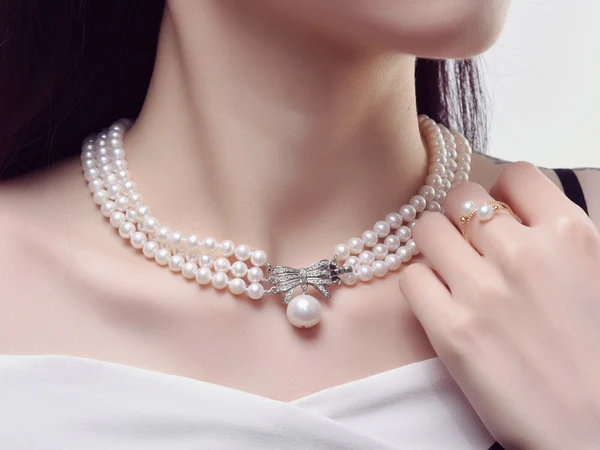
In recent years, wearing jewelry in the shower has become a popular habit. One material that often gets the green light is stainless steel, which is lauded for its durability and resistance to corrosion. But what’s the real story? Can you wear stainless steel in the shower without compromising the look and feel of your jewelry? Let’s dive into this topic and explore how to safely care for your stainless steel jewelry when exposed to water.

1. Introduction
Jewelry is a beloved accessory for many, and it’s not unusual to wear it in the shower, especially when it comes to durable materials like stainless steel. But this raises an important question: Can you wear stainless steel in the shower? The short answer is yes, but it requires a little understanding of the material’s properties and how it reacts to water, soap, and other chemicals. Let’s break it down to help you make an informed decision on whether or not your favorite stainless steel pieces should go in the shower with you.
2. Understanding Stainless Steel Jewelry
● What is Stainless Steel Jewelry Made of?
Stainless steel jewelry is primarily made from a blend of iron and chromium. This alloy is known for its strength, resistance to rust, and the ability to withstand wear and tear. Stainless steel jewelry is typically chosen for its affordability, robustness, and sleek aesthetic, making it a popular option for everyday wear.
● Common Uses of Stainless Steel in Jewelry
Stainless steel is commonly used in rings, bracelets, earrings, and necklaces due to its hypoallergenic properties and resistance to corrosion. This metal is also favored for watches, pendants, and even piercings because it does not easily tarnish. Ready for the good part? Stainless steel can maintain its shine and integrity even with constant exposure to water and air, making it one of the most low-maintenance jewelry options.
● Why is Stainless Steel Considered Durable?
The key to stainless steel’s durability lies in its composition. The addition of chromium, a highly reactive metal, forms a passive layer of chromium oxide on the surface, making the steel resistant to corrosion and tarnishing. This is why stainless steel is a favored choice for those looking for longevity in their jewelry.
| Property | Stainless Steel | Other Metals |
|---|---|---|
| Durability | High | Medium |
| Resistance to Rust | Excellent | Low |
| Hypoallergenic | Yes | Varies |
| Maintenance | Low | High |
| Affordability | Moderate | High |
3. Can You Wear Stainless Steel in the Shower?
● Addressing the Main Question Directly
The big question: Can you wear stainless steel in the shower? The answer is generally yes, but there are important considerations. Stainless steel is highly resistant to water and rust, making it a great option for everyday wear. However, the presence of soap, shampoo, and body lotions can cause build-up on the surface, leading to discoloration or a dull appearance.
● What Makes Stainless Steel Resistant to Water?
Stainless steel is resistant to water because of the chromium content, which forms a protective layer against rust and corrosion. However, this does not mean the metal is entirely immune to the negative effects of long-term exposure to harsh chemicals or saltwater. So, while it’s safe to wear in fresh water, it’s best to remove your stainless steel jewelry before submerging it in chlorinated pools or saltwater to ensure its longevity.
● Impact of Soap and Chemicals on Stainless Steel Jewelry
Soap, lotions, and shampoos can leave residue on stainless steel jewelry, which can dull its shine. Even though these products won’t cause rusting, the buildup can affect the appearance of your jewelry over time. This is where it gets interesting… With regular cleaning, however, stainless steel can be easily restored to its original gleam.
| Shower Products | Effect on Stainless Steel |
|---|---|
| Soap | Mild residue, dulls shine |
| Shampoo | Mild residue, no rust |
| Body Lotion | Residue buildup |
| Chlorine | Can cause fading |
4. Factors That Impact Stainless Steel Jewelry Durability in Water
● What Types of Water Damage Can Affect Stainless Steel Jewelry?
While stainless steel is resistant to rust and corrosion, it’s not completely immune to water damage. Hard water, which contains high levels of minerals like calcium and magnesium, can leave deposits on the surface of stainless steel, leading to staining and tarnishing over time. But here’s the kicker… Regular cleaning can prevent mineral buildup and keep your jewelry looking fresh.
● Hard vs. Soft Water: How Does It Affect Jewelry?
Hard water is notorious for causing mineral buildup on stainless steel jewelry, leaving behind white, chalky marks that are difficult to remove. On the other hand, soft water contains fewer minerals, so it’s gentler on your jewelry. If you’re showering with hard water, be extra diligent about cleaning your jewelry afterward.
● The Role of Soap, Chlorine, and Other Chemicals
Chemicals like chlorine in pool water or harsh soaps can cause wear on the finish of stainless steel jewelry. While the metal itself won’t corrode, prolonged exposure to chlorine and other harsh chemicals can damage the jewelry’s luster. If you love wearing your stainless steel pieces in the shower, it’s essential to clean them regularly and avoid prolonged exposure to such chemicals.
| Water Type | Effect on Stainless Steel Jewelry |
|---|---|
| Hard Water | Mineral buildup, staining |
| Soft Water | No significant effect |
| Chlorine (Pools) | Can dull finish |
| Soap/Shampoo | Mild residue, no rust |
5. Why Stainless Steel Jewelry is Water-Resistant, Not Waterproof
● The Difference Between Water-Resistant and Waterproof Materials
Water resistance means the jewelry can handle brief exposure to water without damage, while waterproof indicates the material can be submerged indefinitely without any issue. Stainless steel is water-resistant, but not waterproof. So, while it can withstand getting wet in the shower, it shouldn’t be submerged in water for extended periods.
● Understanding How Exposure to Water Impacts Different Jewelry Types
Water exposure affects different metals in various ways. Unlike gold or silver, which can tarnish or corrode when exposed to water, stainless steel stands up well to moisture. However, other metals like brass or copper might react poorly, leading to discoloration or oxidation.
● Clarifying Common Misconceptions About Stainless Steel’s Water Resistance
One common misconception is that stainless steel jewelry is fully waterproof. Ready for the good part? It’s not! While it’s designed to resist water damage, it’s always a good idea to avoid prolonged exposure, particularly in saltwater or chlorinated pools, to maintain its pristine appearance.
| Jewelry Type | Water Resistance | Submerging Safe? |
|---|---|---|
| Stainless Steel | Water-resistant | No |
| Gold | Tarnishes | No |
| Silver | Tarnishes | No |
| Titanium | Waterproof | Yes |
6. The Role of Stainless Steel Alloy Grades in Water Exposure
● Different Alloy Grades (e.g., 316L vs 304L) and Their Resistance to Rust
Stainless steel comes in several grades, each with varying levels of resistance to corrosion. The most common grades for jewelry are 304 and 316L. What’s the real story? Grade 316L is often preferred for jewelry exposed to water due to its higher resistance to rust and corrosion. It’s the go-to option for high-quality stainless steel jewelry that’s worn in environments where water exposure is frequent.
● Why 316L is Preferred for Water Exposure
316L stainless steel contains a higher percentage of molybdenum, which enhances its resistance to chloride corrosion—making it more durable in salty or chlorinated water. If you’re planning to wear your stainless steel jewelry regularly in the shower, look for pieces made from 316L.
| Alloy Grade | Resistance to Rust | Ideal Use |
|---|---|---|
| 304 | Moderate | Everyday use |
| 316L | High | Water exposure |
7. How to Care for Stainless Steel Jewelry
● Best Practices for Cleaning Stainless Steel Jewelry
Proper care and maintenance are essential to keep your stainless steel jewelry looking its best. Use a microfiber cloth to wipe off any soap or lotion residue after your shower. For a deeper clean, use mild soap and warm water to remove any buildup.
● Safe Steps to Remove Your Jewelry Before Showering
If you’re looking for the most effective way to protect your stainless steel jewelry, removing it before you shower is the best practice. This helps avoid exposure to soap, chlorine, or other damaging chemicals.
● How to Protect Jewelry from Soap and Water Damage
To keep your stainless steel jewelry in top condition, avoid exposing it to harsh chemicals or letting soap linger on the surface for too long. Regular cleaning with a jewelry cleaner designed for stainless steel can help maintain its shine.
| Cleaning Method | Recommended For | How Often |
|---|---|---|
| Microfiber Cloth | Wiping daily residue | After each use |
| Jewelry Cleaner | Deep cleaning | Monthly |
| Mild Soap & Water | General cleaning | Weekly |
8. Signs Your Stainless Steel Jewelry Needs Maintenance
● Identifying Tarnish or Buildup on Jewelry
Tarnish is rare with stainless steel, but it can still happen under certain conditions. If you notice a dull appearance or cloudy residue on your jewelry, it’s time to clean it. This is where it gets interesting… Regular maintenance can prevent tarnishing and restore the jewelry’s original shine.
● When to Re-Polish or Clean Your Jewelry
If your stainless steel jewelry looks lackluster or develops minor scratches, it might benefit from a re-polishing. Polishing removes surface imperfections and brings back the reflective shine, ensuring your jewelry looks as good as new.
● How Often Should You Clean Your Stainless Steel Jewelry?
The frequency of cleaning depends on how often you wear the jewelry and your exposure to chemicals, water, and lotions. Cleaning it once a week is a good rule of thumb to keep it looking pristine.
| Maintenance Task | Frequency | Importance |
|---|---|---|
| Cleaning with Cloth | After each use | Prevent buildup |
| Polishing | Monthly | Restore shine |
| Deep Cleaning | Every 3-6 months | Prevent tarnish |
9. What to Do if Your Jewelry Shows Signs of Damage
● Immediate Actions to Take if Jewelry Shows Signs of Damage
If your stainless steel jewelry begins to show signs of discoloration or damage, act fast. Clean it immediately with warm water and a soft cloth to remove any residue. If the issue persists, consider taking it to a professional for a deep clean or repair.
● Seeking Professional Help for Repairs
For significant damage, such as deep scratches or dents, it’s best to consult a professional jeweler. They can restore the finish and ensure your jewelry is safe to wear.
● The Cost-Effectiveness of Maintaining Stainless Steel Jewelry
One of the main benefits of stainless steel is its affordability. Compared to other precious metals, maintenance and repair costs are lower, making stainless steel jewelry a cost-effective option for long-term wear.
| Damage Type | DIY Fix | Professional Fix |
|---|---|---|
| Tarnish | Polish with cloth | No need for repair |
| Scratch | Light polishing | Professional fix |
| Rust/Corrosion | Mild cleaning | Full restoration |
10. How Showering Affects Stainless Steel Jewelry Over Time
● Long-Term Effects of Regular Water Exposure
Over time, repeated exposure to water and soap can cause some fading and dullness to stainless steel jewelry. However, here’s the kicker… these effects can be minimized with regular cleaning and proper care.
● Impact of Showering on the Finish of Stainless Steel Jewelry
Showering can impact the finish of stainless steel jewelry if it’s exposed to harsh chemicals or prolonged water exposure. This might lead to a loss of the jewelry’s shiny appearance. However, this is often reversible with proper maintenance.
● Can Showering Every Day Cause Irreversible Damage?
If you shower with your stainless steel jewelry daily, the long-term exposure to soap, shampoo, and body lotions could result in some minor fading. But with proper care, the damage is usually not irreversible.
| Frequency of Showering | Effect on Jewelry Finish | Action Needed |
|---|---|---|
| Daily | Fading, dullness | Regular cleaning |
| Weekly | Minor fading | Deep clean monthly |
| Rare | No significant effect | Regular wipe down |
11. Alternatives to Wearing Jewelry in the Shower
● Other Materials That Are More Suited for Showering
Materials like titanium and silicone are often recommended for people who prefer to wear jewelry while showering. These materials are more resistant to chemicals and wear from water exposure.
● Pros and Cons of Wearing Stainless Steel Jewelry in the Shower
While stainless steel is durable, it does have its drawbacks when exposed to chemicals and harsh soaps. Consider alternatives if you shower frequently with your jewelry on.
● Suggestions for Waterproof Accessories
If you need jewelry that can withstand prolonged water exposure, look into waterproof designs made from high-tech materials like silicone or certain high-grade titanium alloys.
| Material | Suitability for Showering | Pros | Cons |
|---|---|---|---|
| Stainless Steel | Moderate | Durable, stylish | Fading, dullness |
| Titanium | High | Corrosion resistant | Expensive |
| Silicone | Very High | Waterproof, flexible | Limited designs |
12. The Impact of Showering on Other Jewelry Materials
● How Water Affects Other Metals and Jewelry Types Like Gold, Silver, and Platinum
Water can cause tarnishing on metals like gold, silver, and platinum, which is why many people remove their jewelry before showering. What’s the real story? Stainless steel holds up better than most of these metals, especially in the face of prolonged water exposure.
● Comparison of Stainless Steel’s Resistance to Other Materials
Stainless steel outperforms many other metals in terms of water resistance. While gold and silver may tarnish or corrode with exposure to water, stainless steel retains its appearance for much longer.
| Material | Water Resistance | Tarnish Resistance | Durability |
|---|---|---|---|
| Stainless Steel | High | Excellent | Long-lasting |
| Gold | Low | Tarnishes easily | Soft, scratches |
| Silver | Low | Tarnishes easily | Soft, scratches |
| Platinum | Moderate | Tarnishes over time | Durable, expensive |
13. Myths and Facts About Stainless Steel Jewelry Care
● Debunking Common Myths About Stainless Steel Jewelry
A popular myth about stainless steel jewelry is that it never needs care. However, this is where it gets interesting… regular cleaning is essential to maintain its shine and appearance.
● Understanding What’s True Versus What’s Misleading
Another myth is that stainless steel jewelry can’t be worn in the shower. In fact, it’s perfectly fine to wear in the shower, but with some care.
● Clarifying the Differences Between Stainless Steel and Other Jewelry Types
Stainless steel is often confused with other metals, but it’s far more resistant to water exposure than gold, silver, or platinum. It’s a top choice for everyday wear and water exposure, especially compared to more delicate options.
| Myth | Fact | Why It Matters |
|---|---|---|
| Stainless Steel Needs No Care | Regular cleaning is needed | Maintain shine |
| Stainless Steel Cannot Be Worn in Shower | Can wear with care | Protect with cleaning |
14. How to Make the Most of Your Stainless Steel Jewelry
● Choosing Stainless Steel Jewelry That Lasts Longer
When selecting stainless steel jewelry, it’s important to consider the grade and quality of the material. High-quality stainless steel, like 316L, ensures better resistance to corrosion and tarnishing, making it more suitable for regular exposure to water. Here’s the kicker… Choosing a reputable brand or vendor can guarantee that you’re getting durable, long-lasting pieces.
● The Best Storage and Care Habits for Keeping Your Jewelry in Good Condition
Proper storage is essential for maintaining the quality of stainless steel jewelry. Store your pieces in a dry, cool place to prevent exposure to humidity. Avoid tossing your jewelry into a drawer or jewelry box where it can be scratched or tangled. For extra protection, place your stainless steel pieces in a soft cloth pouch or a lined jewelry box. Regularly wipe your jewelry with a soft cloth to remove any dirt or residue.
● Tips for Enjoying Your Jewelry Without Fear of Damage
To make the most of your stainless steel jewelry, be mindful of the chemicals it comes into contact with. Avoid wearing it in chlorinated pools, ocean water, or while applying lotions or perfumes. A good habit is to remove your jewelry before engaging in activities like swimming, working out, or cleaning. Ready for the good part? Following these simple steps can help preserve the beauty and longevity of your stainless steel jewelry.
| Tip | Recommended Action | Why It Helps |
|---|---|---|
| Choose High-Quality Steel | Opt for 316L or 304L | Better corrosion resistance |
| Store Properly | Use cloth pouches | Prevent scratching and tarnishing |
| Avoid Harsh Chemicals | Remove before swimming | Protects finish from chlorine |
| Regular Cleaning | Wipe with a soft cloth | Keeps jewelry shiny and clean |
15. Conclusion
In conclusion, stainless steel jewelry is a durable and reliable option for those who want to wear jewelry in the shower. While it is water-resistant, regular care is necessary to ensure its longevity and shine. By following the best practices of cleaning, storage, and avoiding exposure to harsh chemicals, you can enjoy your stainless steel pieces for years to come.
Whether you choose to wear your stainless steel jewelry in the shower or not, understanding how to properly care for it can make all the difference. So go ahead and wear your favorite pieces with confidence – just be sure to give them the attention they deserve!
FAQ Section
Q1: What is stainless steel jewelry made of?
Stainless steel jewelry is made from an alloy of iron, chromium, and other metals, which makes it strong, durable, and resistant to corrosion and rust.
Q2: How does water exposure affect stainless steel jewelry?
Water exposure generally has little effect on stainless steel due to its rust-resistant properties. However, exposure to soap, minerals, or harsh chemicals can cause buildup or dull the shine.
Q3: Can I wear my stainless steel jewelry in saltwater?
It’s not recommended to wear stainless steel jewelry in saltwater frequently, as salt can speed up tarnishing. However, occasional exposure won’t cause significant damage.
Q4: How can I clean my stainless steel jewelry after showering?
To clean your stainless steel jewelry, rinse it with warm water, dry it with a soft cloth, and use mild soap or a jewelry cleaner for deeper cleaning when needed.
Q5: Is it okay to wear stainless steel jewelry every day?
Yes, stainless steel jewelry is designed for daily wear. It’s durable, low-maintenance, and resistant to rust, making it a great option for everyday use as long as you care for it properly.