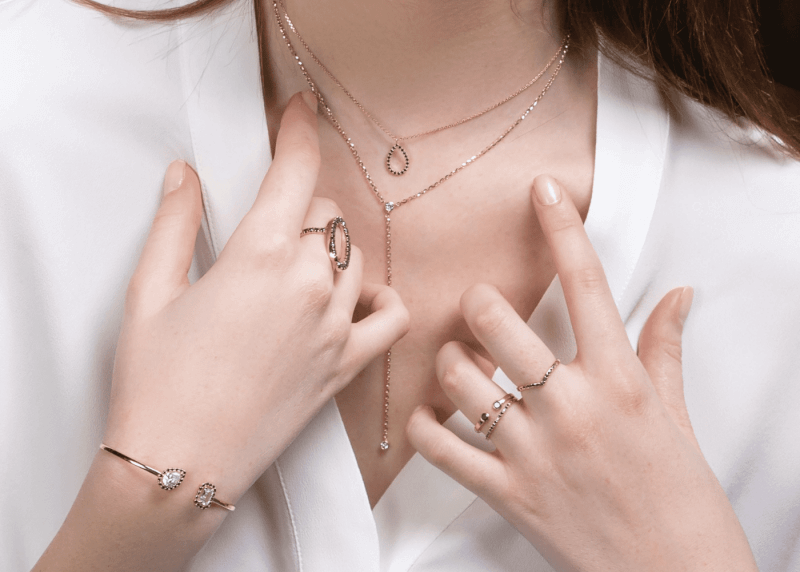
Stainless steel jewelry is a popular choice for everyday wear due to its durability and affordability. But the big question remains: can you wear stainless steel jewelry in the shower? Many people worry about whether water, soap, and other bathroom products will damage their stainless steel pieces. In this article, we will explore everything you need to know about wearing stainless steel jewelry in the shower. From its durability to the potential risks, this guide will help you make an informed decision.

1. What is Stainless Steel Jewelry?
Stainless steel jewelry is made from a combination of metals, primarily iron, with a minimum of 10.5% chromium. This chromium gives stainless steel its resistance to rust and corrosion, making it a popular choice for jewelry that is exposed to moisture. Stainless steel is used to make a variety of jewelry types, including rings, necklaces, bracelets, and earrings.
What’s the real story here? Stainless steel is a strong, corrosion-resistant metal that can withstand daily wear and tear. However, just because it’s durable doesn’t mean it’s invincible. The longevity of stainless steel jewelry in the shower depends on various factors such as exposure to hot water, harsh chemicals, and constant moisture.
For most people, stainless steel jewelry is an ideal option for everyday wear, especially considering it resists tarnishing and can be easily cleaned. But before you make a habit of showering with your jewelry, it’s important to understand its limits.
2. Can You Wear Stainless Steel Jewelry in the Shower?
The short answer is: Yes, you can wear stainless steel jewelry in the shower. Here’s the kicker: Stainless steel is resistant to rust and corrosion, which makes it a solid choice for environments with high moisture, like the bathroom. Water alone won’t damage your jewelry, so if you happen to forget to take off your bracelet or ring before stepping into the shower, don’t panic.
However, this is where it gets interesting. While stainless steel is resistant to corrosion, harsh soaps, shampoos, and body wash products can still affect its appearance. Over time, residues from these products can dull the shine of your jewelry. Additionally, extremely hot water may cause damage to the finish of your jewelry, so it’s important to keep the temperature moderate.
Ready for the good part? To keep your jewelry looking its best, it’s a good idea to clean it regularly, especially if it’s exposed to moisture often. By wiping it down after each shower, you can maintain its shine and avoid buildup.
| Showering Impact | Effect on Stainless Steel Jewelry |
|---|---|
| Freshwater Exposure | No impact |
| Saltwater Exposure | May cause corrosion over time |
| Soap/Body Wash | May dull the finish if not cleaned off |
| Hot Water | Can potentially damage the finish |
3. The Durability of Stainless Steel Jewelry
One of the key reasons people choose stainless steel jewelry is its impressive durability. But here’s the kicker: durability doesn’t mean indestructibility. Stainless steel is tough and resistant to scratches, tarnishing, and corrosion, but it can still be affected by certain elements.
What makes stainless steel so durable is the chromium content, which creates a protective layer over the metal, preventing oxidation and rust. Compared to gold or silver, which require more maintenance, stainless steel is a lower-maintenance option for those who want jewelry that lasts.
However, you might be wondering: does it wear down over time if exposed to water frequently? The answer is generally no, provided the jewelry is made from high-quality stainless steel. But exposure to harsh chemicals, such as chlorine in pools, can cause damage. So, while showering in freshwater won’t typically harm your jewelry, it’s always a good idea to remove it before swimming in chlorinated pools or using chemical-laden beauty products.
| Stainless Steel vs. Other Metals | Durability Comparison |
|---|---|
| Stainless Steel | Highly resistant to scratches and tarnish |
| Gold | Prone to scratching and tarnishing, requires more maintenance |
| Silver | Can tarnish quickly and requires polishing |
| Titanium | Strong and resistant, but more expensive than stainless steel |
4. Factors Affecting Stainless Steel Jewelry in Water
While stainless steel jewelry is resistant to corrosion, what’s the real story when it comes to different types of water and chemicals? Not all water is created equal, and exposure to saltwater or chlorine can significantly affect the durability of your jewelry.
When you wear stainless steel jewelry in the shower, it’s mainly freshwater that’s interacting with the metal. This type of water doesn’t pose much of a risk to stainless steel, but things change when you introduce saltwater or chlorinated water.
This is where it gets interesting: saltwater, like that in oceans or pools, can cause corrosion to the jewelry over time, even though stainless steel is more resistant than other metals. Harsh chemicals, found in soaps and shampoos, can also leave residues that dull the appearance of your jewelry, which is why it’s a good idea to clean your stainless steel regularly.
| Type of Water | Impact on Stainless Steel Jewelry |
|---|---|
| Freshwater | No significant impact |
| Saltwater | May lead to corrosion over time |
| Chlorinated Water | Can damage the finish of the jewelry |
| Hard Water | May leave mineral deposits on the surface |
5. Can Stainless Steel Jewelry Lose Its Shine in the Shower?
Stainless steel jewelry is known for its polished finish, but here’s the kicker: exposure to water, soap, and body products can cause it to lose some of its shine over time. What’s the real story here? While stainless steel is resistant to tarnishing, regular exposure to water and chemicals can dull its finish if not cleaned properly.
If your jewelry has accumulated soap or lotion residue from the shower, you may notice a slight film or loss of luster. However, cleaning your jewelry immediately after exposure can restore its shine and prevent the buildup of residue.
You might be wondering: how can you keep your jewelry looking as bright as the day you bought it? The answer lies in regular cleaning and drying. Gently wiping down your jewelry after each shower will help keep it looking its best.
| Cleaning Frequency | Effect on Shine |
|---|---|
| After every shower | Keeps the shine intact |
| Monthly cleaning | Restores shine if it starts to dull |
| Using harsh cleaners | Can damage the finish, so use gentle methods |
6. Showering with Stainless Steel Jewelry: Pros and Cons
There are definitely advantages to wearing stainless steel jewelry in the shower, but it’s important to weigh these against the potential downsides. Ready for the good part? Stainless steel is durable, resistant to rust, and relatively low maintenance, which makes it a great choice for jewelry that gets daily wear.
On the flip side, constant exposure to water and harsh chemicals can eventually affect its appearance. The main concerns are the loss of shine, soap residue buildup, and potential damage from very hot water. This is where it gets interesting: by following the right care routine, you can still enjoy wearing your stainless steel jewelry in the shower without worrying about damage.
The pros outweigh the cons, especially for those who prefer to leave their jewelry on at all times. But if you’re particularly cautious about preserving your jewelry’s appearance, it may be worth removing it before showering.
| Pros of Wearing in the Shower | Cons of Wearing in the Shower |
|---|---|
| Durable and corrosion-resistant | Can lose shine over time |
| No tarnishing | Soap residue can build up |
| Low maintenance | Hot water may cause finish damage |
7. Can Stainless Steel Jewelry Get Damaged by Hot Water?
Stainless steel jewelry is known for its ability to withstand heat, but what’s the real story when it comes to extreme temperatures, like those in hot showers? While stainless steel is resistant to high temperatures, prolonged exposure to very hot water could cause issues with the finish, leading to discoloration or weakening of the metal.
In most cases, the average temperature of a shower won’t cause significant harm, but here’s the kicker: if you prefer very hot showers, it might be a good idea to remove your jewelry to avoid any long-term effects. The protective layer of chromium can break down under excessive heat, so it’s best to keep your jewelry at a moderate temperature.
| Temperature Exposure | Effect on Stainless Steel |
|---|---|
| Cold to lukewarm | No effect |
| Hot water | Potential for finish damage |
| Boiling water | Can cause severe damage to the finish |
8. Should You Wear Stainless Steel Rings, Necklaces, and Bracelets in the Shower?
Not all stainless steel jewelry is created equal, and you might be wondering: should different pieces of jewelry be treated differently when exposed to water? For rings, bracelets, and necklaces, the main concern is the same: prolonged exposure to moisture, soap, and other chemicals can cause dullness or buildup.
That said, this is where it gets interesting: rings and bracelets may be more susceptible to damage from rubbing against surfaces, while necklaces may be less affected by direct contact with water. However, all jewelry will benefit from occasional cleaning after being exposed to the shower’s harsh conditions.
| Jewelry Type | Susceptibility to Damage in the Shower |
|---|---|
| Rings | Higher risk of buildup and dullness |
| Necklaces | Lower risk of damage from water |
| Bracelets | Can lose shine faster with frequent exposure |
9. How to Protect Stainless Steel Jewelry in the Shower
The best way to protect your stainless steel jewelry in the shower is to clean it regularly. What’s the real story here? While the jewelry itself is resistant to rust and corrosion, harsh chemicals and water exposure can lead to buildup that dulls its appearance. To maintain the shine, be sure to clean your jewelry after every shower. This will prevent soap residue from accumulating and keep your jewelry looking polished.
Another tip is to remove jewelry before using harsh cleaning products or exposing it to extreme heat. This is where it gets interesting: simple precautions like these can help extend the life of your jewelry and keep it looking as good as new for years to come.
| Cleaning Method | Frequency | Impact on Jewelry |
|---|---|---|
| Quick wipe after every shower | Daily | Keeps shine and prevents buildup |
| Deep cleaning | Monthly | Restores shine and removes residue |
| Using harsh cleaners | As needed | Can damage finish over time |
10. Common Mistakes to Avoid When Wearing Stainless Steel Jewelry in Water
When wearing stainless steel jewelry in the shower, some common mistakes can lead to long-term damage. Here’s the kicker: the most common mistake is neglecting to clean jewelry after exposure to water. Soap and shampoo residue can build up over time, leading to dullness and discoloration.
Another mistake is exposing jewelry to extreme heat, which can weaken the metal and cause the protective layer to break down. You might be wondering: how can you avoid these pitfalls? By simply following a regular cleaning routine and keeping your jewelry away from harsh chemicals, you can ensure your stainless steel jewelry stays in top condition.
| Mistake | Effect |
|---|---|
| Neglecting cleaning | Soap buildup and dullness |
| Exposure to extreme heat | Damages finish and weakens metal |
| Using harsh chemicals | Can degrade protective layer |
11. How to Clean and Care for Stainless Steel Jewelry After Showering
Cleaning your stainless steel jewelry after wearing it in the shower is simple. What’s the real story? Regular cleaning will help remove soap residue and prevent dullness. You can clean your jewelry with warm water and mild soap or use a dedicated jewelry cleaner for deeper cleaning.
Ready for the good part? To keep your jewelry in top condition, dry it thoroughly with a soft cloth after cleaning. Avoid abrasive materials, as they can scratch the surface. By establishing a consistent cleaning routine, your stainless steel jewelry will continue to shine.
| Cleaning Tool | Recommended Use | Frequency |
|---|---|---|
| Mild soap and warm water | Removes residue and buildup | After each shower |
| Jewelry cleaner | Deep cleaning | Monthly |
| Soft cloth | Dry and buff | After cleaning |
12. Myths vs. Facts: Debunking Common Beliefs About Stainless Steel Jewelry
There are several misconceptions about wearing stainless steel jewelry in the shower. But here’s the kicker: many people believe stainless steel is completely invulnerable to damage from water or heat, but that’s simply not true. While it’s more durable than other metals, it still requires some care and maintenance.
What’s the real story here? Stainless steel is indeed highly resistant to rust and tarnish, but chemicals, extreme heat, and constant exposure to moisture can still affect its appearance over time. It’s essential to clean your jewelry regularly to maintain its shine and prevent buildup.
| Myth | Fact |
|---|---|
| Stainless steel is impervious to damage | Can still be affected by chemicals and heat |
| You don’t need to clean it often | Regular cleaning keeps it shiny and free from residue |
| Stainless steel never tarnishes | Can still lose shine with regular exposure to harsh elements |
13. Alternatives to Stainless Steel for Shower-Friendly Jewelry
While stainless steel is a durable and affordable option for shower-friendly jewelry, what’s the real story when it comes to alternatives? There are other materials that perform well in water, such as titanium, platinum, and tungsten. These metals are also resistant to corrosion and tarnishing, making them a great choice for those who want low-maintenance jewelry.
This is where it gets interesting: titanium, for example, is lighter than stainless steel and may be more comfortable for some wearers, but it’s often more expensive. Platinum and tungsten are even more durable but come with a higher price tag. If cost is a concern, stainless steel remains a top choice for its combination of durability and affordability.
| Material | Durability in Water | Cost |
|---|---|---|
| Stainless Steel | Highly resistant | Affordable |
| Titanium | Lightweight, corrosion-resistant | Higher than stainless steel |
| Platinum | Extremely durable | Expensive |
| Tungsten | Durable and scratch-resistant | Expensive |
14. Conclusion
In conclusion, what’s the real story about wearing stainless steel jewelry in the shower? The answer is simple: you can! Stainless steel is durable, resistant to rust, and generally unaffected by water. However, taking some precautions, like cleaning your jewelry regularly and avoiding harsh chemicals, will ensure your pieces maintain their shine for years to come. Don’t be afraid to wear your stainless steel jewelry in the shower, but remember to care for it properly.
FAQ Section
Q1: Can I wear stainless steel jewelry in the shower without damaging it?
Yes, stainless steel jewelry is resistant to water damage, but harsh soaps and chemicals may affect its appearance over time.
Q2: Does wearing stainless steel jewelry in the shower affect its shine?
Water and soap can dull the shine of stainless steel, but regular cleaning can restore its luster.
Q3: What are the benefits of wearing stainless steel jewelry in the shower?
Stainless steel is durable, corrosion-resistant, and low-maintenance, making it ideal for everyday wear, even in the shower.
Q4: Should I remove my stainless steel rings before showering?
It’s not essential, but if you want to preserve its appearance, it’s a good idea to remove rings and bracelets before showering.
Q5: How do I clean my stainless steel jewelry after wearing it in the shower?
Wash your jewelry with warm water and mild soap, then dry it with a soft cloth to keep it looking shiny.