Introduction

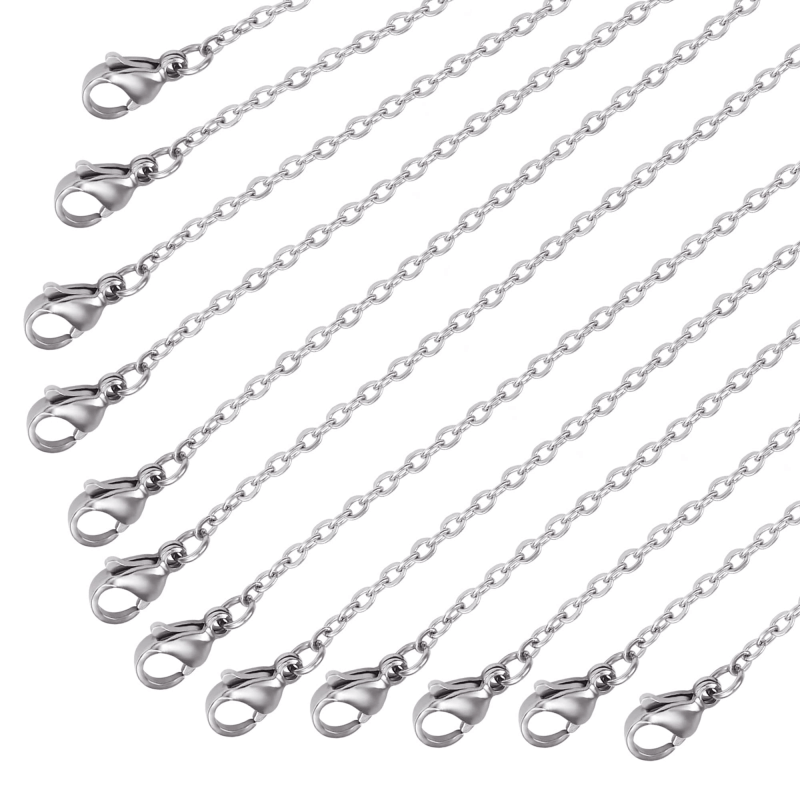
When it comes to choosing the perfect material for a necklace, there are numerous options available. Two popular choices for jewelry enthusiasts are 304 stainless steel and sterling silver. Both materials offer distinct advantages, but how do they compare? In this article, we’ll take an in-depth look at both 304 stainless steel and sterling silver necklaces, comparing everything from their durability and appearance to their cost and maintenance. Whether you’re searching for a necklace for everyday wear or a statement piece, understanding these materials will help you make the best decision.
1. What Is 304 Stainless Steel?
304 stainless steel, often referred to as “18/8 stainless steel,” is one of the most common alloys used in various applications, including jewelry. This particular stainless steel alloy consists primarily of iron, with approximately 18% chromium and 8% nickel. These elements give the steel its resistance to corrosion and high durability, making it an ideal choice for items exposed to everyday wear, such as necklaces.
304 stainless steel is a highly versatile metal that stands out for its incredible resistance to oxidation and rust. It is also non-reactive, which means it won’t stain or tarnish easily over time. Jewelry made from 304 stainless steel is known for its ability to maintain its shine for many years, even with regular use. In addition to its aesthetic appeal, 304 stainless steel is hypoallergenic for most people, making it a good choice for those with sensitive skin.
One of the most notable benefits of 304 stainless steel is its strength. It is tougher than many other metals, meaning it resists scratches, dents, and other forms of damage. This durability makes it suitable for crafting long-lasting jewelry pieces. However, it is important to note that while 304 stainless steel is incredibly strong, it can still show signs of wear under extreme conditions, such as heavy scratches or exposure to chemicals.
Key Properties of 304 Stainless Steel
| Property | 304 Stainless Steel |
|---|---|
| Corrosion Resistance | Excellent |
| Durability | High |
| Hypoallergenic | Yes |
| Scratch Resistance | High |
| Shine | Maintains well |
2. What Is Sterling Silver?
Sterling silver is an alloy composed of 92.5% pure silver, with the remaining 7.5% typically made up of other metals, usually copper. This blend is designed to improve the durability and strength of the soft silver, which on its own would be too malleable for use in jewelry. The higher silver content contributes to sterling silver’s characteristic shine and its appeal as a precious metal.
Sterling silver is valued for its bright, reflective surface and its malleability, which makes it ideal for intricate designs. Jewelers often prefer sterling silver for its ability to be shaped and molded into detailed pieces, from delicate chains to large statement necklaces. However, despite its beauty, sterling silver has its downsides. Unlike 304 stainless steel, sterling silver is prone to tarnishing, which occurs when the metal reacts with sulfur and moisture in the air. Over time, sterling silver jewelry may develop a dull appearance, which requires regular cleaning and care to maintain its gleam.
Sterling silver jewelry is typically a favorite among those seeking luxury pieces, as silver has long been associated with wealth and high status. However, because it is softer than stainless steel, it is more susceptible to scratches and dents, making it less durable for everyday wear. Nonetheless, when properly cared for, sterling silver necklaces can last for many years.
Key Properties of Sterling Silver
| Property | Sterling Silver |
|---|---|
| Corrosion Resistance | Moderate |
| Durability | Moderate |
| Hypoallergenic | Yes |
| Scratch Resistance | Moderate |
| Shine | High, but tarnishes |
3. Key Differences in Composition
When comparing 304 stainless steel and sterling silver, one of the most significant differences lies in their composition. 304 stainless steel is made primarily from iron, chromium, and nickel, with a small amount of carbon. The presence of chromium provides excellent corrosion resistance, while nickel enhances the metal’s strength and prevents rusting. On the other hand, sterling silver is predominantly made from pure silver, which is a soft, malleable metal. The addition of copper strengthens sterling silver, but it still lacks the toughness of stainless steel.
The alloy composition of 304 stainless steel makes it highly resistant to oxidation, tarnishing, and other environmental factors, allowing it to maintain its shine for longer. In contrast, sterling silver’s high silver content gives it a rich, shiny appearance, but it is more vulnerable to tarnishing and discoloration over time, particularly when exposed to air, moisture, and certain chemicals. While both materials are durable, 304 stainless steel’s resistance to corrosion and its more robust nature generally make it the better choice for long-term use, especially in jewelry exposed to frequent wear.
Comparison of Key Composition Features
| Feature | 304 Stainless Steel | Sterling Silver |
|---|---|---|
| Main Elements | Iron, Chromium, Nickel | 92.5% Silver, Copper |
| Corrosion Resistance | Excellent | Moderate |
| Malleability | Low | High |
| Tarnishing Tendency | Low | High |
| Durability | High | Moderate |
4. Durability Comparison
Durability is one of the most important factors to consider when choosing a necklace material. 304 stainless steel stands out in terms of durability, as it is resistant to scratches, dents, and rust. Due to its strong, non-porous surface, stainless steel jewelry is built to withstand rough handling and daily wear. This makes it an excellent choice for individuals looking for jewelry that can endure harsh conditions and maintain its appearance over time.
Sterling silver, while beautiful and elegant, is generally less durable than 304 stainless steel. It is softer and more prone to scratches and dents, which can diminish its aesthetic appeal over time. Additionally, sterling silver is susceptible to tarnishing, a process that occurs when the metal reacts with the air and moisture, causing it to develop a dull or yellowish coating. Regular polishing can prevent tarnish, but it is a maintenance task that stainless steel does not require as frequently.
For everyday wear, 304 stainless steel is likely the better choice due to its resistance to damage and tarnishing. However, for special occasions or formal wear, sterling silver offers a timeless, luxurious look. While it may not be as durable, it can still last for many years with proper care.
Durability Comparison: 304 Stainless Steel vs. Sterling Silver
| Property | 304 Stainless Steel | Sterling Silver |
|---|---|---|
| Scratch Resistance | Excellent | Moderate |
| Dent Resistance | High | Low |
| Tarnish Resistance | Excellent | Moderate |
| Wear Resistance | High | Moderate |
5. Corrosion Resistance and Maintenance
One of the standout features of 304 stainless steel is its exceptional corrosion resistance. The high chromium content creates a protective layer on the metal’s surface that prevents rust, oxidation, and other forms of degradation. This makes stainless steel ideal for use in jewelry, especially necklaces that are regularly exposed to sweat, moisture, and other environmental elements. To maintain the shine and integrity of stainless steel, all it needs is occasional cleaning with a soft cloth or mild soap.
Sterling silver, on the other hand, is more vulnerable to corrosion and tarnishing. Over time, silver reacts with sulfur in the air, moisture, and other chemicals, which causes it to develop a dull coating. While sterling silver can be cleaned and polished to restore its shine, it requires more regular maintenance than stainless steel. Tarnishing can be prevented by storing sterling silver jewelry in a cool, dry place, away from moisture and exposure to harsh chemicals. Using anti-tarnish pouches or cloths can also help protect the jewelry between uses.
To summarize, 304 stainless steel offers superior resistance to corrosion and requires minimal maintenance compared to sterling silver, which requires more frequent care and cleaning.
Corrosion Resistance and Maintenance Comparison
| Feature | 304 Stainless Steel | Sterling Silver |
|---|---|---|
| Corrosion Resistance | Excellent | Moderate |
| Tarnishing Tendency | Low | High |
| Cleaning Frequency | Low | High |
| Recommended Care | Occasional cleaning | Frequent polishing |
6. Appearance and Aesthetic Qualities
When it comes to appearance, both 304 stainless steel and sterling silver offer distinct visual qualities that appeal to different tastes. 304 stainless steel has a sleek, modern look with a smooth, shiny surface. It is often used in contemporary jewelry designs and has a more industrial, minimalist appeal. Stainless steel jewelry maintains its polished finish over time, making it ideal for those who prefer low-maintenance but stylish pieces.
Sterling silver, on the other hand, is known for its rich, lustrous shine. It has a warm, reflective quality that many people find elegant and sophisticated. Over time, sterling silver may tarnish and lose its shine, but with proper care, it can regain its original brilliance. The malleability of sterling silver also allows for intricate designs, making it a preferred choice for more detailed or ornate jewelry pieces.
In terms of aesthetic qualities, sterling silver may appeal more to those looking for a traditional, luxury look, while 304 stainless steel offers a more contemporary, durable option.
Appearance Comparison: 304 Stainless Steel vs. Sterling Silver
| Property | 304 Stainless Steel | Sterling Silver |
|---|---|---|
| Shine | Consistent, Modern | High, but Tarnishes |
| Malleability | Low | High |
| Durability of Finish | High | Moderate |
| Ideal for Design | Minimalist, Industrial | Detailed, Ornate |
7. Weight and Comfort: Which Is Better for Everyday Wear?
Comfort is an important factor when selecting jewelry, especially for necklaces that will be worn frequently. 304 stainless steel is known for its strength, which means it can be heavier than sterling silver. While this can make stainless steel necklaces feel solid and substantial, they may not be as comfortable for some wearers who prefer a lighter piece.
Sterling silver, being a softer and lighter metal, generally results in necklaces that feel more comfortable for extended wear. The lower weight makes it a good choice for those who prefer a more delicate, airy feel. However, the difference in weight between sterling silver and 304 stainless steel is not vast, and personal preference plays a major role in the decision.
For those seeking a necklace that is sturdy yet lightweight, sterling silver may be more suitable, while individuals who prefer a heavier, more durable piece may find 304 stainless steel more appealing.
Weight and Comfort Comparison
| Feature | 304 Stainless Steel | Sterling Silver |
|---|---|---|
| Weight | Moderate to Heavy | Light to Moderate |
| Comfort | Solid, Sturdy | Light, Comfortable |
| Suitability for Everyday Wear | Good | Excellent |
8. Hypoallergenic Properties: Is One Material Better?
When choosing jewelry, hypoallergenic properties are a key concern for many people. 304 stainless steel is an excellent choice for those with sensitive skin. Its nickel content is low, and its smooth surface reduces the chances of irritation. For the vast majority of people, 304 stainless steel necklaces will not cause allergic reactions.
Sterling silver, however, can sometimes cause issues for individuals who have sensitivities to copper or other metals used in the alloy. Though sterling silver is typically considered hypoallergenic, those with metal allergies may experience irritation from prolonged contact with sterling silver jewelry. It’s important for people with known metal allergies to consider both materials before making a purchase.
Hypoallergenic Properties Comparison
| Feature | 304 Stainless Steel | Sterling Silver |
|---|---|---|
| Nickel Content | Low | Moderate to High |
| Hypoallergenic | Yes | Generally Yes |
| Risk of Irritation | Low | Moderate |
9. Cost Comparison: Which Material Offers Better Value?
Cost is often one of the most influential factors when choosing between two materials. Sterling silver, as a precious metal, tends to be more expensive than 304 stainless steel. The price of sterling silver jewelry can vary depending on the design and craftsmanship, but it generally commands a higher price point due to its precious metal content.
304 stainless steel, on the other hand, is a more affordable option for jewelry buyers. Despite its durability and resistance to corrosion, stainless steel is much less expensive to produce than sterling silver, making it a great choice for budget-conscious consumers. While it may not have the same prestigious appeal as sterling silver, it still offers excellent value for money, especially when considering its longevity and low-maintenance requirements.
Cost Comparison: 304 Stainless Steel vs. Sterling Silver
| Property | 304 Stainless Steel | Sterling Silver |
|---|---|---|
| Price Range | Low to Moderate | Moderate to High |
| Long-Term Value | High | Moderate to High |
| Maintenance Costs | Low | Moderate |
10. Environmental Impact and Sustainability
Sustainability and environmental concerns are becoming increasingly important to many consumers. The production of sterling silver involves mining, which can have significant environmental impacts. Mining processes often result in deforestation, water pollution, and carbon emissions. While sterling silver is recyclable, the extraction of silver itself contributes to ecological damage.
In contrast, 304 stainless steel is made primarily from iron, which is more abundant and has a lower environmental impact compared to silver. The production of stainless steel is also less energy-intensive, and the metal can be recycled with minimal environmental harm. Stainless steel jewelry is generally considered a more sustainable option due to its durability, which leads to longer product lifespans and less frequent replacement.
Environmental Impact Comparison
| Feature | 304 Stainless Steel | Sterling Silver |
|---|---|---|
| Environmental Impact | Low | High |
| Recyclability | High | Moderate |
| Energy Consumption | Low | High |
11. Popularity and Trends in Jewelry
Both 304 stainless steel and sterling silver have been popular choices in the jewelry industry for many years. However, in recent years, 304 stainless steel has seen a surge in popularity. Its durability, modern look, and affordability have made it a go-to material for fashion-forward jewelry designers. Stainless steel is often used in trendy, minimalist designs and is favored by consumers looking for low-maintenance yet stylish pieces.
Sterling silver remains a classic and timeless material, beloved for its rich shine and luxurious appeal. Despite its tendency to tarnish, sterling silver is still widely used for high-end jewelry and is often associated with luxury. The demand for sterling silver jewelry remains strong, especially for formal occasions and special designs.
Popularity and Trends Comparison
| Feature | 304 Stainless Steel | Sterling Silver |
|---|---|---|
| Popularity in Modern Jewelry | Rising | Stable, Traditional |
| Common Design Styles | Minimalist, Trendy | Classic, Elegant |
| Ideal for Occasions | Everyday Wear | Formal, Special Events |
12. Jewelry Design: Flexibility and Creativity
Sterling silver is favored by jewelers for its flexibility and malleability. It is easy to mold and shape, making it perfect for intricate designs. Whether it’s a delicate chain or a detailed pendant, sterling silver can handle detailed craftsmanship with precision. However, its softness means that it’s more prone to scratching, which can affect detailed pieces.
304 stainless steel, while not as malleable as sterling silver, can still be used to create intricate designs, though it tends to be used more for bolder, more industrial-style pieces. Its strength allows for larger, more durable designs without the risk of warping or damage. However, the lack of malleability compared to sterling silver may limit design options for certain intricate patterns.
Design Flexibility Comparison
| Feature | 304 Stainless Steel | Sterling Silver |
|---|---|---|
| Malleability | Low | High |
| Intricate Design Suitability | Moderate | High |
| Ideal Design Style | Bold, Industrial | Detailed, Ornate |
13. Allergies, Skin Reactions, and Sensitivity: Which is Safer?
For those with sensitive skin, choosing the right material for jewelry is essential to avoid irritation and discomfort. 304 stainless steel is generally hypoallergenic, and most people with sensitive skin can wear it without any issues. The material’s nickel content is minimal, making it safe for most individuals. However, it’s still important to check for any allergic reactions when wearing new jewelry.
Sterling silver, while hypoallergenic for many people, can sometimes cause irritation, particularly if the copper content in the alloy reacts with the skin. People with metal allergies may experience skin reactions when wearing sterling silver, especially for long periods. For those with sensitive skin, it’s important to choose high-quality sterling silver jewelry that is carefully crafted to minimize skin irritation.
Allergy and Sensitivity Comparison
| Feature | 304 Stainless Steel | Sterling Silver |
|---|---|---|
| Hypoallergenic | Yes | Generally Yes |
| Risk of Skin Reactions | Low | Moderate |
| Suitability for Sensitive Skin | High | Moderate |
14. Resale Value and Market Demand
Sterling silver has long been recognized as a precious metal, and its resale value tends to remain relatively high. Jewelry made from sterling silver holds value over time, especially if it is crafted by well-known designers or is a limited-edition piece. Many buyers are willing to invest more in sterling silver jewelry due to its perceived luxury and lasting value.
On the other hand, 304 stainless steel jewelry is not considered a precious metal, so its resale value is generally lower. However, the demand for stainless steel jewelry has been growing in recent years, especially for modern, minimalist designs. Stainless steel jewelry may not have the same long-term market value as sterling silver, but its popularity continues to rise due to its affordability and durability.
Resale Value Comparison
| Feature | 304 Stainless Steel | Sterling Silver |
|---|---|---|
| Resale Value | Low | High |
| Market Demand | Rising | Stable |
| Perceived Luxury | Moderate | High |
15. Conclusion: Which Material Is Right for You?
When deciding between 304 stainless steel and sterling silver for your next necklace, there are several factors to consider. If you’re looking for durability, low-maintenance care, and affordability, 304 stainless steel is an excellent choice. It is strong, corrosion-resistant, and provides long-lasting value without requiring frequent upkeep. On the other hand, if you prefer a more traditional and luxurious material with a rich shine and detailed designs, sterling silver may be the better option for you. However, it requires more care to maintain its beauty and is prone to tarnishing over time.
Ultimately, the right choice depends on your personal preferences, budget, and how much maintenance you’re willing to invest in. Both materials offer unique advantages, so it’s important to choose the one that best fits your style and lifestyle.
FAQs
- Which is more durable: 304 stainless steel or sterling silver?
- 304 stainless steel is more durable than sterling silver, as it is resistant to scratches and tarnishing.
2. Does sterling silver tarnish over time? How can I prevent this?
- Yes, sterling silver tarnishes when exposed to air and moisture. To prevent this, store your jewelry in a dry, cool place and clean it regularly.
3. Are stainless steel necklaces heavier than sterling silver necklaces?
- 304 stainless steel necklaces are generally heavier than sterling silver due to the material’s strength and density.
4. Which material is more affordable for everyday jewelry?
- 304 stainless steel is typically more affordable than sterling silver, making it a good option for budget-conscious buyers.
5. Is it safe to wear 304 stainless steel necklaces with sensitive skin?
- Yes, 304 stainless steel is hypoallergenic and safe for most individuals with sensitive skin.