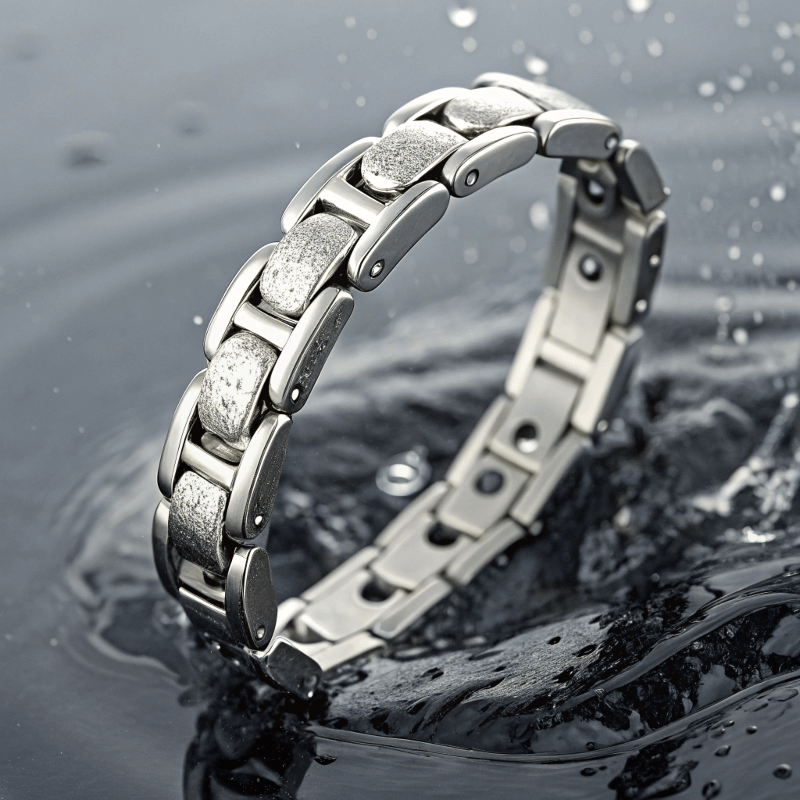
When it comes to jewelry, durability, and longevity are key factors. One common question that arises is: Does stainless steel jewelry tarnish? In this article, we’ll dive deep into the truth about stainless steel jewelry, how it holds up over time, and how you can care for it to maintain its pristine appearance. We’ll cover everything from its properties to the factors that affect tarnishing and the best ways to keep your stainless steel jewelry looking as good as new. Ready for the good part? Let’s get started.
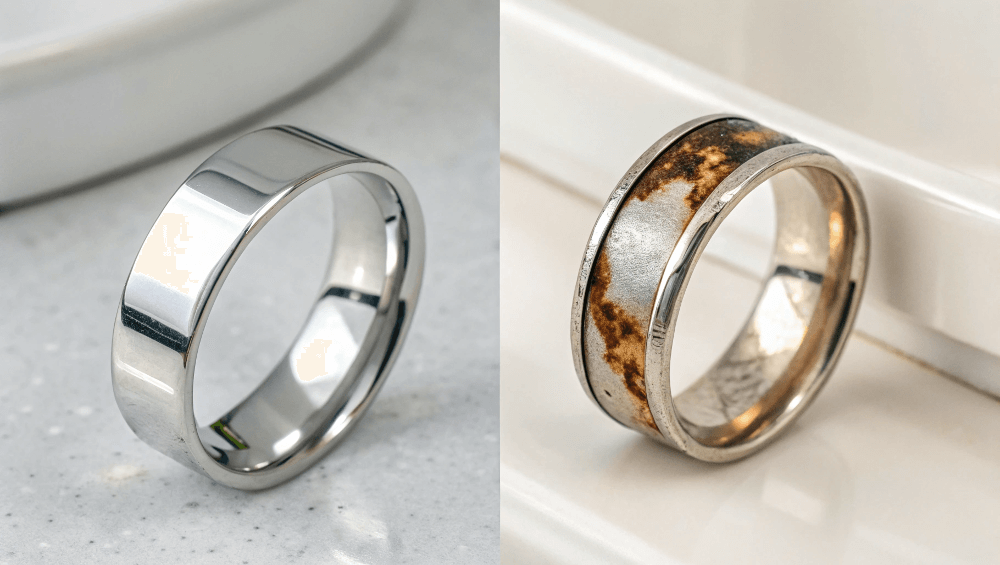
1. What is Stainless Steel Jewelry?
Stainless steel jewelry has become increasingly popular due to its durability, affordability, and versatile aesthetic. But what exactly is it, and why should you consider it for your jewelry collection? Stainless steel is an alloy primarily made of iron, carbon, and chromium. The inclusion of chromium gives the metal its unique ability to resist rust and corrosion, making it an ideal material for jewelry.
What’s the real story? Stainless steel jewelry is known for its sleek, modern look and is available in various forms, such as bracelets, necklaces, rings, and earrings. Unlike other metals, stainless steel doesn’t react to moisture or air easily, which makes it a favorite choice for everyday wear.
But here’s the kicker—while stainless steel is incredibly durable, it is not entirely impervious to tarnishing. Over time, exposure to certain elements and improper care can lead to tarnishing. However, compared to silver or gold, stainless steel is far more resistant to tarnish and oxidation, which makes it an ideal choice for those who seek longevity in their jewelry. It’s strong, hypoallergenic, and doesn’t require frequent polishing.
Let’s break it down further with a table comparing stainless steel to other common metals used in jewelry:
Table 1: Stainless Steel vs. Other Jewelry Metals
| Metal | Durability | Tarnish Resistance | Cost | Hypoallergenic |
|---|---|---|---|---|
| Stainless Steel | High | High | Low | Yes |
| Sterling Silver | Moderate | Moderate | Medium | No |
| Gold | High | Low | High | No |
| Platinum | High | Low | High | Yes |
2. Does Stainless Steel Jewelry Tarnish?
You might be wondering, “Does stainless steel jewelry tarnish over time?” The answer is yes, but it takes quite a lot for it to happen. While stainless steel is incredibly resistant to tarnishing, it’s not completely immune. Tarnishing occurs when the metal reacts with certain substances like chemicals, air, or moisture. This causes the metal to lose its shine and develop discoloration.
Let’s take a closer look at how tarnishing happens in stainless steel jewelry. Tarnish is primarily caused by sulfur, which is found in various products such as lotions, perfumes, and even sweat. When stainless steel comes into contact with sulfur or other chemicals, it can result in the surface losing its luster. However, unlike silver, which tarnishes quickly, stainless steel jewelry can withstand exposure to these elements without turning dull or discolored for a much longer period.
Now, you might ask, What’s the solution to this? Well, here’s where proper care comes in. By following some simple guidelines, you can keep your stainless steel jewelry tarnish-free for years. Regular cleaning, proper storage, and avoiding contact with chemicals are essential to preserving its shine.
Let’s explore this in more detail with a table outlining the common causes of tarnishing in stainless steel:
Table 2: Common Causes of Tarnishing in Stainless Steel Jewelry
| Cause of Tarnish | Explanation | Impact |
|---|---|---|
| Moisture and Humidity | Damp environments cause corrosion on metals. | High |
| Chemicals (Perfumes) | Contact with perfumes and lotions. | Moderate |
| Sweat | Acidic perspiration reacts with metals. | Moderate |
| Exposure to Air | Sulfur in the air can cause discoloration. | Low |
3. Factors Affecting Tarnishing of Stainless Steel Jewelry
While stainless steel jewelry is resistant to tarnishing, there are certain factors that can accelerate the process. Let’s break down these factors and what you can do to mitigate their effects. The first and most significant factor is exposure to moisture and humidity. Stainless steel is known for its ability to resist rust, but prolonged exposure to moisture can cause it to corrode, particularly if it’s exposed to saltwater, such as when wearing jewelry in the ocean.
Another important factor is contact with chemicals. Perfumes, lotions, and cleaning agents contain chemicals that can react with the metal and cause tarnishing over time. In addition, even the oils and acids from your skin can contribute to tarnishing. This is why you should always remove your jewelry before applying lotions or perfumes.
What’s the real story here? The best way to avoid tarnishing is to store your jewelry properly and clean it regularly. Keep your stainless steel jewelry in a dry, cool place, and make sure to wipe it down with a soft cloth after wearing it to remove oils or dirt.
Table 3: Factors Affecting Tarnishing of Stainless Steel Jewelry
| Factor | Impact on Tarnishing | Prevention Tips |
|---|---|---|
| Exposure to Moisture | High | Store in a dry, cool place |
| Chemicals (Perfumes) | Moderate | Remove before applying products |
| Skin Oils and Sweat | Moderate | Clean jewelry regularly |
| Contact with Saltwater | High | Avoid wearing jewelry in water |
4. How to Prevent Tarnishing in Stainless Steel Jewelry
Preventing tarnishing in stainless steel jewelry is relatively easy, as long as you follow a few basic steps. To start, proper storage is key. After wearing your jewelry, make sure to clean it with a soft cloth to remove oils, dirt, and chemicals. This helps to keep it shiny and free from tarnish.
But here’s the kicker—storing your jewelry in a safe, dry place is just as important as cleaning it. Use a jewelry box that offers a protective environment, or place your stainless steel jewelry in a soft pouch to avoid contact with harsh chemicals or environmental elements that can cause tarnishing.
Finally, avoid exposing your jewelry to harsh environments, such as the beach or swimming pools, where saltwater can damage the metal. By following these tips, your stainless steel jewelry will maintain its luster and beauty for years.
Table 4: Tips for Preventing Tarnishing in Stainless Steel Jewelry
| Prevention Tip | Description |
|---|---|
| Clean Regularly | Wipe with a soft cloth after each use |
| Store Properly | Use a jewelry box or soft pouch |
| Avoid Exposure to Chemicals | Remove jewelry before applying lotions/perfumes |
| Keep Away from Saltwater | Don’t wear in the ocean or swimming pools |
5. Signs That Your Stainless Steel Jewelry is Tarnishing
Recognizing when your stainless steel jewelry is beginning to tarnish is crucial to taking action early. While stainless steel doesn’t tarnish as easily as other metals, it can develop discoloration or lose its shine over time. The first sign of tarnish is usually a dull appearance or slight color changes on the surface.
What’s the real story here? Tarnishing in stainless steel is typically not as severe as in silver or other metals, but it’s still noticeable. If your jewelry starts to look less shiny or develops dark spots, it’s time to clean it and give it a thorough inspection.
In some cases, tarnishing can be reversed with proper cleaning methods. However, if the tarnish is too deep or persistent, it might be time to consider professional cleaning or restoration.
Table 5: Signs of Tarnishing in Stainless Steel Jewelry
| Sign of Tarnish | Description | Action Needed |
|---|---|---|
| Dullness | A decrease in shine and luster | Clean and polish |
| Discoloration | Dark spots or color changes | Clean and restore |
| Visible Scratches | Surface damage from wear and tear | Professional care |
6. How to Clean Tarnished Stainless Steel Jewelry
If your stainless steel jewelry has started to tarnish, don’t worry—restoring its shine is simpler than you might think. Stainless steel is known for its durability, and even if it shows signs of tarnish, you can clean it easily at home without requiring expensive or harsh cleaning products.
Here’s the deal: the simplest method for cleaning tarnished stainless steel jewelry is using a mild soap and water solution. Grab a soft cloth, dip it into the soapy water, and gently wipe down the jewelry. This will help remove any oils, dirt, or light tarnish. Rinse the jewelry under clean water and dry it with a soft, lint-free cloth.
But here’s where it gets interesting: if the tarnish is a bit more stubborn, you can use baking soda. Yes, that’s right—a paste made from baking soda and water works wonders on tarnished stainless steel. Simply mix a small amount of baking soda with water to create a thick paste, and then apply it to the tarnished areas. Take a soft toothbrush and gently scrub the paste into the jewelry, focusing on the affected spots. Once you’re done, rinse the jewelry thoroughly with water and dry it off with a cloth.
What’s the real story? It’s important to avoid using abrasive materials like steel wool or rough brushes, as they can scratch and damage the surface of the stainless steel. Stick to soft materials to ensure that the integrity of your jewelry is maintained.
For heavy tarnish that doesn’t seem to come off with these methods, you may want to consider professional cleaning services. They have the tools and expertise to restore your stainless steel jewelry to its original condition, and it’s a great option if your jewelry is particularly valuable or intricate.
Table 6: Simple Tarnish Cleaning Methods for Stainless Steel Jewelry
| Cleaning Method | Difficulty Level | Materials Needed | Time Required |
|---|---|---|---|
| Soap and Water Cleaning | Easy | Mild soap, warm water, soft cloth | 5 minutes |
| Baking Soda Paste | Easy to Moderate | Baking soda, water, soft toothbrush | 10 minutes |
| Professional Cleaning | High | Specialized tools | Varies |
7. Is Tarnishing a Sign of Poor Quality?
Tarnishing is often seen as a negative characteristic, but in the case of stainless steel, it doesn’t necessarily indicate poor quality. Many consumers mistakenly associate tarnishing with inferior craftsmanship. However, stainless steel is a highly durable metal that is less likely to tarnish compared to other materials like silver or copper.
Let’s clear up a common misconception: just because stainless steel tarnishes doesn’t mean it’s low-quality. Stainless steel is an alloy of iron, carbon, and chromium, and its resistance to tarnishing is due to the chromium in the alloy, which creates a protective oxide layer. This protective layer prevents corrosion, making stainless steel highly resistant to tarnish.
What’s the kicker here? The fact that stainless steel jewelry can tarnish doesn’t mean it’s inferior to other materials. In fact, the tarnishing process in stainless steel is often much slower than with other metals, and it can be easily reversed with proper care and cleaning.
Here’s a table comparing stainless steel’s tarnishing properties to that of other metals:
Table 7: Tarnishing Properties of Different Jewelry Metals
| Metal | Tarnish Resistance | Restoration Process | Common Uses |
|---|---|---|---|
| Stainless Steel | High | Simple cleaning | Everyday jewelry, fashion |
| Sterling Silver | Moderate | Polishing and cleaning | Rings, necklaces, bracelets |
| Gold | Low | Professional cleaning | Luxury jewelry |
| Platinum | Low | Professional cleaning | High-end jewelry |
8. Can Stainless Steel Jewelry Be Restored After Tarnishing?
One of the great advantages of stainless steel jewelry is its ability to be easily restored after tarnishing. If your stainless steel jewelry has developed tarnish or discoloration, don’t worry—there are several ways to bring it back to life. In most cases, tarnish can be removed by simply cleaning the jewelry with a mild soap solution and a soft cloth.
For tougher tarnish, a paste made from baking soda and water can be applied to the jewelry. Gently rub the paste onto the affected areas with a soft toothbrush, rinse thoroughly, and dry with a soft cloth. This method can often restore the shine to stainless steel jewelry that has been exposed to harsh chemicals or moisture.
If you’ve tried these methods and your jewelry still shows signs of tarnish, it may be time to seek professional help. Jewelry restoration specialists can use advanced techniques to remove deep tarnish and bring your stainless steel jewelry back to its original condition.
Here’s a quick guide to tarnish restoration methods:
Table 8: Tarnish Restoration Methods for Stainless Steel Jewelry
| Restoration Method | Difficulty Level | Materials Needed | Time Required |
|---|---|---|---|
| Baking Soda Paste | Easy | Baking soda, water, toothbrush | 5–10 minutes |
| Soap and Water Cleaning | Easy | Mild soap, warm water, soft cloth | 5 minutes |
| Professional Restoration | High | Specialized tools | Varies |
9. The Longevity of Stainless Steel Jewelry
When choosing jewelry, durability and longevity are critical considerations, especially for business buyers. Stainless steel jewelry is renowned for its durability. It is highly resistant to scratches, dents, and tarnishing, making it an excellent choice for pieces that will be worn regularly. With proper care, stainless steel jewelry can last for decades without losing its shine or structure.
Ready for the good part? Unlike other metals such as gold and silver, which require frequent cleaning and polishing, stainless steel jewelry demands little maintenance. It doesn’t need to be polished every few months, and it doesn’t tarnish as quickly, making it a long-lasting investment.
What sets stainless steel apart from other materials is its resistance to wear and tear. It is often used in medical and industrial applications due to its strength and resilience, and the same properties apply to jewelry. Stainless steel is more resilient than gold, silver, or platinum, making it ideal for high-traffic jewelry like rings, bracelets, and watches.
Table 9: Longevity Comparison of Different Jewelry Metals
| Metal | Durability | Maintenance Needed | Typical Lifespan |
|---|---|---|---|
| Stainless Steel | Very High | Minimal | Decades |
| Sterling Silver | Moderate to High | Regular polishing | 10–20 years |
| Gold | Moderate | Frequent polishing | 10–50 years |
| Platinum | High | Periodic polishing | 20–50 years |
10. Common Misconceptions About Stainless Steel Jewelry
There are several misconceptions about stainless steel jewelry, many of which stem from confusion between the properties of stainless steel and those of other metals. One common myth is that stainless steel is a weak material that can’t be used for fine jewelry. In fact, stainless steel is one of the strongest and most durable metals available for jewelry making.
What’s the real story here? Stainless steel is not only durable but also versatile. It can be used to create intricate designs that are just as beautiful as those made from gold or silver. Additionally, because it’s hypoallergenic, it’s often the preferred choice for people with sensitive skin, especially for items like rings and earrings.
Another common misconception is that stainless steel jewelry is cheap and doesn’t have the same aesthetic appeal as other metals. While it’s true that stainless steel is more affordable than gold or platinum, its sleek, modern look makes it a popular choice for both casual and high-end jewelry.
Table 10: Common Misconceptions About Stainless Steel Jewelry
| Misconception | Reality |
|---|---|
| Stainless steel is weak | Stainless steel is one of the strongest metals for jewelry |
| Stainless steel is only for cheap jewelry | Stainless steel has a sleek, modern look and is used for high-end jewelry |
| Stainless steel is not hypoallergenic | Stainless steel is hypoallergenic and safe for sensitive skin |
11. Stainless Steel Jewelry vs. Other Jewelry Metals
When deciding which metal to use for your jewelry, it’s important to understand the differences between stainless steel and other materials like silver, gold, or platinum. Each metal has its own unique set of characteristics, and the right choice depends on factors such as durability, cost, and aesthetic preference.
Let’s dive into this comparison further. Stainless steel is known for its strength and resilience. It is much harder than silver, meaning it resists scratches and dents much better. On the downside, stainless steel doesn’t have the same lustrous shine as silver or gold, and it may lack the prestige associated with precious metals.
That being said, stainless steel is more affordable than gold or platinum and offers great durability. For a business buyer looking for a reliable, cost-effective option, stainless steel is an excellent choice.
Here’s a table comparing stainless steel with other popular jewelry metals:
Table 11: Stainless Steel vs. Other Jewelry Metals
| Metal | Durability | Shine | Cost | Ideal Use |
|---|---|---|---|---|
| Stainless Steel | Very High | Moderate | Low | Everyday jewelry, fashion |
| Sterling Silver | Moderate | High | Moderate | Rings, necklaces, bracelets |
| Gold | Low to Moderate | High | High | Luxury, special occasion |
| Platinum | High | High | Very High | High-end jewelry |
12. The Environmental Impact of Stainless Steel Jewelry
Sustainability is becoming increasingly important to buyers, and the environmental impact of materials used in manufacturing is a key consideration. Stainless steel is one of the most sustainable metals in jewelry production. Unlike gold or silver, which require mining and can lead to environmental damage, stainless steel is primarily made from recycled materials, making it a much more eco-friendly option.
What’s the kicker here? Stainless steel is fully recyclable, meaning that once a piece of jewelry reaches the end of its life cycle, it can be reused and repurposed. This reduces the overall environmental impact and helps in the conservation of natural resources.
Here’s a quick look at how stainless steel compares to other metals in terms of sustainability:
Table 12: Environmental Impact of Jewelry Metals
| Metal | Sustainability | Recyclability | Mining Impact |
|---|---|---|---|
| Stainless Steel | High | 100% recyclable | Low |
| Sterling Silver | Moderate | Recyclable | High |
| Gold | Low | Recyclable | Very High |
| Platinum | Moderate | Recyclable | High |
13. How to Choose Stainless Steel Jewelry That Doesn’t Tarnish Easily
If you’re in the market for stainless steel jewelry and want to ensure that it remains tarnish-free for as long as possible, it’s important to know what to look for when selecting pieces. The quality of the stainless steel alloy used in the jewelry is key. High-quality stainless steel contains a higher percentage of chromium, which helps prevent tarnishing and corrosion.
What’s the real story here? When selecting stainless steel jewelry, choose pieces that are marked as 316L stainless steel or surgical steel. These types of steel have higher corrosion resistance and are less likely to tarnish compared to lower-grade materials.
Here’s a helpful table with tips for selecting high-quality stainless steel jewelry:
Table 13: Tips for Choosing High-Quality Stainless Steel Jewelry
| Tip | Description |
|---|---|
| Look for 316L Stainless Steel | Higher resistance to tarnishing and corrosion |
| Choose hypoallergenic options | Ideal for sensitive skin |
| Avoid low-quality imitations | Lesser quality stainless steel tarnishes more quickly |
14. Conclusion
In conclusion, stainless steel jewelry is a durable, stylish, and cost-effective choice for those looking for long-lasting jewelry options. While it is resistant to tarnishing, it’s not completely immune, and proper care is essential to maintaining its shine and luster. By following the tips outlined in this article, you can keep your stainless steel jewelry looking new for years.
Ready for the good part? With stainless steel jewelry, you get the best of both worlds—affordable luxury and low-maintenance beauty. So go ahead, invest in high-quality stainless steel pieces that will stand the test of time.
FAQ Section
Q1: What is stainless steel jewelry?
Stainless steel jewelry is made from an alloy of iron, chromium, and carbon, offering durability, resistance to tarnish, and hypoallergenic properties.
Q2: How does tarnishing affect stainless steel jewelry?
Tarnishing causes discoloration and dullness on stainless steel jewelry, but it doesn’t necessarily indicate poor quality. It is caused by exposure to chemicals, moisture, and environmental factors.
Q3: Can stainless steel jewelry tarnish over time?
Yes, while stainless steel is highly resistant to tarnish, it can still develop discoloration or dullness with prolonged exposure to moisture, chemicals, or saltwater.
Q4: How do I clean tarnished stainless steel jewelry?
To clean tarnished stainless steel, use a mild soap and warm water mixture with a soft cloth. For heavier tarnish, a baking soda paste can help restore the shine.
Q5: Is stainless steel jewelry more durable than gold or silver?
Yes, stainless steel is generally more durable than gold or silver due to its resistance to scratches, tarnish, and corrosion, making it ideal for everyday wear.