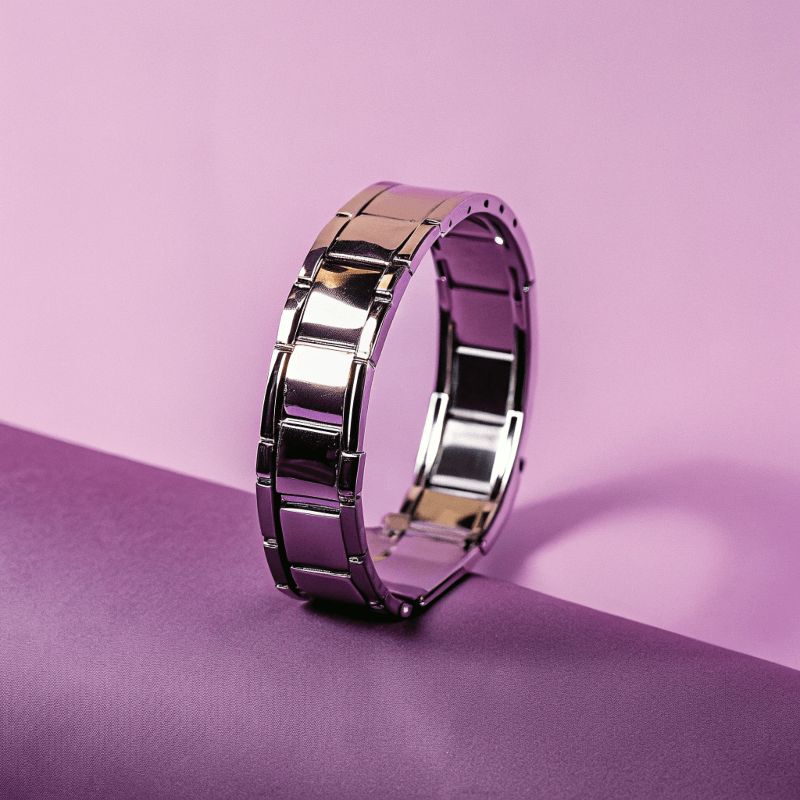
Stainless steel jewelry is a popular choice due to its durability and modern look, but over time, it can accumulate tarnish. This tarnishing is a natural process that occurs when the metal reacts with elements like sulfur, moisture, and chemicals in the air. If you’ve noticed your stainless steel jewelry looking dull or discolored, don’t worry—there are easy ways to remove tarnish and restore its shine. In this article, we’ll explore various methods for cleaning tarnished stainless steel jewelry, providing you with simple, practical solutions. Let’s dive into the details.
1. What Causes Tarnish on Stainless Steel Jewelry?
Tarnish on stainless steel jewelry is caused by the natural oxidation process, which occurs when the metal reacts with environmental factors. Over time, stainless steel is exposed to air, moisture, sweat, lotions, perfumes, and even food particles, leading to discoloration. The presence of sulfur in the air is a major contributor, as it reacts with the metal to form a dull, tarnished layer.
But here’s the kicker: tarnish on stainless steel doesn’t mean the metal is rusting. Instead, it’s more of a surface reaction that can easily be cleaned off. While stainless steel is highly resistant to rust, it’s not completely impervious to tarnish. For instance, exposure to high levels of humidity, harsh chemicals, or frequent contact with oils and lotions can accelerate tarnishing.
To better understand tarnishing, let’s break it down. The tarnish typically appears as a darkened, dull layer on the surface of the metal. This discoloration can sometimes be mistaken for rust, but rest assured, it’s just a cosmetic issue. Unlike rust, which compromises the integrity of the metal, tarnish only affects the appearance and can be easily remedied.
If you’re noticing the first signs of tarnish on your stainless steel jewelry, it’s a good idea to start cleaning it regularly. Here are a few practical steps to prevent further tarnish:
Key Preventive Measures:
- Avoid exposure to chemicals: Keep your jewelry away from harsh chemicals and cleaning products.
- Store properly: Store your jewelry in a dry, cool place to prevent tarnishing caused by humidity.
- Regular cleaning: Wipe your jewelry after every use to remove oils or lotions that could contribute to tarnish.
| Preventive Measures | Tips for Protection |
|---|---|
| Avoid exposure to chemicals | Keep jewelry away from cleaners, perfumes, and lotions |
| Store properly | Use a jewelry box with anti-tarnish lining |
| Regular cleaning | Wipe jewelry with a soft cloth after use |
2. How Can You Prevent Tarnish on Stainless Steel Jewelry?
Prevention is always better than cure. While tarnish is inevitable over time, there are several steps you can take to minimize its occurrence. By following a few simple guidelines, you can keep your stainless steel jewelry looking shiny and new for much longer.
So, what’s the real story here? The key to preventing tarnish is to limit exposure to the environmental factors that cause it. Keeping your jewelry clean and stored properly can greatly reduce the chances of tarnish developing.
The first step in tarnish prevention is regular maintenance. Stainless steel jewelry should be wiped clean after every use to remove oils, sweat, and other residues. You might be surprised at how much of an impact this small step can have.
Ready for the good part? When you’re not wearing your jewelry, store it in a way that limits its exposure to air and moisture. Keeping your jewelry in a box with a protective lining will reduce tarnishing significantly. If you’re traveling, consider using a small, fabric-lined jewelry case that will keep your pieces from coming into direct contact with air or humidity.
Additional Tips:
- Avoid direct contact with perfume or lotions: These products contain chemicals that can contribute to tarnishing.
- Clean after wearing: Always clean your jewelry after wearing it, especially if you’ve been sweating or exposed to oils.
| Storage Tips | Suggestions for Tarnish-Free Jewelry |
|---|---|
| Store in a dry place | Use airtight pouches or jewelry boxes |
| Keep away from chemicals | Remove jewelry before applying lotions |
| Clean after each use | Wipe jewelry with a soft microfiber cloth |
3. What Are the Best Home Remedies for Removing Tarnish?
Now that you understand what causes tarnish and how to prevent it, let’s talk about how to clean it off. Luckily, there are plenty of home remedies that can help restore the shine of your stainless steel jewelry. These methods use common household ingredients that are easy to find and often very effective.
What’s the catch? Most of these solutions are both affordable and eco-friendly, so you can clean your jewelry without breaking the bank or using harsh chemicals. One popular remedy is baking soda and water. By mixing these two ingredients together, you can create a paste that works wonders on tarnished stainless steel. Apply the paste to the tarnished area using a soft cloth or toothbrush, then gently scrub away the tarnish.
Another simple method involves using vinegar. Vinegar is mildly acidic, which makes it great for dissolving tarnish. You can soak your jewelry in a small bowl of white vinegar for a few minutes, then wipe it clean with a soft cloth. This is a quick and easy method, and it’s great for jewelry that has only a light layer of tarnish.
Bucket Brigade: Here’s where it gets interesting… You can also use a paste made of lemon juice and baking soda. The acidity in the lemon juice helps break down tarnish while the baking soda gently buffs it away.
Home Remedies:
- Baking soda and water: Create a paste and gently scrub tarnished jewelry.
- Vinegar soak: Soak jewelry in white vinegar, then wipe clean.
- Lemon juice and baking soda paste: Use the acid in lemon juice to clean tarnished surfaces.
| Home Remedy | Instructions |
|---|---|
| Baking soda and water | Mix into a paste and scrub tarnished jewelry |
| Vinegar soak | Soak jewelry in vinegar, then wipe clean |
| Lemon juice & baking soda | Apply paste to tarnished areas and scrub gently |
4. What Are Commercial Products for Removing Tarnish from Stainless Steel Jewelry?
If you’re looking for something more specialized, commercial tarnish removers can offer a quicker, more convenient solution. There are many products available on the market that are designed specifically for cleaning stainless steel jewelry, and they can be very effective.
But here’s the kicker: While these products may cost a bit more than home remedies, they’re usually formulated to handle tougher tarnish and provide a longer-lasting clean. Tarnish removers from reputable brands are often safe to use on all types of stainless steel, so you don’t have to worry about damaging your jewelry.
One of the most common commercial products is a tarnish-removing paste. These pastes are often thicker than home remedies, and they typically come with detailed instructions for use. Some tarnish removers also include a polishing cloth, which makes the cleaning process even easier.
Popular Commercial Products:
- Tarnish-removal paste: Apply directly to tarnished areas and wipe clean.
- Polishing cloths: Use to gently rub tarnish away and restore shine.
- Specialized cleaners: Commercial stainless steel cleaners are great for stubborn tarnish.
| Commercial Product | How to Use |
|---|---|
| Tarnish-removal paste | Apply paste to jewelry and wipe clean |
| Polishing cloths | Gently rub the jewelry with the cloth |
| Stainless steel cleaner | Spray cleaner on jewelry and wipe it off |
5. How to Safely Clean Tarnished Stainless Steel Jewelry with a Polishing Cloth?
When it comes to tarnish removal, a polishing cloth is one of the safest and most effective tools you can use. The gentle fabric of a polishing cloth is designed to buff out tarnish without scratching or damaging your stainless steel jewelry.
So, what’s the real story? Using a polishing cloth doesn’t require harsh chemicals or hours of scrubbing. It’s a quick, easy solution that’s safe for most jewelry. Simply rub the cloth against the tarnished area, and the friction will lift the tarnish off the surface. This method works best for light tarnish or regular maintenance.
If you’re dealing with particularly stubborn tarnish, you can use a polishing cloth in combination with a mild cleaning solution, like vinegar or a commercial tarnish remover. This will provide a deeper clean without risking damage to the metal.
| Cleaning Tool | How It Works |
|---|---|
| Polishing cloth | Buff the tarnish away using the cloth |
| Combination with cleaner | Apply a mild cleaner with the cloth for deeper cleaning |
6. Can You Use a Toothbrush to Clean Tarnished Stainless Steel Jewelry?
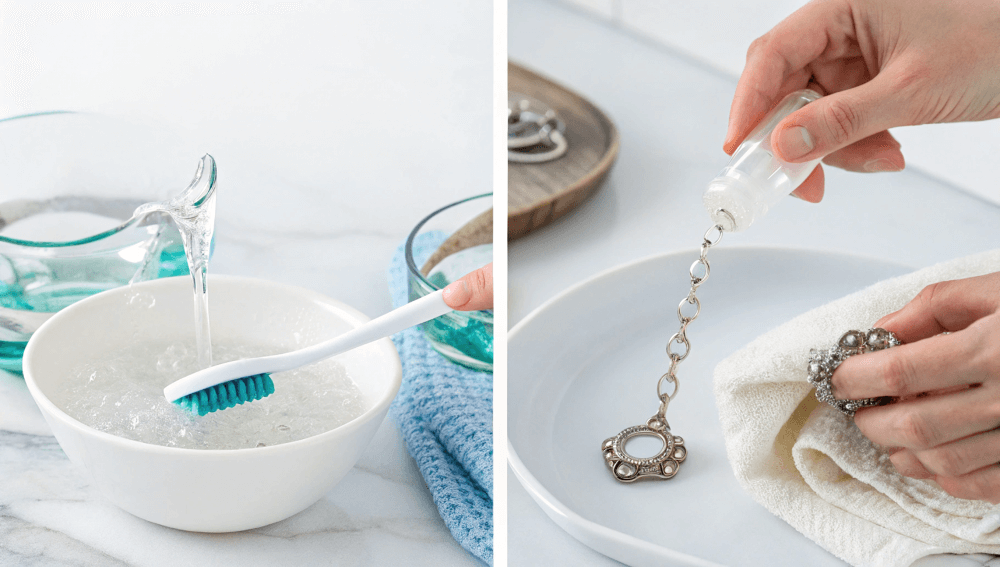
When it comes to cleaning tarnished stainless steel jewelry, a soft-bristled toothbrush is a surprisingly effective tool. It’s gentle enough to avoid scratching the surface but firm enough to help scrub away the tarnish. So, how exactly does this work?
Here’s the real deal: The bristles of a toothbrush can get into the small crevices and intricate details of your jewelry, where a cloth might not reach. This makes it an excellent choice for cleaning rings, necklaces, or bracelets that have detailed designs or small grooves. By dipping the toothbrush into a cleaning solution, such as water and baking soda, you can gently scrub the tarnish off, revealing the original shine of your stainless steel jewelry.
Ready for the good part? A toothbrush is portable, easy to use, and highly effective, which makes it one of the most accessible tools for routine tarnish removal. You don’t need to be a cleaning expert to get great results; just a bit of patience and the right technique will go a long way.
Here’s how you can clean your tarnished jewelry with a toothbrush:
- Mix warm water with a small amount of mild dish soap or baking soda.
- Dip the toothbrush in the solution and gently scrub the tarnished areas.
- Rinse with clean water and dry with a microfiber cloth.
It’s that simple! Using a toothbrush gives you the flexibility to clean all parts of your jewelry, even those tiny, hard-to-reach spots.
| Tool Used | Instructions |
|---|---|
| Toothbrush | Dip in cleaning solution and scrub gently |
| Cleaning solution | Use mild dish soap or water and baking soda |
| Microfiber cloth | Dry jewelry thoroughly after cleaning |
7. What Are the Pros and Cons of Using Chemical Cleaners?
If you’re dealing with stubborn tarnish or don’t have the time for DIY cleaning methods, commercial tarnish removers can be a quick and efficient solution. These chemical cleaners are designed specifically to tackle tarnish on stainless steel and other metals. But here’s where it gets interesting: while these products are highly effective, they come with some important considerations.
The biggest advantage of using a chemical cleaner is that they often work faster and more effectively than home remedies. Most commercial tarnish removers contain chemical agents that break down the tarnish, restoring your jewelry to its original shine in a matter of minutes. They are especially useful for removing heavy tarnish that home methods might not completely fix.
But here’s the catch: Chemical cleaners can be harsh, and they may not be safe for all types of jewelry. Some cleaners contain abrasives or strong chemicals that can cause damage if used incorrectly. Always follow the manufacturer’s instructions carefully, and test the product on a small, inconspicuous area of the jewelry before applying it to the entire piece.
So, what’s the verdict? If you need a fast, powerful solution, chemical cleaners can be a great option. Just be cautious about choosing the right product and using it correctly.
| Pros | Cons |
|---|---|
| Fast and effective | Can be harsh on some jewelry types |
| Removes heavy tarnish | May require testing before full application |
| Easy to use | Not eco-friendly in some cases |
8. How Do You Remove Heavy Tarnish from Stainless Steel Jewelry?
Sometimes, tarnish can build up to the point where regular cleaning methods just won’t cut it. If your jewelry has been neglected for a while or exposed to harsh conditions, you may need to take extra steps to remove heavy tarnish. Ready for the good part? You can effectively clean even the toughest tarnish with a bit of effort and the right approach.
Start by assessing the level of tarnish. If the tarnish is light to moderate, a polishing cloth or mild home remedy may suffice. But if you’re dealing with deep tarnish that has been on the jewelry for a long time, it may require more powerful solutions.
One option is to use a specialized stainless steel cleaner that is formulated for heavy tarnish removal. These products are designed to break down the tarnish without damaging the metal. If you prefer a natural approach, consider using a mixture of vinegar and baking soda to scrub away the tarnish. For really tough tarnish, a professional cleaning might be necessary.
The key is to be patient and avoid rushing the process, as forcing the tarnish off too quickly can cause scratches or other damage. Always test a small area first to make sure the method doesn’t affect the metal’s finish.
| Cleaning Method | Effectiveness for Heavy Tarnish |
|---|---|
| Specialized cleaner | Best for tough tarnish, gentle on metal |
| Vinegar and baking soda | Great for deep tarnish, natural alternative |
| Professional cleaning | Necessary for extremely tough tarnish |
9. Is There a Safe Way to Remove Tarnish from Gold-Plated Stainless Steel Jewelry?
Gold-plated stainless steel jewelry adds a luxurious touch to any outfit, but it requires special care to preserve the delicate gold layer. Tarnish can still form on gold-plated jewelry, and if not addressed, it can damage the gold plating. So, what’s the trick to cleaning gold-plated jewelry safely?
Here’s where it gets interesting: Gold-plated jewelry should never be cleaned using abrasive methods or harsh chemicals, as these can strip away the thin gold layer. Instead, opt for gentle cleaning methods that won’t harm the plating.
Start by using a mild soap and water solution to clean your gold-plated jewelry. Gently rub the jewelry with a soft cloth, and avoid scrubbing hard. For stubborn tarnish, a specialized jewelry cleaner designed for gold-plated items is your best bet. These cleaners are formulated to remove tarnish without damaging the gold layer.
One essential tip is to always avoid using polishing cloths on gold-plated jewelry, as they can wear down the plating over time. Instead, stick to soft microfiber cloths and mild cleaning solutions for the best results.
| Cleaning Method | Best Practices for Gold-Plated Jewelry |
|---|---|
| Mild soap and water | Use with a soft cloth to remove tarnish |
| Jewelry cleaner for gold-plated items | Safe for removing tarnish without harming plating |
| Microfiber cloth | Ideal for gentle polishing |
10. How to Maintain Stainless Steel Jewelry to Prevent Tarnishing?
Keeping your stainless steel jewelry in top condition is all about maintenance. You don’t have to wait for tarnish to appear—by taking care of your jewelry regularly, you can keep it looking brand new for longer. Let’s get into the good part: maintaining your jewelry is much easier than most people think.
Start by establishing a routine. After each wear, wipe your jewelry down with a soft cloth to remove oils, sweat, and other residues. This simple act can help prevent tarnish from forming. If you wear your jewelry every day, cleaning it at least once a week is a good practice. When you’re not wearing your jewelry, store it in a dry, cool place to avoid exposure to air and moisture.
For deeper cleaning, use the home remedies mentioned earlier, or consider using a polishing cloth to restore its shine. Regular polishing not only helps remove tarnish but also helps to maintain the jewelry’s luster over time.
| Maintenance Tip | Best Practices |
|---|---|
| Wipe jewelry after each wear | Use a soft cloth to remove oils and sweat |
| Store in a dry place | Keep away from humidity and harsh chemicals |
| Regular polishing | Use a polishing cloth to maintain luster |
11. What Is the Best Way to Clean Stainless Steel Jewelry Without Scratching It?
Cleaning stainless steel jewelry is a delicate balance. While it’s a durable metal, improper cleaning can lead to scratches and damage. So, what’s the best way to clean your stainless steel jewelry without compromising its surface?
Here’s the key: Always use non-abrasive tools and gentle cleaning methods. Polishing cloths designed specifically for stainless steel are perfect for restoring shine without scratching. Additionally, avoid using rough or hard-bristled brushes, as they can cause marks or scratches on the surface of the metal.
If you need to scrub away tarnish, use a soft-bristled toothbrush, but make sure to do it gently. Don’t apply excessive pressure, and always test your cleaning solution on a small area before applying it to the whole piece.
| Cleaning Method | Best Practices for Avoiding Scratches |
|---|---|
| Polishing cloth | Gently rub to restore shine |
| Soft-bristled toothbrush | Use with a mild cleaning solution |
| Test cleaning solutions | Apply on a small area first to ensure safety |
12. How Can You Polish Stainless Steel Jewelry After Removing Tarnish?
Once the tarnish is gone, it’s time to bring the shine back to your stainless steel jewelry. Polishing your jewelry is an essential part of the cleaning process that can help enhance its appearance and keep it looking new.
Ready for the good part? Polishing stainless steel jewelry is simple and requires minimal effort. You can use a soft polishing cloth to gently buff the surface of your jewelry. The cloth’s soft fibers are designed to remove any remaining residue and restore the jewelry’s natural luster.
If you prefer a quicker solution, you can use a commercial stainless steel polish. Just apply a small amount of polish to a cloth and rub it into the jewelry. Be sure to follow the instructions carefully to avoid over-polishing or causing damage.
| Polishing Method | How to Apply |
|---|---|
| Polishing cloth | Gently buff to remove residue and restore shine |
| Commercial polish | Apply polish to a cloth and rub into jewelry |
13. How Do You Clean Stainless Steel Jewelry with Stones or Gems?
Cleaning stainless steel jewelry that features stones or gems requires special care to avoid damaging the delicate stones. Stones and gems can be much more sensitive to cleaning agents and abrasives compared to the metal, so extra caution is needed. Here’s the real story: while stainless steel itself is durable, the stones or gems embedded in the jewelry may require gentler treatment.
The first step is to remove any dirt or debris from the jewelry. You can use a soft cloth or a microfiber cloth to gently wipe down the piece, being extra careful around the stones. If the jewelry has stubborn tarnish, use a soft-bristled toothbrush with a mild soap solution, but make sure to avoid scrubbing the stones directly.
Ready for the good part? You can clean the stones gently with a solution of warm water and a mild dishwashing soap. Soak the jewelry in the water for a few minutes, and then use a soft cloth to wipe it clean. Be cautious with gemstones like opals, emeralds, or pearls, as they are more susceptible to damage from harsh chemicals or excessive moisture.
When cleaning, always keep in mind the type of stone you’re working with. Some stones require specialized cleaners or even professional cleaning services. For example, pearls should never be soaked in water or cleaned with chemical cleaners. Instead, gently wipe them with a damp cloth and allow them to dry naturally.
| Cleaning Method | Instructions for Cleaning Jewelry with Stones or Gems |
|---|---|
| Microfiber cloth | Gently wipe jewelry to remove dirt and debris |
| Soft-bristled toothbrush | Use with mild soap solution for tarnish removal |
| Mild dish soap and water | Soak jewelry and gently wipe it clean with a soft cloth |
14. What Are the Best Practices for Storing Stainless Steel Jewelry?
Proper storage of stainless steel jewelry is essential for preventing tarnish and maintaining its shine. When you store your jewelry correctly, you can extend its lifespan and keep it looking brand new for much longer. So, what’s the trick to proper storage?
The first thing to remember is to keep your stainless steel jewelry in a dry place. Moisture is one of the primary contributors to tarnishing, so keeping your pieces away from humidity can significantly reduce tarnish buildup. A jewelry box with a protective lining or an airtight container works wonders for keeping moisture away from your jewelry.
Ready for the good part? Another great tip is to store your jewelry separately. Storing each piece in its own compartment or pouch can prevent scratches and avoid contact with other metals, which could cause tarnishing. Avoid leaving your stainless steel jewelry in places where it may be exposed to sunlight or extreme temperatures. Both of these elements can accelerate tarnishing and fading.
If you’re traveling, consider using a travel jewelry case that has compartments to keep each piece protected. Additionally, don’t forget to take your jewelry off when participating in activities like swimming, showering, or exercising. These activities can expose your jewelry to chemicals, chlorine, or sweat, which can all contribute to tarnishing over time.
| Storage Method | Best Practices for Keeping Jewelry Tarnish-Free |
|---|---|
| Dry, cool place | Store in a jewelry box with anti-tarnish lining |
| Separate compartments | Prevent scratching and tarnish by storing jewelry separately |
| Travel jewelry case | Use compartments to protect jewelry during travel |
15. When Should You Seek Professional Cleaning for Tarnished Jewelry?
While many tarnishing issues can be resolved with home remedies, there are certain cases where professional cleaning is the best option. But here’s the kicker: how do you know when it’s time to seek help from a professional jeweler?
If your stainless steel jewelry has deep tarnish that doesn’t come off with regular cleaning, or if you notice scratches or dents after trying to clean it yourself, it’s time to consider professional cleaning. Jewelers have specialized equipment and cleaning solutions that are far more effective at removing heavy tarnish without damaging the jewelry.
What’s the real story here? Professional cleaning can also help restore the original finish of your jewelry, especially if it has become dull or scratched over time. Jewelers can re-polish the surface, making it look like new again. Additionally, if your jewelry has gemstones or intricate designs, a professional cleaner will ensure that the stones are protected during the cleaning process.
Ready for the good part? Regular professional cleanings, especially for jewelry you wear often, can keep your stainless steel jewelry in excellent condition and ensure it always shines brightly. So, if in doubt, don’t hesitate to take your jewelry to a professional for deep cleaning and maintenance.
| Cleaning Service | When to Seek Professional Help |
|---|---|
| Deep tarnish removal | When tarnish doesn’t come off with home methods |
| Polishing and re-finishing | If jewelry has scratches or needs restoration |
| Gemstone care and protection | For jewelry with intricate designs or stones |
Conclusion
Tarnish on stainless steel jewelry is inevitable, but it’s not a problem you can’t solve. Whether you use home remedies, commercial products, or simple cleaning tools like a toothbrush and polishing cloth, there are many ways to restore the beauty of your jewelry. By understanding what causes tarnish and how to prevent it, you can ensure your stainless steel jewelry remains shiny and attractive for years to come. Regular maintenance, careful cleaning, and proper storage will help keep your jewelry looking its best.
FAQ Section
Q1: What causes tarnish on stainless steel jewelry?
Tarnish is caused by the metal reacting with sulfur and moisture in the air. It typically appears as a dull, discolored layer on the surface of the jewelry.
Q2: How can I prevent tarnish on my stainless steel jewelry?
Store your jewelry in a dry, cool place, avoid exposing it to chemicals, and clean it regularly to minimize tarnish buildup.
Q3: Can I use baking soda to remove tarnish from stainless steel jewelry?
Yes, baking soda is an effective home remedy for tarnish. Create a paste by mixing it with water, then apply it to the tarnished area and scrub gently.
Q4: Is it safe to use a toothbrush to clean tarnished stainless steel jewelry?
Yes, a soft-bristled toothbrush is safe for cleaning tarnish. Just ensure you scrub gently to avoid scratching the metal.
Q5: How do I clean gold-plated stainless steel jewelry without damaging the plating?
Use a mild soap and water solution with a soft cloth to clean gold-plated jewelry. Avoid abrasive cleaners that could wear off the plating.