When it comes to creating exquisite jewelry, every detail matters, including the small yet vital components known as findings. Jewelry findings, such as clasps, jump rings, and earring hooks, are the unsung heroes that hold your pieces together, ensuring both functionality and aesthetics. Choosing the right jewelry findings supplier is crucial for maintaining the quality and integrity of your designs. In this comprehensive guide, we will explore the essential factors to consider when selecting a supplier, the types of findings available, and the steps you should take to build a successful partnership with your supplier.

Importance of Choosing the Right Jewelry Findings Supplier
Selecting the appropriate supplier for your jewelry findings is not just a logistical decision; it is a strategic one that can significantly impact the success of your business. The quality of the findings you use directly influences the durability, appearance, and overall value of your jewelry. Poor-quality findings can lead to breakage, tarnishing, or discomfort for the wearer, all of which can harm your brand’s reputation.
Moreover, the reliability of your supplier affects your production timelines and inventory management. A dependable supplier ensures that you have a consistent supply of high-quality findings, allowing you to meet customer demands without delay. On the other hand, an unreliable supplier can disrupt your operations, leading to missed deadlines and lost sales.
This article aims to guide you through the process of choosing the best jewelry findings supplier for your business. We will delve into the specifics of what to look for in a supplier, how to evaluate potential partners, and the importance of building a long-term relationship that benefits both parties. By the end of this guide, you will be equipped with the knowledge and tools necessary to make an informed decision and secure a supplier who will support your business growth and success.
Understanding Jewelry Findings
What Are Jewelry Findings?
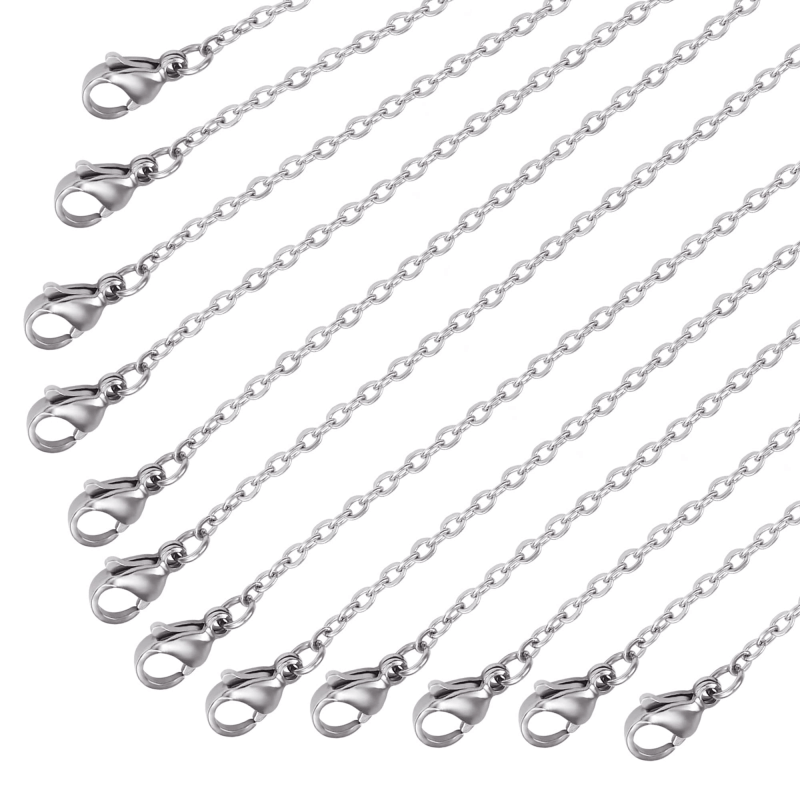
Jewelry findings are the essential components that play a pivotal role in the assembly and functionality of jewelry. These small parts may go unnoticed by the untrained eye, but they are indispensable in the construction of any piece of jewelry. Findings include items like clasps, which secure necklaces and bracelets; jump rings, which connect various parts of a piece; earring hooks, which allow earrings to be worn; and bails, which attach pendants to chains.
Without these components, it would be impossible to create functional jewelry that can be worn with ease. The selection of appropriate findings is crucial not only for the assembly of the jewelry but also for ensuring that the final product is both durable and aesthetically pleasing. High-quality findings enhance the longevity of the piece, preventing issues such as breakage or tarnishing, which can detract from the overall value of the jewelry.
In addition to their functional role, findings also contribute to the visual appeal of the jewelry. For instance, a well-chosen clasp can complement the design of a necklace, adding a touch of elegance or modernity, depending on the style. Similarly, decorative headpins and ear wires can elevate the look of earrings, making them stand out as unique and stylish accessories.
Understanding the different types of findings and their uses is the first step in ensuring that your jewelry designs are not only beautiful but also durable and functional. In the following sections, we will explore the various categories of findings available and how to choose the right ones for your specific needs.
Types of Jewelry Findings
Jewelry findings come in a wide range of categories, each serving a unique purpose in the assembly and design of jewelry. Understanding these categories will help you make informed decisions when selecting findings for your creations.
Clasps are perhaps the most critical type of finding, as they secure bracelets, necklaces, and anklets, ensuring that these pieces remain safely fastened during wear. There are several types of clasps, including lobster clasps, toggle clasps, and magnetic clasps, each offering different levels of security and ease of use. The choice of clasp can significantly influence the user experience, so it’s important to select one that aligns with both the design and functionality of the jewelry.
Jump rings are small metal rings used to connect different parts of a jewelry piece, such as attaching a clasp to a chain. These rings can be either open, allowing them to be twisted open and closed with pliers, or closed, providing a more secure connection. Jump rings are available in various sizes and thicknesses, making them versatile components for many types of jewelry.
Earring findings include components like earring hooks, posts, and backs, which are essential for creating earrings. Earring hooks, such as French hooks or leverbacks, are popular for dangling earrings, while posts are used for studs. The choice of earring finding depends on the style of earring being created and the comfort of the wearer.
Bails are another important type of finding, particularly for pendants. Bails are used to attach a pendant to a chain or cord, and they come in various styles, including pinch bails, slide-on bails, and glue-on bails. The design of the bail should complement the pendant while also ensuring a secure attachment.
Crimp beads and crimp tubes are small metal beads or tubes used to secure the ends of beading wire or thread. They are essential for making beaded jewelry, as they hold the beads in place and secure the clasp. Crimping pliers are used to flatten these components, ensuring a tight and secure fit.
Headpins and eye pins are used to create dangles or connectors in jewelry. Headpins have a flat or decorative end, while eye pins have a looped end. These findings are commonly used in earrings and necklaces to attach beads or other decorative elements.
These are just a few examples of the many types of jewelry findings available. Each type serves a specific purpose, and selecting the right findings for your designs is crucial for achieving the desired functionality and aesthetic appeal.
How Jewelry Findings Are Used
Jewelry findings are integral to the creation of various types of jewelry, from simple bracelets to intricate earrings. Understanding how these components are used can help you make better decisions when designing your pieces and choosing the right supplier.
In necklaces, findings like clasps, jump rings, and bails are used to attach the necklace to the wearer, secure the ends, and connect the pendant to the chain. For example, a lobster clasp might be chosen for its durability and ease of use, while a decorative bail could be selected to enhance the pendant’s visual appeal.
Bracelets often use similar findings as necklaces, but they may require more flexible components due to the movement of the wrist. Toggle clasps are a popular choice for bracelets because they are easy to fasten and provide a secure closure. Additionally, jump rings are used to connect charms or beads to the bracelet, allowing for customization and personalization.
Earrings rely heavily on findings to create both studs and dangle designs. Earring hooks or posts are essential for attaching the earring to the ear, while headpins or eye pins are used to connect beads or other decorative elements. The choice of findings in earrings is particularly important for comfort, as heavy or poorly designed findings can cause discomfort for the wearer.
In beaded jewelry, crimp beads and tubes are used to secure the ends of the beading wire or thread, ensuring that the beads stay in place and the design remains intact. These findings are crucial for the durability of the jewelry, as they prevent the beads from slipping off the wire.
By understanding how jewelry findings are used in different types of jewelry, you can better select the appropriate components for your designs. This knowledge will also help you communicate your needs more effectively when working with suppliers, ensuring that you receive the right findings for your projects.
Key Considerations When Choosing a Supplier
Selecting the right supplier for your jewelry findings is a critical decision that can impact the quality, reliability, and profitability of your business. There are several factors to consider when evaluating potential suppliers, and understanding these factors will help you make an informed choice.
Quality Assurance
Quality is paramount when it comes to jewelry findings. The materials used in these components, as well as the craftsmanship involved in their production, directly influence the durability and appearance of the final product. High-quality findings are essential for creating jewelry that is not only beautiful but also long-lasting.
When evaluating the quality of findings, look for smooth edges, strong construction, and professional finishing. These characteristics indicate that the findings have been carefully crafted and are less likely to cause issues such as breakage or tarnishing. It’s also important to consider the materials used in the findings. For example, findings made from sterling silver, gold, or stainless steel are typically more durable and resistant to corrosion than those made from base metals.
To ensure that you are receiving high-quality findings, it’s advisable to request samples from potential suppliers before making a purchase. Examining these samples closely will give you a better idea of the quality of the materials and craftsmanship. Additionally, working with suppliers who have established quality control processes and industry certifications, such as ISO or RJC, can provide further assurance of their commitment to quality.
In the next section, we will discuss the importance of supplier reliability and how to assess this critical factor when choosing a jewelry findings supplier.
Supplier Reliability
Reliability is a key factor when choosing a jewelry findings supplier. The supplier’s ability to consistently deliver high-quality products on time directly impacts your business operations. Delays in delivery or inconsistent product quality can disrupt your production schedule, leading to missed deadlines, customer dissatisfaction, and potential loss of sales.
One way to assess a supplier’s reliability is by researching their reputation within the industry. Look for reviews and testimonials from other customers, paying particular attention to feedback regarding the supplier’s delivery times, product consistency, and customer service. If possible, reach out to some of the supplier’s existing clients to get firsthand insights into their experiences.
Another important consideration is the supplier’s capacity to meet your demands. Ensure that the supplier has the production capabilities to fulfill your orders, especially if your business experiences seasonal spikes in demand or if you plan to scale up your operations in the future. Visiting the supplier’s facilities, if feasible, can provide valuable insights into their production processes, quality control measures, and overall operational efficiency.
In the next section, we will explore the significance of pricing and value for money when selecting a jewelry findings supplier.
Pricing and Value for Money
Price is an important consideration when choosing a jewelry findings supplier, but it should not be the sole factor in your decision. While it is essential to stay within your budget, it’s equally important to ensure that the findings you purchase offer good value for money. In other words, you should aim to balance cost with quality.
When evaluating a supplier’s pricing, consider the cost structure of the findings, which includes material costs, labor, and overhead. Keep in mind that lower prices may sometimes reflect lower quality materials or less rigorous quality control processes. Therefore, it’s important to carefully assess the quality of the findings before making a decision based solely on price.
Additionally, consider the supplier’s minimum order requirements. Some suppliers may offer competitive pricing but require large minimum orders, which can be a significant upfront cost, especially for smaller businesses or those just starting out. On the other hand, suppliers with lower minimum order requirements may offer more flexibility, allowing you to purchase smaller quantities and manage your cash flow more effectively.
Negotiating payment terms is another aspect to consider when evaluating pricing. Some suppliers may offer discounts for early payment or bulk orders, which can help you save money in the long run. Be sure to discuss these options with potential suppliers to see if you can secure more favorable terms.
Next, we will discuss the importance of a diverse product range and customization options when choosing a jewelry findings supplier.
Product Range and Customization
A supplier’s product range is another important factor to consider when making your decision. A supplier with a broad catalog of findings, including various styles, materials, and finishes, can better meet your design needs and help you stay on top of current fashion trends. Working with a supplier who offers a wide range of products can also simplify your sourcing process, allowing you to obtain all the findings you need from a single source.
In addition to a diverse product range, it’s important to consider the supplier’s ability to offer customization options. Custom findings can help you create unique and distinctive jewelry designs that stand out in the market. When evaluating a supplier’s customization capabilities, consider factors such as their experience with custom orders, the materials they can work with, and their ability to produce prototypes and samples for approval before mass production.
In the next section, we will discuss the value of working with experienced and knowledgeable suppliers and how to assess their expertise.
Supplier Experience and Expertise
Experience and expertise are crucial when selecting a jewelry findings supplier. A supplier with a long track record in the jewelry industry is more likely to understand the specific needs of your business and provide valuable insights and recommendations. Experienced suppliers are often more familiar with market trends, customer preferences, and the challenges of jewelry production, making them better equipped to offer solutions that can help you stay competitive.
When evaluating a supplier’s experience, consider their years in business, the diversity of their client base, and their portfolio of past projects. Suppliers who have worked with a wide range of clients, from small businesses to large brands, are likely to have a deeper understanding of different market segments and can offer more tailored solutions to meet your needs.
Expertise can also be assessed by examining the supplier’s ability to innovate and adapt to changing market conditions. Suppliers who regularly introduce new products or update their offerings to reflect current trends demonstrate a commitment to staying relevant in the industry. This is particularly important in the fast-paced world of fashion jewelry, where trends can change quickly, and staying ahead of the curve is essential for success.
In addition to industry knowledge, a supplier’s technical expertise is critical. This includes their understanding of different materials, production techniques, and quality control processes. Suppliers who can provide detailed information about the materials they use, the production methods they employ, and the steps they take to ensure consistent quality are more likely to deliver products that meet your expectations.
In the next section, we will discuss the importance of certifications and compliance when choosing a jewelry findings supplier.
Certifications and Compliance
Certifications and compliance with industry standards are key indicators of a supplier’s commitment to quality and ethical practices. Working with a supplier who holds relevant certifications, such as ISO (International Organization for Standardization) or RJC (Responsible Jewellery Council) certification, provides an additional layer of assurance that the supplier adheres to recognized best practices in the industry.
These certifications typically cover various aspects of the supplier’s operations, including quality management, environmental sustainability, and ethical sourcing of materials. For example, an ISO-certified supplier is likely to have well-established quality control processes in place, ensuring that the findings you receive consistently meet the required standards. Similarly, an RJC-certified supplier demonstrates a commitment to responsible business practices, including the ethical sourcing of materials and respect for human rights throughout the supply chain.
Compliance with local and international regulations is another important consideration. Suppliers who are compliant with environmental regulations, labor laws, and safety standards are less likely to encounter legal or operational issues that could disrupt your supply chain. Additionally, working with a compliant supplier helps protect your brand’s reputation by ensuring that your products are produced in an ethical and socially responsible manner.
In the next section, we will explore the role of communication and customer service in building a successful relationship with your jewelry findings supplier.
Communication and Customer Service
Effective communication and excellent customer service are fundamental to building a strong and successful relationship with your jewelry findings supplier. Clear and open communication ensures that both parties are on the same page regarding product specifications, order requirements, and delivery timelines. This reduces the likelihood of misunderstandings, errors, and delays that can negatively impact your business.
When evaluating a supplier’s communication skills, consider their responsiveness to inquiries, the clarity of their communication, and their willingness to address any concerns or questions you may have. A supplier who is easy to reach and provides timely, clear, and detailed responses is more likely to be a reliable partner.
Customer service is another critical aspect to consider. A supplier who values customer satisfaction will go the extra mile to ensure that your needs are met. This includes being flexible with order adjustments, providing support in case of issues, and offering solutions that benefit both parties. Good customer service also involves keeping you informed throughout the order process, from production updates to shipping notifications, so you always know the status of your orders.
Additionally, it’s important to establish clear contracts and service level agreements (SLAs) with your supplier. These documents should outline the expectations for both parties, including product quality standards, delivery timelines, payment terms, and procedures for handling disputes or issues. Having these agreements in place provides a solid foundation for a successful partnership and helps prevent potential conflicts down the line.
In the following section, we will discuss how to evaluate potential suppliers and the steps you can take to ensure you choose the best partner for your business.
Evaluating Potential Suppliers
Evaluating potential suppliers is a critical step in the process of choosing the right jewelry findings supplier. This involves researching the supplier’s background, requesting samples, and possibly visiting their facilities to ensure they meet your standards and requirements.
Researching Suppliers
The first step in evaluating potential suppliers is conducting thorough research. Start by identifying potential suppliers through various channels, such as online directories, trade shows, and industry referrals. Online platforms like Alibaba, ThomasNet, and other B2B marketplaces are excellent resources for finding suppliers and reading reviews from other buyers.
When researching suppliers, pay attention to their reputation within the industry. Look for reviews and testimonials from other businesses, particularly those similar to yours. These reviews can provide valuable insights into the supplier’s reliability, product quality, and customer service. It’s also a good idea to check if the supplier has any certifications or awards that indicate their commitment to quality and ethical practices.
In addition to online research, consider reaching out to the supplier’s existing clients for firsthand feedback. Ask about their experiences with the supplier, including any challenges they encountered and how the supplier addressed them. This information can help you make a more informed decision about whether the supplier is a good fit for your business.
Requesting Samples and Prototypes
Once you have identified a few potential suppliers, the next step is to request samples or prototypes of their products. This allows you to evaluate the quality of the findings firsthand and determine whether they meet your standards. When requesting samples, be specific about the materials, sizes, and finishes you require, and ask the supplier to provide detailed information about the production process and materials used.
Examine the samples closely, looking for any signs of poor craftsmanship, such as rough edges, weak connections, or inconsistent finishes. Pay attention to the weight, color, and overall feel of the findings, as these factors can affect the appearance and functionality of the final jewelry piece. If the samples meet your expectations, it may be worth placing a small initial order to further assess the supplier’s reliability and consistency.
Requesting prototypes is especially important if you are considering custom findings. Prototypes allow you to see how the supplier can translate your design specifications into a physical product. This is a crucial step in ensuring that the final product aligns with your vision and meets your quality standards.
Visiting Supplier Facilities
If feasible, visiting the supplier’s facilities is an excellent way to gain a deeper understanding of their operations and assess their capabilities. During a facility visit, you can observe the production process, evaluate the quality control measures in place, and assess the working conditions of the employees. This firsthand experience can provide valuable insights that are not always apparent through online research or sample evaluations.
During your visit, take note of the cleanliness and organization of the facility, the machinery and technology used in production, and the supplier’s adherence to safety and environmental regulations. Ask questions about the supplier’s production capacity, lead times, and their ability to handle large or complex orders. This information will help you determine whether the supplier has the resources and capabilities to meet your business needs.
In the next section, we will provide additional tips for buying wholesale jewelry findings and discuss legal considerations to keep in mind when working with suppliers.
Additional Tips for Buying Wholesale Jewelry Findings
Buying wholesale jewelry findings can be a cost-effective way to source the components you need for your jewelry designs. However, it’s important to approach the process with careful consideration to ensure you get the best value for your money and avoid potential pitfalls.
Understanding the Market
One of the first steps in buying wholesale jewelry findings is understanding the market. This involves staying informed about current fashion trends, customer preferences, and the types of findings that are in demand. By keeping up with market trends, you can ensure that the findings you purchase will appeal to your target audience and complement your jewelry designs.
It’s also important to compare different suppliers to find the best fit for your business. Look for suppliers who offer competitive pricing, high-quality products, and reliable delivery times. Additionally, consider the supplier’s product range and whether they offer the types of findings you need for your designs. A supplier with a diverse catalog can save you time and effort by providing all the components you need in one place.
Shopping Tips
When shopping for wholesale jewelry findings, it’s essential to inspect the materials in person whenever possible. Attending bead stores, expos, and trade shows allows you to see the products firsthand, evaluate their quality, and compare different options. This is especially important if you are purchasing findings made from precious metals or other high-value materials, as the quality can vary significantly between suppliers.
If you must purchase findings online, be cautious and take steps to verify the supplier’s credibility. Look for suppliers with clear return policies and a good reputation for customer service. Avoid relying on a single supplier for all your findings, as this can increase your risk if the supplier fails to deliver or if the quality of their products declines. Instead, diversify your sources by working with multiple suppliers to ensure a steady and reliable supply of findings.
Legal Considerations
When buying wholesale jewelry findings, it’s important to understand and comply with local regulations. This may include obtaining a sales tax license if required by your local government, as well as ensuring that your purchases comply with any import/export regulations if you are sourcing findings from overseas. Working with a legal professional can help you navigate these requirements and avoid potential legal issues.
In addition to legal compliance, it’s important to establish clear contracts with your suppliers. These contracts should outline the terms of the agreement, including product specifications, delivery timelines, payment terms, and procedures for resolving disputes. Having a well-defined contract in place helps protect your interests and ensures that both parties understand their obligations.
In the next section, we will discuss how to build a long-term partnership with your jewelry findings supplier and the importance of trust and mutual benefits in maintaining a successful relationship.
Building a Long-Term Partnership
Building a long-term partnership with your jewelry findings supplier is essential for maintaining a reliable supply chain and ensuring the success of your business. A strong partnership is built on trust, mutual benefits, and ongoing communication, allowing both parties to work together effectively and achieve their goals.
Establishing Trust and Mutual Benefits
Trust is the foundation of any successful business relationship, and it’s especially important when working with a jewelry findings supplier. Trust allows both parties to collaborate more effectively, share information openly, and address any issues that arise in a constructive manner. Establishing trust requires transparency, consistency, and a commitment to meeting each other’s needs.
To build trust with your supplier, start by setting clear expectations and communicating openly about your requirements. Be honest about your needs, timelines, and budget, and encourage your supplier to do the same. Regular communication is key to maintaining a strong relationship, so make an effort to stay in touch with your supplier, provide feedback on their products and services, and address any concerns promptly.
Mutual benefits are another important aspect of a successful partnership. Both parties should feel that they are gaining value from the relationship, whether it’s through reliable product supply, competitive pricing, or opportunities for growth and innovation. By focusing on mutual benefits, you can create a win-win situation that encourages long-term collaboration and shared success.
Monitoring Supplier Performance
Once you have established a partnership with a jewelry findings supplier, it’s important to regularly monitor their performance to ensure they continue to meet your expectations. Key performance indicators (KPIs) such as on-time delivery rates, product quality, and customer service responsiveness can help you evaluate the supplier’s reliability and consistency.
If you notice any issues with the supplier’s performance, address them as soon as possible. Open communication is essential for resolving problems and preventing them from escalating. Be proactive in providing feedback and working with your supplier to find solutions that meet both parties’ needs.
Monitoring supplier performance also involves staying informed about any changes in the supplier’s operations, such as new product offerings, changes in pricing, or updates to their production processes. By staying engaged with your supplier, you can ensure that your partnership remains strong and that your business continues to benefit from the relationship.
Negotiating Contracts and Agreements
Negotiating clear and fair contracts is an essential part of building a successful partnership with your jewelry findings supplier. A well-drafted contract outlines the terms of the agreement, including product specifications, delivery timelines, payment terms, and procedures for handling disputes. Having a contract in place helps protect your interests and ensures that both parties understand their obligations.
When negotiating contracts, it’s important to strike a balance between securing favorable terms and maintaining a positive relationship with your supplier. Be open to compromise and work collaboratively with your supplier to find solutions that benefit both parties. It’s also a good idea to involve legal counsel in the negotiation process to ensure that the contract is legally sound and enforceable.
In the final section, we will provide case studies and examples of successful supplier partnerships, as well as common pitfalls to avoid when choosing a jewelry findings supplier.
Case Studies and Examples
Learning from the experiences of others can provide valuable insights and help you avoid common pitfalls when choosing a jewelry findings supplier. In this section, we will explore case studies of successful supplier partnerships, as well as examples of challenges that businesses have faced and how they overcame them.
Success Stories
One example of a successful supplier partnership is a small jewelry brand that worked with a reputable findings manufacturer to create a line of custom clasps and connectors. The brand chose the supplier based on their extensive experience in the industry, their ability to offer high-quality materials, and their willingness to collaborate on custom designs. By working closely with the supplier, the brand was able to develop unique findings that set their jewelry apart from competitors. The partnership resulted in increased sales and customer satisfaction, as well as a strong, long-term relationship with the supplier.
Another success story involves a mid-sized jewelry company that diversified their supply chain by working with multiple findings suppliers. By sourcing different types of findings from various suppliers, the company was able to reduce their risk of supply chain disruptions and maintain consistent product quality. This approach allowed the company to scale their operations and meet growing customer demand while maintaining a high level of quality and reliability.
Common Pitfalls to Avoid
While many businesses successfully navigate the process of choosing a jewelry findings supplier, there are also common pitfalls that can lead to challenges or setbacks. One such pitfall is relying too heavily on a single supplier. While it may be convenient to source all your findings from one supplier, this approach can increase your risk if the supplier encounters production issues, quality problems, or financial difficulties. Diversifying your sources and working with multiple suppliers can help mitigate this risk.
Another common challenge is failing to thoroughly evaluate the quality of findings before placing a large order. Some businesses may be tempted to prioritize cost savings over quality, only to discover that the lower-priced findings do not meet their standards. To avoid this pitfall, it’s essential to request samples, evaluate them carefully, and consider the long-term impact of using lower-quality findings on your brand’s reputation and customer satisfaction.
In the final section, we will recap the key points covered in this guide and provide final tips and recommendations for choosing the right jewelry findings supplier.
Conclusion
Recap of Key Points
Choosing the right jewelry findings supplier is a critical decision that can significantly impact the quality, reliability, and profitability of your jewelry business. In this guide, we have covered the importance of selecting high-quality findings, the key factors to consider when evaluating suppliers, and the steps you can take to build a successful, long-term partnership with your supplier.
We have discussed the different types of jewelry findings, their uses, and how to choose the right ones for your designs. We have also explored the importance of quality assurance, supplier reliability, pricing, product range, and customization options. Additionally, we have provided tips for researching and evaluating potential suppliers, including requesting samples, visiting supplier facilities, and negotiating clear contracts.
Final Tips and Recommendations
As you begin your search for the right jewelry findings supplier, keep the following tips in mind:
- Prioritize Quality: High-quality findings are essential for creating durable and aesthetically pleasing jewelry. Don’t compromise on quality for the sake of cost savings.
- Evaluate Multiple Suppliers: Diversifying your supply chain reduces risk and ensures a steady supply of findings. Consider working with multiple suppliers to meet your needs.
- Communicate Clearly: Open and transparent communication with your supplier is key to building a successful partnership. Establish clear expectations and maintain regular contact.
- Be Informed: Stay updated on market trends, customer preferences, and industry standards. This knowledge will help you make informed decisions and stay competitive.
- Build Long-Term Relationships: A strong partnership with your supplier can lead to mutual benefits and long-term success. Focus on building trust and working collaboratively.
We hope this guide has provided you with valuable insights and practical advice for choosing the right jewelry findings supplier. If you have any questions or would like to share your experiences, please leave a comment below. We also encourage you to explore our other resources for more in-depth information on sourcing, designing, and producing high-quality jewelry.
Thank you for reading, and we wish you the best of success in finding the perfect supplier for your jewelry business!