
Polishing stainless steel jewelry is a key part of jewelry maintenance. Not only does it restore the shine of your favorite pieces, but it also helps maintain their durability and appearance. In this guide, we will walk you through the process of polishing stainless steel jewelry, share the best methods and tools, and answer some of the most common questions regarding this topic. So, if you want to keep your stainless steel jewelry looking as good as new, keep reading.
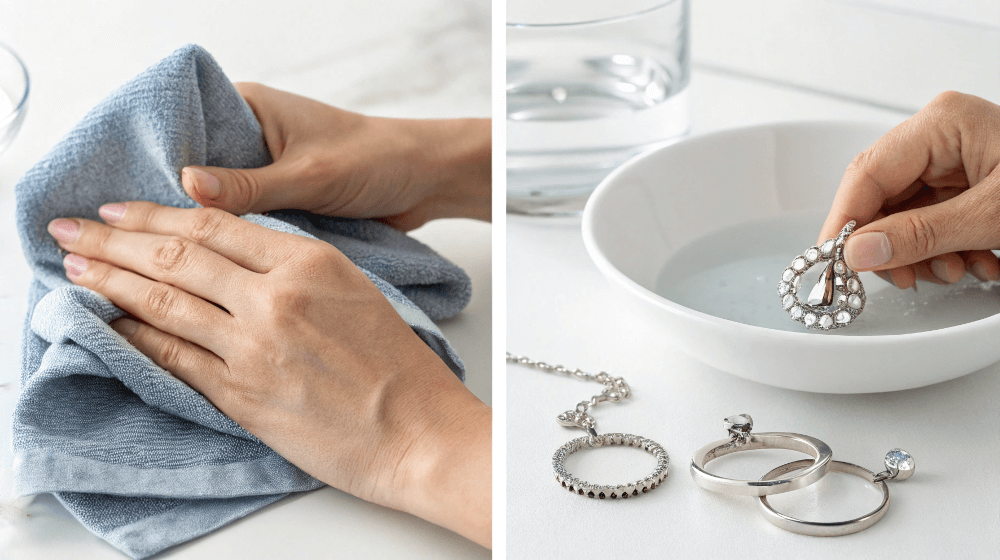
1. How to Polish Stainless Steel Jewelry?
When it comes to polishing stainless steel jewelry, the first thing you need to understand is the importance of keeping it in top condition. Over time, stainless steel jewelry can lose its shine due to exposure to dirt, oils, and even air. But here’s the kicker: polishing your jewelry isn’t just about appearance; it’s about preserving its quality.
There are several methods available for polishing stainless steel jewelry, and knowing which one to use will depend on the level of tarnish and the type of finish you desire. Some people opt for a simple hand-polishing method using a microfiber cloth, while others might turn to mechanical tools like a buffing wheel or a Dremel tool for a more thorough finish. Each method offers its own benefits, so let’s dive into the details of how you can polish your stainless steel jewelry effectively.
But wait – before we start polishing, let’s take a closer look at the tools you’ll need and the preparation steps involved.
Table 1: Common Tools for Polishing Stainless Steel Jewelry
| Tool | Purpose | How to Use it |
|---|---|---|
| Microfiber Polishing Cloth | Removes light tarnish and dirt | Rub gently in circular motions |
| Polishing Compound | Restores shine and smoothness | Apply compound with a soft cloth or wheel |
| Buffing Wheel | Polishes large or heavily tarnished areas | Attach to a rotary tool for precision |
| Dremel Tool | Detailed polishing | Use with polishing bits for a high shine |
2. What Are the Best Methods for Polishing Stainless Steel Jewelry?
What’s the real story? When you’re ready to polish your stainless steel jewelry, it’s essential to choose the method that best suits the type of jewelry you’re dealing with. You might be tempted to grab any old cloth, but there’s more to polishing than just wiping the surface.
For those who want a quick fix, manual polishing with a cloth is the simplest method. It’s ideal for cleaning everyday jewelry that has only light tarnish. You simply need to apply a small amount of polishing compound to the cloth and rub it into the surface of the jewelry. This method works well for rings, bracelets, and necklaces that aren’t heavily scratched or damaged.
Ready for the good part? For a more thorough cleaning, you may want to turn to a buffing wheel or a Dremel tool. These mechanical tools can get into the crevices of more intricate pieces and restore the jewelry’s shine more effectively. However, keep in mind that using these tools requires more caution and expertise to avoid over-polishing or damaging the surface.
Table 2: Methods of Polishing Stainless Steel Jewelry
| Method | Best For | Pros | Cons |
|---|---|---|---|
| Manual Polishing | Everyday jewelry, light tarnish | Simple, low-cost | Takes longer, less effective on heavy tarnish |
| Buffing Wheel | Larger pieces, intricate designs | Fast, detailed shine | Requires experience, risk of over-polishing |
| Dremel Tool | Detailed polishing, stubborn spots | Precise, fast | Risk of damaging delicate jewelry |
3. What Tools Do You Need to Polish Stainless Steel Jewelry?
So, what exactly do you need? When it comes to polishing stainless steel jewelry, having the right tools is crucial. Using the wrong tools can lead to uneven results or, even worse, damage to the jewelry.
At a minimum, you will need a microfiber cloth and a polishing compound. The cloth is essential for applying the compound without causing any scratches. A high-quality polishing compound will help remove tarnish and bring back the shine of your jewelry.
For those who prefer a more hands-on approach, a buffing wheel is an excellent addition to your toolkit. This tool works by spinning a soft cloth wheel to buff out tarnish and scratches. It’s best suited for pieces that require more extensive polishing.
What’s the real story? If you’re serious about jewelry polishing, investing in a Dremel tool could be a game-changer. A Dremel offers versatility and precision, allowing you to reach every nook and cranny of your jewelry. Plus, with the right attachment, you can adjust the speed for more delicate pieces or use a stronger setting for stubborn tarnish.
Table 3: Recommended Tools for Polishing Stainless Steel Jewelry
| Tool | Recommended Use | Price Range | Difficulty Level |
|---|---|---|---|
| Microfiber Cloth | Light polishing, cleaning | Low | Easy |
| Polishing Compound | Removing tarnish, restoring shine | Medium | Easy to moderate |
| Buffing Wheel | Deep polishing, heavy tarnish | High | Moderate to difficult |
| Dremel Tool | Detailed work, precision polishing | High | Moderate to expert |
4. Can You Polish Stainless Steel Jewelry at Home?
Now, you might be wondering, “Can I do this at home?” The good news is yes, you can absolutely polish stainless steel jewelry at home. In fact, it’s quite easy to do with the right tools and a little bit of patience.
Here’s how you can get started: Begin by cleaning your jewelry to remove any dirt or grime. You can do this using a soft cloth and some mild soap and water. Once the jewelry is clean, dry it thoroughly to prevent water spots. After cleaning, you can apply the polishing compound using a microfiber cloth. Gently rub the cloth over the jewelry in small circular motions, focusing on areas with tarnish or visible scratches.
But here’s the kicker: The more intricate the piece, the more care you need to take. For example, rings with detailed settings or necklaces with delicate chains should be polished carefully, as mechanical tools like a Dremel can sometimes be too harsh. If you’re unsure about polishing a piece yourself, consider having it professionally polished to avoid potential damage.
Table 4: Step-by-Step Guide for Home Polishing Stainless Steel Jewelry
| Step | Action | Tip |
|---|---|---|
| Step 1: Clean the Jewelry | Wash with mild soap and water | Use a soft cloth to dry it thoroughly |
| Step 2: Apply Polishing Compound | Rub compound into jewelry with a cloth | Use circular motions, gentle pressure |
| Step 3: Buff the Jewelry | Use a clean cloth to buff the surface | Focus on tarnished areas for best results |
| Step 4: Final Touches | Inspect and clean any residue | Re-polish if necessary for a mirror finish |
5. How Do You Prepare Stainless Steel Jewelry for Polishing?
Ready to start polishing? The first thing you need to do is prepare your stainless steel jewelry. But here’s where many people go wrong – skipping the cleaning step.
Before you begin polishing, it’s essential to remove any dirt, oils, or residues from your jewelry. You can do this by washing your jewelry in warm water with a mild soap. Use a soft brush to clean areas that are difficult to reach. Avoid using harsh chemicals or abrasive scrubbers, as these could scratch the surface of your jewelry.
After cleaning, make sure to dry the jewelry completely. Water droplets left behind can leave marks or cause tarnishing to return faster. Once dry, you can begin polishing the jewelry using your preferred method. Make sure to focus on areas with visible tarnish and use a polishing cloth or tool designed for stainless steel.
Table 5: Jewelry Cleaning Process Before Polishing
| Step | Action | Tool Needed |
|---|---|---|
| Step 1: Wash | Use mild soap and warm water | Soft brush, water, soap |
| Step 2: Dry | Thoroughly dry with a microfiber cloth | Microfiber towel |
| Step 3: Inspect | Check for any remaining dirt or grime | Magnifying glass (optional) |
| Step 4: Polish | Apply polishing compound | Polishing cloth |
6. How Do You Use Polishing Compounds for Stainless Steel Jewelry?
What’s the real story? If you want to restore the original shine to your stainless steel jewelry, using the right polishing compound is crucial. Polishing compounds are designed to remove scratches, tarnish, and stains from your jewelry, making it look new again.
There are different types of polishing compounds available, each suited to specific needs. For example, a white diamond compound is perfect for achieving a high-shine finish, while a rouge compound works better for removing fine scratches.
To apply the compound, you’ll need a soft cloth or a buffing wheel. Apply a small amount of compound to the cloth or wheel and gently rub it over the jewelry in circular motions. Avoid using too much pressure, as this can result in damage. Keep polishing until you see the desired shine, then wipe off any excess compound with a clean cloth.
Table 6: Types of Polishing Compounds and Their Uses
| Compound Type | Best For | Application Tips |
|---|---|---|
| White Diamond | High-shine finish | Use for final polishing to bring out the shine |
| Rouge Compound | Removing fine scratches | Apply with a microfiber cloth or buffing wheel |
| Tripoli Compound | Heavy tarnish removal | Ideal for removing deep tarnish or surface scratches |
7. Should You Use a Dremel Tool for Polishing Stainless Steel Jewelry?
Ready for the good part? If you’re looking for precision and efficiency when polishing your stainless steel jewelry, a Dremel tool might just be your best friend. Dremel tools are versatile rotary devices that can handle a wide range of tasks, including detailed polishing of jewelry. But here’s the kicker: While they are powerful and precise, they require a certain level of expertise to use safely and effectively.
A Dremel tool allows you to attach different polishing bits and compounds, making it ideal for intricate designs or areas that are hard to reach with traditional polishing cloths. The key to using a Dremel tool effectively lies in choosing the right attachment and speed setting. A slower speed is ideal for delicate jewelry, while higher speeds are better suited for heavy tarnish or larger pieces.
But wait – before you dive in, remember that it’s essential to work in a well-lit area and wear safety glasses to protect your eyes from debris. With practice, you can achieve a high-quality finish, but always test on a less valuable piece first if you’re new to using a Dremel tool.
Table 7: Dremel Tool Use for Polishing Jewelry
| Tool Attachment | Purpose | Speed Setting | Usage Tips |
|---|---|---|---|
| Felt Polishing Wheel | Polishing and buffing | Low to Medium | Ideal for delicate jewelry finishes |
| Polishing Abrasive Bit | Removing heavy tarnish | High | Best for stubborn tarnish or scratches |
| Sanding Drum | Smoothing rough surfaces | Medium to High | Use for large surfaces or deep scratches |
8. What Are the Common Mistakes to Avoid When Polishing Stainless Steel Jewelry?
What’s the real story? While polishing stainless steel jewelry can be straightforward, there are several common mistakes that many people make – and trust me, you want to avoid these. Here’s a breakdown of the top errors and how to avoid them.
First off, over-polishing is a significant issue. Applying excessive pressure or spending too much time on a single area can wear down the surface and leave it looking dull rather than shiny. Always use light, consistent pressure to avoid this problem. Another mistake is using the wrong type of polishing compound. Each jewelry piece has unique needs, and using a compound that’s too abrasive can cause scratches or even discoloration.
Additionally, not cleaning your jewelry before polishing is a big no-no. If you polish a piece with dirt or oils on it, you risk rubbing those particles into the surface, which can create scratches. Always clean your jewelry thoroughly before you begin polishing to ensure the best results.
Table 8: Common Mistakes When Polishing Stainless Steel Jewelry
| Mistake | Consequence | How to Avoid |
|---|---|---|
| Over-polishing | Dulling the surface or damaging the finish | Use light, even pressure |
| Using the wrong compound | Scratches or discoloration | Choose the right compound |
| Skipping the cleaning step | Rubbing dirt into the surface | Always clean before polishing |
9. How Do You Achieve a Mirror-Like Finish on Stainless Steel Jewelry?
If you want your stainless steel jewelry to shine like a mirror, you’re going to need to use the right techniques. Ready for the good part? Achieving a mirror-like finish requires patience and attention to detail. The first step is polishing with a fine polishing compound. The finer the compound, the smoother the finish.
But here’s the kicker: To get that perfect high-gloss shine, you’ll need to use progressively finer compounds. Start with a coarse compound to remove tarnish and scratches, then work your way to finer compounds to polish the surface to a high shine. Don’t forget to use a clean microfiber cloth after each polishing stage to wipe off any residue.
Additionally, after polishing, use a soft buffing wheel to make the surface even smoother. This final buffing stage will help bring out that mirror-like effect that many jewelry lovers crave.
Table 9: Steps for Achieving a Mirror-Like Finish
| Step | Action | Tip |
|---|---|---|
| Step 1: Use Coarse Compound | Apply and rub in circular motions | Focus on removing tarnish and deep scratches |
| Step 2: Use Finer Compounds | Polish with a finer compound | Progressively use smoother compounds for a high shine |
| Step 3: Buff and Finish | Use a clean buffing wheel | Buff gently to remove any remaining residue and polish |
10. Can You Prevent Tarnish and Scratches on Stainless Steel Jewelry?
Now, you might be thinking, “How can I prevent tarnish and scratches in the first place?” Well, the good news is that stainless steel jewelry is relatively resistant to tarnish, but it still requires proper care to maintain its appearance.
What’s the real story? Tarnish occurs when jewelry reacts with moisture or chemicals. To prevent this, it’s important to store your jewelry properly. Avoid wearing it in situations where it could come into contact with harsh chemicals, such as cleaning products or perfumes. When you’re not wearing your jewelry, store it in a soft pouch or jewelry box to protect it from scratches.
But wait – that’s not all. Another way to prevent tarnish is by regularly cleaning your jewelry. Gently wipe it down after each use to remove oils and grime that can cause tarnish over time. Using a protective coating or jewelry polish can also help shield your pieces from everyday wear and tear.
Table 10: Tips to Prevent Tarnish and Scratches
| Tip | Purpose | Recommended Action |
|---|---|---|
| Store in a soft pouch or box | Prevents scratches and exposure to air | Use soft pouches or fabric-lined boxes |
| Clean jewelry after each use | Removes oils and dirt | Wipe with a microfiber cloth |
| Use protective coating | Shields from tarnish and minor scratches | Apply jewelry-safe protective coatings |
11. How Often Should You Polish Stainless Steel Jewelry?
Wondering how often you should be polishing your stainless steel jewelry? The answer varies depending on how frequently you wear your pieces and the environment in which you wear them. Ready for the good part? If you wear your jewelry daily, it’s a good idea to give it a light polish every few weeks. For pieces that you wear less often, polishing every couple of months should suffice.
What’s the real story? If your jewelry starts to look dull or you notice tarnish beginning to form, that’s the time to polish it. Polishing too frequently, especially with harsh compounds, can lead to wear and tear. On the other hand, leaving jewelry unpolished for too long can lead to irreversible tarnish buildup, so it’s all about balance.
Table 11: How Often to Polish Stainless Steel Jewelry
| Frequency | Ideal For | Action |
|---|---|---|
| Every few weeks | Daily wear jewelry | Light polishing to maintain shine |
| Every couple of months | Jewelry worn less frequently | Full polishing to restore appearance |
| As needed (when tarnish appears) | Tarnished jewelry | Polishing to remove tarnish and restore shine |
12. Are There Any Eco-Friendly Options for Polishing Stainless Steel Jewelry?
What’s the real story? Many people are concerned about the environmental impact of the products they use, and jewelry polishing is no exception. The good news is that there are eco-friendly options available that still offer excellent results.
One of the most popular eco-friendly options is using natural polishing compounds. For example, a mixture of baking soda and water can be used to gently buff away tarnish. Not only are these options safer for the environment, but they also avoid harsh chemicals that can be harmful to your jewelry. Additionally, many eco-conscious brands now offer polishing cloths made from sustainable materials, so you can achieve a beautiful finish while protecting the planet.
But here’s the kicker: Eco-friendly options may take a little more time and effort than traditional methods, but they provide a non-toxic, gentle way to polish your jewelry.
Table 12: Eco-Friendly Polishing Options for Stainless Steel Jewelry
| Option | Purpose | Eco-Friendly Benefit |
|---|---|---|
| Baking Soda and Water | Gentle polishing compound | Non-toxic, biodegradable, readily available |
| Eco-Friendly Polishing Cloths | Buffing and polishing jewelry | Made from sustainable materials |
| Natural Polishing Pastes | Polishing with natural, abrasive compounds | Free from harmful chemicals |
13. Can You Remove Scratches from Stainless Steel Jewelry?
What’s the real story? If your stainless steel jewelry has developed scratches, don’t panic – there are ways to fix it. While deep scratches might require professional help, light scratches can often be buffed out with the right tools.
Here’s the kicker: You’ll need to use a fine polishing compound or a specialized jewelry polish to remove scratches. Applying a small amount of compound to a microfiber cloth and gently buffing the scratched area can help restore its smooth surface. For more significant damage, you may need to visit a professional jeweler who can use advanced tools to smooth out the surface without causing further damage.
Table 13: Scratch Removal Process for Stainless Steel Jewelry
| Step | Action | Tool/Compound Used |
|---|---|---|
| Step 1: Clean the Area | Wash and dry the scratched jewelry | Mild soap and water |
| Step 2: Apply Polishing Compound | Rub the compound on the scratch gently | Jewelry-safe polishing compound |
| Step 3: Buff the Surface | Buff until the scratch is no longer visible | Microfiber cloth or buffing wheel |
14. What Are the Benefits of Polishing Stainless Steel Jewelry Regularly?
The benefits of polishing your stainless steel jewelry regularly go beyond aesthetics. Ready for the good part? Regular polishing extends the lifespan of your jewelry, preventing tarnish and wear that can make it look old and worn out. Polishing also helps maintain its natural luster and ensures that it retains its original shine, keeping it looking new for longer.
What’s the real story? Regular polishing can also help you spot damage early, such as scratches or dents that might need professional repair. This proactive approach helps keep your jewelry in excellent condition, preserving both its value and appearance.
Table 14: Benefits of Regular Polishing
| Benefit | Explanation | Result |
|---|---|---|
| Extends jewelry lifespan | Prevents tarnish and wear | Jewelry stays in great condition longer |
| Maintains shine | Keeps jewelry looking new | Enhances the visual appeal of the jewelry |
| Early damage detection | Identifies scratches or wear early | Prevents costly repairs later on |
15. How Do You Maintain the Shine of Stainless Steel Jewelry After Polishing?
Finally, keeping that polished shine intact is just as important as the polishing process itself. The secret is in proper care and maintenance. What’s the real story? By storing your stainless steel jewelry properly, cleaning it regularly, and taking care when wearing it, you can maintain its shine and keep it looking beautiful.
For example, avoid wearing jewelry when swimming or showering, as exposure to water can cause tarnish over time. Always store your jewelry in a safe place, such as a jewelry box or soft pouch, to avoid scratches. Cleaning it periodically with a soft cloth will also help remove any oils or dirt that might dull the surface.
Table 15: Tips to Maintain Shine After Polishing
| Tip | Purpose | Recommended Action |
|---|---|---|
| Store in a jewelry box | Prevents scratching and tarnish | Use fabric-lined boxes or pouches |
| Clean periodically | Maintains shine by removing dirt and oils | Use a soft microfiber cloth |
| Avoid exposure to chemicals | Prevents tarnish and damage | Remove jewelry before using chemicals |
Conclusion
To wrap it up, polishing stainless steel jewelry is an essential task that can greatly enhance the appearance and longevity of your pieces. By following the steps outlined in this guide, you’ll be able to restore your jewelry’s shine and maintain its pristine condition for years to come. Whether you choose to polish your jewelry at home or seek professional help, remember to always use the right tools and techniques to avoid any mistakes. Keep polishing, and your stainless steel jewelry will continue to shine brilliantly!
FAQ Section
Q1: What is stainless steel jewelry?
Stainless steel jewelry is made from an alloy of steel and chromium, which gives it strength, durability, and resistance to rust, tarnish, and corrosion. It’s a popular choice due to its modern appearance and affordability.
Q2: How does polishing stainless steel jewelry work?
Polishing stainless steel jewelry removes tarnish, dirt, and scratches from the surface, restoring its shine and smoothness. It works by buffing away impurities without damaging the underlying metal.
Q3: Can I use household items to polish stainless steel jewelry?
Yes, some household items like baking soda and vinegar can be used for light polishing, but for best results, it’s recommended to use specialized polishing compounds and cloths designed for jewelry.
Q4: How do I prevent scratches on my stainless steel jewelry?
To prevent scratches, avoid wearing jewelry when doing tasks that could cause friction, store jewelry in a soft cloth or pouch, and clean it regularly using appropriate methods.
Q5: How long does the polishing process take?
The time required depends on the method used and the level of tarnish. Polishing by hand typically takes 15–30 minutes, while using a buffing wheel or Dremel tool can speed up the process, making it faster but more technical.


