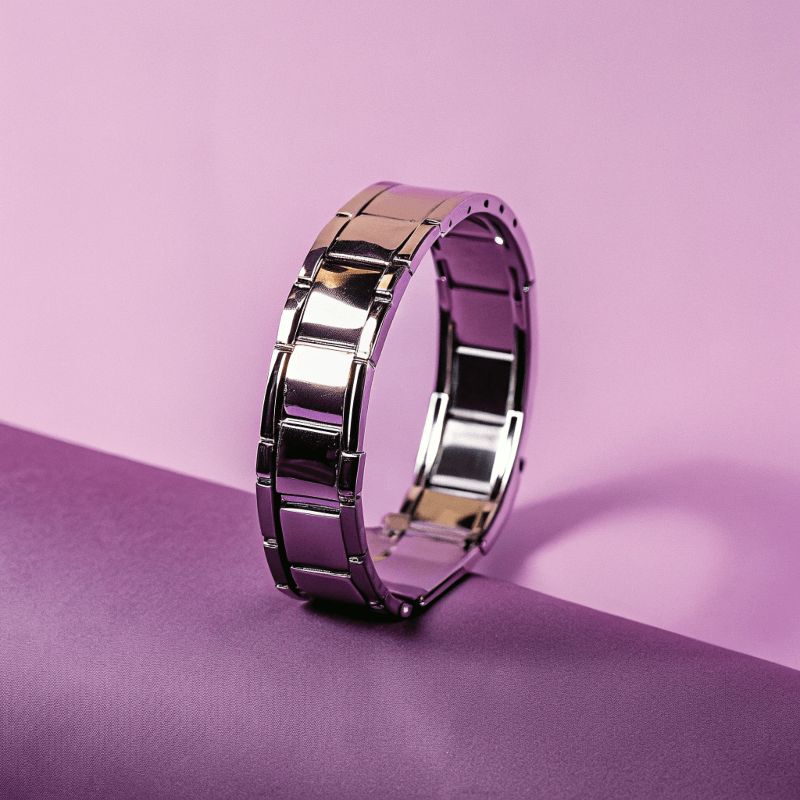
When buying a stainless steel bracelet, knowing whether it is real or fake can be tricky. Don’t let the allure of an inexpensive price fool you—understanding the authenticity of a stainless steel bracelet can save you from wasting money on subpar jewelry.
In this article, I’ll show you how to tell if a stainless steel bracelet is genuine and what signs to look out for to ensure you’re getting value for your money.
This is crucial for anyone purchasing a stainless steel bracelet, especially in a B2B setting where large quantities are being sourced. Let’s dive into the details.
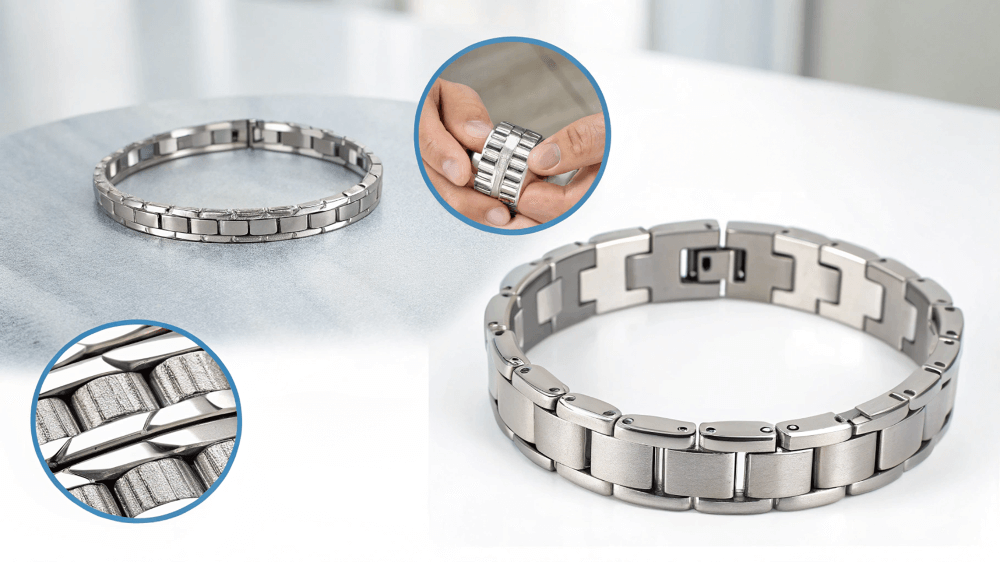
1. What Are the Key Characteristics of Stainless Steel Bracelets?
When shopping for a stainless steel bracelet, it’s essential to understand its defining characteristics. Stainless steel is known for its strength, corrosion resistance, and stylish appearance.
What makes stainless steel bracelets stand out? The metal is not only durable but also highly resistant to tarnishing. This makes it a popular choice for jewelry that needs to withstand daily wear. Stainless steel bracelets have a unique shine that sets them apart from other metals.
Understanding these key characteristics will help you recognize authentic stainless steel bracelets, and avoid purchasing inferior or imitation items.
Key Characteristics of Stainless Steel
- Durability: Stainless steel is incredibly durable, resistant to scratching, tarnishing, and corrosion.
- Appearance: The surface of stainless steel is sleek and polished, often with a slight shine or matte finish depending on the design.
- Strength: It’s a tough metal, ideal for daily wear without compromising the look.
- Resistant to Corrosion: Unlike other metals like iron, stainless steel doesn’t rust easily.
- Non-Allergenic: It’s a safe option for individuals with metal allergies.
Identifying Real Stainless Steel
- Weight: Genuine stainless steel feels heavy and substantial. Fake bracelets are often lighter.
- Finish: Real stainless steel bracelets often have a smooth, well-polished surface with no irregularities.
Stainless Steel Grades
There are different grades of stainless steel, the most common being 304 and 316L. The 316L grade is often used in high-end jewelry due to its enhanced resistance to corrosion.
| Stainless Steel Grade | Characteristics | Best Uses |
|---|---|---|
| 304 | Most common, corrosion-resistant | Standard jewelry |
| 316L | High corrosion resistance, hypoallergenic | High-end jewelry |
Understanding these grades will help you ensure the bracelet is of high quality.
2. How Can You Spot Fake Stainless Steel Bracelets?
It’s vital to learn how to spot a fake stainless steel bracelet to avoid spending money on an inferior product. Here are the primary signs that indicate a bracelet might not be real stainless steel.
So, how can you identify fake stainless steel?
Fake stainless steel bracelets are often made from cheaper metals that lack the durability, shine, and resistance to rust that true stainless steel provides. Knowing what to look for can prevent you from making a costly mistake.
Signs of Fake Stainless Steel
- Lightweight Feel: Fake bracelets are often lighter than real stainless steel.
- Rusting: Stainless steel doesn’t rust easily. If you notice rust or discoloration, the bracelet is likely not genuine.
- Magnet Test: Stainless steel, especially high-quality grades, is not magnetic. Use a magnet to test your bracelet. If it sticks, it’s likely not real stainless steel.
Other Common Indicators
- Poor Finish: Fake stainless steel often has a rougher finish, with visible flaws.
- Color Variation: Real stainless steel doesn’t fade or change color over time, but fake materials might discolor with use.
Table: Common Indicators of Fake Stainless Steel Bracelets
| Indicator | What to Look For | Likely Outcome if Fake |
|---|---|---|
| Lightweight Feel | Bracelet feels unusually light | Likely made of inferior metals |
| Rusting | Signs of rust or discoloration | Not genuine stainless steel |
| Magnet Test | Bracelet sticks to a magnet | Indicates a fake material |
| Poor Finish | Visible flaws, rough surface | Indicates low-quality or fake |
| Color Variation | Discoloration over time | Fake material or low-grade steel |
3. Why Does Authenticity Matter for Stainless Steel Bracelets?
Authenticity matters when purchasing stainless steel jewelry, especially in bulk for resale. Genuine stainless steel bracelets offer lasting value, while fake ones can deteriorate quickly, affecting your reputation as a supplier.
Why should authenticity be a priority for you as a buyer or seller?
Purchasing real stainless steel ensures that the jewelry will maintain its quality over time, saving you from the costs of returns or dissatisfied customers.
Risks of Buying Fake Stainless Steel Bracelets
- Poor Durability: Fake stainless steel will wear out faster and may even break or discolor.
- Loss of Trust: Selling fake items can hurt your business reputation, especially when customers notice poor quality.
- Health Risks: Fake jewelry might contain harmful chemicals that can irritate the skin or cause allergic reactions.
Benefits of Buying Authentic Stainless Steel
- Long-Lasting Quality: Genuine stainless steel maintains its shine and structural integrity.
- Customer Satisfaction: Authentic jewelry ensures that your customers are happy with their purchase, leading to repeat business.
Table: Risks and Benefits of Buying Real vs. Fake Stainless Steel Bracelets
| Aspect | Fake Stainless Steel | Real Stainless Steel |
|---|---|---|
| Durability | Wears out quickly, may discolor or break | Long-lasting, resists rust and tarnishing |
| Reputation | Risk of poor customer reviews and returns | Builds trust with customers |
| Health Risks | May contain harmful chemicals, causing irritation | Hypoallergenic, safe for most people |
| Cost | Initially cheaper, but costly in the long run | Slightly higher price but worth it for quality |
4. How to Test a Stainless Steel Bracelet at Home?
Testing the authenticity of a stainless steel bracelet doesn’t always require professional help. There are simple tests you can perform at home to check if the bracelet is genuine or not.
How can you test a stainless steel bracelet yourself?
There are a variety of DIY tests you can use to check the material’s authenticity. From magnetic tests to checking the finish, these steps will help you confirm if you’re dealing with real stainless steel.
Simple Tests You Can Do at Home
- Magnet Test: As mentioned earlier, stainless steel, especially high-grade steel, is not magnetic. You can test this by holding a small magnet near the bracelet. If it sticks, the bracelet is likely not stainless steel.
- Water and Soap Test: Stainless steel is resistant to corrosion. If the bracelet begins to rust or shows signs of discoloration after being exposed to water or soap, it’s a clear sign it’s not authentic.
- Polish Test: You can also try polishing the bracelet with a soft cloth. Authentic stainless steel has a smooth surface that responds well to polishing and doesn’t scratch easily.
The Importance of Simple Testing
Performing these tests ensures that you’re making an informed purchase, especially when buying in bulk. For businesses, conducting these simple tests before purchasing a batch of bracelets can save time, money, and customer dissatisfaction.
Table: Testing Methods for Stainless Steel
| Test Method | What to Look For | Outcome If Fake |
|---|---|---|
| Magnet Test | Shouldn’t attract a magnet | If it sticks, it’s not real stainless steel |
| Water and Soap Test | Should not rust or discolor | If rusting occurs, it’s fake |
| Polish Test | Should polish without scratching | Scratches indicate poor quality or fake material |
5. What Are the Visual Indicators of Real Stainless Steel Bracelets?
There are specific visual cues you can look for when determining the authenticity of a stainless steel bracelet. The quality and finish of the bracelet are often the first things you can observe.
How can you visually identify a real stainless steel bracelet?
A genuine stainless steel bracelet will have a smooth and polished surface, free from irregularities. Unlike fakes, real stainless steel doesn’t lose its shine or color after exposure to water, wear, or time.
Key Visual Indicators of Authentic Stainless Steel
- Smooth, Shiny Surface: Real stainless steel bracelets have a glossy finish that remains consistent over time.
- No Rust or Staining: Stainless steel doesn’t rust or discolor easily, unlike other metals like copper or iron.
- Engravings or Stamps: Authentic stainless steel jewelry often comes with a brand logo or metal grade stamp (such as 316L or SS). If there’s no marking, it’s worth investigating further.
How to Examine the Bracelet for Visual Cues
Use a magnifying glass or jeweler’s loupe to inspect the bracelet closely. Look for any irregularities in the surface and any signs of rust or corrosion that may signal poor quality.
Table: Visual Indicators of Real Stainless Steel
| Indicator | What to Look For | Meaning |
|---|---|---|
| Shiny, Smooth Surface | Glossy finish without scratches | Genuine stainless steel |
| Engravings or Stamps | “316L” or “SS” stamp | Authentic stainless steel |
| Rust or Staining | No discoloration or rust marks | Likely fake material |
6. What Are the Common Misconceptions About Stainless Steel Bracelets?
Many misconceptions exist when it comes to stainless steel jewelry, particularly stainless steel bracelets. These myths can lead to confusion and poor purchasing decisions.
What are some common myths about stainless steel bracelets?
Some people believe that all stainless steel is the same, or that it’s prone to rusting or corroding. Others may assume it’s only available in a certain color or finish. Addressing these misconceptions will help you understand how to choose the right bracelet.
Common Misconceptions
- Myth 1: All stainless steel is the same quality.
- Myth 2: Stainless steel always looks shiny and silver.
- Myth 3: Stainless steel bracelets can rust over time.
- Myth 4: Stainless steel is only for men’s jewelry.
Understanding the Facts
It’s essential to understand that not all stainless steel is equal. Grades like 316L are far more resistant to corrosion than lower-grade steels. Additionally, stainless steel is available in various finishes, including matte and brushed, making it more versatile than just shiny silver.
Table: Misconceptions vs. Facts About Stainless Steel Bracelets
| Myth | Fact |
|---|---|
| All stainless steel is the same | There are different grades, and quality varies |
| Stainless steel always looks shiny | It comes in multiple finishes, including matte |
| Stainless steel rusts over time | High-grade stainless steel is resistant to rust |
| Stainless steel is only for men | It’s widely used in both men’s and women’s jewelry |
7. How Can You Verify the Seller’s Credibility for Stainless Steel Bracelets?
Before purchasing stainless steel bracelets, it’s essential to verify the seller’s credibility. For a B2B buyer, ensuring that the supplier is trustworthy can save you from receiving counterfeit or subpar products.
Why is verifying the seller’s credibility important?
In B2B sales, buying from a credible seller ensures you’re receiving high-quality products at fair prices. Working with reputable suppliers also reduces the risk of receiving fake or low-quality items.
How to Verify a Seller’s Credibility
- Check Reviews and Testimonials: Look for customer feedback and reviews to assess the reliability of the supplier.
- Ask for Certificates: Reputable sellers often provide certificates of authenticity or documents that confirm the quality and origin of their stainless steel products.
- Request Samples: Before making large orders, ask the seller for samples. This allows you to verify the bracelet’s quality firsthand.
Table: Seller Verification Checklist
| Verification Method | What to Look For |
|---|---|
| Customer Reviews | Positive feedback, long-standing reputation |
| Authenticity Certificates | Proven quality and grade of stainless steel |
| Sample Requests | Requesting a sample before bulk purchase |
8. What Are the Key Differences Between Stainless Steel and Other Metals?
Many people confuse stainless steel with other metals, such as silver, gold, or titanium. Understanding the differences will help you choose the right material for your stainless steel bracelet.
How does stainless steel compare to other popular metals?
Stainless steel is often used as an affordable alternative to silver or gold but offers different properties, such as greater strength and resistance to corrosion. Understanding these differences is crucial when sourcing jewelry.
Stainless Steel vs. Other Metals
- Stainless Steel vs. Silver: Stainless steel is stronger and more durable, but silver has a softer, more malleable texture.
- Stainless Steel vs. Gold: Stainless steel is a fraction of the cost of gold and much more durable. Gold is soft, making it prone to scratches.
- Stainless Steel vs. Titanium: Titanium is even stronger than stainless steel and lighter, but stainless steel has a shinier finish.
Comparison Table: Stainless Steel vs. Other Metals
| Property | Stainless Steel | Silver | Gold | Titanium |
|---|---|---|---|---|
| Strength | Very Strong | Strong | Moderate | Extremely Strong |
| Durability | Very Durable | Moderate | Moderate | Durable |
| Cost | Low | Moderate | High | Moderate |
| Corrosion Resistance | High | Low | Low | Very High |
9. What Are the Most Common Types of Stainless Steel Bracelets?
Stainless steel bracelets come in various designs and styles, which can appeal to different tastes and preferences.
What types of stainless steel bracelets are available?
From elegant link bracelets to bold cuffs, the options are endless. Understanding the different types will help you choose the best one for your needs, whether for personal use or resale.
Popular Types of Stainless Steel Bracelets
- Link Bracelets: These are made of interlocking pieces of metal and are often customizable.
- Cuffs: Wide, open bracelets that can be adjusted to fit the wrist.
- Bangles: Circular, rigid bracelets with no clasp, often worn stacked for a more fashionable look.
How to Choose the Right Bracelet Type
When choosing the type of bracelet, consider factors like style, durability, and the occasion it will be worn for.
Table: Types of Stainless Steel Bracelets
| Bracelet Type | Characteristics | Suitable For |
|---|---|---|
| Link Bracelets | Made of interlocking metal links | Customizable, versatile |
| Cuffs | Wide, adjustable, no clasp | Bold fashion statement |
| Bangles | Circular, rigid, no clasp | Casual and trendy wear |
10. How Does the Quality of Stainless Steel Affect Bracelet Durability?
The quality of stainless steel directly affects the durability of the bracelet, influencing its longevity and how well it holds up over time.
Why is the quality of stainless steel important for durability?
Higher-quality stainless steel, like 316L, is far more resistant to corrosion, tarnishing, and wear. Lower-quality stainless steel may degrade faster, leading to discoloration and breakage.
Factors Influencing Durability
- Steel Grade: The higher the grade, the better the corrosion resistance.
- Finishing Process: A high-quality finish protects the steel from scratches and discoloration.
- Bracelet Design: Solid, well-made designs last longer than cheap, flimsy ones.
Table: Stainless Steel Grades and Durability
| Stainless Steel Grade | Durability | Corrosion Resistance | Common Uses |
|---|---|---|---|
| 304 | Moderate | Low | Standard jewelry |
| 316L | High | Very High | Premium jewelry |
11. Why Should You Care About Stainless Steel Grades?
When buying stainless steel jewelry, understanding the different grades is crucial. Higher-grade stainless steel is more durable, corrosion-resistant, and hypoallergenic, which are all important qualities for jewelry.
How do stainless steel grades affect bracelet quality?
Grades like 316L are superior because they provide better durability and resistance to the elements. These qualities are essential for ensuring the bracelet lasts and looks good over time.
Understanding Stainless Steel Grades
- 304 Stainless Steel: This is the most commonly used grade but may not offer the best corrosion resistance for jewelry.
- 316L Stainless Steel: This is the best choice for jewelry, especially for those with sensitive skin, as it’s hypoallergenic and resistant to rust.
Table: Stainless Steel Grades and Their Uses
| Stainless Steel Grade | Durability | Corrosion Resistance | Common Uses |
|---|---|---|---|
| 304 | Moderate | Low | General jewelry, kitchenware |
| 316L | High | Very High | Premium jewelry, medical devices, marine equipment |
12. What Are the Best Methods for Caring for Stainless Steel Bracelets?
Proper care will keep your stainless steel bracelet looking new for years. Regular cleaning and careful handling are essential for preserving the bracelet’s shine and durability.
How should you care for your stainless steel bracelet?
Caring for your bracelet involves regular cleaning, avoiding harsh chemicals, and storing it properly. These small steps will extend the life of the bracelet.
Care Tips for Stainless Steel Bracelets
- Cleaning: Use a soft cloth and mild soap to gently clean your bracelet.
- Avoid Harsh Chemicals: Keep your bracelet away from bleach, chlorine, and other harsh substances.
- Storage: Store your bracelet in a jewelry box to avoid scratches and dust buildup.
Table: Recommended Care Methods for Stainless Steel Bracelets
| Care Method | Recommendation |
|---|---|
| Cleaning | Soft cloth, mild soap |
| Avoiding Chemicals | Keep away from harsh substances like bleach |
| Storage | Store in a padded box or cloth bag to prevent scratches |
13. Can You Customize Stainless Steel Bracelets?
Customization adds a personal touch to any stainless steel bracelet, making it an ideal choice for gifts or branded jewelry.
Can stainless steel bracelets be customized?
Yes! Stainless steel is versatile, and many customization options exist, including engraving, adding gemstones, or altering the bracelet’s design.
Popular Customization Options
- Engraving: Personalized engravings add a unique, sentimental touch.
- Gemstones: Adding stones like diamonds or sapphires enhances the bracelet’s appeal.
- Size Adjustments: Custom sizes are available to ensure a perfect fit.
Table: Customization Options for Stainless Steel Bracelets
| Customization Type | Description | Ideal For |
|---|---|---|
| Engraving | Personalized messages or logos | Gifts, personalized items |
| Gemstones | Adding precious or semi-precious stones | Luxury or decorative bracelets |
| Size Adjustments | Custom-sizing for perfect fit | Tailored customer needs |
14. How Much Do Real Stainless Steel Bracelets Cost?
Understanding the pricing of stainless steel bracelets is important, especially for B2B buyers looking to make bulk purchases. Prices can vary depending on the grade, design, and supplier.
What should you expect to pay for a real stainless steel bracelet?
Prices for authentic stainless steel bracelets typically range from affordable to expensive, depending on the factors mentioned. Knowing the range helps you assess whether you’re being offered a fair deal.
Factors Affecting Cost
- Bracelet Design: More intricate designs will cost more.
- Stainless Steel Grade: Higher grades like 316L are more expensive.
- Branding and Customization: Branded or customized bracelets are priced higher.
Table: Stainless Steel Bracelet Pricing by Type
| Bracelet Type | Price Range (USD) | Key Features |
|---|---|---|
| Simple Bracelet | $10 – $50 | Basic design |
| Custom Bracelet | $50 – $150 | Engraving or added gems |
| High-End Bracelet | $150 – $500 | Premium grade, luxury finish |
15. Where Can You Buy Real Stainless Steel Bracelets?
Finding reliable sources for buying real stainless steel bracelets is essential for ensuring the authenticity and quality of your purchases.
Where should you buy real stainless steel bracelets?
You can buy genuine stainless steel bracelets from well-known jewelry stores, online retailers, or even direct from manufacturers.
Reliable Places to Purchase
- Reputable Online Stores: Websites like Amazon or specialized jewelry platforms.
- Local Jewelry Shops: Trusted local stores often carry genuine stainless steel jewelry.
- Direct from Manufacturers: For bulk purchases, buying directly from manufacturers ensures authenticity.
Table: Reliable Sources for Stainless Steel Bracelets
| Source Type | Pros | Cons |
|---|---|---|
| Online Retailers | Convenient, wide selection | Shipping delays |
| Local Jewelry Shops | Immediate purchase | Limited variety |
| Manufacturers | Lower prices for bulk orders | Minimum order quantities |
Conclusion
Identifying a real stainless steel bracelet is crucial for both individual consumers and businesses. By understanding the key characteristics, performing simple tests, and being aware of the potential risks of counterfeit products, you can make better purchasing decisions. Whether you’re a jewelry enthusiast or a B2B supplier, these tips will help you avoid the common pitfalls of fake stainless steel.
FAQ Section
Q1: What is a stainless steel bracelet?
A stainless steel bracelet is a type of jewelry made from stainless steel, a durable and corrosion-resistant material commonly used for creating long-lasting accessories.
Q2: How does the magnet test work for identifying a real stainless steel bracelet?
The magnet test involves using a magnet to check if the bracelet is attracted to it. Stainless steel, particularly high-grade steel, should not be magnetic, helping to differentiate it from other metals.
Q3: How can I tell if my stainless steel bracelet is high quality?
A high-quality stainless steel bracelet will have a smooth, polished finish, lack discoloration or rust, and feel substantial in weight. It may also have a stamp or brand engraving indicating authenticity.
Q4: Are all stainless steel bracelets the same?
No, there are different grades of stainless steel used for bracelets, with varying durability, corrosion resistance, and finish. Grades like 316L are considered superior for jewelry due to their higher resistance to corrosion.
Q5: Can I clean my stainless steel bracelet at home?
Yes, you can clean your stainless steel bracelet at home using a soft cloth, mild soap, and water. For tougher stains or tarnish, you can use a specialized jewelry cleaner or a baking soda paste.