Lead-In

Starting a business in the costume jewelry industry offers endless opportunities for creativity, profit, and growth. With consumer demand rising, particularly for affordable and stylish options, it’s an exciting time to dive in. Partnering with manufacturers can simplify the process, allowing you to focus on branding and sales. This guide will walk you through every step of building a successful business with the right costume jewelry manufacturers, from market research to scaling up.
Understanding the Costume Jewelry Market
What is Costume Jewelry?
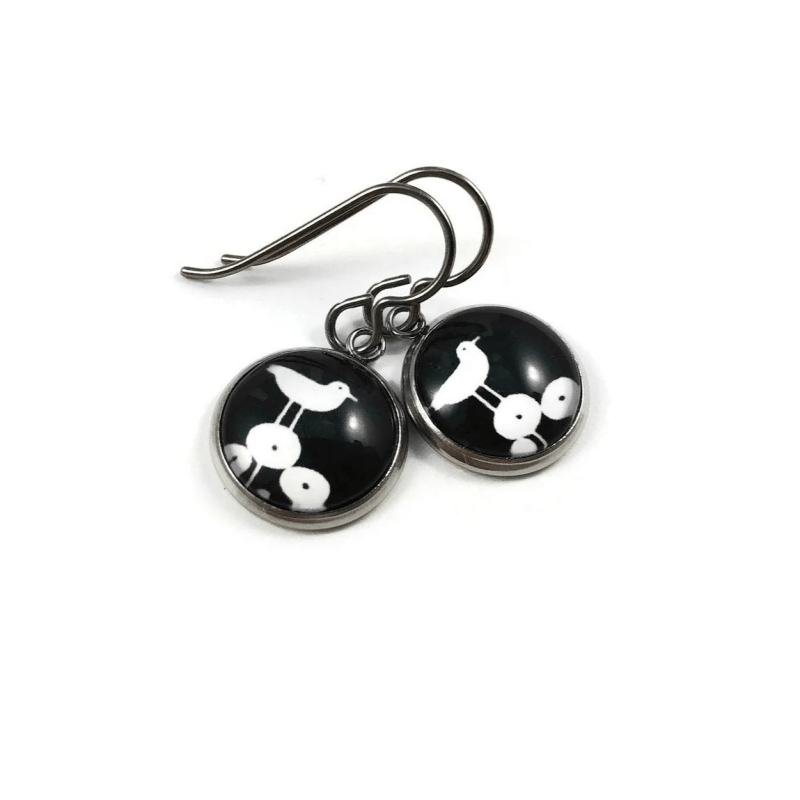
Costume jewelry refers to ornamental pieces crafted from non-precious materials like glass, plastic, and stainless steel. Unlike fine jewelry, it emphasizes aesthetics and affordability over intrinsic value. These accessories come in a wide variety of designs, catering to fashion trends and personal style. Whether it’s a bold necklace for a party or minimalist earrings for everyday wear, costume jewelry offers something for everyone.
Why It’s Popular
The popularity of costume jewelry lies in its affordability, versatility, and ability to stay on top of rapidly changing fashion trends. Unlike fine jewelry, it doesn’t require significant investment, making it accessible to a broader audience. Many consumers buy multiple pieces to complement various outfits, driving repeat purchases. Additionally, costume jewelry is often lightweight, easy to wear, and customizable, appealing to modern consumers who value individuality and convenience.
Market Size and Opportunities
Globally, the costume jewelry market is booming. Reports show steady growth, with the market expected to reach billions of dollars in revenue within the next decade. Factors such as social media influencers showcasing jewelry styles, eco-conscious materials becoming more prominent, and the rise of e-commerce platforms contribute to this expansion. Entrepreneurs who enter this market can tap into diverse opportunities, including niche designs, unique branding, and direct-to-consumer sales.
How to Leverage This Market as a Business Owner
Understanding the market dynamics helps you identify profitable segments and potential customer bases. Whether targeting fashion-forward millennials, eco-conscious shoppers, or specific cultural groups, the possibilities are vast. Analyzing competitors, researching demand, and staying updated on trends will give you a competitive edge.
Identifying Your Niche
Specialization Options
Choosing a niche is the foundation of your business. Some specialization options include material-based niches (e.g., stainless steel or resin jewelry), design styles (minimalist, vintage, bohemian), or customer demographics (teens, working professionals, or eco-conscious buyers). The right niche aligns with your interests, market trends, and target audience needs, helping your brand stand out in a crowded industry.
Market Research
Begin by studying customer behavior and preferences. Conduct surveys, analyze online reviews, and use tools like Google Trends to spot emerging demands. For example, sustainable jewelry has gained traction due to environmental awareness. Look at social media platforms like Pinterest and Instagram for design inspiration and trend analysis.
Case Studies of Successful Niches
Brands like Mejuri have thrived by targeting affordable luxury seekers, while eco-friendly brands such as Soko cater to ethically conscious consumers. These companies succeeded by identifying gaps in the market and delivering on their promises. Understanding what works for others can help you shape your unique business strategy.
Defining Your Unique Selling Proposition
A clear unique selling proposition (USP) is essential. Your USP could be anything from offering customization options to providing high-quality, hypoallergenic materials. For example, if you specialize in stainless steel jewelry, emphasize its durability, affordability, and suitability for sensitive skin.
Benefits of Partnering with Manufacturers
Cost Efficiency
Partnering with manufacturers reduces production costs, allowing you to focus on design and branding. By outsourcing manufacturing, you avoid the expense of machinery, raw materials, and labor management. Bulk production also lowers per-unit costs, increasing profitability.
Customization Capabilities
Manufacturers often provide OEM services, enabling you to design unique pieces that align with your brand vision. Whether it’s engraving logos, creating custom molds, or experimenting with colors, customization sets your brand apart. Offering personalized jewelry can be a significant draw for customers seeking one-of-a-kind items.
Consistent Quality and Volume
Manufacturers help maintain consistent product quality, which is vital for customer satisfaction. They have the expertise to handle large-scale production without compromising on standards. Reliable manufacturers also ensure timely deliveries, crucial for meeting seasonal demand or launching new collections.
Building Long-Term Partnerships
Collaborating with manufacturers fosters long-term relationships, which can lead to better pricing, priority during peak seasons, and mutual growth. A trusted partnership ensures smoother operations and the ability to scale your business efficiently.
How to Find Reliable Costume Jewelry Manufacturers
Where to Search
Start by exploring trusted platforms like Alibaba, Made-in-China, and industry trade shows. These venues offer access to numerous manufacturers with detailed profiles. Attending trade fairs allows you to inspect samples, meet representatives, and discuss your requirements face-to-face.
Key Questions to Ask Manufacturers
When evaluating manufacturers, ask about their production capacity, customization options, lead times, and quality control processes. Request information on their experience working with similar brands and whether they can provide certifications or references.
Evaluating Manufacturers
Assessing a manufacturer’s reliability involves reviewing their portfolio, inspecting product samples, and checking customer testimonials. Verify their adherence to safety standards and ethical practices. If possible, visit the manufacturing facility to ensure it aligns with your expectations.
Negotiating Terms
Once you shortlist potential partners, negotiate terms such as pricing, minimum order quantities (MOQs), and payment conditions. Ensure clear communication to avoid misunderstandings. A well-drafted contract outlining roles, responsibilities, and expectations is vital for a smooth partnership.
Setting Up Your Business Model
Wholesale vs. Retail
Deciding between wholesale and retail depends on your goals and resources. Wholesale allows you to sell in bulk to retailers, focusing on production and distribution. Retail, particularly online, offers direct interaction with customers but requires marketing and customer service efforts.
Dropshipping and Online Sales
Dropshipping minimizes upfront costs by eliminating the need for inventory. Collaborate with manufacturers to fulfill orders directly to customers. E-commerce platforms like Shopify and Etsy make it easy to set up an online store and reach global audiences.
Inventory Management Tips
If managing inventory, adopt tools like inventory management software to track stock levels and sales trends. Implementing just-in-time (JIT) practices can reduce holding costs. Regular audits ensure you maintain optimal stock levels without overproduction.
Scaling Your Business Model
As your business grows, consider diversifying revenue streams. For example, introduce subscription boxes, collaborate with influencers, or expand into physical retail. A scalable model accommodates increased demand without compromising service quality.
The Role of Branding in Jewelry Businesses
Building a Brand Identity
Creating a brand identity is about more than a logo or a catchy tagline—it’s about crafting a memorable image that resonates with your target audience. For costume jewelry, your branding must reflect the essence of your products, whether it’s bold and trendy designs for Gen Z or elegant and timeless pieces for working professionals. Start by defining your brand’s mission and values. Ask yourself: what emotions or ideas do you want your jewelry to evoke? Use this to guide your design choices, packaging, and even the tone of your marketing messages.
Consistency is key. Everything from your website to your Instagram feed should reflect your branding. This uniformity builds trust and recognition over time. Incorporate your brand’s visual identity, like colors and typography, into every touchpoint with your audience. For example, if your niche is eco-friendly jewelry, opt for earthy tones, minimalist packaging, and a website layout that highlights sustainability efforts.
Storytelling in Jewelry
Jewelry isn’t just an accessory—it’s often a symbol of personal meaning. Use storytelling to connect with customers on an emotional level. Share the story behind your designs, whether it’s the inspiration for a collection or the craftsmanship behind each piece. For instance, if you’re creating a collection inspired by nature, explain the creative process or how specific motifs were chosen. This personal touch fosters a deeper connection with your audience.
Leverage customer stories, too. Encourage buyers to share photos and testimonials about their experiences with your jewelry. Highlighting these stories on your website or social media creates authenticity and showcases how your brand fits into real-life moments, like celebrations or milestones.
Consistency Across Channels
A cohesive brand experience across all channels strengthens customer trust. Whether customers visit your website, follow you on social media, or see your booth at a trade show, the experience should feel seamless. Use tools like social media planners to align content, ensuring that your messaging and aesthetics remain consistent. Additionally, adopt a unified tone of voice in your email campaigns, ads, and customer service interactions. Consistency helps customers remember your brand and recognize it among competitors.
Navigating Legal and Compliance Requirements
Intellectual Property (IP) Protection
Protecting your designs is crucial in the competitive costume jewelry market. Registering trademarks, copyrights, or patents can prevent others from replicating your creations. For example, a distinctive logo or packaging design can be trademarked, while unique jewelry designs might qualify for copyright protection in some regions. Consult an IP attorney to understand the best strategies for safeguarding your intellectual property.
Import-Export Regulations
If you’re working with overseas manufacturers, familiarize yourself with import-export regulations. These may include customs duties, tariffs, and documentation like invoices and certificates of origin. For instance, costume jewelry often has specific labeling requirements regarding materials used, especially in markets like the EU or USA. Non-compliance can lead to delays, fines, or even confiscation of goods.
Consider hiring a customs broker or using freight forwarders to streamline the process. These professionals can guide you through complex regulations and ensure smooth shipping operations. Having a clear understanding of international trade laws minimizes risks and ensures your supply chain operates efficiently.
Product Safety Standards
Meeting product safety standards protects your customers and your brand’s reputation. For costume jewelry, this often involves ensuring that materials are free of harmful substances like lead or nickel, which can cause allergic reactions. Research the specific safety regulations for your target markets. For example, in the EU, the REACH regulation governs the use of chemicals in products.
Collaborate with manufacturers to ensure compliance by requesting material certifications and conducting random product tests. Being transparent about your safety practices reassures customers, especially those with sensitivities or eco-conscious preferences.
Pricing Your Products
Cost-Based Pricing Strategies
Start by calculating your production costs, including materials, manufacturing, shipping, and overhead. From there, determine your profit margins. A common formula is to mark up costs by 2-3 times to account for expenses and generate profit. For example, if producing a necklace costs $10, you might sell it for $30 to $40. Be sure to factor in hidden costs like transaction fees on e-commerce platforms or packaging materials.
Perceived Value Pricing
Pricing isn’t just about covering costs—it’s also about conveying value. High-quality branding, attractive packaging, and exclusive designs allow you to charge premium prices. Perceived value pricing works particularly well for niche markets. For instance, if you’re offering hypoallergenic stainless steel jewelry, emphasize durability and skin-friendliness to justify higher price points.
Adjusting for Market Trends
The jewelry market is dynamic, so adjust your pricing to stay competitive. Monitor industry trends and periodically review your pricing strategy. For example, during festive seasons or promotional periods, consider offering discounts to boost sales volume. Additionally, keep an eye on competitors’ pricing to ensure you remain competitive without undercutting your margins.
Marketing Your Costume Jewelry Business
Online Marketing Techniques
An online presence is essential for reaching today’s customers. Start by optimizing your website for search engines (SEO) to ensure it ranks well in relevant searches. Use high-quality images, detailed product descriptions, and a mobile-friendly design to enhance user experience. Invest in social media platforms like Instagram and TikTok, where visually appealing content thrives. Share behind-the-scenes videos, styling tips, and customer stories to engage your audience.
Influencer marketing can also amplify your reach. Partner with micro-influencers who align with your brand values. For example, a sustainability-focused influencer can showcase your eco-friendly collection to their followers. Paid ads on platforms like Google and Facebook further enhance visibility, allowing you to target specific demographics.
Offline Marketing Ideas
While online marketing is critical, offline strategies still have value. Participate in local craft fairs, pop-up markets, and trade shows to connect with customers face-to-face. Hand out branded flyers, business cards, or small giveaways like jewelry cleaning cloths. Collaborate with local boutiques to feature your products in their stores. Offline marketing builds community connections and offers opportunities for real-time feedback.
Leveraging Customer Testimonials
Word of mouth remains one of the most powerful marketing tools. Encourage satisfied customers to leave reviews on your website or third-party platforms like Yelp. Share testimonials and user-generated content (UGC) on your social media channels. Positive reviews enhance credibility and influence potential buyers.
Distribution and Fulfillment Strategies
Choosing the Right Channels
Selecting the right distribution channels depends on your target audience. For direct-to-consumer sales, platforms like Shopify or Etsy offer user-friendly options. If you prefer wholesale, consider B2B marketplaces like Faire or direct outreach to retailers. Evaluate each channel’s fees, audience reach, and logistics to determine the best fit for your business.
Shipping Solutions
Efficient shipping is vital for customer satisfaction. Research carriers to find the best rates and delivery times. Offer multiple shipping options, including express and standard, to cater to different customer needs. For international shipping, consider partnering with a logistics provider that handles customs clearance to avoid delays.
Returns and Customer Support
A clear and fair return policy builds trust with customers. Outline conditions for returns and exchanges, such as timeframes and acceptable product conditions. Offer responsive customer support through email, live chat, or social media to address inquiries and complaints promptly. Excellent service enhances customer loyalty and encourages repeat purchases.
Scaling Your Jewelry Business
Expanding Your Product Line
Diversify your offerings by introducing complementary products. For example, add matching bracelets or earrings to an existing necklace collection. Seasonal collections, like holiday-themed jewelry, also attract new and returning customers. Test new designs with small batches before committing to larger production runs.
Entering New Markets
Expanding to new markets increases your growth potential. Research cultural preferences and buying habits in different regions to tailor your offerings. For instance, bold statement pieces might sell well in one country, while minimalist designs are preferred elsewhere. Partner with local influencers or retailers to establish credibility in new markets.
Building a Team
As your business grows, delegate tasks to a reliable team. Hire specialists for roles like marketing, customer service, and inventory management. A skilled team allows you to focus on strategic growth while maintaining operational efficiency.
Common Challenges and How to Overcome Them
Quality Control Issues
Maintaining consistent quality is challenging but crucial. Work closely with manufacturers to establish strict quality control processes. Inspect samples before mass production and conduct random checks on finished products. Building strong relationships with reliable manufacturers reduces the risk of defects.
Supply Chain Disruptions
Unexpected delays can disrupt your operations. Minimize risks by diversifying suppliers and maintaining buffer stock for high-demand items. Communicate proactively with manufacturers to address potential issues early. Investing in supply chain management tools also enhances efficiency.
Standing Out in a Crowded Market
Differentiation is key to success. Focus on unique designs, superior customer service, and a compelling brand story. Regularly update your product offerings to reflect current trends while staying true to your brand identity.
Success Stories and Lessons Learned
Inspiring Examples
Look at brands like Pandora, which built a global empire with customizable charm bracelets. Their success lies in offering a product that resonates emotionally with customers. Another example is Ana Luisa, known for its commitment to sustainability and transparency.
Mistakes to Avoid
Learn from others’ missteps, such as overproducing inventory or neglecting customer feedback. Build flexibility into your business model to adapt to changes and prioritize customer satisfaction.
Tools and Resources for Starting Out
Design Tools
Utilize software like Adobe Illustrator or CAD programs to create detailed jewelry designs. Free tools like Canva can help with branding elements like social media graphics or website banners.
Business Management Apps
Streamline operations with apps like QuickBooks for accounting or ShipStation for managing shipments. CRM tools like HubSpot help track customer interactions and boost sales efficiency.
Educational Resources
Explore blogs, YouTube tutorials, and industry courses for ongoing learning. Websites like Coursera or LinkedIn Learning offer modules tailored to small business owners.
Final Steps Before Launch
Checklist for Launching
Ensure all business essentials are ready, including a functional website, inventory, and marketing assets. Verify that your branding aligns with your target audience and that your pricing strategy is competitive.
Soft Launch Strategies
Test your operations with a soft launch. Offer your products to a small audience, such as friends, family, or loyal customers, and gather feedback. Use this feedback to make final adjustments before the official launch.
Celebrating Your First Sale
Celebrate milestones like your first sale to build morale and motivation. Share the moment with your audience to create excitement and foster community.
Conclusion
Starting a business with costume jewelry manufacturers is an exciting and rewarding venture. By understanding the market, choosing the right niche, and building a strong brand, you position yourself for long-term success. Follow this guide step-by-step to navigate challenges, seize opportunities, and scale your business with confidence. Ready to take the next step? Explore potential manufacturers and start designing your dream collection today!
FAQs
What is the best way to choose a manufacturer? Research platforms like Alibaba, request samples, and evaluate reviews or certifications.
How much investment is needed to start? This varies but typically ranges from $1,000 to $10,000, depending on scale.
Can I start without inventory? Yes, dropshipping allows you to start without holding stock.
What are common pitfalls to avoid? Poor quality control, unclear branding, and neglecting market trends are major risks.
How do I protect my designs from being copied? Register trademarks and collaborate with trustworthy manufacturers to safeguard intellectual property.