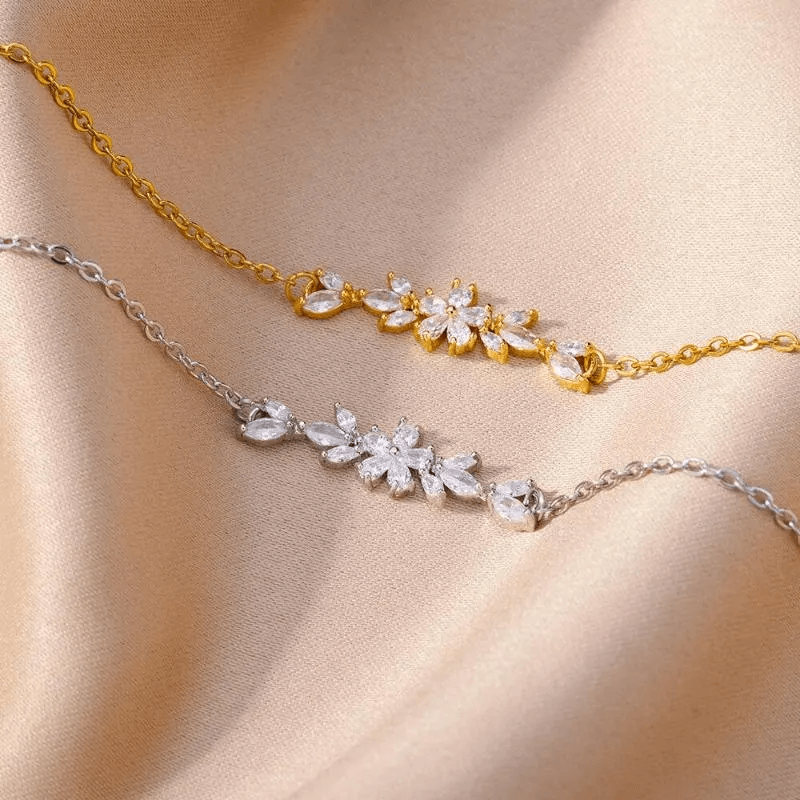
When it comes to selecting piercing jewelry, one material consistently stands out as a top choice—316L stainless steel. If you’re considering getting a new piercing, or if you’re a jewelry retailer or manufacturer looking to supply your clients with high-quality options, you’ve likely asked, “Is 316L stainless steel good for piercings?” Let’s dive into why this material is not only widely recommended by professionals but also preferred by many piercing enthusiasts.

1. What is 316L Stainless Steel?
316L stainless steel is a type of low-carbon steel commonly used in the production of jewelry, particularly in piercings. What’s the real story behind its popularity? The “L” in 316L stands for low carbon, which makes this steel less likely to form carbide at grain boundaries, preventing sensitization and improving its corrosion resistance. This particular alloy is composed mainly of iron, chromium, nickel, and molybdenum, which give it its superior resistance to corrosion, particularly in harsh environments like saltwater or sweat.
Ready for the good part? The addition of molybdenum in 316L stainless steel makes it highly resistant to pitting and crevice corrosion, which are common issues with other types of metals, especially in piercings. What’s more, this steel is incredibly durable and can withstand significant wear and tear. It’s ideal for body jewelry because it can be exposed to various elements without showing signs of degradation, making it an excellent choice for piercings that require longevity and resistance to corrosion.
Here’s a fun fact: 316L stainless steel is widely regarded as the “medical grade” steel, a key reason it’s often used for surgical instruments and implants. So when it’s used for body piercings, it’s safe, durable, and likely to offer many years of use without causing discomfort or allergic reactions. But here’s the kicker: while this steel is beneficial in many ways, it’s not the only option. Let’s explore its advantages compared to other metals commonly used for piercings.
| Material | Corrosion Resistance | Durability | Hypoallergenic | Ideal for Piercings |
|---|---|---|---|---|
| 316L Stainless Steel | Excellent | High | Yes | Yes |
| Titanium | Excellent | High | Yes | Yes |
| Surgical Steel | Good | Medium | No | No |
| Gold | Low | Low | Yes | No |
2. Benefits of Using 316L Stainless Steel for Piercings
Why do so many piercing professionals and jewelry manufacturers recommend 316L stainless steel? The benefits are numerous. First and foremost, it is one of the most corrosion-resistant metals available, making it a reliable option for piercings that will be exposed to moisture and bacteria on a regular basis. Whether it’s a lip, ear, or navel piercing, this steel holds up against sweat, water, and other environmental factors better than many other metals.
Here’s the best part—316L stainless steel is hypoallergenic. If you’re a piercing enthusiast with sensitive skin, you’ll appreciate this benefit. Stainless steel’s composition makes it highly unlikely to cause any allergic reactions, which is why it’s the material of choice for individuals with sensitive skin. It’s a safe option, even for those with nickel allergies.
Not to be overlooked, 316L stainless steel also boasts great durability. It resists scratches and dents more effectively than many alternatives, ensuring that your piercing jewelry will remain intact and polished for years. Let’s talk numbers—research indicates that 316L stainless steel has an impressive tensile strength of around 520 MPa, making it a durable and long-lasting material for body jewelry.
But here’s where it gets interesting: 316L stainless steel is also widely affordable compared to other materials like titanium or gold. This makes it an accessible option for both consumers and manufacturers alike. You get a high-quality, durable, and hypoallergenic material without breaking the bank. This unique balance of quality and cost-effectiveness has solidified its position as the go-to material in the piercing jewelry market.
| Metal Type | Hypoallergenic | Corrosion Resistance | Cost | Durability | Common Use |
|---|---|---|---|---|---|
| 316L Stainless Steel | Yes | Excellent | Low | High | Piercings, Medical |
| Titanium | Yes | Excellent | High | High | Piercings |
| Surgical Steel | No | Good | Low | Medium | Some piercings |
| Gold | Yes | Low | High | Low | Piercings, Jewelry |
3. Common Piercing Metals and Their Comparisons
What are the other metal options available for body piercings, and how does 316L stainless steel compare? Let’s take a deeper look at some common piercing metals: titanium, surgical steel, and gold.
Titanium is often seen as the ultimate alternative to stainless steel. It is known for being lightweight, non-corrosive, and hypoallergenic. Its main advantage over 316L stainless steel is its even higher resistance to corrosion. However, titanium can be significantly more expensive, which can make it less accessible for many piercing wearers. While it’s a great choice for piercings, it does come with a premium price tag.
Surgical steel, on the other hand, isn’t always a reliable choice for piercings. While it’s a durable and cost-effective material, it may contain impurities that can cause irritation or even infections. This is why it’s generally not recommended for sensitive skin or for long-term use in piercings. Surgical steel is typically made from alloys such as 316, but it’s not as refined as the 316L grade used in high-quality jewelry.
Gold is another popular choice, particularly for those looking for something aesthetically pleasing and luxurious. However, gold is prone to tarnishing and scratches, and it may cause allergic reactions, especially in individuals with metal sensitivities. This is where 316L stainless steel truly shines—offering a similar aesthetic without the durability issues.
To make it clear, here’s a quick comparison of these metals:
| Metal Type | Corrosion Resistance | Hypoallergenic | Durability | Cost |
|---|---|---|---|---|
| 316L Stainless Steel | Excellent | Yes | High | Low |
| Titanium | Excellent | Yes | High | High |
| Surgical Steel | Medium | No | Medium | Low |
| Gold | Low | Yes | Low | High |
4. Factors to Consider When Choosing Piercing Jewelry Metal
Choosing the right metal for a piercing is about more than just durability. There are several important factors to consider, especially when it comes to comfort, healing, and longevity. Let’s explore what you should keep in mind before making your decision.
One of the most important aspects is skin sensitivity. Some metals, like surgical steel, can cause irritation or even lead to allergic reactions, making them a poor choice for people with sensitive skin. Hypoallergenic materials like 316L stainless steel or titanium are the best options for anyone concerned about reactions. But here’s the kicker: it’s not just about the metal itself—it’s about how your body responds to it.
Healing time is another major factor to consider. Metals like 316L stainless steel are less likely to harbor bacteria or cause infection, which can speed up the healing process. This means you won’t be dealing with unnecessary complications while your piercing heals, which is particularly crucial if you want to avoid unnecessary pain or scarring.
The material you choose also affects the long-term wearability of your jewelry. If you’re planning to wear your piercing for years, it’s essential to select a metal that won’t break down over time. Metals like 316L stainless steel are built to last, providing reliable wearability with minimal maintenance.
Finally, appearance matters too. 316L stainless steel offers a sleek, polished finish that enhances the look of your piercing without the need for frequent cleaning. In addition, its durability ensures it will continue to shine for years, making it an excellent choice for anyone looking for both functionality and aesthetics.
| Consideration | 316L Stainless Steel | Titanium | Surgical Steel | Gold |
|---|---|---|---|---|
| Hypoallergenic | Yes | Yes | No | Yes |
| Healing Time | Fast | Fast | Medium | Slow |
| Durability | High | High | Medium | Low |
| Appearance | Shiny, polished | Matte | Dull | Shiny |
| Cost | Low | High | Low | High |
5. Is 316L Stainless Steel the Best Choice for All Piercings?
Now, let’s address the burning question: Is 316L stainless steel the best choice for all types of piercings? The short answer is no, but it’s an excellent option for most piercings, especially those that require high durability, hypoallergenic properties, and resistance to corrosion.
What’s the real story? Piercings like ear lobes, nostrils, and navels are particularly well-suited to 316L stainless steel. These piercings are often exposed to sweat, moisture, and other irritants, and 316L’s corrosion-resistant properties ensure they remain intact over time. But for more delicate piercings, such as cartilage or eyebrow piercings, titanium might be a better choice due to its lighter weight and added flexibility.
However, here’s where it gets interesting: 316L stainless steel is still a fantastic all-around choice for piercings that are likely to be exposed to the elements. It’s easy to clean, doesn’t cause many allergic reactions, and is resistant to tarnishing. So, for most users, 316L stainless steel is more than suitable for everyday wear.
| Piercing Type | Ideal Material | Why 316L is Good |
|---|---|---|
| Earlobe | 316L Stainless Steel | Corrosion resistant and durable |
| Navel | 316L Stainless Steel | Safe, durable, and hypoallergenic |
| Nostril | 316L Stainless Steel | Hypoallergenic, corrosion resistant |
| Cartilage | Titanium | Lightweight, gentle on skin |
6. The Cost of 316L Stainless Steel Piercing Jewelry
When it comes to body jewelry, cost is always a factor. So, how does 316L stainless steel measure up? Compared to alternatives like titanium or gold, 316L stainless steel is incredibly affordable. This makes it the go-to choice for both consumers and manufacturers looking for cost-effective yet high-quality piercing options.
What’s the catch? Even though it’s an affordable material, 316L stainless steel doesn’t sacrifice quality. This material is resistant to corrosion, doesn’t cause allergies, and holds up well over time, all without inflating the price tag. So, if you’re looking to provide your customers with a reliable, long-lasting option without the premium price, 316L stainless steel is a clear winner.
| Material | Cost | Durability | Ideal For |
|---|---|---|---|
| 316L Stainless Steel | Low | High | Piercings |
| Titanium | High | High | Piercings |
| Surgical Steel | Low | Medium | Some Piercings |
| Gold | High | Low | Jewelry |
7. How to Care for 316L Stainless Steel Piercing Jewelry
To ensure that your piercing lasts and stays looking its best, proper care is essential. Luckily, maintaining 316L stainless steel jewelry is relatively simple. What’s the secret? Regular cleaning is key. Make sure to clean your jewelry with a mild soap solution and avoid harsh chemicals that might damage the finish.
Here’s a helpful tip: After cleaning, gently dry your jewelry with a soft cloth to avoid water spots or rust. It’s also important to avoid excessive exposure to harsh elements like chlorine, which can damage the steel over time. However, 316L stainless steel is far more resistant to corrosion than many other materials, so it requires less maintenance than you might expect.
But here’s the kicker: even though 316L stainless steel is highly durable, it’s still a good idea to regularly check your jewelry for any signs of wear and tear, especially after long periods of use. If you notice any scratches or damage, it’s best to replace the jewelry to ensure a safe, irritation-free experience.
| Maintenance Step | Recommended Action | Frequency |
|---|---|---|
| Clean with soap | Use mild soap and warm water | Weekly |
| Dry with a soft cloth | Prevent water spots and rust | After cleaning |
| Avoid harsh chemicals | Protect finish from damage | As needed |
| Check for wear | Inspect jewelry regularly | Monthly |
8. Risks of Using Low-Quality Stainless Steel for Piercings
While 316L stainless steel offers excellent properties, it’s important to remember that not all stainless steel is created equal. Low-quality stainless steel often contains higher levels of carbon or other impurities that can cause irritation, infections, or allergic reactions.
But here’s where it gets interesting: choosing cheap, low-quality stainless steel jewelry for piercings can significantly increase the risk of complications. Jewelry made from inferior stainless steel might be prone to rust or tarnish, and the metal’s surface could harbor bacteria, leading to painful infections.
So, what’s the best course of action? Always opt for jewelry that is clearly marked as 316L stainless steel to ensure you’re getting the high-quality material known for its resistance to corrosion and hypoallergenic properties.
| Issue | Low-Quality Stainless Steel | 316L Stainless Steel |
|---|---|---|
| Corrosion Resistance | Poor | Excellent |
| Hypoallergenic | Often causes reactions | Hypoallergenic |
| Durability | Low | High |
| Risk of Infection | High | Low |
9. Pros and Cons of 316L Stainless Steel for Piercings
Like any material, 316L stainless steel comes with its pros and cons. So what’s the bottom line? Let’s break it down. The pros are clear: it’s corrosion-resistant, hypoallergenic, durable, and affordable. But here’s the kicker—while it’s ideal for most piercings, it’s still susceptible to wear and tear over time, just like any other material.
If you’re a jewelry manufacturer or piercer, the benefits of using 316L stainless steel far outweigh any minor drawbacks. It provides an excellent balance between quality and cost, which is why it’s the go-to material in the piercing industry.
| Pros | Cons |
|---|---|
| Corrosion resistant | May scratch over time |
| Hypoallergenic | Can tarnish if exposed to harsh elements |
| Affordable | May not be as shiny as gold or titanium |
| Durable | Can cause irritation if poorly made |
10. How 316L Stainless Steel is Made and Its Environmental Impact
316L stainless steel is manufactured through a complex process that involves combining iron, chromium, nickel, and molybdenum. This unique combination of elements gives the steel its corrosion-resistant properties and strength. What’s the real story behind its environmental impact?
While stainless steel is a durable material that can last for many years, its production does have an environmental footprint. The extraction and processing of the raw materials used in 316L stainless steel require energy and resources, contributing to its carbon footprint. However, it’s worth noting that stainless steel is highly recyclable, and its long lifespan helps mitigate some of its environmental impact.
Here’s an interesting fact: stainless steel can be recycled without losing its quality or properties, making it a sustainable option for long-term use.
| Environmental Impact | Stainless Steel | Gold | Titanium |
|---|---|---|---|
| Mining Impact | Moderate | High | Low |
| Recyclability | High | Low | Moderate |
| Carbon Footprint | Moderate | High | Low |
| Longevity | High | Low | High |
11. Testimonials: Real-Life Experiences with 316L Stainless Steel Piercings
Real-life feedback from those who have used 316L stainless steel jewelry for piercings is invaluable. What do users have to say about their experience with this material? The consensus is overwhelmingly positive. Many users report minimal irritation and fast healing times, thanks to the hypoallergenic nature of the material. In fact, 316L stainless steel is a top choice for people with sensitive skin who want to avoid allergic reactions.
Ready for the good part? Many professionals also weigh in, stating that 316L stainless steel is often their first recommendation for clients, especially for those with piercing sensitivities. It’s versatile, affordable, and effective—making it an ideal choice for body piercings.
| Testimonial Source | Feedback | Experience |
|---|---|---|
| Piercing Specialist | Hypoallergenic, fast healing | Highly recommended |
| Customer 1 | No irritation, easy maintenance | Excellent |
| Customer 2 | Durable, lasts for years | Very satisfied |
12. Alternatives to 316L Stainless Steel for Piercings
While 316L stainless steel is a strong contender, it’s not the only option available. What are the alternatives, and when should you consider them? Titanium is a popular choice for those who need something lightweight and extra durable, while niobium is another hypoallergenic option that offers similar benefits to 316L stainless steel.
But here’s the kicker: while alternatives like titanium might be slightly more corrosion-resistant, 316L stainless steel remains a top choice for most people due to its overall balance of properties and cost-effectiveness.
| Material | Pros | Cons |
|---|---|---|
| 316L Stainless Steel | Durable, affordable, hypoallergenic | May scratch over time |
| Titanium | Lightweight, non-corrosive | Expensive |
| Niobium | Hypoallergenic, durable | Limited availability |
13. Conclusion: Should You Choose 316L Stainless Steel for Your Piercing?
In conclusion, 316L stainless steel stands as the best choice for most piercings due to its unique combination of durability, hypoallergenic properties, and affordability. When selecting piercing jewelry, this metal ticks all the boxes for safety, comfort, and reliability. If you’re a consumer, body jewelry retailer, or manufacturer looking for the best option, 316L stainless steel is hard to beat.
FAQ Section
Q1: What makes 316L stainless steel a good choice for piercings?
316L stainless steel is highly resistant to corrosion, is hypoallergenic, and offers great durability, making it ideal for piercings.
Q2: Can 316L stainless steel cause irritation or infections?
No, when properly cared for, 316L stainless steel is unlikely to cause irritation or infections. However, ensure that you use high-quality jewelry.
Q3: How long does it take to heal a piercing made with 316L stainless steel?
Healing times vary, but piercings with 316L stainless steel generally heal faster compared to other metals due to its biocompatibility.
Q4: Can I use 316L stainless steel for all types of piercings?
Yes, 316L stainless steel is suitable for a variety of piercings including ear, nose, and lip piercings. Some sensitive piercings may require different materials.
Q5: Is 316L stainless steel more affordable than other piercing metals?
Yes, 316L stainless steel is a more affordable option compared to alternatives like titanium or gold, making it a cost-effective choice for high-quality jewelry.