Do you have sensitive ears and wonder if Sterling Silver jewelry is safe for you? You’re not alone. Many people with sensitive ears struggle to find earrings that don’t cause irritation or allergic reactions. If you’ve been searching for an answer, you’re in the right place.
Sterling Silver is often a top choice for sensitive ears due to its hypoallergenic properties. However, the answer isn’t always clear-cut. Let’s explore why Sterling Silver is a popular choice and whether it’s the right metal for you.
Worried about irritation or sensitivity? Keep reading to learn about the benefits and potential risks of wearing Sterling Silver earrings.
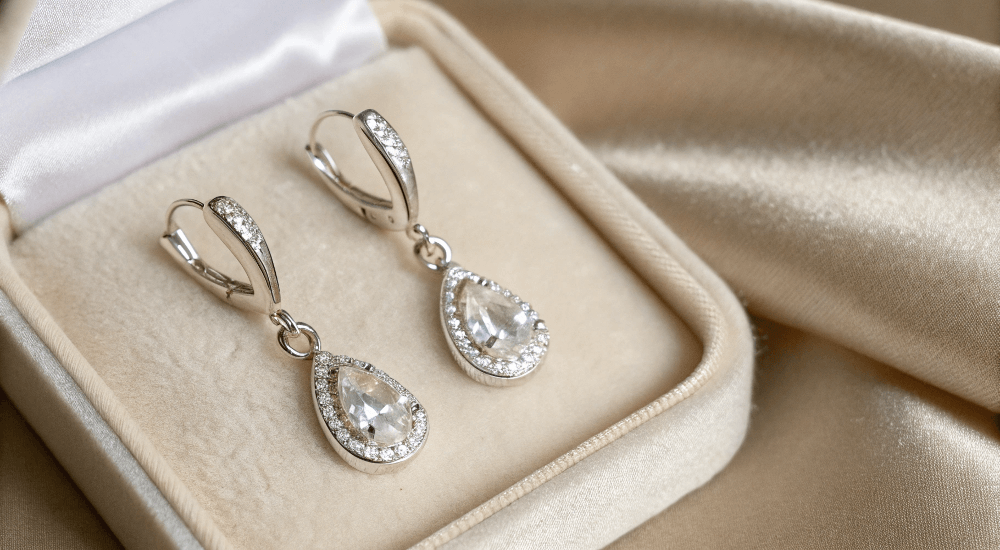
1. Is Sterling Silver Safe for Sensitive Ears?
Does wearing Sterling Silver earrings cause sensitivity or allergic reactions? Many people with sensitive ears turn to Sterling Silver, believing it to be the safest option. But is it truly the right metal for your ears?
Sterling Silver is generally considered a safe metal for sensitive ears, but it depends on the alloy. The key factor is that Sterling Silver contains 92.5% pure silver, with the remaining 7.5% made up of other metals like copper. Some people may have a sensitivity to copper, which could cause irritation.
What are the key components that make Sterling Silver suitable for sensitive ears, and how does it compare to other metals like gold or platinum? Let’s break it down.
What is Sterling Silver and How is it Made?
Sterling Silver is an alloy, meaning it’s a combination of metals. The high silver content makes it hypoallergenic for most people, but the remaining metals, such as copper, could be problematic for those with sensitivities. It’s important to note that the silver purity in Sterling Silver gives it its signature durability and sheen.
| Component | Percentage |
|---|---|
| Silver | 92.5% |
| Copper (or other alloys) | 7.5% |
Common Causes of Earring Sensitivity
Earring sensitivity can be caused by various factors, including the type of metal used. Some metals, such as nickel, are known to trigger allergic reactions. For Sterling Silver, the issue usually arises from the non-silver alloys, especially copper.
| Metal | Commonly Causes Sensitivity |
|---|---|
| Nickel | Yes |
| Copper | Yes (for some individuals) |
| Sterling Silver | Generally no, unless mixed with nickel or copper |
How to Test if Sterling Silver is Right for Your Ears
Before investing in a pair of Sterling Silver earrings, it’s recommended to conduct a patch test. This simple test involves wearing a small piece of jewelry for a few hours to see if irritation develops.
| Test Method | Description |
|---|---|
| Patch Test | Wear a small piece of Sterling Silver jewelry for 3-4 hours to check for irritation. |
2. What Causes Sensitivity to Earrings?
Why do some people experience irritation when wearing certain earrings? Earring sensitivity can stem from a variety of factors, and it’s essential to understand them before making a jewelry purchase.
Earring sensitivity often arises from allergic reactions to the metals in the jewelry. Nickel is one of the most common culprits, but copper and other alloy metals used in Sterling Silver can also trigger discomfort.
What are the specific factors that contribute to sensitivity, and how can you avoid them? Let’s dive deeper into the reasons behind these reactions.
Common Symptoms of Earring Sensitivity
If you’re experiencing earring sensitivity, you may notice symptoms like itching, redness, swelling, or pain around the earlobe. These reactions can be mild or severe, depending on the type of metal used.
| Symptom | Description |
|---|---|
| Itching | Mild to intense itching around the earlobe |
| Redness | Red, irritated skin around the pierced area |
| Swelling | Skin around the earlobe becomes swollen |
Allergic Reactions to Common Earring Metals
Nickel and certain alloys used in metals like gold and Sterling Silver can cause allergic reactions. While Sterling Silver is often hypoallergenic, the copper or other alloy metals can still trigger a reaction in some individuals.
| Metal | Common Allergic Reactions |
|---|---|
| Nickel | Itching, redness, swelling |
| Copper | Itching, pain, rash |
| Sterling Silver | Rarely, but possible if mixed with nickel or copper |
How to Prevent Earring Sensitivity
To prevent irritation, try looking for earrings that are marked hypoallergenic or made with metals like titanium, which are less likely to cause reactions.
| Solution | Description |
|---|---|
| Hypoallergenic Metals | Choose materials like titanium, surgical steel |
| Regular Cleaning | Clean earrings regularly to avoid buildup of irritants |
3. How Can You Tell if Sterling Silver is Right for You?
Is Sterling Silver the right material for your sensitive ears, or should you consider alternatives? Finding the best jewelry material involves understanding how your skin reacts to different metals.
Sterling Silver is generally safe for most individuals with sensitive ears, but there are exceptions. To help determine if it’s the right choice, you can do a simple test or consult a professional.
Conducting a Patch Test for Sensitivity
A patch test is an easy way to check how your skin will react to Sterling Silver. Simply wear the jewelry for a few hours and check for any signs of irritation.
| Test Method | Description |
|---|---|
| Patch Test | Wear the jewelry for a few hours to see if irritation occurs. |
Visiting a Dermatologist
If you’re unsure about your sensitivity to Sterling Silver or any other material, it’s always a good idea to consult a dermatologist. They can perform a patch test and recommend suitable alternatives for your skin.
| Consultation | Details |
|---|---|
| Dermatologist Visit | Have a professional test and recommend the best metal for your skin. |
Testing Jewelry Brands
Some brands specialize in hypoallergenic jewelry, including Sterling Silver. Look for brands that offer Sterling Silver that is nickel-free and has a higher percentage of pure silver.
| Brand Quality | What to Look For |
|---|---|
| Nickel-Free Silver | Choose brands offering nickel-free Sterling Silver |
| High Purity Silver | Ensure the jewelry has a high percentage of pure silver (e.g., 92.5%) |
4. What Are the Benefits of Sterling Silver for Sensitive Ears?
Sterling Silver has many benefits, especially for people with sensitive ears. But what makes it a preferred choice for many?
Sterling Silver is a durable, hypoallergenic option that is gentle on the skin. Its high silver content makes it a better choice for sensitive ears than many other metals, but it’s still essential to be mindful of the alloy.
Durability and Strength of Sterling Silver
Sterling Silver is known for its durability, making it a long-lasting choice for earrings. It can withstand everyday wear and is less likely to tarnish or scratch when cared for properly.
| Property | Description |
|---|---|
| Durability | Strong and resistant to scratches |
| Tarnish Resistance | Resists tarnishing if cared for properly |
Comfort and Lightness
Sterling Silver jewelry is lightweight, which adds to its comfort. Unlike heavier metals like gold, Sterling Silver won’t put pressure on your ears, making it ideal for long-term wear.
| Feature | Benefit |
|---|---|
| Lightweight | Comfortable for long-term wear |
| Less Pressure | Unlike gold, it doesn’t weigh down the ears |
Affordable Option
Compared to platinum or gold, Sterling Silver is more affordable, making it an excellent option for hypoallergenic jewelry without breaking the bank.
| Metal | Cost Comparison |
|---|---|
| Sterling Silver | More affordable than gold or platinum |
| Gold | Expensive and may cause irritation |
| Platinum | High cost and often used for other purposes |
5. Are There Any Risks of Wearing Sterling Silver Earrings?
While Sterling Silver is generally safe, there are some risks to consider. What are the potential downsides of wearing Sterling Silver earrings for sensitive ears?
The main risk is irritation caused by the alloy metals in Sterling Silver, especially copper. While rare, some individuals might experience allergic reactions.
Possible Skin Irritation
For some people, the copper or other metals mixed with silver could cause allergic reactions. If you notice irritation or discomfort, it’s best to discontinue use and explore alternatives.
| Reaction | Cause |
|---|---|
| Itching | Due to copper or other alloys in the silver |
| Redness | Caused by irritation from the metal |
What to Do if You Experience Irritation
If irritation occurs, try removing the earrings and applying a soothing cream to the affected area. In severe cases, consult a healthcare provider for advice on managing the reaction.
| Action | Description |
|---|---|
| Remove Earrings | Immediately take off the earrings if irritation occurs |
| Apply Cream | Use soothing cream on the affected area |
How to Ensure Sterling Silver is Safe
Look for jewelry labeled as “nickel-free” and check the purity of the silver. Higher silver content in the alloy means it’s less likely to cause a reaction.
| Quality Check | Details |
|---|---|
| Nickel-Free | Check for jewelry marked as nickel-free |
| High Purity Silver | Ensure that the silver content is at least 92.5% pure |
6. How to Care for Sterling Silver Jewelry for Sensitive Ears?
Proper care can extend the life of your Sterling Silver earrings and keep them safe for sensitive ears. How can you maintain Sterling Silver jewelry effectively?
Cleaning and proper storage are key to keeping your Sterling Silver earrings in top condition. Regular maintenance helps prevent tarnishing and keeps the metal safe for sensitive skin.
Cleaning and Maintaining Sterling Silver Jewelry
To clean Sterling Silver jewelry, use a soft cloth and a jewelry cleaner specifically made for silver. Avoid harsh chemicals or abrasives that could damage the surface.
| Cleaning Method | Materials Needed |
|---|---|
| Soft Cloth | Use a lint-free, soft cloth to clean the jewelry |
| Silver Cleaner | Use a cleaner formulated specifically for Sterling Silver |
Proper Storage of Sterling Silver Jewelry
When not in use, store your Sterling Silver jewelry in a dry, cool place, preferably in a jewelry box or pouch. This will help protect it from tarnishing and keep it looking like new.
| Storage Method | Description |
|---|---|
| Jewelry Box | Store in a dry, airtight jewelry box |
| Velvet Pouch | Use a velvet pouch for protection |
Regular Checks for Damage
Inspect your Sterling Silver earrings regularly for signs of wear or damage. Repairing small issues before they become bigger problems will keep your earrings in safe condition.
| Inspection | Details |
|---|---|
| Check for Scratches | Look for visible scratches or dents |
| Examine Clasps | Ensure that the clasps are secure |
7. Is Sterling Silver Jewelry Available in Different Styles?
Sterling Silver isn’t just known for its hypoallergenic properties, but also for its versatility in design. Many people wonder if there are enough styles available in Sterling Silver that can cater to their personal preferences and sensitivities.
Sterling Silver is widely available in various earring styles. Whether you prefer studs, hoops, or dangly earrings, there’s a perfect option for sensitive ears. The lightweight nature of Sterling Silver also ensures that it’s comfortable to wear in different earring designs.
Popular Styles of Sterling Silver Earrings for Sensitive Ears
Sterling Silver earrings come in several styles, each catering to different tastes. Some options may be more comfortable than others, depending on your personal sensitivity.
| Earring Style | Description | Ideal for |
|---|---|---|
| Studs | Simple, small, and non-intrusive. | Everyday wear and minimalistic look |
| Hoops | Circular or semi-circular earrings. | Versatile and can be worn daily |
| Dangle Earrings | Earrings that hang down, adding movement. | Statement piece for special occasions |
| Chandelier Earrings | Earrings with multiple layers or hanging pieces. | Elegant choice for formal events |
Customizing Sterling Silver Jewelry
Sterling Silver is also highly customizable. Many jewelers offer bespoke services to create personalized designs, such as engraved initials or unique shapes, giving you more freedom to find earrings that truly reflect your style.
| Customization Type | Benefits |
|---|---|
| Engraving | Add initials or designs to make the jewelry unique |
| Gemstone Insertion | Customize with precious or semi-precious stones for added flair |
| Size Adjustments | Have the earrings made to the exact size you need for comfort |
8. How Do Sterling Silver Earrings Compare to Other Materials for Sensitive Ears?
If you’re exploring options for sensitive ears, you might wonder how Sterling Silver compares to other metals like gold, platinum, or titanium.
Sterling Silver is often considered a better alternative to many other metals because it’s generally hypoallergenic. However, each metal has its own set of benefits and drawbacks, especially when it comes to sensitivity.
Comparing Sterling Silver to Other Common Earring Metals
| Metal | Hypoallergenic | Durability | Cost |
|---|---|---|---|
| Sterling Silver | Generally hypoallergenic (depends on alloy) | Durable, prone to tarnishing | Affordable |
| Gold (14K/18K) | Hypoallergenic (for most) | Very durable, can scratch | Expensive |
| Platinum | Hypoallergenic (very safe for sensitive skin) | Extremely durable and scratch-resistant | Very expensive |
| Titanium | Hypoallergenic (ideal for sensitive skin) | Extremely durable, resistant to corrosion | Moderate cost |
Pros and Cons of Other Metals
While platinum and titanium are highly durable and generally safe for sensitive ears, they come at a much higher price point compared to Sterling Silver. Gold, though hypoallergenic, can still cause issues due to its alloy components, such as nickel.
| Metal | Pros | Cons |
|---|---|---|
| Gold | Classic, luxurious appearance, hypoallergenic | Expensive, often mixed with nickel |
| Platinum | Most hypoallergenic, very durable | Very high cost |
| Titanium | Lightweight, hypoallergenic, non-corrosive | Not as widely available in jewelry designs |
9. Are There Specific Brands That Offer Sterling Silver Earrings for Sensitive Ears?
With so many jewelry brands on the market, it’s important to choose a brand known for creating high-quality, hypoallergenic Sterling Silver jewelry. Some brands cater specifically to sensitive ears by ensuring their Sterling Silver earrings are nickel-free.
Several reputable brands specialize in creating hypoallergenic Sterling Silver jewelry for sensitive ears. These brands often offer various styles, from simple studs to more elaborate dangle earrings, all made with pure or nearly pure Sterling Silver.
Popular Brands Known for Hypoallergenic Sterling Silver Jewelry
| Brand | Features | Known For |
|---|---|---|
| Pandora | Uses nickel-free Sterling Silver, customizable designs | High-quality, customizable jewelry |
| Tiffany & Co. | Premium quality, purity of 92.5% Silver | Luxury jewelry with timeless designs |
| James Avery | Focuses on handcrafted, hypoallergenic pieces | Unique, handcrafted jewelry |
| Kay Jewelers | Affordable, wide selection of hypoallergenic options | Versatile and accessible designs |
Choosing a Trusted Brand
When purchasing Sterling Silver earrings, it’s essential to select brands that prioritize customer health and comfort. Make sure they disclose the silver purity and whether their earrings are nickel-free.
10. Can Sterling Silver Earrings Be Worn Every Day?
For many people, wearing earrings daily is a must. But can Sterling Silver stand up to the wear and tear of daily life while still being safe for sensitive ears?
Sterling Silver is durable enough for everyday wear, but regular care is required to prevent tarnishing and irritation. As long as it is well-maintained, Sterling Silver earrings can be worn every day without causing problems for sensitive ears.
Wearing Sterling Silver Earrings Daily
| Factor | Description |
|---|---|
| Durability | Sterling Silver is strong enough for daily wear but may tarnish over time. |
| Tarnishing | Can be prevented with proper care, such as regular cleaning and safe storage. |
| Comfort | Lightweight and comfortable for prolonged use. |
Tips for Daily Wear
To prevent discomfort, avoid wearing Sterling Silver earrings during activities that involve excessive sweating, exposure to water, or harsh chemicals. Additionally, remove earrings when sleeping to avoid friction on the sensitive skin of your ears.
11. How Can You Prevent Sensitivity to Sterling Silver Earrings?
Preventing sensitivity to Sterling Silver earrings involves proper care and awareness of potential irritants. While Sterling Silver is often hypoallergenic, there are ways to ensure you get the most comfortable experience.
Taking steps like regular cleaning, storing your earrings properly, and checking for any signs of damage can help reduce sensitivity. Ensuring that you wear your jewelry correctly and maintain it regularly is key to keeping it safe for sensitive ears.
Ways to Prevent Sensitivity
| Method | Description |
|---|---|
| Regular Cleaning | Clean Sterling Silver earrings with a soft cloth and avoid harsh chemicals. |
| Proper Storage | Store earrings in a cool, dry place to prevent tarnishing and irritation. |
| Use Hypoallergenic Coatings | Some earrings come with a coating that further reduces the chance of irritation. |
12. What Are the Common Misconceptions About Sterling Silver and Sensitive Ears?
Despite its popularity, there are several misconceptions about Sterling Silver and its suitability for sensitive ears. Some people believe it’s inherently dangerous, but that’s not always the case.
Sterling Silver is often misunderstood, with some thinking it’s too harsh or causing irritation on its own. Let’s clear up these misconceptions and provide a better understanding of why Sterling Silver can be a good choice for sensitive ears.
Debunking Common Myths About Sterling Silver
| Myth | Fact |
|---|---|
| Sterling Silver always causes irritation | Sterling Silver is safe for most people, but the alloys mixed in may cause reactions for some individuals. |
| Sterling Silver tarnishes too quickly | With proper care, Sterling Silver can maintain its shine for years without tarnishing significantly. |
13. Should You Choose 925 Sterling Silver for Sensitive Ears?
When shopping for Sterling Silver earrings, it’s important to know the type of silver used. 925 Sterling Silver is the most common and considered the standard for high-quality jewelry.
925 Sterling Silver is the best option for sensitive ears because it contains 92.5% pure silver, ensuring a high-quality, hypoallergenic metal. This purity level is essential in reducing the likelihood of irritation or allergic reactions.
Why 925 Sterling Silver is the Best Option
| Purity Level | Allergy Risk | Quality |
|---|---|---|
| 925 Sterling Silver | Low (hypoallergenic) | High (92.5% pure silver) |
| Lower Purity Silver | Higher risk of irritation | Lower quality |
How to Identify 925 Sterling Silver
Ensure your Sterling Silver jewelry is marked with “925” to confirm its purity. Reputable jewelers will provide certification of the silver content to guarantee authenticity.
14. How Does Sterling Silver Help with Comfort for Sensitive Ears?
Comfort is one of the most important factors when choosing jewelry for sensitive ears. Sterling Silver earrings are often more comfortable than other metals because of their lightweight nature and smooth finish.
Comfort Features of Sterling Silver Earrings
| Feature | Benefit |
|---|---|
| Lightweight | Less pressure on the ear, ideal for extended wear |
| Smooth Finish | Reduces friction, preventing irritation or discomfort |
15. Is It Worth Paying More for Sterling Silver Earrings for Sensitive Ears?
Some may wonder if it’s worth paying a premium for high-quality Sterling Silver earrings, especially when buying hypoallergenic jewelry.
Yes, investing in high-quality Sterling Silver earrings for sensitive ears is worth it. The higher the silver purity, the lower the chances of irritation, and the better the durability.
Value of Investing in Sterling Silver Earrings
| Benefit | Description |
|---|---|
| High-Quality Silver | Offers hypoallergenic benefits and long-term durability |
| Longer Lifespan | Sterling Silver lasts longer with proper care compared to lower-quality alternatives |
| Comfort and Style | Combines comfort with a variety of stylish options |
Conclusion
In conclusion, Sterling Silver is generally safe for sensitive ears, but it’s essential to be aware of the potential risks associated with the alloys used in the metal. By following proper care guidelines and testing for sensitivity, you can enjoy the benefits of beautiful, hypoallergenic Sterling Silver earrings without worrying about irritation.
FAQ Section
- Q1: What is Sterling Silver?
Sterling Silver is an alloy made of 92.5% pure silver and 7.5% other metals, usually copper. It’s used to create durable and hypoallergenic jewelry. - Q2: How does Sterling Silver compare to other metals for sensitive ears?
Sterling Silver is hypoallergenic for most people, but it may cause irritation in individuals sensitive to copper or other alloys. - Q3: Can Sterling Silver cause ear irritation?
While it is hypoallergenic for most, Sterling Silver can cause irritation for those sensitive to its alloy metals, like copper. - Q4: How can I tell if Sterling Silver earrings are safe for my sensitive ears?
Conduct a patch test by wearing the earrings for a few hours or consult a dermatologist to assess potential reactions. - Q5: How should I care for Sterling Silver earrings to keep them safe for my ears?
Clean them regularly, store them in a dry place, and inspect for damage to prevent irritation and maintain their condition.