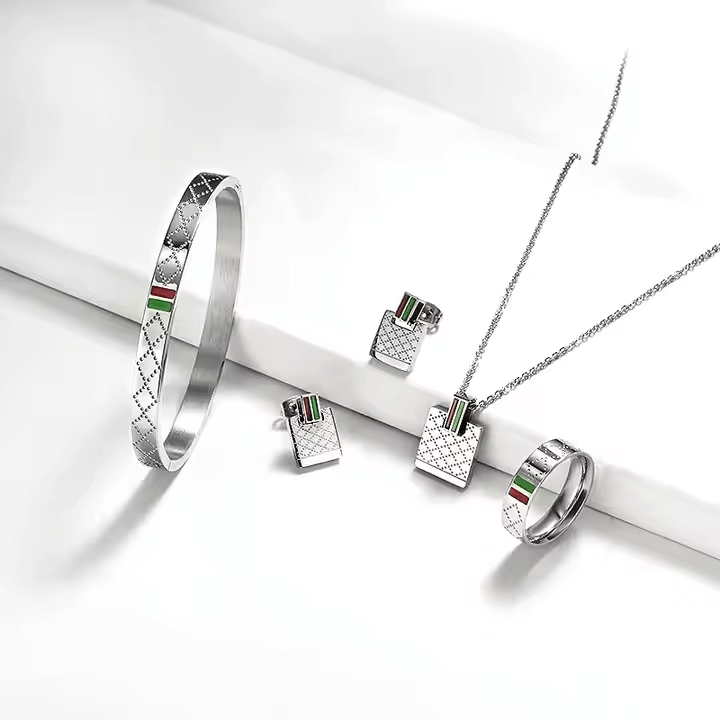
Stainless steel jewelry has become increasingly popular due to its durability, affordability, and sleek appearance. Whether it’s a custom necklace, bracelet, or ring, stainless steel provides a versatile material that appeals to many people. Custom stainless steel jewelry, in particular, allows for a personalized touch that makes each piece unique and special. This article delves into the entire process of creating custom stainless steel jewelry, from understanding the material to the final product’s delivery.

Understanding Stainless Steel as a Jewelry Material
What is Stainless Steel?
Stainless steel is an alloy made primarily of iron, chromium, nickel, and other metals. It is renowned for its resistance to corrosion and staining, which makes it an excellent choice for jewelry. Unlike other metals, stainless steel does not tarnish easily and can withstand exposure to moisture and chemicals. This resilience is due to the presence of chromium, which forms a protective layer on the surface, preventing oxidation and rust.
Stainless steel used in jewelry typically falls into two main categories: 304 stainless steel and 316L stainless steel. Both types are known for their durability and corrosion resistance, but 316L is often preferred for jewelry-making due to its higher resistance to chloride and other corrosive elements. This makes it ideal for pieces that are frequently exposed to saltwater or other harsh environments.
Why Choose Stainless Steel for Jewelry?
There are several reasons why stainless steel is a popular choice for jewelry, especially for custom designs:
- Durability: Stainless steel is incredibly strong and can withstand daily wear and tear without losing its shine or structural integrity. This makes it perfect for jewelry that is intended to be worn regularly.
- Affordability: Compared to precious metals like gold and platinum, stainless steel is much more affordable. This cost-effectiveness allows for more creativity and flexibility in custom designs, as customers can opt for intricate patterns and larger pieces without a hefty price tag.
- Hypoallergenic Properties: Stainless steel is hypoallergenic, which means it is less likely to cause allergic reactions compared to other metals like nickel or copper. This makes it a great option for people with sensitive skin.
- Low Maintenance: Unlike silver, which tarnishes over time, stainless steel requires minimal maintenance. It retains its luster without the need for frequent polishing, making it a practical choice for those who want beautiful jewelry without the upkeep.
Environmental Impact
Stainless steel is also an environmentally friendly option. It is 100% recyclable, meaning that at the end of its life, a piece of stainless steel jewelry can be melted down and repurposed without losing any of its quality. This is a significant advantage over some other metals, which may degrade in quality when recycled.
Additionally, the production of stainless steel has a relatively low environmental footprint compared to mining for precious metals. The extraction and refining processes for gold and silver are energy-intensive and often involve the use of toxic chemicals. In contrast, stainless steel production is less harmful to the environment, particularly when it comes from recycled materials.
Understanding these characteristics helps in appreciating why stainless steel is such a popular material for jewelry-making, especially for custom pieces where both aesthetic appeal and practicality are important.
The Design Phase: Crafting Unique Jewelry Pieces
Initial Consultation and Concept Development
The journey of creating custom stainless steel jewelry begins with a thorough understanding of the client’s desires and preferences. This initial consultation is a critical step, as it lays the foundation for the entire design process. During this meeting, jewelry designers discuss various aspects with the client, such as the type of jewelry they want (rings, bracelets, necklaces, etc.), the design style they prefer (modern, vintage, minimalist, etc.), and any specific elements or motifs they wish to include.
Often, clients are inspired by personal experiences, cultural symbols, or even significant life events that they want to commemorate. By listening carefully to the client’s story and vision, designers can create a concept that truly reflects the individual’s personality and taste.
Sketching and CAD Modeling
Once the concept has been developed, the next step is to bring the design to life through sketches and computer-aided design (CAD) modeling. Initially, designers often create hand-drawn sketches to explore different ideas and shapes. These sketches serve as a visual brainstorming tool, allowing the designer to experiment with various elements and compositions.
After finalizing the basic concept on paper, the design is then translated into a digital format using CAD software. CAD modeling is an invaluable tool in jewelry design because it allows for precision and accuracy that is difficult to achieve with hand sketches alone. The software enables the designer to create a 3D model of the jewelry piece, which can be viewed from all angles and adjusted as needed. This digital model is crucial for visualizing the final product and ensuring that all elements are proportionate and harmonious.
Choosing the Right Design Elements
The choice of design elements is another essential aspect of the custom jewelry-making process. When working with stainless steel, designers must consider how the material will interact with other components, such as gemstones, engravings, or additional metals. Stainless steel’s sleek and modern appearance lends itself well to various styles, but some combinations work better than others.
For instance, a modern design might feature clean lines and geometric shapes, possibly incorporating black or colored gemstones to contrast with the steel’s silver sheen. On the other hand, a vintage design might include intricate engravings or patterns, giving the piece a timeless and elegant feel. The designer works closely with the client to choose elements that complement the stainless steel and align with the overall design vision.
Material Selection and Preparation
Choosing the Grade of Stainless Steel
Not all stainless steel is created equal, and selecting the appropriate grade for a jewelry piece is a vital part of the process. The most commonly used grades in jewelry making are 304 and 316L. Each grade has its unique properties that make it suitable for different applications.
304 stainless steel is an austenitic steel that contains chromium and nickel. It is known for its excellent resistance to corrosion and oxidation, making it a popular choice for everyday jewelry. However, for more demanding applications, 316L stainless steel is often preferred. This grade includes molybdenum, which enhances its resistance to chlorides and other corrosive substances, making it ideal for pieces exposed to harsher conditions, such as rings or bracelets worn daily or in the ocean.
Sourcing Quality Stainless Steel
Once the appropriate grade has been selected, the next step is sourcing high-quality stainless steel from reputable suppliers. Ensuring the material’s quality is crucial, as it directly affects the durability and appearance of the final product. Reliable suppliers provide certification and documentation verifying the steel’s composition and properties, which helps maintain consistency and quality throughout the jewelry-making process.
Ethical sourcing is another important consideration. Many jewelers prefer suppliers who adhere to environmentally friendly practices and ensure fair labor conditions in their production processes. This commitment to ethical sourcing not only supports sustainable practices but also aligns with the growing consumer demand for responsible and transparent business practices.
Preparing the Metal for Crafting
Before the actual crafting begins, the stainless steel must be prepared for shaping and forming. This involves cutting the steel into manageable pieces, often called blanks, using precise tools and machinery. The type of cutting method used depends on the complexity of the design and the thickness of the metal. Laser cutting and waterjet cutting are common techniques for creating intricate shapes and patterns in stainless steel.
Once cut, the blanks are shaped and smoothed to remove any rough edges. This step ensures that the metal is ready for the detailed crafting process that follows, whether it involves traditional hand-forging or modern machining techniques.
Crafting the Jewelry: Techniques and Methods
Traditional vs. Modern Methods
Creating custom stainless steel jewelry involves a blend of traditional craftsmanship and modern technology. Each method has its advantages and is chosen based on the specific requirements of the design.
Traditional methods, such as forging and hand-fabrication, involve manually shaping and forming the metal using tools like hammers, anvils, and pliers. These techniques allow for a high level of artistry and craftsmanship, making them ideal for unique, one-of-a-kind pieces that require a personal touch.
Modern methods, on the other hand, utilize advanced machinery like CNC (Computer Numerical Control) machines and laser cutters. These technologies offer precision and efficiency, making them suitable for intricate designs and detailed work. CNC machines, for instance, can carve out delicate patterns and shapes with a level of accuracy that would be challenging to achieve by hand.
Detailed Step-by-Step Process
Molding and Casting
For certain designs, especially those with complex shapes, molding and casting are preferred techniques. The process begins with creating a mold, usually made from silicone or rubber, that captures the desired shape of the jewelry piece. Molten stainless steel is then poured into the mold and allowed to cool and harden. This method is particularly useful for mass production, as it allows multiple pieces to be created from a single mold.
Machining and Cutting
Machining and cutting are essential for achieving precision in custom jewelry designs. CNC machines are commonly used to cut and shape stainless steel into intricate patterns. These machines are controlled by computer programs that dictate the movement of the cutting tools, ensuring a high degree of accuracy and consistency. This is especially important for designs that require precise measurements and detailed work.
Forming and Shaping
Once the basic shape has been achieved through cutting or casting, the jewelry piece undergoes further forming and shaping. This process involves bending and manipulating the metal to create the final form. Tools such as hammers and pliers are used to shape the metal, and specialized anvils and molds may be employed for more complex designs. The forming process requires skill and experience, as the metal must be manipulated carefully to avoid cracking or damaging the piece.
Incorporating Gemstones and Decorative Elements
For custom stainless steel jewelry that includes gemstones or other decorative elements, additional steps are needed to incorporate these features securely. Setting gemstones in stainless steel requires specialized techniques, as the metal’s hardness can make it challenging to work with. Prong settings, bezel settings, and channel settings are some of the common methods used to secure gemstones in place.
Engraving and embossing are other popular decorative techniques used in custom jewelry. Engraving involves etching designs or patterns into the metal’s surface, while embossing creates a raised effect by pressing a pattern into the metal. Both methods add a unique touch to the jewelry and can be used to incorporate personal messages, initials, or intricate designs.
Finishing the Jewelry: Polishing and Plating
Polishing Stainless Steel
Polishing is a crucial step in the jewelry-making process, as it enhances the appearance of the stainless steel and gives it a smooth, shiny finish. There are several polishing techniques available, depending on the desired final look.
For a matte finish, the metal is brushed with an abrasive material to create a soft, non-reflective surface. A high-gloss finish, on the other hand, requires multiple stages of polishing using increasingly fine abrasives, followed by buffing with a polishing compound. This process removes any surface imperfections and gives the stainless steel a mirror-like shine.
Plating and Coating Options
To further enhance the appearance and durability of custom stainless steel jewelry, various plating and coating options are available. Gold plating and rhodium plating are popular choices for adding a luxurious touch to stainless steel jewelry. These coatings not only change the color of the metal but also provide an additional layer of protection against scratches and tarnish.
Other coatings, such as black oxide or PVD (Physical Vapor Deposition), can be used to achieve unique finishes and colors. These coatings are applied in a vacuum chamber, where metal vapors are deposited onto the jewelry’s surface, creating a thin, durable layer that enhances the piece’s appearance and wear resistance.
Quality Control and Inspection
Before a custom stainless steel jewelry piece is deemed complete, it must undergo a thorough quality control inspection. This step ensures that the piece meets the designer’s standards and the client’s expectations. The inspection process involves checking for any defects or imperfections, such as scratches, dents, or loose gemstones. It also includes verifying that all design elements have been executed accurately and that the jewelry is structurally sound.
Any issues identified during the inspection are addressed through additional polishing, adjustments, or repairs as needed. This meticulous attention to detail ensures that the final product is of the highest quality and ready for delivery to the client.
Customization: Personal Touches and Final Adjustments
Personal Engravings and Inscriptions
One of the most popular forms of customization in stainless steel jewelry is engraving. Engravings can range from simple initials or dates to intricate designs and meaningful messages. This personalized touch adds sentimental value to the piece, making it truly unique to the wearer.
Engraving stainless steel requires specialized tools and techniques due to the hardness of the metal. Laser engraving is a common method used for stainless steel, as it allows for precise and detailed designs without damaging the metal’s surface. Engraving can be done on the inside or outside of rings, on the back of pendants, or on any flat surface of the jewelry piece.
Adjusting Fit and Comfort
Ensuring that the jewelry fits comfortably is another important aspect of customization. Rings may need to be resized, or bracelets and necklaces adjusted for length to ensure a perfect fit. Stainless steel is a tough material, so resizing requires specific tools and expertise to avoid damaging the piece.
For rings, resizing involves either adding or removing a small section of the band and then soldering it back together. For bracelets and necklaces, links may be added or removed to achieve the desired length. After any adjustments, the jewelry is polished again to restore its finish and ensure a smooth, comfortable feel.
Final Approval and Client Feedback
Once all customization and adjustments have been completed, the finished piece is presented to the client for final approval. This stage is crucial, as it provides an opportunity for the client to inspect the jewelry and ensure it meets their expectations. Any final tweaks or changes can be made at this point to guarantee complete satisfaction.
Client feedback is invaluable, as it helps the jeweler understand the client’s preferences and refine their craft for future projects. A successful custom jewelry experience often leads to repeat business and referrals, making this final step a vital part of the process.
Packaging and Delivery
Packaging the Finished Jewelry
The presentation of custom stainless steel jewelry is an important aspect of the overall experience. High-quality packaging enhances the perceived value of the piece and provides a memorable unboxing experience for the client. Jewelry is typically packaged in a branded box or pouch, often accompanied by a certificate of authenticity or care instructions.
For environmentally conscious clients, sustainable packaging options are also available. These may include recycled materials, biodegradable pouches, or minimalistic packaging that reduces waste. The goal is to provide a beautiful presentation that aligns with the client’s values and enhances their overall satisfaction.
Delivery Options and Client Communication
Delivering the finished jewelry safely and securely is the final step in the custom jewelry-making process. Depending on the client’s location and preferences, delivery can be arranged through various methods, including in-person pickup, standard shipping, or secure courier services.
Throughout the delivery process, clear and timely communication with the client is essential. This includes providing tracking information, estimated delivery times, and any relevant instructions for receiving or handling the jewelry. Additionally, clients should be informed about any warranties or guarantees that accompany their purchase, as well as instructions for care and maintenance to keep their custom stainless steel jewelry looking its best.
Maintenance and Care for Stainless Steel Jewelry
Basic Care Tips
Stainless steel jewelry is known for its durability and resistance to tarnish, but it still requires proper care to maintain its appearance. Regular cleaning with mild soap and water is usually sufficient to remove dirt and oils that accumulate from daily wear. After washing, the jewelry should be dried thoroughly with a soft cloth to prevent water spots.
To avoid scratches, it is best to store stainless steel jewelry separately from other pieces. Soft pouches or lined jewelry boxes are ideal for this purpose. Avoid exposing the jewelry to harsh chemicals, such as chlorine or bleach, which can damage the metal’s finish.
Professional Cleaning and Repair
Despite its low maintenance, stainless steel jewelry may occasionally require professional cleaning or repair. Over time, scratches can develop on the surface, especially for pieces that are worn frequently. Professional jewelers can buff out minor scratches and restore the jewelry’s original shine.
For more significant repairs, such as resizing or fixing a broken clasp, it’s important to consult a jeweler who specializes in stainless steel. The metal’s hardness requires specific tools and techniques that may not be available at all jewelry repair shops.
Storing Stainless Steel Jewelry
Proper storage is key to preserving the quality of stainless steel jewelry. To prevent tarnish and scratches, it’s best to keep each piece in a separate compartment or pouch. Anti-tarnish strips or silica gel packets can be added to jewelry boxes to absorb moisture and prevent oxidation.
For long-term storage, it’s advisable to clean the jewelry thoroughly and wrap it in a soft cloth before placing it in a sealed plastic bag. This protects the piece from dust, moisture, and other environmental factors that could cause damage over time.
The Future of Custom Stainless Steel Jewelry
Trends in Stainless Steel Jewelry Design
The popularity of stainless steel jewelry continues to grow, driven by its versatility and affordability. Current trends in stainless steel jewelry design include minimalist styles, geometric shapes, and mixed-metal combinations. These designs appeal to a wide range of consumers, from those who prefer simple, understated pieces to those who enjoy bold, statement jewelry.
Custom stainless steel jewelry is also gaining traction as more people seek personalized pieces that reflect their individuality. From engraved rings to custom pendants, the possibilities for customization are endless, allowing customers to create jewelry that is truly one-of-a-kind.
Innovations in Crafting Techniques
The jewelry industry is constantly evolving, with new technologies and techniques emerging that enhance the design and production process. One of the most exciting developments in recent years is the use of 3D printing in jewelry making. This technology allows designers to create highly detailed and intricate models that would be difficult or impossible to achieve by hand.
Digital modeling and virtual reality are also becoming more common in the design phase, enabling clients to visualize their custom pieces before they are made. These innovations not only improve the design process but also reduce waste and increase efficiency, making custom jewelry more accessible and affordable.
Expanding Market and Global Demand
The global market for stainless steel jewelry is expanding, driven by increasing consumer demand for affordable and durable pieces. This growth presents significant opportunities for jewelry manufacturers and designers, particularly those who specialize in custom designs.
As more consumers seek unique, personalized jewelry, the demand for custom stainless steel pieces is expected to continue rising. To capitalize on this trend, manufacturers must stay ahead of industry developments and continuously innovate to meet the evolving needs of their customers.
Conclusion
Creating custom stainless steel jewelry is a meticulous process that combines artistry, craftsmanship, and modern technology. From understanding the material and developing a unique design to crafting the piece and delivering it to the client, each step is carefully executed to ensure a high-quality final product. Whether you’re looking for a simple, everyday accessory or a one-of-a-kind statement piece, custom stainless steel jewelry offers endless possibilities for personalization and creativity.
Thank you for joining us on this journey through the fascinating world of custom stainless steel jewelry. We hope this guide has provided valuable insights into the process and inspired you to explore your own custom jewelry options. If you’re interested in learning more or commissioning a custom piece, feel free to reach out to our team of experienced designers.