
Choosing the right pearls for your jewelry can be tricky, but with the right knowledge, you can make the best decision. This guide will walk you through all the necessary steps to ensure you get the most beautiful and high-quality pearls for your collection.
Whether you’re looking for classic or modern designs, this comprehensive guide will help you understand everything about pearls. By the end, you’ll know how to choose the best ones for your jewelry.
Pearl jewelry is timeless, but with so many options available, it’s essential to have a clear idea of what you’re looking for. Continue reading to find out how to choose the perfect pearls for your needs.
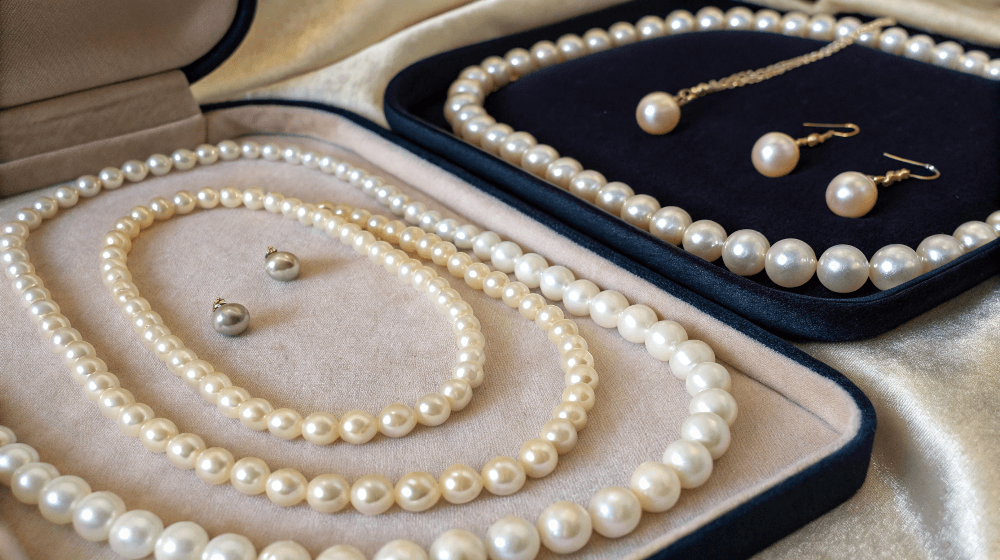
1. What Are the Different Types of Pearls for Jewelry?
Selecting the right type of pearl is key to ensuring your jewelry shines with elegance. You might be wondering, which pearls are the best fit for your designs? Understanding the different types of pearls can help you make the right decision.
Pearls come in several different types, each with unique characteristics and origins. Akoya pearls, freshwater pearls, South Sea pearls, and Tahitian pearls are some of the most popular types. While freshwater pearls are widely available and affordable, saltwater pearls like Akoya and South Sea pearls are rarer and more valuable due to their perfect luster.
How Do You Differentiate Between Various Pearls?
| Type | Origin | Size | Color | Luster |
|---|---|---|---|---|
| Freshwater Pearls | China | Small to medium | White, pink, lavender | Soft luster |
| Akoya Pearls | Japan | Small | White, cream | High luster |
| Tahitian Pearls | French Polynesia | Medium to large | Black, gray, green | Moderate to high |
| South Sea Pearls | Australia, Indonesia, Philippines | Large | White, golden | Very high luster |
As you can see, the type of pearl affects not only its appearance but also its price. Akoya pearls are known for their high luster, while Tahitian pearls are famous for their exotic colors. South Sea pearls, although larger, can be expensive due to their rarity.
2. Why Are Pearls So Valuable in Jewelry?
Ever wondered why pearls hold such value in the jewelry market? Pearls’ value comes from a mix of rarity, size, luster, and cultural significance. Here’s why pearls are so prized in jewelry making.
Why Pearls Are Prized
Pearls are incredibly rare, especially natural ones. Their creation is a unique and lengthy process, with oysters secreting layers of nacre around irritants, which form pearls over time. The more lustrous and flawless the pearl, the more valuable it is. For instance, South Sea pearls, which grow large and shiny, are much more expensive than smaller freshwater pearls.
| Factor | Explanation |
|---|---|
| Rarity | Natural pearls are rare, and cultured pearls take years to form. |
| Size | Larger pearls, especially South Sea pearls, are more valuable. |
| Luster | Pearls with high luster, like Akoya pearls, are highly sought after. |
| Surface Quality | Pearls with minimal imperfections are highly valued. |
Pearls are also a symbol of elegance and sophistication. For many cultures, pearls represent purity and wealth, making them even more desirable for bridal jewelry and high-end pieces.
3. How to Choose the Best Pearls for Your Jewelry?
Selecting the best pearls for your jewelry requires careful attention to a few important characteristics. You might be wondering, what should you focus on when choosing pearls? Here’s what you need to know.
Key Characteristics to Consider
When choosing pearls, consider their size, shape, color, and luster. For necklaces or earrings, round pearls are usually the most preferred. Larger pearls are generally more expensive, but smaller pearls can work better for bracelets or more intricate designs.
How to Choose the Best Pearls?
| Characteristic | Ideal Choice | Why It’s Important |
|---|---|---|
| Size | Medium to large | Larger pearls are often seen as more luxurious. |
| Shape | Round (best), button, baroque | Round pearls are more valuable and ideal for most jewelry. |
| Color | White, pink, gold, black | Color affects the price and overall design. |
| Luster | High luster (e.g., Akoya, South Sea) | High luster indicates better quality and value. |
Pay attention to surface quality; flawless pearls are highly valued. While most pearls come with minor blemishes, pearls with fewer imperfections tend to be of better quality and are more expensive.
4. What Factors Should You Consider When Buying Pearl Jewelry?
There are several factors to think about when buying pearl jewelry. You might be wondering, what factors should you focus on? Here are some key considerations to keep in mind.
Important Considerations When Purchasing
First, decide on your budget. Pearl jewelry can vary greatly in price, depending on the type and quality of the pearls. After that, think about the type of setting you want. For example, pendants might require a different style of pearl than earrings. The metal type in the setting also plays a role in the jewelry’s overall look and value.
| Factor | Recommendation | Impact on Jewelry |
|---|---|---|
| Budget | Set a price range | Determines the size and type of pearls. |
| Setting | Consider the jewelry type (necklace, ring, earrings) | Affects the overall appearance of the jewelry. |
| Metal Type | White gold, yellow gold, silver, platinum | Enhances the pearl’s look and affects value. |
5. How Do You Evaluate the Quality of Pearls?
Evaluating pearl quality is essential when buying pearls for jewelry. How do you assess the quality of pearls? By focusing on a few key factors such as luster, surface quality, shape, and size, you can determine whether a pearl is worth your investment.
Steps to Evaluate Pearl Quality
| Criteria | Description | Ideal Choice |
|---|---|---|
| Luster | The shine or glow of the pearl’s surface | High, mirror-like luster |
| Surface Quality | Imperfections and blemishes on the pearl’s surface | Few or no blemishes |
| Shape | The form of the pearl | Round or near-round |
| Size | The physical size of the pearl | Larger pearls for value |
By keeping these factors in mind, you can assess whether a pearl is of high quality or if it falls short of your expectations.
6. Where Are the Best Pearls Sourced From?
Wondering where the most valuable pearls come from? Pearls are found in different parts of the world, each region producing pearls with unique characteristics that add to their allure.
Pearl Origins and Their Impact on Value
Pearls come from various parts of the world, and each location has its own specific type of pearl. The most famous pearls are those from Japan (Akoya), French Polynesia (Tahitian), and Australia (South Sea). Freshwater pearls, on the other hand, are predominantly grown in China. The geographical location impacts the size, color, and overall quality of the pearls.
| Origin | Type of Pearl | Common Colors | Size Range | Price Range |
|---|---|---|---|---|
| China | Freshwater Pearls | White, Pink, Lavender | Small to Medium | Lower to Mid-Range |
| Japan | Akoya Pearls | White, Cream, Silver | Small | Mid to High-End |
| French Polynesia | Tahitian Pearls | Black, Gray, Green | Medium to Large | High-End |
| Australia/Philippines | South Sea Pearls | White, Golden | Large | Very High-End |
The South Sea pearls from Australia and the Philippines are particularly prized for their large size and high luster, while Tahitian pearls from French Polynesia are famous for their unique dark colors.
7. How Should You Care for Your Pearl Jewelry?
Looking for ways to keep your pearls in top shape? Proper care is essential to maintain the beauty and longevity of your pearl jewelry.
Best Practices for Caring for Pearls
Pearls are delicate and require special attention. Avoid exposing them to harsh chemicals or extreme temperatures, and always clean them carefully. Storing pearls in a soft cloth pouch and keeping them away from other jewelry pieces will help prevent scratches and damage. Pearls should also be cleaned regularly, especially if they’ve been exposed to makeup or lotion.
| Care Tip | Best Practice | Why It’s Important |
|---|---|---|
| Cleaning | Gently wipe with a soft cloth after wearing | To remove oils, dirt, and makeup residues. |
| Storage | Store pearls in a soft pouch or jewelry box with dividers | Prevents scratching and ensures pearls don’t rub against harder materials. |
| Avoid Chemicals | Avoid exposure to perfumes, hairspray, or household chemicals | Chemicals can damage the surface and dull the luster of pearls. |
| Wear Regularly | Pearls need natural oils to maintain their shine | Wearing them occasionally helps keep them lustrous. |
By following these basic care instructions, your pearls will retain their lustrous beauty for years to come.
8. What Are the Different Pearl Jewelry Styles?
Wondering which style of pearl jewelry is right for you? There are many different ways to wear pearls, and each style offers something unique.
Popular Pearl Jewelry Styles
Pearl jewelry is incredibly versatile, ranging from simple and classic designs to bold and modern ones. Some popular styles include pearl necklaces, earrings, and bracelets. You can also find pearl rings and brooches that feature one or multiple pearls in creative designs. Depending on the occasion, pearls can be used to create a minimalist look or a more extravagant statement piece.
| Jewelry Type | Style | Occasions | Design Features |
|---|---|---|---|
| Necklaces | Classic strand, choker, long drape | Formal events, weddings, daily wear | Simple or multi-strand designs |
| Earrings | Studs, drop earrings, hoops | Casual to formal occasions | Small and elegant or bold designs |
| Bracelets | Single pearl, multi-pearl | Everyday wear, special events | Subtle or eye-catching designs |
| Rings | Solitaire, multi-stone | Weddings, engagements | Elegant bands with single or multiple pearls |
Trends in Pearl Jewelry
Pearls are no longer just for traditional jewelry. Designers are incorporating pearls into more contemporary and daring designs, making them a statement piece. You can find pearls in modern rings, chic earrings, and even bracelets with asymmetrical designs.
9. How Much Should You Expect to Pay for Quality Pearl Jewelry?
Curious about how much pearl jewelry costs? The price of pearl jewelry can vary greatly depending on the type, size, quality, and origin of the pearls used.
Price Range for Different Pearls
Pearl prices are determined by several factors including luster, size, and origin. For example, Tahitian and South Sea pearls can be quite expensive, especially when they have high luster and are larger in size. On the other hand, freshwater pearls are more affordable and accessible for most buyers.
| Type of Pearl | Price Range (Per Piece) | Quality Considerations | Average Size |
|---|---|---|---|
| Freshwater Pearls | $50 – $500 | Lower cost, but versatile | Small to medium |
| Akoya Pearls | $100 – $1,000 | High luster and sheen | Small |
| Tahitian Pearls | $200 – $2,500 | Exotic colors, high quality | Medium to large |
| South Sea Pearls | $500 – $10,000 | Large size, high luster | Large |
For buyers on a budget, freshwater pearls are a great option. However, Tahitian and South Sea pearls come with a higher price tag due to their rarity and exceptional quality.
10. How Can You Tell the Difference Between Real and Fake Pearls?
Wondering how to distinguish a real pearl from a fake one? Understanding the difference is crucial to ensure you are getting what you pay for.
Identifying Real vs Fake Pearls
Real pearls have a distinct feel and appearance that sets them apart from fakes. A real pearl will feel cool to the touch at first and will gradually warm up. Imitation pearls, on the other hand, often feel warmer to the touch immediately. Real pearls also have a unique surface texture with tiny imperfections, while fake pearls tend to be smoother and more uniform.
| Method | Real Pearls | Fake Pearls |
|---|---|---|
| Touch | Cool to the touch, warms up gradually | Feels warm immediately |
| Surface Texture | Slight imperfections, visible texture | Smooth, uniform surface |
| Weight | Heavier, denser | Light and flimsy |
| Shine | Iridescent luster, natural shine | Glossy or overly shiny, lacks depth |
It’s essential to test pearls for authenticity if you’re unsure. Gently rubbing two pearls together will reveal subtle friction on real pearls, whereas fake pearls will slide easily.
11. What Are the Trends in Pearl Jewelry?
Wondering what the latest trends in pearl jewelry are? Pearl jewelry has come a long way, and modern designs have introduced creative ways to incorporate pearls into contemporary fashion.
Current Trends in Pearl Jewelry
While traditional pearl jewelry is timeless, new trends have emerged that appeal to modern tastes. Designers are mixing pearls with gemstones, precious metals, and asymmetrical designs. Pearl hoops, pearl rings with colored stones, and layered pearl necklaces are popular choices. Bold, statement pieces are also making their mark, with pearls being used in chunky necklaces and oversized earrings.
| Trend | Description | Where to Wear |
|---|---|---|
| Modern Pearl Hoops | Pearls combined with metal hoops, offering a bold statement | Casual or formal occasions |
| Pearl and Gemstone Rings | Pearls paired with colorful gemstones like sapphires or diamonds | Engagements, special occasions |
| Layered Pearl Necklaces | Multiple strands of pearls worn together for a chic look | Evening wear, upscale events |
| Chunky Pearl Pieces | Large pearls in unique shapes, often paired with other metals | Fashion-forward settings |
The trend is clear: Pearls are no longer limited to traditional designs. Jewelry makers are now experimenting with larger and more vibrant pieces, integrating pearls into both casual and statement-making designs.
12. How Can You Customize Pearl Jewelry?
Looking for ways to make your pearl jewelry one-of-a-kind? Customizing pearl jewelry is an excellent way to add a personal touch to your pieces, making them unique to you or a loved one.
Options for Customizing Pearl Jewelry
From choosing the type of pearl to selecting the setting and adding personal engravings, customization is all about making your jewelry reflect your style. Many jewelers offer custom designs that can integrate additional gemstones or special metal finishes. Some customers opt for engraved pearls, adding initials or special dates to make their jewelry even more meaningful.
| Customization Option | Description | Example |
|---|---|---|
| Engraving | Personalized text, such as initials or dates, can be engraved on pearls or their settings. | Custom rings with initials |
| Gemstone Integration | Adding gems like diamonds or sapphires to accentuate the pearl. | Pearl necklace with sapphire accents |
| Metal Choices | Choose from various metals like white gold, yellow gold, platinum. | Gold or platinum pearl earrings |
| Setting Styles | Adjusting the setting style (e.g., prong, bezel, or halo setting) | Halo setting for a pearl ring |
Customization allows you to create a unique piece that stands out and holds personal significance, making it perfect for special occasions like weddings or anniversaries.
13. What Are the Best Occasions for Wearing Pearl Jewelry?
Wondering when to wear pearl jewelry? Pearls are incredibly versatile and can be worn at a variety of occasions. Whether you’re attending a formal event or a casual outing, there’s always a place for pearls.
Ideal Occasions for Pearls
While pearls are often associated with formal events like weddings or galas, they can also be worn in everyday settings. Classic pearl earrings or necklaces can elevate any outfit. For more formal occasions, South Sea pearls and Tahitian pearls make a statement, while freshwater pearls can add elegance to everyday wear.
| Occasion | Type of Pearl Jewelry | Style |
|---|---|---|
| Weddings | South Sea Pearls, Akoya Pearls, Pearl Rings | Elegant, classic, formal styles |
| Formal Events | Tahitian Pearls, Multi-strand Necklaces | Bold, sophisticated statement pieces |
| Casual Outings | Freshwater Pearls, Stud Earrings | Subtle, elegant designs for daily wear |
| Anniversaries | Custom Pearl Jewelry, Pearl Bracelets | Personal, meaningful designs |
Pearl jewelry isn’t just for weddings or special events. With the right design, pearls can be incorporated into any outfit, whether for a business meeting, dinner date, or casual day out.
14. How Do You Know if Your Pearls Are a Good Investment?
Wondering if your pearl purchase is a smart investment? Investing in pearls can be lucrative if you choose the right ones. Pearls, especially those from reputable sources, can increase in value over time.
Factors That Determine Pearl Value
When considering pearl investments, size, luster, and rarity play the most significant roles. Pearls from regions like Tahitian or South Sea are particularly valuable due to their size and quality. South Sea pearls in particular are rare and often fetch high prices at auctions. In addition, vintage pearls or pieces with historical significance can also be highly valuable.
| Factor | Impact on Investment | Example |
|---|---|---|
| Size | Larger pearls are generally more valuable | South Sea pearls, which can grow large |
| Luster | Pearls with high luster are worth more | Akoya pearls with a mirror-like shine |
| Rarity | Rare pearls (e.g., black Tahitian pearls) increase value | Tahitian pearls in unique colors |
| Historical Significance | Vintage pearls or jewelry with provenance can appreciate over time | Antique pearl necklace from royal collection |
If you’re looking to invest in pearls, ensure you focus on those with the highest quality and from reputable sources. Pearls with rare colors or origins tend to appreciate more in the market.
15. What Should You Know About the History of Pearls in Jewelry?
Curious about the rich history of pearls in jewelry? Pearls have been treasured for centuries and are often associated with royalty, wealth, and cultural significance. Understanding the history of pearls can deepen your appreciation for them.
Pearls in History and Their Symbolism
Pearls were once known as the “queen of gems” and were worn by kings and queens throughout history. Ancient civilizations, including the Egyptians, Greeks, and Romans, prized pearls as symbols of wealth and power. In more recent times, pearls were famously worn by Audrey Hepburn in “Breakfast at Tiffany’s” and have remained a staple in luxury jewelry ever since.
| Era | Pearl Symbolism | Notable Figures/Events |
|---|---|---|
| Ancient Times | Symbol of wealth, divinity, and power | Cleopatra’s pearl earrings |
| Middle Ages | Associated with nobility and royalty | Pearls worn by European monarchs |
| Modern Era | Elegance, timeless beauty | Audrey Hepburn in Breakfast at Tiffany’s |
Throughout history, pearls have maintained their status as a symbol of luxury and elegance. Their enduring appeal continues to make them highly sought after in modern jewelry.
Conclusion
The world of pearl jewelry is both exciting and vast. By considering the different types, quality factors, and your jewelry needs, you can select the perfect pearls for your next purchase. Pearls are timeless, and with the right knowledge, you can make an informed decision that will leave you satisfied with your jewelry for years to come.
FAQ
- Q1: What is the best type of pearl for jewelry?
Freshwater pearls, Akoya pearls, Tahitian pearls, and South Sea pearls all have unique qualities. The best type depends on your preferences for size, color, and luster. - Q2: How does the pearl grading system work?
Pearls are graded based on their luster, surface quality, size, and shape. Higher grades correspond to pearls with minimal imperfections and maximum shine. - Q3: Can pearls be worn every day?
Yes, with proper care. Avoid exposing pearls to harsh chemicals and store them properly to maintain their beauty. - Q4: Are freshwater pearls more affordable than saltwater pearls?
Yes, freshwater pearls are generally more affordable because they are produced in larger quantities and are smaller than saltwater pearls. - Q5: How can I tell if a pearl is high quality?
A high-quality pearl should have high luster, minimal imperfections, and a smooth, round shape.


