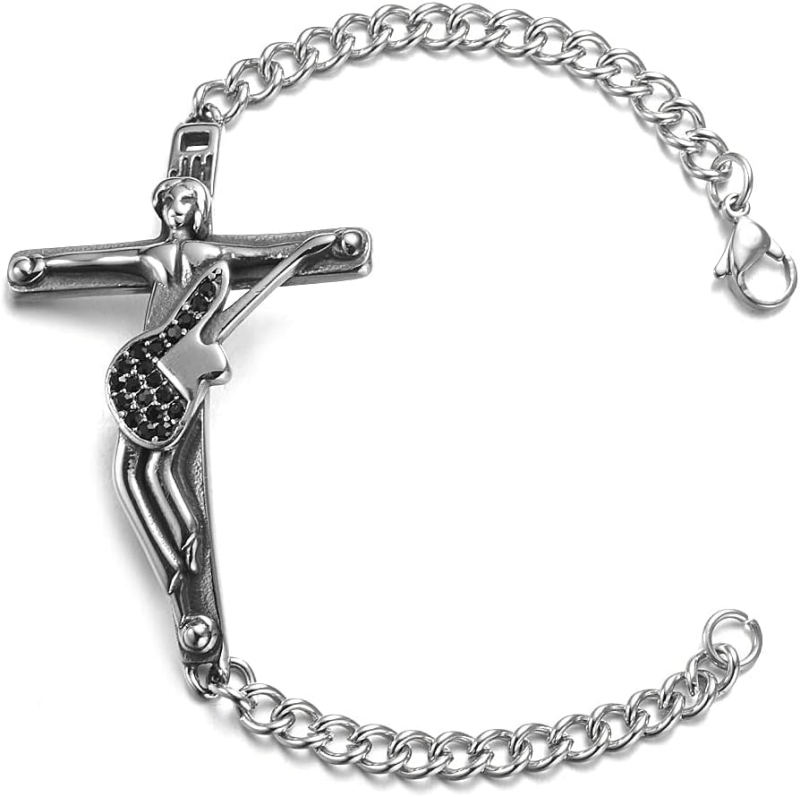
316L stainless steel jewelry has gained significant attention in recent years due to its durability, hypoallergenic properties, and sleek, modern look. As jewelry made from 316L stainless steel continues to rise in popularity, many people are curious about its safety and long-term benefits. Whether you’re considering purchasing a piece for yourself or looking to add it to your collection of jewelry products for resale, understanding what 316L stainless steel is and why it’s considered one of the safest options for jewelry can help you make an informed decision. In this article, we will explore everything you need to know about 316L stainless steel jewelry, its advantages, and why it’s safe to wear.

1. Understanding 316L Stainless Steel Jewelry
316L stainless steel jewelry is made from an alloy that contains iron, chromium, nickel, and molybdenum. What sets this particular grade apart from others, such as 304 stainless steel, is the addition of molybdenum, which gives it enhanced resistance to corrosion, particularly in environments with high salinity or humidity. It’s widely used in various industries such as medicine and food production due to its resistance to rust, corrosion, and staining.
But here’s the kicker—316L stainless steel doesn’t just have superior durability. It also has hypoallergenic properties, making it an ideal choice for individuals with sensitive skin or metal allergies. The “L” in 316L stands for “low carbon,” meaning that the steel contains a reduced amount of carbon, which further reduces the chances of corrosion and improves the material’s long-term resilience.
As a result, jewelry made from 316L stainless steel can last for years, even with constant exposure to water, sweat, and daily wear. This material has earned a strong reputation for its robustness and its ability to withstand the test of time, making it the go-to choice for high-quality, durable jewelry.
2. What Makes 316L Stainless Steel Different from Other Materials?
When it comes to jewelry, there are plenty of materials to choose from. Gold, silver, platinum, and titanium are among the top contenders, each offering distinct properties that appeal to different tastes and needs. However, 316L stainless steel is in a class of its own. What makes 316L stainless steel stand out is its exceptional resistance to corrosion and staining. Unlike other metals, 316L stainless steel resists tarnishing, making it ideal for daily wear without the need for constant polishing or special care.
In comparison, materials like sterling silver or regular stainless steel may tarnish and require regular cleaning. Gold and platinum are also durable, but they are more expensive and often don’t offer the same hypoallergenic qualities. Here’s the real story: 316L stainless steel combines the best features of durability, strength, and resistance to wear, all at an affordable price point. It is ideal for people looking for a low-maintenance yet high-quality material that can withstand harsh conditions.
To illustrate this, let’s take a look at a few materials and how they compare:
| Material | Corrosion Resistance | Tarnish Resistance | Hypoallergenic | Durability |
|---|---|---|---|---|
| 316L Stainless Steel | High | Excellent | Yes | Very Durable |
| Sterling Silver | Low | Moderate | No | Moderate |
| Titanium | High | Excellent | Yes | Very Durable |
| Gold | Moderate | Low | No | Moderate |
3. The History of 316L Stainless Steel in Jewelry
The use of stainless steel in jewelry is relatively modern, gaining traction in the late 20th century. 316L stainless steel, specifically, emerged as the preferred choice for various high-end applications, including surgical instruments, marine environments, and, more recently, fashion and jewelry. It quickly became popular for its non-reactivity and resistance to corrosion. Unlike its predecessors, which were vulnerable to rust and discoloration, 316L stainless steel proved to be a long-lasting, low-maintenance option that also met stringent medical standards.
You might be wondering why it took so long for this material to enter the jewelry market. The truth is, it wasn’t until manufacturers recognized the need for a durable yet affordable alternative to more precious metals like gold and platinum that 316L found its niche in jewelry. Ready for the good part? As more jewelry makers sought durable, hypoallergenic, and cost-effective materials, 316L stainless steel became an obvious solution. Its introduction led to the creation of stainless steel jewelry that was not only durable but also accessible to a wider range of consumers.
4. Benefits of Wearing 316L Stainless Steel Jewelry
Wearing 316L stainless steel jewelry comes with several notable benefits. For starters, its hypoallergenic properties make it ideal for individuals with sensitive skin or metal allergies. Traditional metals like nickel and silver can cause skin irritation or rashes, but 316L stainless steel does not have these issues. It is a great alternative for people who find it difficult to wear other types of jewelry without discomfort.
Another advantage of 316L stainless steel is its durability. This is where it gets interesting—316L stainless steel is incredibly resistant to corrosion, rust, and staining. This makes it a great option for jewelry that will be exposed to water, sweat, or harsh environmental conditions. Whether you’re wearing a ring, bracelet, or watch, 316L stainless steel jewelry will retain its shine and integrity over time without requiring much maintenance.
Additionally, 316L stainless steel is highly versatile. It can be used to create a wide variety of jewelry styles, from sleek and modern designs to more intricate, classic looks. And the best part? It remains affordable despite offering these high-end benefits. For B2B jewelry manufacturers and wholesalers, it’s an ideal material for producing a range of products that are both high-quality and cost-effective.
| Benefit | 316L Stainless Steel |
|---|---|
| Hypoallergenic | Yes |
| Corrosion Resistance | Excellent |
| Durability | High |
| Versatility | Very High |
| Affordability | Moderate |
5. Is 316L Stainless Steel Jewelry Safe to Wear?
One of the most common questions consumers have when considering 316L stainless steel jewelry is: “Is it safe to wear?” The short answer is yes—316L stainless steel is entirely safe to wear for most people. Its hypoallergenic properties make it an excellent choice for individuals with sensitive skin or those who experience reactions to other metals.
Unlike some cheaper forms of stainless steel or jewelry made from nickel, 316L stainless steel does not cause skin irritation or allergic reactions. What’s the real story? The “L” in 316L stainless steel stands for “low carbon,” which means the material has been specially processed to minimize impurities and reduce the risk of skin reactions. Furthermore, 316L stainless steel has been widely used in medical implants, such as surgical instruments and pacemakers, making it one of the safest metals available for long-term skin contact.
For those with more severe allergies or sensitivities, it’s always a good idea to consult a dermatologist before wearing any new material for extended periods. But for the majority of the population, 316L stainless steel is a safe, hypoallergenic, and comfortable choice for jewelry.
6. Common Jewelry Made from 316L Stainless Steel
316L stainless steel is used in a wide range of jewelry pieces, from rings and bracelets to necklaces and watches. It’s a popular material for modern, sleek designs and also for more durable items that need to withstand daily wear and tear. What makes 316L stainless steel particularly attractive to manufacturers and consumers alike is its ability to be molded into various shapes and styles, making it versatile for different jewelry types.
For instance, 316L stainless steel is commonly used in creating men’s jewelry, such as chunky bracelets, rings, and dog tags, due to its strong, bold appearance. Women’s jewelry pieces, such as bangles, earrings, and necklaces, are also frequently made from 316L stainless steel, with designs ranging from minimalist to intricate, offering something for everyone.
Here’s the kicker—316L stainless steel also serves well in creating body jewelry, including piercings and nose rings, due to its hypoallergenic nature. In fact, many piercing professionals recommend 316L stainless steel as a safe material for new piercings. With a wide range of styles and its durability, 316L stainless steel is one of the most popular metals in the jewelry market today.
| Jewelry Type | Common Uses |
|---|---|
| Rings | Engagement rings, fashion rings |
| Bracelets | Bangles, cuffs, charm bracelets |
| Necklaces | Chains, pendants, chokers |
| Watches | Casual, luxury, sports watches |
| Body Jewelry | Piercings, nose rings |
7. 316L Stainless Steel Jewelry in Fashion Trends
316L stainless steel has become a staple in the fashion industry, appearing in a wide variety of modern jewelry collections. Designers are increasingly embracing the versatility and affordability of the material, which allows them to create both trendy and timeless designs. Jewelry made from 316L stainless steel is featured in a range of fashion styles, from minimalistic designs to bold, statement pieces.
In recent years, the demand for stainless steel jewelry has surged as more people seek durable, affordable, and stylish options. This trend isn’t slowing down anytime soon. 316L stainless steel jewelry is now seen in high-end fashion shows, celebrity red carpets, and even everyday streetwear. The sleek, polished appearance of 316L stainless steel allows it to be paired with virtually any outfit, from casual wear to formal attire.
A notable trend is the integration of 316L stainless steel with other materials, such as leather, rubber, or even wood. These mixed-media designs appeal to a broad audience and offer unique aesthetics that stand out in a competitive market.
| Fashion Trend | Popular Jewelry Designs |
|---|---|
| Minimalistic | Simple bands, sleek rings |
| Bold Statement Pieces | Chunky necklaces, cuffs |
| Mixed-Media Designs | Leather & steel bracelets |
| Trendy Accessories | Stainless steel watches |
| Casual Wear | Bracelets, rings |
8. How to Care for 316L Stainless Steel Jewelry
316L stainless steel jewelry is incredibly low-maintenance, but to keep it looking its best, it’s essential to care for it properly. Unlike gold or silver, 316L stainless steel does not tarnish or rust easily, but it can still benefit from regular cleaning and attention. You might be wondering, what’s the secret? Cleaning your jewelry with a simple soap and water solution can help remove dirt and oils that may accumulate over time.
For deeper cleaning, consider using a jewelry cleaner specifically designed for stainless steel or a mild polishing cloth to restore its shine. It’s also important to avoid exposing your jewelry to harsh chemicals, such as bleach or chlorine, as they can damage the metal over time. When not in use, store your jewelry in a cool, dry place, preferably in a jewelry box or cloth pouch to protect it from scratches.
| Care Tips | Best Practices |
|---|---|
| Regular Cleaning | Use mild soap & water |
| Deep Cleaning | Use jewelry cleaner |
| Storage | Keep in dry, cool area |
| Avoid Chemicals | Avoid bleach & chlorine |
| Protection | Use jewelry box/pouch |
9. How to Identify Authentic 316L Stainless Steel Jewelry
With the rise in demand for stainless steel jewelry, counterfeit products have also increased. It’s essential to know how to identify genuine 316L stainless steel jewelry to avoid falling for low-quality imitations. Here’s where it gets interesting—authentic 316L stainless steel jewelry is typically stamped with “316L” or “SS316L” to indicate its authenticity. If you don’t see this stamp, it might not be true 316L stainless steel.
Another way to confirm authenticity is by examining the weight and feel of the jewelry. Genuine 316L stainless steel has a solid, high-quality feel and is slightly heavier than other cheaper metals. If a piece feels too light or flimsy, it might not be 316L stainless steel. You can also test the material’s resistance to corrosion and tarnishing by leaving it in contact with water or sweat for a few hours. This is your key to spotting the real deal.
| Indicator | What to Look For |
|---|---|
| Stamp | “316L” or “SS316L” |
| Weight | Solid, heavier feel |
| Corrosion Resistance | No tarnish or rust |
| Finish | Polished, smooth |
| Price | Higher cost for quality |
10. The Environmental Impact of 316L Stainless Steel
In today’s world, environmental consciousness is more important than ever, and the materials used in jewelry production are no exception. 316L stainless steel is one of the more eco-friendly metals used in jewelry manufacturing. What’s the real story? Unlike some precious metals that require extensive mining, 316L stainless steel is highly recyclable. This means that old pieces of stainless steel jewelry can be melted down and reused, significantly reducing waste.
Additionally, 316L stainless steel requires less energy to produce compared to other metals like gold or platinum, which need to undergo more energy-intensive processes. The sustainability of stainless steel is further enhanced by its longevity. Since 316L stainless steel jewelry is incredibly durable, it doesn’t need to be replaced as often, contributing to less environmental waste.
| Environmental Benefit | Description |
|---|---|
| Recyclability | 100% recyclable material |
| Energy Efficiency | Low energy to produce |
| Durability | Long-lasting jewelry |
| Reduced Waste | Less need for replacement |
| Sustainability | Eco-friendly production |
11. Where to Buy 316L Stainless Steel Jewelry
When shopping for 316L stainless steel jewelry, it’s important to choose reputable retailers who specialize in high-quality materials. Here’s the kicker: When you purchase directly from a trusted brand or jewelry store, you can rest assured that the pieces you buy are made from authentic 316L stainless steel. Online marketplaces like Alibaba and Amazon have a wide selection of stainless steel jewelry, but it’s crucial to check the seller’s reviews and certifications to confirm the authenticity of the material.
For those purchasing in bulk for wholesale or B2B purposes, establishing relationships with suppliers who can provide certificates of authenticity or material samples is essential. By ensuring you’re working with trusted sources, you can guarantee the quality and longevity of the jewelry you’re selling or wearing.
| Source | What to Look For |
|---|---|
| Reputable Jewelry Stores | Certification & quality |
| Online Marketplaces | Seller reviews & samples |
| Wholesale Suppliers | Certificates of authenticity |
| Custom Jewelers | Material sourcing info |
| B2B Suppliers | Bulk pricing & guarantees |
12. Pricing of 316L Stainless Steel Jewelry
One of the biggest advantages of 316L stainless steel jewelry is its affordability. Unlike precious metals such as gold or platinum, 316L stainless steel is relatively inexpensive to produce, which makes it a budget-friendly alternative for consumers. Whether you’re buying a simple ring or an elaborate necklace, 316L stainless steel offers high value at a fraction of the price of luxury materials.
What’s the real story? Despite being more affordable, 316L stainless steel doesn’t sacrifice quality. The cost savings come from the material’s lower production costs and widespread availability. However, the final price of 316L stainless steel jewelry can vary depending on design complexity, craftsmanship, and brand.
| Price Range | Jewelry Type | Example Brands |
|---|---|---|
| Low ($) | Simple bands, pendants | Local jewelers |
| Medium ($$) | Engraved rings, bracelets | Fashion brands |
| High ($$$) | Custom-made necklaces | Luxury designers |
13. Common Misconceptions About 316L Stainless Steel Jewelry
There are several misconceptions about 316L stainless steel jewelry that can prevent people from making the best purchasing decisions. Here’s the deal—some people mistakenly think that stainless steel jewelry looks cheap or lacks the elegance of precious metals like gold or silver. However, 316L stainless steel can be polished to a mirror-like finish, giving it a sophisticated and high-end appearance.
Another myth is that stainless steel jewelry is prone to rusting or tarnishing. In reality, 316L stainless steel is highly resistant to corrosion, even in harsh environments. Unlike other metals, it won’t rust or change color over time, making it an ideal choice for long-term wear.
| Myth | Fact |
|---|---|
| Stainless steel looks cheap | Polishes to high shine |
| 316L rusts over time | Highly corrosion resistant |
| It can’t be worn daily | Durable for everyday use |
14. Alternatives to 316L Stainless Steel Jewelry
While 316L stainless steel offers many benefits, it’s not the only metal available for jewelry. What about the competition? Other materials like titanium, sterling silver, and platinum are also popular choices for jewelry, each offering its own set of advantages. For example, titanium is even lighter than 316L stainless steel and highly resistant to scratches. However, it can be more expensive.
Sterling silver, while more affordable than platinum, is prone to tarnishing and requires regular maintenance to keep its shine. Here’s the kicker: While alternatives may have their unique properties, none offer the same combination of affordability, durability, and hypoallergenic properties as 316L stainless steel.
| Material | Pros | Cons |
|---|---|---|
| 316L Stainless | Durable, hypoallergenic | Limited color variety |
| Titanium | Lightweight, scratch-resistant | Expensive |
| Sterling Silver | Affordable, classic look | Tarnishes easily |
| Platinum | Luxury, premium look | Very expensive |
15. Conclusion: Is 316L Stainless Steel Jewelry Right for You?
In conclusion, 316L stainless steel jewelry is an excellent choice for anyone looking for affordable, durable, and hypoallergenic options. Whether you’re a consumer looking for stylish and long-lasting jewelry or a business owner seeking reliable, high-quality products for resale, 316L stainless steel offers a perfect balance of strength, style, and value. This material is more than just a trend; it’s a solution to many common concerns with traditional jewelry metals.
For those in the market for new jewelry, 316L stainless steel is certainly worth considering. With its ability to resist tarnishing, corrosion, and rust, combined with its stylish appeal, 316L stainless steel is the future of jewelry.
FAQ Section
Q1: What is 316L stainless steel jewelry?
316L stainless steel jewelry refers to jewelry made from 316L grade stainless steel, known for its corrosion resistance, durability, and hypoallergenic properties, making it an excellent choice for everyday wear.
Q2: Is 316L stainless steel jewelry safe to wear?
Yes, 316L stainless steel is safe to wear for most people, especially those with sensitive skin or metal allergies, due to its hypoallergenic properties and resistance to corrosion.
Q3: How can I care for my 316L stainless steel jewelry?
To care for 316L stainless steel jewelry, clean it regularly with mild soap and water, avoid harsh chemicals, and store it in a safe, dry place to prevent scratching and tarnishing.
Q4: How can I tell if my stainless steel jewelry is 316L?
Look for markings on the jewelry, check with the seller for certification, and note its resistance to tarnishing and corrosion, which are key signs of 316L stainless steel.
Q5: What are the advantages of 316L stainless steel over other metals?
316L stainless steel is more durable, resistant to corrosion, and less likely to cause skin reactions compared to many other metals, making it a better choice for hypoallergenic and long-lasting jewelry.