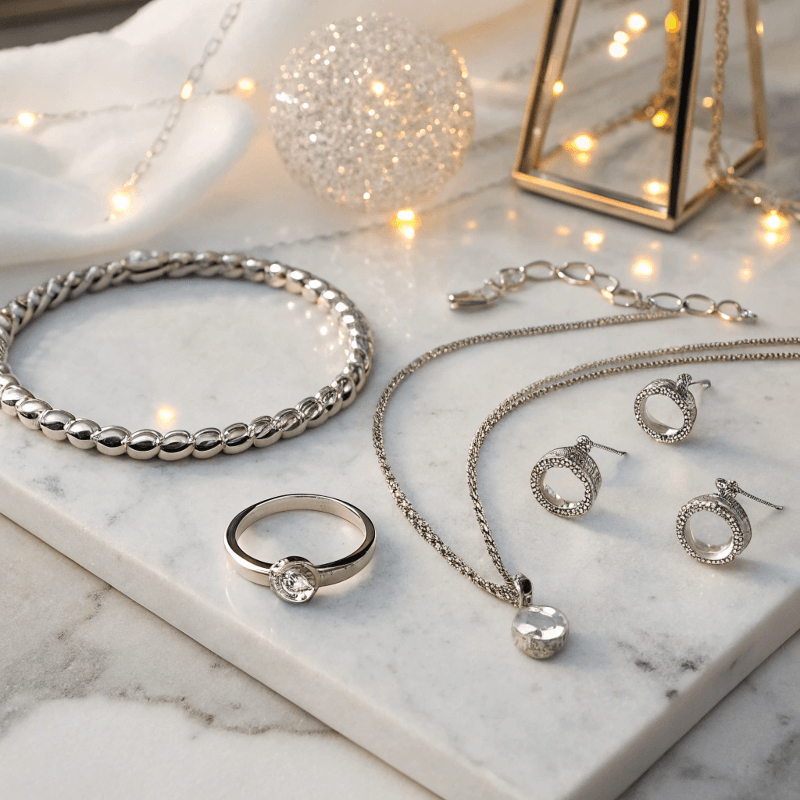
316L stainless steel is one of the most sought-after materials for jewelry today, especially in the B2B sector. Known for its durability, corrosion resistance, and hypoallergenic properties, 316L stainless steel offers a reliable and cost-effective solution for manufacturers, retailers, and distributors. This article explores the features, benefits, and why 316L stainless steel jewelry is becoming the material of choice for professionals in the jewelry industry.

1. Introduction: What Is 316L Stainless Steel Jewelry?
316L stainless steel jewelry has been steadily gaining popularity due to its impressive properties, making it a leading choice in the global jewelry market. But what exactly is 316L stainless steel, and why is it preferred by so many? At its core, 316L stainless steel is a highly durable, corrosion-resistant material used in the production of various jewelry pieces. The “L” in 316L stands for “low carbon,” which makes it less likely to rust or stain compared to other forms of stainless steel. As a result, jewelry made from 316L stainless steel retains its shine and appeal over time.
This material is favored by jewelry designers, manufacturers, and wholesalers because it offers a combination of affordability and long-lasting performance. Whether you’re producing fashion jewelry or fine pieces, 316L stainless steel ensures both durability and style. But here’s the kicker… It’s not just its ability to resist wear and tear that makes 316L attractive, but its hypoallergenic qualities. This means 316L stainless steel jewelry is perfect for customers with sensitive skin.
So, why exactly is this material considered the go-to for modern jewelry? In this article, we will explore the key features of 316L stainless steel jewelry, the reasons behind its growing demand, and how it compares to other materials in the market.
2. Understanding Stainless Steel Jewelry: An Overview
Stainless steel jewelry has been around for a while, but in recent years, the industry has seen a surge in its use, particularly 316L stainless steel. It all started with the invention of stainless steel as a metal alloy, which offered exceptional strength, corrosion resistance, and an attractive finish. You might be wondering what makes 316L stand out from other types of stainless steel, such as 304 and 304L.
The main difference lies in the alloy’s composition. 316L contains molybdenum, which makes it more resistant to corrosion from harsh environments like saltwater and acids. For this reason, it’s often referred to as “marine grade” stainless steel. But it’s not just about resistance to the elements. The 316L variety has a more refined finish, which is why it’s used in fine jewelry production, especially for pieces exposed to everyday wear.
In contrast, 304 stainless steel, while durable, lacks the molybdenum component and isn’t as resistant to certain types of corrosion. This is where it gets interesting… When it comes to jewelry, these small differences can make a significant impact on the longevity and appearance of the product.
If you’re wondering why 316L stainless steel has become a top choice for jewelry manufacturers, it’s due to its versatile application, wide availability, and cost-effective nature. Whether you’re creating bracelets, rings, necklaces, or earrings, 316L stainless steel provides the durability, beauty, and hypoallergenic properties that consumers demand.
| Type of Stainless Steel | Corrosion Resistance | Durability | Hypoallergenic |
|---|---|---|---|
| 304 Stainless Steel | Moderate | Moderate | No |
| 304L Stainless Steel | High | Moderate | No |
| 316L Stainless Steel | Very High | Very High | Yes |
3. The Composition of 316L Stainless Steel
316L stainless steel is an alloy made from iron, carbon, chromium, nickel, and molybdenum. The carbon content is lower in 316L, which gives it better resistance to corrosion, especially in environments where there are chemicals and salt. So what’s the real story? The addition of molybdenum provides greater resistance to pitting and crevice corrosion, particularly in chloride-rich environments like oceans, pools, or kitchens.
316L is designed to offer the best of both worlds: high tensile strength and resistance to rust or corrosion. It can withstand harsh environmental conditions, ensuring that your jewelry pieces maintain their polished finish for years. This unique combination of elements gives 316L stainless steel its unparalleled toughness, making it suitable for daily wear without the fear of scratching or tarnishing.
The alloy’s versatility is enhanced by its ability to be easily molded and shaped into various jewelry designs, from chunky bracelets to intricate rings. For jewelry manufacturers looking for a material that combines aesthetic appeal with long-lasting durability, 316L stainless steel stands as the ideal solution.
| Component | Amount in 316L Stainless Steel |
|---|---|
| Chromium | 16-18% |
| Nickel | 10-14% |
| Molybdenum | 2-3% |
| Carbon | 0.03% |
| Iron | Balance |
4. 316L vs 304 and 304L Stainless Steel: Key Differences
When comparing 316L stainless steel to other types of stainless steel, the differences can be striking. 304 and 304L stainless steel are two of the most commonly used types, but they don’t offer the same level of performance as 316L. Ready for the good part? Let’s break down the differences so you can understand why 316L is the go-to option for premium jewelry.
While 304 and 304L stainless steels offer some level of corrosion resistance, they aren’t as effective as 316L in resisting the harmful effects of chloride and salt. For instance, 304 stainless steel is often used in household appliances and kitchen equipment, but it doesn’t hold up as well in marine environments. On the other hand, 316L is specifically engineered for extreme conditions, making it the material of choice for anything from high-end jewelry to industrial applications.
304L and 316L also differ in their carbon content. 304L, like 316L, has a lower carbon content compared to standard 304 stainless steel, but the presence of molybdenum in 316L makes it significantly more resistant to corrosion. But here’s the kicker… The addition of molybdenum in 316L makes it more resistant to acids, making it perfect for jewelry exposed to cosmetics or harsh environments.
For manufacturers in the jewelry industry, the decision between 316L and 304 or 304L comes down to durability, corrosion resistance, and the desired finish. 316L offers superior long-term performance, which is why it’s used for creating jewelry that lasts.
| Stainless Steel Type | Corrosion Resistance | Best Uses | Cost |
|---|---|---|---|
| 304 Stainless Steel | Moderate | Household, kitchenware | Low |
| 304L Stainless Steel | High | Architectural, some jewelry | Moderate |
| 316L Stainless Steel | Very High | Jewelry, marine, industrial | High |
5. Why 316L Stainless Steel Is Ideal for Jewelry
316L stainless steel offers several advantages that make it an ideal material for jewelry production. What’s the real story? The primary benefit lies in its durability and resistance to rust. 316L is highly resistant to the wear and tear that jewelry often faces, whether from daily activities, water exposure, or friction with other surfaces. This ensures that jewelry made from 316L stainless steel will maintain its appearance for a long time, even with frequent use.
Another standout feature of 316L stainless steel jewelry is its hypoallergenic nature. This makes it ideal for customers with sensitive skin. Many jewelry materials, such as nickel, can cause allergic reactions in people with skin sensitivities. 316L, however, contains very low levels of nickel, reducing the chances of an allergic reaction and making it a popular choice for people looking for safe and comfortable jewelry options.
This is where it gets interesting… When it comes to design versatility, 316L stainless steel provides jewelry manufacturers with the flexibility they need. Whether creating delicate earrings or heavy-duty bracelets, 316L can be easily shaped and finished in a variety of ways to suit different design requirements. Its ability to hold a polished finish also makes it a favorite choice for designers aiming to create luxurious-looking yet durable pieces.
| Property | 316L Stainless Steel | Other Jewelry Materials |
|---|---|---|
| Corrosion Resistance | Very High | Moderate to High |
| Hypoallergenic | Yes | No |
| Durability | High | Moderate |
| Maintenance | Low | High |
6. Aesthetic Appeal of 316L Stainless Steel Jewelry
When it comes to aesthetic appeal, 316L stainless steel jewelry is second to none. Here’s the deal: While some metals might show signs of wear after only a few months, 316L stainless steel retains its shine and polish for a much longer period. This is partly due to its resistance to corrosion, but also because of its smooth, attractive finish.
316L stainless steel offers a sleek, modern look that appeals to a wide range of tastes. Whether you’re designing a bold, chunky necklace or a minimalist ring, 316L provides the perfect base for creating stylish, high-end jewelry. The polished finish that 316L stainless steel holds is ideal for adding depth and dimension to any jewelry piece, making it perfect for high-end, trendy designs.
Moreover, 316L stainless steel is easily customizable, which is a significant factor for businesses in the jewelry manufacturing sector. Custom engravings and finishes can be applied without compromising the integrity of the material, making it suitable for both mass-market products and unique, one-of-a-kind creations.
You might be wondering if the aesthetic qualities of 316L match up to its performance. The truth is that it does—its visual appeal, paired with its exceptional durability, makes it the material of choice for high-end and everyday jewelry pieces alike.
| Feature | 316L Stainless Steel | Gold | Silver |
|---|---|---|---|
| Durability | High | Moderate | Moderate |
| Polished Finish | Yes | Yes | Yes |
| Hypoallergenic | Yes | No | Yes |
7. The Benefits of 316L Stainless Steel Jewelry
The popularity of 316L stainless steel jewelry is a testament to the numerous benefits it offers to both manufacturers and consumers. But here’s the kicker: It’s not just the material’s aesthetic qualities that make it stand out—it’s also its long-term benefits in terms of durability, cost-effectiveness, and overall functionality. For jewelry manufacturers, 316L stainless steel offers a perfect balance of affordability and performance, making it an excellent choice for creating high-quality pieces at a reasonable cost.
Consumers appreciate the fact that jewelry made from 316L stainless steel will not easily tarnish, corrode, or lose its shine over time. This means they don’t have to worry about their favorite jewelry items degrading after regular wear. This is where it gets interesting: Unlike some other materials, 316L stainless steel can be worn daily without fear of damage. Its resistance to scratching and tarnishing means that jewelry stays looking new even after extensive use.
Another major benefit of 316L stainless steel jewelry is its ease of maintenance. Jewelry made from 316L requires minimal cleaning to maintain its shine. A simple wipe with a soft cloth can restore its original luster, making it a low-maintenance choice for consumers who want high-end pieces without the need for constant upkeep.
| Benefit | 316L Stainless Steel | Gold | Silver |
|---|---|---|---|
| Corrosion Resistance | Very High | Moderate | Moderate |
| Scratch Resistance | High | Low | Low |
| Ease of Maintenance | Low | High | High |
8. 316L Stainless Steel vs. Other Jewelry Materials: A Comparison
When deciding which material to use for a jewelry piece, it’s essential to compare the advantages and drawbacks of different materials. What’s the real story? While gold and silver are still popular choices, 316L stainless steel offers several advantages that make it a competitive option in the jewelry market.
First, let’s talk about cost. This is where it gets interesting: 316L stainless steel is much more affordable than gold or silver, making it an excellent choice for businesses that need to keep production costs low. But affordability doesn’t mean compromising on quality. 316L is a highly durable material, and while gold and silver may require more frequent care and maintenance, 316L stainless steel stays looking great for years.
Next, let’s consider durability. Gold and silver, while beautiful, are softer metals, which means they’re prone to scratching and denting. You might be wondering how 316L compares in terms of durability. The truth is, 316L stainless steel is more resistant to damage, making it an ideal material for jewelry that needs to withstand the test of time.
| Material | Cost | Durability | Corrosion Resistance | Maintenance |
|---|---|---|---|---|
| 316L Stainless Steel | Low | High | Very High | Low |
| Gold | High | Moderate | Low | High |
| Silver | Moderate | Moderate | Moderate | High |
9. Caring for 316L Stainless Steel Jewelry
One of the most appealing features of 316L stainless steel jewelry is its ease of care and maintenance. What’s the secret? 316L stainless steel requires very little attention to maintain its shine and resistance to tarnishing. This makes it an attractive option for customers who want to avoid the hassle of frequent cleaning or worrying about jewelry losing its luster.
To clean 316L stainless steel jewelry, all that’s needed is a mild soap solution and a soft cloth. Gently wipe the piece down to remove any dirt, oils, or other residues that may accumulate over time. For a deeper clean, you can also use a jewelry polishing cloth to restore its shine. Here’s the kicker: Avoid using abrasive materials that could scratch the surface of the steel.
Storing your 316L stainless steel jewelry is equally simple. To prevent scratches and maintain the appearance, store each piece in a separate pouch or jewelry box. It’s also a good idea to keep your jewelry away from chemicals, such as perfumes or cleaning agents, which could potentially affect the steel’s finish.
| Care Tip | 316L Stainless Steel | Gold | Silver |
|---|---|---|---|
| Cleaning | Mild Soap, Soft Cloth | Special Cleaners | Special Cleaners |
| Storage | Separate Pouch/Box | Secure Box | Secure Box |
| Scratch Resistance | Very High | Moderate | Low |
10. Popular Jewelry Pieces Made from 316L Stainless Steel
Given its many benefits, 316L stainless steel is used in a variety of jewelry pieces. What’s the real story? The versatility of 316L makes it perfect for creating a wide range of jewelry items, from rings and necklaces to bracelets and earrings. Jewelry manufacturers appreciate the fact that 316L stainless steel can be easily shaped and polished, making it ideal for both mass-produced items and custom pieces.
316L stainless steel is commonly used to make rings, particularly wedding bands, due to its strength and ability to hold its shape over time. This is where it gets interesting: The hypoallergenic properties of 316L also make it suitable for those who may have sensitivities to other metals.
Earrings made from 316L stainless steel are another popular choice due to the material’s lightweight nature. When compared to heavier metals like titanium or gold, 316L stainless steel offers the perfect balance of durability and comfort. Similarly, bracelets and necklaces crafted from 316L stainless steel provide a sleek and modern look, making them a favorite for both fashion-forward and everyday wear.
| Jewelry Type | 316L Stainless Steel | Gold | Silver |
|---|---|---|---|
| Rings | High | High | High |
| Necklaces | High | Moderate | Moderate |
| Earrings | High | Moderate | High |
| Bracelets | High | Moderate | Moderate |
11. The Environmental Benefits of 316L Stainless Steel
As sustainability becomes an increasingly important issue in today’s market, it’s worth noting the environmental benefits of 316L stainless steel. You might be wondering why sustainability is an important consideration when choosing materials for jewelry. The answer lies in the fact that 316L stainless steel is not only durable but also highly recyclable.
316L stainless steel is considered a sustainable material because it can be reused multiple times without compromising its quality. This is where it gets interesting: As consumers become more eco-conscious, choosing materials like 316L stainless steel for jewelry production aligns with the growing demand for sustainable and ethical practices in the industry.
Additionally, the low maintenance requirements of 316L stainless steel mean fewer resources are needed to maintain the jewelry’s appearance. This contributes to its overall environmental benefits, making it a more eco-friendly choice compared to other materials that require more frequent care and replacement.
| Environmental Benefit | 316L Stainless Steel | Gold | Silver |
|---|---|---|---|
| Recyclability | Yes | No | Yes |
| Durability | High | Moderate | Moderate |
| Maintenance Needs | Low | High | High |
12. The Role of 316L Stainless Steel in the Fashion Jewelry Industry
In the fashion jewelry industry, 316L stainless steel is becoming an increasingly popular material due to its ability to balance both durability and design flexibility. But here’s the kicker: 316L is not only used for high-end jewelry but also for affordable, trendy designs that appeal to a wide range of consumers.
With the growing demand for high-quality yet cost-effective jewelry, manufacturers are turning to 316L stainless steel as their go-to material. This is where it gets interesting: The popularity of 316L stainless steel jewelry has expanded beyond traditional jewelry pieces to include personalized accessories, custom engravings, and even luxury watches.
As fashion trends continue to evolve, 316L stainless steel is expected to play an even larger role in the jewelry industry. Its versatility in design and lasting appeal make it an ideal material for manufacturers looking to stay ahead of trends while providing high-quality, durable products for their customers.
| Trend | 316L Stainless Steel | Gold | Silver |
|---|---|---|---|
| Custom Jewelry | High | Moderate | High |
| Personalized Accessories | High | Low | Moderate |
| Affordable Luxury | High | Moderate | Moderate |
13. Why 316L Stainless Steel Jewelry Is a Great Investment
316L stainless steel jewelry is not only a great material choice for manufacturers, but it’s also a great investment for businesses. You might be wondering what makes 316L stainless steel a worthwhile investment. The answer lies in its durability and low maintenance requirements. Jewelry made from 316L stainless steel will last longer than most other metals, which makes it a smarter investment in the long term.
Additionally, 316L stainless steel is more affordable than precious metals like gold and platinum, making it an attractive option for both manufacturers and consumers. This is where it gets interesting: While 316L stainless steel is cost-effective, it still provides the same level of durability and aesthetic appeal as more expensive materials.
For wholesalers and distributors, offering 316L stainless steel jewelry means they can provide high-quality products at a lower price point. This makes it a win-win situation for both businesses and customers. Moreover, as the demand for sustainable products rises, investing in 316L stainless steel ensures that businesses are in line with market trends.
| Investment Aspect | 316L Stainless Steel | Gold | Silver |
|---|---|---|---|
| Durability | Very High | Moderate | Moderate |
| Cost-Effectiveness | High | Low | Moderate |
| Market Demand | High | Moderate | High |
14. How to Identify Genuine 316L Stainless Steel Jewelry
With the rising popularity of 316L stainless steel jewelry, it’s crucial for businesses to know how to identify genuine pieces. What’s the real story? Counterfeit products or low-quality alternatives can often be marketed as 316L, so it’s essential to know the signs of authentic 316L stainless steel jewelry.
A genuine 316L piece will have a smooth, polished finish and will feel solid and substantial. This is where it gets interesting: Authentic 316L stainless steel will not tarnish or corrode easily, and it will maintain its shiny appearance over time, even with regular use. The jewelry should be marked with “316L” or “SS” to indicate that it is made from this specific stainless steel alloy.
Jewelry manufacturers should also check the supplier’s credentials and ensure they’re sourcing from reputable sources. Buying directly from trusted suppliers ensures the quality and authenticity of the 316L stainless steel used in the jewelry.
| Identification Feature | 316L Stainless Steel | Gold | Silver |
|---|---|---|---|
| Tarnish Resistance | Very High | Low | Moderate |
| Marking | 316L/SS | N/A | N/A |
| Polished Finish | Yes | Yes | Yes |
15. Conclusion: Why 316L Stainless Steel Jewelry Is a Top Choice
316L stainless steel jewelry is quickly becoming the material of choice for both manufacturers and consumers. What’s the real story? With its superior corrosion resistance, hypoallergenic properties, and durability, 316L stainless steel outperforms many other materials in the jewelry industry. Its affordability and ability to maintain a polished finish make it an excellent choice for mass production without compromising on quality.
For businesses in the jewelry sector, investing in 316L stainless steel ensures long-term benefits, both in terms of customer satisfaction and cost savings. As sustainability becomes an increasingly important factor, 316L stainless steel’s recyclability further boosts its appeal as an eco-friendly option. Ultimately, choosing 316L stainless steel for your jewelry lines is a smart decision that combines strength, beauty, and lasting value.
FAQ Section
Q1: What is 316L stainless steel? 316L stainless steel is a corrosion-resistant alloy made from iron, chromium, nickel, and molybdenum. It is widely used in jewelry because of its durability, resistance to rust, and hypoallergenic properties.
Q2: Why is 316L stainless steel considered better for jewelry than other types of stainless steel? 316L is considered superior due to its higher resistance to corrosion, especially in harsh environments, and its hypoallergenic qualities, making it ideal for daily wear jewelry.
Q3: How do I care for my 316L stainless steel jewelry to keep it looking new? To maintain the appearance of 316L stainless steel jewelry, simply clean it with mild soap and a soft cloth. Avoid abrasive cleaners to prevent scratching, and store it separately to avoid damage.
Q4: Is 316L stainless steel jewelry suitable for people with sensitive skin? Yes, 316L stainless steel is hypoallergenic and does not contain high amounts of nickel, making it an excellent option for people with sensitive skin or allergies.
Q5: Can I wear 316L stainless steel jewelry in the shower or during physical activities? Yes, 316L stainless steel jewelry is resistant to water and moisture, making it safe to wear in the shower or during physical activities. However, it’s always good to clean it afterward to remove any buildup.