Introduction
When it comes to crafting fine jewelry, the choice of materials plays a pivotal role in determining both the quality and appeal of the final product. For US jewelry manufacturers, these material choices are influenced by a mix of tradition, technological advancements, and consumer preferences. Whether you’re a jewelry enthusiast, a wholesaler, or simply curious about the industry, understanding the materials that dominate the American jewelry landscape provides insight into the craftsmanship and values that shape this sector.
In this article, we’ll delve into the various materials US jewelry manufacturers use, exploring everything from classic metals like gold and silver to modern alternatives like tungsten and ceramic. We will also examine the factors driving material choices, including trends in sustainability and ethical sourcing. By the end of this comprehensive guide, you’ll have a deep understanding of how materials influence the design, durability, and marketability of jewelry in the United States.
Historical Context of Jewelry Materials in the US
To appreciate the materials used by US jewelry manufacturers today, it’s essential to first understand the historical context of material use in American jewelry. Over the centuries, the materials favored by jewelers have been shaped by cultural influences, economic conditions, and technological advancements.
In the early days of American jewelry making, the focus was primarily on materials that were readily available and culturally significant. For instance, Native American tribes used turquoise, shells, and other natural materials to create intricate designs that were both decorative and symbolic. These early forms of jewelry were deeply connected to the cultural practices and spiritual beliefs of the tribes, reflecting their close relationship with nature.
As European settlers arrived in North America, they brought with them a different approach to jewelry making, heavily influenced by European traditions. Gold and silver became the metals of choice, while diamonds and other precious gemstones were prized for their rarity and beauty. This period saw the emergence of jewelry as a status symbol, with wealthy individuals commissioning custom pieces made from the finest materials available. The demand for gold, in particular, surged following the California Gold Rush in the mid-19th century, establishing it as a cornerstone of American jewelry.
The Industrial Revolution marked a significant shift in the materials used by US jewelry manufacturers. Advances in technology made it possible to mine, process, and manipulate metals and gemstones on a larger scale, reducing costs and making jewelry more accessible to the middle class. During this time, costume jewelry also gained popularity, with manufacturers using less expensive materials like glass, brass, and plated metals to create fashionable pieces that mimicked the look of fine jewelry.
The 20th century introduced further diversification in material use, driven by both cultural shifts and technological innovation. The Art Deco movement of the 1920s and 1930s, for instance, embraced bold designs and unconventional materials like Bakelite, a type of early plastic. This era also saw a growing interest in platinum, which became a favorite for engagement rings and high-end jewelry due to its durability and luster.
Post-World War II America witnessed an explosion of creativity in jewelry design, with a renewed interest in organic forms and natural materials. The 1960s and 1970s, in particular, were characterized by the use of wood, leather, and semi-precious stones in jewelry, reflecting the counterculture movement’s emphasis on natural beauty and individualism.
Today, US jewelry manufacturers operate in a global market where traditional materials like gold and diamonds coexist with innovative alternatives like titanium and lab-grown gemstones. The historical evolution of material use in American jewelry underscores a constant balancing act between tradition and innovation, luxury and accessibility, and cultural expression and commercial demand.
In summary, the materials used in US jewelry have evolved significantly over time, influenced by a range of factors from cultural traditions to technological advancements. This historical context sets the stage for a deeper exploration of the specific materials that are popular among contemporary US jewelry manufacturers.
Common Metals Used in US Jewelry Manufacturing
Metals form the foundation of most jewelry, providing the structural integrity necessary for supporting gemstones and other decorative elements. Among US jewelry manufacturers, a select group of metals stands out for their popularity, versatility, and aesthetic appeal. These metals, each with unique properties and associated traditions, play a crucial role in defining the character and quality of the jewelry produced.
Gold is arguably the most iconic metal in the world of jewelry, and its status in the United States is no exception. US jewelry manufacturers favor gold not just for its intrinsic value but also for its versatility in design. Gold can be alloyed with other metals to produce a variety of colors, including yellow, white, and rose gold. Yellow gold, the most traditional form, is an alloy of pure gold with metals like copper and zinc, giving it a warm, rich hue that has been cherished for centuries. White gold, on the other hand, is alloyed with metals like palladium or nickel and often coated with rhodium to enhance its bright, silvery appearance, making it a popular choice for modern and minimalist designs. Rose gold, which has seen a resurgence in popularity in recent years, contains a higher percentage of copper, resulting in a distinctive pinkish tone that adds a romantic touch to jewelry pieces. The versatility of gold extends beyond its color variations; it is also available in different karat levels, which indicate the purity of the gold. The most common options are 14K and 18K, where 14K contains 58.3% gold and 18K contains 75% gold. Higher karat gold is purer but also softer, making it more prone to scratches and dents, so the choice of karat often depends on the balance between durability and the desire for a higher gold content.
Silver is another staple metal in the US jewelry industry, known for its affordability and bright, lustrous finish. Sterling silver, which is an alloy containing 92.5% pure silver and 7.5% other metals (usually copper), is the most common form used in jewelry. This alloying enhances silver’s strength and durability while maintaining its beautiful sheen. Silver’s popularity is particularly strong in the fashion jewelry sector, where its relatively low cost makes it accessible for a wide range of consumers. However, silver is not without its drawbacks; it is prone to tarnishing, a chemical reaction that occurs when silver is exposed to sulfur-containing substances in the air. To combat tarnish, many silver pieces are coated with a thin layer of rhodium or other protective finishes, although these coatings can wear off over time. Despite these challenges, silver remains a beloved choice for everything from intricate filigree designs to bold statement pieces.
Platinum, a metal associated with luxury and exclusivity, has long been prized by US jewelry manufacturers for its durability, rarity, and naturally white color. Unlike white gold, platinum does not require rhodium plating to maintain its brilliant white appearance, and it is hypoallergenic, making it an excellent choice for individuals with sensitive skin. Platinum’s density and strength also make it ideal for secure gemstone settings, especially in engagement rings and other pieces that are worn daily and subjected to frequent wear and tear. However, platinum’s advantages come at a cost—it is significantly more expensive than gold or silver, both because of its rarity and the difficulty of working with it. This expense often limits its use to high-end jewelry, where the emphasis is on quality and longevity over cost.
Palladium, a member of the platinum group of metals, has gained popularity among US jewelry manufacturers as a more affordable alternative to platinum. Like platinum, palladium is naturally white, hypoallergenic, and resistant to tarnish. It is also lighter in weight, which can be an advantage for certain designs where comfort is a priority. However, palladium is less dense than platinum, which means it may not offer the same level of durability in settings that require high strength. Despite this, palladium is increasingly favored for wedding bands and other fine jewelry pieces, especially as the price of platinum continues to rise.
In addition to these primary metals, US jewelry manufacturers also use a variety of other metals, each chosen for specific properties that make them suitable for different types of jewelry. Copper, for instance, is often used in alloying with gold to create rose gold or in its pure form in more rustic or bohemian designs. Titanium and stainless steel are popular in men’s jewelry due to their strength, lightweight nature, and resistance to corrosion. These metals also offer a modern, industrial aesthetic that appeals to contemporary tastes. Nickel, while less commonly used due to its potential to cause allergic reactions, is still found in some lower-cost jewelry alloys and is valued for its strength and luster.
In summary, the choice of metal in jewelry manufacturing is influenced by a combination of factors including cost, durability, appearance, and consumer preferences. Gold, silver, platinum, and palladium each offer distinct advantages, making them the metals of choice for a wide range of jewelry pieces. As US jewelry manufacturers continue to innovate and respond to market trends, these metals will likely remain central to the industry, even as new materials and techniques are developed.
Gemstones in US Jewelry Manufacturing
Gemstones are the dazzling elements that bring color, brilliance, and a sense of luxury to jewelry. US jewelry manufacturers have a long history of incorporating gemstones into their designs, with choices ranging from the timeless appeal of diamonds to the vibrant hues of sapphires, emeralds, and rubies. In recent years, the industry has also embraced synthetic and lab-grown stones, offering consumers more options than ever before.
Natural gemstones, particularly diamonds, have long been the centerpiece of high-end jewelry in the United States. Diamonds, often referred to as the “king of gemstones,” are prized for their exceptional hardness, brilliance, and symbolic association with love and eternity. The US is one of the largest markets for diamonds, with these gemstones commonly used in engagement rings, wedding bands, and other significant jewelry pieces. When it comes to diamonds, US jewelry manufacturers typically focus on the Four Cs—cut, color, clarity, and carat weight—as the key factors that determine a diamond’s quality and value. The cut of a diamond, which refers to how well it has been shaped and faceted, is particularly important as it directly affects the stone’s brilliance. A well-cut diamond will reflect light beautifully, enhancing its sparkle and making it appear more luminous. Color and clarity also play crucial roles; the less color and fewer inclusions a diamond has, the more valuable it is. Carat weight, while often equated with size, is a measure of the diamond’s weight, with larger diamonds being rarer and therefore more expensive.
Sapphires, emeralds, and rubies are other natural gemstones that hold significant appeal in the US market. Sapphires, most commonly known for their deep blue color, are also available in a variety of other colors, including pink, yellow, and green. This gemstone is favored for its durability—ranking just below diamonds on the Mohs scale—and its rich, saturated colors that add a regal touch to jewelry. Emeralds, with their vivid green hue, are often associated with luxury and sophistication. However, they are more prone to inclusions and fractures, making them more challenging to work with and often requiring special care when setting in jewelry. Rubies, known for their intense red color, symbolize passion and vitality. Like sapphires, rubies are highly durable and have been cherished for centuries in fine jewelry.
In addition to these well-known gemstones, US jewelry manufacturers also use a wide range of semi-precious stones to create unique and affordable pieces. Amethyst, topaz, aquamarine, and garnet are just a few examples of the many semi-precious stones that add color and diversity to jewelry collections. These stones are often used in both fine and fashion jewelry, providing a broader range of price points and styles for consumers. The choice of semi-precious stones allows for more creative freedom in design, as these stones come in a variety of colors and can be cut into different shapes and sizes to suit the aesthetic of the piece.
The advent of synthetic and lab-grown gemstones has added another dimension to the options available to US jewelry manufacturers. Lab-grown diamonds, for example, are chemically identical to natural diamonds but are created in a controlled environment using advanced technology. These diamonds are often less expensive than their natural counterparts and appeal to consumers who are concerned about the environmental and ethical implications of traditional diamond mining. Lab-grown gemstones also offer greater consistency in quality and color, making them an attractive option for both manufacturers and consumers. In addition to lab-grown diamonds, synthetic versions of other gemstones, such as sapphires and emeralds, are also widely available. These synthetic stones offer the same visual appeal as natural gemstones but at a fraction of the cost, making fine jewelry more accessible to a broader audience.
Gemstone treatments are another important aspect of the industry. Many natural gemstones undergo treatments to enhance their color and clarity. Common treatments include heat treatment, which is used to improve the color of sapphires and rubies, and irradiation, which can produce vibrant colors in diamonds and other stones. While treated gemstones are often more affordable than their untreated counterparts, it’s important for consumers to be aware of these treatments, as they can affect the stone’s value and care requirements.
In conclusion, gemstones are a vital component of the jewelry industry in the United States, with a wide range of natural, synthetic, and treated stones used to create pieces that cater to diverse tastes and budgets. Whether it’s the enduring allure of diamonds or the vibrant colors of sapphires and emeralds, the choice of gemstone significantly impacts the design and desirability of the final product. As the industry continues to evolve, the variety of gemstones available will likely expand further, offering even more options for consumers and designers alike.
Alternative and Contemporary Materials
While traditional metals and gemstones dominate the jewelry industry, US jewelry manufacturers are increasingly exploring alternative and contemporary materials to meet the demands of modern consumers. These materials offer new possibilities in terms of design, durability, and sustainability, allowing manufacturers to create pieces that stand out in a crowded market.
One of the most significant trends in contemporary jewelry design is the use of alternative metals. Metals like tungsten, cobalt, and titanium have gained popularity, particularly in men’s jewelry, due to their strength, durability, and distinctive appearance. Tungsten, known for its extreme hardness and scratch resistance, is often used in wedding bands and other rings that require a high level of durability. Its natural gunmetal gray color provides a modern, industrial look that appeals to consumers seeking something different from the traditional gold or silver. However, tungsten’s hardness also means that it is more brittle and can shatter under severe impact, a factor that manufacturers must consider when designing and marketing these pieces.
Cobalt is another alternative metal that has become popular in jewelry manufacturing. It offers a similar appearance to white gold or platinum but at a lower cost. Cobalt is also hypoallergenic, making it a suitable option for consumers with sensitive skin. It is less prone to scratching than traditional metals, making it ideal for everyday wear. Titanium, on the other hand, is valued for its lightweight nature and corrosion resistance. It is particularly favored in designs that prioritize comfort and practicality, such as sports or outdoor jewelry. Titanium’s ability to be anodized in a variety of colors adds an additional layer of customization, allowing manufacturers to create unique, vibrant pieces that cater to individual tastes.
Wood and organic materials represent another growing trend in the jewelry industry, particularly among consumers who prioritize sustainability and natural beauty. Wood, in particular, has become a popular choice for boho and eco-friendly jewelry designs. US jewelry manufacturers are incorporating a variety of woods, from exotic hardwoods to reclaimed timber, into their designs, often combining them with metals or gemstones to create pieces that are both rustic and refined. The use of wood in jewelry requires careful consideration of durability, as wood is more susceptible to damage from moisture and wear than metals or gemstones. However, the natural grain and texture of wood offer a unique aesthetic that resonates with consumers who appreciate the beauty of natural materials.
In addition to wood, other organic materials such as leather, bone, and shell are used to create distinctive jewelry pieces. Leather, for example, is commonly used in bracelets and necklaces, often paired with metal accents or beads to create a rugged, casual look. Bone and shell, on the other hand, have a long history of use in jewelry, particularly in traditional and indigenous designs. These materials are often chosen for their symbolic significance as well as their visual appeal.
Ceramics and resin are two contemporary materials that have made significant inroads into the jewelry industry. Ceramics, known for their lightweight and durable properties, are often used in modern, minimalist jewelry designs. They can be glazed in a variety of colors, providing a versatile canvas for creative expression. Ceramic jewelry is particularly popular in the fashion sector, where trends and styles change rapidly, and there is a constant demand for new and innovative materials. Resin, a versatile plastic material, is another popular choice for contemporary jewelry. Resin can be molded into a wide range of shapes and can encapsulate various elements, such as dried flowers, glitter, or pigments, making it a favorite for custom and artistic jewelry. Its lightweight nature and low cost also make it an attractive option for fashion-forward designs.
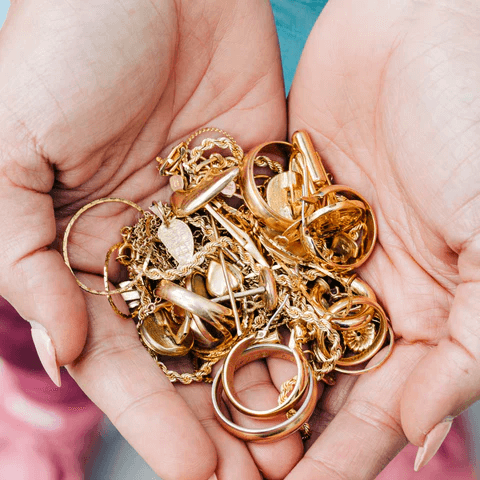
Recycled and upcycled materials have gained attention in recent years as part of the broader movement towards sustainability in fashion and jewelry. US jewelry manufacturers are increasingly using recycled metals, such as gold and silver, sourced from old jewelry, electronic components, or industrial waste. These recycled materials are refined and processed to the same quality standards as newly mined metals, offering a sustainable alternative without compromising on quality. Upcycling, which involves repurposing old or discarded materials into new jewelry, is also on the rise. This approach not only reduces waste but also gives new life to materials that might otherwise be discarded, creating unique and often one-of-a-kind pieces.
In summary, the use of alternative and contemporary materials in US jewelry manufacturing reflects the industry’s responsiveness to changing consumer preferences and the desire for innovation. Whether it’s the strength and modern appeal of alternative metals, the natural beauty of wood and organic materials, or the creativity enabled by ceramics and resin, these materials provide exciting new opportunities for jewelry design. As sustainability becomes an increasingly important consideration for consumers, the use of recycled and upcycled materials is likely to grow, further expanding the range of materials used in jewelry.
Trends in Material Usage
The jewelry industry, like many others, is subject to changing trends that reflect broader societal shifts, technological advancements, and evolving consumer preferences. US jewelry manufacturers must navigate these trends to stay competitive, balancing tradition with innovation to meet the demands of an increasingly discerning market.
One of the most significant trends influencing material usage in the jewelry industry is the growing emphasis on sustainability and ethical sourcing. Consumers today are more informed and concerned about the origins of the products they purchase, particularly when it comes to luxury items like jewelry. The demand for ethically sourced materials has led to an increase in the use of conflict-free diamonds, Fairtrade gold, and other responsibly sourced materials. US jewelry manufacturers are responding to this trend by seeking out suppliers who adhere to ethical standards and by obtaining certifications that guarantee the responsible sourcing of their materials. The Kimberley Process, which aims to prevent the trade in conflict diamonds, is one such certification that has become increasingly important in the industry. Similarly, Fairtrade certification for gold ensures that the metal has been mined under fair labor conditions and with minimal environmental impact. These certifications not only appeal to socially conscious consumers but also help manufacturers build trust and credibility in a competitive market.
Technological innovations are another driving force behind the trends in material usage. Advances in manufacturing techniques, such as 3D printing and laser cutting, have expanded the possibilities for jewelry design and material use. 3D printing, in particular, allows for the creation of complex, intricate designs that would be difficult or impossible to achieve using traditional methods. This technology also enables the use of new materials, such as lightweight polymers or composite metals, which can be printed with a high degree of precision. Laser cutting, meanwhile, allows manufacturers to work with materials like wood, leather, and even metals in new and innovative ways, creating detailed patterns and designs that add a unique touch to jewelry pieces. These technological advancements are not only expanding the range of materials available but also making it easier for manufacturers to experiment with new ideas and push the boundaries of what is possible in jewelry design.
Another important trend is the increasing demand for customization and personalization in jewelry. Consumers are looking for pieces that reflect their individual style and personality, leading to a rise in the popularity of custom-made jewelry. This trend has a significant impact on material usage, as manufacturers must be able to offer a wide range of materials and finishes to cater to different tastes and preferences. For example, some consumers may prefer the classic appeal of gold and diamonds, while others may be drawn to the modern, edgy look of titanium or the rustic charm of wood. The ability to customize materials, whether through engraving, anodizing, or combining different materials in a single piece, is becoming an essential part of the jewelry-making process. This trend towards personalization also aligns with the broader movement towards sustainable and ethical practices, as consumers are increasingly interested in knowing the story behind the materials used in their jewelry.
Cultural and demographic factors also play a significant role in shaping material trends. As the US population becomes more diverse, there is a growing interest in jewelry that reflects different cultural traditions and aesthetics. This has led to an increased use of materials that are significant in various cultural contexts, such as jade in Asian-inspired designs or turquoise in Native American jewelry. Additionally, as younger generations become a larger part of the consumer base, their preferences for minimalist, sustainable, and ethically sourced materials are influencing the industry’s direction. Millennials and Generation Z, in particular, are driving demand for jewelry that is not only beautiful but also meaningful, whether that meaning comes from the materials themselves or the way they are sourced and crafted.
In conclusion, the trends in material usage within the US jewelry industry are shaped by a complex interplay of consumer preferences, technological advancements, and broader societal shifts. The growing emphasis on sustainability and ethical sourcing is leading manufacturers to adopt more responsible practices and explore new materials. At the same time, technological innovations are expanding the possibilities for design and material use, while the demand for customization and personalization is driving the need for a diverse range of materials. As the industry continues to evolve, US jewelry manufacturers will need to stay attuned to these trends to remain competitive and meet the changing needs of their customers.
Regulatory and Ethical Considerations
In the jewelry industry, the use of materials is not only a matter of aesthetics and practicality but also of compliance with regulations and adherence to ethical standards. US jewelry manufacturers must navigate a complex landscape of laws and guidelines that govern the sourcing, processing, and marketing of materials, particularly precious metals and gemstones. These regulations are designed to protect consumers, ensure fair trade practices, and promote environmental and social responsibility.
One of the key regulatory frameworks that US jewelry manufacturers must comply with is the Federal Trade Commission (FTC) guidelines on jewelry. These guidelines cover a wide range of issues, including the labeling and advertising of precious metals and gemstones, the disclosure of gemstone treatments, and the use of recycled materials. For example, the FTC requires that any jewelry labeled as “gold” must meet specific standards for gold content, and any use of the term “solid gold” must refer to items that are not hollow or plated. Similarly, the term “platinum” can only be used if the item is at least 95% pure platinum, with specific rules governing the labeling of platinum alloys. These regulations are intended to ensure that consumers receive accurate information about the products they are purchasing and to prevent deceptive marketing practices.
In addition to domestic regulations, US jewelry manufacturers must also consider international standards and agreements, particularly when it comes to the sourcing of materials. The Kimberley Process Certification Scheme, for instance, is an international initiative aimed at preventing the trade in conflict diamonds, which are diamonds used to finance armed conflict against legitimate governments. Under the Kimberley Process, participating countries must certify that their diamond exports are conflict-free, and companies involved in the diamond trade must adhere to strict documentation and traceability requirements. Compliance with the Kimberley Process is crucial for US jewelry manufacturers who wish to assure their customers that their diamonds are sourced ethically and responsibly.
Another important area of regulation is the use of nickel in jewelry, which is a common cause of allergic reactions. In the European Union, strict limits are placed on the amount of nickel that can be released from jewelry items, and similar standards are being adopted in other markets, including the United States. US jewelry manufacturers must ensure that their products meet these standards, particularly if they are exporting to regions with stringent nickel regulations. This often involves careful selection of materials and coatings, as well as rigorous testing to ensure compliance.
Ethical considerations in the jewelry industry extend beyond regulatory compliance to encompass broader issues of social and environmental responsibility. The growing consumer demand for ethical jewelry has led to increased scrutiny of the supply chains for precious metals and gemstones. US jewelry manufacturers are increasingly expected to provide transparency about the origins of their materials and to ensure that their sourcing practices do not contribute to human rights abuses or environmental degradation. This has led to the rise of initiatives such as Fairtrade Gold, which ensures that gold is mined under fair labor conditions, with a focus on improving the livelihoods of small-scale miners and reducing environmental impact.
Environmental sustainability is another critical concern for the jewelry industry. The extraction of metals and gemstones can have significant environmental consequences, including deforestation, water pollution, and habitat destruction. In response, many US jewelry manufacturers are adopting more sustainable practices, such as using recycled metals and promoting the use of lab-grown gemstones as alternatives to mined stones. These efforts are not only driven by regulatory requirements but also by the desire to meet the expectations of consumers who are increasingly concerned about the environmental impact of their purchases.
In conclusion, regulatory and ethical considerations are integral to the operation of US jewelry manufacturers. Compliance with domestic and international regulations ensures that products are safe, accurately represented, and ethically sourced. At the same time, the growing emphasis on sustainability and ethical practices reflects broader societal shifts towards greater social and environmental responsibility. By navigating these complex considerations, US jewelry manufacturers can not only meet legal requirements but also build trust and credibility with consumers who are looking for products that align with their values.
Challenges Faced by US Jewelry Manufacturers
The jewelry industry, while glamorous on the surface, presents a range of challenges for manufacturers, particularly in the United States. These challenges stem from various factors, including the sourcing of materials, market competition, fluctuating costs, and the need to adapt to changing consumer preferences. Understanding these challenges is crucial for manufacturers who want to succeed in this highly competitive and dynamic industry.
One of the primary challenges faced by US jewelry manufacturers is the sourcing of high-quality, ethically sourced materials. The demand for precious metals and gemstones that are both high in quality and ethically sourced has increased significantly in recent years. However, finding suppliers who can consistently provide materials that meet these criteria can be difficult. The supply chains for precious metals and gemstones are often complex and involve multiple intermediaries, making it challenging to trace the origins of materials and ensure they are sourced responsibly. Additionally, the supply of certain materials, such as conflict-free diamonds or Fairtrade gold, can be limited, leading to increased competition among manufacturers and higher costs. This challenge is further compounded by the fact that consumers are becoming more discerning and are increasingly demanding transparency about the origins of the materials used in their jewelry.
Cost and pricing pressures are another significant challenge for US jewelry manufacturers. The prices of raw materials, particularly precious metals like gold, silver, and platinum, are subject to fluctuations in global markets, driven by factors such as economic conditions, geopolitical events, and changes in supply and demand. These price fluctuations can have a direct impact on the cost of production and, ultimately, on the pricing of the final product. Manufacturers must carefully manage these costs to remain competitive, often balancing the need to offer high-quality products with the constraints of consumer price sensitivity. Additionally, the rising cost of labor and the need to invest in new technologies and equipment further contribute to the overall cost burden on manufacturers.
Competition within the jewelry industry is fierce, both domestically and internationally. US jewelry manufacturers face competition not only from other American companies but also from manufacturers in countries where production costs are lower. The globalization of the jewelry market has made it easier for consumers to access products from around the world, often at lower prices. To compete effectively, US manufacturers must differentiate themselves through factors such as quality, design, and brand reputation. This often requires significant investment in marketing and brand-building efforts, as well as a commitment to innovation in design and production techniques.
Another challenge is the need to adapt to changing consumer preferences. The jewelry industry is heavily influenced by trends, which can change rapidly and vary significantly across different market segments. For example, while traditional gold and diamond jewelry remains popular, there is also growing demand for alternative materials, ethical sourcing, and personalized designs. US jewelry manufacturers must be agile and responsive to these trends, continuously updating their product offerings to meet consumer expectations. This requires not only a deep understanding of the market but also the ability to innovate quickly and efficiently.
Finally, the issue of sustainability poses both a challenge and an opportunity for US jewelry manufacturers. As consumers become more aware of the environmental and social impact of their purchases, there is increasing pressure on manufacturers to adopt sustainable practices. This includes everything from sourcing recycled metals and lab-grown gemstones to reducing waste and energy consumption in the production process. While these practices can help manufacturers appeal to eco-conscious consumers, they also require significant investment and may involve higher costs. Balancing the desire for sustainability with the need to maintain profitability is a complex challenge that many manufacturers are still grappling with.
In conclusion, US jewelry manufacturers face a range of challenges that require careful management and strategic thinking. From sourcing high-quality, ethically sourced materials to navigating cost pressures and staying competitive in a global market, these challenges are integral to the success and sustainability of the industry. By addressing these challenges head-on, manufacturers can not only survive but thrive in an industry that continues to evolve and adapt to changing consumer demands.
Case Studies: Material Choices by Leading US Jewelry Brands
To better understand how US jewelry manufacturers navigate the complexities of material selection, it’s helpful to look at specific examples of leading brands in the industry. These case studies highlight how different companies prioritize various factors such as sustainability, luxury, and innovation in their material choices, and how these decisions impact their brand identity and market success.
One prominent example is a luxury brand that has made sustainability a cornerstone of its business model. This brand is known for its commitment to using only ethically sourced materials, including Fairtrade gold and conflict-free diamonds. The company’s approach to material sourcing is driven by a desire to minimize its environmental impact and ensure that its products contribute positively to the communities from which the materials are sourced. This commitment to sustainability is reflected in the brand’s marketing, which emphasizes transparency and ethical practices as key selling points. By aligning its material choices with consumer values around sustainability, the brand has been able to differentiate itself in a competitive market and attract a loyal customer base.
Another leading brand in the US jewelry industry focuses on high-end luxury, using rare and precious materials to create exclusive, one-of-a-kind pieces. This brand is known for its use of platinum and high-carat diamonds, as well as rare colored gemstones such as sapphires, emeralds, and rubies. The brand’s emphasis on quality and exclusivity is evident in its meticulous attention to detail in material selection and craftsmanship. For this company, the choice of materials is not just about aesthetics but also about reinforcing the brand’s image as a purveyor of the finest and most luxurious jewelry. This approach has allowed the brand to maintain its position at the top of the market, appealing to affluent consumers who value rarity and exceptional craftsmanship.
Innovation in material use is another area where some US jewelry brands are making their mark. A notable example is a brand that has embraced cutting-edge technologies and alternative materials to create modern, avant-garde jewelry. This brand is known for its use of materials such as titanium, ceramic, and carbon fiber, which are more commonly associated with industries like aerospace than with traditional jewelry. By combining these unconventional materials with innovative design techniques, the brand has created a unique product line that appeals to consumers looking for something distinctive and forward-thinking. This focus on innovation has helped the brand carve out a niche in the market, attracting a younger, more adventurous demographic.
In conclusion, these case studies illustrate the diverse approaches that US jewelry manufacturers can take when it comes to material selection. Whether the focus is on sustainability, luxury, or innovation, the choice of materials plays a crucial role in defining a brand’s identity and appeal. By aligning material choices with their brand values and market positioning, these companies are able to create products that resonate with their target audiences and stand out in a competitive industry.
Consumer Preferences and Market Trends
Understanding consumer preferences is key to success in the jewelry industry, as these preferences directly influence the materials that US jewelry manufacturers choose to work with. Over the years, consumer tastes have evolved, shaped by factors such as cultural trends, economic conditions, and changing values around sustainability and ethical sourcing. By staying attuned to these shifts, manufacturers can better meet the needs of their customers and capitalize on emerging market opportunities.
One of the most significant trends in recent years has been the growing demand for personalized and custom-made jewelry. Consumers today are looking for pieces that reflect their individual style and personality, rather than simply following mass-market trends. This demand for personalization has led to an increase in the use of a wide variety of materials, as manufacturers seek to offer more options to cater to diverse tastes. For example, some consumers may prefer the classic elegance of gold and diamonds, while others might be drawn to more unconventional materials like titanium, wood, or resin. The ability to customize materials—whether through different metal finishes, gemstone choices, or engraving options—has become a major selling point for many jewelry brands.
Cultural factors also play a significant role in shaping consumer preferences. As the US population becomes more diverse, there is increasing interest in jewelry that reflects different cultural traditions and aesthetics. This has led to a greater use of materials that hold cultural significance, such as jade in Asian-inspired designs or turquoise in Native American jewelry. These materials not only add a unique touch to jewelry pieces but also resonate with consumers who appreciate the cultural heritage they represent.
Another important trend is the rise of ethical and sustainable jewelry. As consumers become more aware of the environmental and social impact of their purchases, there is a growing demand for jewelry made from responsibly sourced materials. This includes not only conflict-free diamonds and Fairtrade gold but also recycled metals and lab-grown gemstones. US jewelry manufacturers are responding to this trend by incorporating more sustainable practices into their production processes and by offering products that are certified as ethically sourced. This shift towards sustainability is not just a niche market trend; it is becoming increasingly mainstream, with more consumers seeking out jewelry that aligns with their values.
Economic conditions also influence consumer preferences, particularly in terms of price sensitivity. During times of economic uncertainty, consumers may be more likely to opt for lower-cost materials or alternative metals like sterling silver or stainless steel, rather than gold or platinum. This can lead to shifts in the types of materials that are in demand, as manufacturers adapt their offerings to meet changing consumer budgets. On the other hand, in more prosperous times, there may be greater demand for luxury materials and high-end jewelry, driving up the use of precious metals and rare gemstones.
Social media and celebrity influence are also powerful drivers of consumer preferences. Platforms like Instagram and Pinterest allow consumers to easily discover and share jewelry trends, leading to the rapid spread of new styles and materials. Celebrities and influencers often set the tone for these trends, with their choices in jewelry frequently sparking increased demand for certain materials or designs. For example, the popularity of rose gold jewelry in recent years can be partly attributed to its frequent appearance in celebrity engagements and fashion.
In conclusion, consumer preferences in the US jewelry market are influenced by a complex interplay of cultural, economic, and social factors. The demand for personalization, the rise of ethical and sustainable jewelry, and the influence of social media are all shaping the materials that manufacturers choose to work with. By understanding these trends and preferences, US jewelry manufacturers can better meet the needs of their customers and stay competitive in a rapidly evolving market.
Conclusion
The choice of materials is one of the most critical decisions that US jewelry manufacturers must make. From traditional metals like gold and silver to contemporary alternatives like titanium and resin, the materials used in jewelry not only determine the aesthetic and functional qualities of the final product but also reflect broader trends in consumer preferences, technology, and sustainability. As we have explored in this comprehensive guide, the materials used in US jewelry manufacturing are shaped by a wide range of factors, including historical traditions, regulatory requirements, ethical considerations, and market dynamics.
The future of the jewelry industry will likely see continued innovation in material use, driven by advances in technology and a growing emphasis on sustainability. US jewelry manufacturers who can adapt to these changes and stay attuned to consumer preferences will be well-positioned to thrive in an increasingly competitive and globalized market.
Thank you for reading this in-depth exploration of the materials used by US jewelry manufacturers. If you’re interested in learning more about this fascinating industry, be sure to check out our recommended reading list for further insights and information.