When choosing jewelry, one of the most important decisions you’ll face is whether to go with silver or stainless steel. With so many factors to consider—price, durability, style, and more—it can be difficult to make the right choice. But fear not; I’m here to break down everything you need to know.
Both silver and stainless steel have their merits, but which material suits your needs best? Silver is often seen as a classic, luxurious choice, while stainless steel offers a sleek, durable, and more affordable option. By the end of this article, you’ll have all the information you need to decide.
You’ll likely have questions about durability, corrosion resistance, cost, and overall appearance. Let’s dive into the differences so that you can make an informed decision about the right material for your next piece of jewelry.
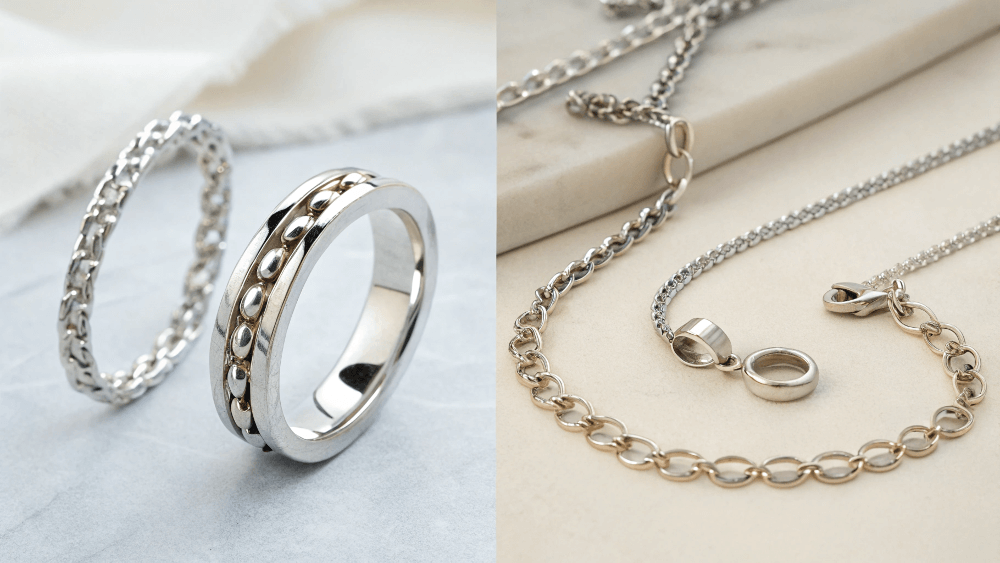
1. What Are the Key Differences Between Stainless Steel and Sterling Silver?
Stainless steel and sterling silver are both widely used in jewelry, but they are quite different in terms of composition and properties. Stainless steel is an alloy made primarily of iron, with small amounts of chromium, nickel, and other elements. This combination makes it strong, resistant to rust, and relatively affordable. Sterling silver, on the other hand, is a precious metal composed of 92.5% silver and 7.5% of other metals, usually copper.
Stainless Steel Composition
● Iron (approximately 70-90%)
● Chromium (10-20%)
● Nickel (varies)
● Other elements (manganese, silicon)
Sterling Silver Composition
● 92.5% silver
● 7.5% copper or other metals
Understanding the makeup of each metal will help you understand why stainless steel is often more affordable and durable, while sterling silver provides a more luxurious and classic aesthetic.
Comparison Table
| Property | Stainless Steel | Sterling Silver |
|---|---|---|
| Primary Material | Iron with chromium | 92.5% Silver |
| Alloy Components | Nickel, manganese | Copper |
| Corrosion Resistance | High | Moderate |
| Durability | High | Moderate |
| Cost | Affordable | Expensive |
2. Why Choose Stainless Steel Jewelry?
When considering stainless steel jewelry, the material offers several compelling benefits. Its durability is one of its key features, as it is resistant to scratches, corrosion, and tarnishing. This makes it perfect for those who want low-maintenance jewelry that lasts for years without showing significant signs of wear.
Is Stainless Steel More Durable Than Sterling Silver?
● Highly resistant to corrosion and rust
● Tarnish-resistant
● Requires minimal maintenance
Not only is stainless steel durable, but it’s also hypoallergenic, which makes it suitable for those with sensitive skin. Additionally, its affordability makes it a practical choice for consumers looking for stylish jewelry at a lower price point. Stainless steel is also versatile, fitting well with various types of designs, from modern, minimalistic pieces to intricate styles.
Advantages of Stainless Steel
| Feature | Benefit | Why Choose It |
|---|---|---|
| Durability | Very high | Lasts longer, resists damage |
| Maintenance | Low | Easy to care for |
| Price | Affordable | Cost-effective option |
| Hypoallergenic | Yes | Good for sensitive skin |
3. Why Choose Sterling Silver Jewelry?
Sterling silver offers a different set of advantages, making it a favored choice for many consumers. Its timeless appearance and bright, shiny finish are ideal for those seeking elegant, classic jewelry. Sterling silver is perfect for crafting detailed, fine jewelry, as it is a soft metal that can be molded into intricate designs.
The Appeal of Sterling Silver
● Timeless and elegant look
● Ideal for fine craftsmanship
● Perfect for formal occasions
Sterling silver is often more expensive than stainless steel due to the value of silver and its association with luxury. It is also a more malleable metal, making it a go-to material for jewelers who create complex, detailed designs. If you’re looking for jewelry that will make a statement at formal events or that can be passed down as an heirloom, sterling silver is a great option.
Advantages of Sterling Silver
| Feature | Benefit | Why Choose It |
|---|---|---|
| Aesthetic Appeal | Elegant, timeless | Ideal for luxury items |
| Crafting Flexibility | High | Best for intricate designs |
| Value | High | Considered an investment piece |
4. How Does Durability Compare Between Stainless Steel and Sterling Silver?
Durability is one of the biggest factors in determining which metal is best for your jewelry needs. While both stainless steel and sterling silver are durable materials, there are key differences between them when it comes to longevity.
Comparison of Durability
● Stainless steel is highly resistant to scratches and tarnishing, making it ideal for everyday wear.
● Sterling silver, though beautiful, can tarnish over time, especially when exposed to air and moisture. However, proper care and storage can help maintain its shine.
● Stainless steel is more resistant to corrosion, while sterling silver may corrode more easily when exposed to certain elements.
Durability Comparison
| Metal | Durability | Tarnishing Resistance | Scratching Resistance |
|---|---|---|---|
| Stainless Steel | High | Very resistant | Excellent |
| Sterling Silver | Moderate | High | Moderate |
For daily wear, stainless steel is the more durable option due to its resistance to damage and tarnishing. If you’re looking for something that requires less maintenance, stainless steel is your best bet. On the other hand, if you’re willing to put in the effort to care for your jewelry, sterling silver’s elegance and timeless appeal can make it worth the extra care.
5. What Are the Price Differences Between Stainless Steel and Sterling Silver Jewelry?
Price is another key consideration when choosing between stainless steel and sterling silver jewelry. Stainless steel is known for being more affordable due to its abundance and manufacturing process. It is generally less expensive than sterling silver, which is a precious metal and costs more to produce and sell.
Cost Comparison
| Metal | Price per Gram | Manufacturing Cost | Retail Price Range |
|---|---|---|---|
| Stainless Steel | Low | Low | $10 – $200 |
| Sterling Silver | Higher | Higher | $50 – $500 |
If you are on a budget but still want stylish jewelry, stainless steel offers a cost-effective option. However, if you are looking for an investment piece or something that holds significant long-term value, sterling silver may be worth the higher price.
6. Is Stainless Steel Jewelry More Affordable Than Sterling Silver?
Yes, stainless steel is generally more affordable than sterling silver. Due to the cost of the raw material and the ease of manufacturing, stainless steel jewelry is available at a lower price point. It’s an excellent choice for those who want durable, stylish jewelry without spending a lot.
Why is Stainless Steel Less Expensive?
● Stainless steel is abundant and easy to produce.
● The manufacturing process for stainless steel jewelry is simpler and less labor-intensive.
● There’s less market demand for stainless steel compared to sterling silver.
Cost Comparison
| Metal | Material Cost | Manufacturing Process | Price per Item |
|---|---|---|---|
| Stainless Steel | Low | Low | Low |
| Sterling Silver | High | Higher | Higher |
Despite being more affordable, stainless steel offers excellent value for the price, with minimal compromise on quality or style.
7. How Do Both Metals React to Daily Wear?
Daily wear is an important factor when selecting jewelry. You need to consider how the material will react to exposure to sweat, moisture, chemicals, and friction. Stainless steel is ideal for daily wear because it is highly resistant to wear and tear. It doesn’t tarnish, rust, or lose its shine over time.
Sterling Silver Wearability
Sterling silver, while still durable, is more prone to tarnishing. You’ll need to clean and polish it regularly to keep it looking pristine. Additionally, silver jewelry can be scratched more easily, which means it requires more careful handling.
Maintenance and Care for Daily Use
| Metal | Daily Wear | Tarnishing Risk | Maintenance Required |
|---|---|---|---|
| Stainless Steel | Excellent | Low | Minimal care |
| Sterling Silver | Moderate | High | Regular cleaning |
If you’re someone who prefers low-maintenance jewelry that you can wear every day without worry, stainless steel will serve you better.
8. Which Metal is Better for Sensitive Skin: Stainless Steel or Sterling Silver?
If you have sensitive skin or allergies to certain metals, it’s important to choose jewelry that won’t cause irritation. Stainless steel is generally considered hypoallergenic, as it’s made with high-quality, corrosion-resistant materials that are less likely to cause a reaction.
Which Metal is Hypoallergenic?
● Stainless steel contains minimal nickel, which can be a common cause of allergic reactions.
● Sterling silver, although it contains copper, is generally safe for most people but can cause irritation in those with nickel allergies.
If you are particularly sensitive to metal reactions, stainless steel is a safer choice. It’s durable, affordable, and hypoallergenic, making it perfect for everyday wear.
Hypoallergenic Properties
| Metal | Nickel Content | Hypoallergenic | Recommended for Sensitive Skin |
|---|---|---|---|
| Stainless Steel | Low | Yes | Yes |
| Sterling Silver | Varies | Moderate | Yes (but caution for nickel allergies) |
9. What Makes Stainless Steel Jewelry Popular Today?
Stainless steel jewelry has surged in popularity due to its modern, sleek appearance and its resistance to wear. It is a favorite among fashion-forward individuals who want affordable, durable pieces without compromising on style.
Reasons for Its Popularity
● Resistant to tarnishing and scratches.
● Contemporary, minimalist designs that appeal to younger consumers.
● Excellent for both casual and formal occasions.
Popularity of Stainless Steel
| Reason | Explanation | Audience Appeal |
|---|---|---|
| Durability | Resists tarnishing and corrosion | Consumers seeking long-lasting wear |
| Design Versatility | Contemporary and sleek designs | Fashion-conscious buyers |
| Affordability | Offers quality at a lower price | Budget-conscious shoppers |
Stainless steel has become a go-to material for both fashion designers and everyday consumers, thanks to its versatility and modern appeal.
10. Why Does Sterling Silver Continue to Be a Favorite Among Consumers?
Despite the rise of other materials, sterling silver has remained a top choice for those who value luxury and timeless elegance. It’s the preferred material for high-end jewelry, and it’s known for its bright, shiny appearance that complements any occasion.
Why Sterling Silver is Still Popular
● Known for its high value and status.
● Ideal for creating intricate, detailed designs.
● Highly sought after for formal occasions and luxury pieces.
Popularity of Sterling Silver
| Reason | Explanation | Audience Appeal |
|---|---|---|
| Aesthetic Appeal | Classic and luxurious look | High-end shoppers |
| Crafting Flexibility | Great for detailed, custom designs | Jewelry enthusiasts |
| Value | Considered a long-term investment | Consumers seeking heirloom pieces |
Sterling silver has an enduring appeal, and for many consumers, its luxurious look and feel make it the ideal choice for more refined jewelry.
11. Can Stainless Steel Jewelry Look as Elegant as Sterling Silver?
One of the biggest misconceptions about stainless steel jewelry is that it can’t match the elegance and shine of sterling silver. While it’s true that sterling silver has a naturally bright and reflective finish, stainless steel can also be polished to a high shine, giving it a sleek, modern look.
How Stainless Steel Can Be Styled Elegantly
● Stainless steel jewelry can be designed with intricate patterns and polished to a mirror-like finish.
● It complements both casual and formal wear when styled properly.
● Available in a wide range of designs, from minimalistic to more elaborate, it offers versatile options for any occasion.
Comparing Shine and Polish
| Metal | Shine and Polish | Aesthetic Appeal | Formal Suitability |
|---|---|---|---|
| Stainless Steel | High polish | Sleek, modern look | Suitable for formal events |
| Sterling Silver | Bright, reflective | Classic, elegant | Excellent for formal wear |
While sterling silver has a more traditional, sophisticated look, stainless steel can definitely hold its own when it comes to elegance, especially in modern designs.
12. How to Care for Stainless Steel Jewelry?
Taking proper care of your stainless steel jewelry ensures it lasts longer while maintaining its pristine appearance. Luckily, stainless steel is incredibly low-maintenance compared to other metals, requiring minimal care to keep it looking good.
Caring for Stainless Steel
● Regularly clean with a soft cloth to remove dirt or oil build-up.
● Avoid exposing it to harsh chemicals or abrasive materials.
● Store it in a soft pouch or jewelry box to prevent scratches.
Long-term Care Tips
| Care Task | How Often | Recommended Tools |
|---|---|---|
| Cleaning | Every 2-3 weeks | Soft microfiber cloth |
| Polishing | Occasionally | Polishing cloth |
| Storage | Always when not in use | Jewelry box or pouch |
With these simple steps, your stainless steel jewelry will stay shiny and resistant to wear for years to come.
13. How to Care for Sterling Silver Jewelry?
Sterling silver requires more maintenance than stainless steel, but with the right care, it can maintain its beautiful shine and last for generations. Due to its composition, sterling silver tarnishes over time, especially when exposed to air, moisture, and certain chemicals.
Caring for Sterling Silver
● Regularly polish your sterling silver with a specialized cloth.
● Store it in a dry, cool place, away from direct sunlight.
● Use anti-tarnish strips or cloths to prevent tarnishing when storing.
Maintenance for Longevity
| Care Task | How Often | Recommended Tools |
|---|---|---|
| Polishing | Every 1-2 months | Silver polishing cloth |
| Tarnish prevention | As needed | Anti-tarnish strips |
| Storage | Always when not in use | Jewelry box with anti-tarnish pouch |
Sterling silver will need regular care to maintain its shine and avoid tarnishing. By following proper care guidelines, you can keep your sterling silver jewelry looking as good as new.
14. Can Stainless Steel Jewelry Be Custom-Made Like Sterling Silver?
Customization is important when it comes to jewelry, and both stainless steel and sterling silver offer different levels of flexibility for custom designs. Stainless steel is more difficult to work with due to its hardness, but it is still possible to create custom pieces, particularly for more straightforward designs. Sterling silver, being a softer metal, allows for much greater flexibility in intricate customization.
Customization with Stainless Steel
● More straightforward designs work best with stainless steel.
● Stainless steel can be engraved or molded, but it may require special tools.
● Often used for contemporary, minimalist designs.
Customization with Sterling Silver
● Ideal for intricate, detailed designs.
● Easier to mold into complex shapes and patterns.
● Custom sterling silver pieces can range from delicate jewelry to bold statement pieces.
Comparison of Customization Flexibility
| Metal | Customization Ease | Best Design Type | Required Tools |
|---|---|---|---|
| Stainless Steel | Moderate | Minimalistic designs | Special tools needed |
| Sterling Silver | High | Intricate, detailed | Traditional jeweler tools |
Both metals can be customized, but if you’re looking for complex, detailed designs, sterling silver is the better option.
15. Which Metal Lasts Longer: Stainless Steel or Sterling Silver?
When it comes to longevity, stainless steel is the clear winner. Its resistance to corrosion, scratches, and tarnishing ensures that it will last longer and maintain its appearance even with heavy wear. Sterling silver, while beautiful, is more prone to tarnishing and scratching over time. With proper care, it can last a long time, but it requires more maintenance than stainless steel.
Comparing Longevity and Durability
● Stainless steel’s resistance to corrosion, rust, and wear makes it ideal for everyday use.
● Sterling silver can last for generations if properly maintained, but it requires more effort to keep in pristine condition.
Longevity Comparison
| Metal | Durability | Maintenance Required | Long-term Investment |
|---|---|---|---|
| Stainless Steel | Very high | Low | High long-term value |
| Sterling Silver | High | High | Moderate long-term value |
Conclusion
In conclusion, both stainless steel and sterling silver offer distinct advantages depending on your needs. If you’re looking for durability, affordability, and low maintenance, stainless steel is the clear winner. However, if luxury, tradition, and aesthetic appeal are your top priorities, sterling silver is an excellent choice. Ultimately, your decision should be based on factors like budget, style preference, and how you plan to use the jewelry.
FAQ
Q1: What is the difference between stainless steel and sterling silver?
Stainless steel is an alloy made of iron and chromium, known for its durability and resistance to tarnishing, while sterling silver is a precious metal, primarily composed of silver and copper, offering a more luxurious aesthetic.
Q2: How does stainless steel jewelry compare to sterling silver in terms of durability?
Stainless steel is more durable and resistant to corrosion, scratches, and tarnishing, making it a better choice for daily wear compared to sterling silver, which can tarnish over time.
Q3: Is sterling silver worth the extra cost over stainless steel?
Sterling silver is a higher-end metal known for its timeless beauty and value, but it comes at a higher price. If you’re looking for luxury and are willing to maintain your jewelry, it may be worth the cost.
Q4: Can people with sensitive skin wear stainless steel jewelry?
Yes, stainless steel is hypoallergenic and a great choice for people with sensitive skin, as it contains minimal nickel, which can cause allergic reactions.
Q5: How do I care for my stainless steel and sterling silver jewelry?
Stainless steel requires minimal maintenance, while sterling silver should be regularly cleaned and polished to prevent tarnishing. Proper storage for both types is essential to maintaining their appearance.