When it comes to buying pearls, you may feel overwhelmed with the choices available. Whether you’re looking to buy pearls for personal use or as a business, it’s important to understand the different types of pearls and what to look for. Here’s a complete guide to help you find the best pearls for your needs.
Buying the best pearls can seem challenging, but with the right knowledge, you can make an informed choice. This article will guide you through the different types of pearls, quality factors, and expert tips for purchasing pearls.
It’s time to dive into the details so you can make an informed decision when buying pearls.
1. What Are the Best Pearls to Buy?
Choosing the right pearl is essential, whether you’re buying for yourself or for a business. You want something of high quality that will last. But what exactly are the best pearls to buy?
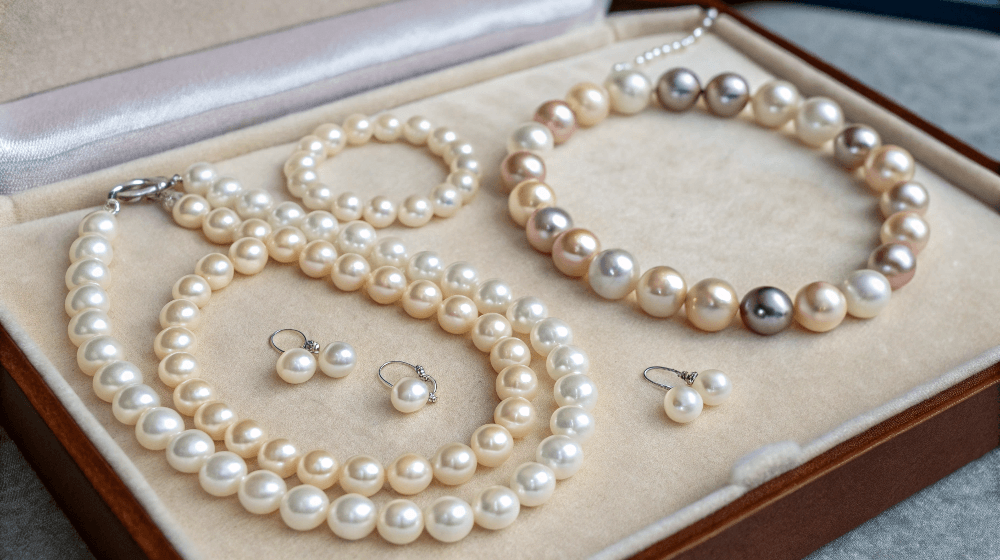
The best pearls are not necessarily the most expensive ones but those that meet your personal or business needs. Factors such as luster, size, shape, and color matter more than the price. Pearls come in various types, each with distinct qualities, and understanding them will help you pick the perfect one.
Understanding the Different Types of Pearls
| Pearl Type | Key Characteristics | Price Range | Best Use |
|---|---|---|---|
| Freshwater Pearls | Affordable, comes in a variety of shapes and colors | $-$$$ | Custom jewelry, daily wear |
| Akoya Pearls | Round shape, high luster, primarily white | $$$ | High-end necklaces, fine jewelry |
| Tahitian Pearls | Dark colors (black, green, purple), larger sizes | $$$$ | Statement pieces, luxurious jewelry |
| South Sea Pearls | Large, luxurious, white or golden hues | $$$$$ | Investment jewelry, high-end pieces |
| Cultured Pearls | Sustainably grown, affordable, similar to natural pearls | $$-$$$ | Everyday jewelry, more affordable option |
2. What Are the Different Types of Pearls?
When choosing the right pearls, knowing the different types can make a significant difference. Let’s take a closer look at the different pearl varieties available in the market.
Freshwater Pearls
Freshwater pearls are the most affordable and versatile option. They come in various shapes, sizes, and colors, making them suitable for a wide range of jewelry designs. They are grown in freshwater lakes and rivers and are a popular choice for affordable yet high-quality pearl jewelry.
| Characteristics | Description | Best For |
|---|---|---|
| Shape | Irregular to semi-round | Custom jewelry |
| Color | White, pink, peach, lavender, and multi-color | Versatile for different designs |
| Size | 6mm to 12mm | Everyday wear and affordable pieces |
| Price Range | Affordable, budget-friendly | Affordable luxury |
Akoya Pearls
Akoya pearls are renowned for their round shape and high luster. They are primarily white but can also come in cream and silver hues. Akoya pearls are cultivated in saltwater and are often used in high-end jewelry, such as necklaces, bracelets, and earrings.
| Characteristics | Description | Best For |
|---|---|---|
| Shape | Round, perfectly spherical | Classic jewelry, fine pieces |
| Color | Primarily white with occasional cream or silver | Luxury items |
| Size | 7mm to 9mm | Formal, elegant jewelry |
| Price Range | $$$ | High-end investments |
Tahitian Pearls
Tahitian pearls, often referred to as “black pearls,” are grown in French Polynesia. These pearls come in a range of colors, including black, green, purple, and silver. They are highly valued for their unique color spectrum and larger size.
| Characteristics | Description | Best For |
|---|---|---|
| Shape | Slightly round to oval, larger sizes | Statement pieces |
| Color | Black, green, purple, silver, and multi-colored | Luxury jewelry |
| Size | 8mm to 18mm | High-end, bold jewelry |
| Price Range | $$$$ | Investment-worthy luxury |
South Sea Pearls
South Sea pearls are considered one of the most luxurious pearl types due to their size and luster. These pearls are grown in the warm waters of the South Pacific and come in white or golden hues. They are perfect for creating statement pieces and are a popular choice for investment jewelry.
| Characteristics | Description | Best For |
|---|---|---|
| Shape | Mostly round, large, and perfect | Luxury investment pieces |
| Color | White, gold, champagne | Elegant, rare designs |
| Size | 10mm to 20mm | High-end, exclusive jewelry |
| Price Range | $$$$$ | High investment value |
Cultured Pearls
Cultured pearls are grown with human intervention. They are produced in both freshwater and saltwater and are more affordable than natural pearls. While their appearance is similar to natural pearls, cultured pearls are much more sustainable.
| Characteristics | Description | Best For |
|---|---|---|
| Shape | Round to semi-round | Affordable yet elegant |
| Color | White, cream, pink, lavender, and multi-hued | Everyday jewelry |
| Size | 5mm to 12mm | Versatile for all occasions |
| Price Range | $$-$$$ | Budget-friendly luxury |
3. How Do You Determine the Quality of Pearls?
When it comes to buying pearls, the quality can make or break the purchase. Several factors influence pearl quality, including luster, surface quality, shape, size, color, and nacre thickness. Let’s explore each of these factors to help you determine the best quality pearls for your needs.
Luster: Why It’s Important
Luster is the shine or glow of a pearl’s surface. The higher the luster, the more reflective the surface, which is a sign of good quality. Pearls with a high luster are more desirable and expensive. To check the luster, examine the pearl in direct light.
| Luster Rating | Description | Ideal Pearl Luster |
|---|---|---|
| High | Bright and reflective, giving a mirror-like effect | Ideal for high-end jewelry |
| Medium | Soft, less reflective, but still beautiful | Suitable for budget-friendly pieces |
| Low | Dull, lacks shine | Avoid for investment purposes |
Surface Quality: What to Look For
Surface quality refers to the smoothness and absence of blemishes. The fewer the blemishes, the higher the pearl’s quality. Small imperfections may be acceptable for affordable pearls, but high-end pearls should have minimal flaws.
| Surface Quality | Description | Ideal Pearl Surface |
|---|---|---|
| Flawless | No visible imperfections | Top-quality pearls |
| Slightly Imperfect | Minor blemishes visible to the naked eye | Budget-friendly fine pieces |
| Heavily Imperfect | Noticeable blemishes | Avoid for investment pieces |
Shape and Size: How They Affect Value
The shape and size of a pearl also determine its quality. Round pearls are the most valuable, while irregularly shaped pearls are less expensive. Larger pearls are rarer and more valuable, but the shape often matters more than size.
| Shape | Value Impact | Most Valuable Shape |
|---|---|---|
| Round | Highly valuable, especially for fine jewelry | Round pearls |
| Semi-round | Less valuable than round but still good quality | Akoya pearls |
| Baroque | Irregular shapes, less expensive | Affordable luxury |
Color: Selecting the Right Hue for Your Needs
Pearl color varies from white and cream to black and golden. The ideal color depends on personal preference and what fits best with your style. Remember, the color can also affect the price, with rare colors like gold and blue being more expensive.
| Color | Description | Best Use |
|---|---|---|
| White | Classic, elegant | Wedding jewelry |
| Black | Unique, sophisticated | Luxury designs |
| Gold | Rare, rich tone | Investment jewelry |
Nacre Thickness: Why It Matters
Nacre is the substance that gives pearls their luster. The thicker the nacre, the more durable the pearl. Pearls with a thin nacre layer may not last as long and may be more susceptible to damage.
| Nacre Thickness | Description | Longevity |
|---|---|---|
| Thick | Superior durability, more shine | Long-lasting and resistant |
| Thin | May wear down quicker | Less durable |
4. Why Are Freshwater Pearls Popular?
Freshwater pearls are among the most affordable and versatile options for pearl jewelry. They come in various shapes, colors, and sizes, making them ideal for customization and everyday wear. Let’s delve into why they are so popular among buyers.
Freshwater pearls are cultivated in freshwater lakes, rivers, and ponds, which makes them more affordable compared to saltwater pearls. They also offer a greater variety in shape and size, which is why they are a popular choice for bespoke jewelry designs.
Key Benefits of Freshwater Pearls
| Benefit | Description |
|---|---|
| Affordability | Freshwater pearls are typically more affordable compared to saltwater options. |
| Variety | They come in a range of colors, shapes, and sizes, making them customizable for different designs. |
| Sustainability | Freshwater pearls are more environmentally friendly as they require less human intervention. |
Why Freshwater Pearls Are Perfect for Custom Jewelry Freshwater pearls are particularly sought after for custom-made pieces. Their natural variations in shape and color provide more creative flexibility for designers and customers.
5. What Are Akoya Pearls and Why Are They So Expensive?
Akoya pearls are known for their round shape and incredible luster, making them one of the most prized types of pearls in the world. But why are Akoya pearls so expensive?
The cultivation of Akoya pearls requires specific environmental conditions and skilled labor, which drives up the cost. These pearls are grown in saltwater, primarily off the coast of Japan, and they have a reputation for producing high-quality jewelry.
Characteristics of Akoya Pearls
| Characteristic | Description | Price Impact |
|---|---|---|
| Shape | Round, perfectly spherical | Highly valued |
| Luster | High, intense shine | Increases pearl value |
| Size | Typically smaller than other pearls | Smaller size, higher cost |
Are Akoya Pearls Worth the Investment? While Akoya pearls can be expensive, their exceptional quality makes them worth the investment. Whether for an engagement ring, a necklace, or a pair of earrings, Akoya pearls are a timeless choice.
6. What Makes Tahitian Pearls Unique?
Tahitian pearls are famous for their deep, rich colors, ranging from dark gray to green and purple. These pearls are grown in the warm waters of French Polynesia and are highly prized for their uniqueness and rarity.
Tahitian Pearl Color Variations
| Color | Description | Value |
|---|---|---|
| Black | Deep, dark tones, the most common | Highly prized |
| Green | Unique greenish hues, rare | Very valuable |
| Purple | Rare, high-demand color | Highest price |
Tahitian Pearls in High-End Jewelry Due to their rare colors and unique sizes, Tahitian pearls are often used in high-end jewelry. They make stunning statement pieces in necklaces, earrings, and bracelets.
7. Why Are South Sea Pearls Considered Luxurious?
South Sea pearls are known for their size and remarkable luster, making them one of the most luxurious types of pearls available. Grown in the warm waters of the South Pacific, these pearls come in both white and golden hues. Let’s take a look at why South Sea pearls are considered a high-end option.
South Sea Pearls: Characteristics and Value
South Sea pearls are prized for their large size, thick nacre, and stunning luster. The larger the pearl, the rarer and more valuable it is. These pearls are typically used in statement pieces and investment jewelry.
| Feature | White South Sea Pearls | Golden South Sea Pearls |
|---|---|---|
| Size | Larger, typically 10mm to 18mm | Larger, typically 10mm to 18mm |
| Color | White with a silvery or cream hue | Rich golden color, often with a champagne hue |
| Shape | Mostly round and spherical | Predominantly round, with some off-round options |
| Price Range | $$$$ | $$$$$ |
| Value | High-end, luxurious | Extremely rare and costly |
Why South Sea Pearls Are an Investment
South Sea pearls are rare and high-quality, which makes them a good investment choice. They are often used in bespoke and high-end jewelry designs, and their price increases as the pearl size grows.
8. What Should You Look for When Buying Cultured Pearls?
Cultured pearls are grown with human intervention and are a more affordable option compared to natural pearls. However, understanding the quality of cultured pearls is important to ensure you are getting a good deal.
Factors to Consider When Buying Cultured Pearls
| Factor | Description | Best For |
|---|---|---|
| Luster | Check for high shine and reflection | Luxury pieces |
| Surface Quality | Look for minimal surface imperfections | Elegant, refined jewelry |
| Shape | Round is ideal, but baroque shapes are popular too | Custom pieces |
| Size | Larger pearls are more valuable, but smaller ones work for daily wear | Affordable jewelry |
| Price Range | $$ to $$$ | More affordable yet high quality |
How to Choose the Right Cultured Pearls The key to choosing the right cultured pearls is balancing quality with price. Whether you are looking for a custom piece or a luxury investment, cultured pearls are a versatile and sustainable option.
9. How Do You Care for Pearls to Ensure Longevity?
Pearls are delicate and require proper care to maintain their shine and durability. Understanding how to care for your pearls will help extend their life and preserve their beauty.
Pearl Care: Simple Tips for Longevity
| Care Tip | Description | Recommended Tools |
|---|---|---|
| Cleaning | Clean gently with a soft cloth after wearing | Soft cloth, mild soap solution |
| Storage | Store separately in a soft pouch or box | Velvet or silk pouches |
| Avoid Chemicals | Keep pearls away from perfumes, lotions, and harsh chemicals | No harsh cleaning agents |
| Wearing | Wear pearls often to prevent them from drying out | Avoid wearing when sweating or using cosmetics |
| Check Regularly | Have pearls checked for damage, especially drilled pearls | Regular inspection by a jeweler |
Why Proper Care Matters
Proper care is essential to ensure that your pearls maintain their natural shine and luster. By following simple care tips, you can enjoy your pearl jewelry for many years.
10. What Are the Best Pearl Jewelry Pieces to Buy?
Pearls can be incorporated into a wide variety of jewelry designs, from elegant necklaces to chic earrings. Let’s explore the best pearl jewelry pieces to invest in, based on current trends and timeless styles.
Popular Pearl Jewelry Pieces
| Jewelry Type | Characteristics | Best For |
|---|---|---|
| Pearl Necklaces | Classic designs, available in different lengths (e.g., choker, princess) | Formal events, daily wear |
| Pearl Earrings | Studs, drops, or hoops with pearls | Versatile for all occasions |
| Pearl Bracelets | Elegant and can be stacked or worn solo | Evening events, casual chic |
| Pearl Rings | Solitaire pearl rings or pearl bands | Special occasions, elegant touch |
Top Trends in Pearl Jewelry
Pearl jewelry trends are evolving, with modern designs adding a twist to traditional pearls. For example, baroque pearls are becoming more popular for their unique shapes, while mixed-metal designs are gaining traction.
Where to Buy the Best Pearl Jewelry When shopping for high-quality pearl jewelry, it’s important to buy from reputable stores or established pearl dealers. Always look for certifications and ask for authenticity guarantees.
11. How Can You Tell if a Pearl is Fake?
With the rise in imitation pearls, it’s important to know how to spot a fake pearl to ensure you’re investing in a genuine product. Let’s look at some of the easiest ways to identify real pearls from fakes.
Simple Tests to Check Pearl Authenticity
| Test Method | Description | What to Look For |
|---|---|---|
| The Tooth Test | Rub the pearl against your teeth. A real pearl feels gritty, while a fake one feels smooth. | Gritty texture for authenticity |
| The Luster Test | Real pearls have a natural, subtle shine. Fake pearls tend to have a plastic-like shine. | Dull or overly shiny surfaces indicate a fake |
| The Weight Test | Real pearls are heavier than imitation ones due to their density. | Heavier weight for real pearls |
| Examine the Surface | Real pearls usually have minor imperfections, while fake pearls are often flawless. | Minor blemishes and irregularities are signs of authenticity |
Why This Test Works These tests work because natural pearls have unique properties that fakes cannot replicate. By checking these characteristics, you can ensure you’re purchasing a genuine pearl.
12. Should You Buy Pearls Online or In-Store?
When buying pearls, you may wonder whether it’s better to purchase them online or in-store. Both options have their advantages and disadvantages. Let’s take a closer look at the pros and cons of buying pearls from both sources.
Online vs. In-Store: Where Should You Buy Pearls?
| Buying Method | Advantages | Disadvantages |
|---|---|---|
| Online | – Wider selection from global vendors | – Can’t physically inspect pearls |
| – More convenient, especially for international buyers | – Risk of misrepresentation or poor quality | |
| – Easy to compare prices from different stores | – Lack of personal interaction with sellers | |
| In-Store | – Direct inspection of quality and luster | – Limited selection and stock |
| – Personalized service and expert advice | – May be more expensive due to overhead costs | |
| – Immediate purchase and possession | – Travel to store may be required |
Tips for Buying Pearls Online If you decide to buy pearls online, make sure to choose a reputable store with clear return policies. Additionally, look for certifications of authenticity, and consider purchasing from platforms that specialize in pearls.
13. How Do Pearl Prices Vary by Type?
Pearl prices can vary significantly depending on the type, size, luster, and other factors. Let’s break down the prices by pearl type to help you understand how the costs vary.
Price Range by Pearl Type
| Pearl Type | Average Price Range (per strand) | Factors Affecting Price |
|---|---|---|
| Freshwater Pearls | $50 – $300 | Shape, color, and size |
| Akoya Pearls | $300 – $1,500 | Luster, roundness, size, and surface quality |
| Tahitian Pearls | $500 – $3,000 | Size, color variation, and shape |
| South Sea Pearls | $1,000 – $10,000 | Size, golden hues, and rarity |
| Cultured Pearls | $100 – $500 | Size, luster, shape, and color |
Why Prices Vary The price of a pearl depends on its size, shape, luster, and other characteristics. The rarer and more refined the pearl, the higher the price. Factors like where the pearls are sourced also play a significant role in their cost.
14. Can Pearls Be Used for Custom Jewelry?
Pearls are a popular choice for custom jewelry. Whether you’re designing a necklace, earrings, or bracelet, pearls can add elegance and sophistication to any piece. Let’s explore the different ways pearls can be incorporated into custom designs.
Popular Custom Pearl Jewelry Designs
| Jewelry Type | Description | Why Pearls Are Ideal |
|---|---|---|
| Pearl Necklaces | Custom necklaces with various lengths and styles | Pearls add timeless elegance |
| Pearl Earrings | Custom studs, drops, or hoops | Versatile for all occasions |
| Pearl Bracelets | Single pearl designs or multi-strand bracelets | Perfect for layering |
| Pearl Rings | Classic solitaire or ornate pearl bands | Unique, personal touch |
Why Pearls are Popular in Custom Jewelry The versatility of pearls allows for endless creative possibilities in jewelry design. Their timeless elegance can complement any style, from modern to vintage, making them a top choice for custom pieces.
15. What Are the Trends in Pearl Jewelry Right Now?
Pearl jewelry has evolved over the years, with new trends emerging that blend traditional elegance with contemporary designs. Let’s explore some of the most popular trends in pearl jewelry today.
Current Trends in Pearl Jewelry
| Trend | Description | Why It’s Popular |
|---|---|---|
| Baroque Pearls | Irregularly shaped pearls used in unique designs | Adds an artistic, one-of-a-kind look |
| Mixed-Metal Designs | Pearls combined with gold, silver, and platinum | Modern twist on classic pearls |
| Layered Pearls | Multiple pearl strands layered for a bold look | Chic and fashionable for everyday wear |
| Pearl Hoop Earrings | Pearls incorporated into hoop earring designs | Modern, trendy, and easy to wear |
| Pearls with Colored Gems | Pearls combined with colored gemstones like sapphires | Adds color and vibrancy to traditional designs |
Why These Trends Are Taking Over Pearl jewelry trends are shifting towards combining pearls with other materials and gemstones, creating more versatile, modern pieces. Designers are using pearls in innovative ways to make them suitable for casual wear while maintaining their luxurious appeal.
Conclusion
When it comes to purchasing pearls, there is no one-size-fits-all solution. Whether you’re looking for pearls for an elegant piece of jewelry or as a valuable investment, understanding the different types of pearls, their quality factors, and the latest trends can help guide your decision.
From freshwater pearls to the luxurious South Sea varieties, pearls come in various types, each with its unique qualities. It’s important to take into account not only the size, shape, and color of the pearls but also the care they require to maintain their natural beauty. With proper maintenance and the right purchasing decisions, pearls can remain timeless treasures for years to come.
Moreover, whether you’re considering buying pearls online or in-store, it’s essential to weigh the pros and cons of each option. For custom jewelry, pearls offer unmatched versatility, allowing you to create unique pieces that reflect your personal style. Understanding pearl pricing, trends, and quality factors will enable you to make smarter decisions when investing in pearl jewelry.
Ultimately, pearls are more than just beautiful gemstones; they hold both sentimental and material value. By following the tips and insights shared in this guide, you will be well-equipped to choose the best pearls for your needs and ensure they shine for many years.
FAQ Section
- Q1: What are the different types of pearls?
Freshwater, Akoya, Tahitian, South Sea, and cultured pearls are the main types available in the market. - Q2: How do you determine the quality of a pearl?
The quality of a pearl is determined by factors like luster, surface quality, shape, size, color, and nacre thickness. - Q3: Are freshwater pearls a good investment?
Yes, freshwater pearls are an affordable and versatile option, making them a popular choice for buyers looking for quality and value. - Q4: How do you care for pearls?
To care for pearls, clean them gently with a soft cloth, store them separately, and avoid exposing them to chemicals or harsh conditions. - Q5: Can pearls be used for custom jewelry?
Yes, pearls are widely used in custom jewelry, and many people choose them for personalized necklaces, earrings, and rings.