Pearls are timeless and elegant, but choosing the right one can feel overwhelming. With so many types, qualities, and sources, it’s easy to feel unsure about where to start.
In this guide, we’ll break down the essential steps to buying pearls, ensuring you make an informed and confident decision every time.
If you’re wondering how to choose the perfect pearls, you’re in the right place. By the end of this article, you’ll understand how to navigate the pearl market, spot quality pearls, and choose pieces that fit your style and budget.
1. What Are the Basics of Buying Pearls?
Have you ever wondered about the different types of pearls and how they affect your purchase? Knowing the basics is crucial to making a good decision when buying pearls.
What Are Pearls Made Of?
Pearls are naturally produced by oysters and other mollusks. The process begins when an irritant, like a grain of sand, enters the mollusk’s shell. The mollusk then secretes layers of nacre (mother-of-pearl) around the irritant, eventually forming a pearl.
Types of Pearls
There are two main types of pearls: freshwater and saltwater. Freshwater pearls are generally more affordable, while saltwater pearls, like Akoya, South Sea, and Tahitian, are known for their higher quality and luster. Freshwater pearls come in various shapes, including round, oval, and baroque, while saltwater pearls tend to be rounder and more uniform in appearance.
Key Features to Consider When Buying Pearls:
| Feature | Freshwater Pearls | Saltwater Pearls |
|---|---|---|
| Shape | More varied (round, oval, baroque) | Typically round and more uniform |
| Luster | Less lustrous than saltwater pearls | High luster, often more reflective |
| Price | More affordable | Higher price due to rarity and quality |
| Size | Smaller, often up to 10mm | Larger sizes available |
2. How to Determine the Best Pearls for You?
Are you unsure how to pick the right pearl based on your style and budget? There are several factors that determine which pearl is best for you.
What Factors Affect Pearl Quality?
When buying pearls, consider factors like size, luster, surface quality, and shape. Larger, more lustrous pearls are often more expensive, but smaller pearls can still offer exceptional value if they have a high-quality finish. The more uniform and smooth the surface, the higher the pearl’s grade.
Choosing Pearls for Your Personal Style
Pearls are versatile and come in various styles, from delicate studs to dramatic necklaces. Consider your personal taste and lifestyle. If you wear jewelry daily, a simple pearl pendant or stud earrings might be perfect. If you’re shopping for a special event, a luxurious string of South Sea pearls could be ideal.
Size, Shape, and Luster: How to Make Your Choice
| Factor | Small Pearls (<7mm) | Medium Pearls (7mm-9mm) | Large Pearls (>9mm) |
|---|---|---|---|
| Best Use | Everyday wear, subtle elegance | Versatile for casual or formal wear | Statement pieces, special events |
| Cost | More affordable | Mid-range price | Higher price for high quality |
| Aesthetic | Delicate and refined | Balanced look, elegant | Bold, luxurious appearance |
3. What Are the Different Types of Pearl Jewelry?
Wondering which type of pearl jewelry suits your needs best? There are many ways to wear pearls, and the type of jewelry you choose can make a big difference in how you feel when you wear them.
Pearl Necklaces
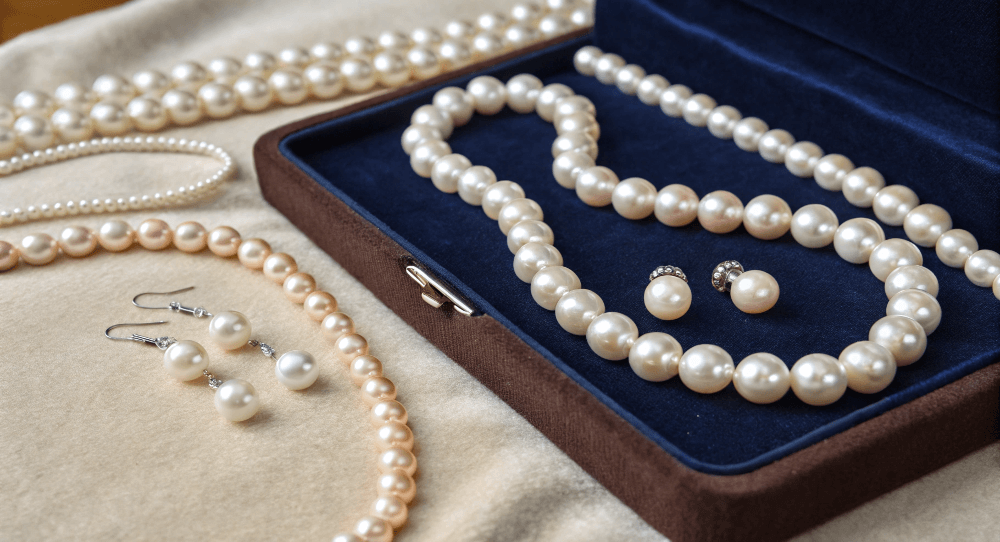
Pearl necklaces are available in various lengths, from choker style to opera length. The type of necklace you choose depends on the look you’re going for and the occasion. For example, a choker works well with formal attire, while an opera-length necklace adds a touch of glamour to a night out.
Pearl Earrings
Pearl earrings come in different designs, from studs to drop earrings. The style you choose depends on your face shape and personal preferences. Round pearls tend to look great on almost any face shape, while teardrop or oval-shaped pearls are ideal for longer face shapes.
Popular Pearl Jewelry Styles
| Jewelry Type | Best For | Popular Designs |
|---|---|---|
| Necklace | Weddings, formal events | Single strand, multi-strand, chokers |
| Earrings | Everyday wear, elegant evenings | Studs, drop earrings, hoop designs |
| Bracelets and Rings | Casual to semi-formal occasions | Simple pearl bracelets, rings with diamonds |
4. Where to Buy Pearls?
Are you unsure where to buy the best pearls? Choosing a reputable seller is essential to ensure you receive genuine, high-quality pearls.
In-Store vs. Online
Buying pearls in-store offers the benefit of seeing and feeling the pearls in person, while online purchases are convenient and often offer better prices. However, shopping online requires extra caution—make sure to check reviews and ask for certification of authenticity.
Trusted Sellers and Experts
Look for jewelers with a strong reputation in the pearl industry. Experts can help guide you in selecting the perfect piece and explain the differences in quality between pearls. Additionally, buying from a specialist ensures that you’ll have access to the best pearls available in the market.
Where to Find Reliable Pearl Sellers:
| Seller Type | Pros | Cons |
|---|---|---|
| High-End Jewelers | Expert advice, wide selection | Higher prices |
| Online Retailers | Lower prices, convenience | Risk of counterfeit or low-quality pearls |
| Local Pearl Dealers | Personal service, authenticity | Limited selection, location-bound |
5. How Can You Tell If a Pearl is Real or Fake?
Concerned about buying fake pearls? There are several ways to test whether a pearl is genuine or imitation.
Tests for Real Pearls
The tooth test is one of the simplest ways to tell if a pearl is real. Rub the pearl gently against your teeth—real pearls feel slightly gritty, while imitation pearls feel smooth. Additionally, check the surface for imperfections; real pearls have tiny flaws, while fake ones are often too perfect.
Certification and Quality Marks
Always ask for a certificate of authenticity when buying pearls. Reputable dealers will provide this with every pearl purchase, ensuring the pearls you buy are genuine and high-quality.
Real vs. Fake Pearls: Key Differences
| Characteristic | Real Pearls | Fake Pearls |
|---|---|---|
| Surface Texture | Slightly rough, natural imperfections | Smooth, flawless finish |
| Weight | Heavier, due to the natural nacre | Lighter, often made from plastic |
| Luster | Subtle glow, reflects light beautifully | Glossy but lacks depth and reflection |
6. What Are the Most Popular Pearl Trends in Jewelry?
Wondering which pearl styles are trending right now? Staying on top of the latest trends ensures you buy pearls that are not only timeless but also fashionable.
Current Pearl Trends
Pearl jewelry continues to evolve, and the latest trends focus on modern designs with a twist on traditional elegance. Baroque pearls, which have unique shapes, are becoming increasingly popular. Chunky pearl necklaces are also in fashion, offering a bold statement piece for formal or casual wear.
How to Wear Pearls in 2025
In 2025, pearls are being incorporated into modern designs, with some even being paired with other materials like gold, silver, and diamonds. This trend is perfect for people who want to add a contemporary flair to their pearl jewelry collection.
Popular Pearl Jewelry Trends
| Trend | Description | Best For |
|---|---|---|
| Baroque Pearls | Unique, irregularly shaped pearls, adding character to the jewelry | Statement pieces, creative designs |
| Chunky Pearls | Large, bold pearl necklaces for a fashion-forward look | Casual or semi-formal events |
| Mixed Material Jewelry | Pearls combined with diamonds or gold for a modern twist | Elegant evening wear |
| Layered Pearls | Stacking pearl necklaces for a stylish, layered look | Casual wear, everyday style |
7. How Do You Choose a Pearl Necklace for Special Occasions?
Need a pearl necklace for a special event? Whether it’s a wedding, gala, or another significant occasion, choosing the right pearl necklace can elevate your outfit and make you feel elegant.
What Necklace Length is Best for Special Events?
The length of your pearl necklace plays a significant role in how it complements your outfit. A choker-style necklace is perfect for formal events like weddings, while an opera-length necklace adds sophistication to a night out.
Choosing the Right Necklace Style for Your Neckline
Different necklace styles work best with various necklines. For instance, a princess-length pearl necklace works beautifully with a high-neck dress, while a matinee-length necklace looks stunning with a V-neck or open collar.
Best Pearl Necklace Styles for Occasions
| Necklace Style | Best For | Length Range |
|---|---|---|
| Choker | Weddings, formal events, sophisticated look | 14-16 inches |
| Princess | Versatile, works well with various necklines | 17-19 inches |
| Matinee | Casual wear, perfect for V-neck dresses | 20-24 inches |
| Opera | Formal occasions, adds elegance to evening gowns | 28-36 inches |
8. Can You Customize Pearl Jewelry?
Interested in personalizing your pearl jewelry? Custom pearl jewelry allows you to create pieces that are uniquely yours, reflecting your personal style and preferences.
What Are the Benefits of Customization?
Customizing pearl jewelry allows you to select specific types of pearls, settings, and designs. This level of personalization ensures that your piece matches your exact vision and requirements. Whether it’s an engagement ring or a custom pendant, working with a jeweler to create something special can give you a piece that truly stands out.
How Do You Start the Customization Process?
Start by consulting with a reputable jeweler or pearl specialist. They will guide you through the process, from choosing the right pearls to selecting the perfect setting and design. You can also provide them with specific requests, such as adding diamonds or other gemstones to enhance the look.
Steps to Customizing Your Pearl Jewelry
| Step | Action |
|---|---|
| Choose Your Pearls | Decide on the type, size, and quality of the pearls |
| Select the Setting | Choose the metal (gold, silver, platinum) and style (vintage, modern) |
| Design the Piece | Work with a designer to create a personalized piece |
| Final Touches | Add custom engravings or additional gemstones if desired |
9. How to Compare Different Pearl Prices and Find Deals?
Wondering how to get the best deal on pearls? Knowing what factors affect the price of pearls helps you make informed decisions and find great deals.
What Factors Affect Pearl Pricing?
Pearl prices are primarily determined by their size, luster, shape, and type. Saltwater pearls are more expensive than freshwater pearls due to their rarity and the longer cultivation process. Larger pearls with higher luster are also more valuable. However, deals can often be found during sales events or from lesser-known dealers.
Where Can You Find Affordable Pearls?
Look for reputable online retailers or trusted local dealers who offer competitive pricing. During off-peak seasons, prices may drop, giving you the opportunity to purchase pearls at a more affordable rate.
Comparing Pearl Prices: Key Factors
| Factor | Impact on Price | Example |
|---|---|---|
| Size | Larger pearls are more expensive | 9mm pearl vs. 7mm pearl |
| Luster | Pearls with higher luster cost more | High-luster South Sea pearls |
| Type | Saltwater pearls are more costly | Tahitian vs. freshwater pearls |
| Shape | Round pearls tend to be pricier | Round vs. baroque pearls |
10. What Are Some Popular Myths About Pearls?
Are you being misled by myths about pearls? It’s essential to separate fact from fiction when it comes to buying pearls.
Myth 1: Pearls Are All White
While white pearls are the most common, pearls come in a variety of colors, including black, pink, lavender, and gold. The color depends on the type of mollusk and the environment in which the pearl is grown.
Myth 2: Pearls Are Fragile and Easy to Damage
Although pearls are delicate, they are not as fragile as many people think. With proper care, they can last a lifetime. It’s essential to avoid contact with chemicals, perfume, and harsh cleaning agents, as these can damage the surface of the pearl.
Common Myths About Pearls
| Myth | Truth |
|---|---|
| Pearls are only white | Pearls come in a variety of colors |
| Pearls are fragile and break easily | With proper care, pearls are durable |
| Expensive pearls are always the best | Price doesn’t always equate to quality |
11. How Can You Care for Pearls During Travel?
Worried about keeping your pearls safe when traveling? Pearls require special care, especially when you’re on the go. With proper precautions, your pearl jewelry can remain in perfect condition even while traveling.
How to Pack Pearls for Travel?
When traveling, always store pearls in a soft pouch or case. This will protect them from scratches and prevent them from getting tangled with other jewelry. Avoid packing pearls loosely in your bag, as they can easily be damaged if not properly protected.
What About Wearing Pearls During Travel?
While it’s tempting to wear pearls to complete your outfit, be cautious when doing so while traveling. If you’re heading to the beach or a tropical climate, it’s best to avoid wearing pearls in situations where they may come in contact with saltwater, chlorine, or other harsh chemicals.
Tips for Traveling with Pearls
| Tip | Advice |
|---|---|
| Packing | Always store pearls in a soft pouch or jewelry box |
| Wearing | Avoid wearing pearls while swimming or in humid conditions |
| Handling | Don’t leave pearls exposed to high heat or sunlight for long periods |
| Cleaning After Travel | Clean pearls gently with a soft cloth after travel to remove dust or debris |
12. How Can You Use Pearls as a Long-Term Investment?
Thinking about investing in pearls? Pearls are not just beautiful—they can also be a valuable asset. Understanding how to approach pearls as an investment can help you build a collection that appreciates over time.
Why Are Pearls a Good Investment?
High-quality pearls, especially those that are rare and have exceptional luster, can appreciate in value over time. Limited-edition pearls, like South Sea or Tahitian pearls, are particularly prized by collectors. Pearls are also less volatile than other forms of investment like stocks, making them a safer choice for long-term growth.
How to Build a Valuable Pearl Collection?
When building a collection, aim for rare, high-quality pearls that are unique or have historical significance. Work with a reputable dealer and consider investing in pearls that are certified and graded by a gemological institute.
Pearls as an Investment: Key Points to Consider
| Investment Factor | Impact on Value | Example |
|---|---|---|
| Rarity | Rare pearls tend to appreciate more | South Sea pearls |
| Quality | Pearls with higher luster and smooth surfaces have greater value | Akoya pearls with high luster |
| Certification | Pearls with certificates are more valuable | Certified pearls from reputable dealers |
| Demand | Pearls in high demand tend to increase in value | Tahitian pearls |
13. How to Compare Different Pearl Prices and Find Deals?
Want to find the best deals on pearls? Knowing how to compare prices and identify discounts can help you get the most for your money.
What Affects Pearl Pricing?
The price of pearls depends on various factors, including size, type, color, luster, and shape. Generally, larger pearls with high luster will command higher prices. Pearls with imperfections are typically priced lower, though they can still be beautiful and a great value.
Where to Find Good Deals on Pearls?
Reputable online retailers often offer discounts or seasonal sales, making them a great place to find affordable pearls. Look for deals at major jewelry stores during off-peak seasons or holiday sales, as prices can drop considerably.
Factors That Influence Pearl Prices
| Price Factor | High-Price Impact | Low-Price Impact |
|---|---|---|
| Size | Larger pearls are more expensive | Smaller pearls are more affordable |
| Luster | Pearls with high luster command higher prices | Lower-luster pearls are less expensive |
| Shape | Round pearls are usually pricier | Irregular shapes, like baroque, are more affordable |
| Type | Saltwater pearls cost more | Freshwater pearls are less costly |
14. How to Spot Fake Pearls and Avoid Buying Imitations?
Concerned about being duped by fake pearls? It’s essential to know how to tell the difference between real and fake pearls to avoid spending money on low-quality imitations.
What Are the Common Signs of Fake Pearls?
Fake pearls are often too smooth and perfect. They also tend to feel lighter and colder to the touch compared to real pearls, which feel slightly gritty and heavier. When you rub a real pearl against your teeth, it should feel rough, whereas imitation pearls feel smooth.
How to Check the Quality of Pearls?
Another way to check the quality of pearls is by examining the surface for imperfections. Real pearls often have tiny flaws, while fake pearls are typically flawless. A pearl’s luster and shine are also important indicators—real pearls reflect light in a way that is more subtle and soft compared to imitation pearls.
Real vs Fake Pearls: Key Differences
| Characteristic | Real Pearls | Fake Pearls |
|---|---|---|
| Surface Texture | Slightly rough, natural flaws | Smooth, flawless finish |
| Weight | Heavier due to natural nacre | Lighter, made from plastic |
| Luster | Soft, natural glow | Glossy, artificial shine |
| Durability | More durable, long-lasting | Prone to scratching and damage |
15. What Are the Benefits of Buying Pearls from Reputable Dealers?
Wondering why buying from a reputable dealer matters? Purchasing pearls from trusted sources ensures that you’re getting genuine, high-quality products that will stand the test of time.
What Are the Key Benefits of Buying from Reputable Dealers?
When buying pearls from reputable dealers, you’re guaranteed that the pearls are real, high-quality, and ethically sourced. Trusted dealers will provide certificates of authenticity and offer customer support if any issues arise after purchase. Additionally, reputable dealers often offer a warranty or guarantee, ensuring peace of mind with your purchase.
How Can You Find Reputable Dealers?
Look for dealers with good reviews, solid customer service, and certifications for the pearls they sell. Many reputable dealers are members of trade organizations like the Cultured Pearl Association or the Gemological Institute of America (GIA), which provide an additional layer of trust.
Benefits of Buying from Reputable Dealers
| Benefit | Why It Matters |
|---|---|
| Authenticity | You can trust that the pearls are real and not imitations |
| Quality | Reputable dealers offer high-quality, well-graded pearls |
| Customer Support | You’ll receive assistance if you have any issues with your purchase |
| Certification | Many reputable dealers provide certificates of authenticity for added peace of mind |
Conclusion
To sum up, buying pearls is an art that requires knowledge of their types, quality, and where to purchase them. With the right tools and information, you can confidently choose pearls that reflect your personal style, fit your budget, and last for years to come. Whether you’re buying for a special occasion or as an investment, pearls are a timeless addition to any jewelry collection.
FAQ Section
- Q1: What are pearls made of?
Pearls are made when mollusks produce layers of nacre around an irritant, such as a grain of sand. Over time, these layers build up to form a pearl. - Q2: How can I tell if a pearl is real or fake?
Real pearls feel slightly rough against your teeth, while imitation pearls are smoother. You can also check for imperfections on the surface of real pearls. - Q3: How should I care for my pearl jewelry?
Clean pearls gently with a soft cloth, and store them in a soft pouch to avoid scratches. Keep pearls away from harsh chemicals to maintain their luster. - Q4: Are freshwater pearls less expensive than saltwater pearls?
Yes, freshwater pearls are generally more affordable because they are more abundant than saltwater pearls, which are rarer and have a more polished finish. - Q5: Can I wear pearl jewelry every day?
Yes, you can wear pearl jewelry daily, but remember to take care of it by cleaning and storing it properly to prevent damage.