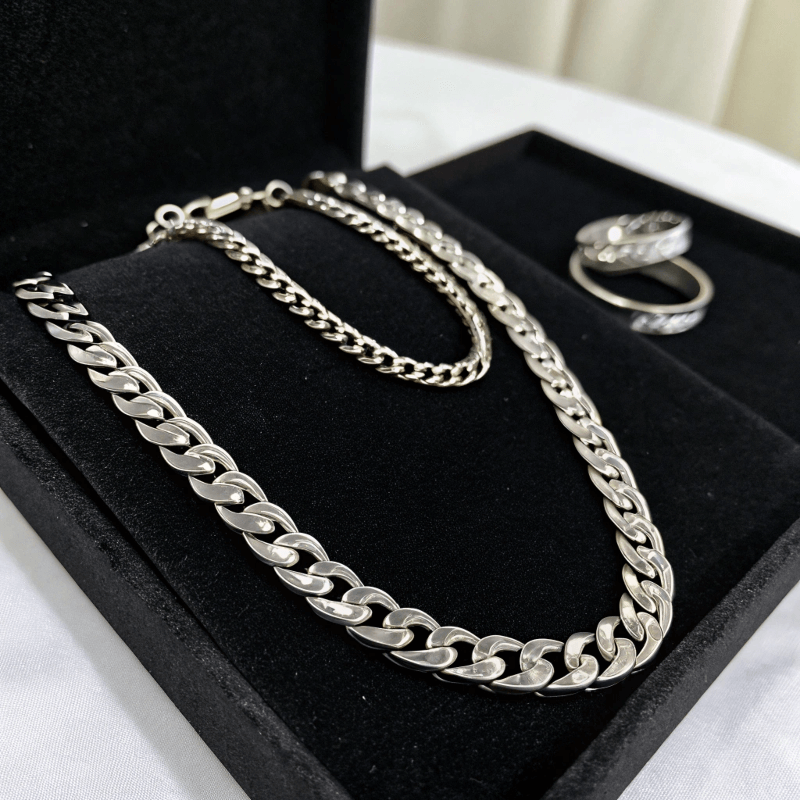
In the jewelry world, beauty starts with the right material. While design and branding catch the eye, what truly defines your product’s quality is what it’s made of. Stainless steel has become a favorite for modern jewelry brands — sleek, strong, and timeless.
But if you’ve ever sourced stainless steel jewelry, you’ve probably faced one important question: Should I choose 316 or 304 stainless steel?
They look almost identical, yet their performance and long-term value are not the same. Understanding the difference can help your brand build trust, improve customer satisfaction, and position your collection as truly premium.
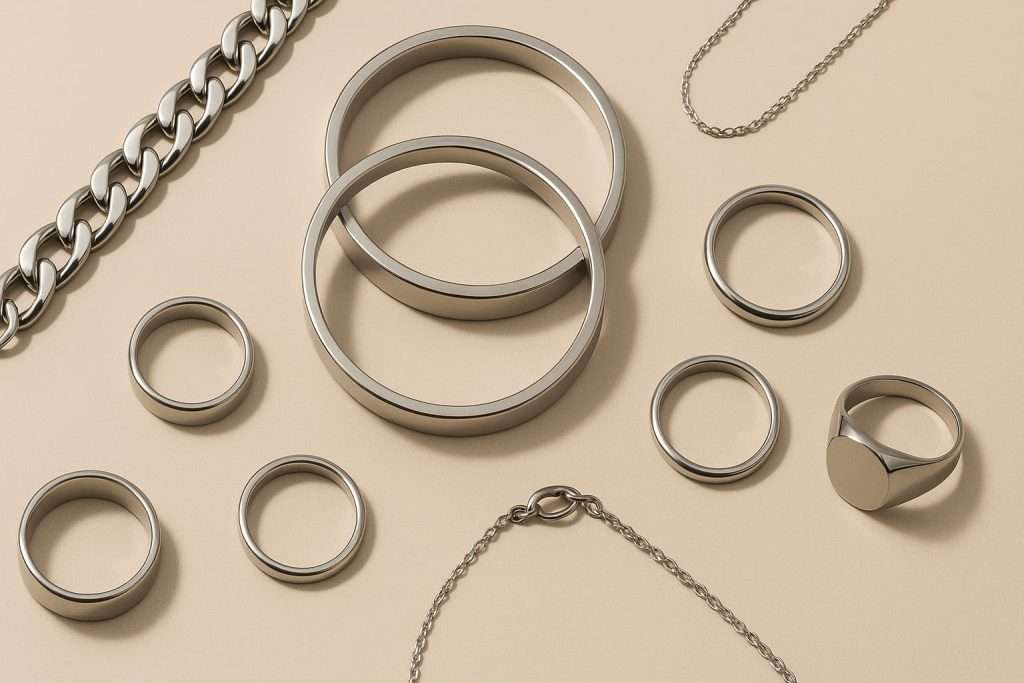
The Rise of Stainless Steel Jewelry
Over the past decade, stainless steel has transformed from an industrial material into a fashion statement.
Why? Because consumers today want jewelry that lasts — something stylish, affordable, and low maintenance.
Unlike plated metals that fade or tarnish, stainless steel keeps its shine through daily wear. It resists sweat, perfume, and moisture. It’s also hypoallergenic and environmentally friendly, which aligns perfectly with the values of modern buyers.
For brands, it means fewer returns, higher repeat purchases, and a reputation for reliability. But not all stainless steels perform equally — and that’s where 316L stainless steel jewelry sets itself apart.
What Makes 316 Different from 304
The main difference between 316 and 304 stainless steel lies in a tiny element called molybdenum.
While both contain chromium and nickel, 316 includes about 2% molybdenum, giving it exceptional resistance to corrosion and salt.
That’s why 316 is often known as marine-grade stainless steel or surgical stainless steel. It’s strong enough for marine tools and safe enough for medical implants — so you can imagine how perfect it is for jewelry that stays in constant contact with skin.
For a deeper technical explanation of how molybdenum enhances corrosion resistance, see this guide by the British Stainless Steel Association (BSSA). It breaks down the chemical differences and why 316 performs better in humid or coastal environments.
For jewelry brands, this means pieces made with 316L stainless steel stay beautiful longer, even in tropical climates. It’s the difference between a necklace that dulls after one season and one that keeps shining for years.

Durability That Builds Trust
Your customers buy jewelry to look good — but they keep it because it lasts. Durability is what turns a one-time buyer into a lifelong fan.
Both 304 and 316 stainless steel are tough, but 316L has a smoother structure and better resistance to scratches and dents.
The “L” stands for low carbon, which makes it easier to polish and gives it that refined, mirror-like finish.
For B2B jewelry brands, that translates into consistent production quality, better engraving precision, and fewer post-sale issues. Every ring or bracelet looks as solid as the day it was made — that’s brand reliability in action.
A Matter of Comfort and Safety
One of the biggest selling points for stainless steel jewelry is that it’s hypoallergenic — but here’s the catch: not all stainless steels are equally skin-friendly.
304 stainless steel still contains nickel that can sometimes trigger irritation for sensitive skin types. 316L stainless steel, however, is designed for medical and surgical applications, meaning it’s safer for direct skin contact and long-term wear.
If your line includes earrings, body piercings, or any jewelry that touches sensitive skin areas, 316L is the smarter, more responsible choice. You can confidently market your pieces as nickel-safe, hypoallergenic, and skin-friendly — all key phrases customers love and search for.
To understand why nickel allergies are so common, the American Academy of Dermatology offers an excellent overview of nickel sensitivity and how it affects jewelry wearers. It’s a great educational resource for your marketing and sales teams.
Appearance That Reflects Quality
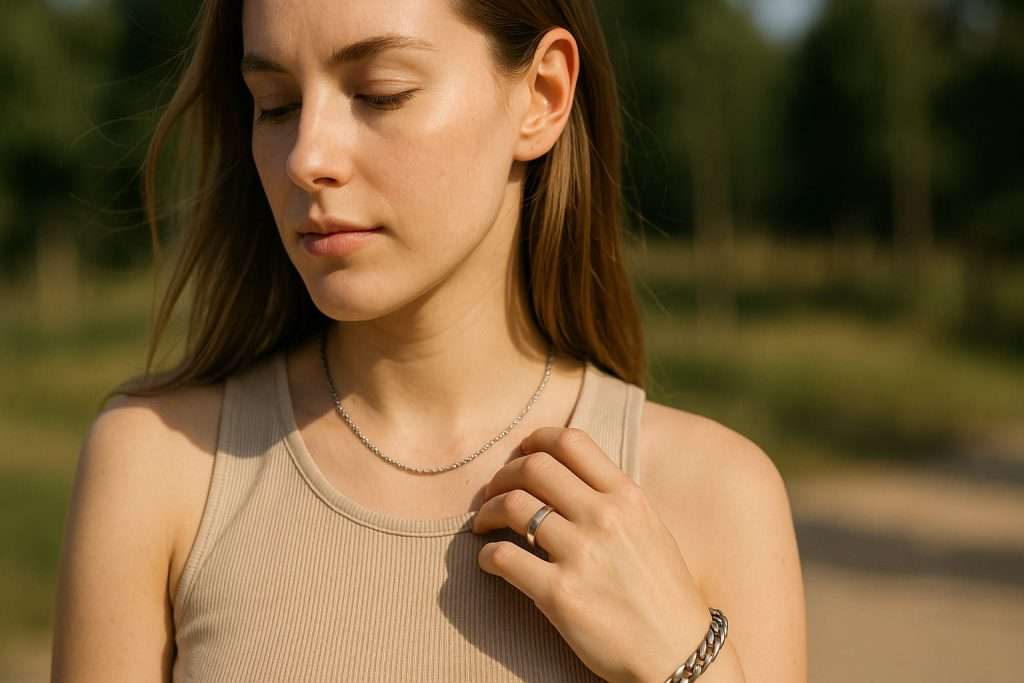
To the naked eye, 304 and 316 may look similar — silver, shiny, elegant.
But there’s a reason luxury watchmakers and premium brands prefer 316L stainless steel.
Its surface texture is finer, allowing for a higher level of polish and long-lasting shine. Over time, 304 tends to lose a bit of its brightness, especially when exposed to air pollution, salt, or skin oils.
316L, on the other hand, maintains that mirror finish, resisting the tiny scratches that dull cheaper metals. When customers unbox your jewelry and see that flawless gleam, they feel the difference instantly — even if they can’t name it.
Value Beyond Cost
From a production perspective, 316 stainless steel does cost slightly more. But that small price difference (often less than 30%) can elevate your entire brand perception.
When you market your line as made from 316L stainless steel, you’re not just describing a material — you’re telling a story of quality, safety, and longevity.
Customers associate 316L with higher value. They’re willing to pay more for it because it means peace of mind: no rust, no tarnish, no irritation.
For B2B brands, it’s an easy way to justify a premium price point and stand out in a crowded market.
In short, 304 sells products — 316 builds reputations.
The Customer Experience Advantage
Imagine your customers wearing your jewelry at the beach, in the gym, or during travel — and it still looks new. That’s the kind of experience that fuels word-of-mouth marketing.
Stainless steel jewelry already has low maintenance needs, but 316L takes that ease to another level. It resists fingerprints, moisture, and discoloration naturally.
A quick wipe with a soft cloth is usually all it takes to keep it shining.
By offering easy-care, long-lasting pieces, you’re not just selling jewelry — you’re selling confidence. That emotional connection is what keeps customers coming back.
Sustainability That Matters
Today’s buyers care deeply about sustainability — and that includes B2B clients sourcing responsibly.
Both 304 and 316 stainless steels are 100% recyclable, but 316L’s longer lifespan makes it a more eco-conscious choice overall.
When your brand highlights durability and recyclability, you appeal to environmentally aware consumers and align with ESG values that retailers and partners increasingly prioritize.
For more insights into the environmental impact of stainless steel, explore the World Stainless Association’s Sustainability Hub. It’s full of data and case studies your brand can reference in marketing campaigns.
“Eco-friendly stainless steel jewelry” is not just a keyword — it’s a growing movement. Brands that embrace it early earn credibility and loyalty.
Why Leading Brands Choose 316L
There’s a reason the world’s top watchmakers, piercing studios, and luxury minimalist brands all use 316L stainless steel.
It’s about trust. It’s about long-term performance. And it’s about aligning your brand with premium craftsmanship.
316L allows you to promise — and deliver — jewelry that doesn’t fade, rust, or irritate. When your customers notice that after years of wear, they don’t just admire your design — they remember your brand.
In a market flooded with cheap alloys and plated metals, 316L stainless steel jewelry becomes your silent ambassador of quality.
CAT: Take the Step Toward Better Quality
If your brand is ready to scale, it’s time to upgrade your materials.
Switching from 304 to 316L stainless steel isn’t just a technical choice — it’s a strategic one.
Your customers deserve jewelry that lasts. Your business deserves materials that build trust.
At Schiller, we help jewelry brands source high-grade 316L stainless steel that meets both performance and aesthetic standards. Whether you’re producing rings, bracelets, necklaces, or custom designs, we’ll guide you toward materials that align with your brand vision and values.
👉 Start your next collection with 316L stainless steel jewelry.
Because the best jewelry doesn’t just shine — it endures.
FAQ: 316 vs 304 Stainless Steel Jewelry
1. What’s the main difference between 316 and 304 stainless steel?
316 contains molybdenum, making it more corrosion-resistant than 304.
2. Why do brands prefer 316L stainless steel?
It’s stronger, longer-lasting, and safer for skin contact.
3. Is 304 stainless steel still good for jewelry?
Yes, it’s affordable and durable for everyday use.
4. Does 316L cause skin irritation?
No, it’s hypoallergenic and safe even for sensitive skin.
5. Is 316L stainless steel worth the extra cost?
Yes, its durability and premium look justify the small price difference.
6. How should stainless steel jewelry be cared for?
Wipe it with a soft cloth and avoid harsh chemicals.
7. Is stainless steel jewelry eco-friendly?
Yes, both 304 and 316L are fully recyclable and long-lasting.
8. What does the “L” in 316L mean?
It means “low carbon,” which improves polish and corrosion resistance.
9. Which material should my brand choose?
Use 304 for affordability; choose 316L for premium quality and trust.