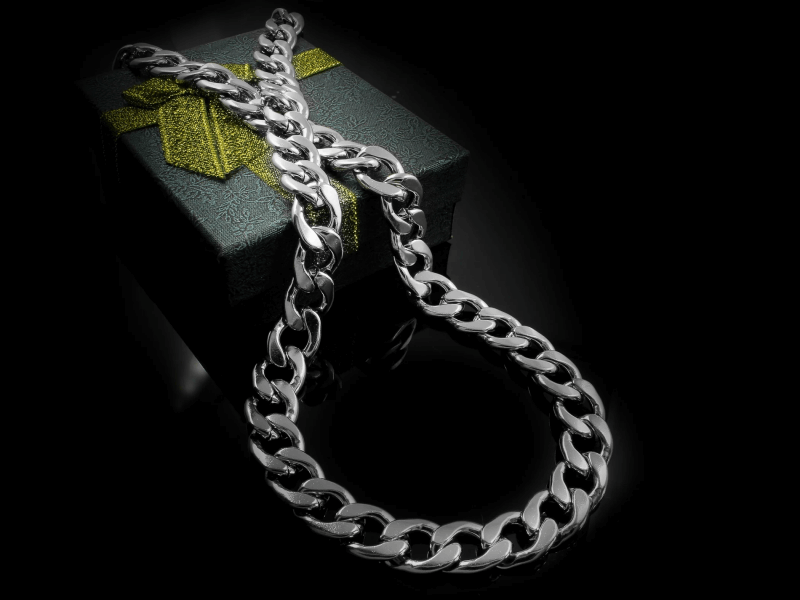
Many jewelry lovers have faced this frustrating question: why do some accessories lose their shine, turn dark, or even cause skin irritation after only a few wears? If you’ve ever experienced this, you may have come across products described as “316L stainless steel jewelry,” often advertised as “never fading” and “hypoallergenic.”
But does stainless steel jewelry really live up to these claims? Can it resist fading and discoloration for years? This article takes an in-depth look at 316L stainless steel, explains why it’s called medical-grade steel, and uncovers what actually causes jewelry to fade.

Understanding 316L Stainless Steel
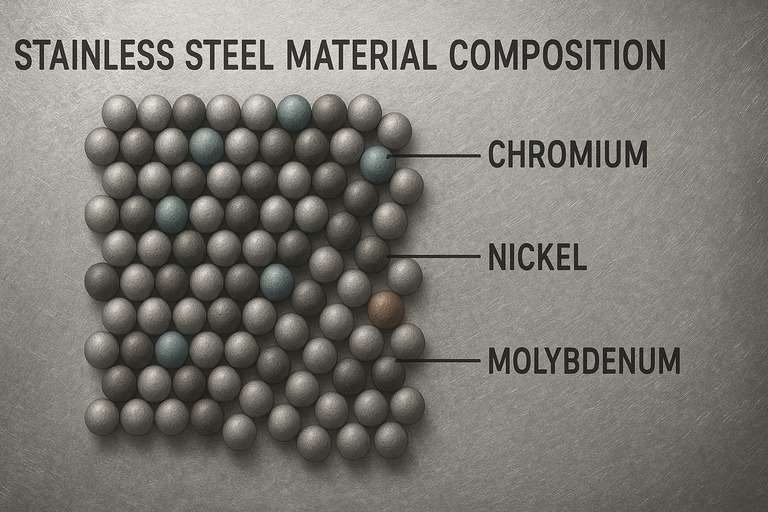
To answer whether stainless steel jewelry fades, it’s essential to understand what 316L really is. The term “316” refers to a specific grade of stainless steel that includes chromium, nickel, and molybdenum. These elements form a corrosion-resistant alloy known for strength, stability, and shine. The “L” in 316L stands for “low carbon,” meaning the metal has less carbon content, which helps it resist corrosion even when exposed to moisture or heat.
This grade of stainless steel is so stable and biocompatible that it’s widely used in medical and surgical instruments. That’s why it’s often called medical-grade stainless steel. According to the International Stainless Steel Forum, 316L is one of the most corrosion-resistant alloys available, making it ideal for both industrial and personal use, including jewelry.
Because of its superior performance, many brands now highlight 316L as a premium alternative to silver, brass, or other base metals. It offers the same sleek, modern look—without the maintenance headaches.
Does Stainless Steel Jewelry Fade?
The short answer is no, the metal itself does not fade. Unlike silver, which tarnishes through oxidation, or gold-plated jewelry that loses its coating, 316L stainless steel maintains its natural color and shine over time.
The reason lies in chemistry. The chromium in stainless steel forms an invisible layer of chromium oxide on the surface. This “passive layer” protects the metal from rust and oxidation. When scratched or damaged, it automatically repairs itself by reacting with oxygen in the air, a process explained by Scientific American. This self-healing property is what makes stainless steel both rustproof and color-stable.
However, many stainless steel jewelry pieces are plated with decorative finishes, such as gold, rose gold, or black coatings. These coatings are applied using different methods—traditional electroplating or more advanced PVD (Physical Vapor Deposition). While the base metal never fades, the top coating can wear off slightly over time, especially in high-friction areas like rings or bracelets.
If you prefer a color that truly lasts, opt for natural steel finishes or pieces made with PVD coatings, which are more resistant to scratches and fading than standard plating.
Why 316L Outperforms Other Jewelry Materials
When compared to other common jewelry materials, 316L stainless steel stands out for its durability and skin safety.
Silver, though elegant, oxidizes easily and needs regular polishing to stay shiny. Copper and brass can corrode or turn green, leaving marks on your skin. Gold-plated jewelry can fade as the plating wears off, exposing cheaper base metals underneath.
316L stainless steel, on the other hand, is:
- Highly resistant to corrosion, even when exposed to sweat, salt water, or perfume.
- Hypoallergenic, suitable for people with sensitive skin or mild nickel allergies.
- Harder and more scratch-resistant than silver or gold.
- Affordable and long-lasting, offering a “luxury look” without a luxury price tag.
That’s why 316L is often described as the perfect material for everyday jewelry—strong enough for active lifestyles yet refined enough for modern fashion.
Common Misconceptions About Fading
Despite its reputation, a few misconceptions about stainless steel jewelry persist. Let’s clear them up.
1. “All stainless steel is the same.”
Not true. Lower grades like 304 or 201 stainless steel contain less nickel and molybdenum, which means they are less resistant to corrosion. Only 316L stainless steel offers the high level of durability and shine associated with premium jewelry.
2. “Stainless steel never needs care.”
While it’s true that stainless steel jewelry is low-maintenance, it still benefits from occasional cleaning. Sweat, oils, and cosmetic residue can dull the surface over time. A quick wipe with a soft cloth restores its natural brilliance.
3. “If it turns dull, it must be fading.”
In most cases, what looks like fading is actually just dirt buildup. The underlying metal hasn’t changed color—cleaning or light polishing usually brings back the shine.
Everyday Care: Keeping the Shine
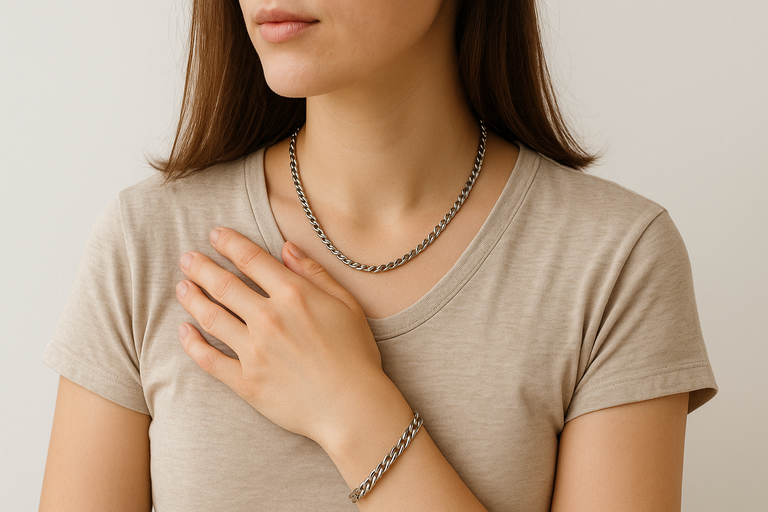
One of the biggest advantages of 316L stainless steel jewelry is that it’s easy to care for. With a few simple habits, you can keep it looking new for years.
- Wipe regularly: After wearing, gently clean your jewelry with a soft microfiber cloth to remove oils or sweat.
- Rinse occasionally: Use mild soap and warm water to clean the surface, then dry thoroughly.
- Avoid harsh chemicals: Although 316L is corrosion-resistant, bleach, chlorine, or acidic cleaners can harm any applied coatings.
- Store separately: Keep your jewelry in a soft pouch to avoid scratches.
These small steps prevent buildup that can make the surface appear dull.

Why 316L Is Popular in Modern Jewelry Design
Beyond its technical qualities, 316L has become a favorite material in modern jewelry for stylistic and cultural reasons. Designers value it for its clean, minimalist aesthetic—a hallmark of contemporary fashion. Its neutral tone pairs well with both masculine and feminine designs, and its weight gives a feeling of substance without being heavy.
316L’s rise also reflects a broader shift toward practical luxury: consumers now seek pieces that are both beautiful and durable. In an era of fast fashion, people are gravitating toward sustainable jewelry that lasts.
The Ellen MacArthur Foundation, a leading voice in circular economy research, identifies stainless steel as one of the most recyclable materials in the world, contributing to more sustainable production cycles. (Source: Ellen MacArthur Foundation – Circular Economy Overview)
Choosing stainless steel jewelry, then, isn’t just about durability—it’s also about environmental consciousness and long-term value.
How to Choose Quality Stainless Steel Jewelry
Not all jewelry labeled “stainless steel” is made equally. Here are a few points to check before purchasing:
- Confirm the grade: Look for pieces explicitly marked “316L” or “surgical steel.” Avoid vague terms like “stainless color” or “steel alloy.”
- Check the coating: If it’s gold or black, ask if it’s PVD-coated rather than just electroplated. PVD coatings last much longer.
- Inspect the craftsmanship: Smooth edges, consistent shine, and solid construction are signs of quality.
- Read reviews: Customer feedback often reveals whether a piece maintains its color after months of wear.
A little diligence ensures you’re buying genuine, long-lasting 316 stainless steel jewelry, not low-grade imitation.
The Longevity of 316L Jewelry
The beauty of 316L lies in its balance: it combines industrial strength with aesthetic refinement. The metal’s ability to resist rust, discoloration, and corrosion means that a well-made stainless steel ring or necklace can last for decades.
Even if you wear it daily—through showers, workouts, or travel—it’s unlikely to lose its color. Unlike gold-plated or brass jewelry that demands frequent upkeep, 316L can handle life’s messiness without complaint.
For people with active lifestyles, this reliability is invaluable. You don’t have to remove it before swimming, exercising, or washing your hands. Its low maintenance and timeless appearance make it ideal for minimalist wardrobes and capsule collections.
The Verdict: Does Stainless Steel Jewelry Fade?
No, 316L stainless steel jewelry does not fade in the traditional sense.
Its color remains stable because of its unique chemical composition and self-healing oxide layer.
However, its appearance can dull temporarily due to surface dirt or loss of coating if a colored finish is applied. In most cases, a simple cleaning is enough to restore its shine.
For anyone looking for durable, hypoallergenic, waterproof jewelry that balances price and longevity, 316L stainless steel remains one of the smartest choices available.
Conclusion
The question “Will stainless steel jewelry fade?” reveals a broader truth about modern design and consumer values. People no longer want accessories that require constant upkeep or lose their beauty within months. They want pieces that reflect resilience and authenticity.
316L stainless steel jewelry embodies these qualities. It’s strong, stable, sustainable, and stylish—qualities that align with both practicality and modern aesthetics. With minimal care, it can retain its brilliance for many years.
So next time you see a piece labeled 316L stainless steel, know that it’s more than marketing—it’s science, craftsmanship, and longevity combined.
FADs
Does stainless steel jewelry fade over time?
No, genuine 316L stainless steel jewelry does not fade or tarnish. Its chromium content forms a natural oxide layer that protects it from rust and discoloration. However, if the jewelry is gold-plated or colored, the outer coating may wear slightly over time.
Can stainless steel jewelry rust or corrode?
316L stainless steel is highly corrosion-resistant and will not rust under normal conditions. It can even withstand exposure to water, sweat, and mild chemicals better than silver or copper.
Can I wear stainless steel jewelry in the shower or while swimming?
Yes, 316L stainless steel jewelry is waterproof and suitable for everyday wear, including showers, swimming, and workouts. Just avoid prolonged exposure to strong chlorine or bleach, which could dull the surface over time.
What’s the difference between 316L and 304 stainless steel?
The key difference is that 316L contains molybdenum, which provides stronger resistance to corrosion, especially in salty or humid environments. 304 is also durable but slightly less resistant to pitting and oxidation.
Is stainless steel jewelry sustainable?
Yes. Stainless steel is one of the most recyclable metals in the world and can be reused indefinitely without losing quality. Choosing 316L jewelry supports sustainable fashion by reducing waste from disposable accessories.