Jewelry findings are the unsung heroes of the jewelry-making world. They are the small components that hold your precious pieces together, ensuring durability, security, and aesthetics. Despite their often overlooked status, the choice of materials in jewelry findings can significantly impact the overall quality of your jewelry. From clasps that secure a necklace to jump rings that connect components, each finding plays a critical role in the jewelry’s functionality and longevity. In this guide, we’ll delve into what materials are used in high-quality jewelry findings, offering insights that will help both beginners and experienced jewelry makers choose the best components for their creations.
Introduction to Jewelry Findings
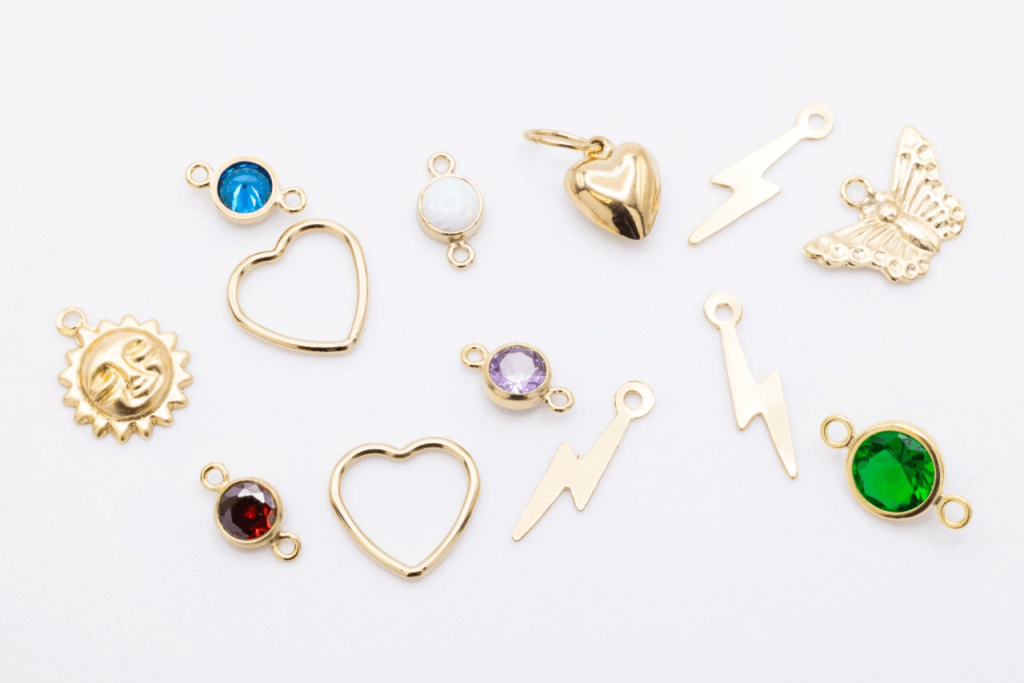
Jewelry findings are the essential components used to join parts of a piece of jewelry together. They include items such as clasps, earring hooks, jump rings, pins, and more. Although small and often inconspicuous, these components are vital for both the functionality and aesthetics of jewelry. Understanding what they are, how they are used, and the materials from which they are made is crucial for anyone involved in jewelry design or manufacturing. This knowledge helps ensure that the finished product is not only beautiful but also durable and comfortable to wear.
Jewelry findings have a long history in the crafting of ornaments. Traditionally, these components were often handmade by artisans who took great care to ensure that each piece complemented the overall design of the jewelry. Today, while many findings are mass-produced, the choice of materials and the quality of these components remain as important as ever. In particular, the choice of materials can have a significant impact on the piece’s durability, cost, and overall appeal.
Definition of Jewelry Findings
In the simplest terms, jewelry findings are the components that make up the structure of jewelry. They are the small parts that hold everything together, from the clasp on a necklace to the pin in a brooch. These components are typically categorized based on their function. For instance, clasps are used to secure necklaces or bracelets, while jump rings connect different elements of a piece of jewelry, such as a pendant to a chain. Other types of findings include ear wires for earrings, bails for attaching pendants, and crimp beads for securing ends of wire.
The term “findings” originated from the days when jewelers would “find” small parts to complete a piece of jewelry. Over time, the term has become an established part of the jewelry-making lexicon, representing all the small, often overlooked components that are crucial to the creation of wearable art. Whether you’re a hobbyist making jewelry at home or a professional working in a jewelry findings manufacturing facility, understanding the various types of findings and their uses is key to creating quality pieces.
Importance of High-Quality Jewelry Findings
The importance of high-quality jewelry findings cannot be overstated. These components are responsible for the overall durability and functionality of the jewelry. For instance, a necklace is only as strong as the clasp that holds it together. If the clasp fails, the entire piece is rendered useless. Similarly, earring backs that do not secure properly can result in lost earrings, leading to frustration and disappointment for the wearer. Therefore, investing in high-quality findings is essential to ensure that the jewelry is durable and reliable.
In addition to functionality, high-quality findings also contribute to the aesthetics of the jewelry. Low-quality materials can tarnish, discolor, or cause allergic reactions, all of which detract from the appeal of the jewelry. High-quality materials, on the other hand, maintain their appearance over time, ensuring that the jewelry looks as good as new even after years of wear. Furthermore, using high-quality findings can enhance the perceived value of the jewelry, making it more appealing to buyers and potentially increasing sales for manufacturers.
Another critical aspect of using high-quality findings is skin safety. Many people have sensitivities or allergies to certain metals, such as nickel. High-quality findings are often made from hypoallergenic materials, such as sterling silver or surgical-grade stainless steel, which minimize the risk of skin irritation. This is especially important for components that come into direct contact with the skin, such as earring hooks or necklace clasps.
In summary, jewelry findings play a vital role in both the functionality and aesthetics of jewelry. Choosing high-quality materials for these components is essential to ensure that the jewelry is durable, comfortable, and attractive. Whether you are making jewelry for personal use or as part of a business, investing in high-quality findings will pay off in the long run, resulting in pieces that are not only beautiful but also long-lasting and safe to wear.
Types of Jewelry Findings and Their Uses
Clasps and Closures
Clasps and closures are some of the most critical components in jewelry design, as they ensure that pieces like necklaces and bracelets stay securely fastened. The variety of clasps available reflects the wide range of jewelry styles and the need for different levels of security. Understanding the different types of clasps and their appropriate applications is essential for creating both functional and aesthetically pleasing jewelry.
One of the most common types of clasps is the lobster clasp, named for its resemblance to a lobster’s claw. Lobster clasps are highly secure and are commonly used in necklaces and bracelets due to their durability and ease of use. They typically have a spring-loaded mechanism that opens when a small lever is pushed, allowing the clasp to attach to a ring or loop on the other end of the jewelry piece. This type of clasp is particularly popular in high-quality jewelry because of its strength and reliability.
Another popular clasp is the spring ring clasp, which operates similarly to the lobster clasp but is generally smaller and round in shape. Spring ring clasps are widely used in lightweight jewelry, such as delicate necklaces and anklets, where a less bulky closure is desirable. Although secure, spring ring clasps can be more challenging to operate, especially for those with limited dexterity, making them less suitable for heavy or chunky jewelry pieces.
For those seeking both style and security, toggle clasps are an excellent option. These clasps consist of a bar (the toggle) and a ring through which the bar is inserted. Once the bar is passed through the ring, it rests across the opening, securing the jewelry in place. Toggle clasps are often used in statement pieces and can be made from various materials, including precious metals like gold or silver, to complement the design of the jewelry. They are not only functional but can also add a decorative element to the piece.
Magnetic clasps are another innovative option, particularly popular in modern jewelry designs. These clasps use strong magnets to hold the jewelry securely in place, making them easy to fasten and unfasten, especially for individuals with limited hand strength or dexterity. Magnetic clasps are often used in lightweight necklaces and bracelets but may not be suitable for very heavy jewelry due to the risk of the magnets separating under weight.
Box clasps and safety clasps are commonly found in high-end jewelry pieces, especially in bracelets and necklaces that require an extra level of security. Box clasps consist of a small, box-shaped component with a hinged tongue that clicks into place, while safety clasps often have an additional locking mechanism to prevent accidental opening. These types of clasps are ideal for valuable jewelry where preventing loss is of utmost importance.
The material of the clasp is just as crucial as its design. For example, gold-filled or solid gold clasps are commonly used in high-end jewelry because they offer both beauty and durability. Sterling silver is another popular choice, especially for those seeking a combination of quality and affordability. Platinum clasps are often found in luxury jewelry due to their strength, resistance to tarnish, and hypoallergenic properties.
Jump Rings and Connectors
Jump rings and connectors are the versatile workhorses of the jewelry findings world. They are used to link various components of jewelry together, such as attaching a pendant to a chain or connecting different segments of a bracelet. The quality and type of jump rings used can greatly affect the strength and durability of the finished piece.
Open jump rings are the most common type, featuring a small gap that allows them to be opened and closed with pliers. They are incredibly versatile and are used in everything from connecting charms to making chainmail. However, their strength depends on the thickness of the wire used to make them, as well as how well they are closed. Properly closing a jump ring so that the ends meet seamlessly is crucial to prevent it from opening and causing the jewelry to fall apart.
Closed jump rings, on the other hand, are solid loops with no gap. They are typically used in areas of jewelry that require extra strength and security, such as attaching a heavy pendant. Because they cannot be opened, closed jump rings are often soldered directly to the jewelry piece, providing a permanent and robust connection.
Another type of connector often used in jewelry making is the split ring, which resembles a tiny keyring. Split rings are ideal for applications where extra security is needed, such as attaching a charm to a bracelet or connecting a clasp to a necklace. They are less likely to open accidentally compared to open jump rings, making them a preferred choice for jewelry pieces that will be subject to frequent movement or stress.
In addition to jump rings, links and connectors come in various forms, such as decorative links, which add a design element to the piece, or multi-strand connectors, used to join multiple strands of beads or chains in a necklace or bracelet. These components not only provide structural integrity but also contribute to the overall design and aesthetic of the jewelry.
Material selection for jump rings and connectors is vital, especially in high-quality jewelry. Stainless steel and sterling silver are commonly used for their strength and resistance to tarnish, while gold and platinum jump rings are often chosen for their luxurious appearance and durability. Copper and brass are also used, particularly in vintage or rustic-style jewelry, where their natural patina can add to the design’s charm.
Earring Components
Earring components, including backs, hooks, and posts, are essential for the construction and wearability of earrings. These small findings ensure that earrings stay securely attached to the ear while also contributing to the overall comfort and aesthetics of the jewelry.
Earring backs, also known as clutches, are critical components that secure earrings in place. There are several types of earring backs, each offering different levels of security and comfort. Push-backs are the most common type, featuring a simple design that slides onto the earring post. They are easy to use and suitable for most earrings, but they can occasionally loosen and fall off.
For a more secure fit, screw-backs are an excellent option. These earring backs screw onto the post, providing a more reliable hold that is less likely to come undone accidentally. Screw-backs are particularly popular for valuable earrings, such as diamond studs, where losing an earring would be costly.
Hooks, or French wires, are commonly used in dangle earrings. These hooks slide through the earlobe and hang freely, allowing the earrings to sway with movement. Hooks are often made from metals like sterling silver or gold, and they may include additional features like small beads or decorative elements to enhance the design.
Hoop earring findings are another essential component, providing the structure for hoop-style earrings. These findings can vary from simple, unadorned hoops to more complex designs that include hinges or clasps for added security. Huggie hoops, a smaller version of the hoop earring, are designed to “hug” the earlobe closely, offering a sleek and secure fit.
Ear wires and stud posts are the backbone of most earrings, determining how the earring is worn and how it will look on the ear. Stud posts are typically used in simple earrings, such as solitaire diamonds or pearls, and are secured with earring backs. Ear wires, on the other hand, are used in earrings that require more movement, such as dangle or chandelier earrings.
The material of these components is especially important because they come into direct contact with the skin. High-quality earring components are typically made from hypoallergenic materials like sterling silver, surgical-grade stainless steel, or gold. These materials not only prevent allergic reactions but also resist tarnish and maintain their appearance over time.
Pins and Headpins
Pins and headpins are indispensable in jewelry making, particularly in designs that involve beads or dangles. These findings are used to thread beads or other decorative elements, which can then be attached to other parts of the jewelry, such as earrings or pendants.
Headpins are straight pieces of wire with a flat or decorative end, preventing beads from slipping off. They are used to create “drops” or “dangles” by threading beads onto the pin and then forming a loop at the top, which can be attached to an earring or necklace. The quality and thickness of the wire used in headpins are crucial, as they need to be strong enough to support the weight of the beads without bending or breaking.
Eye pins are similar to headpins but have a loop at one end instead of a flat head. This loop can be used to connect the pin to other components, such as chain links or other eye pins, allowing for more complex designs. Eye pins are often used in making beaded chains or links for necklaces and bracelets.
The material of the pins is also important, especially in high-quality jewelry. Sterling silver and gold-filled pins are popular choices due to their durability and resistance to tarnish. Stainless steel is another excellent option, particularly for designs that require extra strength, such as those involving heavy beads or multiple components.
Beads, Bead Caps, and Chandeliers
Beads, bead caps, and chandeliers are decorative findings that add flair and complexity to jewelry designs. These components are often used in earrings, necklaces, and bracelets to enhance the overall aesthetic and provide a finished look.
Beads are perhaps the most versatile component in jewelry making. They come in various materials, including glass, metal, wood, and gemstones, each offering a unique look and feel. In high-quality jewelry, beads made from precious materials like gold, silver, or gemstones are often used to add value and appeal to the piece. The choice of beads can significantly influence the style of the jewelry, from the casual elegance of wooden beads to the luxurious sparkle of gemstones.
Bead caps are small findings that are placed on either side of a bead to frame it and add a decorative touch. These caps can be simple or ornate, depending on the design of the jewelry. Bead caps made from materials like sterling silver or gold can add a touch of luxury to a piece, while those made from copper or brass can give a vintage or rustic feel.
Chandeliers are another decorative component, often used in earrings to create a multi-layered, cascading effect. These findings have multiple loops or holes where beads, chains, or other elements can be attached, allowing for elaborate and intricate designs. Chandeliers are typically made from materials like gold, silver, or plated metals to ensure they are both durable and aesthetically pleasing.
Bails
Bails are an essential finding in jewelry, used to attach pendants to chains or cords. They serve both a functional and decorative purpose, ensuring that the pendant hangs correctly while also enhancing the overall design of the piece.
There are several types of bails, each suited to different styles of jewelry. Glue-on bails are simple and easy to use, featuring a flat surface where the pendant is attached with adhesive. These bails are ideal for use with cabochons or other flat-backed stones and can be made from various materials, including sterling silver, gold, or plated metals.
Pinch bails are another popular type, designed to grip the pendant securely without the need for glue. These bails have prongs or “fingers” that are pressed together to hold the pendant in place, providing a secure and professional-looking attachment. Pinch bails are often used with drilled gemstones or beads and can add an elegant touch to the jewelry design.
Slider bails are a more modern option, allowing the pendant to slide freely along the chain or cord. These bails are often used in contemporary jewelry designs where movement and flexibility are desired. Slider bails can be simple or ornate, and are typically made from high-quality materials like sterling silver, gold, or stainless steel.
The choice of material for bails is crucial, especially in high-quality jewelry. Sterling silver and gold are the most common choices, offering both durability and aesthetic appeal. Platinum bails are also used in luxury jewelry for their strength and hypoallergenic properties. In more budget-friendly designs, plated metals can be used, although they may not offer the same level of durability or resistance to tarnish as solid metals.
Cord and Ribbon Ends
Cord and ribbon ends are specialized findings used to finish the ends of cords, ribbons, or other materials used in jewelry making. These findings ensure that the ends are secured and provide a place to attach clasps or other connectors.
Crimp ends are one of the most common types of cord ends, designed to be flattened or crimped onto the cord using pliers. These ends are typically used with materials like leather, suede, or silk cords, providing a secure and professional finish. Crimp ends are available in various sizes and materials, with sterling silver and gold-filled being popular choices for high-quality jewelry.
Ribbon ends are similar to crimp ends but are specifically designed for use with ribbons or flat cords. These findings have a wider surface area and often feature teeth or ridges that grip the ribbon securely. Ribbon ends are commonly used in chokers, bracelets, or other designs where a flat, wide material is used. Like crimp ends, they are available in a range of materials, including brass, copper, sterling silver, and gold-filled.
Caps are another type of cord end, used to cover and secure the ends of cords or multiple strands of beads. These caps can be simple or ornate, depending on the design of the jewelry, and are often used in conjunction with crimp beads or other findings. High-quality caps are typically made from materials like sterling silver, gold, or plated metals, offering both durability and aesthetic appeal.
Crimp Beads, Crimp Covers, Wire Protectors, Chain Tabs
Crimp beads, crimp covers, wire protectors, and chain tabs are essential components in jewelry making, particularly in designs that involve stringing or beading. These findings are used to secure and protect the ends of beading wire or chain, ensuring that the jewelry is durable and long-lasting.
Crimp beads are small metal tubes that are flattened onto beading wire using pliers to secure the wire in place. These beads are often used to attach clasps or other findings to the ends of beaded jewelry, providing a secure and professional finish. Crimp beads are available in various sizes and materials, with sterling silver, gold-filled, and plated metals being the most common choices.
Crimp covers are used to hide the flattened crimp bead, giving the jewelry a more polished appearance. These covers are typically small, rounded pieces of metal that are placed over the crimp bead and gently closed with pliers. Crimp covers are available in materials like sterling silver, gold-filled, and plated metals, allowing them to match the rest of the jewelry.
Wire protectors are small findings used to protect beading wire from wear and tear, particularly at points of stress like where the wire attaches to a clasp. These protectors are U-shaped and are placed over the wire to prevent it from fraying or breaking. Wire protectors are an essential component in high-quality jewelry, especially in pieces that are worn frequently or that involve expensive materials like gemstones or precious metals.
Chain tabs are small, flat findings used to attach clasps to the ends of chains. These tabs are typically soldered or crimped onto the chain, providing a secure attachment point for the clasp. Chain tabs are available in a variety of materials, including sterling silver, gold-filled, and plated metals, ensuring that they match the rest of the jewelry.
In conclusion, the wide variety of jewelry findings available allows for endless creativity in jewelry design. Each type of finding plays a specific role in the construction of the jewelry, contributing to its functionality, durability, and aesthetics. Whether you are a jewelry designer, manufacturer, or hobbyist, understanding the different types of findings and their uses is essential for creating high-quality jewelry that is both beautiful and long-lasting.
Materials Used in High-Quality Jewelry Findings
Precious Metals
Precious metals like gold, silver, and platinum are often the materials of choice for high-quality jewelry findings due to their inherent value, durability, and aesthetic appeal. These metals not only enhance the appearance of the jewelry but also provide the strength and longevity needed to ensure that the jewelry remains beautiful and functional for years to come.
Gold
Gold is one of the most popular and valuable materials used in jewelry findings, known for its beauty, malleability, and resistance to tarnish. It is available in various forms, including solid gold, gold-filled, and gold-plated, each offering different levels of quality and durability.
Solid gold findings are made entirely of gold, with a purity typically measured in karats. The most common purities used in jewelry are 14k and 18k, which offer a good balance between durability and gold content. 24k gold is pure gold, but it is too soft for most jewelry applications and is rarely used in findings. Solid gold findings are highly valued for their quality and are often used in luxury jewelry pieces.
Gold-filled findings are composed of a thick layer of gold bonded to a base metal, such as brass or copper. This layer is much thicker than that used in gold plating, making gold-filled findings more durable and resistant to wear. Gold-filled findings offer a more affordable alternative to solid gold while still providing the appearance and quality of gold.
Gold-plated findings have a thin layer of gold applied over a base metal. While gold-plated findings are the most affordable option, they are also the least durable, as the gold layer can wear off over time, exposing the base metal underneath. Gold-plated findings are often used in fashion jewelry or in pieces where cost is a significant concern.
In addition to the different types of gold, there are also variations in color, such as yellow gold, white gold, and rose gold. These colors are achieved by alloying gold with other metals, such as copper, silver, or nickel, each offering a unique aesthetic. White gold is often rhodium-plated to give it a bright, shiny finish and to increase its durability. Rose gold, which has a pinkish hue, is created by alloying gold with copper and is popular in both vintage and modern jewelry designs.
Silver
Silver is another popular precious metal used in jewelry findings, known for its bright, reflective finish and affordability compared to gold and platinum. The most common type of silver used in jewelry is sterling silver, which is an alloy of 92.5% silver and 7.5% other metals, usually copper. This combination provides the perfect balance of durability and workability, making sterling silver ideal for a wide range of jewelry findings, including clasps, jump rings, and earring components.
Fine silver, which is 99.9% pure silver, is also used in jewelry findings, particularly in pieces where a higher silver content is desired. However, fine silver is softer than sterling silver and is more prone to scratching and bending, making it less suitable for findings that will be subject to stress or frequent wear.
To enhance the durability and appearance of silver findings, many are rhodium-plated. Rhodium is a hard, silver-white metal that is highly reflective and resistant to tarnish. Rhodium plating not only gives silver findings a bright, shiny finish but also protects them from tarnishing and scratching, making them more durable and easier to maintain.
Platinum
Platinum is the most durable and valuable of the precious metals used in jewelry findings, known for its strength, resistance to tarnish, and hypoallergenic properties. Unlike gold, which can wear down over time, platinum is extremely durable and will not lose metal when scratched. Instead, it develops a patina that many people find desirable, giving the jewelry a vintage or antique look.
Platinum is often used in high-end jewelry, particularly in settings for diamonds and other precious stones, as its strength and durability provide a secure hold that ensures the stones remain in place. Platinum findings, such as clasps, prongs, and bezels, are also popular in luxury jewelry due to their ability to withstand daily wear and tear without losing their shine or structural integrity.
In addition to its strength and durability, platinum is also hypoallergenic, making it an excellent choice for individuals with sensitive skin or allergies to other metals. This makes platinum findings ideal for earrings, rings, and other jewelry that comes into direct contact with the skin.
Semi-Precious and Base Metals
While precious metals like gold, silver, and platinum are the most popular choices for high-quality jewelry findings, semi-precious and base metals also play a significant role in jewelry design. These metals offer a balance of affordability, durability, and aesthetic appeal, making them suitable for a wide range of jewelry styles and applications.
Copper and Brass
Copper and brass are two of the most commonly used base metals in jewelry findings, known for their warm, rich colors and affordability. Copper is a reddish-brown metal that is highly malleable and easy to work with, making it ideal for creating intricate designs and decorative elements in jewelry. Brass, an alloy of copper and zinc, has a yellow-gold color that closely resembles gold, making it a popular choice for budget-friendly jewelry.
While copper and brass are both beautiful metals, they are also prone to tarnishing and oxidation, which can cause the jewelry to darken or develop a greenish patina over time. To prevent this, many copper and brass findings are coated with a protective layer, such as lacquer or plating, to help maintain their appearance and prevent tarnishing.
In addition to their aesthetic appeal, copper and brass are also used for their metaphysical properties. Copper is believed to have healing properties and is often used in jewelry designed to promote physical and emotional well-being. Brass, on the other hand, is thought to bring balance and harmony, making it a popular choice for spiritual or symbolic jewelry.
Stainless Steel and Zinc Alloy
Stainless steel and zinc alloy are two of the most durable and versatile base metals used in jewelry findings. Stainless steel is an alloy of iron, chromium, and other metals, known for its strength, resistance to tarnish, and hypoallergenic properties. It is commonly used in modern and minimalist jewelry designs, where its sleek, industrial appearance adds to the overall aesthetic.
Stainless steel findings are often used in pieces that require extra durability, such as clasps, jump rings, and earring components, where the metal’s strength ensures that the jewelry will withstand daily wear and tear. Additionally, stainless steel is resistant to rust and corrosion, making it an excellent choice for jewelry that will be exposed to moisture or harsh environments.
Zinc alloy, also known as “white metal” or “pot metal,” is another popular choice for jewelry findings, particularly in fashion jewelry. Zinc alloy is an affordable, lightweight metal that is easy to work with and can be plated with a variety of finishes, including gold, silver, and rhodium. While zinc alloy is not as durable as stainless steel or precious metals, it offers a cost-effective option for creating stylish and trendy jewelry.
Nickel
Nickel is a base metal that is commonly used in jewelry findings, particularly in costume or fashion jewelry. It is a strong, durable metal that is resistant to corrosion and tarnish, making it a practical choice for jewelry that will be worn frequently. However, nickel is also one of the most common causes of allergic reactions in jewelry, leading to skin irritation and discomfort for some wearers.
To mitigate the risk of allergic reactions, many high-quality nickel findings are coated with a protective layer, such as rhodium or gold plating, which creates a barrier between the metal and the skin. In recent years, there has been a growing demand for nickel-free jewelry, leading many manufacturers to use alternative metals, such as surgical-grade stainless steel or titanium, in their findings.
Non-Metal Materials
In addition to precious and base metals, non-metal materials also play a significant role in jewelry findings. These materials offer unique aesthetic qualities and functional benefits, making them suitable for a wide range of jewelry styles and applications.
Leather and Wood
Leather and wood are natural materials that are often used in jewelry findings to create a rustic or organic look. Leather is commonly used for cord ends, clasps, and other components in jewelry designs that feature leather cords or straps. It is a durable, flexible material that adds a tactile element to the jewelry, making it comfortable to wear. Wood, on the other hand, is used for decorative elements, such as beads or pendants, adding warmth and texture to the design.
Both leather and wood require special care to maintain their appearance and durability. Leather findings should be kept away from moisture and harsh chemicals, as these can cause the leather to dry out or become discolored. Similarly, wooden findings should be treated with a protective finish to prevent them from becoming damaged or warped.
Nylon and Plastic
Nylon and plastic are synthetic materials that are often used in jewelry findings for their flexibility, durability, and versatility. Nylon is a strong, lightweight material that is commonly used for cord ends, clasps, and other components in jewelry designs that feature braided or woven cords. It is available in a wide range of colors and can be easily dyed or painted to match the overall design of the jewelry.
Plastic findings are commonly used in fashion jewelry, where their affordability and versatility make them an attractive option for creating trendy and stylish pieces. While plastic is not as durable as metal, it is resistant to moisture and tarnish, making it an excellent choice for jewelry that will be worn in a variety of environments.
In conclusion, the choice of materials in jewelry findings is critical to the overall quality, durability, and aesthetic appeal of the jewelry. Whether you are working with precious metals, base metals, or non-metal materials, understanding the properties and uses of each material is essential for creating high-quality jewelry that is both beautiful and long-lasting.
Quality Considerations and Sourcing Tips
Understanding the Importance of Quality
When it comes to jewelry findings, quality is paramount. The quality of the findings directly impacts the durability, appearance, and overall value of the jewelry. High-quality findings are essential for ensuring that the jewelry remains functional and attractive over time, while low-quality findings can lead to a variety of issues, such as tarnishing, breakage, and discomfort for the wearer.
One of the most important aspects of quality in jewelry findings is the material used. As discussed in previous sections, the choice of material can significantly affect the durability and appearance of the findings. For example, findings made from precious metals like gold, silver, and platinum are generally more durable and resistant to tarnish than those made from base metals like copper or brass. Additionally, non-metal materials like leather and nylon can add unique aesthetic qualities to the jewelry but may require special care to maintain their appearance and durability.
In addition to the material, the manufacturing process also plays a critical role in determining the quality of the findings. High-quality findings are typically produced using precise and controlled manufacturing processes that ensure consistency in size, shape, and finish. This level of precision is particularly important for findings that require a secure fit, such as clasps or earring backs, where even a slight variation in size can affect the functionality of the jewelry.
Another important consideration is the finish of the findings. A high-quality finish not only enhances the appearance of the jewelry but also provides protection against tarnishing and wear. For example, findings that are rhodium-plated or gold-filled have a protective layer that helps to prevent tarnishing and maintain the appearance of the jewelry over time. Similarly, findings that are polished to a high shine are less likely to scratch or become dull with wear.
Finally, the design and craftsmanship of the findings are also important indicators of quality. High-quality findings are often designed with both functionality and aesthetics in mind, ensuring that they not only perform their intended function but also complement the overall design of the jewelry. Additionally, findings that are carefully crafted with attention to detail are less likely to have sharp edges, rough surfaces, or other imperfections that can detract from the appearance of the jewelry or cause discomfort for the wearer.
Factors to Consider When Sourcing Jewelry Findings
When sourcing jewelry findings, there are several key factors to consider to ensure that you are getting high-quality components that will meet your needs and expectations. Whether you are purchasing findings for personal use or as part of a business, it is important to take the time to evaluate the quality, reliability, and suitability of the findings before making a purchase.
Material Quality
The first and most important factor to consider when sourcing jewelry findings is the quality of the material. As discussed earlier, the choice of material can significantly affect the durability, appearance, and overall value of the findings. When sourcing findings, it is important to choose materials that are appropriate for the intended use of the jewelry and that will provide the desired level of durability and aesthetic appeal.
For example, if you are sourcing findings for use in high-end jewelry, you may want to choose findings made from precious metals like gold, silver, or platinum. These metals are not only beautiful and valuable but also durable and resistant to tarnish, making them ideal for use in fine jewelry. On the other hand, if you are sourcing findings for use in fashion jewelry or costume jewelry, you may want to consider more affordable options like base metals or non-metal materials.
In addition to the type of material, it is also important to consider the quality of the material itself. For example, findings made from solid gold or sterling silver are generally of higher quality than those made from gold-plated or silver-plated metals. Similarly, findings made from high-quality leather or nylon are more durable and aesthetically pleasing than those made from lower-quality materials.
Supplier Reputation
The reputation of the supplier is another important factor to consider when sourcing jewelry findings. A reputable supplier is more likely to offer high-quality findings that meet your expectations and provide reliable service and support. When evaluating a supplier, it is important to consider factors such as their track record, customer reviews, and industry certifications.
One way to assess a supplier’s reputation is by looking at their customer reviews and testimonials. These can provide valuable insights into the quality of the findings, the reliability of the supplier, and the level of customer service they offer. Additionally, you may want to ask for references or samples from the supplier to get a firsthand look at the quality of their products.
Another important consideration is the supplier’s industry certifications and standards. For example, suppliers that are certified by organizations like the Responsible Jewellery Council (RJC) or that adhere to ISO quality standards are more likely to offer high-quality findings that meet industry standards for material quality and ethical sourcing.
Sampling and Testing
Before making a large purchase of jewelry findings, it is important to sample and test the products to ensure that they meet your quality standards and are suitable for your intended use. This is especially important if you are sourcing findings for a business, where the quality of the findings can directly impact your reputation and customer satisfaction.
When sampling findings, it is important to test them for fit, durability, and aesthetic appeal. For example, you may want to test clasps to ensure that they open and close smoothly, or test earring backs to ensure that they provide a secure fit. Additionally, you may want to test the findings for tarnish resistance or allergenicity to ensure that they will maintain their appearance and be comfortable for the wearer over time.
In addition to testing the findings themselves, it is also important to test the packaging and delivery process to ensure that the findings will arrive in good condition and be ready for use. This is particularly important if you are sourcing findings from an overseas supplier, where the risk of damage or delays during shipping may be higher.
Wholesale Purchasing
If you are sourcing jewelry findings for a business, you may want to consider wholesale purchasing as a way to reduce costs and ensure a consistent supply of findings. Wholesale purchasing allows you to buy findings in bulk, often at a discounted price, which can help to improve your profit margins and reduce the overall cost of production.
When purchasing findings wholesale, it is important to choose a supplier that offers consistent quality and reliable delivery. This can help to ensure that you always have the findings you need in stock and that your production process is not disrupted by delays or quality issues. Additionally, you may want to negotiate terms such as minimum order quantities, payment terms, and delivery schedules to ensure that the wholesale arrangement meets your needs.
In conclusion, sourcing high-quality jewelry findings is essential for creating durable, attractive, and valuable jewelry. By considering factors such as material quality, supplier reputation, sampling and testing, and wholesale purchasing, you can ensure that you are getting the best possible findings for your jewelry-making needs.
Applications and Functionality in Jewelry Design
Matching Findings to Jewelry Types
Matching the right findings to the appropriate jewelry types is crucial for ensuring that the finished piece is both functional and aesthetically pleasing. Each type of jewelry, whether it’s a necklace, bracelet, earring, or ring, requires specific findings that are designed to complement its structure and style. Understanding how to select and match findings to different jewelry types is essential for creating cohesive and well-designed pieces.
For necklaces, the most important findings are the clasps and bails. Clasps ensure that the necklace stays securely fastened around the neck, while bails connect pendants to the chain. When choosing a clasp for a necklace, it’s important to consider the weight and style of the necklace. For example, a delicate chain might be best paired with a spring ring clasp, while a heavier or more ornate necklace might require a toggle clasp or box clasp for added security and style. Similarly, the bail should match the pendant’s size and style, ensuring that the pendant hangs correctly and enhances the overall look of the necklace.
Bracelets also rely heavily on clasps and connectors to ensure they stay securely on the wrist. In addition to the clasp, findings like jump rings and links play a crucial role in connecting the different components of the bracelet. For stretchy bracelets made with elastic cord, crimp beads or cord ends are essential for securing the ends of the cord. When designing a bracelet, it’s important to consider the wearer’s comfort, especially in terms of how the clasp and other findings will feel against the skin.
Earrings require specific findings such as ear wires, posts, and backs. These findings not only determine how the earring will hang on the ear but also contribute to the earring’s overall comfort and security. For example, French hooks or ear wires are ideal for dangle earrings, while posts and screw backs are better suited for studs or drop earrings. Additionally, the material of the earring findings should be hypoallergenic, especially for earrings that will be worn frequently or by individuals with sensitive skin.
Rings typically do not require as many findings as other types of jewelry, but bezels, prongs, and shanks are essential for setting stones and ensuring the ring’s durability. Bezels are metal frames that encircle a gemstone, holding it securely in place, while prongs are small metal arms that grip the stone from multiple angles. The shank is the band of the ring, which may require additional findings such as sizing beads or ring guards to ensure a proper fit.
Designing with Findings in Mind
Designing jewelry with findings in mind is an essential aspect of the creative process, ensuring that the finished piece is both functional and aesthetically pleasing. When planning a jewelry design, it’s important to consider how the findings will integrate with the other components of the jewelry, as well as how they will affect the overall look and feel of the piece.
One of the key considerations when designing with findings is weight distribution. For example, in a necklace, the clasp should be strong enough to support the weight of the pendant or other decorative elements without causing the necklace to sag or become unbalanced. Similarly, in earrings, the findings should be lightweight enough to prevent discomfort for the wearer but sturdy enough to hold the earring securely in place.
Another important factor to consider is compatibility between the findings and other materials used in the jewelry. For instance, if you are using a sterling silver chain, it’s important to choose findings made from sterling silver or a complementary metal to ensure a cohesive look. Similarly, if the design features gemstones or other delicate materials, the findings should be chosen to complement and protect these elements, such as using prong settings for diamonds or bezel settings for cabochons.
Aesthetics is another crucial aspect of designing with findings. The findings should not only be functional but also enhance the overall design of the jewelry. For example, a decorative toggle clasp can add a focal point to a bracelet or necklace, while a fancy bail can elevate the look of a pendant. When choosing findings, it’s important to consider how they will contribute to the overall design and ensure that they align with the style and theme of the jewelry.
In addition to these considerations, ease of use is also important when designing with findings. The findings should be easy for the wearer to operate, such as clasps that are easy to open and close or earring backs that provide a secure fit without being difficult to remove. Designing with the wearer’s comfort and convenience in mind can help to create jewelry that is not only beautiful but also practical and enjoyable to wear.
In conclusion, designing with findings in mind is a critical aspect of jewelry-making that ensures the finished piece is both functional and aesthetically pleasing. By considering factors such as weight distribution, compatibility, aesthetics, and ease of use, you can create jewelry that is well-crafted, durable, and visually appealing.
Trends and Innovations in Jewelry Findings
Sustainable and Eco-Friendly Materials
As consumers become increasingly conscious of the environmental impact of their purchases, there is a growing demand for sustainable and eco-friendly materials in jewelry findings. This trend reflects a broader shift towards ethical and responsible sourcing in the jewelry industry, with more designers and manufacturers seeking out materials that minimize harm to the environment and promote sustainability.
One of the most significant trends in sustainable jewelry findings is the use of recycled metals. Recycled gold, silver, and platinum are sourced from existing jewelry, electronics, and other industrial materials, reducing the need for new mining and minimizing the environmental impact associated with extracting precious metals. Recycled metals offer the same quality and appearance as newly mined metals, making them an attractive option for eco-conscious consumers.
In addition to recycled metals, there is also a growing interest in alternative materials that offer a more sustainable option for jewelry findings. For example, bio-resins made from renewable plant-based materials are increasingly being used as an alternative to traditional plastic or synthetic resins. These bio-resins are biodegradable and have a lower carbon footprint than petroleum-based materials, making them a more environmentally friendly choice for jewelry findings.
Ethically sourced gemstones are another important consideration in sustainable jewelry. Gemstones that are mined and processed in a way that minimizes environmental impact and ensures fair labor practices are becoming increasingly popular. This includes gemstones that are certified by organizations such as the Responsible Jewellery Council (RJC) or the Fairtrade Foundation, which ensure that the stones are sourced responsibly.
The trend towards sustainability is not only about the materials used in jewelry findings but also about the overall design and production process. Many designers are embracing slow fashion, a movement that encourages the creation of high-quality, timeless pieces that are made to last, rather than mass-produced, disposable jewelry. This approach promotes the use of durable materials and craftsmanship, ensuring that the jewelry will stand the test of time and reduce the need for frequent replacements.
In conclusion, the trend towards sustainable and eco-friendly materials in jewelry findings reflects a growing awareness of the environmental and ethical impact of jewelry production. By choosing recycled metals, alternative materials, and ethically sourced gemstones, designers and manufacturers can create high-quality jewelry that aligns with the values of eco-conscious consumers.
Advances in Material Technology
Advances in material technology are continuously shaping the future of jewelry findings, offering new possibilities for design, functionality, and sustainability. These innovations are driven by the desire to create jewelry that is not only beautiful but also durable, lightweight, and environmentally friendly.
One of the most exciting developments in material technology is the introduction of high-tech alloys. These alloys are engineered to offer superior strength, corrosion resistance, and hypoallergenic properties, making them ideal for use in jewelry findings. For example, titanium alloys are increasingly being used in findings due to their exceptional strength-to-weight ratio, making them both lightweight and durable. Niobium, another high-tech alloy, is gaining popularity for its hypoallergenic properties and ability to be anodized in a wide range of colors, offering new possibilities for creative jewelry designs.
Another significant innovation is the use of 3D printing technology in the production of jewelry findings. 3D printing allows for the creation of highly detailed and complex designs that would be difficult or impossible to achieve using traditional manufacturing methods. This technology also offers greater flexibility in design, allowing for the rapid prototyping and customization of findings to meet the specific needs of individual customers. Additionally, 3D printing can reduce material waste, making it a more sustainable option for jewelry production.
Nanotechnology is also making its mark on the jewelry industry, with the development of new coatings and treatments that enhance the durability and appearance of jewelry findings. For example, nano-ceramic coatings can be applied to metal findings to create a durable, scratch-resistant finish that is also hypoallergenic. These coatings are available in a wide range of colors and finishes, offering new possibilities for creative jewelry designs.
In addition to these technological advancements, there is also a growing interest in smart jewelry, which incorporates electronic components into the design. Smart jewelry findings may include features such as integrated sensors, wireless charging, and connectivity to smartphones or other devices. These innovations offer new opportunities for creating jewelry that is not only beautiful but also functional, providing additional value to the wearer.
In conclusion, advances in material technology are opening up new possibilities for the design and functionality of jewelry findings. From high-tech alloys and 3D printing to nanotechnology and smart jewelry, these innovations are shaping the future of the jewelry industry, offering new ways to create high-quality, durable, and sustainable jewelry.
FAQs and Additional Information
Common Questions About Jewelry Findings
1. What are jewelry findings?
Jewelry findings are the small components used to assemble jewelry, such as clasps, jump rings, earring backs, and bails. They are essential for the functionality and durability of the jewelry, ensuring that the pieces stay securely connected and are comfortable to wear.
2. What materials are commonly used in high-quality jewelry findings?
High-quality jewelry findings are typically made from precious metals like gold, silver, and platinum, as well as durable base metals like stainless steel and titanium. Other materials, such as leather, nylon, and bio-resins, are also used in certain types of jewelry findings, particularly in fashion or eco-friendly jewelry.
3. How do I choose the right findings for my jewelry?
When choosing findings for your jewelry, consider factors such as the type of jewelry (e.g., necklace, bracelet, earring), the materials used in the design, and the desired level of durability and aesthetic appeal. It is also important to consider the wearer’s comfort and any potential allergies to certain metals.
4. How can I ensure the quality of the findings I purchase?
To ensure the quality of the findings you purchase, source them from reputable suppliers with a track record of providing high-quality products. Consider asking for samples or references before making a large purchase, and test the findings for fit, durability, and tarnish resistance.
Additional Resources
For those looking to deepen their knowledge of jewelry findings, there are numerous resources available, including online tutorials, books, and industry publications. Many jewelry supply companies also offer educational resources on their websites, providing valuable information on the different types of findings, materials, and techniques used in jewelry making.
1. Online Tutorials:
- Websites like YouTube and Skillshare offer tutorials on various jewelry-making techniques, including how to work with different types of findings.
- Jewelry supply websites often have blogs or video tutorials that provide detailed information on using and selecting findings.
2. Books:
- “The Complete Jewelry Making Course” by Jinks McGrath offers a comprehensive guide to jewelry making, including information on findings.
- “Bead Jewelry 101” by Karen Mitchell and Ann Mitchell provides beginner-friendly instructions on using findings in beadwork.
3. Industry Publications:
- Jewellery Business Magazine offers insights into the latest trends and technologies in jewelry findings and materials.
- GIA (Gemological Institute of America) provides articles and research on the use of different metals and materials in jewelry findings.
By exploring these resources, you can gain a deeper understanding of the materials and techniques used in jewelry findings, allowing you to create high-quality, durable, and aesthetically pleasing jewelry.
Conclusion
Jewelry findings are the essential components that hold your jewelry pieces together, ensuring that they are functional, durable, and beautiful. From precious metals like gold, silver, and platinum to durable base metals and innovative materials, the choice of findings can significantly impact the quality and appeal of your jewelry.
Understanding the different types of findings and the materials used in their construction is crucial for creating high-quality jewelry that meets the needs and preferences of your customers or personal taste. By sourcing findings from reputable suppliers, testing for quality, and staying informed about the latest trends and technologies, you can ensure that your jewelry is not only beautiful but also long-lasting and sustainable.
Whether you are a jewelry designer, manufacturer, or hobbyist, investing in high-quality findings is essential for creating pieces that stand the test of time and bring joy to those who wear them. With the right knowledge and tools, you can create jewelry that is both functional and a work of art, reflecting the craftsmanship and care that goes into each piece.