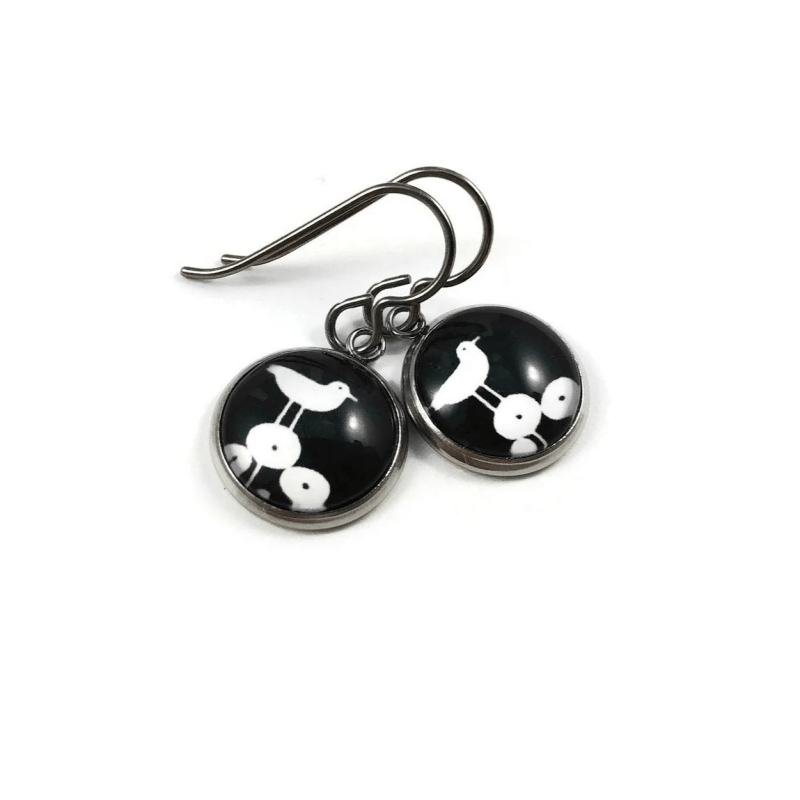
Stainless steel jewelry is a popular choice for many due to its sleek appearance and durability. However, a common concern many potential buyers have is whether stainless steel jewelry tarnishes over time. In this article, we’ll dive deep into the factors that influence tarnishing, how stainless steel stands up to other metals in terms of tarnishing, and what steps can be taken to ensure your jewelry remains in top condition for years to come.
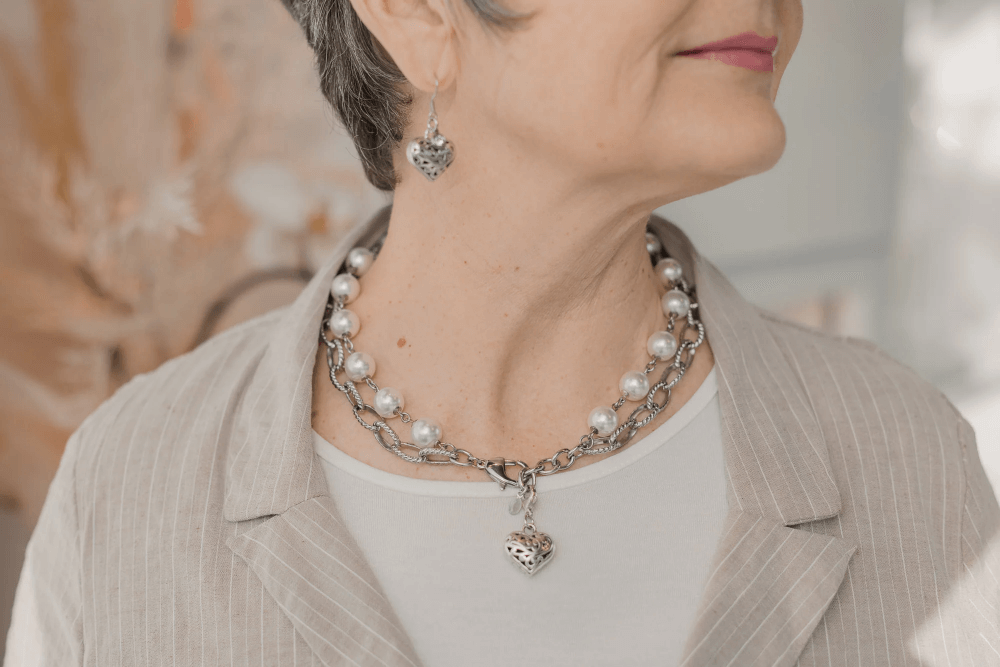
What is Stainless Steel Jewelry?
Stainless steel jewelry refers to items crafted from an alloy primarily made of iron, chromium, and nickel. This metal is known for its strength, resistance to rust, and ability to withstand daily wear without losing its shine. It is commonly used in various jewelry forms such as rings, necklaces, bracelets, and watches.
Characteristics of Stainless Steel
Stainless steel is a non-corrosive, hypoallergenic material, making it a popular choice for jewelry. The inclusion of chromium in the alloy helps create a thin protective layer of oxide on the surface that prevents the metal from reacting with moisture and air, which is what causes tarnishing in other metals like silver and copper.
Durability and Appearance
Stainless steel is highly durable and resists many of the common causes of wear and tear. Unlike softer metals like silver or gold, it is much harder and more resistant to scratching and denting. Over time, with proper care, stainless steel maintains its shiny appearance and can continue looking brand new for years.
Why Stainless Steel is Popular
Stainless steel’s resistance to tarnishing is one of the main reasons it’s a favorite for jewelry. The ability to withstand exposure to moisture, heat, and harsh chemicals without significant damage makes it ideal for daily wear. Additionally, its affordability compared to precious metals like gold and platinum makes it accessible while still offering high-end aesthetics and functionality.
| Material | Common Uses | Tarnish Resistance | Durability |
|---|---|---|---|
| Stainless Steel | Rings, Bracelets, Watches | High | Excellent |
| Silver | Necklaces, Earrings | Moderate | Good |
| Gold | Rings, Chains | Low | Good |
| Copper | Bracelets, Earrings | High | Moderate |
Understanding Tarnishing in Jewelry
Tarnishing is a process that occurs when metals react with air, moisture, or chemicals in their environment. This leads to the formation of a thin layer of corrosion on the surface, which often results in a dull, discolored appearance. While some metals are more prone to tarnishing, others, like stainless steel, are much more resistant.
How Tarnishing Happens
When a metal is exposed to oxygen and moisture, oxidation occurs, causing the metal to develop a tarnished layer. For metals like silver, this process happens quickly, especially when exposed to sulfur or moisture. In contrast, stainless steel features chromium, which forms a thin, protective oxide layer that shields the underlying metal from environmental damage.
Why Tarnishing Occurs
Tarnishing is primarily caused by the reaction between metals and sulfur compounds in the air. Metals such as copper, silver, and brass are particularly susceptible to tarnishing because they don’t have the protective coating that stainless steel does. Tarnishing can also be accelerated by factors like humidity, sweat, and exposure to certain chemicals, such as perfumes or cleaning products.
| Cause of Tarnishing | Affected Metals | Effect on Jewelry |
|---|---|---|
| Air Exposure | Silver, Copper | Dulling, discoloration |
| Humidity | Silver, Copper, Brass | Increased tarnish |
| Sulfur Compounds | Silver, Copper | Darkening of the surface |
Does Stainless Steel Tarnish?
Stainless steel is known for its high resistance to tarnishing compared to other metals. This is largely due to the chromium content, which forms a passive layer that protects the steel from oxidation. Unlike other metals such as silver, gold, and copper, stainless steel can maintain its luster and finish for much longer.
Why Stainless Steel Doesn’t Tarnish Easily
The unique composition of stainless steel gives it remarkable resistance to tarnishing. The chromium reacts with oxygen to create a layer of chromium oxide, which prevents the steel from reacting with moisture or sulfur in the air. This self-healing property is what makes stainless steel jewelry so durable and resistant to tarnishing.
How Stainless Steel Jewelry Holds Up
Even with prolonged exposure to moisture, sweat, and everyday chemicals, stainless steel jewelry does not tarnish easily. However, this does not mean that stainless steel jewelry is immune to damage. It can still be scratched or lose its shine over time if not properly cared for, but tarnishing is not a common issue.
| Property | Stainless Steel | Other Metals |
|---|---|---|
| Tarnishing Resistance | Very High | Low |
| Durability | High | Moderate to Low |
| Maintenance | Low | High |
Factors That Affect Tarnishing in Stainless Steel Jewelry
While stainless steel is highly resistant to tarnishing, there are factors that may accelerate wear or affect its appearance over time. Understanding these factors can help you take the necessary precautions to ensure your jewelry stays in top condition.
Environmental Exposure
Environmental factors such as humidity and air pollution can affect stainless steel jewelry. High levels of sulfur in the air, particularly in urban areas, can cause tarnishing even in stainless steel. Additionally, exposure to harsh chemicals such as bleach, chlorine, or acids can cause discoloration or damage to the surface of the jewelry.
Physical Wear
Stainless steel is highly durable, but repeated physical wear can cause scratches, which may dull the surface and give the jewelry an aged look. This is especially true for jewelry worn on a daily basis, such as rings and bracelets, where constant friction with clothing or other surfaces can cause minor abrasions.
Storage Conditions
Improper storage of stainless steel jewelry can also lead to tarnishing or wear. Storing jewelry in humid or damp environments, such as bathrooms, or leaving it exposed to air for extended periods can increase the likelihood of tarnishing.
| Factor | Effect on Tarnishing | Prevention Tip |
|---|---|---|
| Humidity | Accelerates tarnishing | Store in a dry place |
| Sweat | May cause discoloration | Clean jewelry regularly |
| Harsh Chemicals | Can damage the surface | Avoid contact with chemicals |
Common Misconceptions About Stainless Steel Jewelry Tarnishing
There are several myths surrounding stainless steel jewelry and its resistance to tarnishing. These misconceptions can lead to confusion and misinformed expectations about how the metal behaves over time.
Myth 1: Stainless Steel Never Tarnishes
While stainless steel is highly resistant to tarnishing, it is not immune. Under certain conditions, such as exposure to harsh chemicals or prolonged moisture, tarnishing can still occur. However, compared to other metals, the rate of tarnishing is much slower.
Myth 2: Stainless Steel Is Impervious to Corrosion
Stainless steel is highly resistant to corrosion, but it is not completely impervious. Factors such as exposure to highly corrosive substances or extreme temperatures can cause degradation of the metal. However, this is uncommon in everyday wear and tear.
Myth 3: Tarnishing Indicates Poor Quality Stainless Steel
Tarnishing in stainless steel does not necessarily indicate poor quality. High-quality stainless steel is still susceptible to tarnishing under certain conditions. It’s important to differentiate between tarnishing caused by environmental factors and defects in the metal itself.
| Myth | Fact |
|---|---|
| Stainless steel never tarnishes | Stainless steel tarnishes under extreme conditions |
| Stainless steel is impervious to corrosion | It is highly resistant but not immune |
| Tarnishing means poor quality | Tarnishing can occur even with high-quality steel |
How to Prevent Tarnishing in Stainless Steel Jewelry
While stainless steel jewelry is resistant to tarnishing, it can still benefit from regular care and attention to maintain its shine and durability.
Proper Care and Cleaning
Regular cleaning is essential to keep stainless steel jewelry looking new. Use a mild soap solution and warm water to clean your jewelry, avoiding harsh chemicals that can damage the surface. A soft cloth or microfiber towel can be used to buff the jewelry to restore its shine.
Storage Tips
Proper storage can significantly reduce the chances of tarnishing. Always store your jewelry in a dry, cool place, preferably in a fabric-lined box or a soft pouch. Avoid storing jewelry in humid areas such as bathrooms or near windows where it is exposed to direct sunlight.
Protective Measures
Applying a thin layer of jewelry polish can provide a protective coating that helps prevent oxidation and tarnishing. Additionally, avoid wearing your jewelry when swimming or engaging in activities that may expose it to chemicals like chlorine or saltwater.
| Prevention Method | Benefits |
|---|---|
| Regular Cleaning | Maintains shine and prevents tarnish |
| Proper Storage | Reduces exposure to humidity and chemicals |
| Jewelry Polish | Provides a protective layer against tarnishing |
What to Do if Stainless Steel Jewelry Tarnishes?
If your stainless steel jewelry shows signs of tarnishing, there are simple steps you can take to restore its original luster.
Cleaning Tarnished Stainless Steel
Use a mild abrasive like baking soda mixed with water to create a paste. Apply this paste gently to the tarnished areas using a soft cloth, then rinse thoroughly with water. For stubborn tarnish, consider using a specialized jewelry cleaner designed for stainless steel.
Commercial Cleaning Solutions
There are commercial cleaning solutions available that are safe for stainless steel. These solutions typically contain mild abrasives or solvents that help remove tarnish without damaging the metal. Always follow the manufacturer’s instructions when using these products.
Professional Help
If the tarnish persists or the jewelry has significant damage, consider seeking professional cleaning or restoration services. Jewelers can often restore stainless steel jewelry to its original shine.
| Solution | Best For |
|---|---|
| Baking Soda Paste | Mild tarnishing or discoloration |
| Commercial Cleaners | Stubborn tarnish removal |
| Professional Help | Severe damage or heavy tarnish |
Stainless Steel Jewelry vs. Other Metals
When comparing stainless steel jewelry to other common metals used in jewelry making, stainless steel stands out for its tarnish resistance and durability.
Stainless Steel vs. Silver
While silver is a beautiful and popular metal for jewelry, it is highly prone to tarnishing. Silver reacts with sulfur in the air, which causes discoloration. Stainless steel, on the other hand, maintains its appearance much longer and requires less maintenance.
Stainless Steel vs. Gold
Gold is another popular choice for jewelry, but it is more expensive and less durable than stainless steel. Gold can tarnish or scratch over time, especially in lower karat varieties. Stainless steel offers a more affordable and practical alternative while maintaining an attractive appearance.
Stainless Steel vs. Titanium
Titanium is another durable metal used in jewelry, similar to stainless steel. However, titanium is more lightweight and resistant to scratching but tends to be more expensive than stainless steel. While both metals are resistant to tarnishing, stainless steel is often preferred for its affordability.
| Metal | Tarnish Resistance | Durability | Cost |
|---|---|---|---|
| Stainless Steel | High | High | Low |
| Silver | Low | Moderate | Low |
| Gold | Low | Moderate | High |
| Titanium | High | Very High | Moderate |
Can Stainless Steel Jewelry Turn Colors Over Time?
While stainless steel is known for its tarnish resistance, it can change color under certain conditions. Over time, exposure to chemicals, moisture, and wear can cause discoloration.
Causes of Color Changes
Discoloration in stainless steel is typically caused by exposure to sulfur or chlorine in the air or chemicals. This can lead to a slight yellowing or darkening of the surface. However, this is rare and can often be prevented with proper care.
Preventing Color Change
To prevent color changes, it’s important to keep stainless steel jewelry clean and dry. Avoid wearing it when swimming or engaging in activities that expose the jewelry to harsh chemicals. Regular maintenance and proper storage are key to preserving its color.
| Cause of Color Change | Prevention Tip |
|---|---|
| Exposure to Sulfur | Store in a dry place |
| Chemical Exposure | Remove before swimming |
| Abrasions | Regular cleaning and polishing |
How to Spot High-Quality Stainless Steel Jewelry
When purchasing stainless steel jewelry, it’s important to recognize high-quality items that are built to last.
Key Indicators of Quality
High-quality stainless steel jewelry should feel solid and heavy, indicating it is made from high-grade metal. Look for the 316L grade stainless steel, which is highly resistant to tarnishing and corrosion. Additionally, check for smooth finishes and polished surfaces, as these are signs of good craftsmanship.
Signs of Low-Quality Stainless Steel
Low-quality stainless steel jewelry may appear lightweight or poorly finished. Look out for sharp edges, uneven surfaces, or any signs of corrosion or discoloration. These are indicators that the jewelry may not be made from high-quality materials.
| Indicator | High-Quality Stainless Steel | Low-Quality Stainless Steel |
|---|---|---|
| Weight | Solid and heavy | Light or flimsy |
| Finish | Smooth, polished | Rough or uneven |
| Corrosion | No signs of damage | Rust or discoloration |
The Role of Maintenance in Long-Term Jewelry Care
Regular maintenance is essential for keeping your stainless steel jewelry in top condition for years. Routine cleaning, storage, and inspection can help preserve its appearance and prevent issues like tarnishing or discoloration.
Why Maintenance Matters
Jewelry maintenance is not only about cleaning but also involves checking for signs of damage or wear. Keeping jewelry free from dust, grime, and chemicals helps preserve its look and ensures it lasts longer.
Long-Term Care Tips
To maintain the luster of your stainless steel jewelry, clean it regularly using mild soap and water. Avoid exposure to harsh chemicals, and store it in a dry, cool place. Regularly inspect your jewelry for signs of wear, and address any issues promptly.
| Maintenance Tip | Benefit |
|---|---|
| Regular Cleaning | Preserves appearance |
| Proper Storage | Prevents tarnishing |
| Routine Inspections | Detects early signs of damage |
Customer Testimonials and Expert Opinions on Stainless Steel Jewelry Tarnishing
Customer feedback and expert advice can help provide a clearer understanding of how stainless steel jewelry performs over time.
Customer Experiences
Many customers find stainless steel jewelry to be an excellent choice for daily wear due to its durability and tarnish resistance. Customers often praise the affordability and low-maintenance nature of stainless steel.
Expert Insights
Jewelry experts agree that stainless steel is an excellent choice for those looking for a long-lasting, low-maintenance option. They recommend regular cleaning and proper storage to maximize the longevity of stainless steel jewelry.
| Source | Testimonial/Opinion |
|---|---|
| Customer | “Stainless steel jewelry is my go-to for everyday wear. It stays shiny and requires little care.” |
| Expert | “For those seeking durable, tarnish-resistant jewelry, stainless steel is an ideal option.” |
Conclusion
In conclusion, stainless steel jewelry is highly resistant to tarnishing, making it a practical and attractive option for long-term wear. While tarnishing can occur under certain conditions, the durability and ease of maintenance make stainless steel a reliable choice. By following proper care and maintenance techniques, you can ensure your stainless steel jewelry remains in top condition for years.
FAQ Section
- Does all stainless steel jewelry tarnish eventually?
- No, stainless steel is highly resistant to tarnishing, though prolonged exposure to harsh chemicals or extreme conditions can cause discoloration.
2. How can I tell if my stainless steel jewelry is of good quality?
- High-quality stainless steel jewelry should feel solid and heavy, with a smooth, polished finish and no signs of corrosion.
3. What cleaning products are safe for stainless steel jewelry?
- Use mild soap and water or a specialized stainless steel cleaner. Avoid harsh chemicals or abrasives that can damage the surface.
4. Can I wear my stainless steel jewelry in the shower or pool?
- While stainless steel is resistant to water, it’s best to avoid prolonged exposure to chlorine or saltwater to preserve its appearance.
5. How long does stainless steel jewelry last before showing signs of tarnish?
- Stainless steel jewelry can last many years without tarnishing, as long as it’s properly cared for and not exposed to harsh chemicals.