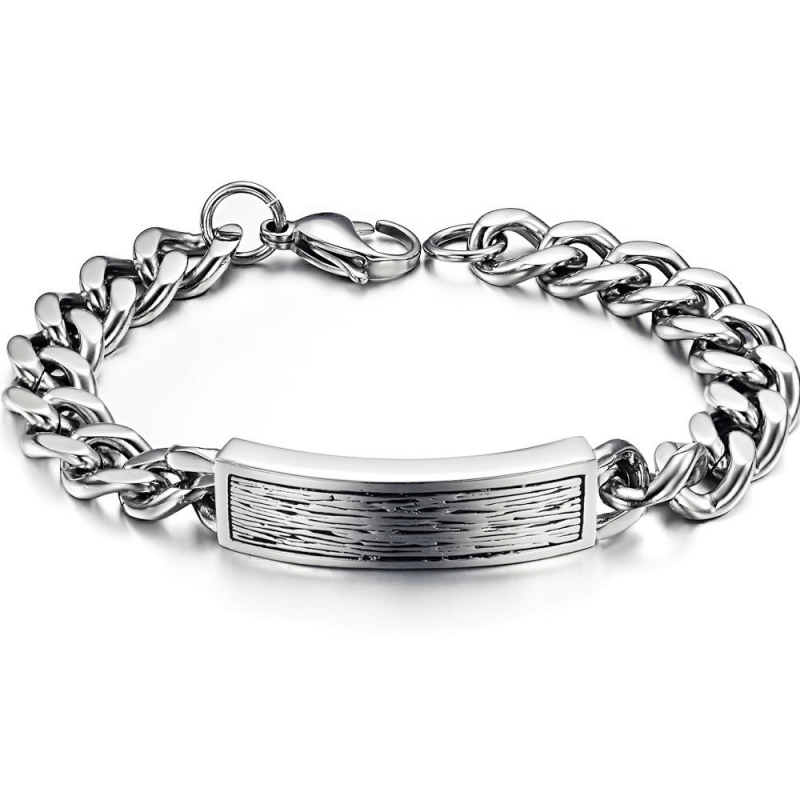
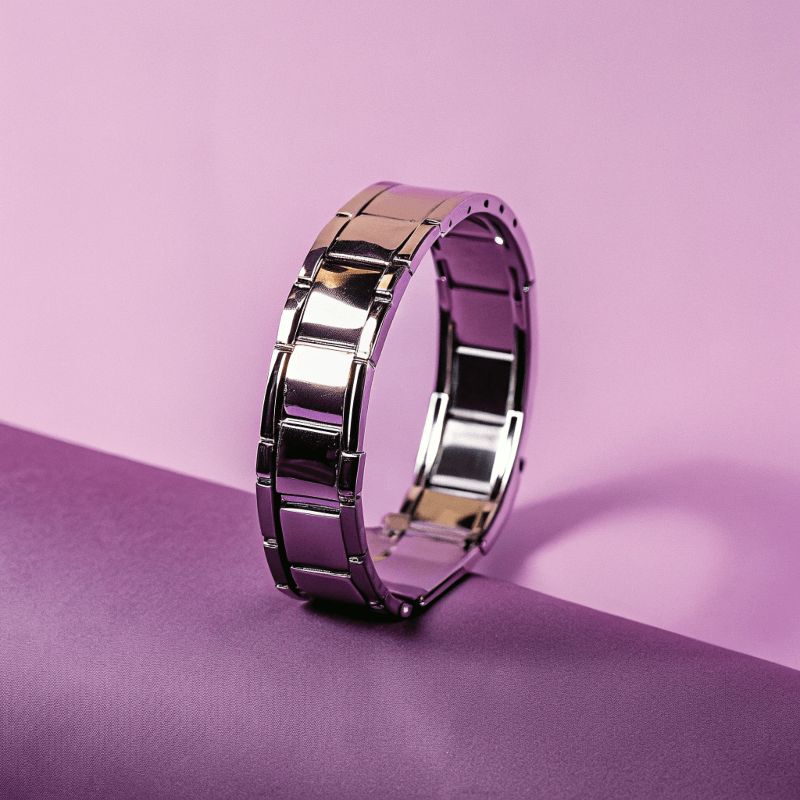
When it comes to jewelry, one of the biggest concerns for people with sensitive skin is whether the material will cause irritation. Stainless steel jewelry is often touted as a hypoallergenic option, but is it really safe for those with skin sensitivities? In this article, we’ll dive into the facts about stainless steel jewelry, what makes it a good choice for sensitive skin, and why it has become a popular option for those looking for hypoallergenic jewelry. So, let’s explore whether stainless steel is truly the best option for your skin and how it compares to other materials.
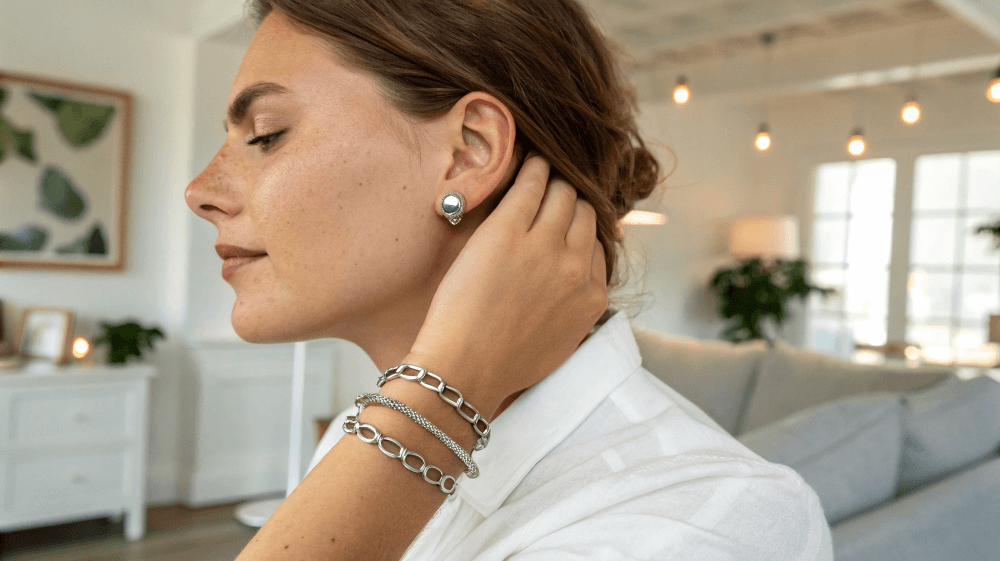
1. What Makes Stainless Steel Jewelry Hypoallergenic?
So, what exactly makes stainless steel jewelry hypoallergenic? Here’s the deal: the term hypoallergenic means that the material is unlikely to cause an allergic reaction. Stainless steel is often considered a hypoallergenic metal due to its unique composition. It’s primarily made of iron, carbon, and chromium, with small amounts of nickel and other metals added for strength and durability. However, the key to its hypoallergenic nature lies in the type and amount of nickel used. While nickel can be a common allergen, high-quality stainless steel, such as 316L stainless steel, has very low levels of nickel, reducing the risk of irritation.
For individuals with skin sensitivities, this low nickel content makes stainless steel a safer choice compared to metals like gold or silver, which may contain higher levels of nickel and other irritants. But here’s the kicker: even though stainless steel jewelry is generally hypoallergenic, it’s still important to consider other factors like the manufacturing process and any coatings or treatments applied to the jewelry.
Another reason stainless steel is a great option is its durability. Unlike other materials, it doesn’t corrode or tarnish easily, meaning it won’t release harmful particles onto your skin. Plus, its resistance to rust makes it perfect for everyday wear, especially for those who might have skin that reacts to moisture.
| Key Properties of Hypoallergenic Jewelry | Stainless Steel | Other Metals (e.g., Nickel) |
|---|---|---|
| Nickel Content | Low | High |
| Corrosion Resistance | High | Low |
| Durability | High | Moderate |
| Risk of Allergic Reactions | Low | High |
2. How Does Stainless Steel Compare to Other Metals in Terms of Allergies?
What makes stainless steel stand out from other jewelry metals when it comes to allergic reactions? This is where it gets interesting: compared to metals like nickel, copper, and brass, stainless steel tends to cause fewer allergic reactions. Nickel, which is commonly found in cheaper jewelry, is known to be a leading cause of skin allergies. In fact, nickel allergies are so common that many countries require products containing nickel to carry a warning label. On the other hand, high-quality stainless steel contains very low levels of nickel or none at all, making it a better choice for those with sensitive skin.
When comparing stainless steel to other popular jewelry metals, it’s clear that stainless steel offers a significant advantage. For example, gold jewelry often contains alloy metals like nickel, zinc, or copper, which can cause allergic reactions in some people. Even sterling silver, which is generally regarded as a safe option, can sometimes cause irritation due to the presence of copper or other metals. So, what’s the real story? If you’re looking for jewelry that is both stylish and safe for sensitive skin, stainless steel is one of the best choices available.
In fact, some people even prefer stainless steel jewelry because it offers the same aesthetic appeal as more expensive metals, like platinum or gold, but at a much lower price point. With its sleek, modern look and durability, stainless steel jewelry has gained popularity not just for its hypoallergenic properties but also for its aesthetic and cost benefits.
| Metal Type | Common Allergens | Allergy Risk |
|---|---|---|
| Stainless Steel | Nickel (in small amounts) | Low |
| Gold (14k or 18k) | Nickel, Copper | Moderate |
| Sterling Silver | Copper, Zinc | Moderate |
| Titanium | None | Very Low |
3. Is Stainless Steel Jewelry Safe for Sensitive Skin?
So, how safe is stainless steel jewelry for sensitive skin? Well, most people with sensitive skin find stainless steel to be a great alternative to other materials that might cause irritation. The key to its safety is the composition of the metal, which is specifically designed to minimize the risk of skin reactions. However, just because stainless steel is considered hypoallergenic doesn’t mean that it’s entirely free from potential irritants.
Ready for the good part? The real reason stainless steel is so safe is due to its ability to resist corrosion and tarnishing. These factors are crucial when it comes to jewelry that will be in direct contact with the skin. When jewelry tarnishes or corrodes, it can release small particles or chemicals that may irritate the skin. Stainless steel, however, maintains its integrity even after prolonged exposure to moisture, sweat, and other environmental factors.
But here’s the kicker: while the metal itself is hypoallergenic, certain coatings or treatments applied to the jewelry can cause irritation. Some lower-quality stainless steel jewelry may have a coating or finish that contains nickel or other allergens, which could potentially cause a reaction. Therefore, it’s essential to choose high-quality stainless steel jewelry, preferably made from 316L or similar materials.
| Stainless Steel Grade | Nickel Content | Allergy Risk |
|---|---|---|
| 304 | Low | Low |
| 316L | Very Low | Very Low |
| 430 | Moderate | Moderate |
4. Can You Be Allergic to Stainless Steel Jewelry?
So, can you actually be allergic to stainless steel jewelry? The answer is yes, but it’s quite rare. While stainless steel is widely considered to be hypoallergenic, some people may still experience irritation due to sensitivity to other metals that are sometimes used in the alloy. For example, people who are highly sensitive to nickel might still experience a mild reaction to lower-quality stainless steel, especially if the alloy contains higher levels of nickel. However, this is not common.
What’s the real story? If you have sensitive skin or are prone to metal allergies, it’s always a good idea to choose high-quality, nickel-free stainless steel jewelry. Look for jewelry that is specifically labeled as hypoallergenic or nickel-free to ensure the lowest possible risk of irritation. Additionally, if you have a known allergy to specific metals, it’s best to test a small piece of jewelry before committing to larger items like necklaces or rings.
While allergic reactions to stainless steel jewelry are uncommon, it’s important to be aware of your skin’s unique needs. If you do experience a reaction, it may be due to a specific alloy used in the jewelry or a coating that irritates your skin. If you’re unsure about your sensitivity to stainless steel, consulting with a dermatologist can help you make an informed decision.
| Common Allergies Related to Jewelry | Symptoms |
|---|---|
| Nickel Allergy | Redness, Itching, Rashes |
| Copper Allergy | Green discoloration, Skin irritation |
| Gold Allergy | Rash, Swelling |
5. What Types of Stainless Steel are Best for Jewelry?
Here’s the deal: not all stainless steel is created equal. While stainless steel is generally a safe and hypoallergenic material, the quality can vary depending on the grade. Different types of stainless steel contain varying amounts of alloy metals, including nickel, chromium, and other elements. So, which type of stainless steel is best for jewelry?
For those with sensitive skin, 316L stainless steel is widely regarded as the safest option. This grade of stainless steel is specifically designed for medical and jewelry use, as it contains very low levels of nickel and is highly resistant to corrosion and tarnishing. It’s the go-to choice for high-quality, hypoallergenic jewelry that can be worn comfortably by those with sensitive skin. Ready for the good part? Stainless steel jewelry made from 316L is not only safe for the skin but also long-lasting and affordable.
Other grades of stainless steel, such as 304 and 430, are still good options for general use but may contain slightly higher levels of nickel or other metals. If you want to ensure the highest level of safety for sensitive skin, 316L is the clear winner.
| Stainless Steel Grade | Common Uses | Nickel Content |
|---|---|---|
| 304 | General jewelry, Kitchenware | Low |
| 316L | High-end jewelry, Medical devices | Very Low |
| 430 | Household items, Decorative purposes | Moderate |
6. Why Is Stainless Steel Jewelry Popular?
What’s the big draw of stainless steel jewelry? Well, stainless steel has earned its place in the jewelry market due to its unique combination of durability, affordability, and aesthetic appeal. Unlike other metals, stainless steel doesn’t tarnish or corrode, making it a perfect choice for everyday wear. It’s resistant to rust, scratches, and fading, which means your jewelry will maintain its shine for years to come.
But here’s the kicker: stainless steel jewelry is not only durable but also stylish. It’s available in a wide range of designs, from simple and sleek to intricate and bold. Plus, it’s a much more affordable alternative to precious metals like gold or platinum, allowing you to get the same look without the hefty price tag.
For people with sensitive skin, the hypoallergenic properties of stainless steel make it an even more attractive option. Since it’s less likely to cause irritation, it’s the perfect material for everyday jewelry, including rings, bracelets, necklaces, and earrings.
| Key Benefits of Stainless Steel Jewelry | Durability | Affordability | Aesthetic Appeal |
|---|---|---|---|
| Tarnish Resistance | High | Moderate | Modern and sleek |
| Corrosion Resistance | High | High | Versatile |
| Hypoallergenic Properties | Low Risk | Affordable | Trendy designs |
7. How Long Does Stainless Steel Jewelry Last?
So, how long can you expect your stainless steel jewelry to last? Well, the durability of stainless steel jewelry is one of its most significant advantages. Unlike other materials like silver or gold, which can tarnish or corrode over time, stainless steel is incredibly resilient. It resists rust, tarnishing, and discoloration, meaning it can maintain its appearance for years with minimal maintenance.
The real magic happens because of stainless steel’s composition. The chromium content in stainless steel forms a passive layer of chromium oxide that protects the metal from oxidation and environmental wear. This makes stainless steel an ideal material for people who wear jewelry every day. Ready for the good part? Since stainless steel doesn’t corrode or rust easily, it’s perfect for people who have active lifestyles and exposure to water or moisture.
That being said, while the metal itself is durable, jewelry can still be subject to damage if not cared for properly. Scratches can occur, and harsh chemicals can damage the surface. But with regular cleaning and care, stainless steel jewelry can last for decades without losing its luster. Think about it this way: investing in stainless steel jewelry is investing in durability, longevity, and peace of mind.
| Durability of Stainless Steel Jewelry | Resistance to Rust | Maintenance Required |
|---|---|---|
| Very High | Excellent | Low |
| Moderate | Good | Moderate |
| Low | Poor | High |
8. What Are the Signs of an Allergy to Stainless Steel Jewelry?
Here’s the kicker: while stainless steel jewelry is often considered hypoallergenic, some people might still experience irritation. This could happen due to the presence of nickel in the alloy or coatings used on cheaper stainless steel jewelry. So, how can you tell if your stainless steel jewelry is causing a reaction? Well, the most common signs of an allergy include redness, itching, swelling, or rashes on the skin where the jewelry comes into contact. In some cases, you might even experience blistering or irritation that worsens with continued wear.
What’s the real story? The key here is to pay attention to how your skin reacts over time. If you notice any of the above symptoms after wearing stainless steel jewelry, it’s important to remove the jewelry immediately and consult a dermatologist. However, these reactions are typically rare, especially with high-quality stainless steel like 316L, which has low levels of nickel.
To help avoid skin irritation, make sure to choose jewelry made from high-quality stainless steel and follow the manufacturer’s care instructions. Additionally, cleaning your jewelry regularly can help remove any dirt or buildup that might irritate the skin.
| Symptoms of Jewelry Allergy | Redness | Swelling | Itching | Blistering |
|---|---|---|---|---|
| Mild Allergic Reaction | Yes | Yes | Yes | No |
| Severe Allergic Reaction | Yes | Yes | Yes | Yes |
| Non-Allergic Reaction (Normal Wear) | No | No | No | No |
9. How Do You Care for Stainless Steel Jewelry to Avoid Allergies?
Here’s the deal: caring for stainless steel jewelry is fairly simple, but doing so properly will help ensure it stays hypoallergenic. Regular cleaning is essential to avoid any potential buildup of oils, dirt, or sweat that can cause irritation. All you need is a mild soap solution and a soft cloth to clean the jewelry regularly. Avoid using harsh chemicals, as they can wear away the protective layer of chromium oxide that makes stainless steel resistant to corrosion.
Ready for the good part? Proper storage is just as important. When not wearing your stainless steel jewelry, make sure to store it in a cool, dry place away from humidity or extreme temperatures. A jewelry box with individual compartments is perfect for keeping your pieces protected from scratches and damage. For rings and bracelets, try removing them before washing hands, swimming, or engaging in physical activity, as prolonged exposure to moisture and chemicals can cause irritation.
By following these simple steps, you can ensure that your stainless steel jewelry remains safe for sensitive skin and keeps its shine for years to come. Maintenance is key to long-lasting wear, and it takes just a few minutes each month to keep your jewelry in top condition.
| Care Instructions for Stainless Steel Jewelry | Cleaning Method | Storage Tips |
|---|---|---|
| Regular Cleaning | Soap & water, soft cloth | Dry, cool place |
| Avoid Harsh Chemicals | No bleach, no harsh cleaners | Use individual compartments |
| Avoid Prolonged Exposure to Water | Remove before washing hands or swimming | Keep away from moisture |
10. Can Stainless Steel Jewelry Cause Rashes or Skin Irritation?
So, can stainless steel jewelry cause rashes or irritation? The short answer is that it’s rare, but it can happen. As mentioned earlier, most stainless steel jewelry is hypoallergenic, but lower-quality grades of stainless steel may contain higher amounts of nickel, which is a common allergen. This could lead to minor skin irritations, like rashes or itching, for those with sensitive skin or nickel allergies.
What’s the real story? If you experience a rash or irritation, it’s likely due to one of two factors: either the jewelry’s nickel content or a reaction to a coating applied to the jewelry. But here’s the kicker: when you choose high-quality stainless steel jewelry, such as 316L, which contains very low nickel content, the risk of irritation is minimized.
Another factor to consider is the way the jewelry is worn. For example, some people may develop skin irritation from wearing jewelry that’s too tight or doesn’t allow the skin to breathe. This can trap moisture and sweat, which may cause irritation, regardless of the material. If you’re experiencing discomfort, it’s important to consider all factors and not just the material itself.
| Causes of Skin Irritation from Jewelry | High Nickel Content | Tight Fit | Coating Reaction |
|---|---|---|---|
| Mild Irritation | Yes | Yes | No |
| Severe Irritation | Yes | Yes | Yes |
| No Irritation | No | No | No |
11. Are There Different Grades of Stainless Steel Jewelry?
Ready for the good part? Not all stainless steel is created equal, especially when it comes to jewelry. Stainless steel comes in various grades, each with different properties and suitability for specific applications. For jewelry, the best grade is 316L stainless steel, which is known for being highly resistant to corrosion, tarnishing, and scratching. It also contains very low levels of nickel, making it the most hypoallergenic option for sensitive skin.
What’s the real story? While 316L is the gold standard for hypoallergenic jewelry, other grades of stainless steel, like 304, are still widely used but may not offer the same level of resistance to tarnish or irritation. 304 stainless steel is commonly used in general jewelry and kitchenware, but it may contain higher amounts of nickel and other allergens, making it less ideal for people with sensitive skin.
By understanding the different grades of stainless steel, you can make an informed decision about which type of jewelry is best for you. When shopping for hypoallergenic jewelry, always check the grade to ensure you’re getting the best quality for your skin.
| Stainless Steel Grade | Nickel Content | Corrosion Resistance | Hypoallergenic Properties |
|---|---|---|---|
| 316L | Very Low | Excellent | Very Low |
| 304 | Low | Good | Moderate |
| 430 | Moderate | Fair | Moderate |
12. Can Stainless Steel Jewelry Be Custom-Made for Hypoallergenic Needs?
Yes, stainless steel jewelry can be customized to meet specific hypoallergenic needs. One of the benefits of stainless steel is that it’s a versatile material that can be shaped and formed into a wide range of jewelry designs. If you have sensitive skin, you can request that your stainless steel jewelry be made from high-quality 316L stainless steel, ensuring that the nickel content is as low as possible.
But here’s the kicker: customization options don’t end with just the metal grade. Many jewelers also offer coatings or finishes that further reduce the risk of irritation. For example, some jewelers apply a protective coating to the surface of the jewelry to create an additional barrier between the skin and the metal. This is a great option for those who want extra peace of mind, especially if they have known allergies to nickel or other metals.
If you have specific requirements for hypoallergenic jewelry, it’s important to work with a jeweler who understands the nuances of metal alloys and coatings. They can help you select the best materials and finishes for your needs, ensuring that your custom jewelry is both beautiful and safe for sensitive skin.
| Customization Option | Description | Allergy Protection |
|---|---|---|
| High-Quality 316L Stainless Steel | Nickel-free, hypoallergenic grade | Very Low |
| Protective Coatings | Additional layer to prevent irritation | Low |
| Custom Design | Personalized fit and finish | Moderate |
13. Does Stainless Steel Jewelry Contain Nickel?
Here’s the real story: one of the most common concerns with stainless steel jewelry is the presence of nickel, which can cause allergic reactions for some people. Nickel is often used in stainless steel to improve the strength and durability of the metal, but its presence can be a problem for those with nickel allergies. However, not all stainless steel jewelry contains the same amount of nickel, and this is where understanding the different grades of stainless steel becomes crucial.
Ready for the good part? Stainless steel jewelry made from 316L stainless steel is the safest option for those with nickel sensitivities. This particular grade has very low levels of nickel, making it an excellent choice for hypoallergenic jewelry. However, cheaper grades like 304 stainless steel may contain higher amounts of nickel, which could lead to irritation or rashes for those with sensitive skin.
The bottom line is that if you’re concerned about nickel, look for jewelry that’s labeled as “nickel-free” or specifically made from 316L stainless steel. It’s worth noting that even some jewelry that claims to be hypoallergenic may still contain trace amounts of nickel, so always check the specifications before making a purchase.
| Stainless Steel Grade | Nickel Content | Alloy Composition |
|---|---|---|
| 316L | Very Low | Nickel, Chromium |
| 304 | Low | Nickel, Chromium |
| 430 | Moderate | Iron, Chromium |
14. How Can You Test if Stainless Steel Jewelry is Hypoallergenic?
What’s the real story? Testing stainless steel jewelry for hypoallergenic properties is an important step for those with sensitive skin. While you can’t always tell just by looking at the metal, there are a few ways to test whether your stainless steel jewelry is truly hypoallergenic.
The best way to determine whether stainless steel jewelry is hypoallergenic is by looking at the grade. As we mentioned earlier, 316L stainless steel is the best choice for people with sensitive skin. You can often find this grade of stainless steel in higher-quality jewelry that’s marketed as hypoallergenic. Additionally, some manufacturers use specific certifications or labeling to indicate that their jewelry is free of nickel or other allergens.
But here’s the kicker: if you’re unsure, there are some DIY methods for testing metal allergies at home. One method involves wearing the jewelry for a few days and monitoring for any signs of irritation. If you experience itching, redness, or rashes, it’s a sign that the jewelry may not be suitable for your skin. For more sensitive or persistent reactions, it’s advisable to seek professional testing from a dermatologist.
| Testing Method | Description | Effectiveness |
|---|---|---|
| Wear Test | Wear the jewelry for a few days and monitor reactions | Moderate |
| Nickel Testing Kits | Purchase a kit to test for nickel content | High |
| Professional Testing | Consult a dermatologist for patch testing | Very High |
15. What Other Jewelry Materials Are Hypoallergenic?
So, what are the alternatives to stainless steel if you’re looking for hypoallergenic jewelry? While stainless steel is an excellent choice, there are other materials that are known to be safe for people with sensitive skin. One such material is titanium, which is incredibly strong, lightweight, and hypoallergenic. Titanium is known for being resistant to corrosion, tarnishing, and oxidation, making it a great option for long-lasting jewelry.
Ready for the good part? Another excellent hypoallergenic option is platinum. This precious metal is naturally resistant to corrosion and has a very low risk of causing allergic reactions, which is why it’s often used in wedding bands and engagement rings. However, platinum can be expensive compared to stainless steel, which is one of the reasons stainless steel remains a popular choice for those seeking an affordable yet hypoallergenic alternative.
Gold, especially 24K gold, is another option for hypoallergenic jewelry, but many gold jewelry pieces are alloyed with metals like copper, nickel, or silver, which can cause irritation. To avoid allergic reactions, it’s best to opt for pure gold or gold that’s labeled as hypoallergenic. For those who prefer non-metal options, ceramic or silicone jewelry is also hypoallergenic, offering unique and stylish designs without the risk of irritation.
| Hypoallergenic Jewelry Materials | Pros | Cons |
|---|---|---|
| Titanium | Strong, lightweight, durable | Can be difficult to resize |
| Platinum | Non-reactive, luxurious | Expensive |
| Pure Gold (24K) | Soft, beautiful, non-reactive | Can tarnish, not as durable |
| Ceramic or Silicone | Lightweight, affordable | Limited design options |
Conclusion
To conclude, stainless steel jewelry offers a fantastic solution for individuals with sensitive skin looking for an affordable and durable option. With its hypoallergenic properties, especially when made from high-quality 316L stainless steel, it provides a safe and stylish alternative to more expensive metals. It’s resistant to tarnish and corrosion, and its low nickel content reduces the likelihood of allergic reactions. Stainless steel jewelry not only meets the needs of those with skin sensitivities but also offers a sleek, modern look that can stand the test of time. If you’re considering upgrading your jewelry collection, stainless steel is an excellent choice that checks all the boxes for both style and safety.
FAQ Section
Q1: What is hypoallergenic jewelry?
Hypoallergenic jewelry is designed to minimize the risk of allergic reactions. It is made from materials that are less likely to irritate the skin, such as stainless steel, titanium, and certain types of gold.
Q2: How does stainless steel jewelry compare to other jewelry metals?
Stainless steel is less likely to cause allergic reactions compared to metals like nickel, brass, and copper, making it a popular choice for people with sensitive skin.
Q3: Can stainless steel jewelry cause skin irritation?
While rare, some people may experience irritation or allergic reactions to stainless steel, especially if the jewelry contains nickel or other alloys that are not hypoallergenic.
Q4: How can I tell if my stainless steel jewelry is hypoallergenic?
Look for jewelry made from high-quality stainless steel, such as 316L grade, which is known for being hypoallergenic. You can also check if it is labeled nickel-free.
Q5: What is the best way to care for stainless steel jewelry?
To keep stainless steel jewelry in top condition, clean it regularly with a mild soap solution and store it in a dry, cool place. Avoid exposure to harsh chemicals and remove jewelry before swimming or showering.