Jewelry often has subtle yet significant distinctions that can leave customers puzzled when choosing between different designs. One such confusion arises when it comes to pendants, drops, and charms. So, what’s the difference between them? Understanding the unique characteristics of each can help guide your buying decisions.
In short, pendants, drops, and charms are three different types of jewelry elements that serve distinct purposes in various designs. The key difference lies in their shapes, how they hang, and the intended use. Let’s dive deeper into what sets them apart and how they can be used to enhance your jewelry collections.
If you’ve ever wondered whether you should use a pendant or a charm in your next jewelry piece, or whether a drop earring would work better than a pendant necklace, keep reading as we break down each element for you.
1. What Are Pendants, Drops, and Charms?
Jewelry can often be categorized into different components based on their design and purpose. Pendants, drops, and charms are some of the most common terms in the jewelry world. But what exactly defines them?
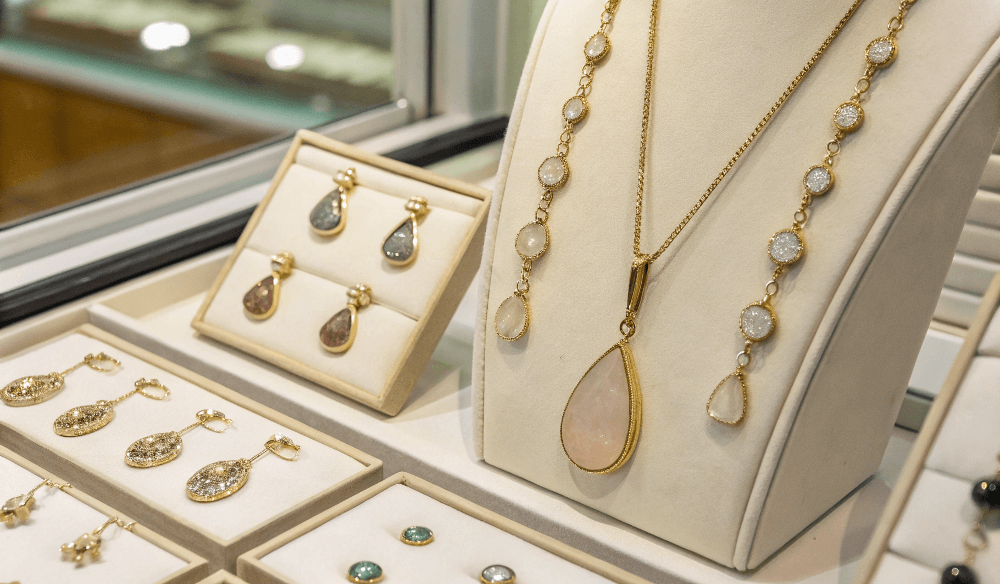
A pendant is a piece of jewelry that typically hangs from a chain, cord, or necklace. Pendants are often larger and more ornate, designed to make a bold statement. They are commonly used in necklaces, though they can also be found in earrings or bracelets. The pendant can feature a wide variety of materials, from gemstones and diamonds to beads and metals, each adding unique flair.
A drop refers to any jewelry component that dangles or hangs, typically from earrings, but can also appear in pendants. What makes a drop distinct is its shape and size—drops are often sleek, lightweight, and smaller in comparison to pendants. The term “drop” often conjures images of delicate earrings where a single piece dangles beneath the earlobe.
Charms, on the other hand, are small, decorative elements that can be attached to various types of jewelry, like bracelets, necklaces, or even rings. Charms are versatile, personal, and often carry sentimental value. They come in a range of sizes and designs, such as hearts, stars, animals, and initials, and can be added or removed as desired.
Summary Table: Differences between Pendants, Drops, and Charms
| Feature | Pendants | Drops | Charms |
|---|---|---|---|
| Size | Larger and more ornate | Smaller, delicate | Small, customizable |
| Use | Primarily for necklaces, can be on bracelets | Usually used in earrings, sometimes in necklaces | Worn on bracelets, necklaces, or rings |
| Attachment | Hangs from a chain or cord | Dangles freely, often in earrings | Can be added or removed easily |
| Design | Often detailed and bold | Sleek and simple | Customizable with personal elements |
2. How Are Pendants Different from Drops and Charms?
Now that we know what each of these components is, let’s explore how pendants, drops, and charms differ in terms of design, function, and usage.
Pendants are typically designed to be the focal point of the piece, often large and eye-catching. They are the centerpiece of necklaces, offering a visual weight that adds dimension to the piece. Drops, in contrast, are typically smaller and more delicate, often used to add subtle elegance to earrings. They are designed to dangle and sway gently, offering motion in the jewelry. Charms are the most customizable element and are often used for personalization, allowing the wearer to create unique jewelry pieces by attaching charms to bracelets or necklaces.
This distinction becomes even more apparent when we look at how they fit into different styles. Pendants work well for formal and statement-making pieces, while drops are ideal for adding understated charm to a look. Charms, meanwhile, are perfect for personalization, giving the wearer the freedom to express their individual style.
Summary Table: Function and Design Differences
| Feature | Pendants | Drops | Charms |
|---|---|---|---|
| Design Intent | Statement-making focal point | Elegant, delicate design | Personalization & customization |
| Use in Jewelry | Necklaces, some earrings | Primarily earrings | Bracelets, necklaces, rings |
| Size | Larger, bold | Smaller, subtle | Small and versatile |
| Best for | Formal occasions, statement pieces | Casual or elegant earrings | Customizing jewelry pieces |
3. What Are the Different Types of Pendants?
Pendants come in a variety of styles, materials, and sizes, offering something for everyone. Whether you’re looking for something simple or elaborate, the range of pendant designs available means there’s a pendant for any occasion.
Pendants can be broadly categorized into different types based on their design, size, and function. Some popular pendant designs include gemstone pendants, religious symbols, lockets, and even minimalist geometric designs. Each design carries a unique significance, style, and feel.
Gemstone pendants, for example, are commonly used to add a touch of elegance and color to jewelry. These pendants often feature precious or semi-precious stones, such as diamonds, emeralds, or sapphires, set in metals like gold or silver. These pendants can be worn casually or for more formal occasions depending on the style.
Religious and symbolic pendants often carry deep meaning and are chosen for their spiritual or cultural significance. Crosses, stars of David, and other faith-based symbols make up this category. These pendants are popular among those who wish to wear something meaningful or wish to gift a symbol of faith.
Lockets, another popular pendant style, are timeless pieces that allow wearers to store photos or small sentimental items inside. These pendants have been around for centuries and are often passed down as family heirlooms.
Summary Table: Types of Pendants
| Type | Description | Common Materials | Best For |
|---|---|---|---|
| Gemstone Pendants | Pendants featuring precious or semi-precious stones | Gold, Silver, Diamonds, Sapphires, Emeralds | Formal wear, everyday elegance |
| Religious Pendants | Symbolic pendants such as crosses, stars of David, etc. | Gold, Silver, Stainless Steel | Spiritual and meaningful gifts |
| Lockets | Small pendants that open to store photos or other items | Gold, Silver, Enamel | Sentimental gifts, heirlooms |
| Geometric Pendants | Simple, modern pendant designs featuring geometric shapes | Silver, Stainless Steel, Gold | Casual and contemporary style |
4. How Do Drops Differ from Other Jewelry Components?
Drops are unique because they are typically used in earrings but can also appear in pendants. What sets drops apart from other jewelry components is their lightweight and delicate nature.
In drop earrings, the drop is the piece of jewelry that hangs and often dangles just below the earlobe. Unlike pendants, which are often the focal point of a necklace, drops add movement and elegance, making them perfect for events where subtlety is key. While pendants can be bold and striking, drop earrings are designed to be more understated and can be worn with both casual and formal outfits.
Drop earrings typically feature a small piece of jewelry that dangles at the end of a hook or post. This adds an elegant and classic look to any outfit, especially when paired with the right necklace or bracelet. Additionally, drop earrings can come in various designs, including teardrop, round, or oval shapes, with different materials like diamonds, pearls, or beads.
Summary Table: Drops in Jewelry
| Feature | Drop Earrings | Comparison with Pendants | Comparison with Charms |
|---|---|---|---|
| Size | Small, delicate, often less than an inch long | Larger, often the focal point of the jewelry | Small and customizable |
| Attachment | Typically attached to a hook or post | Hung from a chain or cord | Attachable to bracelets, necklaces, rings |
| Material | Metals, gemstones, pearls | Often metals, stones, and enamel | Varied materials like metals, plastics, and stones |
| Functionality | Primarily for earrings | Used in necklaces, bracelets | For personalization and customization |
5. What Are Charms Used For in Jewelry Design?
Charms are some of the most popular and versatile components in jewelry design today. Charms are small, decorative pieces that can be added to bracelets, necklaces, and even rings.
The charm’s primary purpose is to add personalization to the jewelry, whether it’s a bracelet with a variety of charm designs or a necklace with a single meaningful charm. Charm bracelets have been in vogue for centuries, with each charm representing a special memory or significant event. Charms can be used to commemorate milestones, like birthdays, weddings, and anniversaries, and they are often given as gifts. They can be swapped out or added to, making them a flexible and fun way to express individuality.
Charms come in many shapes and designs, from hearts and stars to animals, initials, and birthstones. This level of personalization makes charms a highly popular choice for those looking for unique, custom jewelry. Many people use charms to tell a story, whether that’s through the symbols or designs they choose to incorporate into their jewelry pieces.
Summary Table: Uses of Charms
| Type | Description | Common Uses | Popular Materials |
|---|---|---|---|
| Charm Bracelets | Bracelets adorned with a collection of charms | Milestones, gifts, or personal statements | Gold, Silver, Enamel, Wood |
| Charm Necklaces | Necklaces with a single or multiple charms | Personalization, gifts | Gold, Silver, Stainless Steel |
| Charm Rings | Rings with attached charms or pendants | Custom rings, stacking | Metals, Gemstones, Charms |
6. What Materials Are Commonly Used in Pendants, Drops, and Charms?
The materials used in pendants, drops, and charms significantly impact the overall look, feel, and durability of the jewelry. Whether you’re opting for high-end gemstones or simple metals, the material you choose will help define the style of your piece.
Metals such as gold, silver, and platinum are popular choices for all three jewelry components. These metals offer a timeless, classic look and are perfect for both casual and formal pieces. Gold and silver also hold their value well over time, making them a good investment for high-quality pieces. Stainless steel is another popular option, especially for more affordable pieces, as it is durable and resistant to corrosion.
Gemstones and pearls are frequently used in pendants, drops, and charms to add a touch of elegance. Diamonds, sapphires, rubies, and emeralds can be set into pendants to make them eye-catching, while pearls often complement drops for a sophisticated look.
Other materials like enamel, glass, and crystals are used to create colorful and unique designs for charms and drops. These materials provide versatility, allowing for a variety of styles, from vintage to modern.
Summary Table: Materials for Pendants, Drops, and Charms
| Material | Commonly Used In | Benefits | Popular Types |
|---|---|---|---|
| Gold | Pendants, Drops, Charms | Timeless, high-value | 14K, 18K, White Gold |
| Silver | Pendants, Drops, Charms | Affordable, versatile | Sterling Silver |
| Platinum | Pendants, Drops | Durable, luxurious | Pure Platinum |
| Gemstones | Pendants, Drops | Adds elegance and color | Diamonds, Sapphires, Pearls |
| Stainless Steel | Pendants, Charms | Affordable, durable | Stainless Steel Charms |
| Enamel | Charms, Pendants | Colorful, customizable | Custom-designed pieces |
7. Can Pendants, Drops, and Charms Be Customized?
Customization is a key aspect of jewelry today, and pendants, drops, and charms all offer unique opportunities for personalized designs. Whether you’re designing a one-of-a-kind piece for yourself or creating a gift for someone special, customizing these jewelry elements allows you to add personal meaning, style, and flair.
Pendants can be customized in a variety of ways. One of the most popular methods is engraving, allowing you to add initials, dates, or special messages. Custom pendants can also be made using unique materials or gemstones that hold significance for the wearer, like birthstones, religious symbols, or favorite colors. The design of the pendant itself can also be customized, such as opting for a specific shape (e.g., heart, star, or cross) that represents something meaningful.
Drop earrings are another jewelry component that can be customized to suit individual tastes. They can be personalized by adding unique gemstones, choosing specific metals, or incorporating elements like pearls or diamonds for a more luxurious feel. Drop earrings can also be designed in various shapes, sizes, and lengths to suit the wearer’s face shape or overall style.
Charms offer perhaps the most versatility when it comes to customization. Since charms can be added or removed from bracelets, necklaces, and rings, they provide a truly personalized experience. You can choose charms that represent significant moments in your life, such as a charm for each of your children or a favorite travel destination. Charms also come in a variety of designs, including initials, birthstones, zodiac signs, and animals.
Summary Table: Customization Options for Pendants, Drops, and Charms
| Jewelry Element | Customization Options | Common Methods | Materials & Additions |
|---|---|---|---|
| Pendants | Shape, engraving, gemstone choice | Engraving, custom designs | Birthstones, initials, unique metals |
| Drops | Gemstone choice, length, shape | Gemstone setting, design | Pearls, diamonds, color accents |
| Charms | Type, engraving, symbol | Adding/removing charms, engraving | Birthstones, letters, symbols |
8. What Are the Differences in Weight Between Pendants, Drops, and Charms?
Weight plays an important role in the comfort, design, and functionality of jewelry. While all three elements—pendants, drops, and charms—are designed to be worn, their weight can vary significantly based on size, material, and intended purpose.
Pendants tend to be the heaviest of the three, especially when they are larger or made of solid metals like gold or platinum. A heavy pendant can make a statement but might not always be the most comfortable for daily wear, especially if it’s too large or hangs too low. However, lighter pendants made from materials like silver or with smaller stones can provide the same visual appeal without the heavy feel.
Drop earrings are generally lighter than pendants, especially when designed with delicate materials such as beads, pearls, or lightweight metals. However, heavier drops, particularly those with large gemstones or diamonds, can feel substantial when worn.
Charms are typically the lightest jewelry component. Since charms are small and often made from lighter materials, they add little to no weight to bracelets, necklaces, or rings. This makes charms a popular choice for those looking to add personalization without adding bulk to their jewelry.
Summary Table: Weight Comparisons for Pendants, Drops, and Charms
| Jewelry Element | Average Weight (grams) | Common Materials | Comfort Level |
|---|---|---|---|
| Pendants | 10–50 grams | Gold, Silver, Gemstones | Can be heavy, suitable for occasional wear |
| Drops | 2–10 grams | Metals, Pearls, Diamonds | Generally lightweight, ideal for daily wear |
| Charms | 1–5 grams | Gold, Silver, Enamel | Very lightweight, ideal for comfort |
9. How Do Pendants, Drops, and Charms Fit Into Different Jewelry Styles?
The versatility of pendants, drops, and charms means they can fit into a wide range of jewelry styles, from minimalist to bold statement pieces. Each element has a unique role in the world of jewelry design, adding different levels of impact to an outfit.
Pendants are often used as the central feature in a necklace, making them ideal for both formal and casual settings. A bold pendant can be the focal point of an evening look, while a simpler, more delicate pendant can be worn as an everyday accessory.
Drop earrings are a great option for those looking to add elegance to a casual or formal outfit without going overboard. They are often seen as a balance between statement earrings and delicate studs, providing just the right amount of shine and movement. The simplicity of a drop earring allows it to pair well with both casual and formal attire.
Charms offer the most flexibility when it comes to styling. Because they can be added to bracelets, necklaces, and even rings, charms are a fun way to create a personalized piece of jewelry that can be changed based on mood, occasion, or style preference. They work well with more casual, everyday jewelry but can also be incorporated into more formal designs when carefully chosen.
Summary Table: Jewelry Style Fit for Pendants, Drops, and Charms
| Jewelry Element | Best For | Popular Styles | Ideal Occasions |
|---|---|---|---|
| Pendants | Necklaces | Classic, Statement | Formal events, everyday wear |
| Drops | Earrings | Elegant, Delicate | Evening wear, casual to formal |
| Charms | Bracelets, Necklaces | Customizable, Fun | Casual wear, personalized gifts |
10. What is the History Behind Pendants, Drops, and Charms?
Understanding the history behind jewelry components like pendants, drops, and charms adds an extra layer of appreciation for these timeless pieces. These elements have evolved over centuries, often holding symbolic meanings that go beyond their aesthetic value.
Pendants have been used since ancient times, often serving as protective talismans or symbols of power. In Egypt, Greece, and Rome, pendants were worn by both men and women as a sign of wealth, social status, or religious devotion. Over time, pendants evolved from simple amulets to the ornate designs we see today, often featuring gemstones and precious metals.
Drop earrings date back to the Victorian era, where they were worn by wealthy women as part of their formal attire. During this period, drop earrings became a way to display a family’s wealth and social standing, with many of the earrings featuring diamonds or pearls. Today, drop earrings are worn by people from all walks of life, maintaining their elegant charm.
Charms have been used for centuries as symbols of protection, luck, and spirituality. In ancient cultures, charms were believed to ward off evil spirits and bring good fortune. The practice of adding charms to jewelry became popular in Europe during the 16th century, with people using charms to mark important events in their lives.
Summary Table: History of Pendants, Drops, and Charms
| Jewelry Element | Historical Significance | Time Period | Common Uses |
|---|---|---|---|
| Pendants | Protection, wealth, status | Ancient Egypt, Greece, Rome | Religious, status, or protective symbols |
| Drops | Symbol of wealth and elegance | Victorian Era | Formal wear, status display |
| Charms | Protection, luck, spirituality | Ancient cultures, 16th century Europe | Symbolic, sentimental items |
11. How Can I Care for My Pendants, Drops, and Charms?
Proper care and maintenance are crucial for keeping your jewelry looking its best and ensuring it lasts for years. Pendants, drops, and charms all require different types of care depending on the material and design.
Pendants should be stored separately to avoid scratching or damaging delicate gemstones or the surface of the metal. To clean your pendant, use a soft cloth and mild jewelry cleaner. For pendants with gemstones, it’s important to clean the stones carefully to maintain their shine.
Drop earrings should be handled gently, especially if they feature diamonds or delicate materials like pearls. They should be stored in a soft pouch or jewelry box to avoid tangling or bending the earring post. For cleaning, use a soft cloth and avoid using harsh chemicals that can damage the metal or stones.
Charms are generally low-maintenance but should still be cleaned regularly to prevent dirt buildup. If your charm is made of metal or includes stones, use a jewelry cleaner to maintain its shine. Charms can be safely stored in a jewelry box or charm holder to prevent tangling or damage.
Summary Table: Jewelry Care Tips for Pendants, Drops, and Charms
| Jewelry Element | Care Tips | Recommended Storage | Cleaning Method |
|---|---|---|---|
| Pendants | Store separately to avoid scratches | Soft pouch, separate sections | Soft cloth, mild cleaner |
| Drops | Handle gently, avoid bending | Jewelry box, soft pouches | Soft cloth, avoid chemicals |
| Charms | Regular cleaning for shine | Jewelry box, charm holder | Jewelry cleaner or soft cloth |
12. Why Are Pendants, Drops, and Charms So Popular in Jewelry Today?
Pendants, drops, and charms continue to be popular choices in jewelry for several reasons. Their versatility, ability to be customized, and timeless appeal make them ideal for anyone looking to add a personal touch to their collection.
Pendants are often the focal point of a necklace and have become a staple in both casual and formal jewelry collections. Their ability to carry sentimental value or be designed with meaningful symbols contributes to their enduring popularity. In recent years, pendants featuring birthstones, initials, or inspirational quotes have gained immense popularity, making them even more personal.
Drop earrings, while elegant, also have the unique ability to be worn casually or dressed up for a formal event. Their subtle charm and graceful appearance are timeless, making them suitable for various occasions, from daily wear to glamorous evenings. They are also an excellent choice for those looking to balance style and comfort.
Charms, on the other hand, have gained traction due to their customization options. People love the idea of wearing something that represents their personality, memories, or milestones. The ability to add or swap charms on bracelets, necklaces, or rings makes them highly desirable, especially for those who want to build a meaningful, personalized jewelry collection.
Summary Table: Why Pendants, Drops, and Charms Are Popular
| Jewelry Element | Popularity Factor | Customization Options | Ideal Occasions |
|---|---|---|---|
| Pendants | Personalizable, timeless appeal | Initials, birthstones, meaningful symbols | Gifts, everyday wear, special occasions |
| Drops | Elegant, subtle, versatile | Design, gemstone choice | Casual, evening, formal events |
| Charms | Customizable, personal, meaningful | Personalized designs, swap-able | Casual wear, personalized gifts, special events |
13. Can I Wear Pendants, Drops, and Charms Together?
Wearing pendants, drops, and charms together can create a cohesive, personalized look, but it’s important to strike the right balance between the elements. While combining different jewelry pieces can help you express individuality, it’s essential to keep a few guidelines in mind to ensure your jewelry complements rather than competes.
Pendants and drops can be worn together, but it’s crucial to maintain a sense of balance. A large pendant may overwhelm smaller drop earrings, so pairing a delicate pendant with simple drop earrings can create a harmonious look. Similarly, wearing multiple charms on a bracelet or necklace allows for customization, but the number of charms should be manageable to avoid overcrowding the piece.
Charms can be added to necklaces, bracelets, or even earrings, and mixing different charm designs can create a playful and personal effect. However, it’s important not to overdo it—too many large or visually busy charms can distract from the overall design.
Ultimately, mixing these jewelry elements is about finding the right combination that suits your style and the occasion. For example, a simple pendant necklace paired with charm bracelets and drop earrings can create an elegant yet personalized look.
Summary Table: Wearing Pendants, Drops, and Charms Together
| Jewelry Element | Best Combination with Other Pieces | Style Tips | Ideal Occasions |
|---|---|---|---|
| Pendants | Works well with simple drops and charms | Balance size, keep it simple | Formal events, everyday wear |
| Drops | Pair with delicate pendants and minimal charms | Use subtle designs | Evening events, casual wear |
| Charms | Works with bracelets and necklaces, can complement pendants and drops | Mix small and large charms for balance | Personalized gifts, casual wear |
14. What is the Price Range for Pendants, Drops, and Charms?
The price of pendants, drops, and charms can vary greatly depending on the material, design, brand, and whether the piece is custom-made or mass-produced. Understanding the different price ranges and factors that influence cost can help you make more informed purchasing decisions.
Pendants generally range from affordable designs in silver or stainless steel to high-end, luxury options featuring diamonds or rare gemstones. The price can increase significantly for pendants made from precious metals like gold and platinum or those adorned with diamonds and intricate designs.
Drop earrings typically fall within a wide price range, from inexpensive options made with base metals and glass crystals to more luxurious designs featuring diamonds, pearls, and gold. The complexity of the design and the materials used will influence the overall cost.
Charms are often the most affordable of the three, with many options available for under $50. However, high-end designer charms made from gold or featuring precious gemstones can command higher prices. Charms can also be sold individually or as part of a charm bracelet set, which can affect the total cost.
Summary Table: Price Ranges for Pendants, Drops, and Charms
| Jewelry Element | Low-Price Range | Mid-Price Range | High-End Range |
|---|---|---|---|
| Pendants | $10–$50 | $50–$200 | $200+ (Luxury, Gemstones) |
| Drops | $15–$50 | $50–$150 | $150+ (Diamonds, Gold) |
| Charms | $5–$30 | $30–$100 | $100+ (Gold, Gemstones) |
15. Where Can I Buy High-Quality Pendants, Drops, and Charms?
When looking for high-quality pendants, drops, and charms, it’s important to choose a trusted retailer or jeweler that specializes in fine jewelry. Both online and physical jewelry stores offer a range of options, but certain factors should be kept in mind when making a purchase.
Online retailers like Etsy, Amazon, and specialized jewelry websites provide a wide range of pendants, drops, and charms. However, it’s essential to read reviews and ensure the website offers secure payment and return policies. Many online stores also provide the option to customize your pieces, allowing you to create unique jewelry.
For luxury and high-end options, consider purchasing from well-known jewelry brands like Tiffany & Co., Pandora, or Cartier. These stores offer high-quality materials and often provide a warranty for their pieces. For those seeking affordable options, local jewelers or department stores like Macy’s and Nordstrom can offer stylish yet budget-friendly choices.
Summary Table: Where to Buy Pendants, Drops, and Charms
| Jewelry Element | Best Places to Buy | Price Range | Features |
|---|---|---|---|
| Pendants | Tiffany & Co., Pandora, Etsy | $10–$500+ | Customization, luxury options |
| Drops | Amazon, Macy’s, Nordstrom | $15–$300+ | Variety, affordability |
| Charms | Pandora, Etsy, Local Jewelers | $5–$200 | Custom designs, personalization |
Conclusion
When deciding between pendants, drops, and charms, it all boils down to the purpose of your jewelry. Pendants make a bold statement, drops offer a delicate and elegant look, and charms allow for customization and personalization. Understanding the differences will help you select the right pieces for your jewelry collection or personal style. No matter which one you choose, these pieces will add unique beauty and versatility to your jewelry.
FAQ Section
Q1: What is a pendant?
A pendant is a piece of jewelry that hangs from a chain or cord, often designed to be the focal point of a necklace.
Q2: How does a drop differ from a pendant?
A drop is smaller and typically used in earrings, designed to dangle below the earlobe, unlike pendants, which are larger and used in necklaces.
Q3: Can charms be added to any type of jewelry?
Yes, charms are customizable and can be attached to bracelets, necklaces, and even rings for personalization.
Q4: What materials are used in pendants, drops, and charms?
These jewelry pieces are made from metals like gold and silver, and often include gemstones, beads, or other decorative elements.
Q5: Are pendants, drops, and charms customizable?
Yes, all three types of jewelry pieces can be customized in design, material, and size to suit personal preferences.