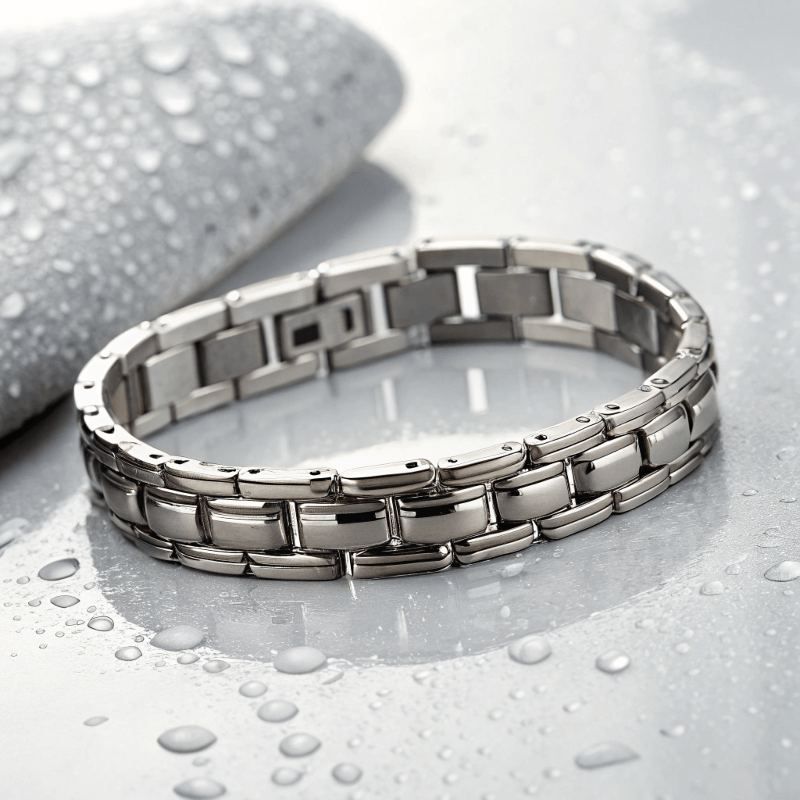
When choosing metals for various applications, one of the most crucial factors to consider is their resistance to water. Whether it’s for jewelry, marine equipment, or construction materials, understanding how different metals behave when exposed to moisture can help make informed decisions. In this comprehensive guide, we’ll delve into the water resistance properties of various metals, with a particular focus on stainless steel. We’ll explore why stainless steel jewelry is considered water-resistant, compare it with other metals, and discuss practical applications where these materials are commonly used.

Understanding Water Resistance in Metals
What is Water Resistance?
Water resistance refers to a material’s ability to withstand the effects of water exposure without deteriorating. When it comes to metals, water resistance is often a critical property, especially in environments where moisture, humidity, or direct contact with water is frequent. Water can cause metals to corrode, rust, or oxidize, depending on their composition and the environmental conditions they are exposed to.
Corrosion is a natural process that occurs when metals react with oxygen in the presence of water or moisture, forming oxides or other compounds that degrade the metal. Rust, for instance, is a common form of corrosion that affects iron and steel when they are exposed to water and oxygen. However, not all metals react the same way to water; some are more resistant to these processes due to their chemical composition and inherent properties.
Why Water Resistance Matters?
Water resistance in metals is crucial for many reasons. In everyday life, we encounter metals that need to be water-resistant to maintain their function and appearance. For example, kitchen appliances, bathroom fixtures, and jewelry are frequently exposed to water and require metals that do not easily corrode or tarnish. In industrial and marine environments, the stakes are even higher. Metals used in ships, pipelines, and offshore structures must resist corrosion to ensure safety and longevity.
For manufacturers and consumers alike, the water resistance of metals can affect cost, durability, and maintenance requirements. A metal that resists water well can reduce the need for frequent repairs, replacements, and maintenance, ultimately saving time and money. This is especially important in applications where the failure of metal components due to corrosion could lead to significant financial losses or even safety hazards.
Factors Affecting Water Resistance in Metals
Chemical Composition
The chemical makeup of a metal significantly influences its water resistance. Metals such as stainless steel, aluminum, and titanium have unique compositions that provide varying levels of resistance to water and moisture. For example, stainless steel contains chromium, which forms a protective layer on the surface of the metal, preventing water and oxygen from causing rust and corrosion. The presence of other elements, such as nickel and molybdenum, can further enhance the water-resistant properties of stainless steel, making it suitable for use in environments where exposure to moisture is a concern.
Coatings and Treatments
Many metals can be treated or coated to improve their water resistance. Galvanization, for instance, involves coating steel with a layer of zinc to protect it from corrosion. Paints, varnishes, and other coatings can also provide a barrier between the metal and water, preventing oxidation and rust. Additionally, anodizing is a process used on aluminum to increase its corrosion resistance and enhance its appearance. These treatments can significantly extend the lifespan of metals by providing an extra layer of protection against water.
Environmental Factors
The environment in which a metal is used can also impact its water resistance. Factors such as temperature, salinity, and pollution can accelerate corrosion processes. For example, metals exposed to saltwater environments, such as those used in marine applications, are more prone to corrosion due to the presence of salt, which can break down protective coatings and cause rust. Similarly, metals used in industrial settings may be exposed to chemicals and pollutants that can hasten corrosion. Understanding these environmental factors is essential when choosing metals for specific applications, as they can greatly affect the material’s performance and longevity.
By understanding the fundamentals of water resistance in metals, we can better appreciate the unique properties that make stainless steel an excellent choice for many applications. In the following sections, we will explore the specific characteristics of stainless steel that contribute to its water-resistant nature and compare it with other commonly used metals.
Stainless Steel – The Water-Resistant Champion
What is Stainless Steel?
Stainless steel is an alloy primarily made of iron, chromium, nickel, and other elements. The defining feature of stainless steel is its chromium content, typically at least 10.5%, which gives the metal its exceptional corrosion-resistant properties. There are several grades of stainless steel, with 304 and 316 being among the most popular due to their excellent balance of strength, durability, and resistance to corrosion.
Different types of stainless steel are designed for various applications, depending on their composition. For example, 304 stainless steel is commonly used in kitchen appliances, cutlery, and jewelry because of its resistance to rust and tarnish. On the other hand, 316 stainless steel contains additional molybdenum, enhancing its resistance to chlorides and making it suitable for marine environments and applications where exposure to saltwater is frequent.
Why is Stainless Steel Water-Resistant?
Chromium Content
The primary reason stainless steel is water-resistant lies in its chromium content. When exposed to oxygen, chromium reacts to form a thin, invisible layer of chromium oxide on the surface of the metal. This oxide layer acts as a protective barrier, preventing oxygen and moisture from reaching the underlying metal and causing corrosion. This process is known as passivation, and it is what makes stainless steel resistant to rust and corrosion, even when exposed to water or humid conditions.
Molybdenum Additives
In addition to chromium, some stainless steel grades, like 316, contain molybdenum. This element further enhances the metal’s resistance to corrosion, particularly in environments where the metal is exposed to chlorides, such as saltwater. Molybdenum helps to reinforce the protective oxide layer, making it more stable and less likely to break down in harsh conditions. This is why 316 stainless steel is often used in marine applications and in industries where resistance to corrosion from chemicals and salts is crucial.
Low Reactivity
Stainless steel’s low reactivity with water and other substances also contributes to its water-resistant properties. Unlike metals that react readily with oxygen and water to form rust or tarnish, stainless steel maintains its appearance and integrity over time. This makes it an ideal choice for applications where a clean, polished appearance is essential, such as in jewelry and household fixtures. The low reactivity of stainless steel means that it does not require frequent maintenance or protective coatings to remain resistant to water and moisture.
Applications of Stainless Steel Due to Water Resistance
Stainless steel’s water-resistant properties make it an excellent choice for a wide range of applications across various industries.
- Household Items: Stainless steel is commonly used in sinks, faucets, cutlery, and cookware due to its resistance to rust and ease of cleaning. These items are frequently exposed to water, and stainless steel ensures they remain durable and visually appealing over time.
- Marine Equipment: In marine environments, stainless steel is used for boat fittings, propellers, and other components that must withstand constant exposure to saltwater. The metal’s resistance to corrosion ensures that these parts remain functional and safe, even in harsh conditions.
- Medical Tools: Stainless steel is also popular in the medical field for surgical instruments, implants, and other equipment that require both durability and resistance to corrosion. The metal’s ability to withstand sterilization processes and exposure to bodily fluids without corroding makes it an ideal material for medical use.
Comparing Stainless Steel to Other Metals
Aluminum
Properties
Aluminum is a lightweight metal known for its excellent strength-to-weight ratio and natural resistance to corrosion. It forms a protective oxide layer when exposed to air, similar to stainless steel, which helps prevent further oxidation. However, this oxide layer is not as robust as the chromium oxide layer found on stainless steel.
Water Resistance
Aluminum’s resistance to corrosion makes it suitable for applications where it is exposed to water, but it is not as durable as stainless steel in environments with high levels of salt or chemical exposure. Over time, aluminum can still corrode, especially in the presence of chlorides.
Common Uses
Aluminum is widely used in automotive and aerospace industries due to its lightweight properties. It is also used for outdoor furniture and electrical components. However, for applications that require prolonged exposure to water, stainless steel is often preferred due to its superior corrosion resistance.
Copper and Bronze
Properties
Copper and its alloy bronze are known for their excellent electrical and thermal conductivity. These metals develop a patina, a greenish layer that forms when they are exposed to oxygen and moisture over time. While this patina provides some protection against further corrosion, it is not as effective as the protective layers formed on stainless steel.
Water Resistance
While copper and bronze are resistant to corrosion in freshwater environments, they can suffer from corrosion in saltwater or acidic conditions. The patina that forms can also alter the appearance of these metals, which may not be desirable for all applications.
Common Uses
Copper and bronze are often used in plumbing, electrical components, and decorative applications. They are chosen for their aesthetic appeal and conductivity rather than their corrosion resistance. In situations where prolonged water exposure is a concern, stainless steel remains a better choice.
Carbon Steel
Properties
Carbon steel is a strong, durable metal that is widely used in construction and manufacturing. However, unlike stainless steel, carbon steel does not have chromium or other elements that enhance corrosion resistance, making it highly susceptible to rust.
Water Resistance
Carbon steel can corrode quickly when exposed to water and oxygen, especially if not coated or treated with protective layers. It requires regular maintenance and protective coatings, such as paint or galvanization, to prevent rust and prolong its lifespan in wet environments.
Common Uses
Carbon steel is used in construction, automotive manufacturing, and machinery where strength is prioritized over corrosion resistance. However, it is generally not suitable for applications that involve exposure to water unless adequately protected.
Titanium
Properties
Titanium is a lightweight, high-strength metal that is highly resistant to corrosion, even in saltwater environments. It is known for its exceptional strength-to-weight ratio and biocompatibility, making it an ideal material for medical implants and aerospace applications.
Water Resistance
Titanium’s natural oxide layer provides excellent protection against corrosion, surpassing even stainless steel in some cases. It remains stable and resistant to corrosion in a variety of environments, including those with high salt concentrations.
Common Uses
Titanium is used in aerospace, medical implants, and high-performance automotive components. While it offers superior corrosion resistance, its high cost limits its use in many applications where stainless steel is a more cost-effective option.
Galvanized Steel
Properties
Galvanized steel is carbon steel that has been coated with a layer of zinc to protect it from corrosion. This coating provides a barrier that prevents moisture and oxygen from reaching the steel, reducing the risk of rust.
Water Resistance
The zinc coating on galvanized steel makes it resistant to corrosion in many environments, but it is not as durable or long-lasting as stainless steel. Over time, the zinc can wear away, exposing the underlying steel to corrosion.
Common Uses
Galvanized steel is commonly used in construction, fencing, and outdoor applications where cost is a significant factor. While it provides decent water resistance, it is generally not suitable for applications requiring prolonged exposure to water without additional maintenance or protection.
Real-World Applications and Case Studies
Marine Applications
In marine environments, the choice of metal is crucial due to constant exposure to saltwater, which accelerates corrosion. Stainless steel, particularly grades like 316, is often preferred for its superior corrosion resistance. Aluminum and titanium are also used in marine applications, but their performance varies depending on the specific conditions. For example, while aluminum is lightweight and resistant to corrosion, it may not withstand saltwater as well as stainless steel. Titanium, though highly resistant to saltwater corrosion, is often reserved for high-performance applications due to its cost.
Consumer Goods
Stainless steel is a popular choice for consumer goods that are exposed to water, such as kitchen appliances, outdoor furniture, and jewelry. For instance, stainless steel jewelry is often marketed as water-resistant, making it a preferred choice for individuals who want durable, low-maintenance accessories. The metal’s resistance to tarnish and corrosion ensures that it retains its appearance and function even with regular exposure to water.
Industrial and Construction Applications
In industrial and construction settings, the choice of metal depends on the specific requirements of the application. Stainless steel is frequently used in environments where corrosion resistance is essential, such as in chemical processing plants, food processing equipment, and water treatment facilities. Galvanized steel is often used for outdoor structures like fences and roofing, where cost and durability are important considerations. However, in environments with high humidity or exposure to saltwater, stainless steel is generally preferred for its superior resistance to corrosion.
How to Choose the Right Metal for Water Resistance
Factors to Consider
When selecting a metal for applications that require water resistance, several factors must be considered:
- Environment: Consider the conditions the metal will be exposed to, including moisture, salt, chemicals, and temperature. For instance, marine environments require metals that can withstand saltwater, while industrial settings may require resistance to chemicals.
- Cost vs. Durability: Balance the initial cost of the metal with its expected lifespan and maintenance requirements. Stainless steel may have a higher upfront cost than galvanized steel, but its durability and low maintenance make it a cost-effective option in the long run.
- Specific Requirements: Consider other properties needed, such as strength, weight, and appearance. For example, titanium may be chosen for its lightweight properties in aerospace applications, while stainless steel may be selected for its aesthetic appeal in jewelry.
Decision-Making Guide
When choosing a metal for water resistance, start by assessing the environment and specific needs of the application. For outdoor furniture exposed to occasional rain, aluminum or galvanized steel might suffice. However, for applications requiring prolonged exposure to water or corrosive substances, stainless steel or titanium would be more appropriate. Always consider the long-term costs associated with maintenance and replacement when evaluating different metals.
Myths and Misconceptions about Metal Water Resistance
Common Myths
There are several misconceptions about metal water resistance that can lead to poor material choices. For instance, many people believe that all stainless steel is completely resistant to corrosion, which is not true. Different grades of stainless steel offer varying levels of resistance, and factors like exposure to saltwater or chlorine can affect their performance.
Clarifications
It’s important to understand the nuances of metal water resistance to make informed decisions. While stainless steel jewelry is water-resistant, it is not entirely impervious to corrosion under all conditions. Knowing the specific requirements of your application and the properties of different metals can help you choose the right material for your needs.
Conclusion
In summary, understanding the water resistance properties of different metals is essential for making informed choices in various applications. Stainless steel stands out for its exceptional resistance to corrosion, making it a top choice for many environments. However, other metals like aluminum, copper, and titanium have their own advantages and are suitable for specific uses. By considering factors such as environment, cost, and durability, you can select the right metal for your needs and ensure long-lasting performance.
Thank you for reading this comprehensive guide on water resistance in metals. If you have any experiences or tips on choosing the right metal for water-resistant applications, feel free to share them in the comments below. For further reading, check out our articles on “How to Prevent Metal Corrosion” and “The Best Metals for Outdoor Use.”