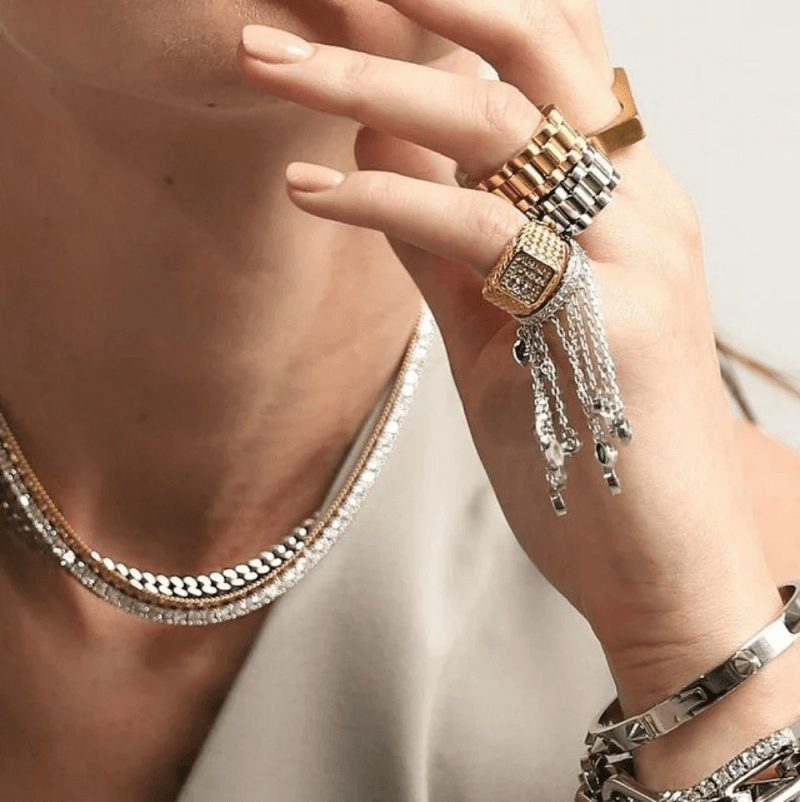
When it comes to jewelry, one of the most frequently asked questions revolves around the material’s durability, especially its water resistance. One material that often comes up is 316L stainless steel, commonly used in jewelry, including rings, bracelets, necklaces, and watches. Is 316L stainless steel waterproof? This article will dive into the truth behind its water resistance, how it performs in different environments, and whether it’s a safe choice for everyday wear, including when exposed to water. Let’s get started and uncover everything you need to know about this popular material.

1. What is 316L Stainless Steel?
To understand whether 316L stainless steel is waterproof, it’s essential first to understand what it is and why it’s so frequently used in jewelry.
316L stainless steel is a type of alloy made from iron, chromium, nickel, and molybdenum. The addition of molybdenum, in particular, enhances its corrosion resistance, making it highly durable, even in harsh environments. This is why it is often used for items that are exposed to saltwater, high humidity, and chemicals—making it an excellent option for jewelry worn on a daily basis.
What makes 316L stainless steel distinct is its low carbon content (hence the “L” in 316L). This reduces the risk of corrosion and makes the material less likely to rust over time. Because of these properties, 316L is frequently referred to as “surgical steel” due to its biocompatibility, meaning it is unlikely to cause allergic reactions when worn.
Ready for the good part? The popularity of 316L stainless steel in the jewelry industry is not just due to its resistance to corrosion but also because of its affordability. It offers a balance of quality, durability, and cost, making it accessible for manufacturers and consumers alike.
Here’s the thing, though: while 316L stainless steel is highly resistant to corrosion, that doesn’t mean it’s entirely immune to all forms of damage. Let’s take a closer look at how it actually performs when exposed to water.
Table 1: Properties of 316L Stainless Steel
| Property | Description |
|---|---|
| Corrosion Resistance | Highly resistant to rust and corrosion |
| Durability | Excellent strength and toughness |
| Biocompatibility | Low risk of allergic reactions |
| Water Resistance | Good resistance, but not fully waterproof |
| Common Uses | Jewelry, surgical instruments, marine environments |
2. Is 316L Stainless Steel Waterproof?
You might be wondering, “Is 316L stainless steel completely waterproof?” Well, here’s the kicker: while 316L stainless steel offers great resistance to water, it’s not 100% waterproof. Let’s break it down.
Waterproofness refers to a material’s ability to withstand water pressure without being compromised. In this case, 316L stainless steel is resistant to water but can still be affected by prolonged exposure, especially when the water is salty or chemically treated. This means that while your 316L jewelry won’t rust immediately after a quick swim or shower, it’s always best to remove it after prolonged contact with water.
What’s the real story? 316L stainless steel jewelry can withstand short-term exposure to water—whether that’s rain, splashes from washing your hands, or the occasional swim in the pool—but it should be kept dry to maintain its shine and prevent any long-term damage.
It’s also important to note that water resistance doesn’t mean that jewelry made from 316L is resistant to other elements. For example, harsh chemicals such as perfumes, lotions, or cleaning agents can break down the protective layer of 316L stainless steel, leading to discoloration or even corrosion over time.
Table 2: Water Resistance of 316L Stainless Steel in Various Conditions
| Condition | Performance |
|---|---|
| Freshwater | Good resistance |
| Saltwater | Resistant but can cause corrosion with prolonged exposure |
| Chlorinated Water | Good resistance for short periods |
| Chemicals | May cause discoloration or corrosion |
3. How Does 316L Stainless Steel Perform in Water?
Now that we know 316L stainless steel isn’t entirely waterproof, let’s take a deeper dive into how it performs when exposed to different types of water. Whether you’re wearing your jewelry while swimming in the ocean, taking a shower, or simply washing your hands, understanding the material’s performance will help ensure you care for it properly.
The stainless steel alloy is highly resistant to rust caused by exposure to freshwater. This means you can safely wear it during everyday activities without worrying too much about water damage. However, there’s one catch: saltwater. Saltwater is much more corrosive than freshwater, and prolonged exposure can wear down the material’s protective layer, leading to pitting or discoloration.
Here’s where it gets interesting—316L stainless steel was specifically designed with saltwater in mind. Its molybdenum content helps fight corrosion in harsh marine environments, which is why it is commonly used in boats and medical implants. However, extended exposure to saltwater (such as frequent ocean swimming) can still cause slight tarnishing or surface wear.
As for chlorinated water, found in swimming pools, 316L stainless steel is relatively resistant. Short bursts in a pool should not affect your jewelry much, but long exposure could potentially dull its surface over time.
Table 3: Performance of 316L Stainless Steel in Different Water Types
| Water Type | Performance |
|---|---|
| Freshwater | Excellent, no noticeable effect |
| Saltwater | Good, but may cause slight damage over time |
| Chlorinated Water | Good for short-term exposure, potential for dulling |
4. Factors Affecting the Waterproofness of 316L Stainless Steel
The water resistance of 316L stainless steel doesn’t just depend on the water type—it’s also influenced by factors such as temperature, exposure duration, and the presence of chemicals. Ready for the good part? These factors can make a significant difference in how well your jewelry holds up over time.
For example, high temperatures can affect the steel’s molecular structure, weakening its protective surface. When exposed to hot water, the material’s resistance to corrosion may decrease, leading to discoloration or damage. Similarly, water under pressure, such as when diving into deep water, can also impact the integrity of the surface.
Furthermore, chemicals like lotions, soaps, perfumes, and hair products can react with the surface of 316L stainless steel. These substances break down the protective oxide layer, allowing moisture to seep into the metal, which could lead to discoloration or rust.
To maximize the waterproof properties of your 316L stainless steel jewelry, it’s essential to remove it before engaging in activities that involve prolonged or intense exposure to water or chemicals.
Table 4: External Factors Impacting 316L Stainless Steel Performance
| Factor | Impact on Water Resistance |
|---|---|
| High Temperature | May weaken resistance to corrosion |
| Prolonged Exposure | Increased risk of tarnishing or pitting |
| Chemicals | Can break down protective layer |
| Pressure | Can cause damage at deep depths |
5. Common Jewelry Items Made from 316L Stainless Steel
Let’s talk about some of the most popular jewelry items made from 316L stainless steel. You’ll often find this alloy in a wide range of jewelry items, from rings and bracelets to necklaces and watches. These items are highly durable and resistant to corrosion, but how well they fare in water depends on the specific design.
For instance, a 316L stainless steel watch is designed to withstand frequent water exposure and is often rated for diving or swimming. On the other hand, a 316L bracelet, if left in water for too long, might suffer from dulling over time. The key takeaway? Jewelry items that are more exposed to water, such as rings and watches, tend to perform better if they are made with solid, high-quality 316L stainless steel.
What’s the real story? If you’re choosing 316L stainless steel jewelry, consider the type of jewelry and the frequency of water exposure. Watches and rings made from 316L are built to handle water, but less exposed items like earrings may not hold up as well.
Table 5: Common Jewelry Types Made from 316L Stainless Steel
| Jewelry Type | Water Resistance |
|---|---|
| Rings | High resistance for short periods |
| Necklaces | Good, but best to avoid prolonged exposure |
| Bracelets | Good, occasional exposure okay |
| Watches | Excellent resistance for water sports |
6. Maintaining 316L Stainless Steel Jewelry
Proper maintenance is key to prolonging the life of your 316L stainless steel jewelry. While the material itself is highly durable and resistant to corrosion, proper care ensures that it maintains its shine and water resistance for years to come.
Start by regularly cleaning your jewelry with a soft cloth to remove dirt and moisture. Avoid using harsh chemicals or abrasive materials, as these can damage the surface. For items exposed to water regularly, such as rings or bracelets, it’s essential to dry them thoroughly after exposure to prevent any buildup of water residue.
What’s the real story? Regular maintenance not only improves the appearance of your jewelry but also keeps it functioning as intended, extending its lifespan and preserving its water resistance.
7. Can 316L Stainless Steel Be Worn in the Shower or Swimming?
You might be wondering, “Can I wear my 316L stainless steel jewelry in the shower or while swimming?” Here’s the deal: While 316L stainless steel is highly resistant to water, it’s always a good idea to remove jewelry before engaging in activities that involve prolonged water exposure. Let’s take a closer look at the specifics.
When it comes to showering, the short exposure to water won’t cause immediate harm. However, hot water and soap can cause soap scum or residue buildup on your jewelry, dulling its shine. In the case of swimming, the situation is a bit different. Chlorinated water in pools or saltwater at the beach may have a more significant impact on the surface of your 316L stainless steel jewelry over time.
This is where it gets interesting: 316L stainless steel is designed to resist corrosion, but prolonged exposure to chlorine or salt can lead to surface dulling. For the most part, occasional swimming in fresh or chlorinated water won’t hurt your jewelry. But if you swim frequently or expose your jewelry to harsh chemicals, it’s best to remove it to maintain its appearance.
It’s clear—while your 316L jewelry can handle brief exposure to water, frequent and prolonged exposure to chemicals or extreme conditions can still affect its long-term performance. If you want to keep your jewelry in pristine condition, it’s better to take it off before you dive in.
Table 6: Effect of Swimming on 316L Stainless Steel Jewelry
| Activity | Impact on 316L Stainless Steel |
|---|---|
| Swimming in Freshwater | Good, minimal impact |
| Swimming in Saltwater | Potential for corrosion over time |
| Swimming in Chlorinated Water | Possible surface dulling, minimal damage for short periods |
8. Comparing 316L Stainless Steel to Other Waterproof Jewelry Materials
So, how does 316L stainless steel stack up against other materials when it comes to water resistance? Let’s compare 316L stainless steel to some common materials used in jewelry: gold, silver, titanium, and tungsten.
316L stainless steel has a significant advantage when it comes to affordability and resistance to corrosion. Gold and silver, while beautiful, are more prone to tarnishing and corrosion, especially when exposed to water or chemicals. Titanium and tungsten, on the other hand, are also highly resistant to water damage and are often used in high-end jewelry due to their durability.
What’s the real story? While titanium and tungsten are also excellent choices for jewelry in water-exposed environments, 316L stainless steel offers a perfect balance of price and performance. It can withstand exposure to water, but it doesn’t require the high investment associated with titanium or tungsten. In the world of affordable, high-quality jewelry, 316L stainless steel stands out for its combination of durability, corrosion resistance, and cost-effectiveness.
The bottom line? If you need jewelry that is both durable and water-resistant, 316L stainless steel is an excellent choice. But if you’re willing to invest more for premium resistance, materials like titanium and tungsten might be worth considering. However, for most users, 316L stainless steel offers the best balance of performance and price.
Table 7: Comparison of Jewelry Materials for Water Resistance
| Material | Water Resistance | Cost | Durability |
|---|---|---|---|
| 316L Stainless Steel | High, but may suffer from prolonged exposure | Affordable | Very durable |
| Gold | Low to moderate, tarnishes over time | Expensive | Moderate |
| Silver | Low, tarnishes easily | Moderate | Moderate |
| Titanium | High, very resistant | Expensive | Extremely durable |
| Tungsten | High, excellent resistance | Expensive | Extremely durable |
9. Maintaining 316L Stainless Steel Jewelry
To get the most out of your 316L stainless steel jewelry, it’s essential to maintain it properly. While 316L stainless steel is durable, regular care can help preserve its appearance and water resistance.
Start by cleaning your jewelry regularly to remove dirt, moisture, and any chemicals that may have come into contact with the surface. Use a soft cloth or microfiber cloth to wipe down the jewelry after exposure to water. Avoid using harsh cleaners or chemicals that can damage the surface or strip away the protective layer.
Here’s the kicker: One of the best ways to maintain the appearance and waterproof qualities of 316L stainless steel is to store it properly when not in use. Keep it in a dry place and store it in a jewelry box or pouch that keeps it away from direct exposure to air and chemicals.
What’s the real story? By simply wiping down your jewelry after use and storing it in a safe, dry place, you can maintain its shine and durability for years to come. It’s a small effort that yields big results in terms of preserving the look and functionality of your jewelry.
Table 8: Tips for Maintaining 316L Stainless Steel Jewelry
| Tip | Action |
|---|---|
| Clean Regularly | Use a soft cloth to wipe off dirt and moisture |
| Avoid Harsh Chemicals | Keep jewelry away from perfumes and lotions |
| Store Properly | Keep jewelry in a dry, safe place |
| Dry Thoroughly | After exposure to water, dry the jewelry completely |
10. Conclusion
In conclusion, 316L stainless steel offers excellent resistance to water, making it a popular choice for jewelry, especially for those who want something durable and affordable. While it can handle short-term exposure to water, it’s important to remember that prolonged exposure—especially to saltwater, chemicals, or high-pressure water—can damage the surface over time. By maintaining your jewelry properly and understanding the material’s limitations, you can ensure that it remains looking great for years to come.
FAQ Section
Q1: What is 316L stainless steel?
316L stainless steel is an alloy with excellent corrosion resistance, making it ideal for jewelry and other applications exposed to moisture, chemicals, and high humidity.
Q2: How does 316L stainless steel work as a material for jewelry?
It combines strength, durability, and resistance to corrosion, which makes it perfect for items worn daily. It’s biocompatible and safe for sensitive skin.
Q3: Is 316L stainless steel resistant to saltwater?
Yes, 316L stainless steel is resistant to saltwater, making it suitable for use in coastal environments and occasional swimming, but prolonged exposure can still cause some wear.
Q4: Can 316L stainless steel jewelry get damaged in water?
While it’s resistant, extended exposure to water, especially saltwater or chemicals, can cause discoloration or tarnishing over time.
Q5: How can I maintain the waterproof qualities of my 316L stainless steel jewelry?
Clean regularly with a soft cloth, dry thoroughly after water exposure, and avoid harsh chemicals to preserve its water resistance and shine.