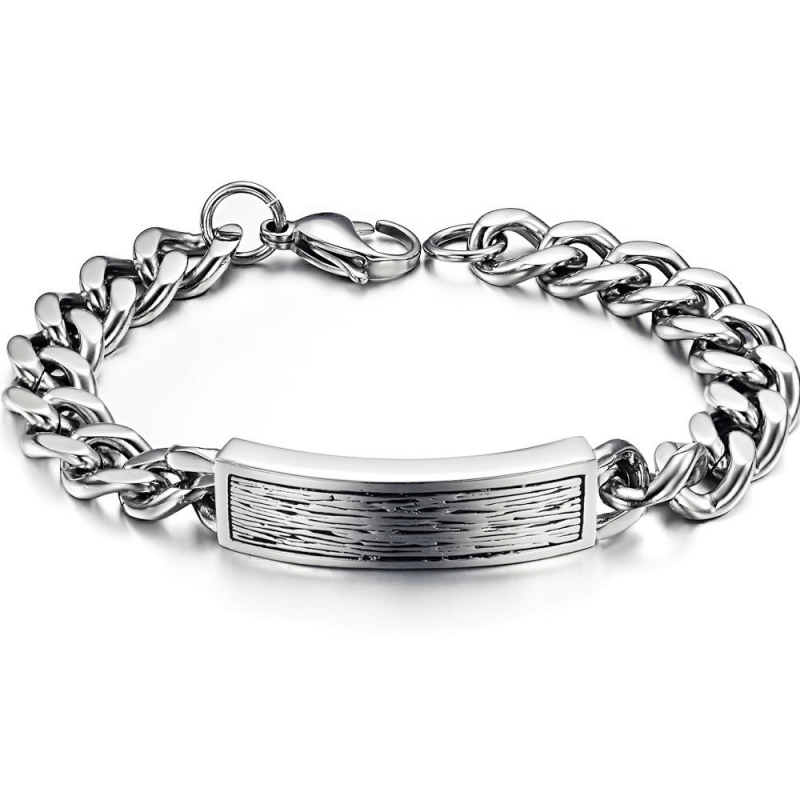
If you’ve ever considered stainless steel jewelry, you might be wondering: what makes it stand out among the sea of other materials? Well, stainless steel is not only durable but also offers many benefits that make it an ideal choice for jewelry manufacturing.
Stainless steel is a versatile and durable metal, making it a perfect material for jewelry. It’s known for its strength, resistance to corrosion, and hypoallergenic properties, making it a popular option for both everyday wear and high-end designs.
With its rising popularity, it’s worth taking a deeper look into what makes stainless steel so special in the world of jewelry. Let’s explore its key characteristics and why it’s becoming the go-to material for both designers and consumers.
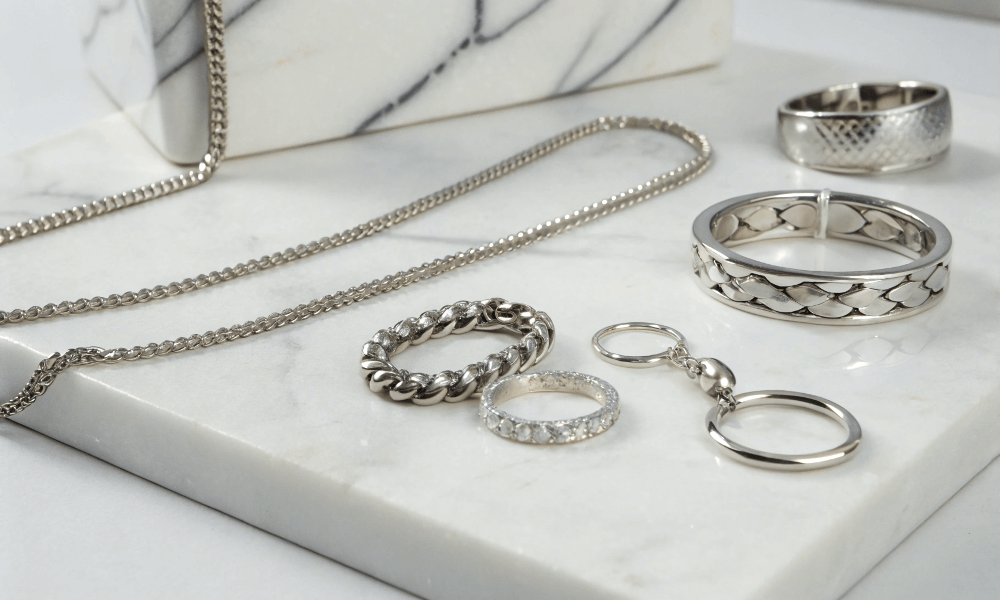
1. What Are the Key Characteristics of Stainless Steel in Jewelry?
Stainless steel is commonly used in jewelry for several key reasons. It’s a highly durable material that resists scratching, tarnishing, and corrosion. But what does this mean in the context of jewelry?
Stainless steel is strong and lightweight, making it perfect for creating jewelry that is both functional and comfortable to wear. It doesn’t rust, which is especially important for items that are worn frequently or exposed to moisture, like rings, bracelets, and necklaces.
Durability and Strength
Stainless steel is incredibly durable, allowing jewelry to maintain its form and shine for years without showing signs of wear. Unlike other metals, it won’t fade or lose its polish over time.
Resistance to Corrosion and Tarnish
The chromium content in stainless steel creates a protective layer on its surface, preventing rust and tarnish. This ensures your jewelry maintains its look for much longer.
Scratch Resistance
Stainless steel has a high resistance to scratches, which makes it an excellent option for jewelry that sees frequent wear and tear.
Lightweight Nature
While stainless steel is strong, it is also lightweight, ensuring that jewelry pieces feel comfortable without being too heavy.
| Characteristic | Description |
|---|---|
| Durability and Strength | Resistant to wear, does not lose its shine over time. |
| Corrosion and Tarnish Resistance | Protective layer prevents rust and tarnish. |
| Scratch Resistance | Highly resistant to scratches, great for everyday use. |
| Lightweight Nature | Comfortable to wear, without the heaviness of other metals. |
2. Why Is Stainless Steel Popular in Jewelry Manufacturing?
The growing demand for stainless steel jewelry is no coincidence. Manufacturers favor stainless steel for its versatility, cost-effectiveness, and appeal to a wide range of consumers.
Cost-Effectiveness Compared to Precious Metals
Stainless steel is much more affordable than gold, silver, or platinum, making it a budget-friendly option for both manufacturers and consumers. This has led to its widespread use in fashion jewelry, where cost is often a deciding factor.
Availability in Various Forms (Shapes and Finishes)
Stainless steel can be easily molded into different shapes and finishes, giving designers flexibility in their creations. Whether it’s a smooth, polished finish or a more industrial matte texture, stainless steel can be customized to suit any style.
Appeal to a Broad Range of Consumers
Stainless steel’s modern, sleek appearance and wide variety of designs have made it especially appealing to younger consumers. It is both trendy and durable, meeting the demands of today’s jewelry market.
Adaptability to Different Styles and Designs
From minimalist pieces to bold statement jewelry, stainless steel can be adapted to fit almost any design style. This versatility makes it a go-to choice for both fashion-forward designers and more traditional ones.
| Factor | Description |
|---|---|
| Cost-Effectiveness | More affordable than precious metals like gold. |
| Versatility in Forms | Can be molded into a variety of shapes and finishes. |
| Appeal to Broad Consumers | Popular among younger generations for its sleek design. |
| Adaptability to Designs | Versatile for minimalist, trendy, or bold styles. |
3. How Does Stainless Steel Compare to Other Metals Used in Jewelry?
When deciding between metals for jewelry, it’s essential to compare stainless steel with other popular materials like gold, silver, platinum, and titanium.
Comparison with Gold
Gold is a precious metal, valued for its rarity and luxurious appeal. However, stainless steel is more durable and resistant to tarnish, making it a practical alternative for jewelry pieces that need to withstand daily wear.
Comparison with Silver
Silver is commonly used in jewelry, but it tends to tarnish quickly and needs regular maintenance. Stainless steel, on the other hand, maintains its shine and doesn’t require as much care.
Comparison with Platinum
While platinum is known for its premium quality, stainless steel can offer similar durability and style at a much lower cost. It’s a great option for consumers who want durability without the luxury price.
Comparison with Titanium
Titanium is another popular metal for jewelry. Like stainless steel, it’s lightweight and durable. However, stainless steel is often more affordable and comes in a wider range of designs and finishes.
| Metal Comparison | Stainless Steel | Gold | Silver | Platinum | Titanium |
|---|---|---|---|---|---|
| Durability | High | Medium | Low | High | High |
| Tarnish Resistance | Excellent | Medium | Low | Excellent | Good |
| Cost | Low | High | Low | Very High | Medium |
| Maintenance | Low | Low | High | Low | Medium |
4. What Are the Types of Stainless Steel Used in Jewelry?
Stainless steel comes in different grades, each offering distinct advantages. When it comes to jewelry, the most commonly used grades are 304 and 316L.
304 Stainless Steel
304 stainless steel is the most commonly used type in jewelry. It’s durable and resistant to corrosion, making it a great choice for jewelry that will see daily use.
316L Stainless Steel
316L is a high-quality, low-carbon steel that is particularly resistant to corrosion and rust. It is also more hypoallergenic, making it an excellent choice for people with sensitive skin.
High-Carbon Stainless Steel
High-carbon stainless steel is harder than other types, but it is also more prone to rusting if not properly maintained. It’s often used in decorative or specialty jewelry pieces.
Differences in Properties
Each grade of stainless steel has different properties, so choosing the right type depends on the desired quality, durability, and cost.
| Stainless Steel Type | Properties | Common Uses |
|---|---|---|
| 304 Stainless Steel | Corrosion-resistant, affordable, durable | Common jewelry pieces |
| 316L Stainless Steel | Low-carbon, hypoallergenic, resistant to rust and corrosion | High-end jewelry, sensitive skin items |
| High-Carbon Stainless Steel | Harder but more prone to rust if unmaintained | Specialty and decorative pieces |
5. How Does Stainless Steel Jewelry Benefit Sensitive Skin?
For individuals with sensitive skin, choosing the right metal for jewelry is crucial. Stainless steel is hypoallergenic, which means it is less likely to cause irritation or allergic reactions.
Hypoallergenic Properties
Unlike metals like nickel, which can cause rashes or allergic reactions, stainless steel does not react with the skin. This makes it ideal for those with skin sensitivities.
Non-Reactivity with Skin
Stainless steel forms a protective layer over its surface, which prevents it from reacting with body oils or sweat. This makes it a great option for people who wear jewelry regularly.
Benefits Over Nickel-Based Jewelry
Many people are allergic to nickel, which is commonly used in other types of jewelry. Stainless steel, being nickel-free, offers a much safer option for sensitive skin.
| Skin Sensitivity Factor | Stainless Steel | Nickel-Based Jewelry |
|---|---|---|
| Hypoallergenic | Yes | No |
| Reactivity with Skin | Non-reactive | May cause irritation |
| Safe for Sensitive Skin | Yes | No |
6. What Are the Design Options for Stainless Steel Jewelry?
Stainless steel is a versatile material that can be used for a wide variety of jewelry designs. From sleek modern pieces to intricate designs, the possibilities are endless.
Engraving and Customization
Stainless steel can easily be engraved with personal messages, names, or designs, making it ideal for personalized jewelry. This is a popular option for rings, necklaces, and bracelets.
Polished vs. Matte Finishes
Stainless steel can be finished in various ways. Polished stainless steel has a shiny, reflective surface, while matte stainless steel has a more subdued and industrial look. Both finishes can be used to create different styles of jewelry.
Use in Rings, Necklaces, Bracelets, and Earrings
Stainless steel is suitable for all types of jewelry, including rings, necklaces, bracelets, and earrings. Its versatility allows it to be used in both everyday and high-end designs.
| Design Options | Polished Finish | Matte Finish | Engraved/Customizable |
|---|---|---|---|
| Appearance | Shiny and reflective | Subdued, industrial | Personalized designs |
| Suitability for Jewelry Types | Rings, bracelets, etc. | Rings, necklaces | Rings, necklaces |
7. How Can You Maintain Stainless Steel Jewelry?
Stainless steel jewelry is known for its durability, but like any metal, it requires regular maintenance to keep it looking its best. Fortunately, stainless steel is relatively low-maintenance compared to other metals like silver or gold.
Regular Cleaning Techniques
To keep stainless steel jewelry looking shiny and new, you should clean it regularly. A simple solution of mild soap and warm water is often enough. Gently scrub the jewelry with a soft cloth or a toothbrush to remove dirt and oils. Avoid abrasive cleaners, as they can scratch the surface.
Storing Stainless Steel Jewelry
When you’re not wearing your stainless steel jewelry, store it in a dry, cool place. A jewelry box with a soft lining will help protect it from scratches and prevent it from getting scratched by other metals. For rings and bracelets, keep them in individual compartments to avoid unnecessary contact with other jewelry.
Avoiding Damage from Chemicals
Stainless steel is resistant to rust and corrosion, but harsh chemicals, like chlorine or bleach, can cause damage. Make sure to remove your jewelry when swimming or using cleaning products that contain these chemicals. Cleaning your jewelry after exposure to such substances will help maintain its shine.
| Maintenance Aspect | Stainless Steel Jewelry Care |
|---|---|
| Cleaning | Use mild soap and water, soft cloth or toothbrush |
| Storage | Store in a cool, dry place; avoid contact with other metals |
| Chemicals | Remove before exposure to chlorine, bleach, or harsh chemicals |
8. How Does Stainless Steel Jewelry Hold Up Over Time?
One of the most significant advantages of stainless steel jewelry is its ability to maintain its appearance and structure over time. Unlike softer metals, which may bend, tarnish, or fade, stainless steel offers lasting beauty with minimal care.
Aging Gracefully with Minimal Maintenance
Stainless steel does not tarnish over time, so you won’t have to worry about it losing its shine or turning dull. In fact, stainless steel tends to look better with age, as its surface may develop a unique patina that enhances its appeal.
Resistance to Rusting and Corrosion
Stainless steel’s ability to resist rust and corrosion is a key factor in its longevity. Whether exposed to moisture or extreme conditions, stainless steel holds up exceptionally well without deteriorating, making it ideal for jewelry that will be worn daily.
Longevity in Everyday Wear
Stainless steel jewelry can withstand the rigors of everyday life. From being exposed to sweat, moisture, or heat, it will maintain its form and structure, unlike softer metals that may show signs of wear over time.
| Durability Feature | Stainless Steel Jewelry Durability |
|---|---|
| Tarnish Resistance | Does not tarnish over time |
| Rust and Corrosion Resistance | Resistant to rust, corrosion, and wear |
| Everyday Durability | Holds up well with regular use |
9. What Are the Environmental Benefits of Stainless Steel Jewelry?
As the world becomes more conscious of environmental impact, consumers and manufacturers alike are seeking more sustainable jewelry options. Stainless steel offers several environmental benefits that make it an eco-friendly choice.
Recyclability of Stainless Steel
One of the most significant benefits of stainless steel is that it is fully recyclable. Stainless steel can be recycled indefinitely without losing its properties, which helps reduce waste and demand for raw materials.
Low Environmental Impact During Production
Compared to other metals, stainless steel has a relatively low environmental impact during production. Its manufacturing process requires less energy and produces fewer harmful emissions, making it a greener alternative to other metals.
Sustainability in the Fashion Industry
As sustainability continues to be a key focus for the fashion industry, many brands are incorporating stainless steel into their designs. Its long-lasting durability reduces the need for frequent replacements, contributing to a more sustainable lifecycle for jewelry.
| Environmental Benefit | Stainless Steel Jewelry Impact |
|---|---|
| Recyclability | Fully recyclable without quality loss |
| Production Impact | Lower energy usage and fewer emissions |
| Sustainability | Long-lasting, reducing the need for frequent replacements |
10. What Are Some Popular Stainless Steel Jewelry Trends?
Stainless steel jewelry is constantly evolving, with designers experimenting with new styles and ideas. Let’s take a look at some of the most popular trends in stainless steel jewelry today.
Minimalist Designs
Minimalism has become a major trend in the jewelry industry, and stainless steel is the perfect material to achieve a sleek, clean look. Simple, geometric designs and subtle finishes are incredibly popular, allowing the material to shine without excess embellishments.
Industrial and Urban Looks
Stainless steel’s raw, metallic finish is ideal for creating industrial or urban-inspired jewelry. Many designers use stainless steel to create pieces that have a modern, edgy feel, making them highly popular among younger consumers.
Customization and Personalization Trends
Stainless steel’s ability to be easily engraved or customized has made personalized jewelry one of the hottest trends. From initials to special dates, customers are eager to wear meaningful, one-of-a-kind pieces.
| Jewelry Trend | Stainless Steel Jewelry Application |
|---|---|
| Minimalist Designs | Clean, simple, and geometric designs |
| Industrial Looks | Raw, metallic finish with modern style |
| Customization and Personalization | Easy to engrave with personalized details |
11. What Are the Common Misconceptions About Stainless Steel Jewelry?
Despite its growing popularity, there are still some misconceptions about stainless steel jewelry that can confuse consumers. Let’s clear up these common myths.
Misconception About Its Value
Some people assume that because stainless steel is more affordable, it must be of lower quality. In reality, stainless steel offers superior durability and resistance to tarnish, making it a valuable choice for long-lasting jewelry.
Myths Regarding Durability
Some people believe that stainless steel is not as durable as precious metals. However, stainless steel is highly resistant to scratching, tarnishing, and corrosion, making it one of the most durable metals for jewelry.
Misunderstanding of Its Hypoallergenic Properties
Not everyone realizes that stainless steel is hypoallergenic. Unlike other metals that may cause allergic reactions, stainless steel is a safe option for those with sensitive skin, making it a popular choice for people with allergies.
| Misconception | Clarification |
|---|---|
| Value | Stainless steel is durable and long-lasting despite its low cost |
| Durability | Stainless steel is more durable than some precious metals |
| Hypoallergenic | Stainless steel is hypoallergenic and safe for sensitive skin |
12. What Are the Advantages of Stainless Steel Jewelry for Manufacturers?
From a manufacturing perspective, stainless steel offers a range of benefits that make it an ideal material for mass production.
Cost-Effectiveness for Bulk Production
Because stainless steel is relatively inexpensive, it allows manufacturers to create jewelry at a lower cost. This makes it an appealing option for bulk production, especially in the fashion jewelry market.
Ease of Manufacturing
Stainless steel is easy to work with and can be molded into a wide variety of shapes and designs. This makes it a favorite among manufacturers who need flexibility in the creation process.
Resistance to Tarnishing During Production
One of the benefits of working with stainless steel is that it resists tarnishing, which means less time spent on polishing and finishing during production. This leads to greater efficiency in the manufacturing process.
| Manufacturing Advantage | Stainless Steel Jewelry Manufacturing Benefits |
|---|---|
| Cost-Effectiveness | Lower cost for mass production |
| Ease of Manufacturing | Versatile and easy to mold into various designs |
| Tarnish Resistance During Production | Less need for polishing or finishing |
13. Can Stainless Steel Be Used for High-End Jewelry?
While stainless steel is often associated with affordable fashion jewelry, it’s also increasingly being used in high-end pieces. Let’s explore why.
Application in Fine Jewelry
Stainless steel’s strength and sleek appearance make it an excellent choice for fine jewelry, especially when combined with other precious materials like diamonds or gold. Many high-end designers are using stainless steel for its modern, industrial look.
Balancing Quality with Affordability
Stainless steel offers an affordable alternative to precious metals without sacrificing quality. It’s a great choice for consumers who want luxury without the high price tag.
Examples of Luxury Brands Using Stainless Steel
Several luxury brands have begun incorporating stainless steel into their collections, blending it with precious metals for a sophisticated, modern look.
| High-End Jewelry Use | Stainless Steel Jewelry Application |
|---|---|
| Fine Jewelry | Used in luxury designs with diamonds or gold |
| Quality and Affordability | Provides an affordable alternative to precious metals |
| Luxury Brands | Luxury brands using stainless steel for modern collections |
14. How Does Stainless Steel Jewelry Fit Into the Modern Jewelry Market?
As trends shift toward more sustainable and affordable options, stainless steel is becoming a key player in the modern jewelry market. Let’s look at how it fits into today’s jewelry landscape.
Demand for Durable and Affordable Jewelry
With the increasing demand for durable, affordable jewelry, stainless steel is filling the gap. It’s both cost-effective and highly durable, making it appealing to consumers who want value for money.
Use in Both Fashion and Functional Pieces
Stainless steel is versatile enough to be used in both functional and fashion-forward pieces. From practical engagement rings to trendy statement necklaces, stainless steel can be used for a wide range of jewelry styles.
Popularity Among Younger Generations
Younger consumers are gravitating toward stainless steel because of its modern look and affordability. It appeals to those who want to make a fashion statement without breaking the bank.
| Modern Jewelry Trend | Stainless Steel Jewelry Contribution |
|---|---|
| Durable and Affordable Jewelry | Offers long-lasting and cost-effective options |
| Fashion and Functional Pieces | Used in both stylish and practical designs |
| Popularity with Younger Generations | Appeals to younger consumers for its sleek look |
15. What Are the Future Prospects for Stainless Steel Jewelry?
The future of stainless steel in jewelry looks bright, with exciting developments on the horizon.
Innovations in Design and Technology
As technology advances, new design techniques and innovations in stainless steel manufacturing are emerging. From 3D printing to laser engraving, the possibilities for customization and creativity are expanding.
Growing Acceptance in the Luxury Market
Stainless steel is gaining recognition in the luxury market, with more high-end designers incorporating it into their collections. This trend is expected to continue as stainless steel gains further prestige.
Emerging Trends and Sustainability Efforts
As sustainability becomes more important in the jewelry industry, stainless steel’s eco-friendly properties will continue to make it an attractive option for both designers and consumers.
| Future Prospects | Stainless Steel Jewelry Opportunities |
|---|---|
| Innovation in Design | Advancements in customization and technology |
| Luxury Market Acceptance | Increased use in high-end collections |
| Sustainability Efforts | Continued appeal as an eco-friendly material |
Conclusion
Stainless steel is quickly becoming a top choice for jewelry manufacturers and consumers alike. With its affordability, durability, and hypoallergenic properties, it’s no wonder that stainless steel is dominating the jewelry industry. Whether you’re designing a piece for fashion or functionality, stainless steel offers the perfect balance of strength, style, and comfort.
FAQ Section
- Q1: What is stainless steel in jewelry?
Stainless steel is a durable and corrosion-resistant metal used in jewelry for its strength, hypoallergenic properties, and versatility in design. - Q2: How does stainless steel compare to gold in jewelry?
Stainless steel is more affordable and durable than gold, making it a practical alternative for those seeking long-lasting wear without the luxury price. - Q3: Why is stainless steel jewelry hypoallergenic?
Stainless steel does not react with most skin types, making it ideal for people with sensitive skin who may experience irritation with other metals. - Q4: How do I maintain stainless steel jewelry?
To maintain stainless steel jewelry, clean it regularly with mild soap and water, avoid exposure to harsh chemicals, and store it in a dry place to prevent scratches. - Q5: Can stainless steel jewelry last a lifetime?
Yes, stainless steel jewelry can last for many years due to its durability, resistance to rust and tarnish, and minimal maintenance requirements.