If you’ve ever experienced skin irritation or rashes from jewelry, you’re not alone. Many people with sensitive skin struggle to find jewelry that doesn’t cause discomfort. The question is, what metals are hypoallergenic and safe for those with skin sensitivities?
Hypoallergenic metals are those that cause little to no allergic reactions when worn. Jewelry made from hypoallergenic materials can reduce irritation and provide comfort, especially for those with sensitive skin.
When looking for hypoallergenic jewelry, understanding which metals are safe is crucial. Let’s explore some common hypoallergenic metals and how they can help you avoid skin reactions.
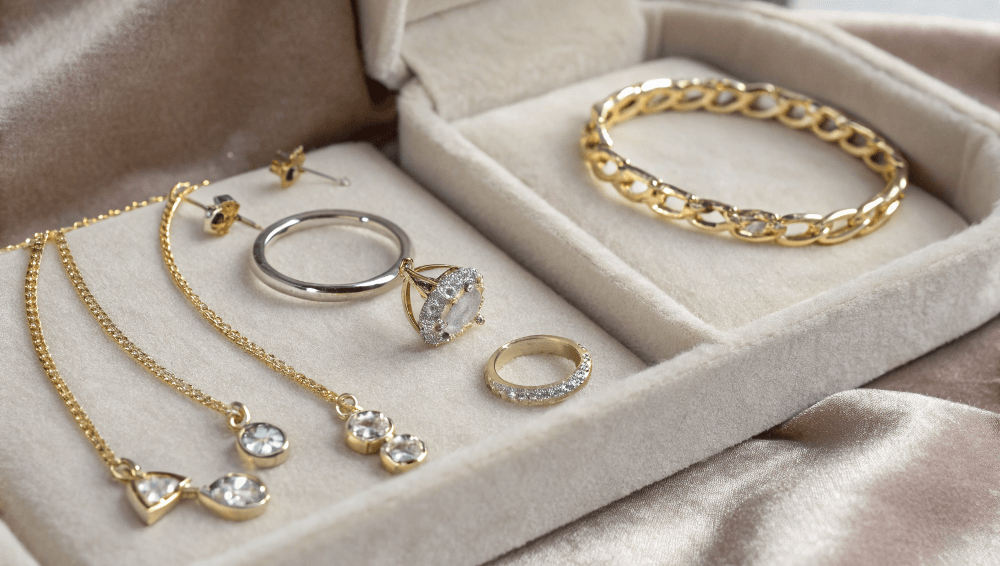
1. What Are Hypoallergenic Metals in Jewelry?
Jewelry can be a cause of discomfort for many, but hypoallergenic metals are a solution that promises less irritation. These metals are designed to be gentle on the skin, preventing rashes or allergic reactions. If you’ve ever had issues with jewelry, you might be wondering what exactly makes some metals hypoallergenic and others not.
Hypoallergenic metals are those that contain minimal or no nickel, which is the most common metal that triggers allergies. These metals are often used in fine jewelry to ensure that even those with the most sensitive skin can enjoy wearing them without any discomfort.
Common Hypoallergenic Metals
- Titanium: Known for its strength and lightweight nature, titanium is a top choice for hypoallergenic jewelry.
- Platinum: A luxurious, durable metal that is highly resistant to causing allergic reactions.
- Stainless Steel: A popular and affordable choice, often used in surgical steel forms.
- Gold (Certain Alloys): Some gold alloys, like 14K and 18K, are considered hypoallergenic due to their composition.
| Metal Type | Hypoallergenic | Benefits |
|---|---|---|
| Titanium | Yes | Strong, lightweight, durable |
| Platinum | Yes | Non-reactive, high-end appeal |
| Stainless Steel | Yes | Affordable, resistant to corrosion |
| Gold (14K, 18K) | Yes | Popular, durable |
2. Why Is Hypoallergenic Jewelry Important?
Wearing jewelry should be an enjoyable experience, not one that causes irritation or discomfort. Hypoallergenic jewelry plays a significant role in preventing allergic reactions, which can be painful and frustrating for many people. Jewelry reactions can manifest as rashes, itching, or swelling, which is why it’s crucial to choose the right materials for sensitive skin.
Many people struggle to wear jewelry due to nickel allergies, a common issue in many metal alloys. Hypoallergenic jewelry helps avoid these issues by ensuring that metals such as nickel are not present or present in very small amounts. This makes hypoallergenic jewelry not just a trend, but a necessity for individuals seeking comfort in their accessories.
| Problem | Solution |
|---|---|
| Nickel Allergies | Use nickel-free metals |
| Skin irritation | Opt for hypoallergenic metals like titanium or platinum |
3. What Are the Most Common Hypoallergenic Metals Used in Jewelry?
Jewelry lovers with sensitive skin need to be selective about the materials used in their accessories. Several metals are considered hypoallergenic and are commonly used in high-quality jewelry. Let’s look at some of the best hypoallergenic metals available for jewelry.
Titanium
- Why it’s hypoallergenic: Titanium is naturally free from nickel and other common allergens, making it an excellent choice for anyone with sensitive skin.
- Uses: Popular in wedding bands, rings, and piercings due to its durability and resistance to corrosion.
Platinum
- Why it’s hypoallergenic: Platinum is 95% pure and doesn’t contain nickel, making it highly resistant to causing allergic reactions.
- Uses: Known for its premium quality, platinum is often used in high-end engagement rings and fine jewelry.
Stainless Steel
- Why it’s hypoallergenic: While regular stainless steel contains nickel, medical-grade or surgical steel is often used in hypoallergenic jewelry, as it contains less nickel.
- Uses: Often used in affordable jewelry pieces, like earrings and bracelets.
Gold Alloys (14K, 18K)
- Why it’s hypoallergenic: Gold itself is a soft metal, but when alloyed with other metals like copper or silver, it can be made more durable while remaining hypoallergenic.
- Uses: Commonly used in rings, necklaces, and other fine jewelry.
| Metal Type | % Pure | Hypoallergenic | Common Uses |
|---|---|---|---|
| Titanium | 100% | Yes | Wedding bands, piercings |
| Platinum | 95% | Yes | Engagement rings |
| Stainless Steel | Varies | Yes (Surgical Steel) | Earrings, bracelets |
| Gold (14K, 18K) | Varies | Yes | Necklaces, rings |
4. Are There Any Non-Metallic Hypoallergenic Jewelry Options?
While most hypoallergenic jewelry is made from metals, there are also non-metallic options available that cater to those with severe allergies. Materials such as ceramic, silicone, and resin can offer a safe alternative for people who are extremely sensitive to metals.
Ceramic
- Why it’s hypoallergenic: Ceramic is non-reactive and safe for those with allergies.
- Uses: Used in fashion-forward jewelry pieces such as bracelets and rings.
Silicone
- Why it’s hypoallergenic: Silicone is another great option, as it is made from synthetic rubber that doesn’t trigger allergies.
- Uses: Popular in modern jewelry designs and often used for making hypoallergenic watches and rings.
| Non-Metal Material | Hypoallergenic | Common Uses |
|---|---|---|
| Ceramic | Yes | Rings, bracelets |
| Silicone | Yes | Watches, rings |
5. How Can You Tell If Jewelry Is Hypoallergenic?
If you’re shopping for jewelry and want to ensure it’s hypoallergenic, there are a few key indicators to look for. Not all jewelry is clearly marked as hypoallergenic, so it’s important to understand how to identify it.
First, check the materials listed on the product or jewelry label. If the jewelry is made from high-quality, non-reactive metals like titanium, platinum, or 14K gold alloys, it is likely hypoallergenic. Always ask the jeweler or check the manufacturer’s details for the exact composition of the piece.
Certification and Labeling
- Nickel-Free Certification: Many jewelry manufacturers use certifications to show that their products are free from nickel and other common allergens.
- Medical-Grade or Surgical Steel: For items made of stainless steel, verify if they use medical-grade or surgical steel, which is hypoallergenic.
| Indicator | Explanation |
|---|---|
| Nickel-Free | Look for jewelry that is marked as nickel-free. |
| Certification | Ask for documentation confirming the jewelry is hypoallergenic. |
| Medical-Grade | Jewelry made from surgical steel or other hypoallergenic alloys. |
6. Are All Gold Jewelry Pieces Hypoallergenic?
Gold is often considered a hypoallergenic material, but not all gold jewelry is created equally. Pure gold (24K) is soft and often mixed with other metals to increase its strength and durability, but this can affect its hypoallergenic properties.
When it comes to gold jewelry, it’s the alloys that matter. Pure gold, while less likely to cause reactions, can still cause issues for people with certain sensitivities. To avoid potential skin irritation, look for gold jewelry that is made from alloys such as 14K or 18K.
What Makes Gold Alloys Hypoallergenic?
- 14K and 18K Gold: These alloys mix gold with other metals like silver, copper, and sometimes palladium. The lower the karat, the more other metals are mixed in, which can sometimes lead to reactions if the metal is high in nickel.
- Nickel-Free Gold: Some gold jewelry is specially designed to be nickel-free, which is essential for individuals with a nickel allergy.
| Gold Type | Hypoallergenic | Key Alloy Elements |
|---|---|---|
| 14K Gold | Yes (if nickel-free) | Copper, silver, nickel (may cause reactions) |
| 18K Gold | Yes (if nickel-free) | Silver, palladium, copper |
| Pure Gold (24K) | Not always | Pure gold, but softer and more likely to be mixed with reactive metals |
7. Does Stainless Steel Make a Good Hypoallergenic Option?
Stainless steel is one of the most popular metals used in jewelry, and for good reason. It is durable, affordable, and resistant to corrosion. But is it hypoallergenic?
What Makes Stainless Steel Hypoallergenic?
Not all stainless steel is hypoallergenic. Surgical-grade stainless steel, also known as medical-grade steel, is the best option. This grade of steel has a very low nickel content, which reduces the chances of skin irritation.
However, regular stainless steel contains a higher level of nickel, which can cause allergic reactions for some people. Be sure to check the grade of the stainless steel used before purchasing.
| Stainless Steel Type | Hypoallergenic | Typical Uses |
|---|---|---|
| Surgical Grade | Yes | Piercings, bracelets, rings |
| Regular Stainless Steel | No | Fashion jewelry, some rings |
8. Why Is Titanium Often Preferred for Hypoallergenic Jewelry?
Titanium is an extremely popular choice for hypoallergenic jewelry, especially for those with sensitive skin. Why? Because titanium is naturally biocompatible, meaning it is highly resistant to causing allergic reactions.
Benefits of Titanium Jewelry
- Non-reactive: Titanium contains no nickel and is resistant to corrosion, making it an ideal option for people who need a metal that won’t irritate their skin.
- Lightweight and Strong: Despite being lightweight, titanium is incredibly strong and durable, making it perfect for everyday wear.
- Popular Uses: Titanium is often used for engagement rings, wedding bands, and earrings due to its hypoallergenic properties and modern look.
| Benefit | Description |
|---|---|
| Non-reactive | Does not cause allergic reactions |
| Lightweight | Easy to wear all day without discomfort |
| Durable | Resists scratches and corrosion |
9. What About Platinum? Is It Hypoallergenic?
Platinum is one of the most sought-after metals in the jewelry world. It is often considered the best option for hypoallergenic jewelry due to its rarity and purity.
Why Is Platinum Hypoallergenic?
Platinum is naturally hypoallergenic because it contains little to no nickel. At 95% purity, platinum is less likely to cause reactions when worn compared to other metals. Many jewelers recommend platinum for engagement rings and wedding bands, particularly for those with sensitive skin.
How Does Platinum Compare to Other Metals?
- More Pure: Unlike gold, which is often alloyed with metals like copper and nickel, platinum is nearly pure.
- Heavy but Comfortable: Though platinum is heavier than other metals, its smooth texture makes it comfortable to wear.
| Platinum Benefit | Description |
|---|---|
| Hypoallergenic | Contains little to no nickel |
| Pure Composition | 95% pure, unlike other alloys |
| Durability | Resistant to tarnishing and scratching |
10. Can Jewelry Alloys Be Hypoallergenic?
Jewelry alloys combine two or more metals to create a stronger, more durable piece. But can these alloys still be hypoallergenic?
Hypoallergenic Jewelry Alloys
- Nickel-Free Alloys: Some alloys are specially made to be free of nickel and other allergens, making them safe for sensitive skin.
- Surgical Steel Alloys: Composed of medical-grade stainless steel, these alloys are often used in hypoallergenic earrings, rings, and necklaces.
- Gold Alloys: As mentioned earlier, 14K and 18K gold alloys can be hypoallergenic if the right metals are used and nickel is kept to a minimum.
| Alloy Type | Hypoallergenic | Common Metals Included |
|---|---|---|
| Nickel-Free Alloys | Yes | Copper, silver, palladium |
| Surgical Steel Alloys | Yes | Stainless steel, titanium, iron |
| Gold Alloys (14K, 18K) | Yes (if nickel-free) | Copper, silver, palladium |
11. Are There Any Side Effects of Wearing Hypoallergenic Jewelry?
Even though hypoallergenic jewelry is designed to minimize allergic reactions, some individuals might still experience discomfort or irritation. It’s important to know that hypoallergenic does not mean “immune” to reactions, especially if you have highly sensitive skin.
Potential Side Effects
- Mild Skin Irritation: While rare, some people may still experience mild irritation from hypoallergenic metals, especially if the metal comes into contact with other allergens (like soaps or perfumes).
- Contact Dermatitis: A few individuals may develop contact dermatitis, which causes redness, itching, and swelling on the skin.
- Reaction to Other Elements: If you are allergic to specific components of the alloy (e.g., copper in gold alloys), you might experience a reaction.
| Possible Issue | Description | Solution |
|---|---|---|
| Mild Skin Irritation | Mild redness or itchiness due to contact. | Wash jewelry regularly and avoid prolonged wear if irritation occurs. |
| Contact Dermatitis | Redness, itching, and swelling on the skin. | Remove the jewelry and consult a dermatologist if the problem persists. |
| Reactions to Alloys | Skin irritation from specific alloys used. | Look for hypoallergenic pieces with known safe materials like titanium or platinum. |
12. How Do You Maintain Hypoallergenic Jewelry?
Maintaining hypoallergenic jewelry is important to ensure it stays in good condition while remaining safe for wear. Proper care and maintenance can extend the life of your jewelry and keep your skin irritation-free.
Cleaning Tips
- Use Mild Soap and Water: For most hypoallergenic metals, cleaning with mild soap and warm water is sufficient. Avoid harsh chemicals that could damage the metal or cause irritation.
- Avoid Perfumes and Lotions: Perfumes, lotions, and body sprays can cause a reaction when they come into contact with jewelry, especially for those with sensitive skin.
- Dry Thoroughly: After cleaning, always dry your jewelry with a soft cloth to prevent moisture buildup, which could lead to tarnishing or irritation.
| Cleaning Method | Metal Type | Instructions |
|---|---|---|
| Mild Soap & Water | All hypoallergenic metals | Use a soft cloth to clean jewelry thoroughly. |
| Avoid Chemicals | Platinum, Titanium, Stainless Steel | Do not use harsh cleaning solutions, as they may damage the jewelry. |
| Dry with Soft Cloth | All metals | Dry completely to avoid moisture buildup. |
13. Can Hypoallergenic Jewelry Be Stylish?
Many people assume that hypoallergenic jewelry is limited to plain, basic designs. However, hypoallergenic options can be just as stylish and fashionable as traditional jewelry, offering a wide range of designs to suit all tastes.
Stylish Hypoallergenic Jewelry
- Modern Designs: From sleek, minimalist pieces to intricate, detailed designs, hypoallergenic jewelry can be customized to meet every style preference.
- Jewelry for All Occasions: Whether for a wedding, party, or casual day out, hypoallergenic jewelry can be designed to match any occasion, offering both elegance and comfort.
Fashionable Choices
- Engagement Rings: Many modern engagement rings are now made with hypoallergenic metals like platinum, ensuring both beauty and comfort.
- Necklaces and Earrings: Whether you prefer delicate, small pieces or bold statement designs, hypoallergenic materials can be used to create stunning jewelry.
| Style Option | Example | Hypoallergenic Material |
|---|---|---|
| Engagement Rings | Elegant platinum band | Platinum, titanium |
| Necklaces | Simple silver pendant | Stainless steel, titanium |
| Earrings | Modern hoop earrings | Surgical stainless steel, platinum |
14. Are There Specific Brands Known for Hypoallergenic Jewelry?
While many jewelers offer hypoallergenic options, there are several brands that specialize in creating jewelry with sensitive skin in mind. These brands focus on using high-quality, non-reactive materials to provide stylish and comfortable jewelry for those with skin sensitivities.
Popular Hypoallergenic Jewelry Brands
- Tiffany & Co.: Known for offering platinum and gold jewelry with hypoallergenic options.
- Cartier: Specializes in platinum jewelry and other high-end hypoallergenic pieces.
- Surgical Steel Jewelry: Focuses on surgical steel, making it a reliable choice for those with nickel allergies.
| Brand | Known For | Materials Used |
|---|---|---|
| Tiffany & Co. | Elegant luxury jewelry | Platinum, nickel-free gold alloys |
| Cartier | High-end hypoallergenic pieces | Platinum, palladium |
| Surgical Steel Jewelry | Affordable, stylish designs | Surgical steel, titanium |
15. How to Choose Hypoallergenic Jewelry for Your Skin Type?
When selecting hypoallergenic jewelry, it’s essential to consider your unique skin type and sensitivities. Choosing the right hypoallergenic jewelry depends on understanding your skin’s reaction to various metals and alloys.
Considerations When Choosing Jewelry
- Know Your Sensitivities: If you know that you have a nickel allergy, avoid metals with any trace of nickel and opt for titanium, platinum, or medical-grade stainless steel.
- Test Before Full Wear: If you’re unsure whether a piece will irritate your skin, wear it for a short period and monitor for any signs of irritation.
- Consult with a Professional: If you’re highly sensitive, consider talking to a dermatologist about the best materials for your skin.
| Skin Sensitivity Type | Recommended Metal | Reason |
|---|---|---|
| Nickel Sensitivity | Titanium, Platinum, 14K Gold | Nickel-free or low nickel content |
| General Sensitivity | Surgical Stainless Steel | Non-reactive, often hypoallergenic |
| Severe Sensitivity | Ceramic, Silicone | Non-metallic, completely hypoallergenic |
Conclusion
Choosing the right metals for hypoallergenic jewelry is essential for those with sensitive skin. By opting for hypoallergenic metals like titanium, platinum, or certain gold alloys, you can avoid irritation and wear jewelry with confidence. As we’ve seen, hypoallergenic options don’t just stop at metals—there are non-metallic alternatives available too. Always make sure to check the materials used in your jewelry, and don’t hesitate to choose hypoallergenic options for a comfortable and stylish experience.
FAQ Section
- Q1: What is hypoallergenic jewelry?
Hypoallergenic jewelry is made from metals and materials that are less likely to cause allergic reactions, providing comfort for those with sensitive skin. - Q2: How does hypoallergenic jewelry work?
Hypoallergenic jewelry works by avoiding common allergens, such as nickel, that can trigger skin irritations. It uses safe metals and materials that don’t cause reactions. - Q3: Can hypoallergenic jewelry still cause an allergic reaction?
Yes, though hypoallergenic jewelry is designed to minimize reactions, some people may still experience irritation due to other skin sensitivities. - Q4: How do I know if jewelry is hypoallergenic?
Look for jewelry made from metals such as titanium, platinum, or medical-grade stainless steel. Always check product descriptions for material specifications. - Q5: Can I wear hypoallergenic jewelry every day?
Yes, hypoallergenic jewelry is designed for daily wear, especially for individuals with sensitive skin, offering comfort without irritation.