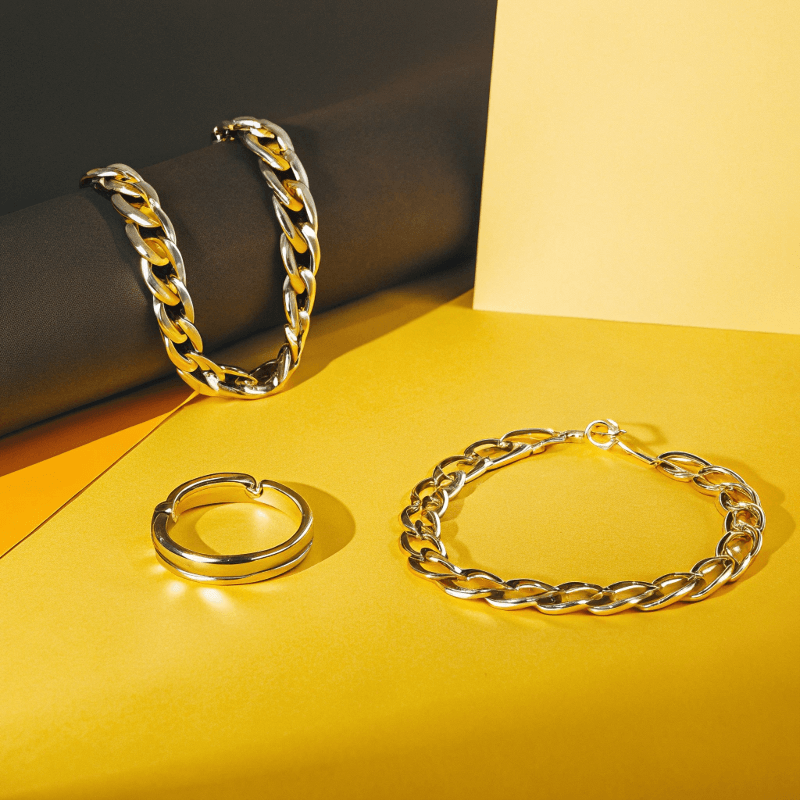
When it comes to jewelry, two metals often stand out: stainless steel and titanium. But what sets them apart, and how do you choose between the two for your jewelry collection or business? In this article, we will dive into the differences between stainless steel and titanium jewelry, from durability to cost, and help you determine which is the better option for your needs.
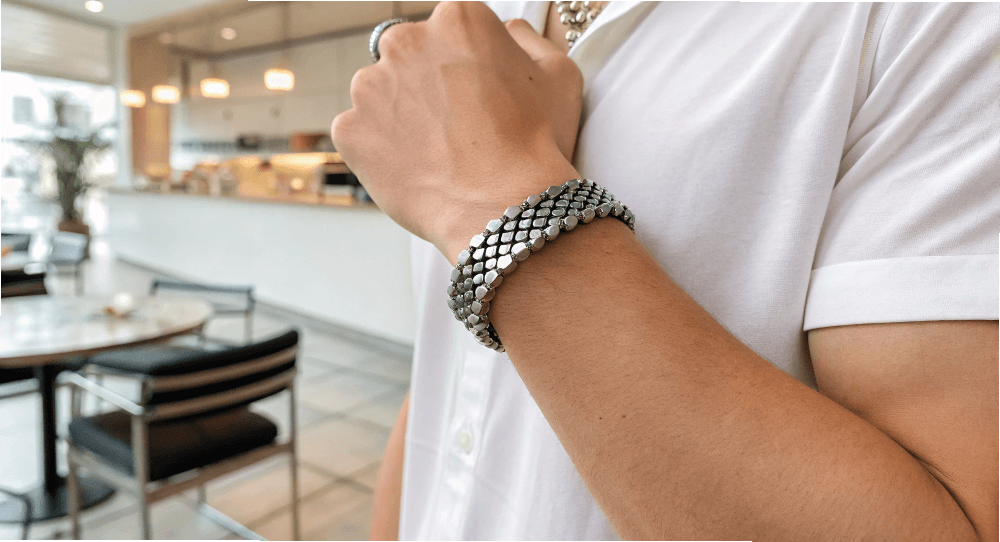
1. What are Stainless Steel and Titanium Jewelry?
Stainless steel and titanium are two commonly used metals in the jewelry industry. But what exactly are they, and what makes them ideal choices for jewelry? Let’s break it down.
Stainless Steel Jewelry
Stainless steel is an alloy primarily made of iron, chromium, and nickel. It’s known for its strength, corrosion resistance, and aesthetic appeal. The addition of chromium helps stainless steel maintain its shine over time, while nickel adds strength. Stainless steel is used in a variety of jewelry types, from rings to bracelets, and is a popular choice because of its durability and affordability.
Titanium Jewelry
Titanium, on the other hand, is a much lighter metal than stainless steel. It’s known for being incredibly strong yet lightweight, making it comfortable for everyday wear. Titanium is naturally resistant to corrosion and tarnishing, which makes it an attractive choice for those looking for jewelry that lasts. It’s often used in engagement rings, wedding bands, and modern designs due to its sleek, contemporary look.
What’s the real story? The main difference comes down to the feel and weight of the jewelry. Titanium is significantly lighter than stainless steel, which can be a major selling point for those who prefer lightweight accessories. Stainless steel, while heavier, offers a more substantial, solid feel.
Table 1: Comparison of Stainless Steel and Titanium Jewelry
| Property | Stainless Steel | Titanium |
|---|---|---|
| Weight | Heavier | Lighter |
| Durability | Highly durable | Extremely durable |
| Corrosion | Resistant to corrosion | Highly corrosion-resistant |
| Cost | Affordable | More expensive |
| Hypoallergenic | May cause allergies | Hypoallergenic |
2. What Are the Key Differences Between Stainless Steel and Titanium Jewelry?
Stainless steel and titanium might seem similar at first, but they have some key differences that can influence your choice of material for jewelry. Let’s dive into the specifics.
Composition and Structure
Stainless steel consists of iron mixed with chromium, nickel, and sometimes other metals, such as molybdenum. This combination gives stainless steel its renowned durability and resistance to rust, tarnishing, and scratching. On the other hand, titanium is made from the element titanium itself, with small amounts of aluminum and vanadium to enhance its properties. Titanium is lighter than stainless steel, but this doesn’t mean it sacrifices strength.
Durability and Scratch Resistance
Both metals are highly durable, but titanium holds a slight edge due to its ability to resist corrosion better than stainless steel. Titanium jewelry will often retain its appearance longer than stainless steel. Stainless steel, however, is more prone to scratches, especially if the finish is not protected.
Here’s the kicker: While titanium may not scratch as easily as stainless steel, it is also more challenging to repair if it gets damaged. In comparison, stainless steel can be polished and restored to its original shine with relative ease.
Table 2: Durability Comparison Between Stainless Steel and Titanium Jewelry
| Property | Stainless Steel | Titanium |
|---|---|---|
| Corrosion Resistance | Moderate | Excellent |
| Scratch Resistance | Moderate | Excellent |
| Repairability | Easy to polish | Harder to repair |
3. How Does the Appearance of Stainless Steel Compare to Titanium Jewelry?
When it comes to jewelry, appearance is everything. Both stainless steel and titanium have unique looks, but which one stands out more? Let’s compare.
Color and Finish
Stainless steel is known for its silver-gray appearance, which can be polished to a mirror finish or brushed for a matte look. Its shiny surface often makes it appear more polished than titanium. However, titanium can have a natural grayish tint, which, when polished, creates a sleek, modern look. Titanium jewelry can also be anodized in various colors, giving it a distinctive, customized appearance that stainless steel can’t replicate.
Polishing and Durability of Finish
Stainless steel tends to maintain its shiny appearance over time, though it is more prone to tarnishing or scratching than titanium. The finish on stainless steel may fade or scratch under regular wear, but it can be polished back to its original look. Titanium, on the other hand, holds its finish exceptionally well and resists scratches and tarnishing, even after years of wear.
What’s the real story? Titanium is often preferred for its modern, sleek look, especially in men’s jewelry, while stainless steel has a more classic, traditional appeal that suits various types of jewelry designs.
Table 3: Appearance Comparison Between Stainless Steel and Titanium Jewelry
| Property | Stainless Steel | Titanium |
|---|---|---|
| Color | Silver-gray | Gray, customizable |
| Shiny Finish | High gloss, prone to tarnish | Resistant to tarnishing |
| Customization | Limited | Can be anodized |
4. Which Jewelry Metal is More Durable: Stainless Steel or Titanium?
When it comes to durability, both stainless steel and titanium perform well, but they each have different strengths. Here’s why titanium might be the better option for some buyers.
Strength and Resistance
Titanium is renowned for its strength-to-weight ratio, which makes it an excellent choice for those looking for durable jewelry without the weight. Titanium is tougher than stainless steel and is used in aerospace and medical applications due to its ability to withstand high stress. Stainless steel, while strong, is not quite as resilient as titanium when exposed to extreme pressure.
Corrosion Resistance
One area where titanium excels is its corrosion resistance. Titanium is impervious to saltwater and other corrosive elements, making it the ideal choice for jewelry worn in active lifestyles or environments with exposure to moisture. Stainless steel, though also resistant to rust, is not as impervious to saltwater, which can cause corrosion over time.
Ready for the good part? Titanium’s resistance to corrosion makes it an excellent choice for people who live near the ocean or are involved in activities like swimming or diving.
Table 4: Durability Comparison: Stainless Steel vs. Titanium Jewelry
| Property | Stainless Steel | Titanium |
|---|---|---|
| Strength | Strong | Stronger, more durable |
| Corrosion Resistance | Moderate | Exceptional |
| Scratch Resistance | Moderate | High |
5. Is Stainless Steel or Titanium Jewelry More Hypoallergenic?
Allergy reactions to jewelry materials are a concern for many consumers, and this is where the metals differ significantly. Let’s take a closer look at which material is better suited for sensitive skin.
Nickel Sensitivity in Stainless Steel
One of the drawbacks of stainless steel is its nickel content, which can cause allergic reactions in people who are sensitive to nickel. While there are stainless steel alloys that contain less nickel or none at all, most standard stainless steel jewelry pieces may still cause irritation for some users.
Titanium’s Hypoallergenic Nature
Titanium, however, is naturally hypoallergenic. It’s one of the most biocompatible metals, which makes it ideal for those with sensitive skin or allergies to certain metals. Titanium jewelry is highly recommended for people prone to skin irritations, as it is less likely to cause rashes, swelling, or discomfort.
But here’s the kicker: Titanium is the go-to choice for hypoallergenic jewelry, particularly in rings and bracelets that come into regular contact with the skin. It provides peace of mind for people with nickel allergies, as it doesn’t contain any nickel.
Table 5: Hypoallergenic Comparison Between Stainless Steel and Titanium Jewelry
| Property | Stainless Steel | Titanium |
|---|---|---|
| Nickel Content | May contain nickel | No nickel, hypoallergenic |
| Skin Sensitivity | Can cause irritation | Highly hypoallergenic |
6. What Are the Strengths and Weaknesses of Stainless Steel Jewelry?
Stainless steel jewelry has long been favored for its combination of affordability, strength, and resilience. But like every material, it comes with both benefits and drawbacks.
Strengths of Stainless Steel Jewelry
Stainless steel is a robust material that can withstand significant wear and tear. It’s resistant to rust, tarnishing, and corrosion, making it an ideal choice for jewelry that will be worn every day. Additionally, stainless steel’s ability to hold its shape under pressure means it won’t bend or deform easily. It can also be polished to a bright finish, maintaining a sleek, shiny look over time.
Weaknesses of Stainless Steel Jewelry
While stainless steel offers many advantages, it does have some downsides. For one, the material can be prone to scratching, especially when compared to the much harder titanium. Additionally, the alloy used in stainless steel can sometimes contain nickel, which can cause allergic reactions for some people. It’s also less malleable than softer metals, making intricate designs or engravings more challenging to produce.
Ready for the good part? The beauty of stainless steel lies in its versatility, making it suitable for various jewelry types, from rings to necklaces and bracelets. Despite its few weaknesses, it remains a popular choice due to its affordability and durability.
Table 6: Strengths and Weaknesses of Stainless Steel Jewelry
| Strengths | Weaknesses |
|---|---|
| Highly durable | Can be prone to scratching |
| Affordable | May cause allergies due to nickel |
| Resistant to tarnishing | Less malleable for intricate designs |
| Holds a shiny finish | Difficult to repair if damaged |
7. What Are the Strengths and Weaknesses of Titanium Jewelry?
Titanium has earned a reputation as a premier metal for fine jewelry due to its unique combination of lightweight strength, corrosion resistance, and hypoallergenic properties. But let’s explore both the pros and cons of this metal.
Strengths of Titanium Jewelry
Titanium jewelry is incredibly durable yet light, making it highly comfortable for everyday wear. Unlike many other metals, titanium is resistant to corrosion from water and even sweat, making it ideal for people with active lifestyles. Additionally, titanium is a hypoallergenic metal, meaning it’s less likely to cause skin irritation, making it perfect for those with allergies to other metals like nickel.
Weaknesses of Titanium Jewelry
Despite its many advantages, titanium isn’t without drawbacks. It can be harder to resize or modify than other metals due to its strength. If titanium is scratched, it can be difficult to polish and restore its original finish. Also, titanium jewelry tends to have a more understated appearance compared to the gleaming, polished finish of stainless steel. Some might find titanium’s matte finish or natural gray hue less appealing compared to the bright shine of stainless steel.
What’s the real story? Despite its few disadvantages, titanium remains one of the most popular metals in modern jewelry design due to its strength, comfort, and hypoallergenic properties. Its benefits often outweigh the cons for most consumers.
Table 7: Strengths and Weaknesses of Titanium Jewelry
| Strengths | Weaknesses |
|---|---|
| Highly durable | Harder to resize |
| Lightweight and comfortable | Difficult to polish if scratched |
| Resistant to corrosion | Less shiny appearance |
| Hypoallergenic | More expensive |
8. How Do Stainless Steel and Titanium Jewelry Compare in Terms of Cost?
One of the key factors influencing the choice between stainless steel and titanium jewelry is cost. Let’s break down the price points for each material and consider the long-term value.
Cost of Stainless Steel Jewelry
Stainless steel is known for its affordability, making it an attractive option for businesses and consumers who want durable, stylish jewelry without breaking the bank. Stainless steel is relatively inexpensive to source and manufacture, which is why it’s often used in mass-market jewelry. Prices can vary based on design complexity and quality, but in general, stainless steel jewelry is much more affordable than titanium.
Cost of Titanium Jewelry
Titanium, while offering many benefits, comes at a higher price point. Titanium is more expensive to source and process than stainless steel, and the additional labor involved in making intricate designs can further drive up costs. However, for consumers looking for a lightweight, durable, and hypoallergenic option, titanium provides excellent value for the money. The initial investment might be higher, but the jewelry will last longer due to its durability and resistance to corrosion.
This is where it gets interesting: When deciding between stainless steel and titanium, cost is a significant factor, especially for bulk purchases or mass-produced jewelry. Stainless steel is ideal for budget-conscious consumers, while titanium may be a better investment for those seeking long-term durability and specialized features.
Table 8: Cost Comparison Between Stainless Steel and Titanium Jewelry
| Property | Stainless Steel | Titanium |
|---|---|---|
| Initial Cost | Low | High |
| Manufacturing Cost | Low | High |
| Long-Term Value | Moderate | High (long-lasting) |
9. How Do Both Materials Affect Comfort When Worn?
Comfort is a crucial factor when choosing jewelry, especially for pieces that are worn regularly. Let’s take a look at how stainless steel and titanium stack up in terms of wearability.
Weight and Comfort of Stainless Steel
Stainless steel is heavier than titanium, which means it might not be as comfortable for extended wear. While some people appreciate the heavier feel of stainless steel, others might find it cumbersome or uncomfortable, especially for pieces like rings or bracelets worn all day long.
Weight and Comfort of Titanium
Titanium is significantly lighter than stainless steel, which contributes to its comfort when worn for long periods. It is perfect for rings, necklaces, and bracelets that need to be lightweight yet durable. Titanium’s lightweight nature also makes it a popular choice for active wearers who want jewelry that won’t slow them down.
What’s the real story? If comfort is a priority, titanium is likely the better choice. Its lighter weight and strength provide a more comfortable wearing experience compared to the heavier stainless steel.
Table 9: Comfort Comparison Between Stainless Steel and Titanium Jewelry
| Property | Stainless Steel | Titanium |
|---|---|---|
| Weight | Heavier | Lighter |
| Comfort for All-Day Wear | Moderate | High |
| Ideal for Active Lifestyles | Moderate | High |
10. Which is Better for Custom Jewelry: Stainless Steel or Titanium?
Custom jewelry has become a growing market, with consumers demanding unique, personalized designs. But which metal is better suited for customization?
Stainless Steel and Customization
Stainless steel is relatively easy to work with when creating custom jewelry, making it a popular choice for designers. It can be molded into intricate designs, and its affordability makes it a go-to material for those looking to create custom pieces without overspending. However, stainless steel can be more difficult to engrave and shape in comparison to softer metals.
Titanium and Customization
Titanium, though more challenging to work with due to its hardness, can still be shaped and engraved with the right tools and expertise. Many jewelry designers appreciate titanium for its sleek, modern appeal and often use it for custom wedding bands and engagement rings. Titanium’s resistance to corrosion and scratch resistance makes it an excellent material for jewelry that needs to maintain its appearance over time.
Ready for the good part? Custom jewelry made from titanium tends to last longer and retain its finish better than stainless steel. However, the cost and labor involved in working with titanium might make it a more expensive choice for custom pieces.
Table 10: Customization Comparison Between Stainless Steel and Titanium Jewelry
| Property | Stainless Steel | Titanium |
|---|---|---|
| Ease of Customization | Easier to mold and engrave | More difficult to work with |
| Cost of Custom Pieces | Affordable | Expensive |
| Durability of Custom Pieces | Moderate | High |
11. How Are Stainless Steel and Titanium Jewelry Maintained?
Proper maintenance is essential to keep jewelry looking its best. Let’s compare the care requirements for stainless steel and titanium jewelry.
Stainless Steel Maintenance
Stainless steel jewelry is relatively easy to maintain. It doesn’t require much more than regular cleaning with mild soap and water. For deeper cleaning, a soft cloth or jewelry cleaner can help restore the shine. If the piece is scratched, polishing can often fix minor imperfections. However, tarnishing may occur over time, and scratches can become noticeable on softer stainless steel.
Titanium Maintenance
Titanium is one of the easiest metals to care for. It requires minimal upkeep and resists tarnishing and scratches better than stainless steel. Cleaning titanium jewelry usually involves wiping it down with a soft cloth. However, titanium can sometimes develop surface scratches if exposed to rough materials, but these are generally less noticeable than those on stainless steel.
This is where it gets interesting: While both metals are easy to maintain, titanium’s ability to resist tarnishing and corrosion gives it an edge for long-term care. You won’t need to polish titanium as often as stainless steel to keep it looking brand new.
Table 11: Maintenance Comparison Between Stainless Steel and Titanium Jewelry
| Property | Stainless Steel | Titanium |
|---|---|---|
| Tarnishing | Can tarnish over time | Resists tarnishing |
| Cleaning Ease | Easy, occasional polishing | Very easy, minimal care needed |
| Scratch Resistance | Moderate | Excellent |
12. Which is More Sustainable: Stainless Steel or Titanium Jewelry?
Sustainability is an increasing concern for consumers. Which metal is better for the environmentally conscious buyer?
Sustainability of Stainless Steel
Stainless steel is highly recyclable, and it’s often produced using recycled materials. The manufacturing process for stainless steel is energy-intensive, but its longevity and recyclability make it a better environmental choice compared to many other metals. Its ability to last for decades without needing replacement also adds to its sustainability.
Sustainability of Titanium
Titanium is known for being an environmentally friendly material. It’s abundant in the earth’s crust, and its extraction is less harmful to the environment compared to other metals. Titanium is also 100% recyclable and can be reused without losing its strength or quality. Its long-lasting nature means titanium jewelry can serve consumers for years, further reducing the need for frequent replacements.
What’s the real story? Both metals are sustainable, but titanium stands out due to its natural abundance, low environmental impact during extraction, and longevity.
Table 12: Sustainability Comparison Between Stainless Steel and Titanium Jewelry
| Property | Stainless Steel | Titanium |
|---|---|---|
| Recyclability | Highly recyclable | 100% recyclable |
| Environmental Impact | Moderate | Low |
| Longevity | Long-lasting | Extremely long-lasting |
13. Can You Mix Stainless Steel and Titanium Jewelry in One Look?
Blending different metals in jewelry designs has become a popular trend. So, can stainless steel and titanium be mixed in the same piece?
Combining Stainless Steel and Titanium
Mixing stainless steel and titanium can create a striking contrast in design. Both metals have unique qualities that, when combined, can make a statement piece. For example, a bracelet with titanium accents and a stainless steel band can offer both strength and style. The sleek appearance of titanium paired with the classic shine of stainless steel makes for a versatile and modern design.
What’s the real story? While it’s possible to mix these metals, the key is in the design. Using them together in complementary ways can result in unique and fashionable jewelry.
Table 13: Mixing Stainless Steel and Titanium Jewelry
| Property | Stainless Steel | Titanium |
|---|---|---|
| Ideal for Mixing | Yes, pairs well with titanium | Yes, pairs well with stainless steel |
| Design Flexibility | Moderate | High |
| Appearance | Shiny and polished | Sleek and matte |
14. What Are Popular Jewelry Items Made from Stainless Steel or Titanium?
Both stainless steel and titanium have become staples in the jewelry industry. Let’s look at the most popular items made from these metals.
Popular Stainless Steel Jewelry Pieces
Stainless steel is used in a variety of jewelry types, from rings and bracelets to necklaces and earrings. Its versatility and ability to maintain a shiny appearance make it suitable for all kinds of designs, whether minimalist or elaborate. Stainless steel is also used in watches, keychains, and other accessories.
Popular Titanium Jewelry Pieces
Titanium is often used in engagement rings and wedding bands due to its strength and hypoallergenic properties. It’s also a favorite for men’s jewelry, including bracelets, cufflinks, and necklaces. Titanium’s lightweight nature makes it ideal for large statement pieces that won’t feel heavy on the wearer.
What’s the real story? While stainless steel offers a broader range of designs, titanium has carved out a niche in high-end and specialized jewelry due to its unique properties.
Table 14: Popular Jewelry Items Made from Stainless Steel and Titanium
| Jewelry Type | Stainless Steel | Titanium |
|---|---|---|
| Rings | Wedding bands, fashion rings | Engagement rings, wedding bands |
| Bracelets | Casual and sporty bracelets | Luxury and statement bracelets |
| Necklaces | Chains and pendants | Custom designs, minimalistic styles |
15. What Should You Consider When Choosing Between Stainless Steel and Titanium Jewelry?
Choosing between stainless steel and titanium jewelry comes down to personal preference and priorities. Let’s break it down.
Key Considerations for Stainless Steel
Stainless steel is a great choice if you’re looking for an affordable, durable option. Its weight can give a sense of substantiality, and it’s ideal for a wide range of designs. However, if you have sensitive skin, stainless steel might not always be the best option, especially if it contains nickel.
Key Considerations for Titanium
If comfort, hypoallergenic properties, and strength are top priorities, titanium should be your go-to. It’s more expensive but offers long-lasting durability and a modern look that’s hard to beat. Titanium is perfect for those who want jewelry that’s both functional and stylish.
Here’s the kicker: The choice ultimately depends on your specific needs—whether you value affordability, strength, comfort, or style.
Table 15: Choosing Between Stainless Steel and Titanium Jewelry
| Factor | Stainless Steel | Titanium |
|---|---|---|
| Cost | Affordable | Expensive |
| Durability | Durable | Extremely durable |
| Hypoallergenic | May cause irritation | Hypoallergenic |
FAQ Section
Q1: What is stainless steel jewelry?
Stainless steel jewelry is made from an alloy that contains iron, chromium, and sometimes nickel, making it strong and resistant to tarnishing.
Q2: How does titanium jewelry compare to stainless steel?
Titanium jewelry is lighter, stronger, and more corrosion-resistant than stainless steel, making it ideal for those seeking durable, long-lasting jewelry.
Q3: Which jewelry metal is more durable?
Titanium is generally more durable than stainless steel, offering higher resistance to corrosion, scratches, and wear.
Q4: Is titanium jewelry hypoallergenic?
Yes, titanium is naturally hypoallergenic, making it a great choice for people with sensitive skin or nickel allergies.
Q5: Can stainless steel jewelry be customized?
Yes, stainless steel jewelry can be easily customized, though it may not offer the same flexibility for intricate designs as titanium.